No Cookbook Required
For generations, people learned to cook by watching someone else in the kitchen. After making the same dish a few times, they knew the proportions and could tell when the dough needed more flour or the pan was getting too hot. Cookbooks existed, but there was little reason to look up a meal you made every week. Many of those recipes are just as easy to learn today, since they rely on simple ratios or techniques that become second nature with practice. Here are 20 dishes people once knew by heart.
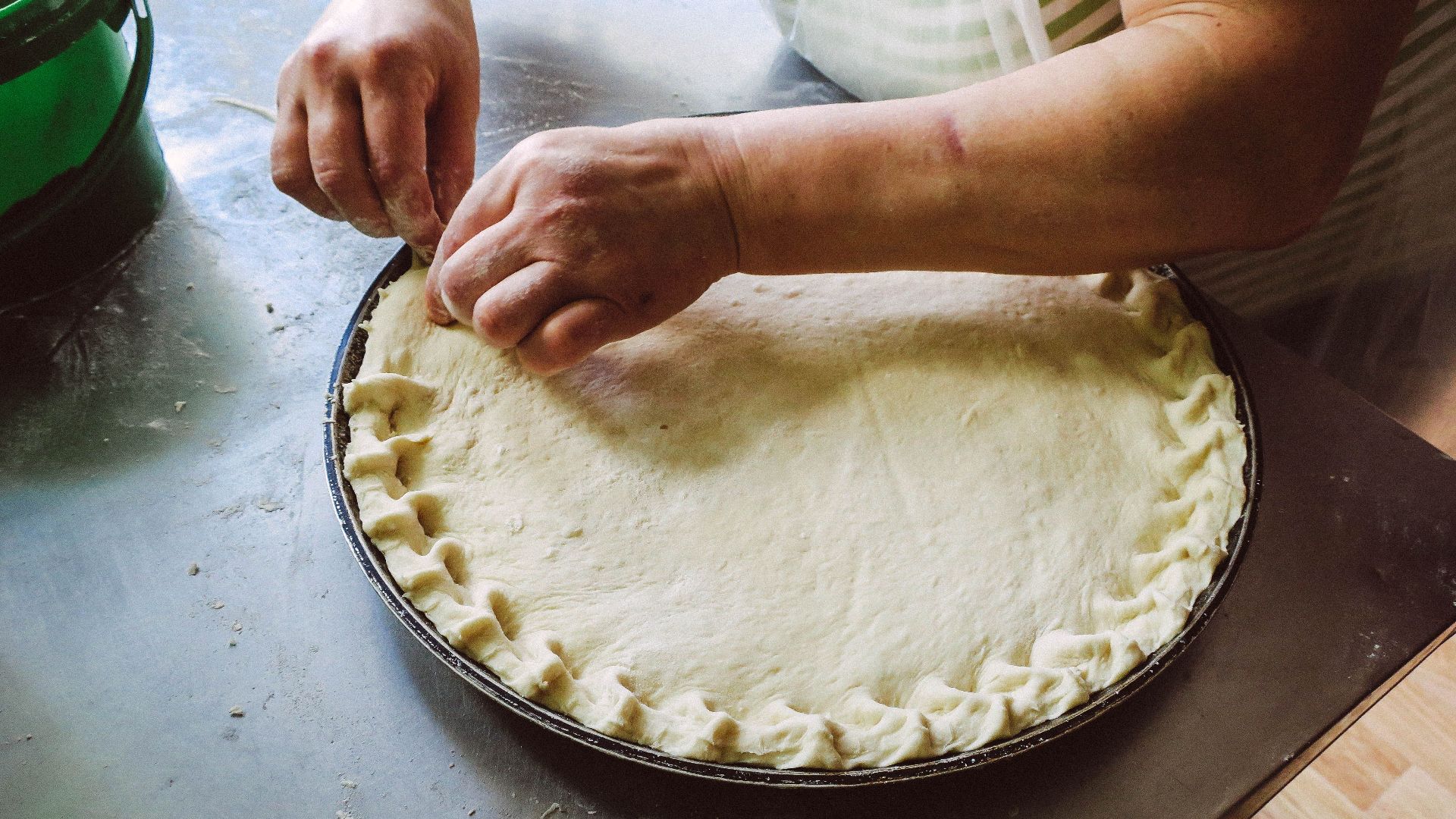
1. Pie Crust Runs on a 3-2-1 Ratio
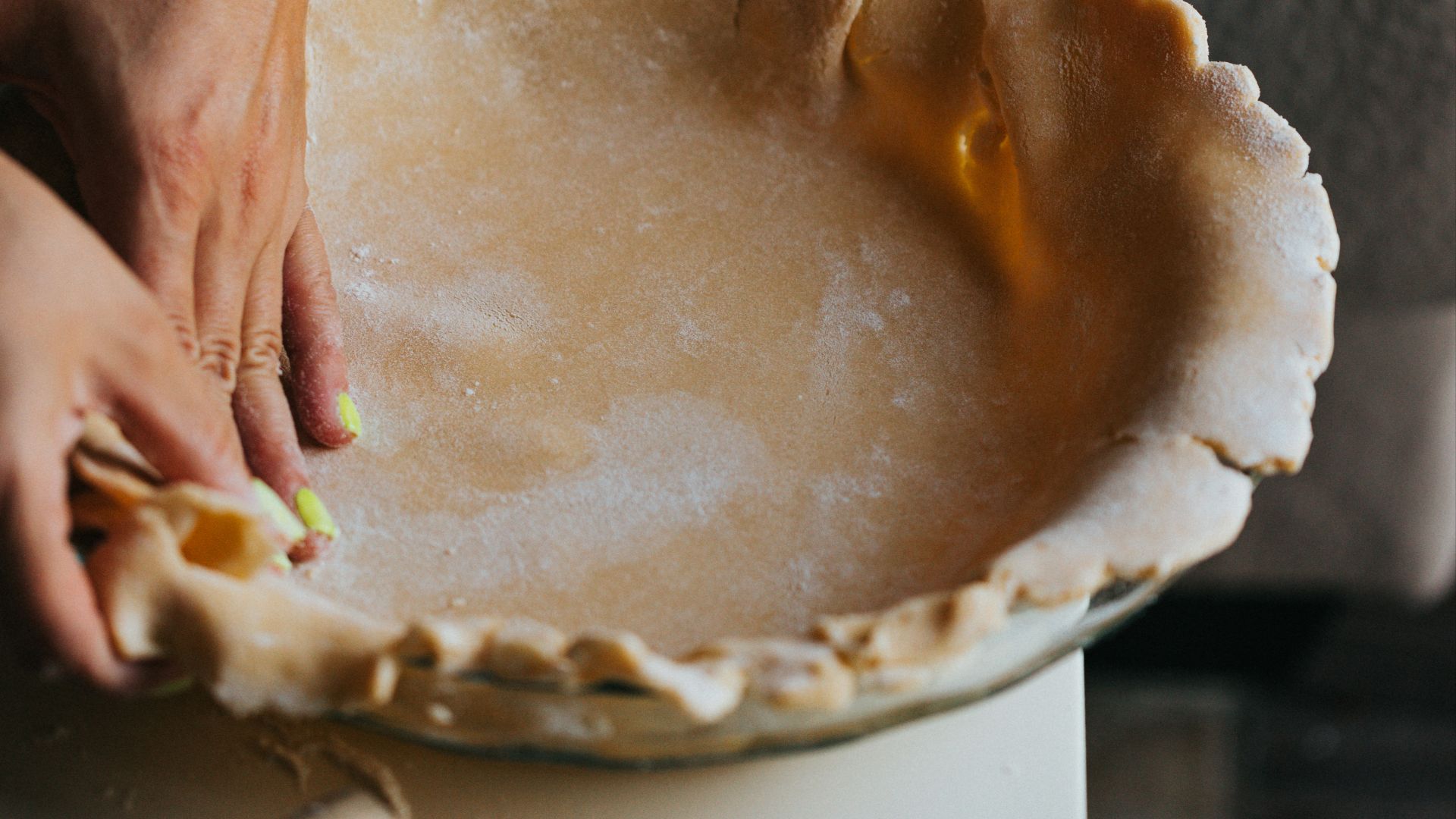
Pie dough traditionally runs on three parts flour to two parts fat to one part cold water, measured by weight. A cook who knows that can make a crust for any pan by scaling the numbers up or down. The ratio holds whether the fat is butter or lard, and the choice mostly changes the flavor.
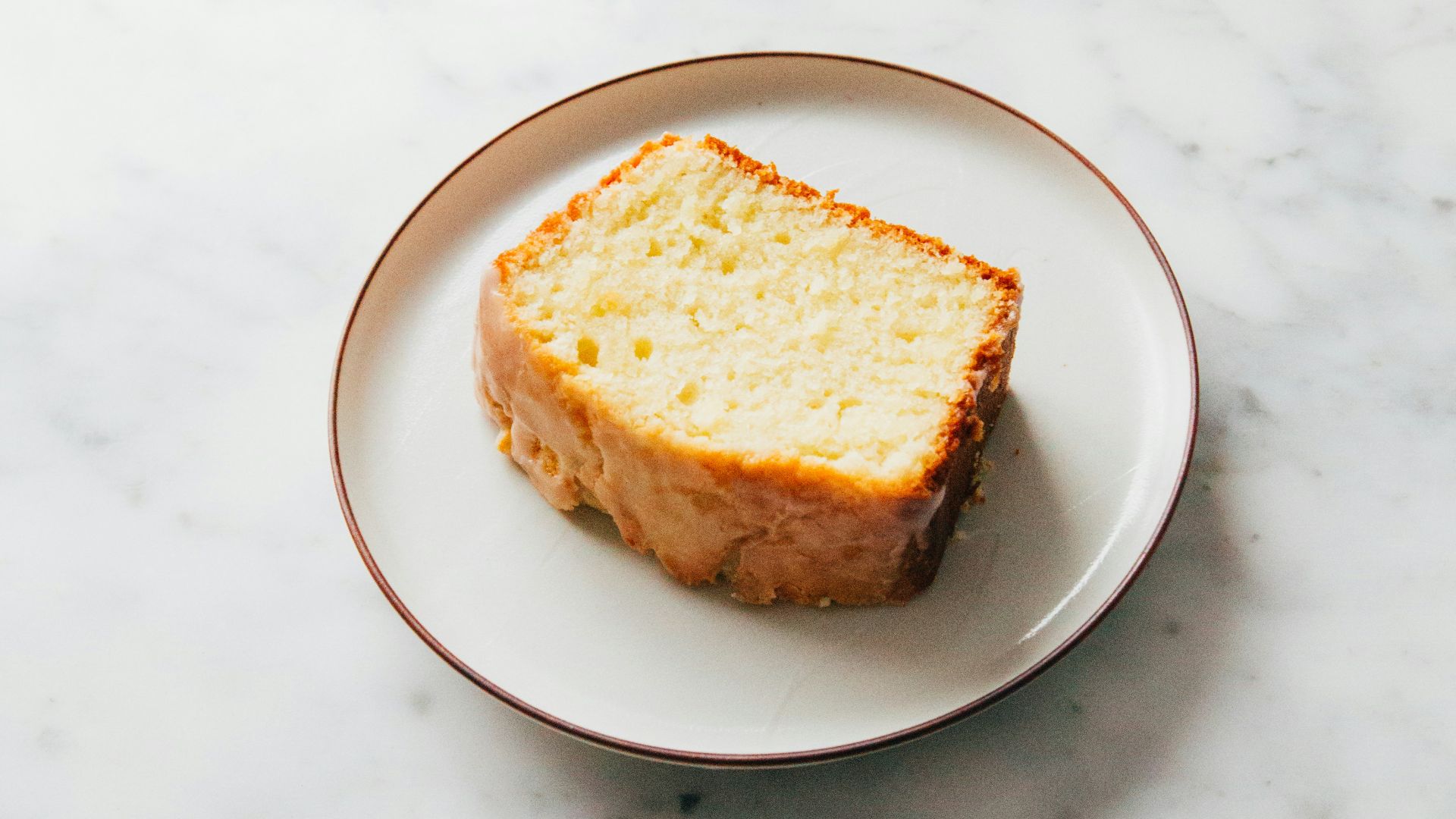
2. Pound Cake Is Named After Its Weights
The original called for a pound each of butter, sugar, eggs, and flour. That's where the name came from, and the equal weights made it easy to halve when a whole one was too much cake for one table. Modern versions shrink the amounts and still keep the four ingredients roughly even.
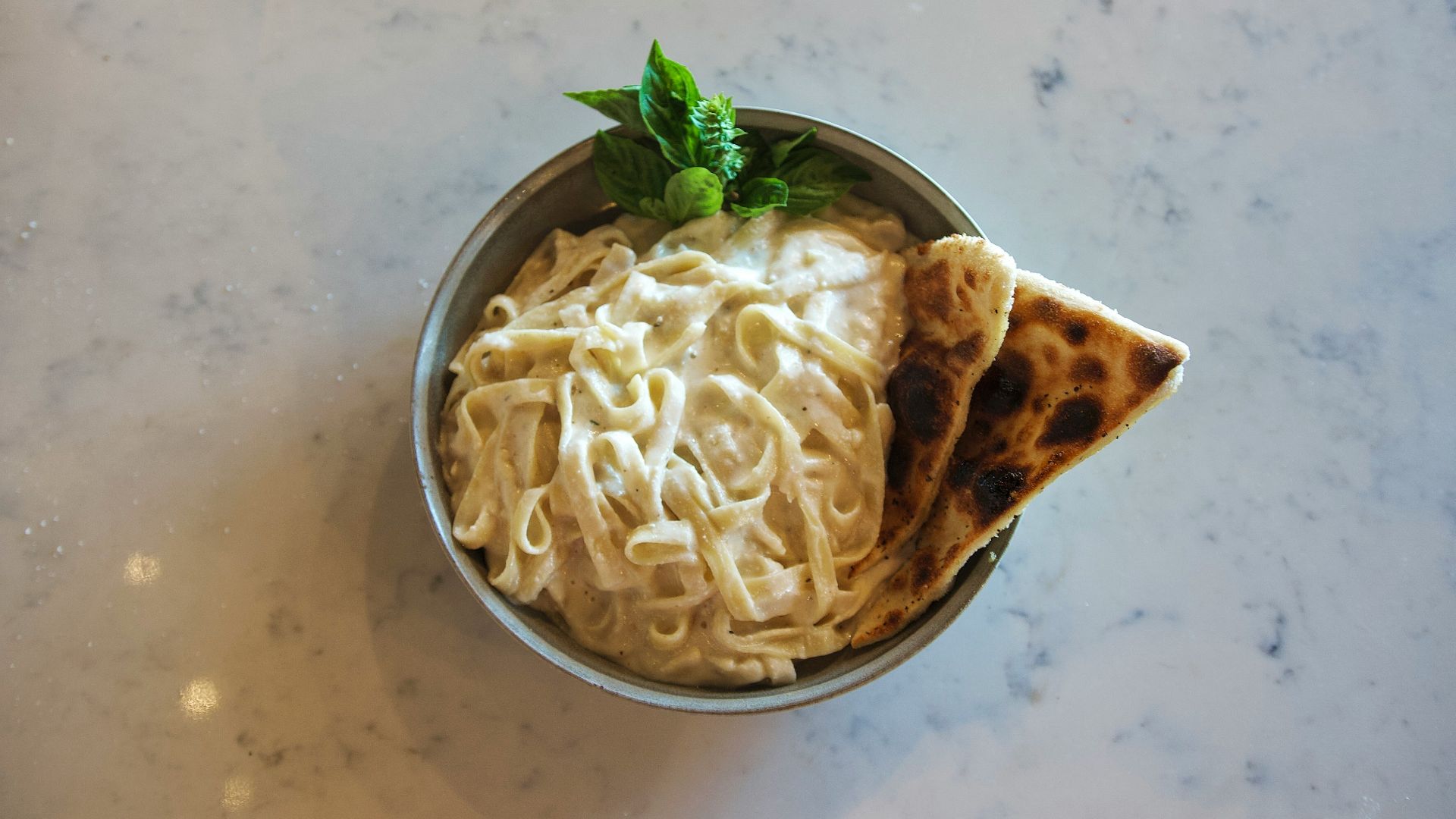
3. White Sauce Starts With Butter and Flour in Equal Parts
Equal amounts of butter and flour, cooked together for a minute, make the base. Whisk in milk slowly and it thickens into something smooth enough to pour over almost anything. Go too fast and you'll be chasing lumps around the pan for the rest of the night.
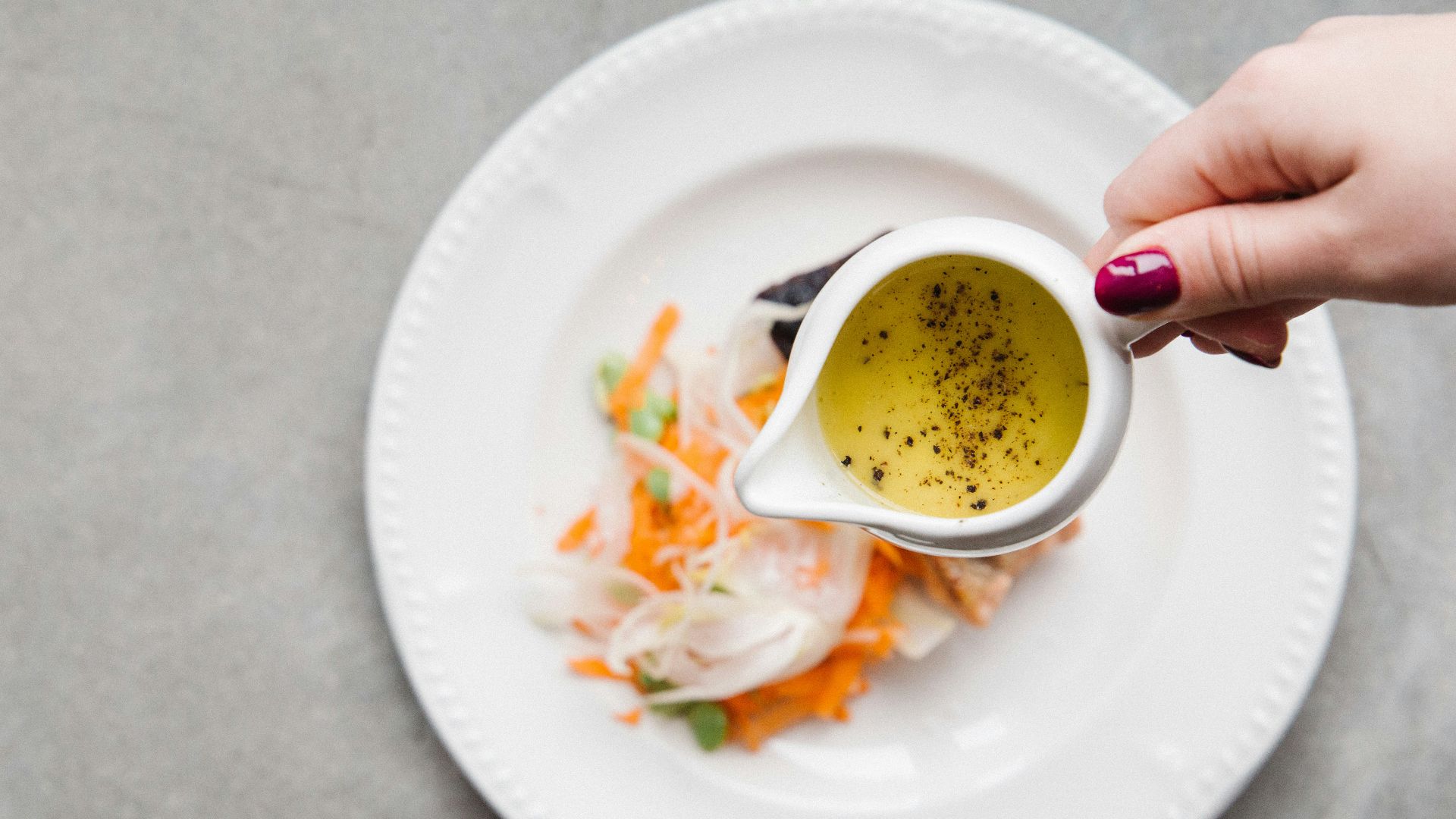
4. Vinaigrette Is Three Parts Oil to One Part Vinegar
Most cooks start with that ratio, then taste a little dressing on a lettuce leaf and adjust as needed. A spoonful of mustard helps keep the oil and vinegar mixed instead of separating. Finish with salt and whatever herbs are on hand.
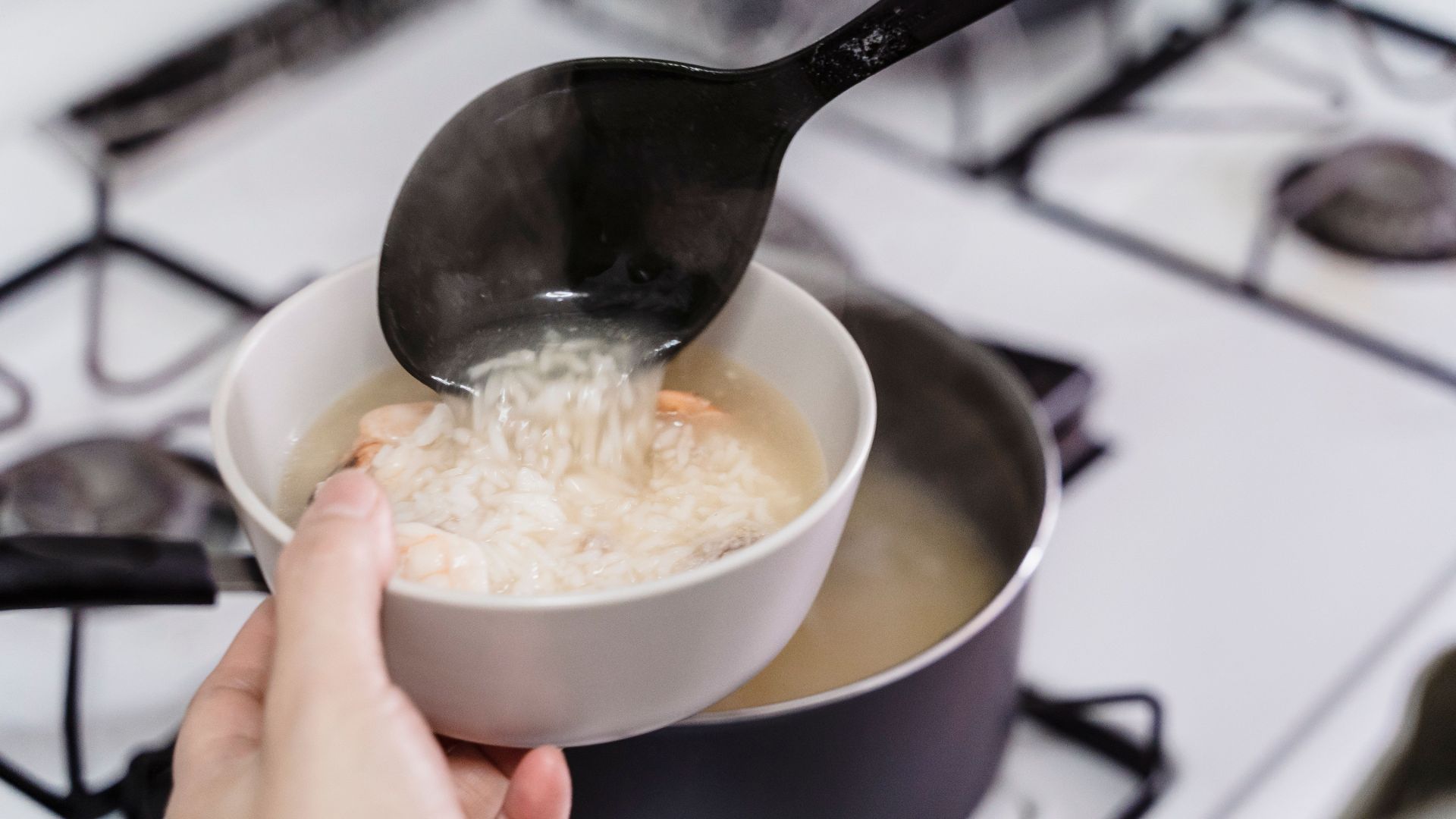
5. Rice Takes Twice Its Volume in Water
Long-grain white rice wants about two cups of water for every cup of rice. The lid goes on once the pot boils and stays on, because the trapped steam does the rest of the cooking. Peeking early lets it out, and the top layer can stay hard.
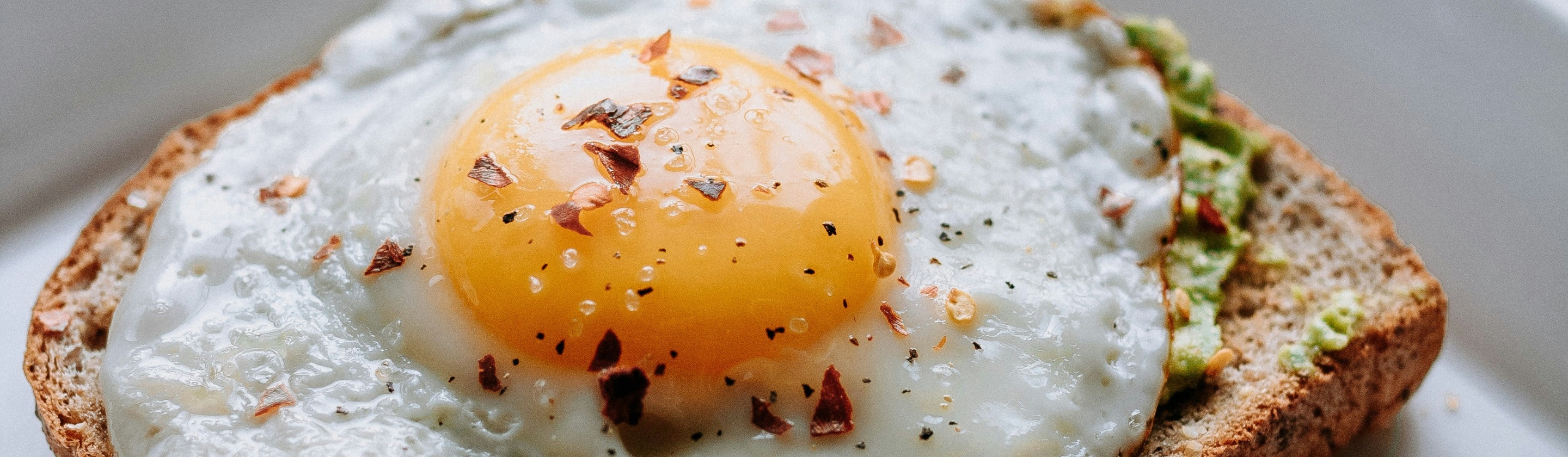
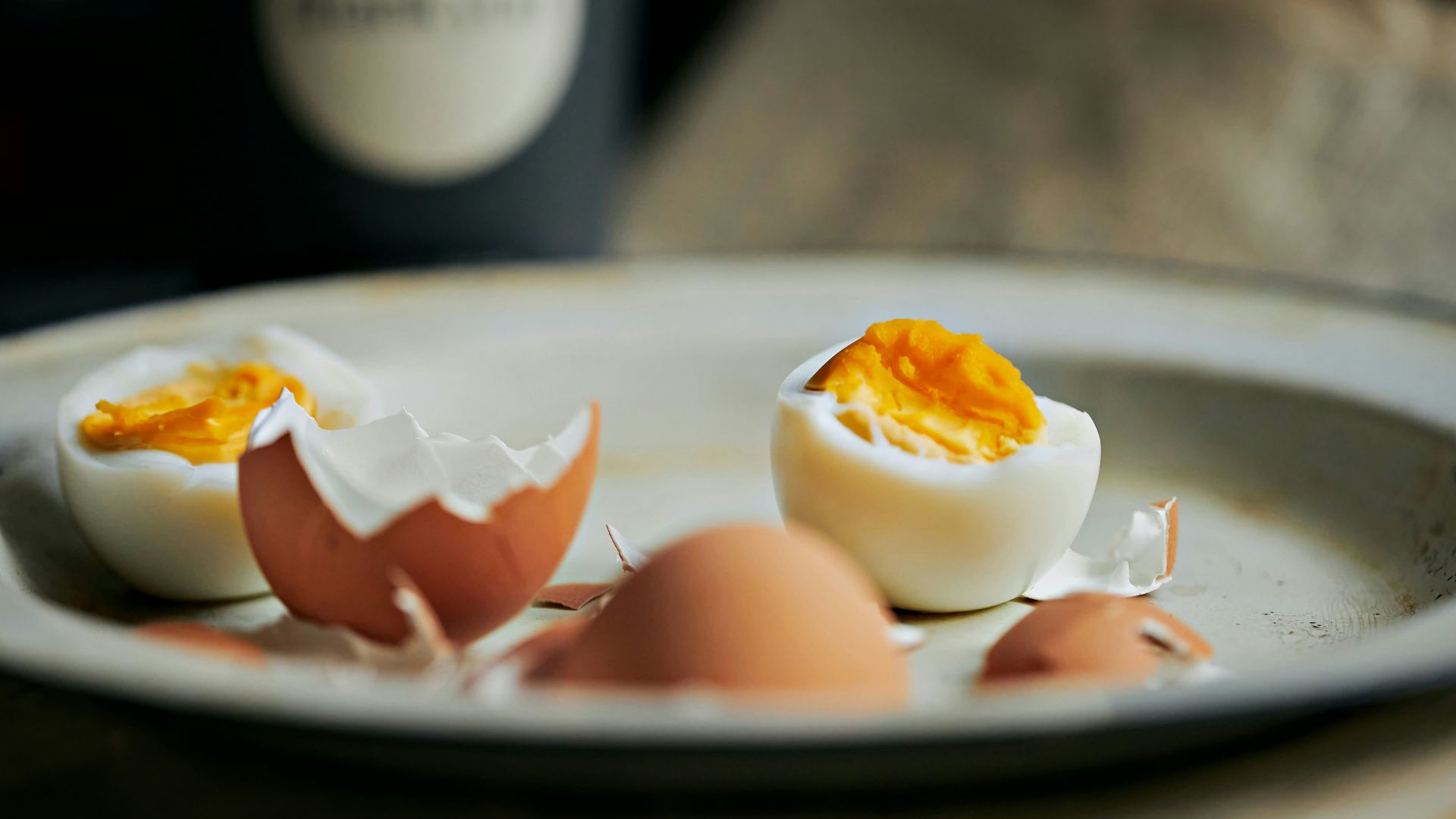
6. Hard-Boiled Eggs Go Into Cold Water
That gray-green ring around an overcooked yolk is sulfur from the white meeting iron from the yolk. Eggs that start in cold water and sit off the heat once it boils rarely get that far. They finish in the hot water with the burner off.
 Rasa Kasparaviciene on Unsplash
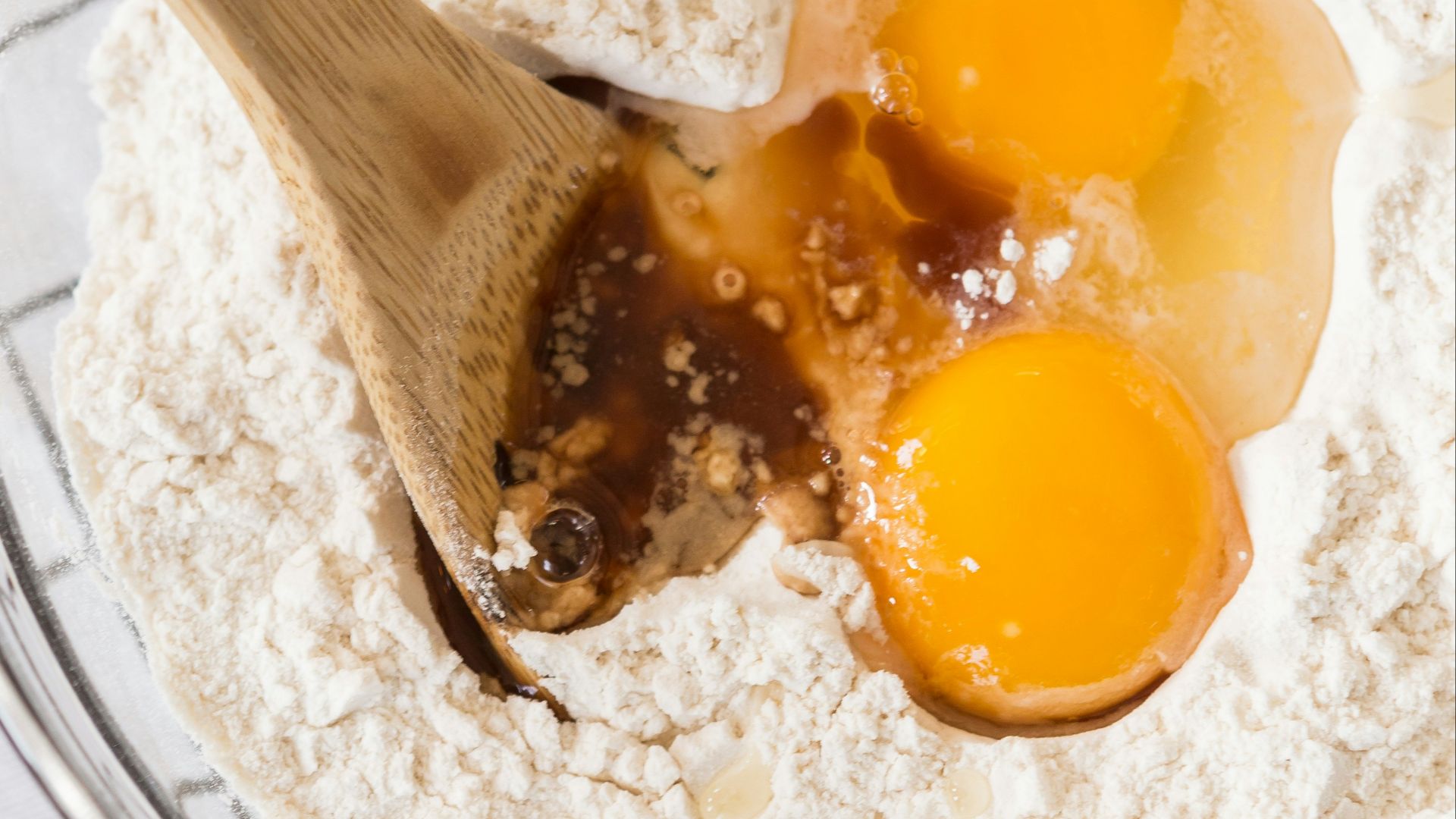
7. Pancake Batter Should Stay Lumpy
Stirring flour into milk builds gluten, and the longer you stir the chewier the pancake. Stop as soon as the dry patches disappear, lumps and all. Letting the bowl sit while the griddle heats gives the flour time to drink up the milk.
8. Pan Gravy Comes Out of the Drippings
Pull the roast out and what's left behind is fat plus a layer of browned bits stuck to the pan. Stir flour into the fat to make a paste, then pour in broth and let it simmer down. Skip the browned bits and the gravy tastes like thickened broth, because that's what it is.
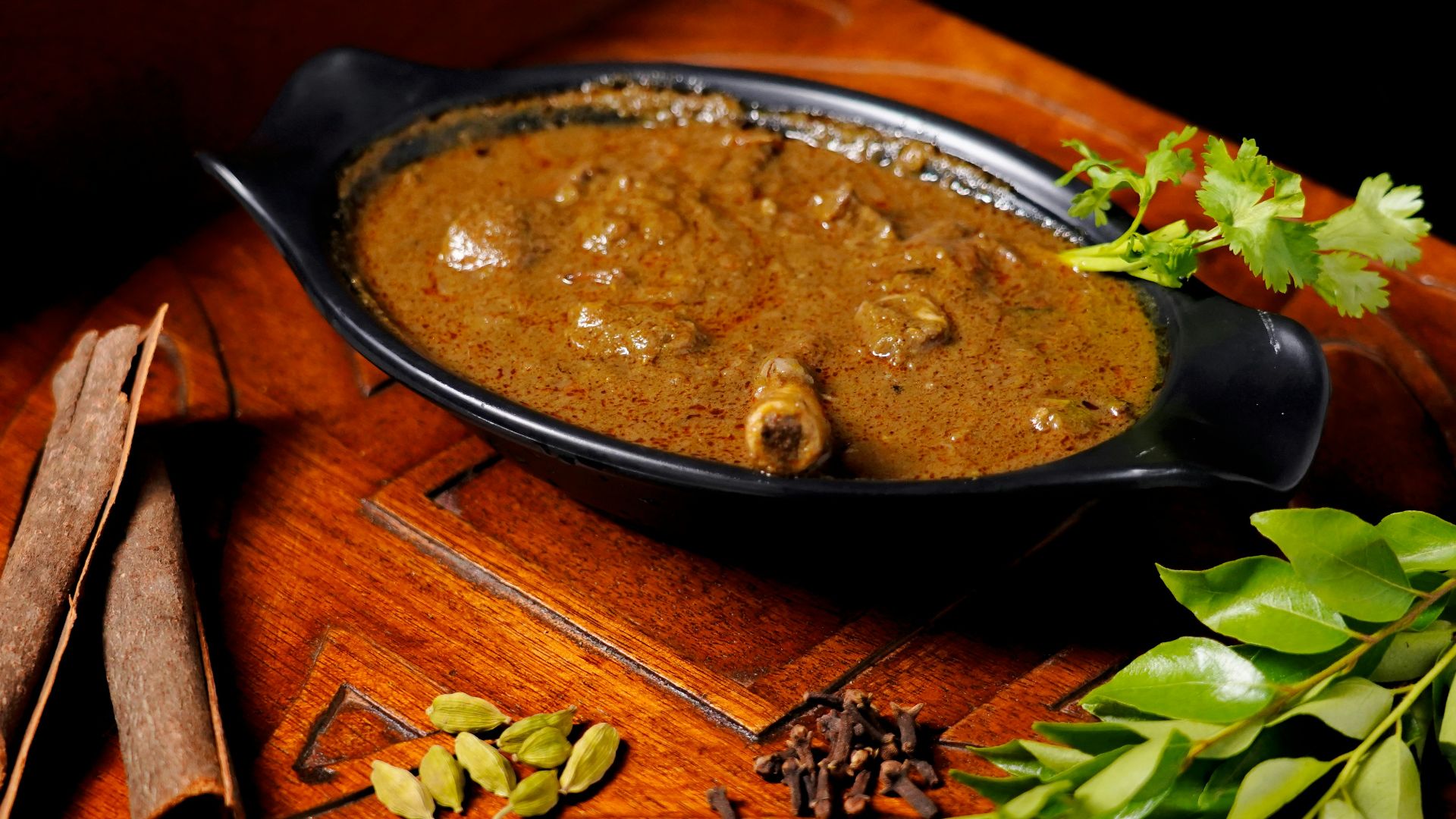
9. Chicken Stock Uses the Bones
Stock that goes wobbly in the refrigerator is a good sign. A leftover carcass and an onion in a pot of water is all it takes to get there. The wobble is gelatin that dissolved out of the connective tissue, and it's the reason good soup has body.
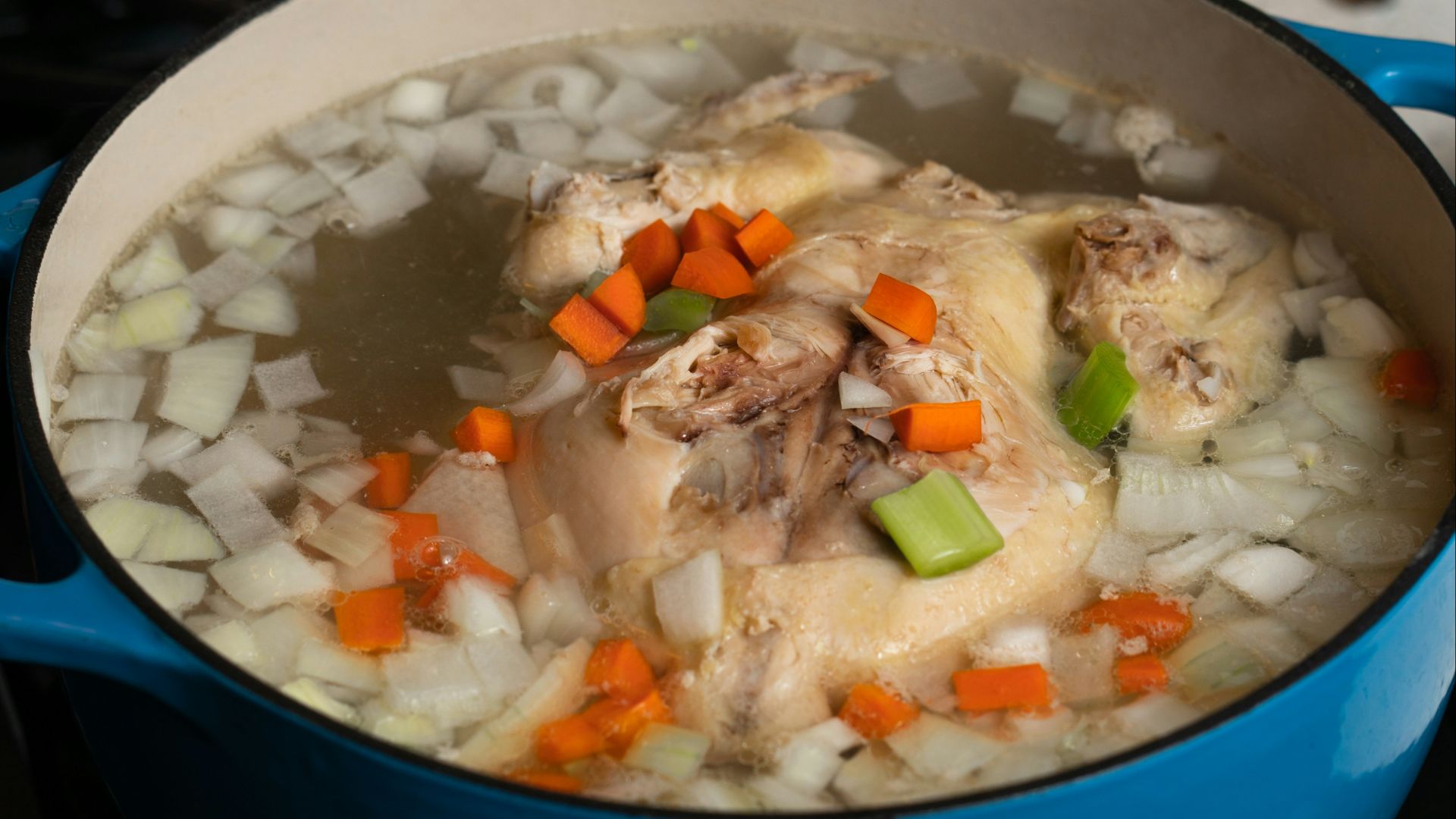
10. Biscuits Need the Fat Cold
Cold butter rubbed into flour stays in little lumps all the way to the oven, where it melts and leaves steam pockets that lift the dough into layers. Softened butter blends in completely and bakes flat. Some cooks grate frozen butter straight into the bowl to keep it from warming up.
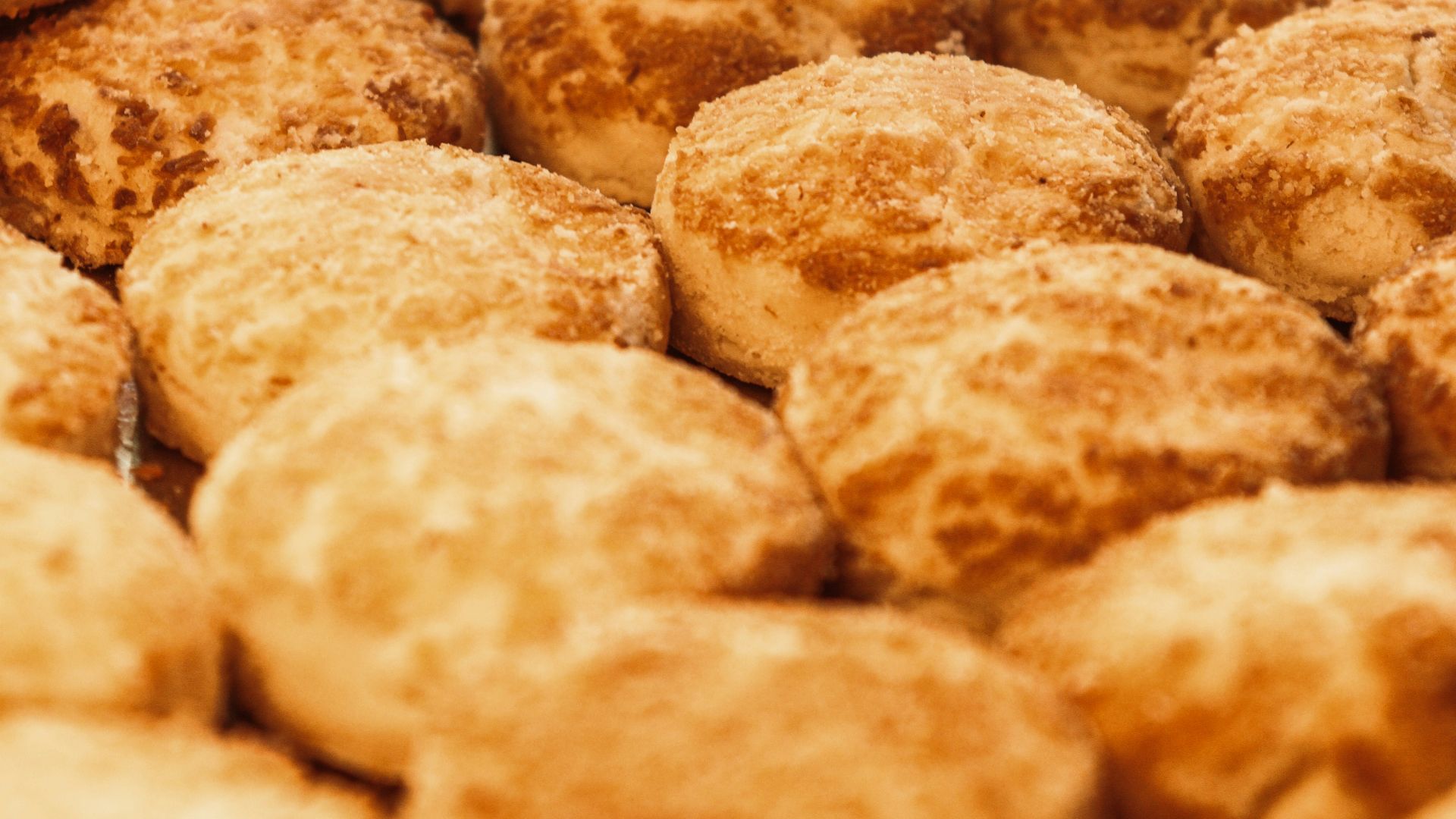
11. Cornbread Wants a Hot Skillet
A cast iron pan goes into the oven empty and comes out hot enough that the batter sizzles on contact. The sizzle means the bottom is browning into a crust worth eating. Cast iron matters here because it stores a lot of heat and gives it up slowly.
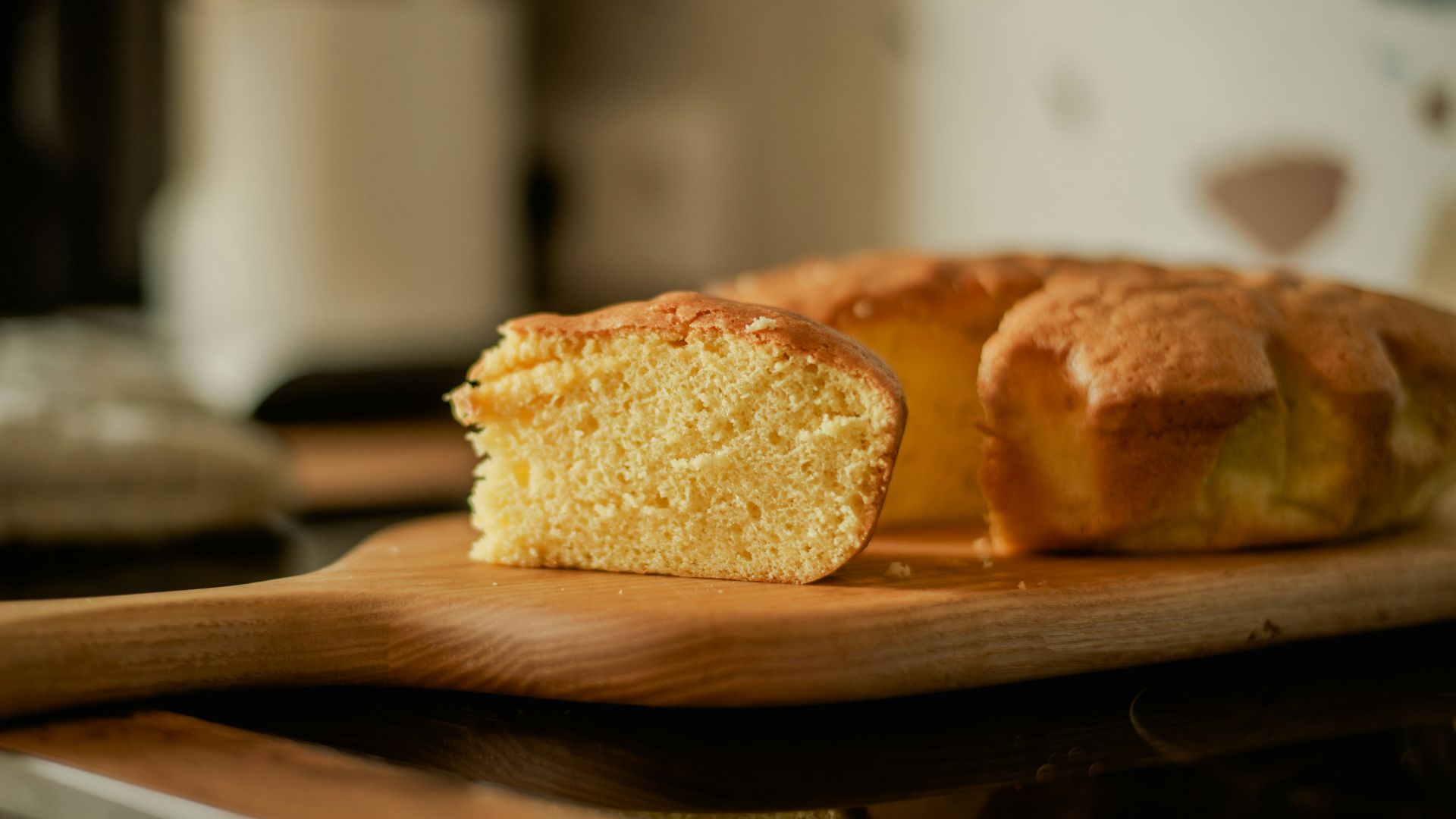
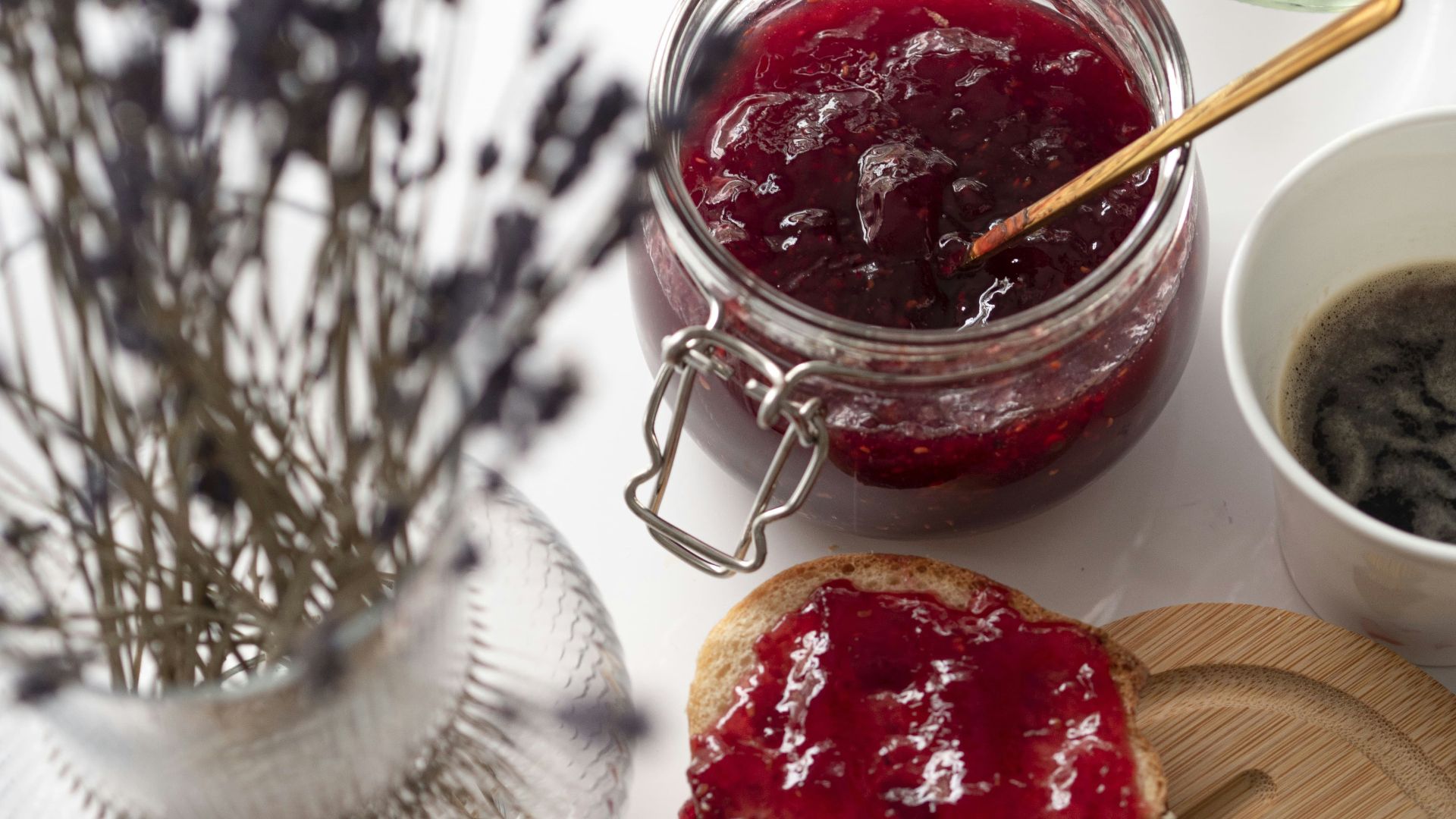
12. Jam Is Equal Weights of Fruit and Sugar
That much sugar seems wrong until you know it's part of how the jam sets. Boiling concentrates the pectin already in the fruit, and the sugar is what lets that pectin firm up into a gel. Slightly underripe fruit carries more pectin than fruit at its softest.
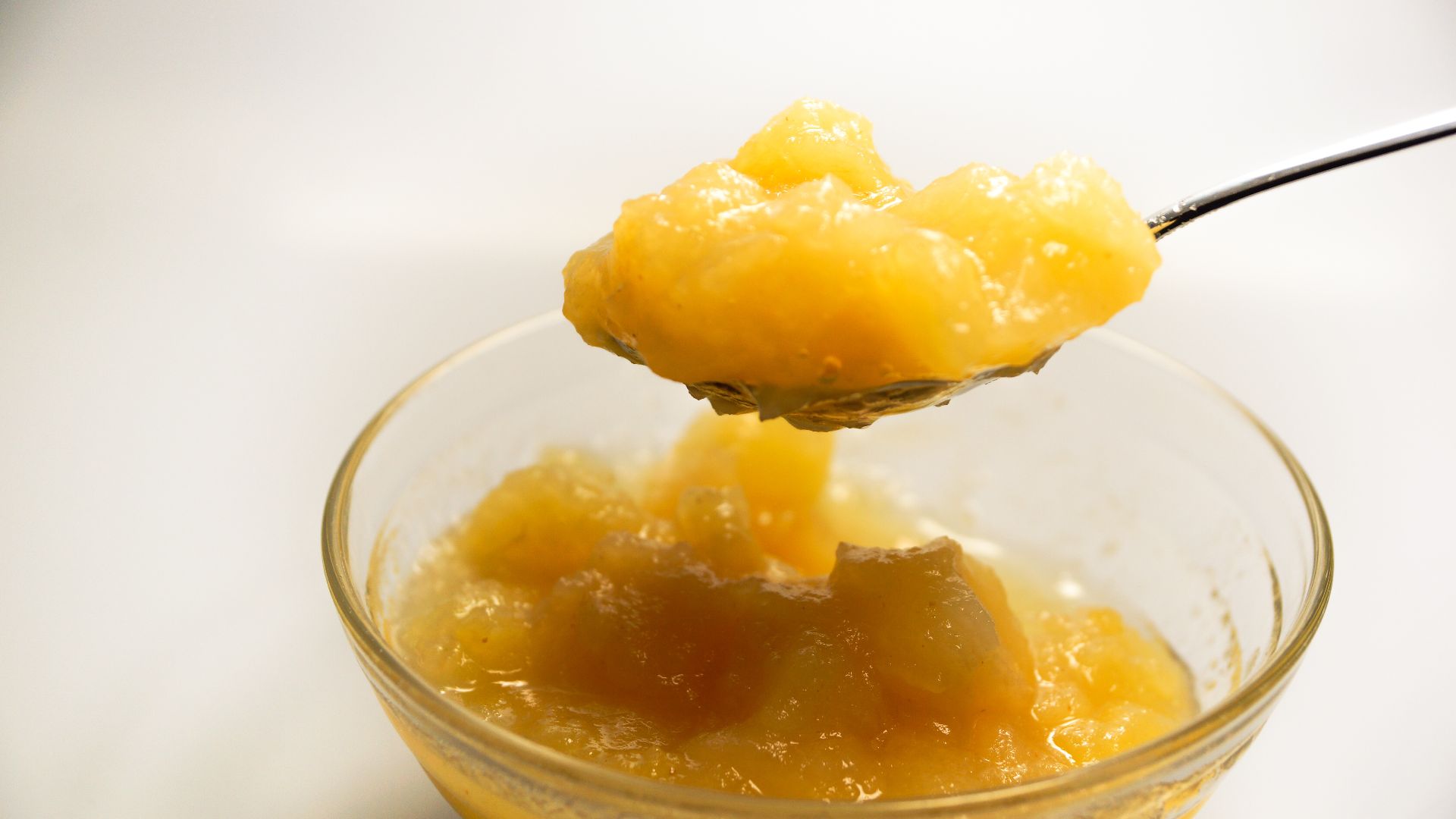
13. Applesauce Is Mostly Just Apples
All you need are apples and a splash of water to keep them from sticking to the pot. Mash them with a fork for a chunky texture or cook them longer for a smoother sauce. Sweet apples often need no added sugar, and cinnamon is entirely optional.
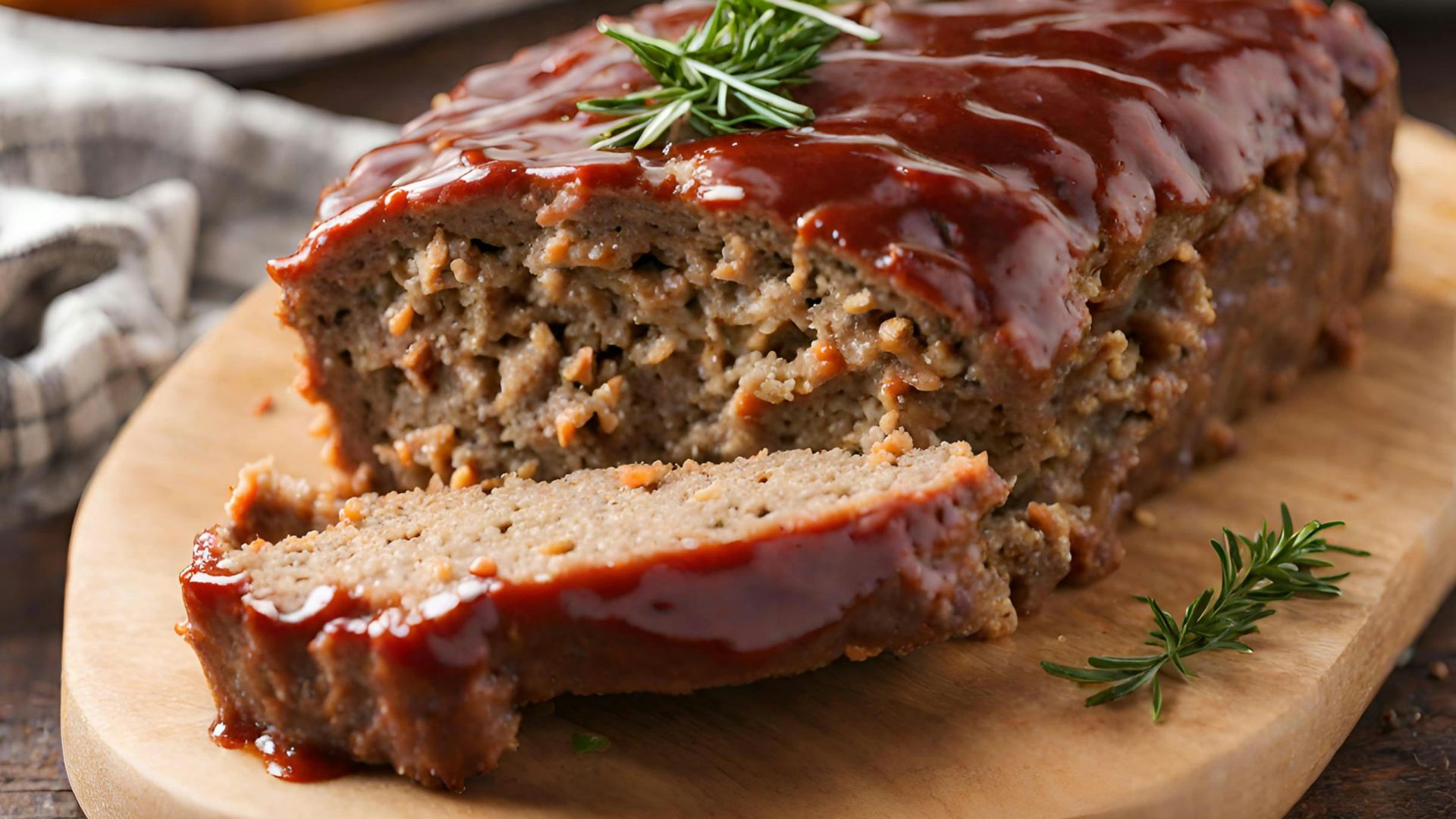
14. Meatloaf Stays Moist With Soaked Bread
Meatloaf recipes call for bread soaked in milk because the starch holds onto liquid while the loaf cooks. Without it, a lot of that juice ends up in the pan instead of the meat. Breadcrumbs work the same way if there's no stale slice around.
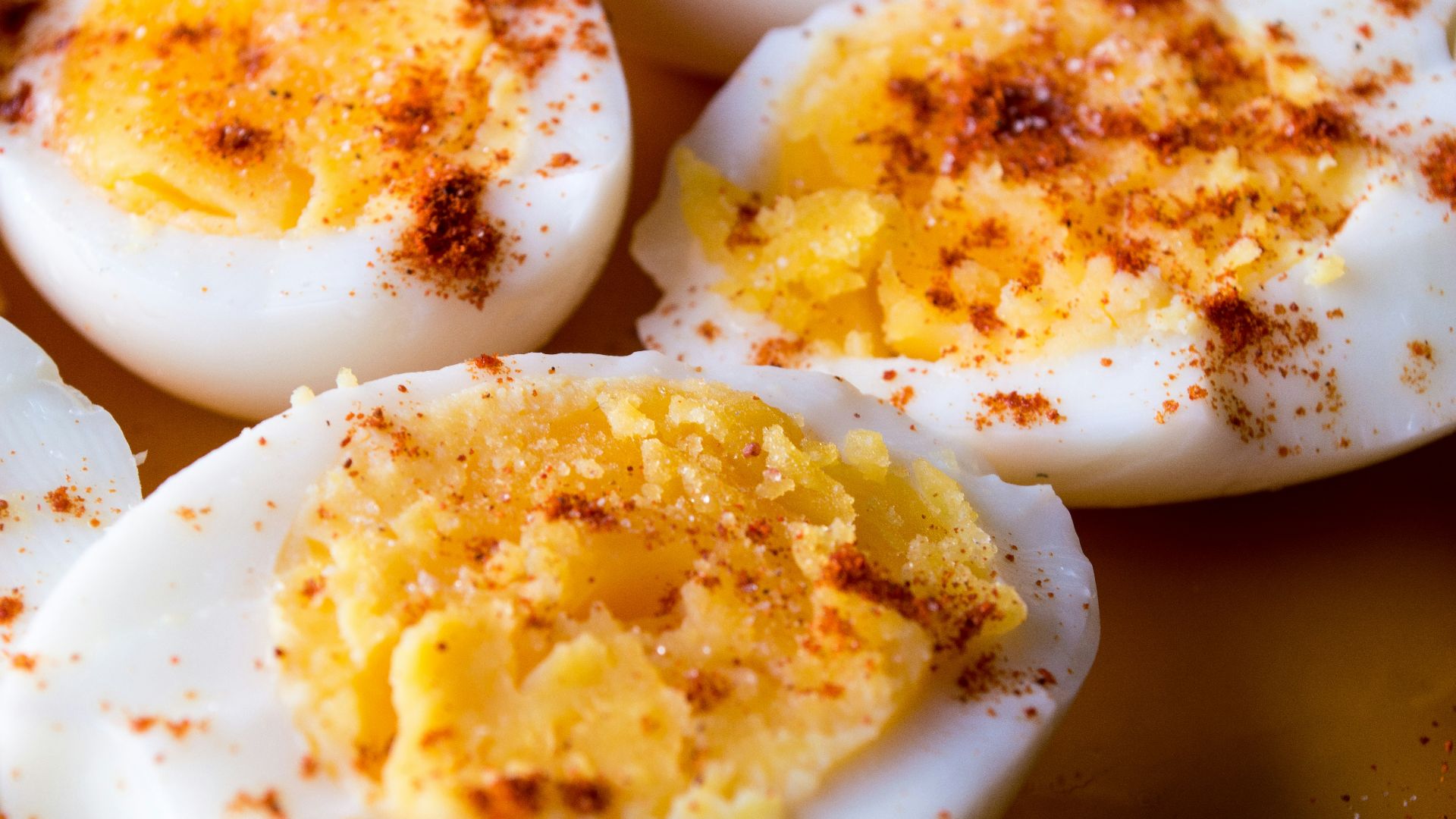
15. Deviled Eggs Reuse the Yolks
The filling is nothing but the cooked yolks, mashed with mayonnaise and mustard. It goes back into the halved whites with a spoon. Salt a pinch at a time, since there's no fixing it once it's oversalted.
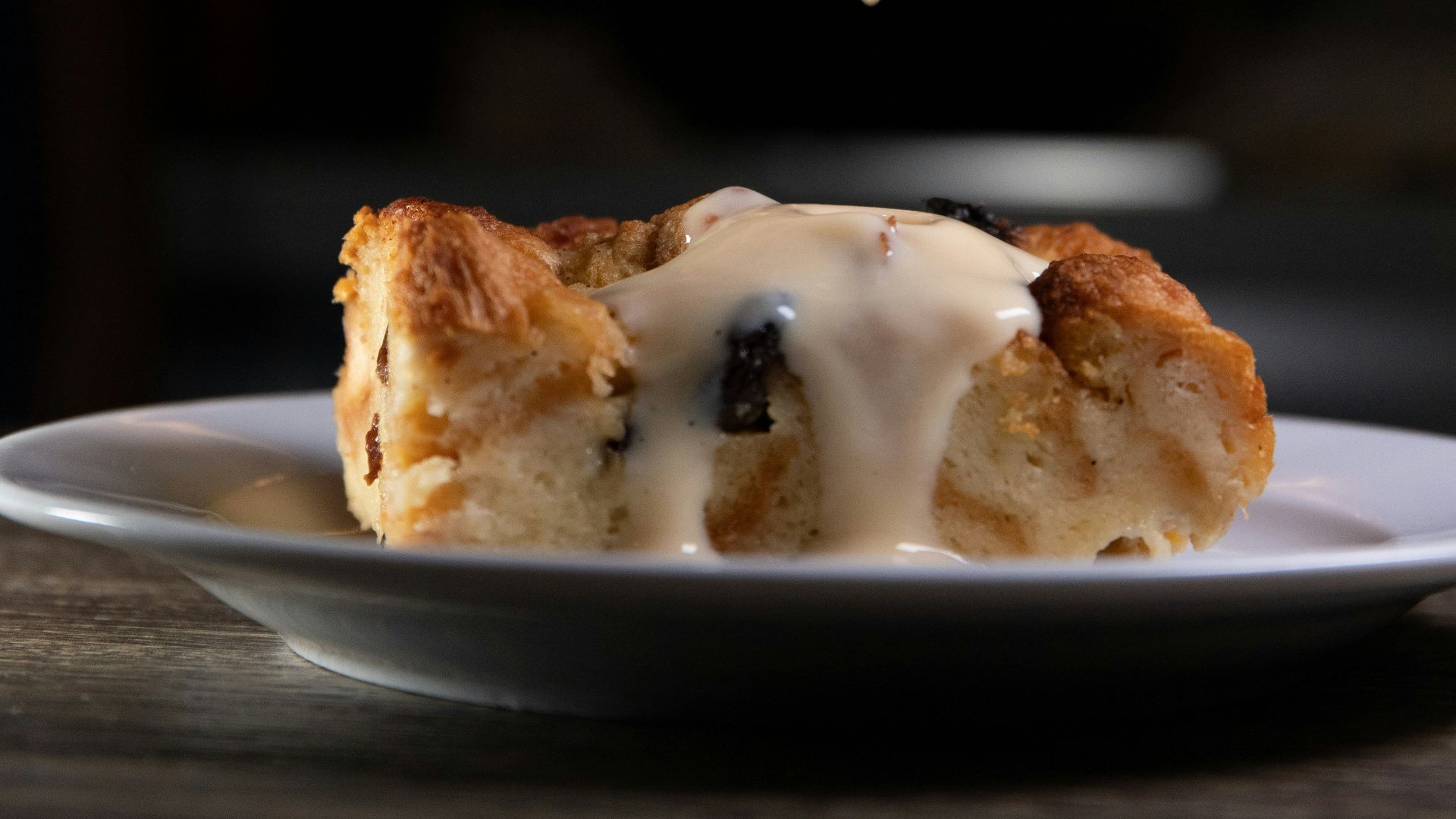
16. Bread Pudding Rescues Stale Bread
17. A Sourdough Starter Is Flour and Water Left Out
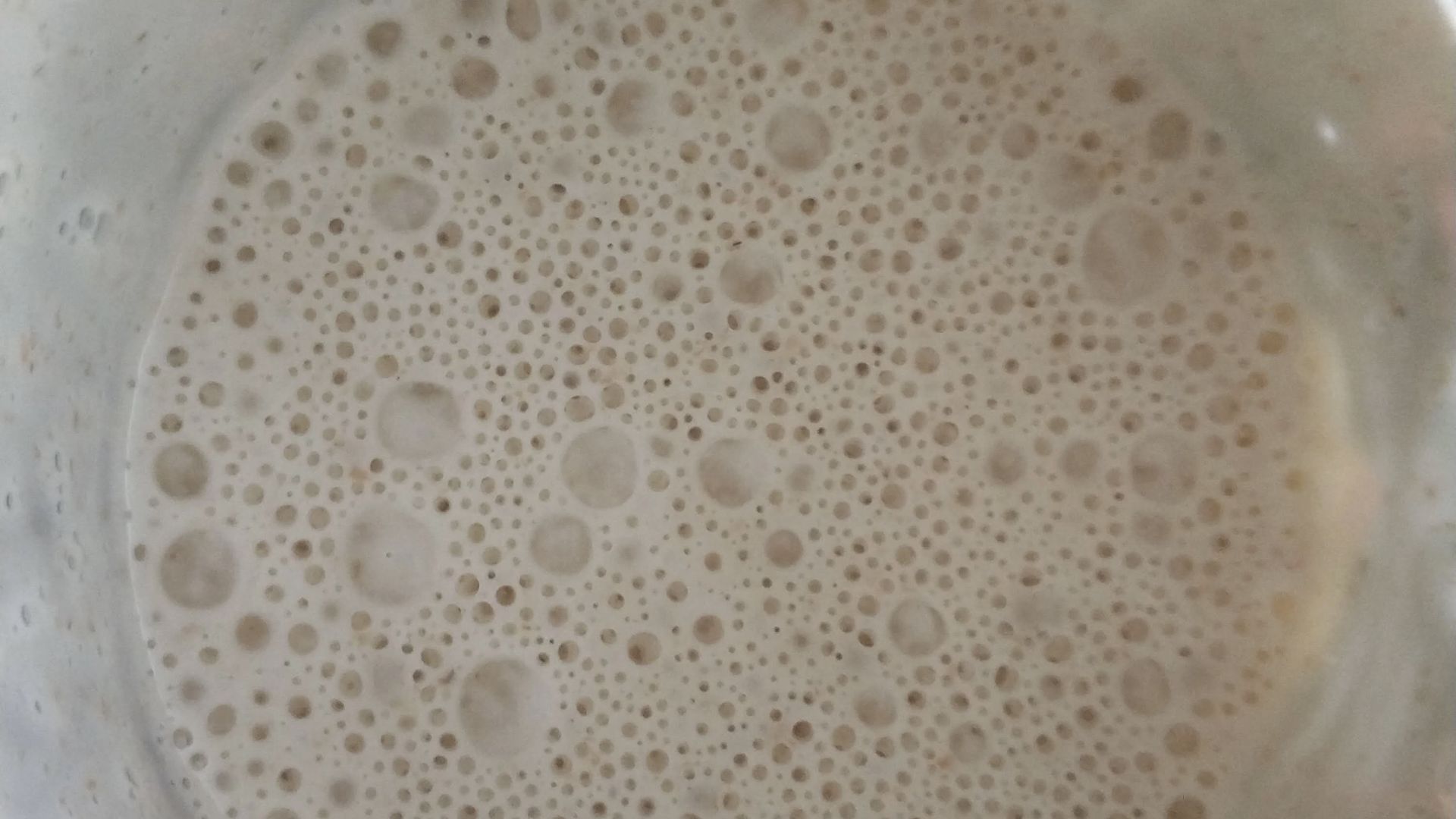
Wild yeast and bacteria move into a bowl of flour and water over several days, until the whole thing starts bubbling. Keeping it alive means throwing some out and feeding the rest more flour and water on a schedule. Bakers hand pieces of theirs to friends, and some starters outlive the people who began them.
18. Butter Comes From Shaking Cream
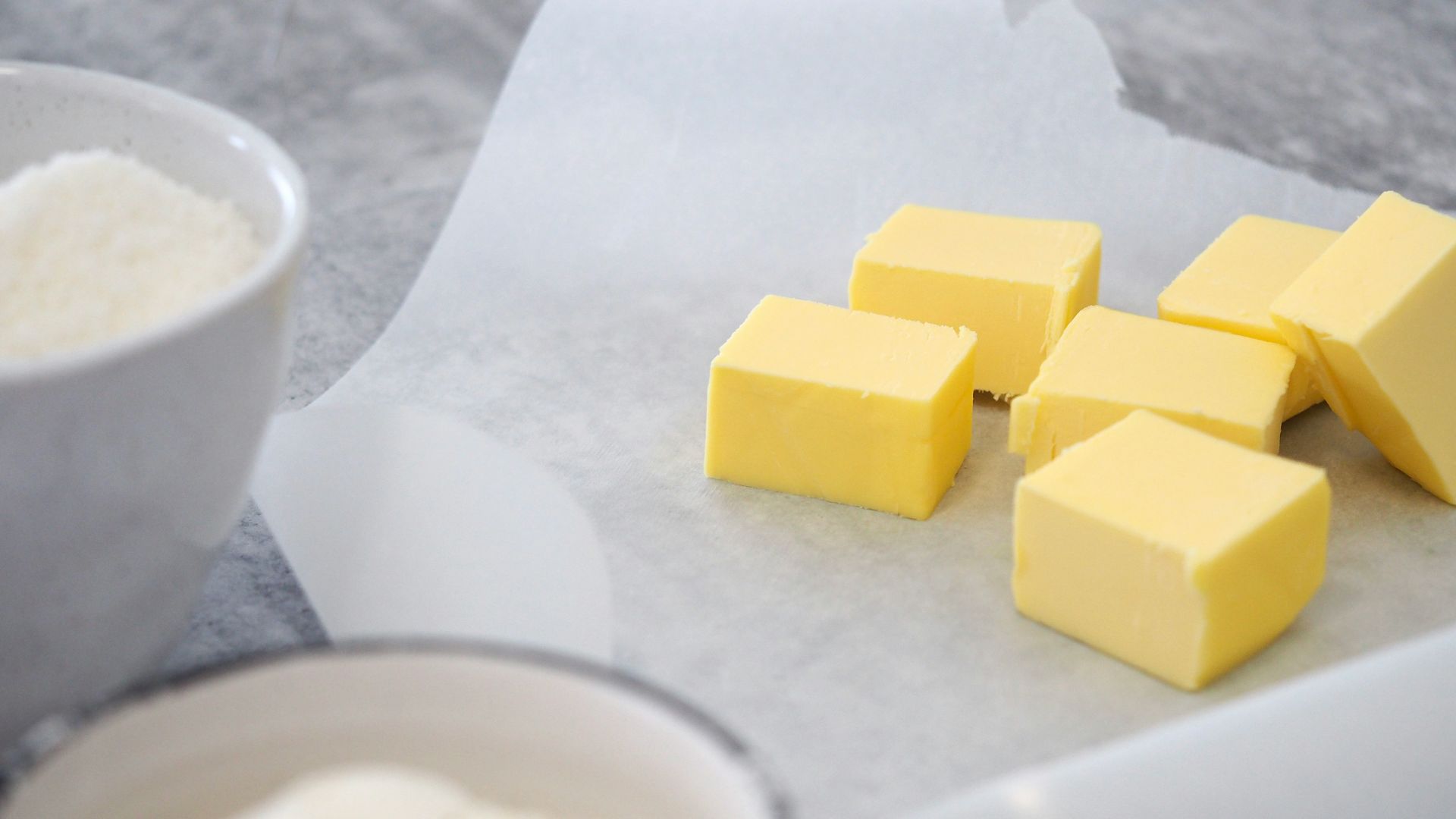
Shake cream long enough and it breaks into solid butter and a thin liquid, which is the original buttermilk. The shaking tears the membranes around the fat globules so the loose fat can clump together. Cream that has soured a little first makes a sharper butter.
19. Pot Roast Softens in a Covered Pot
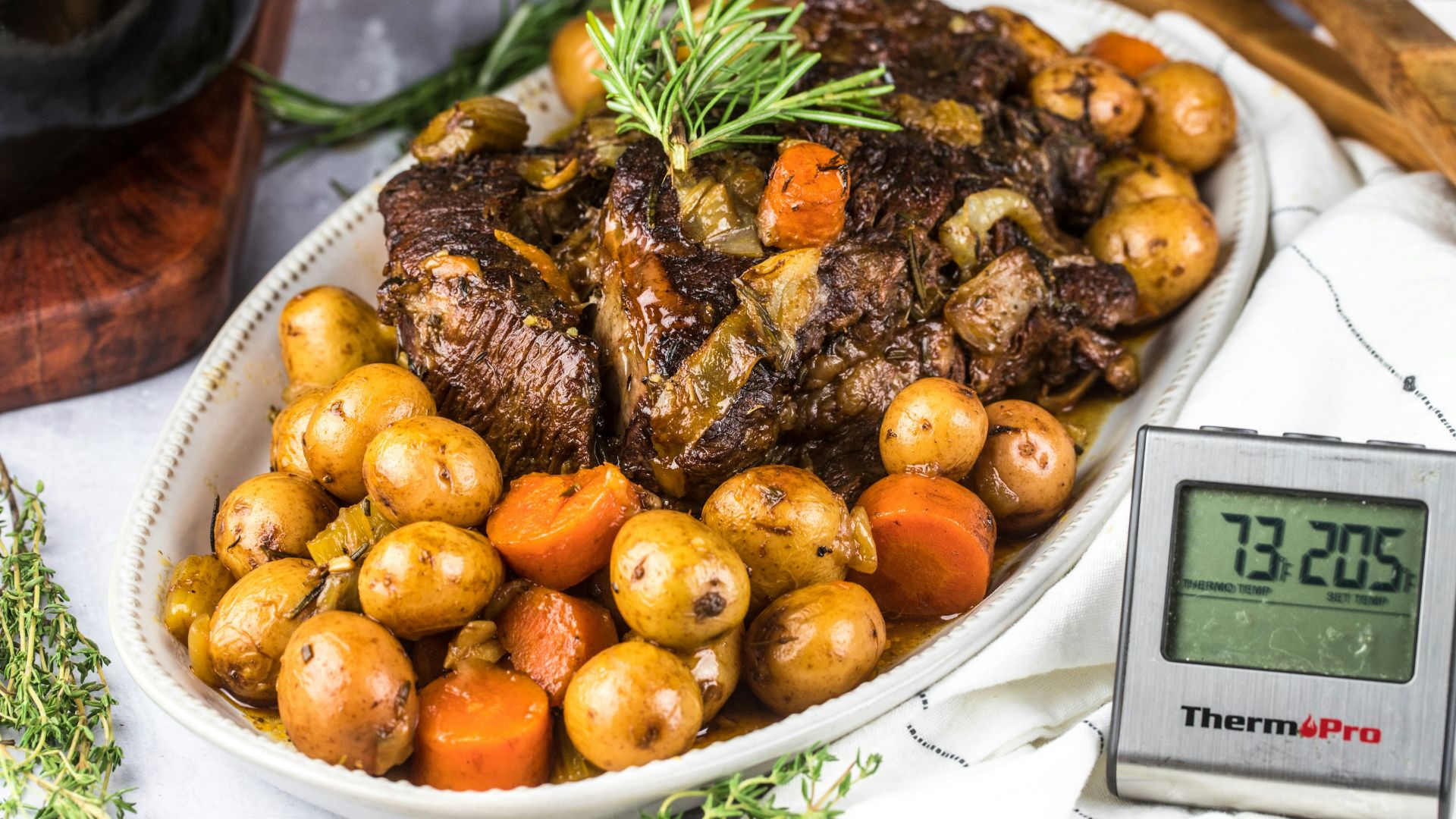
Chuck is a tough cut, and a few hours in a covered pot with a little liquid breaks its collagen down into gelatin. Brown the meat first, because simmering alone won't build that flavor. Root vegetables go in toward the end so they don't disintegrate.
20. Quick Pickles Live in a Salted Vinegar Brine
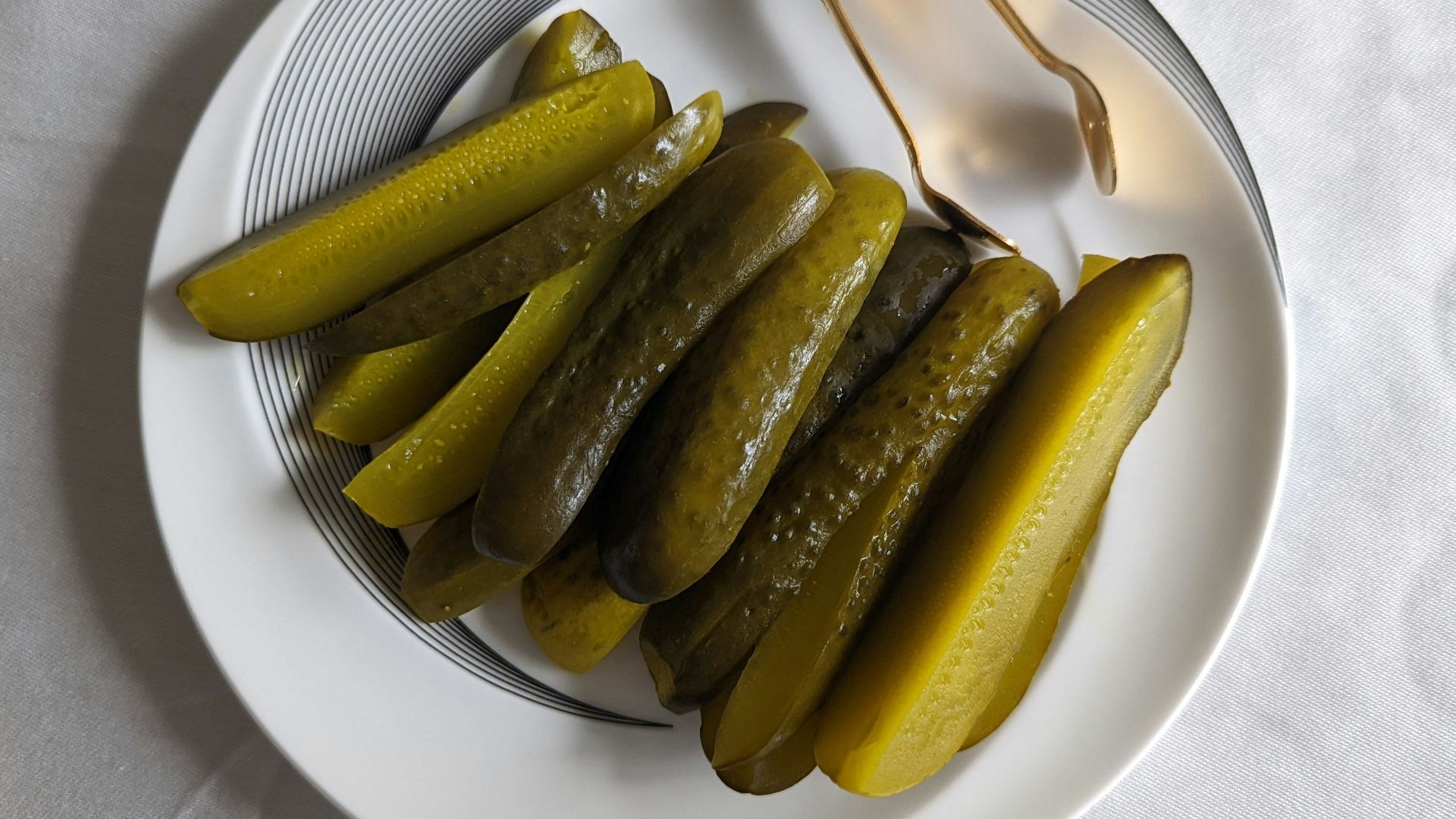
Cucumbers go tangy in a salted vinegar brine by the next day in the refrigerator. Dill and a couple of garlic cloves go in the jar with them. Small firm cucumbers hold their crunch better than big watery ones.
KEEP ON READING
Does Japan Do Sandwiches Better Than America?
20 Recipes People Used to Know by Heart