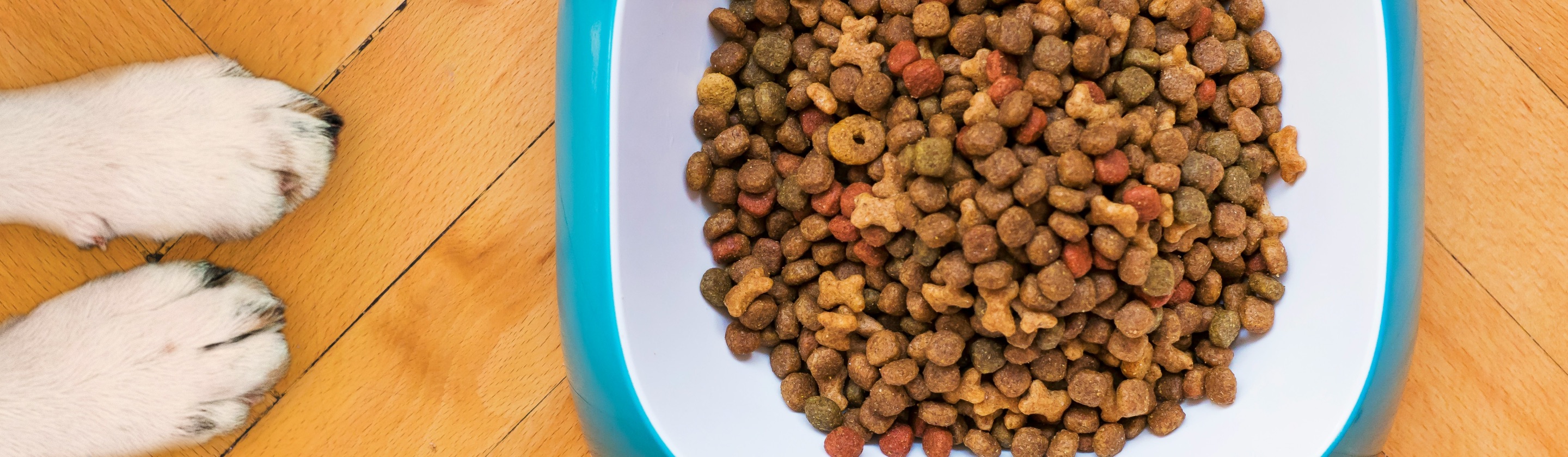
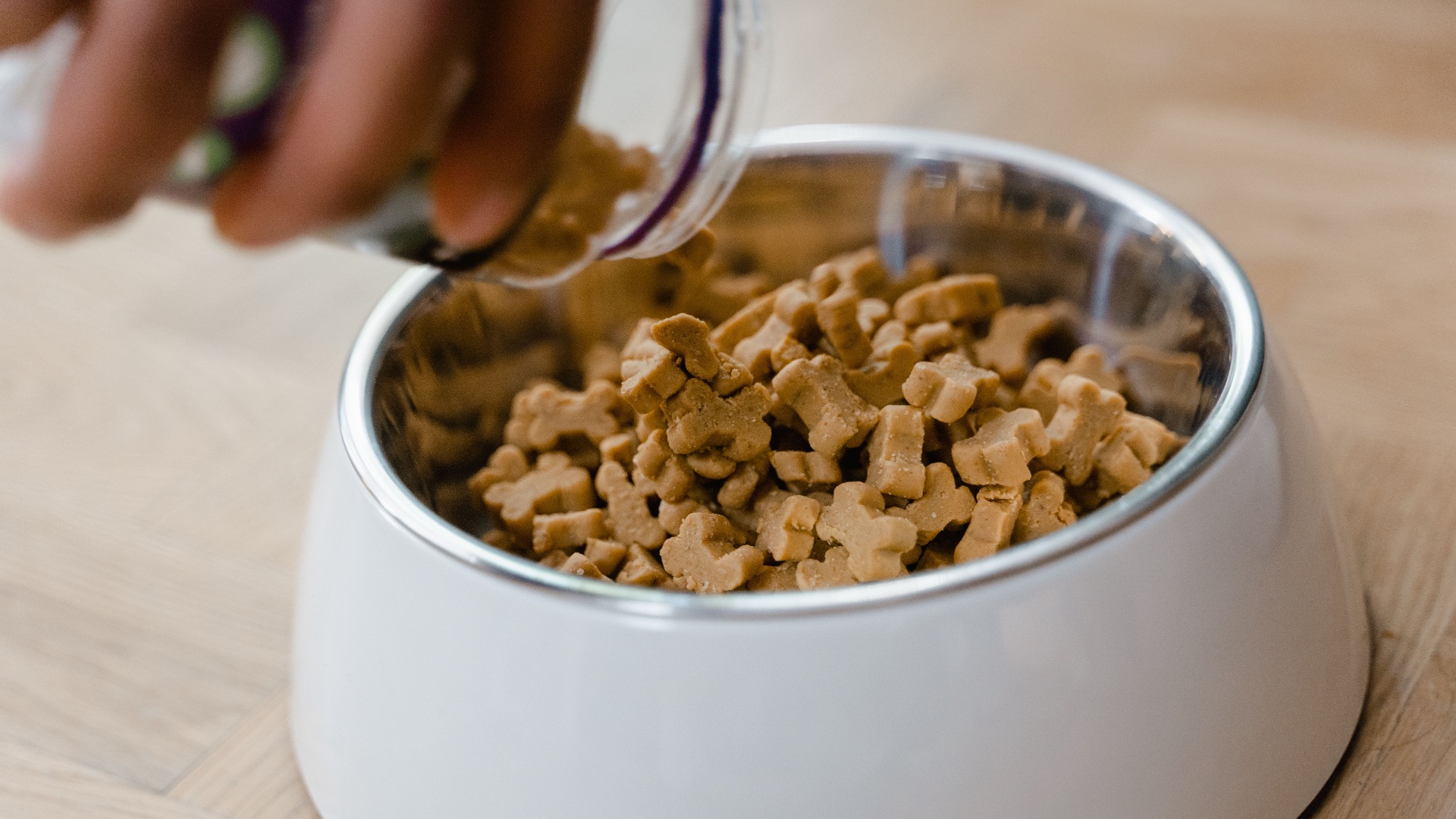
Of course, not everyone is like SpongeBob, too curious for his own good that he'll lick up snail food. But hey, that doesn't mean we've never wondered what would happen if you tried pet food yourself. After all, many pet foods contain familiar ingredients, including chicken, beef, rice, vegetables, and fish. Surely, taking a bite couldn't be that bad, right?
So, what would happen? Would you get severely sick? Would you shrivel up like SpongeBob and regret all your life decisions? Well, as you'll see, eating a small amount of pet food might not lead to the fatal result you think it does, but there are important differences to make. Before curiosity gets the better of you, let's play out the scenario.
What Really Happens When You Eat Pet Food?
You'll live! Trust us, you'll live. For most healthy adults, accidentally swallowing a small amount of dog or cat food is unlikely to cause serious harm. Your digestive system has seen plenty of worse things! And since many pet foods contain ingredients similar to what we naturally consume, you shouldn't experience too much stomach distress. That said, your body isn't invincible, so eating a bit of catnip won't guarantee you won't experience some unpleasant symptoms, especially if the product is contaminated or spoiled.
And of course, one of the biggest concerns is foodborne illness. According to the FDA, pet food can contain harmful bacteria, including Salmonella and Listeria, which may cause serious infections. You may experience symptoms soon after eating, or they may develop days after exposure, and can include diarrhea, vomiting, fever, and abdominal cramps. Young children, older adults, pregnant people, and individuals with weakened immune systems face greater risks.
The type of pet food matters considerably, too. Dry kibble and commercially canned products generally undergo rigorous processing, which reduces harmful microorganisms, whereas raw pet food presents a much greater contamination risk for both you and your pets. Of course, if you ever feel so curious as to try some pet food yourself, you probably won't pick the ones that contain raw meat, anyway. Hopefully.
Are There Any Pet Foods We Can Actually Eat?
Okay, so you technically can eat pet food. But which ones are the safest? Believe it or not, some pet food products are manufactured using standards associated with human food production—you might even notice they're advertised as "human-grade," suggesting they're made with ingredients suitable for, well, us. However, this terminology has specific caveats, so don't go replacing your chip bags with bags of sweet potato chews meant for your pooch.
Some pet treats also contain ingredients you'd happily find in your own kitchen. Plain baked biscuits made from oats and peanut butter, for instance, might resemble homemade cookies, while certain cooked meat treats contain things you're probably familiar with. That means, so long as you pick one with food-safe ingredients and use proper cooking methods, you could potentially eat it, too. Nevertheless, commercially packaged animal treats are for animals. You're still better off eating stuff that's actually made for humans.
Keep in mind, too, that even if a treat contains individual ingredients that are edible, that doesn't necessarily make it appropriate for human consumption. Depending on how it's processed or stored, you'll want to take all factors into consideration before you try out your little experiment. If you're curious about taste-testing your pet's lunch, a smarter approach would be to mimic it using ordinary human-food ingredients.
Could You Survive on a Diet of Dog or Cat Food?
Let's take the scenario a bit further. Suppose you found yourself in an unusual situation where pet food was the only thing available to eat. Would you survive? Well, while it certainly could provide calories, protein, fats, and some vitamins and minerals, its nutritional composition (surprise, surprise) doesn't necessarily match what we need to remain healthy and nourished.
Take, for example, cat food. Cats are obligate carnivores, and that means they require particular nutrients from animal-derived ingredients. Their food often contains substantial amounts of protein and nutrients such as taurine and preformed vitamin A, which are particularly important to feline health. Dogs, on the other hand, have different dietary requirements, so their food is formulated differently. Heck, even dogs and cats shouldn't eat each other's food because their nutritional needs differ!
In short, eating pet food regularly could therefore leave you with an unbalanced diet, potentially resulting in nutritional deficiencies (or excessive intake of certain nutrients) over time. We get it—you're curious. But again: while certain human-grade pet foods might technically be okay for human consumption (don't take our word for it, though), it's probably better that you don't. If you've accidentally eaten some, there's usually no reason to panic, but you might want to put more thought into it before you reach into your dog's food bag.