The Sneaky Little Ways Your Bill Grows
Eating out is supposed to feel relaxing, but restaurants are often very good at subtly nudging you toward a bigger bill. Some of these tricks are harmless sales tactics, while others are so smooth you barely notice them happening until the check arrives. Once you know what to look for, you start spotting the patterns everywhere. Here are 20 restaurant tricks that can quietly get you to spend more than you planned.
1. The Menu Drops You Straight Into the Expensive Section
A lot of menus are designed to guide your eyes toward certain dishes first, and those are not usually the bargains. Restaurants know where people naturally look, so they place high-profit items in the spots that get the most attention. You may think you’re just casually browsing, but the menu is often doing a little steering.
2. They Remove Dollar Signs
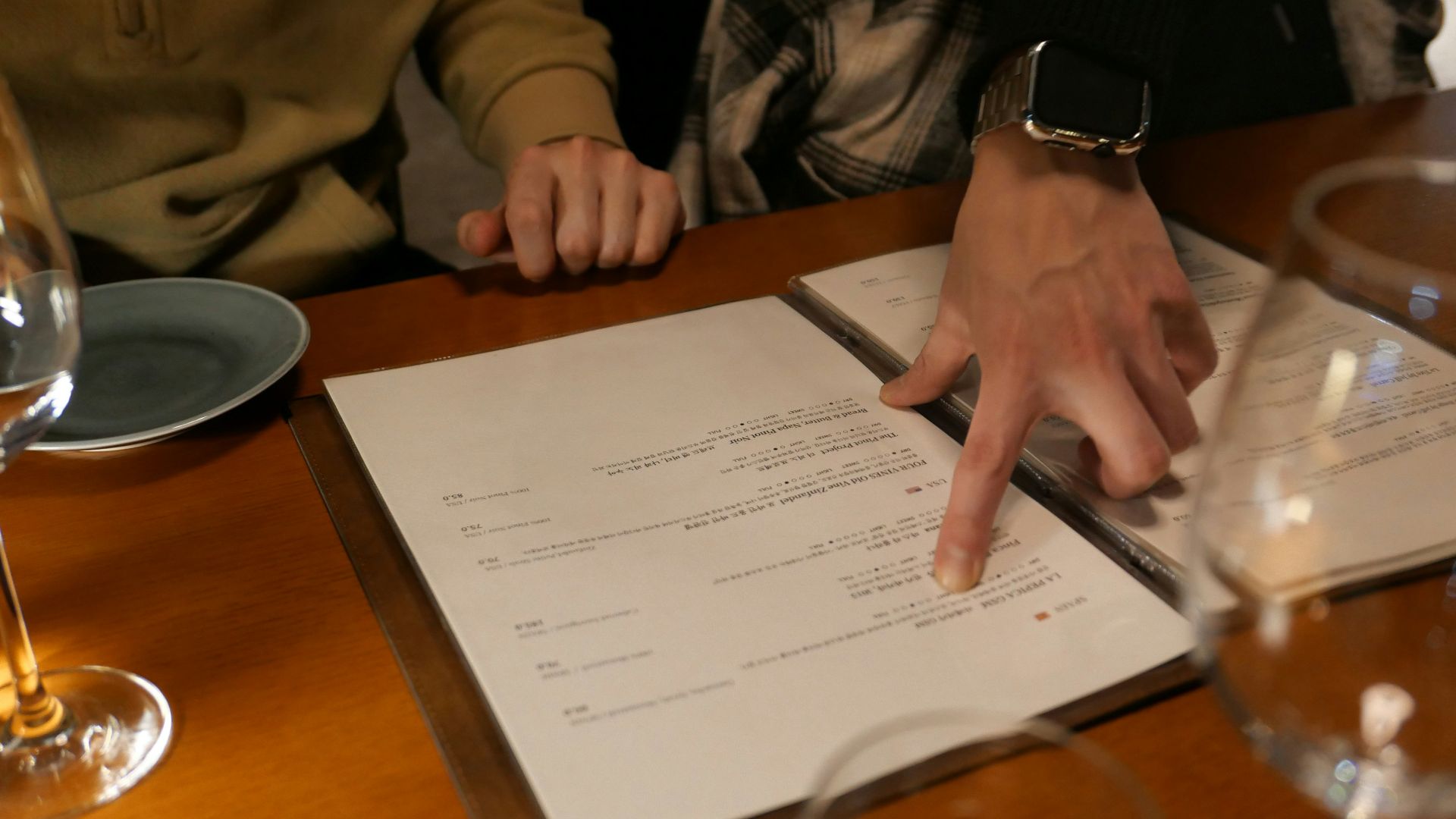
This one sounds small, but it works surprisingly well. When menus list prices without dollar signs, the numbers can feel less painful and less tied to actual spending. Your brain reads "18" differently from "$18," even if the math is exactly the same.
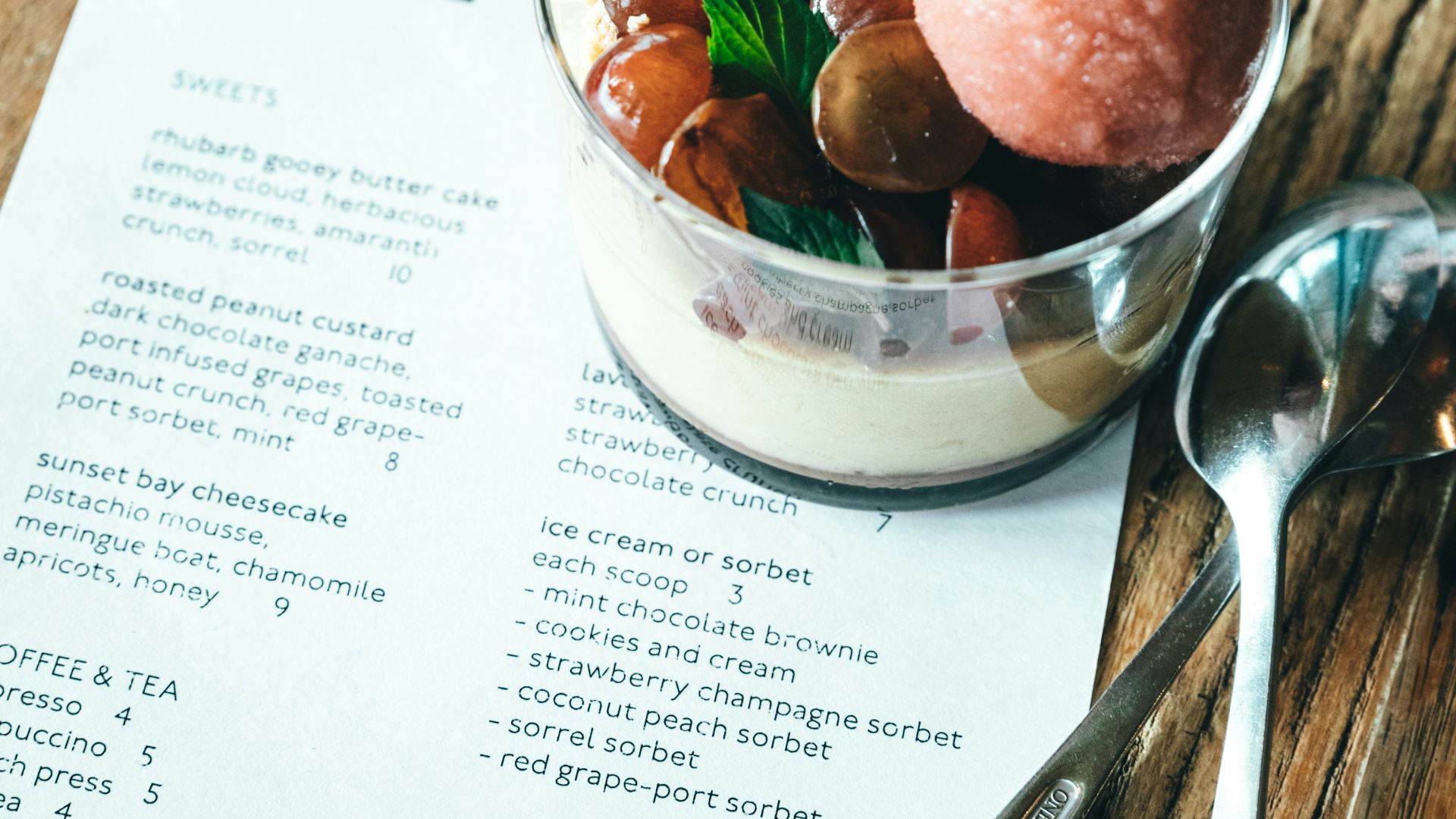
3. They Use Fancy Descriptions
A basic chicken dish sounds one way, but "herb-roasted free-range chicken with pan jus" sounds like an event. Restaurants know that detailed, polished wording makes food feel more special and worth the extra money. The idea is to make you feel like you're not just buying dinner—you're paying for an experience.
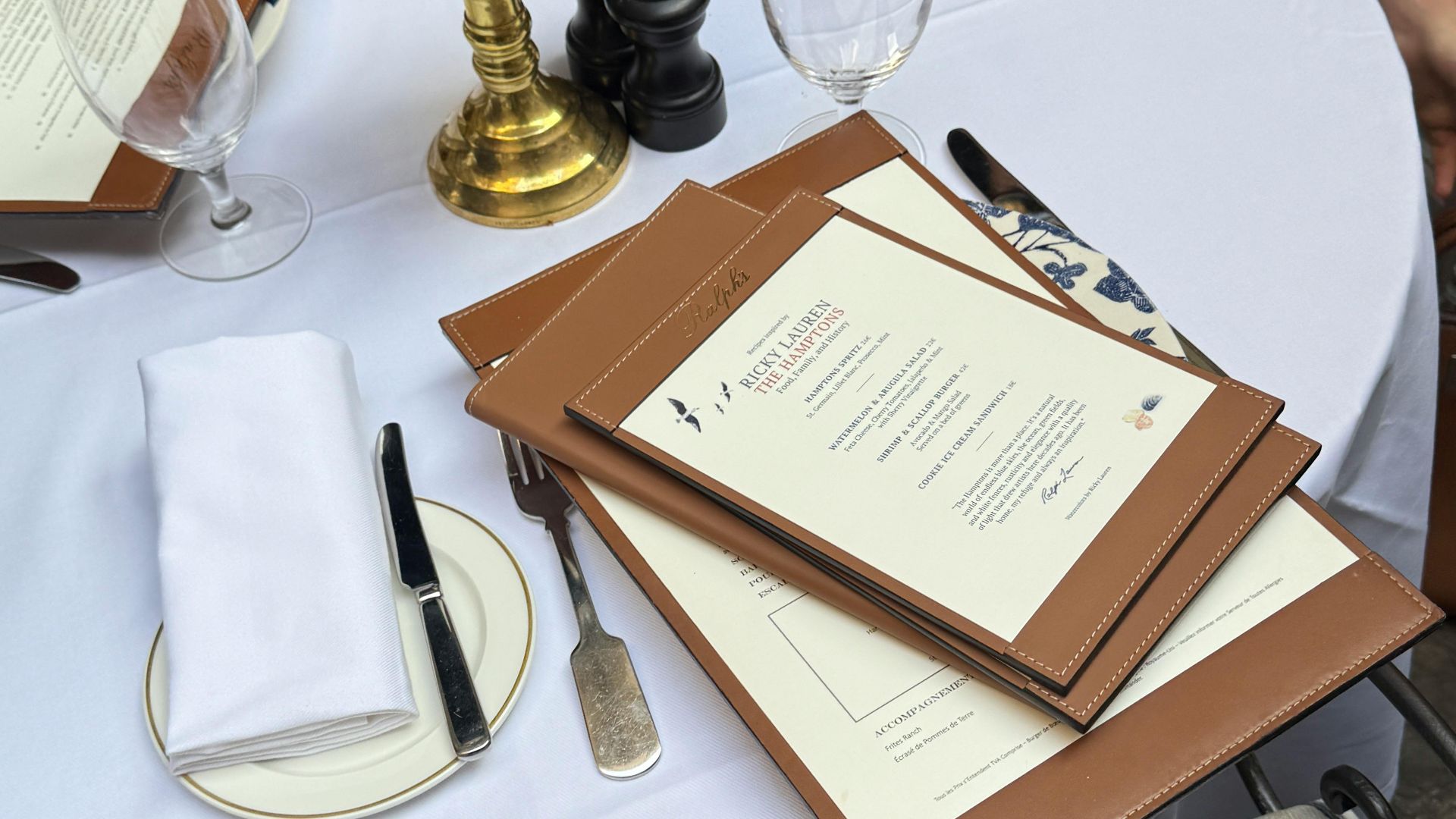
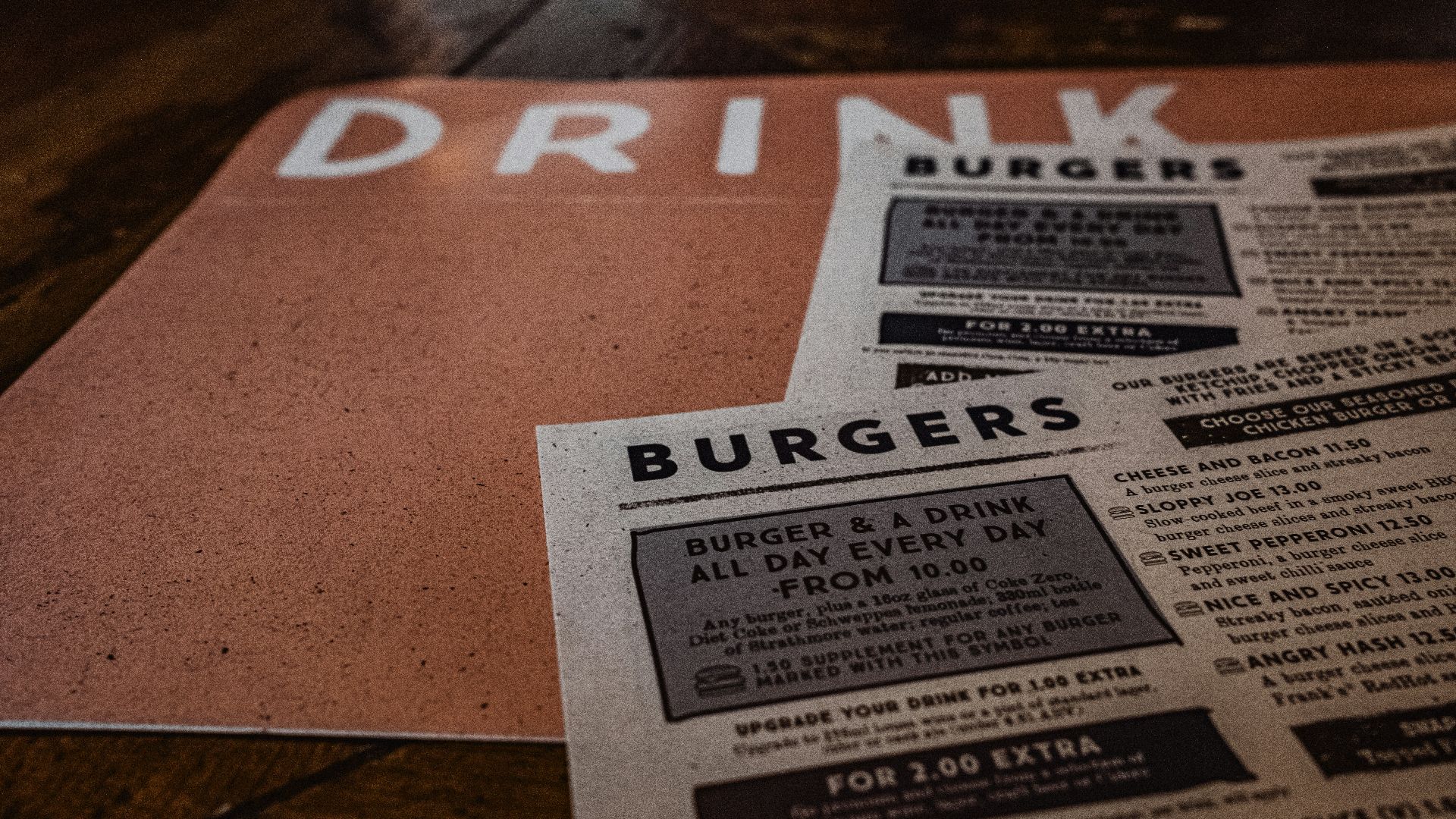
4. They Highlight Certain Items With Boxes or Fonts
The items in bold, in a box, or marked with a little symbol are rarely random choices. Those visual tricks are usually there to push dishes the restaurant wants to sell more often, either because they’re the most profitable or they need to move quickly. It feels like you’re choosing freely, but the menu is directing you.
 Samuel Regan-Asante on Unsplash
5. They Offer a Very Expensive Item to Make Other Prices Seem Normal
Sometimes a menu includes one outrageously expensive steak, seafood tower, or bottle of wine just to change your sense of what counts as reasonable. Once you’ve seen a $120 entrée, the $42 entrée starts looking more reasonable.
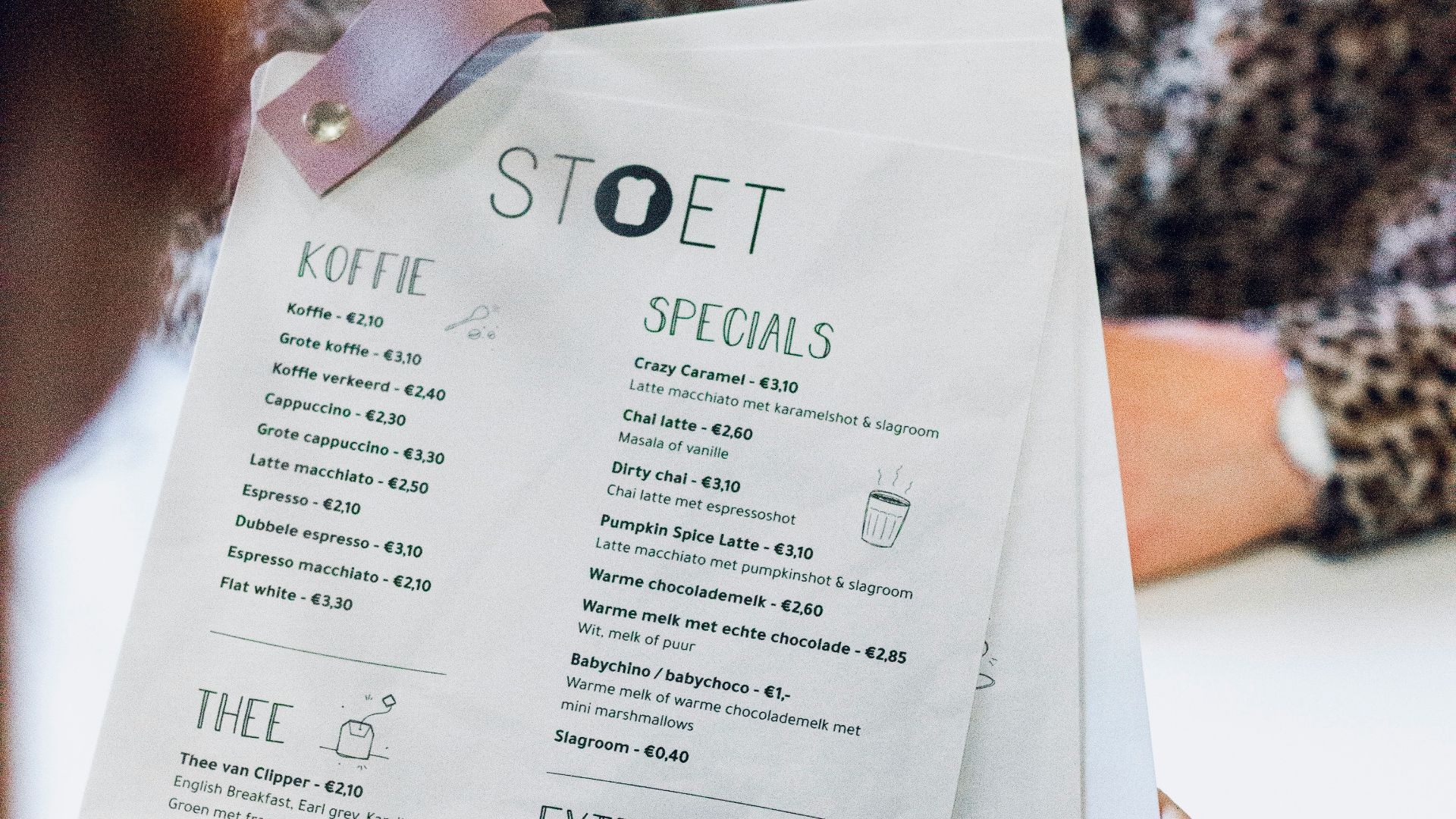
6. They Start by Asking About Drinks
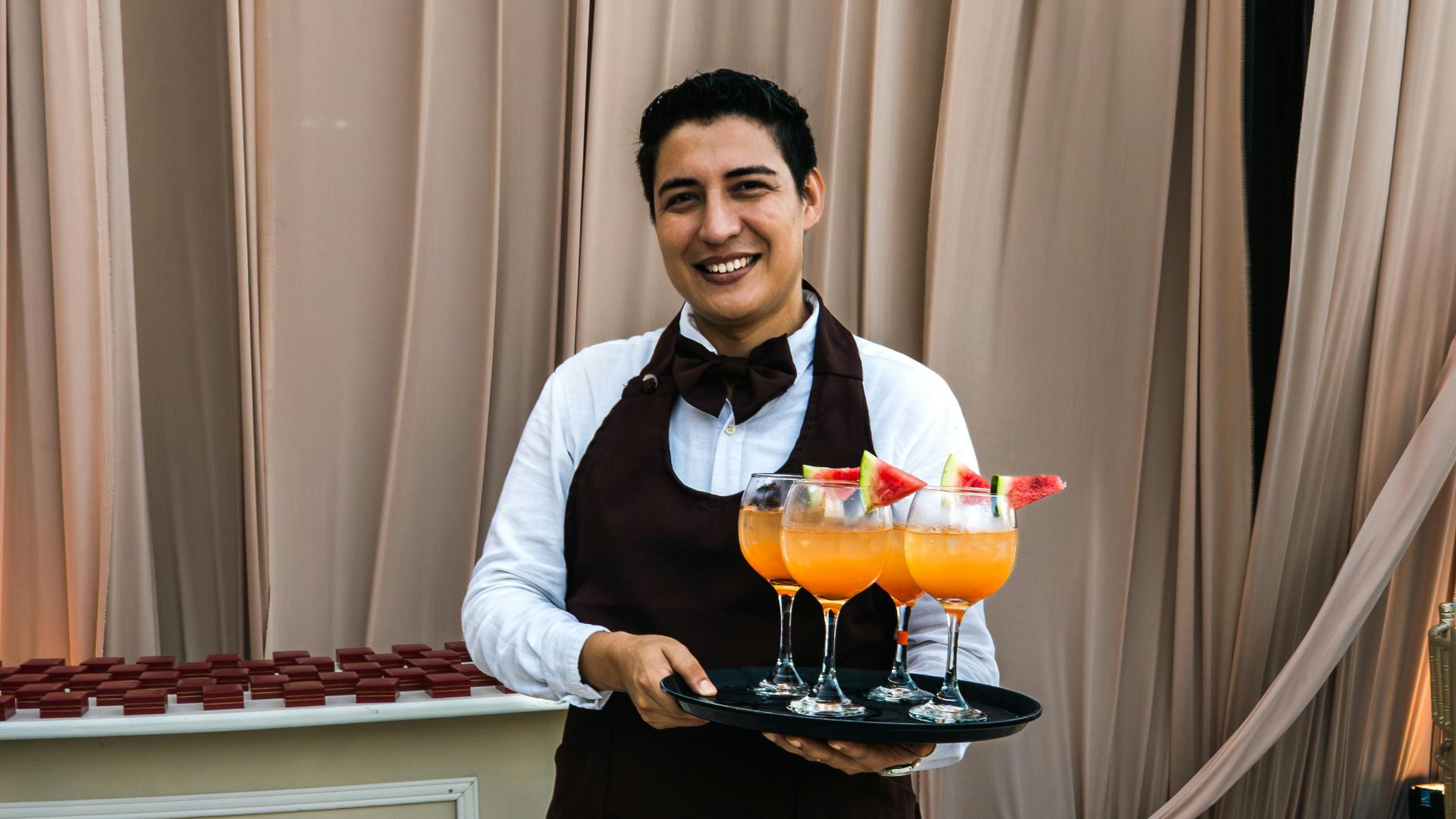
Before you’ve really settled in, someone often asks whether you’d like sparkling water, a cocktail, or wine. It's just a normal question, but it sits in your brain like a tantalizing suggestion. It gets spending started right away, before you've even looked at the menu, and sets the tone for the meal as something more indulgent.
7. They Upsell the Water Without Making It Clear
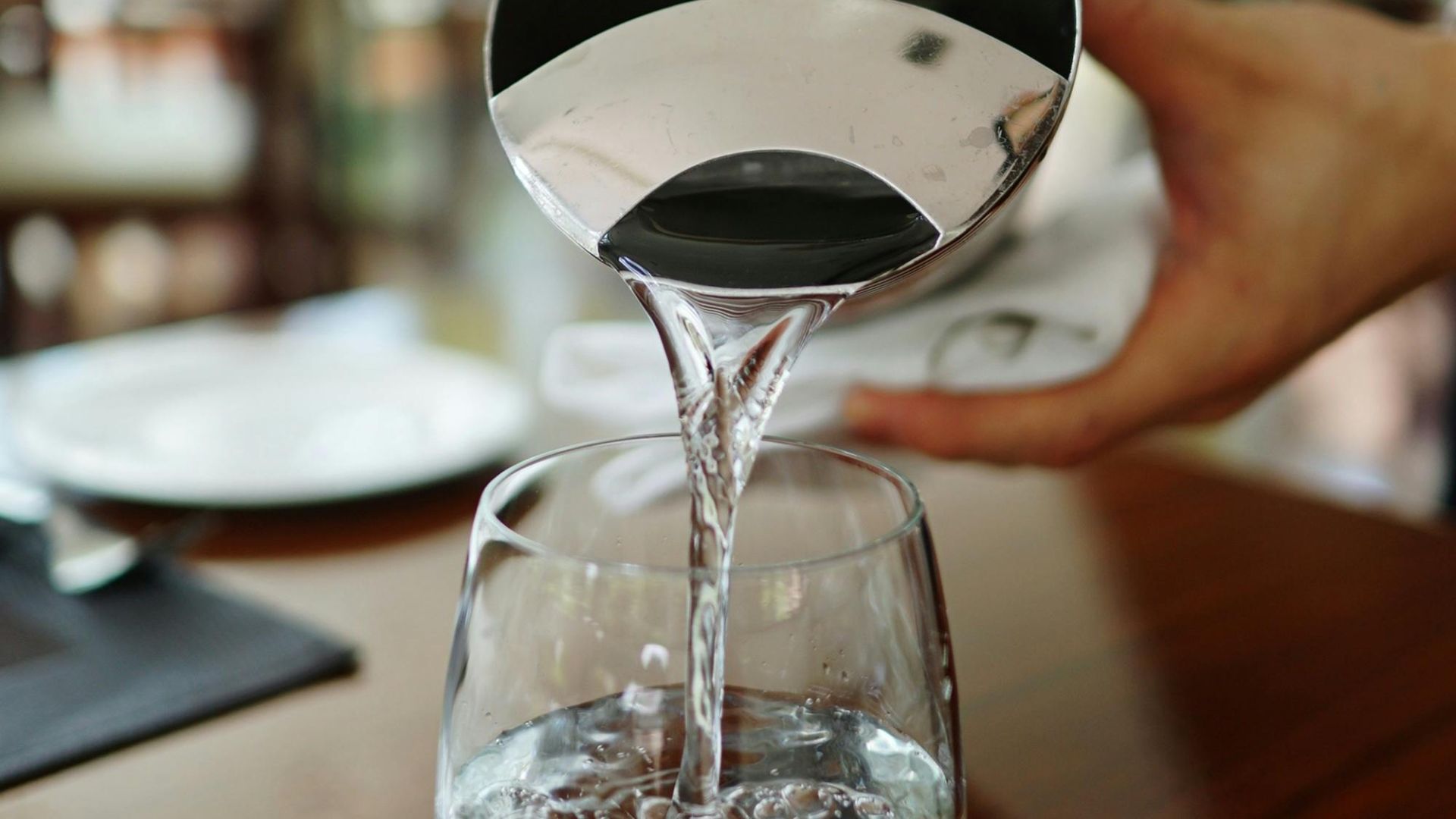
You may sit down expecting regular tap water, only to hear, "Still or sparkling?" Before you know it, you have multiple six-dollar bottles of water on your bill. It’s a polished way of getting you to order bottled water without stopping to think about it.
8. They Suggest Add-Ons Like They’re No Big Deal
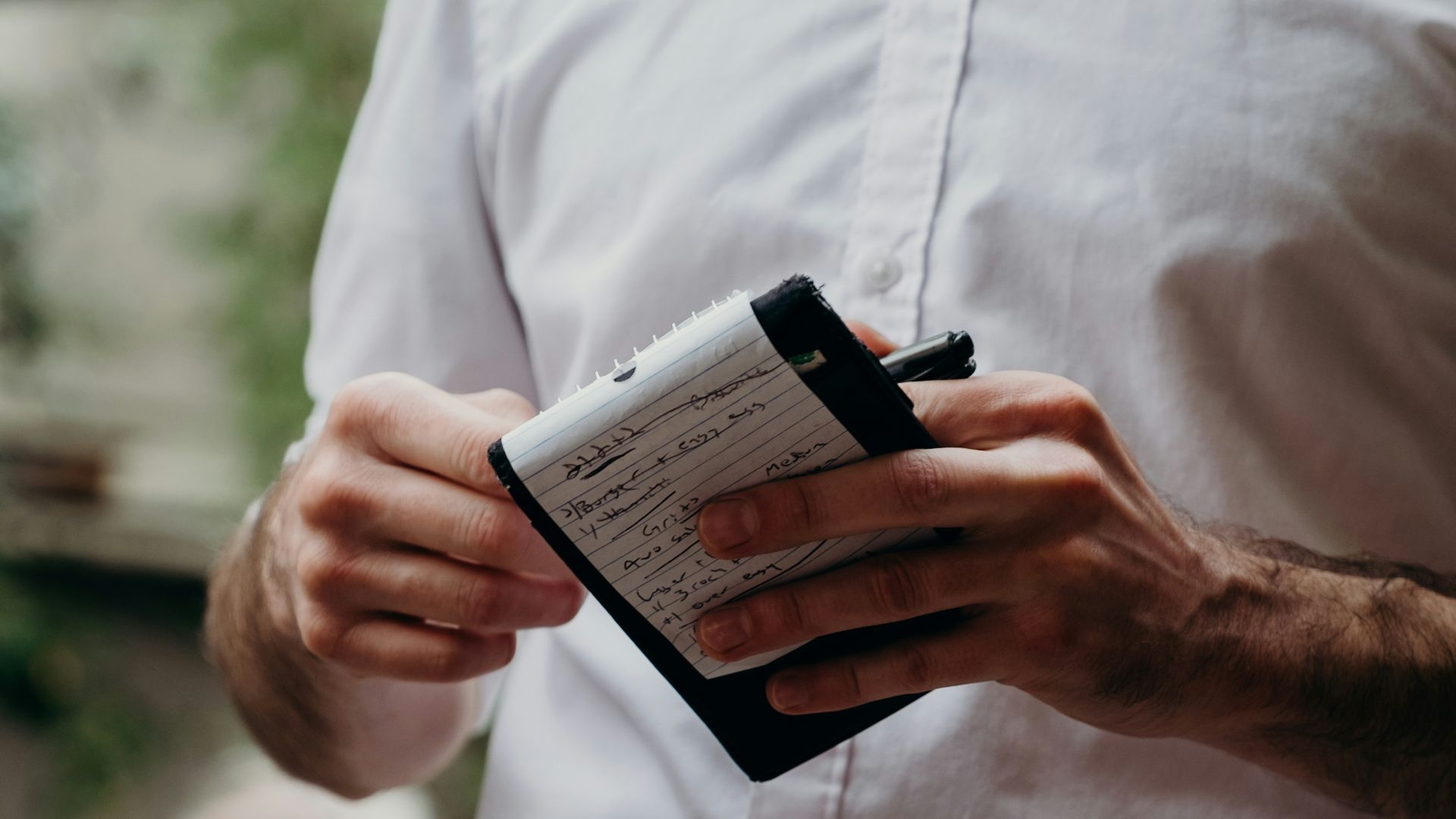
Would you like avocado on that, extra shrimp, truffle fries, or a side of bacon? Restaurants know that small add-ons don’t sound expensive in the moment, especially when they’re presented casually. You’re only saying yes to one little upgrade, except those little upgrades stack up fast. Suddenly, your simple entrée has become a much pricier custom situation.
9. They Use Limited-Time Specials to Create Pressure
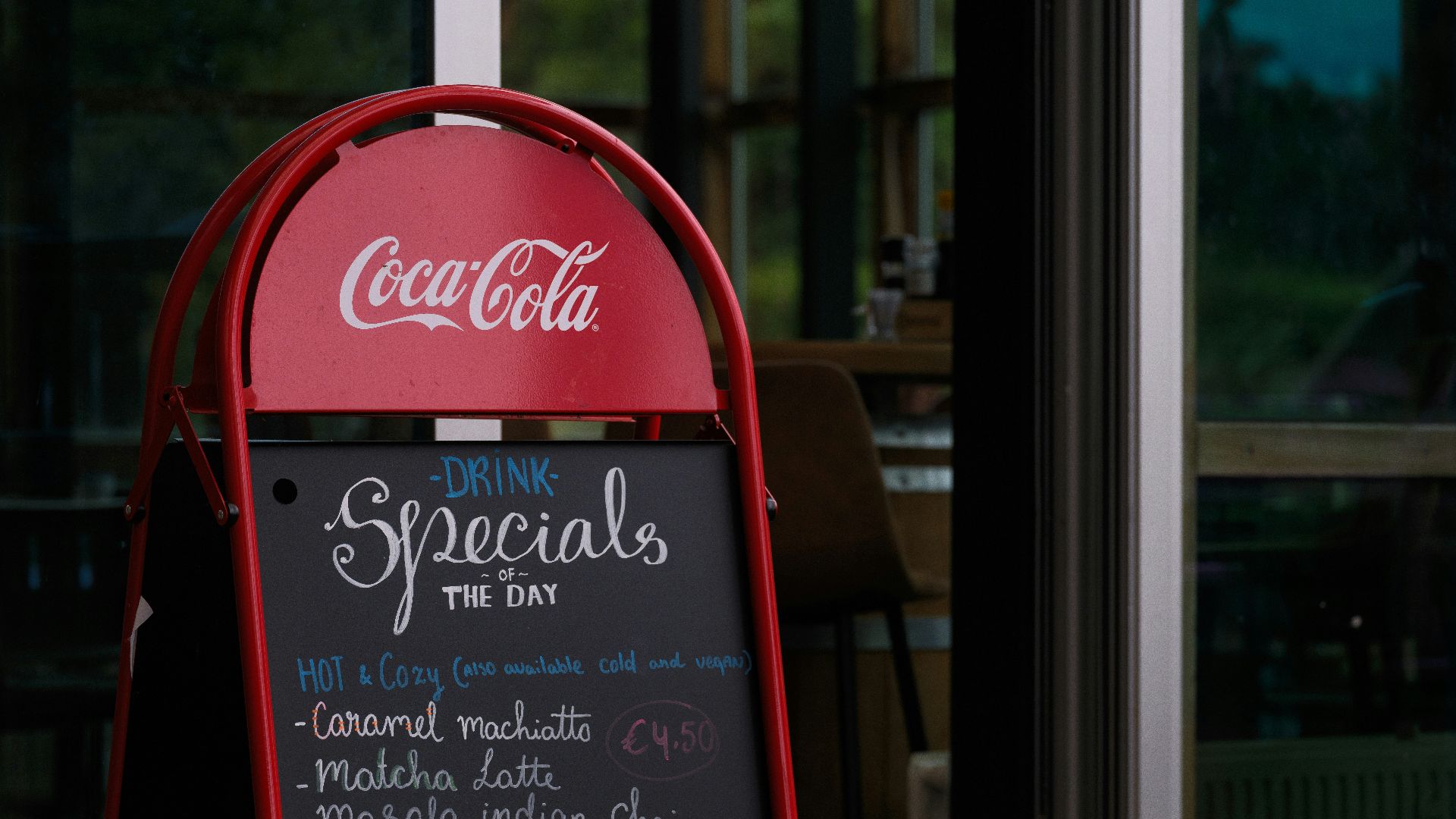
The second you hear "today only" or "we have a special tonight," it can trigger that urge to order something just because it feels exclusive. Even if it costs more than what you originally wanted, it now sounds harder to pass up. Restaurants know that people hate missing out on something that seems special or rare, and they absolutely capitalize on that.
10. They Read Specials Without Mentioning the Price
When a server enthusiastically lists a special but leaves out the cost, that’s often not an accident. A lot of people let themselves be so won over by the dish that they forget to ask about the price. That’s how you end up enjoying a fish special that costs noticeably more than anything else on the menu.
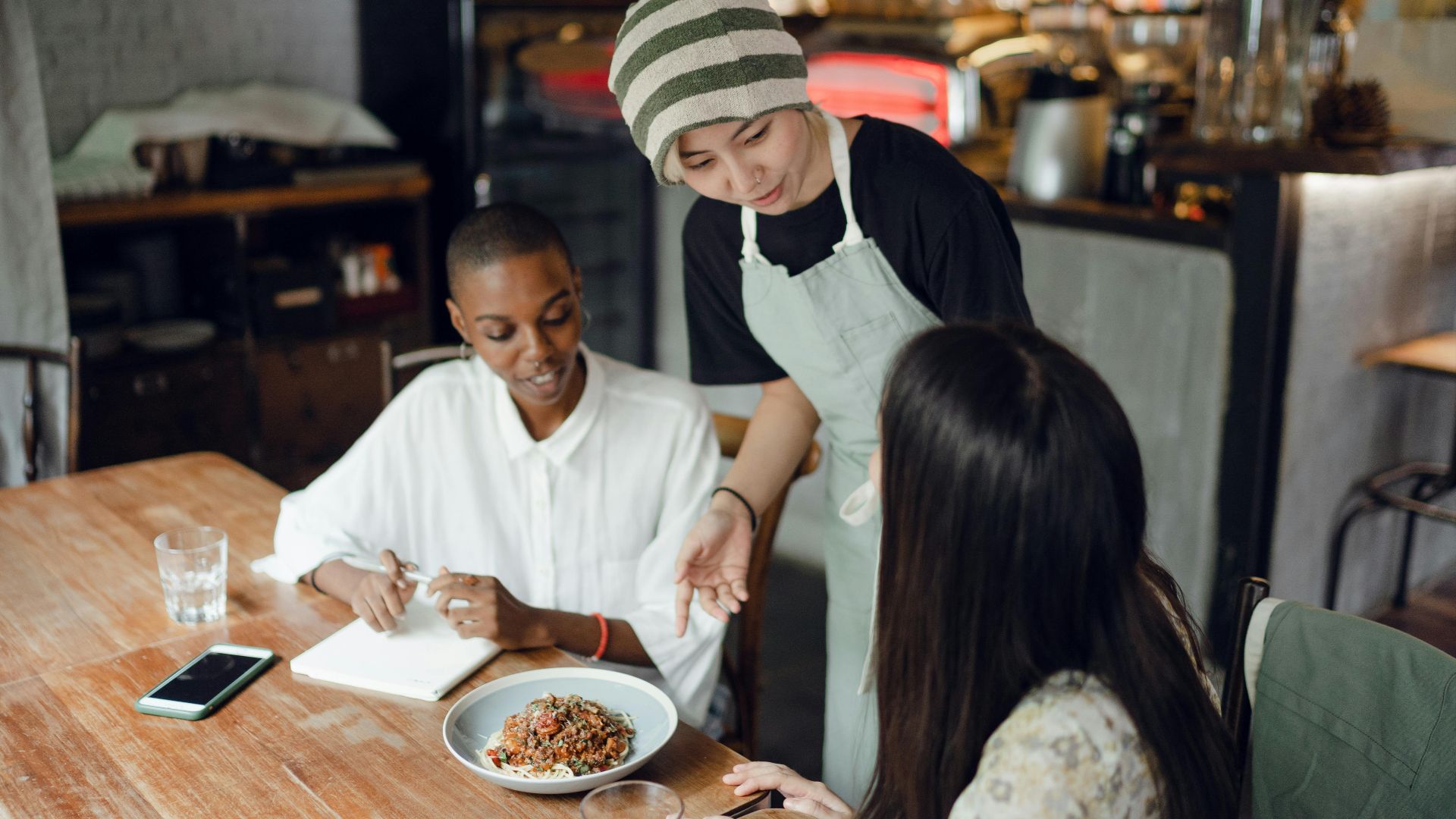
11. They Make Sides Sound Essential
Sometimes the entrée looks suspiciously incomplete until you start adding sides. The steak needs potatoes, the burger needs upgraded fries, and all of those things cost extra. Your $15 burger easily creeps up to $20 because the server strongly recommended the sweet potato fries with chipotle mayo.
 Sebastian Coman Photography on Pexels
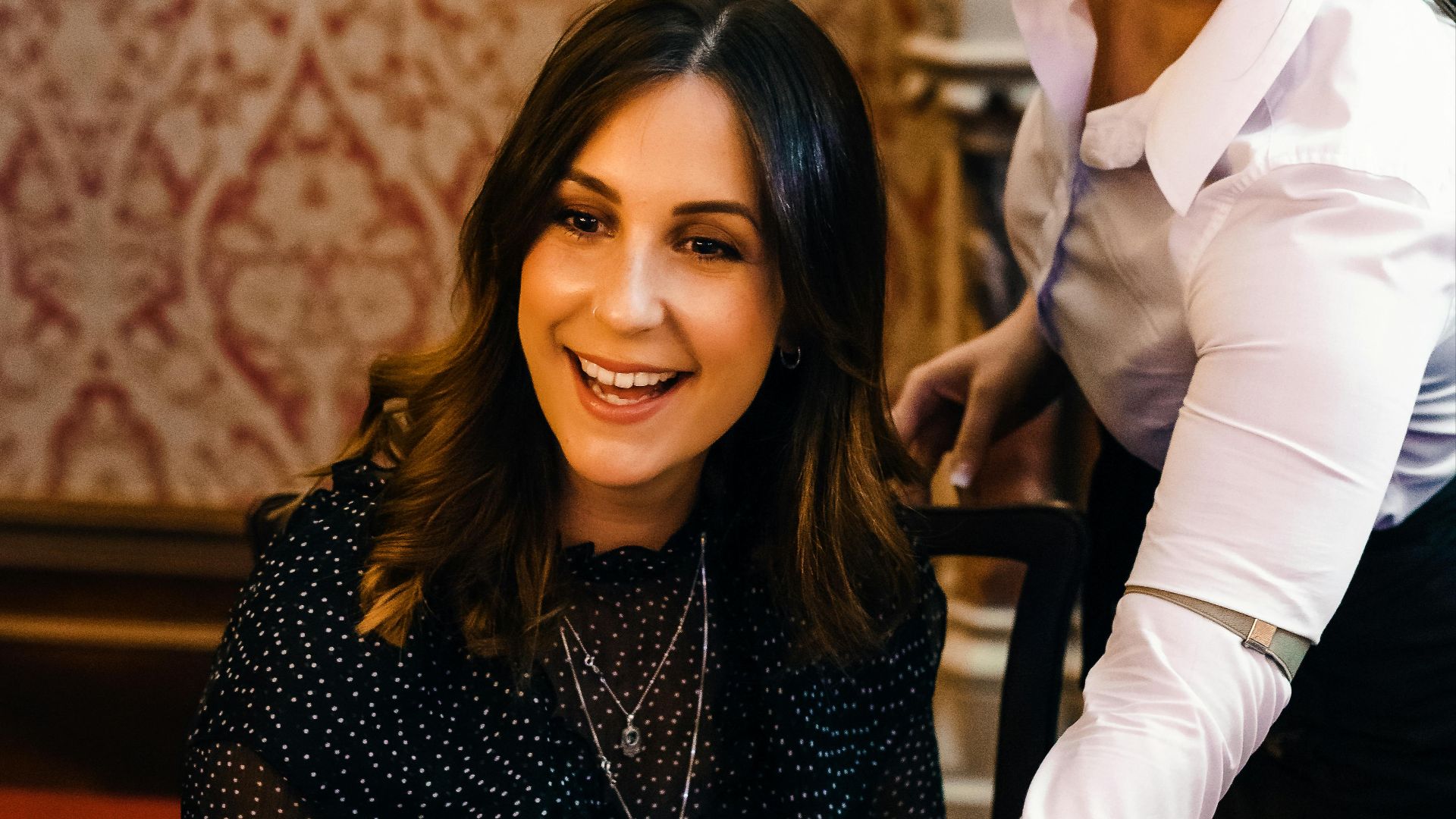
12. They Train Servers to Suggest a Better Version
A good server may ask whether you want the premium tequila, the larger pour, or the upgraded cut of meat in a way that sounds incredibly natural. It doesn’t feel pushy because it’s framed like a helpful suggestion, which is part of what makes it effective.
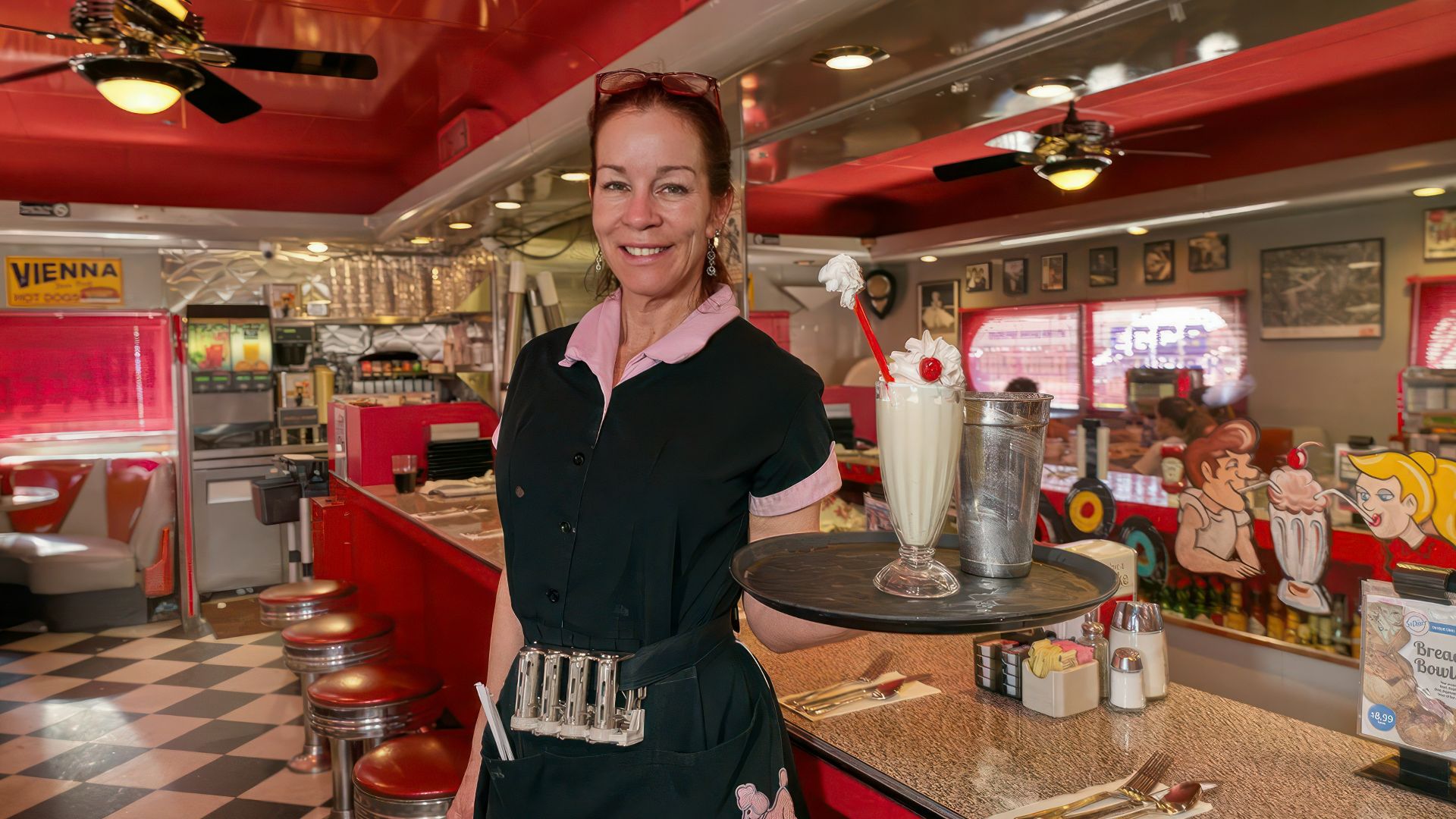 Carol Highsmith's America on Unsplash
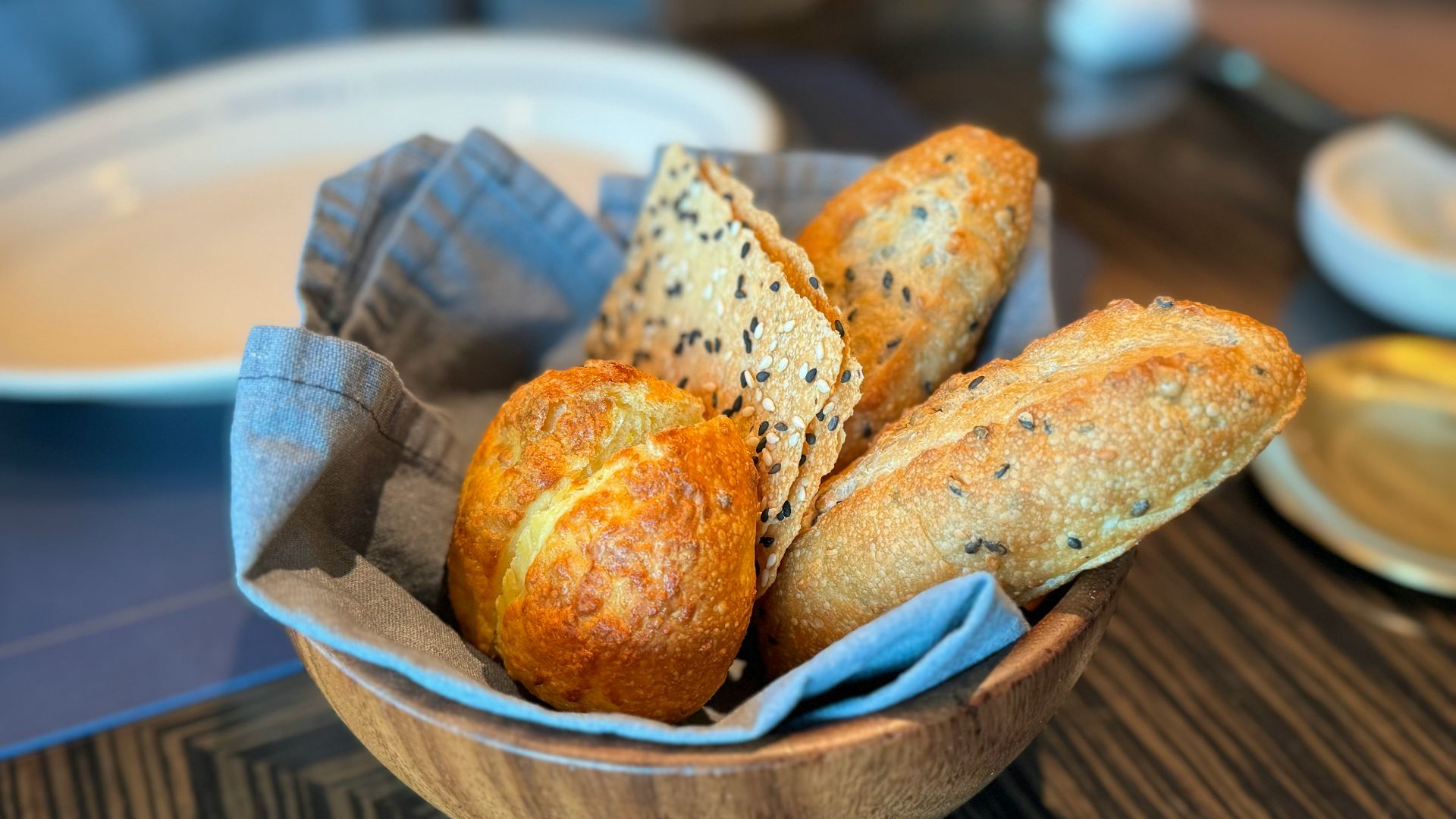
13. They Keep the Bread, Chips, or Snacks Flowing
Free bread and chips seem like generosity, but they can still work in the restaurant’s favor. Salty snacks make you thirstier, which often leads to more drink orders. They also create a relaxed, indulgent mood that makes spending a little extra feel easier. It’s hard to stay strict with your budget once you’re already happily grazing.
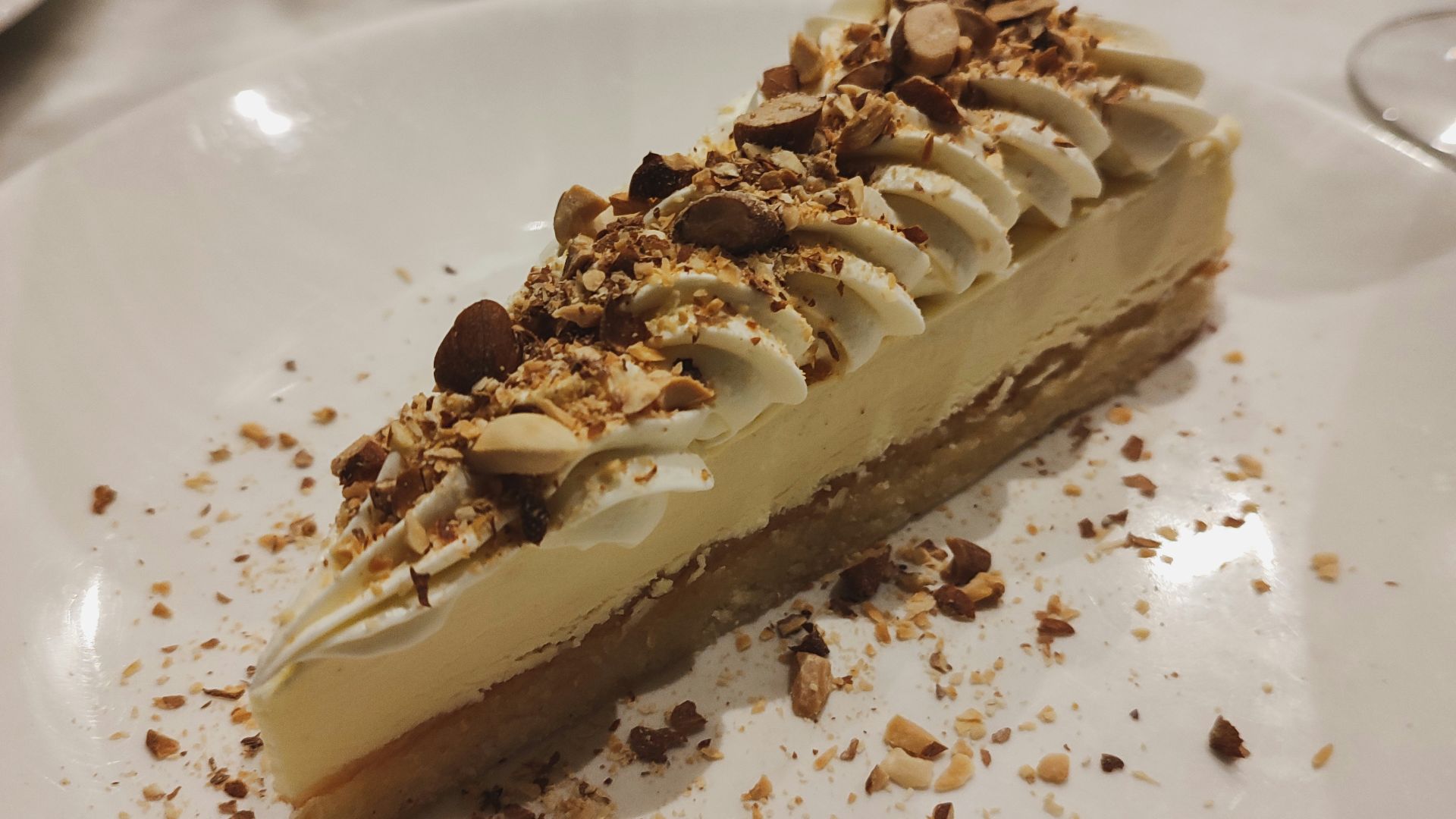
14. They Make Dessert Sound Like Part of the Experience
When the server starts describing dessert with real enthusiasm, it can feel like the meal won’t be complete without it. You may not have planned on cake, but suddenly you feel like you would have FOMO if you didn't order the chocolate torte. Saying no to dessert can feel like ending the night on a boring note.
 Dimitris Asproloupos on Unsplash
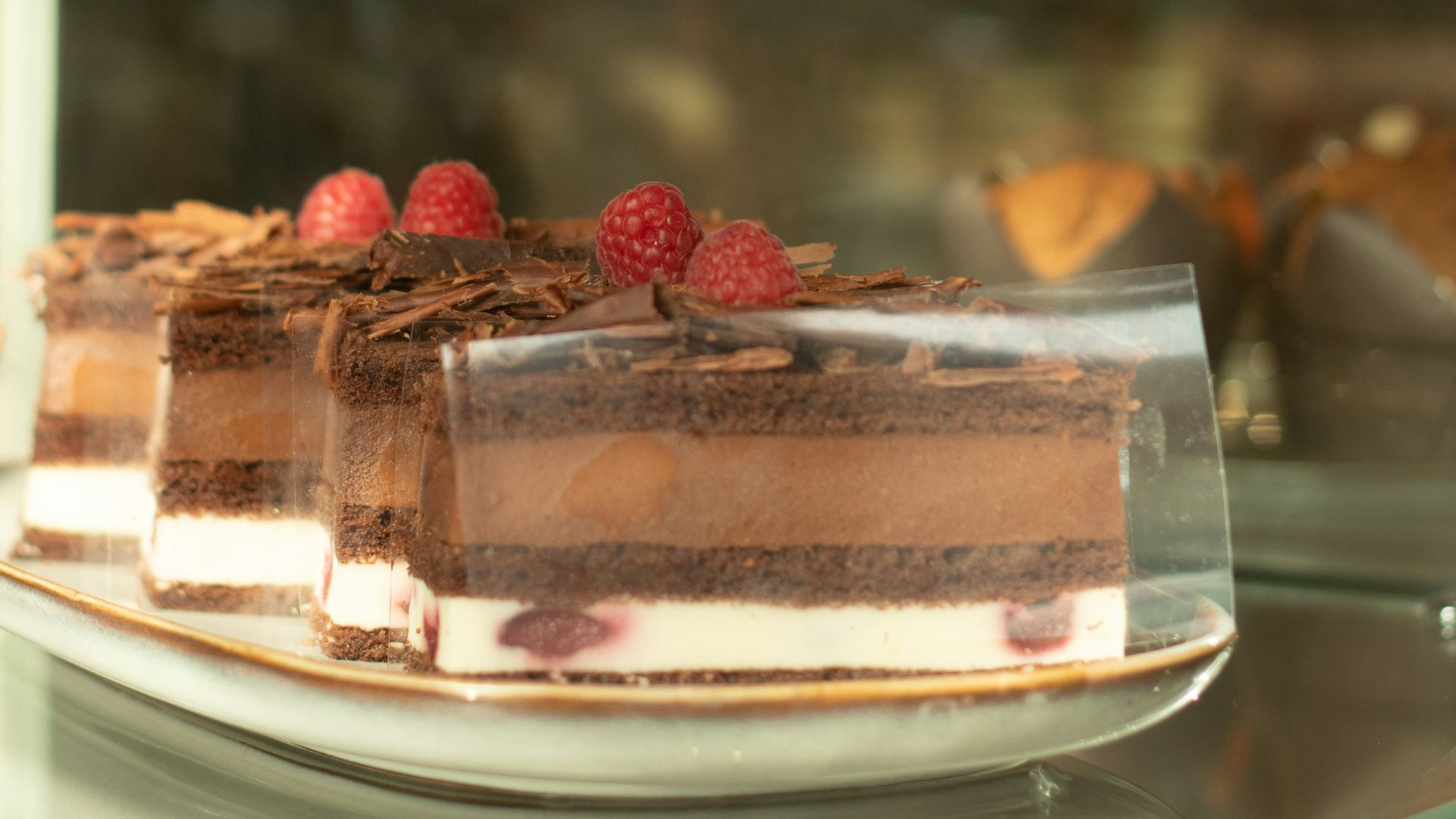
15. They Bring Out a Dessert Tray or Visual Display
Reading about dessert is one thing, but seeing it right in front of you is a different problem entirely. A tray of cakes or a display case full of glossy pastries does a lot of persuasive work without saying much. Visual temptation is one of the oldest tricks in the book because it still works.
 Kristina Goncharova on Unsplash
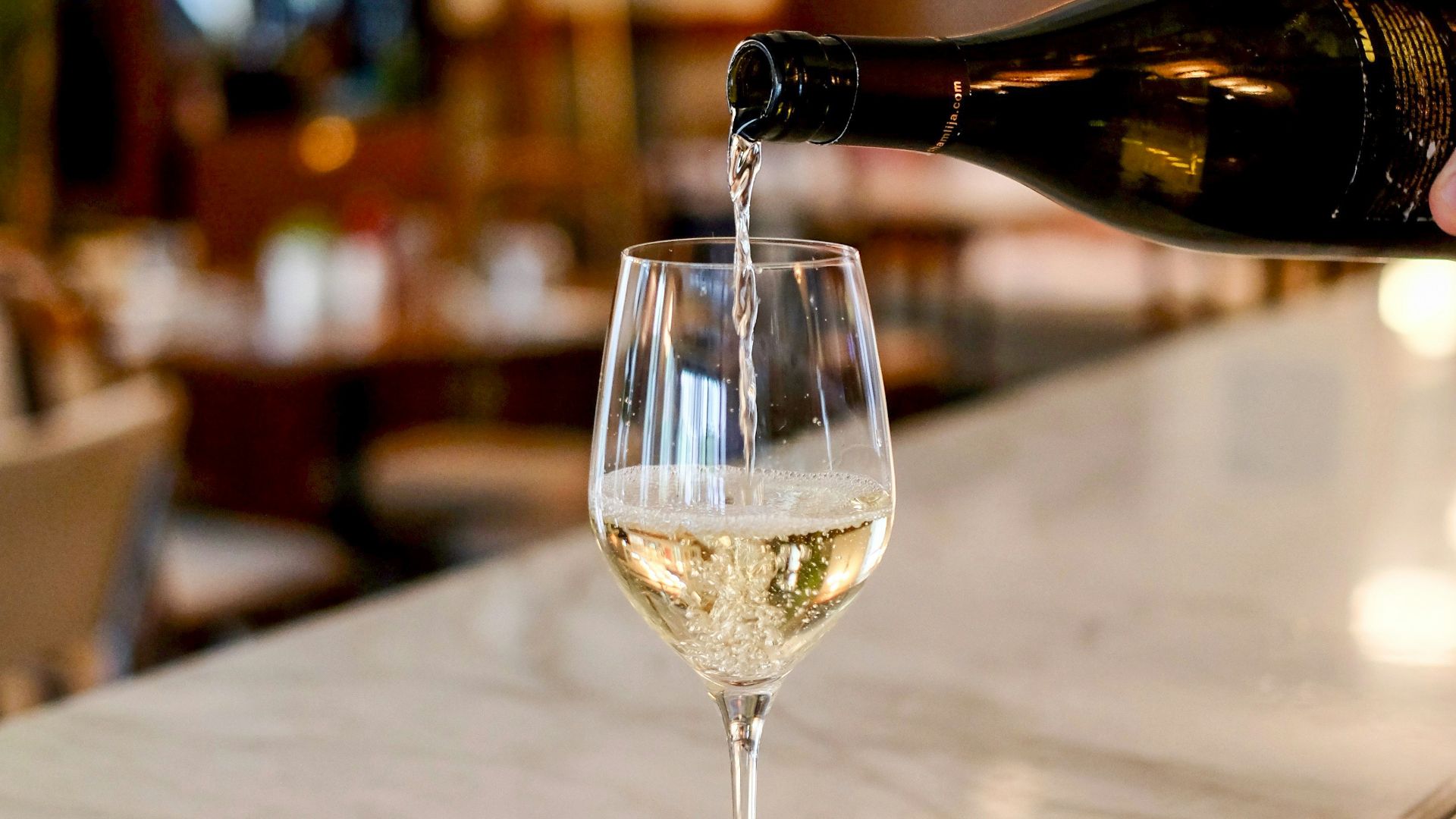
16. They Price Wine by the Glass to Make the Bottle Seem Smarter
Restaurants often make individual glasses expensive enough that a bottle starts to seem like the more sensible move. Even if you didn’t mean to order that much, now the bottle feels like better value. You spend more overall while convincing yourself you made the practical choice.
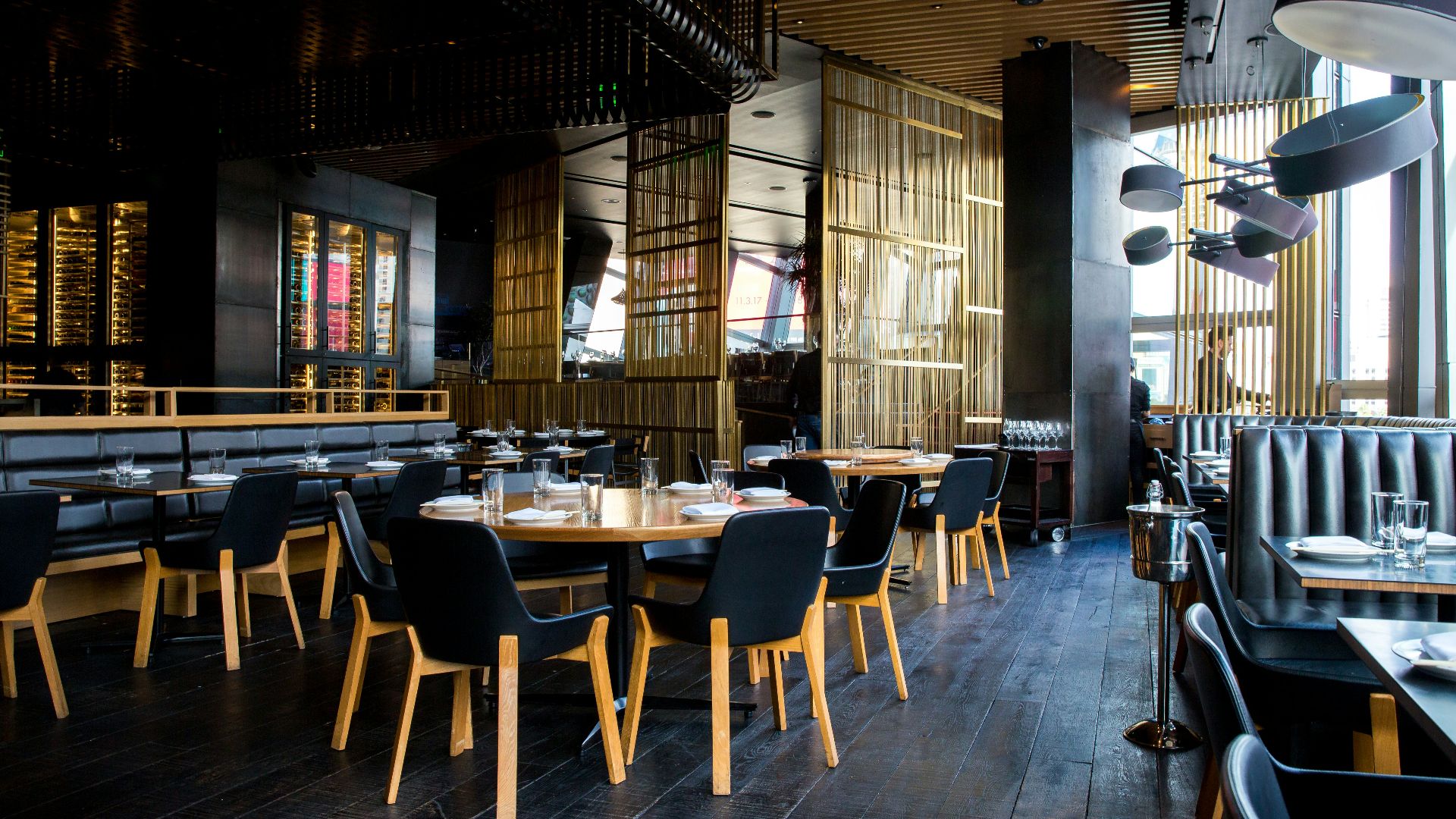
17. They Use Atmosphere to Make You Linger
Lighting, music, comfortable seating, and a relaxed pace are not just about creating a nice vibe. They also encourage you to stay longer, which increases the odds that you’ll order another drink, coffee, or dessert. The more settled you feel, the less likely you are to rush out after the main course. A cozy table can quietly lead to a bigger total.
18. They Offer Combo Deals That Aren’t Really a Deal
Meal bundles can sound like a money-saver, but sometimes they simply get you to buy more than you wanted in the first place. You came in planning on one item, and now you’re getting an appetizer, drink, and dessert because it feels like a package. The total is still higher than your original plan, even if the combo technically saves a little.
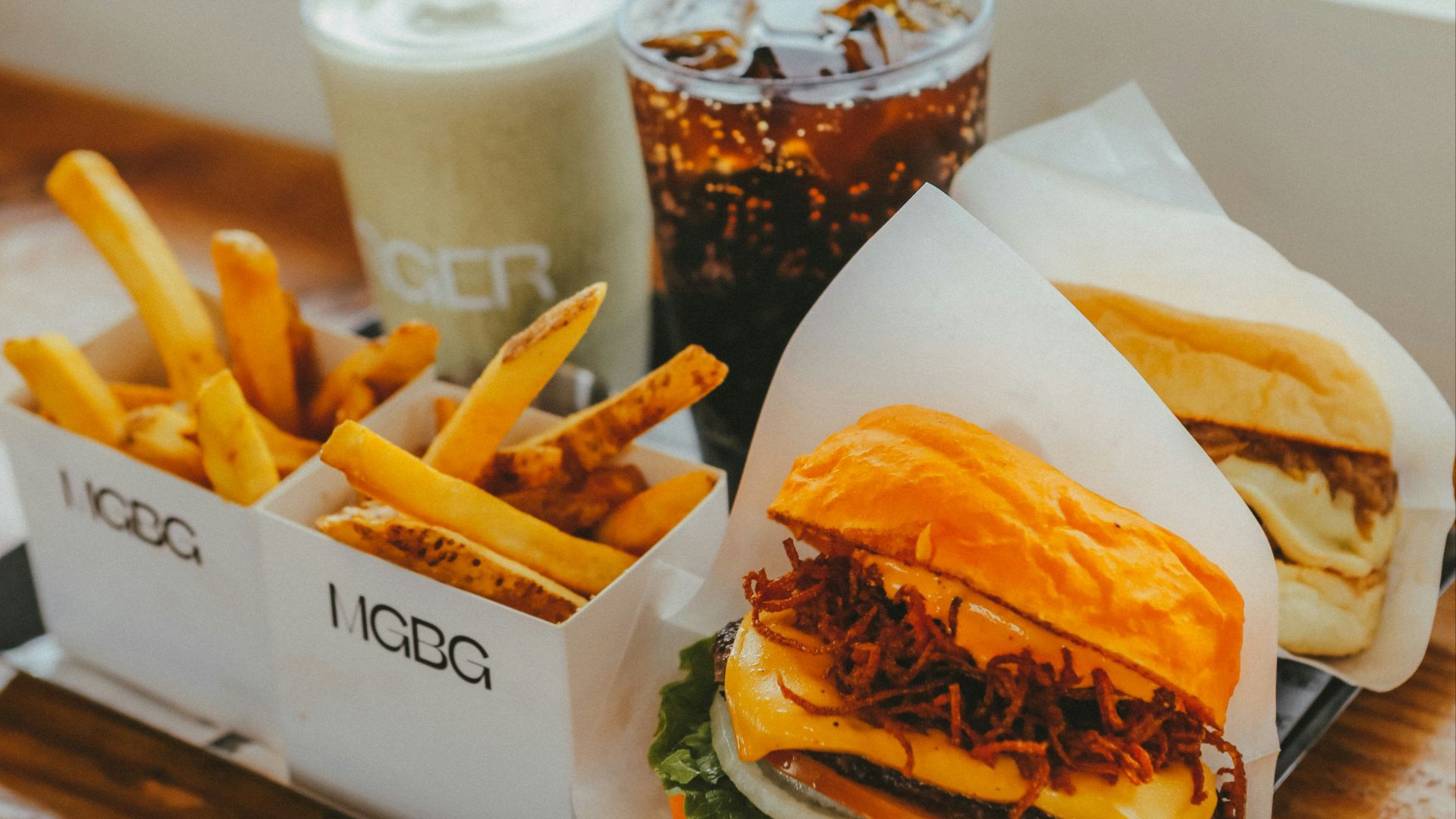
19. They Normalize Splurging
Restaurants often use language that makes indulgence sound reasonable, deserved, or part of the fun. Whether it’s in the menu wording or the server’s suggestions, the message is often that you’re here to enjoy yourself, so why hold back now? Once your meal starts feeling like a celebration, your budget usually takes a back seat or flies out the window entirely.
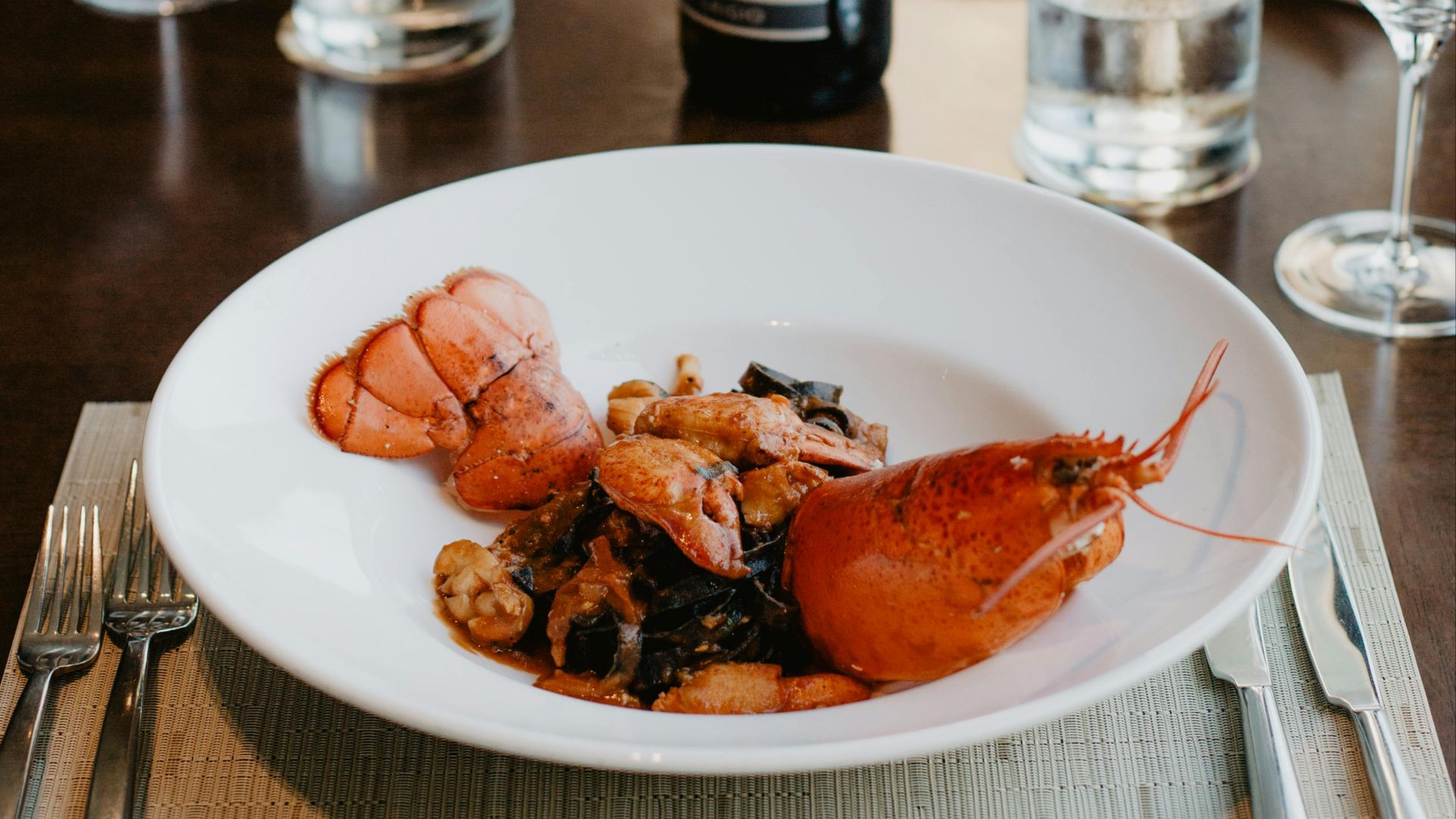
20. They Count On You Not Wanting to Seem Cheap
One of the most effective tricks is simply relying on social pressure. A lot of people won’t ask for the cheaper option, question a vague special, or skip add-ons because they don’t want to look difficult or stingy. Restaurants don’t have to force anything when embarrassment does some of the work for them.
KEEP ON READING
You’re Storing Tomatoes Wrong in This Heat
You’re Storing Potatoes Wrong in This Heat
You’re Storing Peppers Wrong in This Heat
You’re Storing Carrots Wrong in This Heat