There’s More Behind the Golden Arches
Thinking of getting McDonald's for dinner? Well, before you do, you might want to read this. Sure, the fast food you get from the Golden Arches might hit the spot every time, but there's a lot you don't know about what goes on behind the scenes. From apple pies that may contain duck feathers to fries that are made with beef flavoring and ice that could be contaminated with fecal bacteria, here are 20 secrets that may make you think twice before you place your order.
1. Most Restaurants Aren’t Operated by McDonald’s
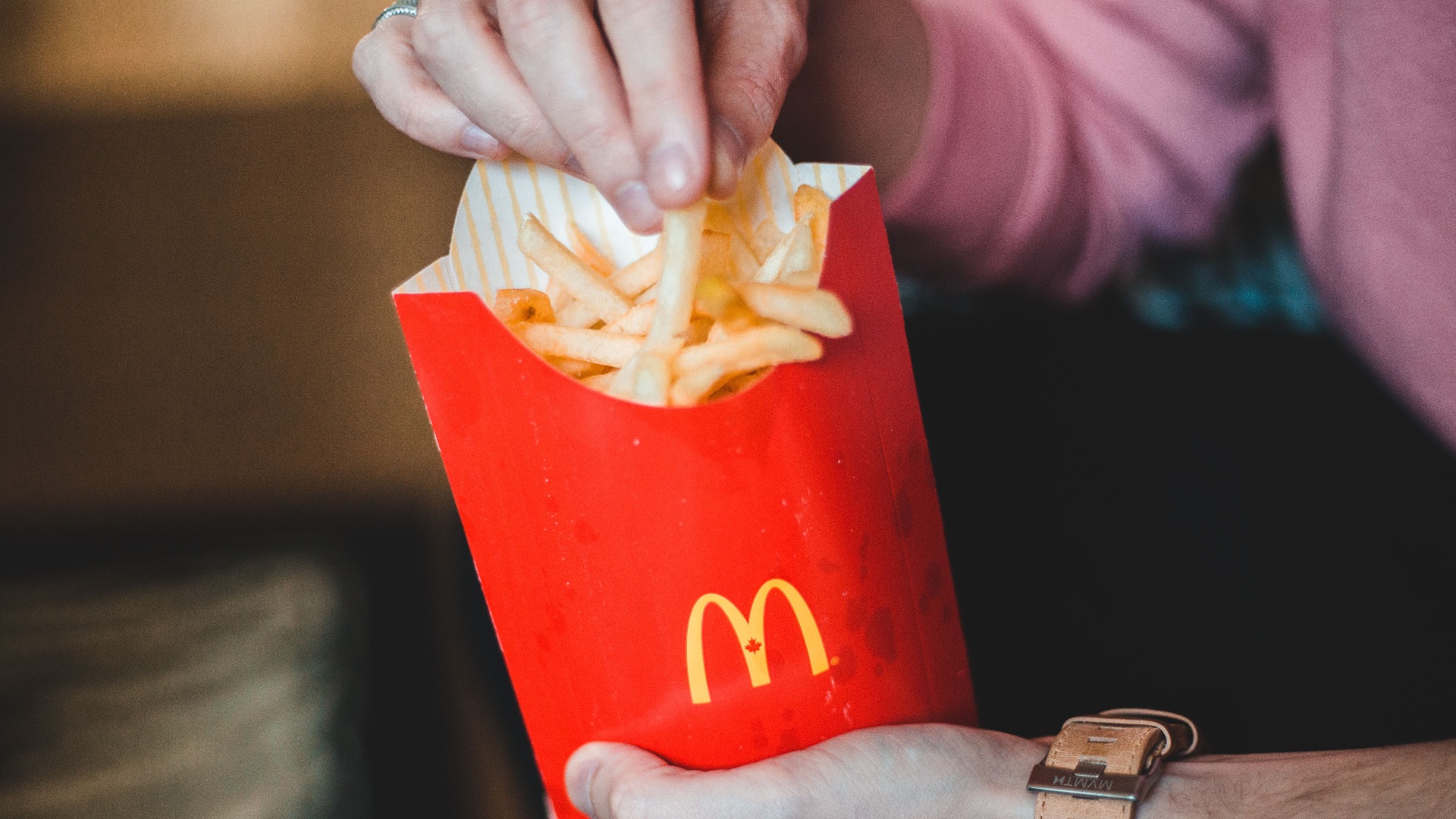
Roughly 95% of McDonald’s restaurants worldwide are run by franchisees rather than directly managed by the corporation. That means the person responsible for staffing, daily operations, and many local business decisions is usually an independent operator. The McDonald’s name may be on the building, but corporate headquarters isn’t personally running every kitchen.
2. Your Local Franchisee May Set Different Prices
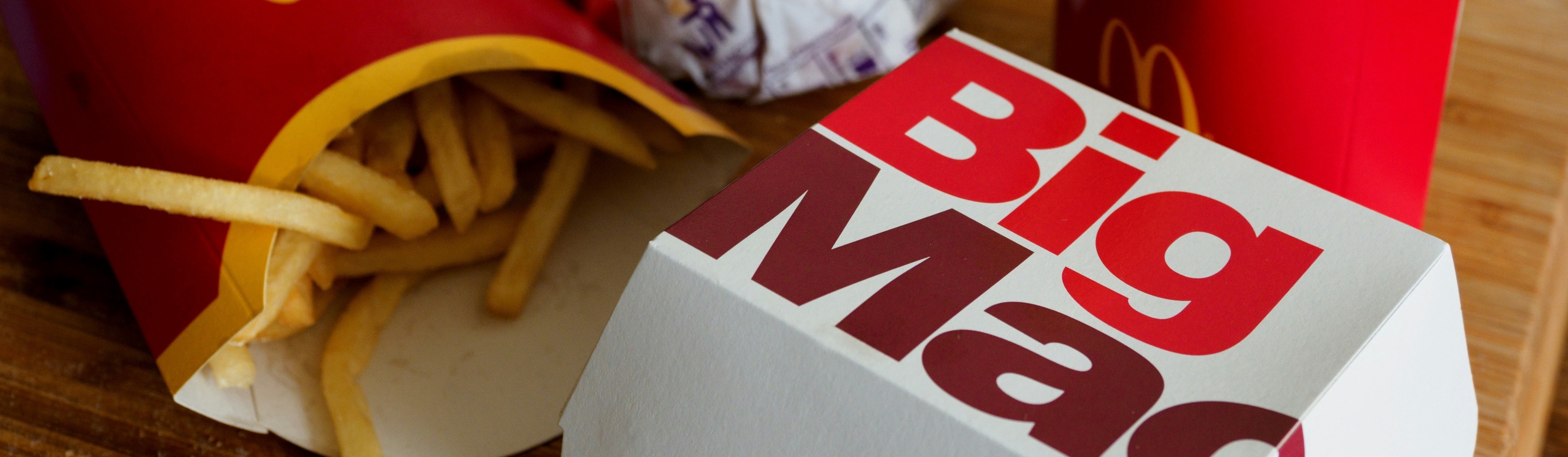
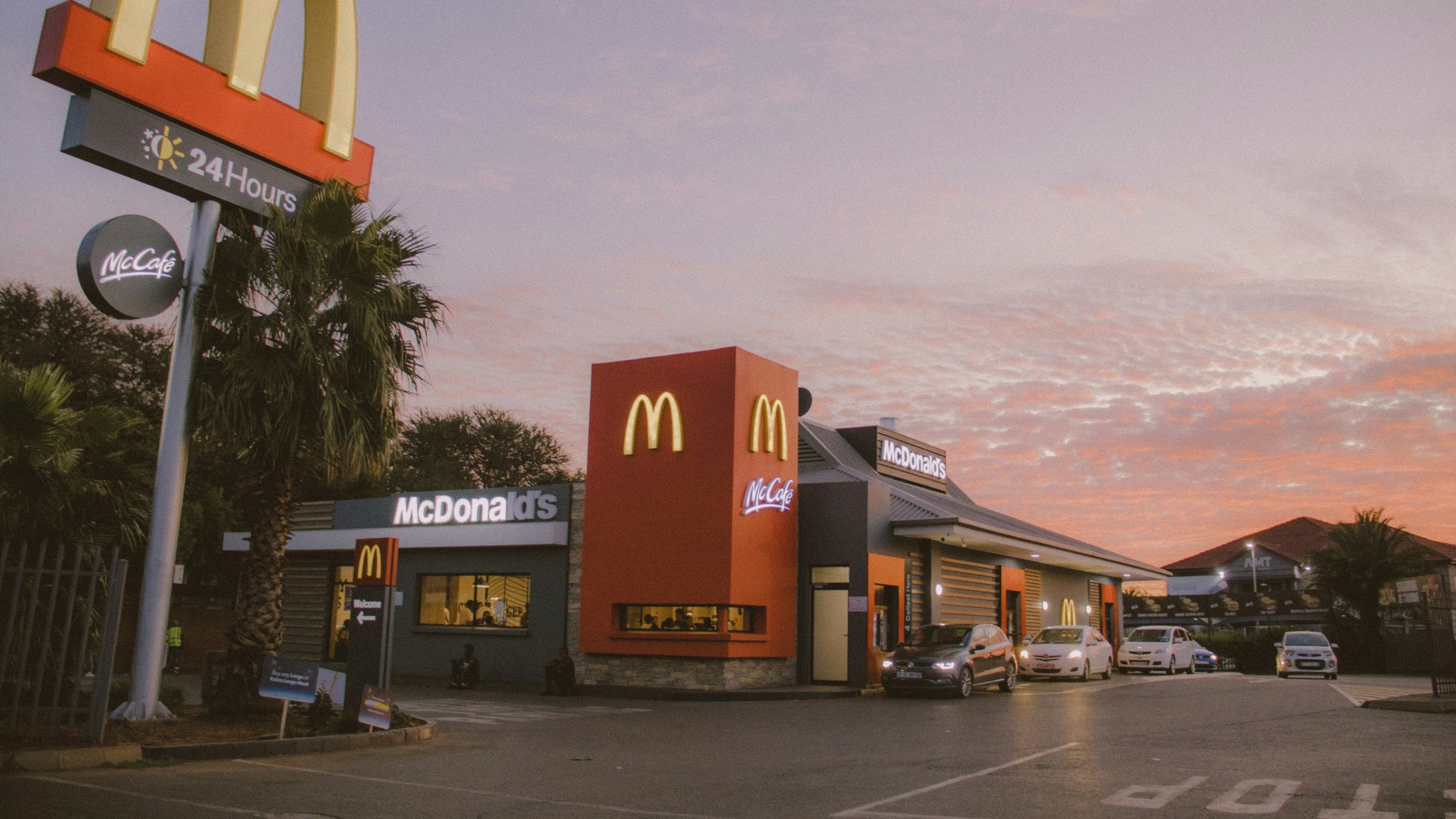
The cost of a Big Mac can change considerably depending on where you buy it because individual franchisees generally determine their restaurant prices. Local wages, rent, competition, and operating expenses all influence what appears on the menu board. This also explains why a deal posted online may cost more, cost less, or be completely unavailable at another location.
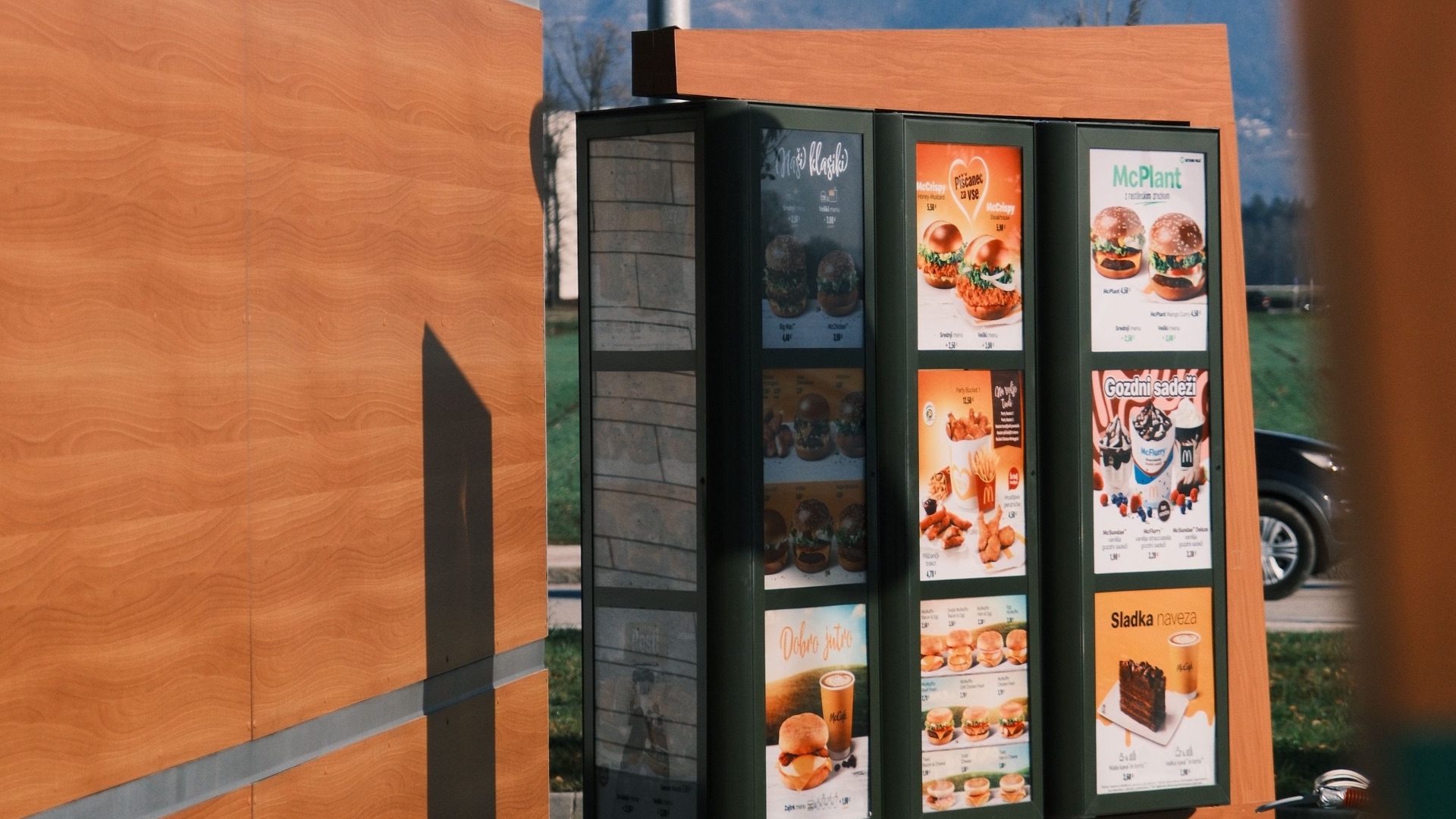
3. McDonald’s Makes Money from More Than Burgers
The corporation collects royalties from franchised restaurants, but its business model also relies heavily on rent and other payments from operators. McDonald’s often controls or leases restaurant properties and then rents them to franchisees. As a result, the company’s financial success is tied to real estate and franchising as much as it is to selling food.
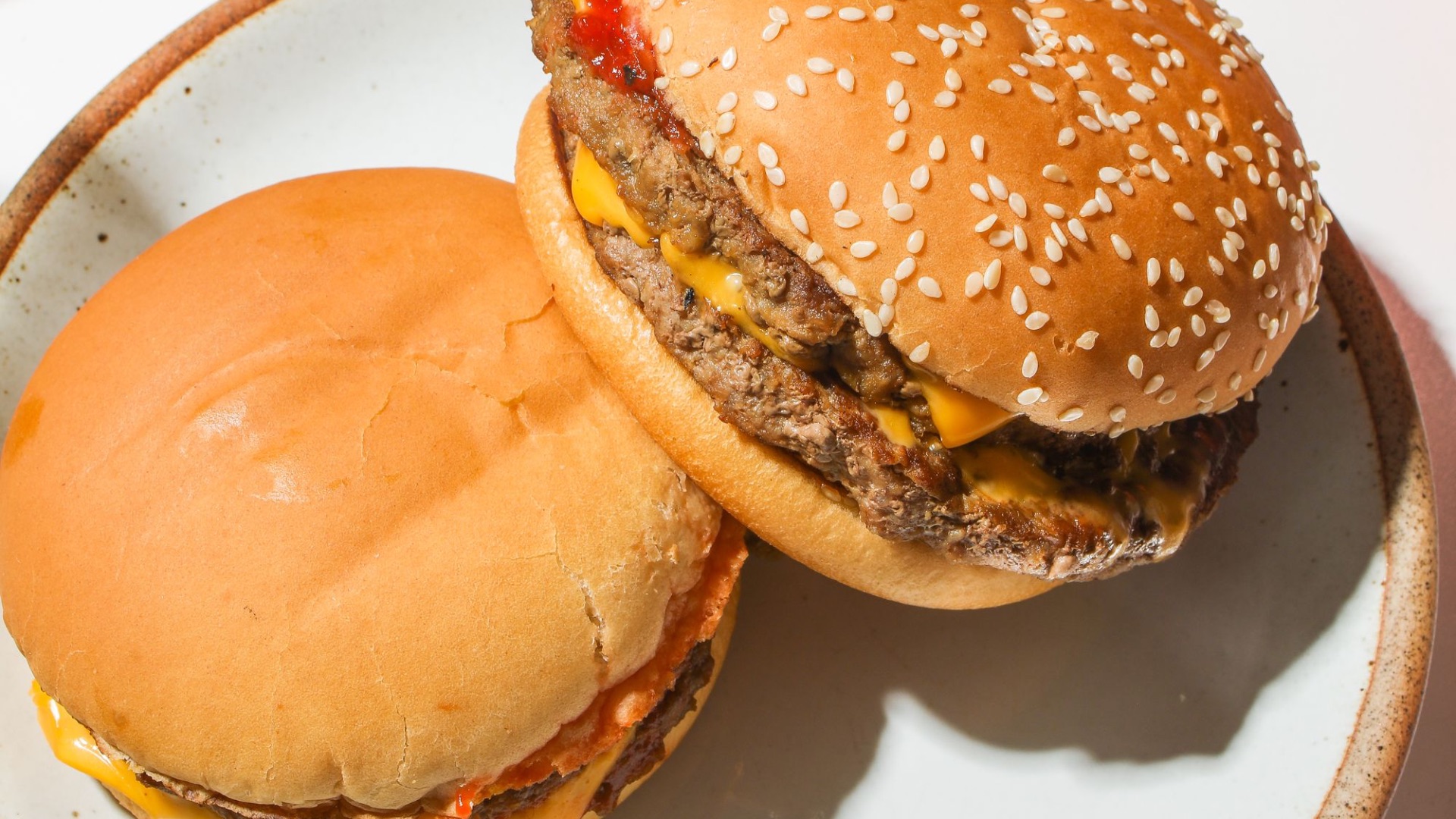
4. The Apple Pie Isn't Vegetarian
McDonald’s baked apple pie contains L-cysteine, an amino acid used to condition dough and make it easier to process. It's also an ingredient that's commonly derived from animal feathers and human hair. Though the FDA says it's safe to consume, just know that whenever you order an apple pie from McDonald's, it's more than likely you're also eating bird feathers.
5. The App Collects More Than Your Order
The McDonald’s app can collect information such as account details, location data, purchase activity, device information, and interactions with its services. That information helps the company operate the app, measure customer behavior, and personalize marketing or offers. The discounts may be useful, but customers are exchanging data as well as money when they use the platform.
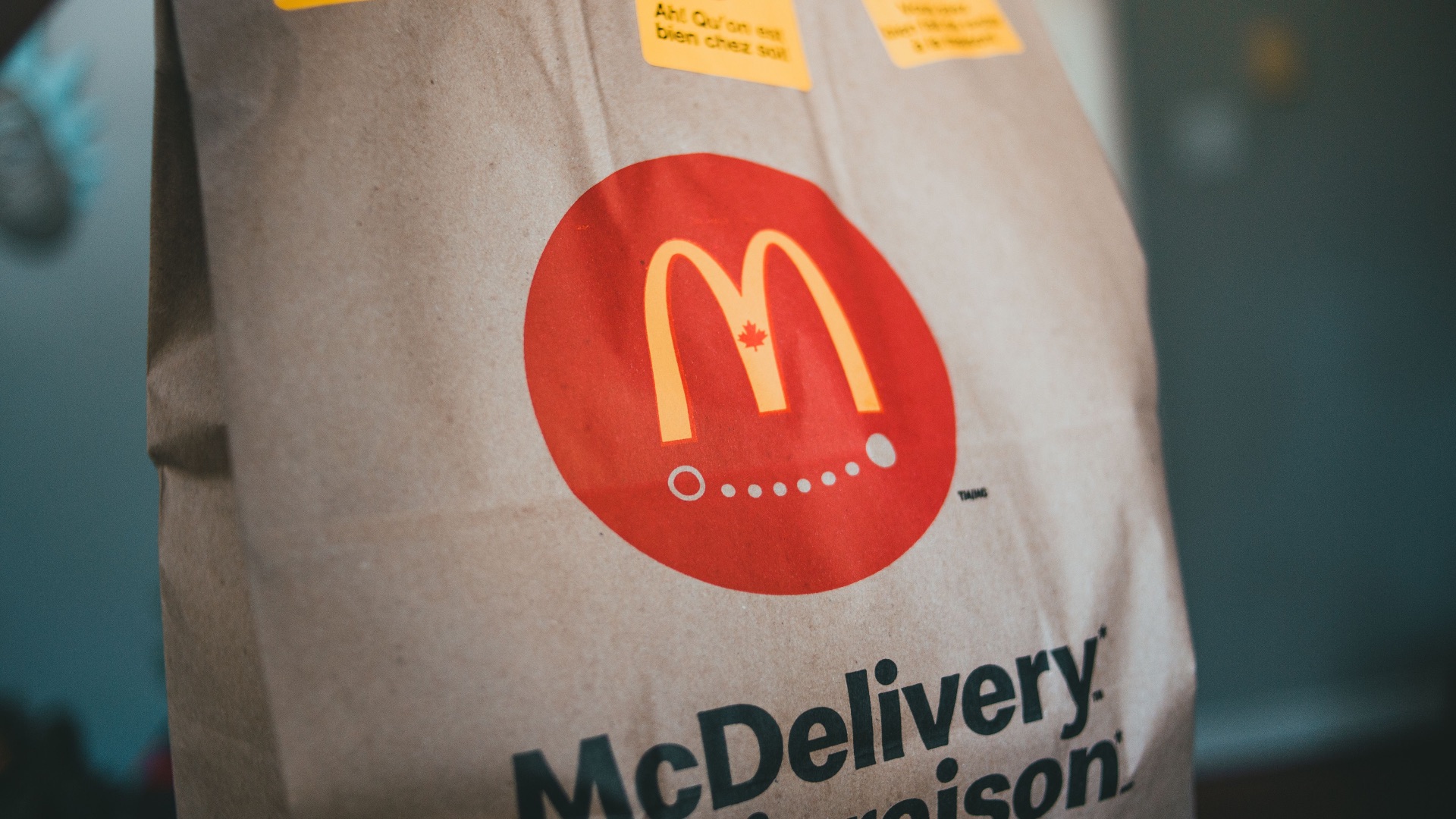
6. Burgers Can Last for Years Without Looking Rotten
Viral photos and videos of old McDonald’s hamburgers still looking pretty pristine have fueled claims that the company fills its beef with powerful preservatives. Of course, that the ingredients are beefed up (pun intended) with chemicals that help them last should come as no surprise, but the thin patties and buns can also lose moisture rapidly, especially when stored in a dry environment, which means it'll sooner turn into a rock than show visible mold.
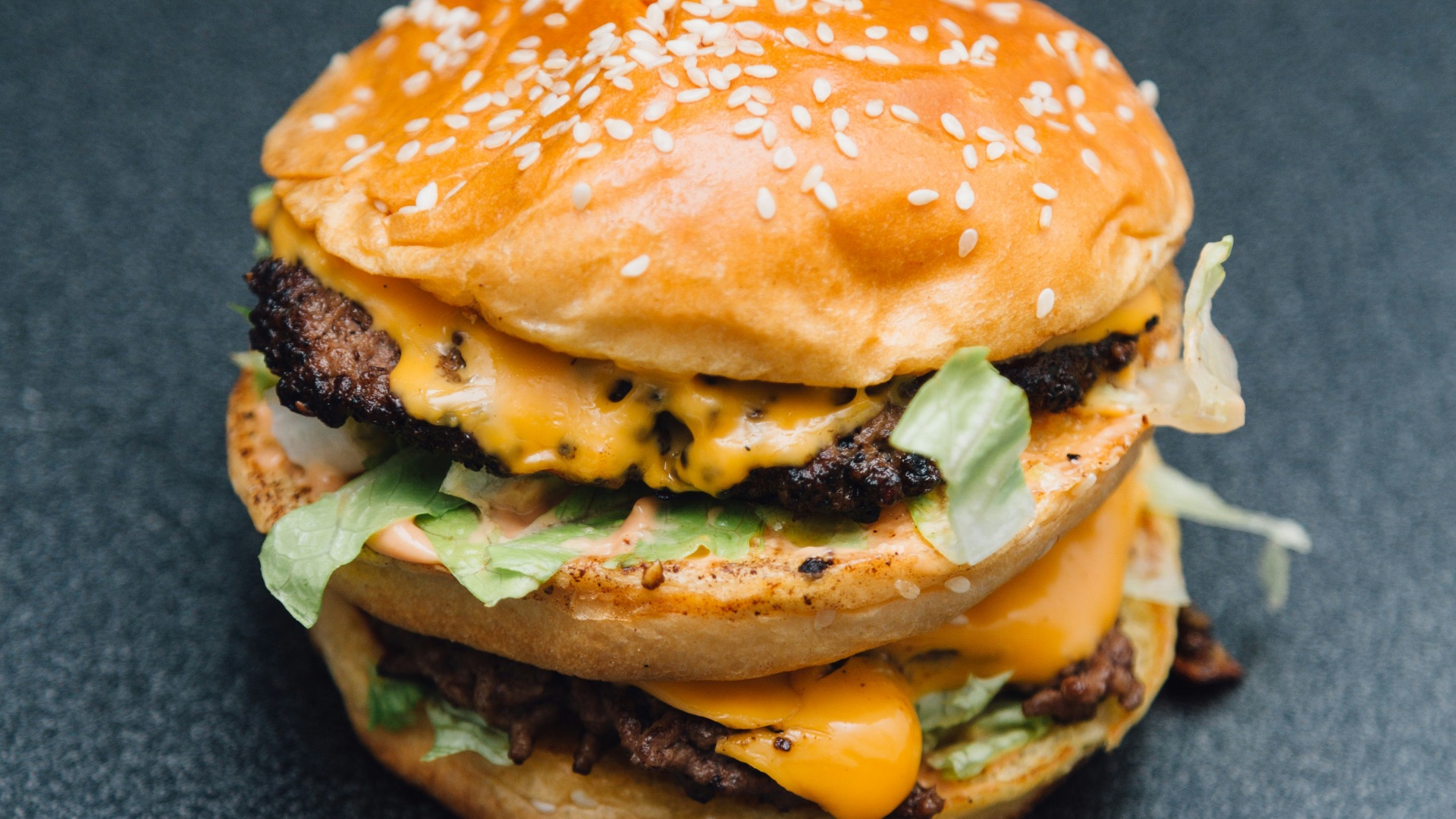
7. The Nutrition Numbers Aren’t Exact Measurements
McDonald’s nutrition figures are based on standard recipes, average ingredient values, laboratory testing, supplier information, and expected serving sizes. Actual portions and nutrient levels may differ because of preparation methods, regional suppliers, seasonal changes, and normal serving variation. The calorie count beside your order should be treated as a strong estimate rather than a measurement of the exact food in your bag.
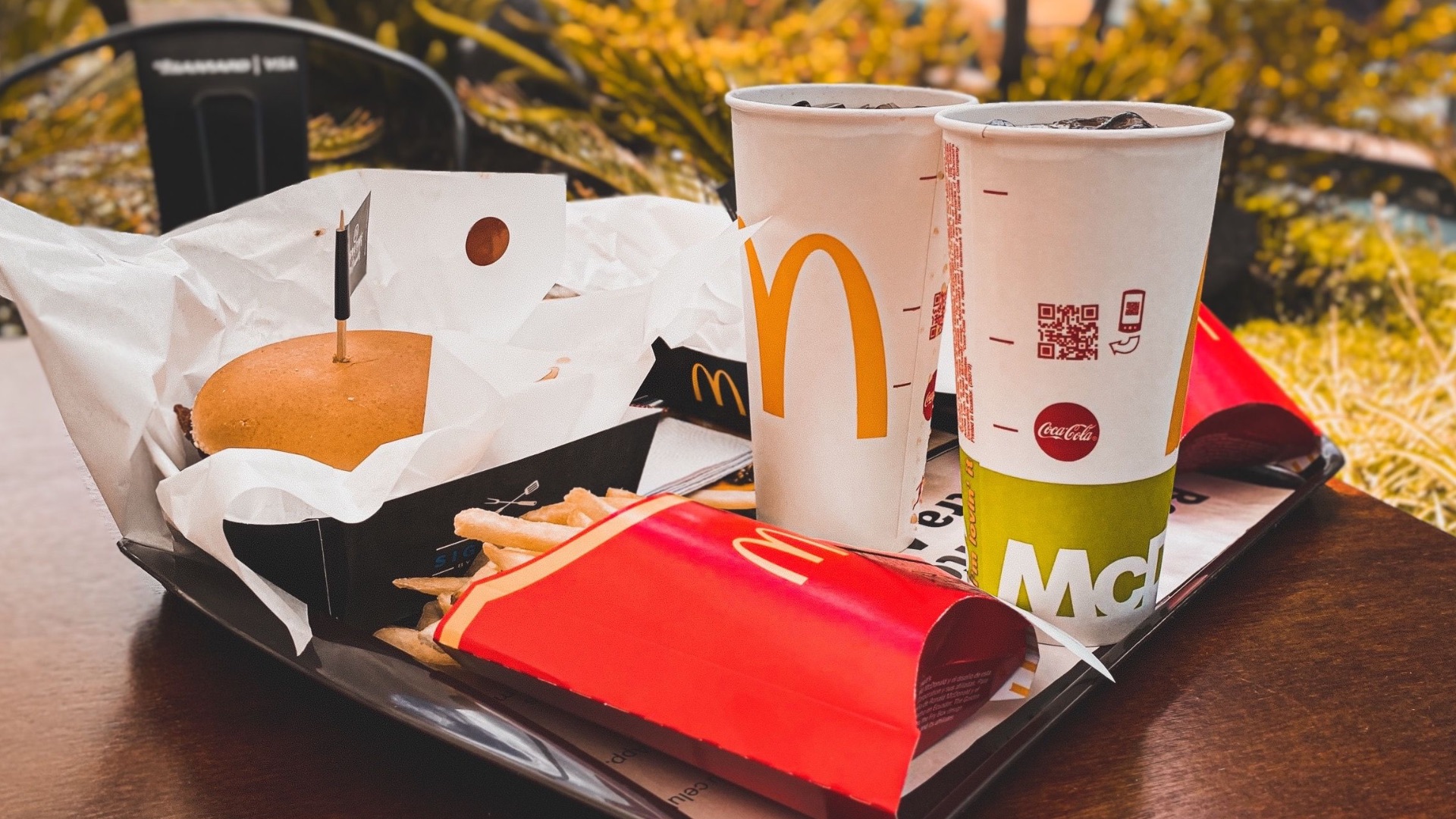
8. Recipes Can Change Without Much Attention
Ingredients and product formulations are periodically updated, so an item you’ve ordered for years may not always contain precisely the same components. McDonald’s encourages customers to check its current ingredient statements instead of relying on older information. This matters most for anyone managing food allergies, intolerances, or other dietary restrictions.
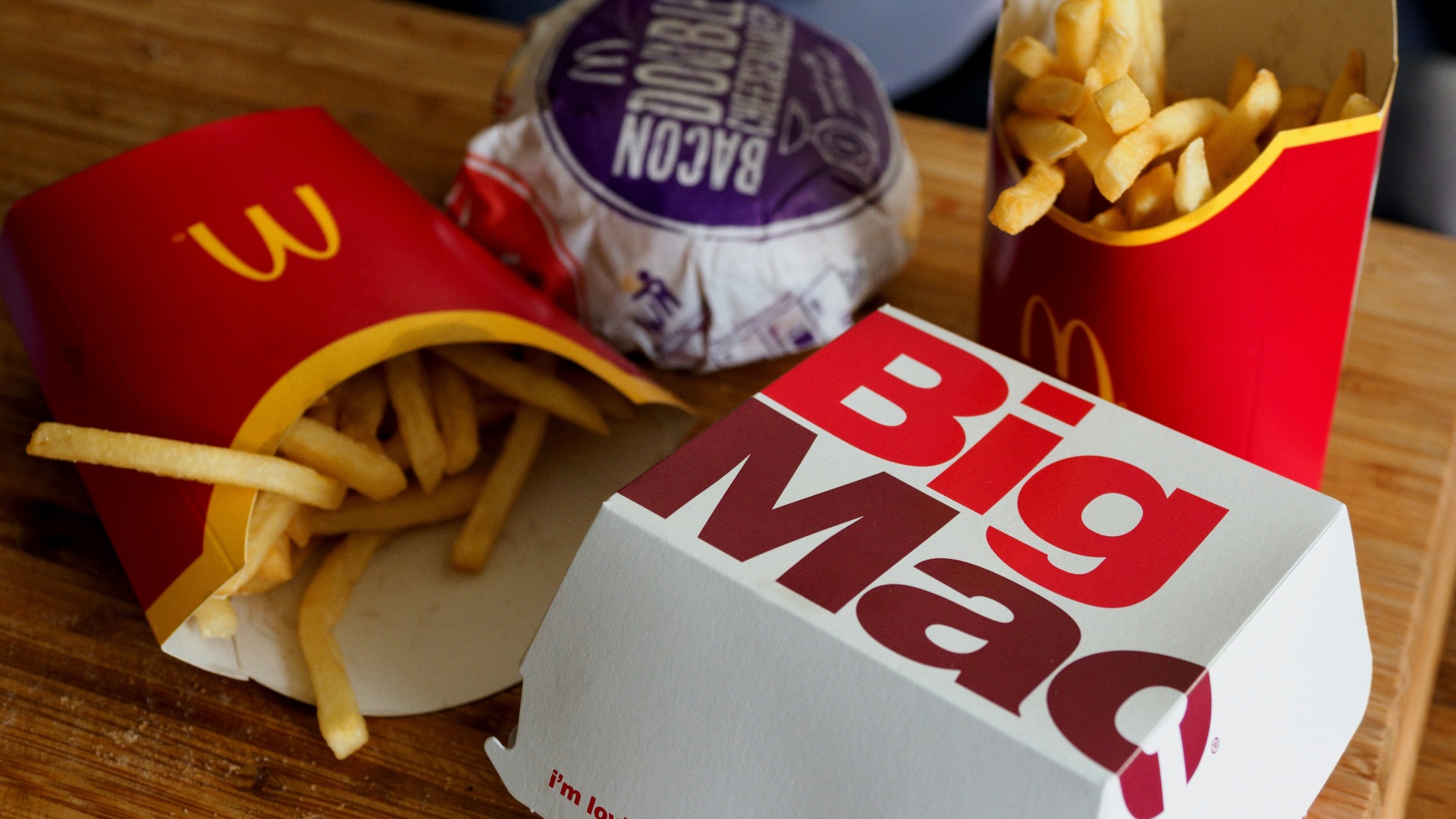
9. McDonald’s Doesn’t Label Its U.S. Food as Vegetarian
Even items that appear meat-free aren’t officially promoted by McDonald’s USA as vegetarian or vegan. Shared preparation areas and ingredients used during manufacturing can complicate those classifications. The company also doesn’t promote its U.S. menu items as gluten-free, so diners with strict dietary requirements need to examine the details carefully.
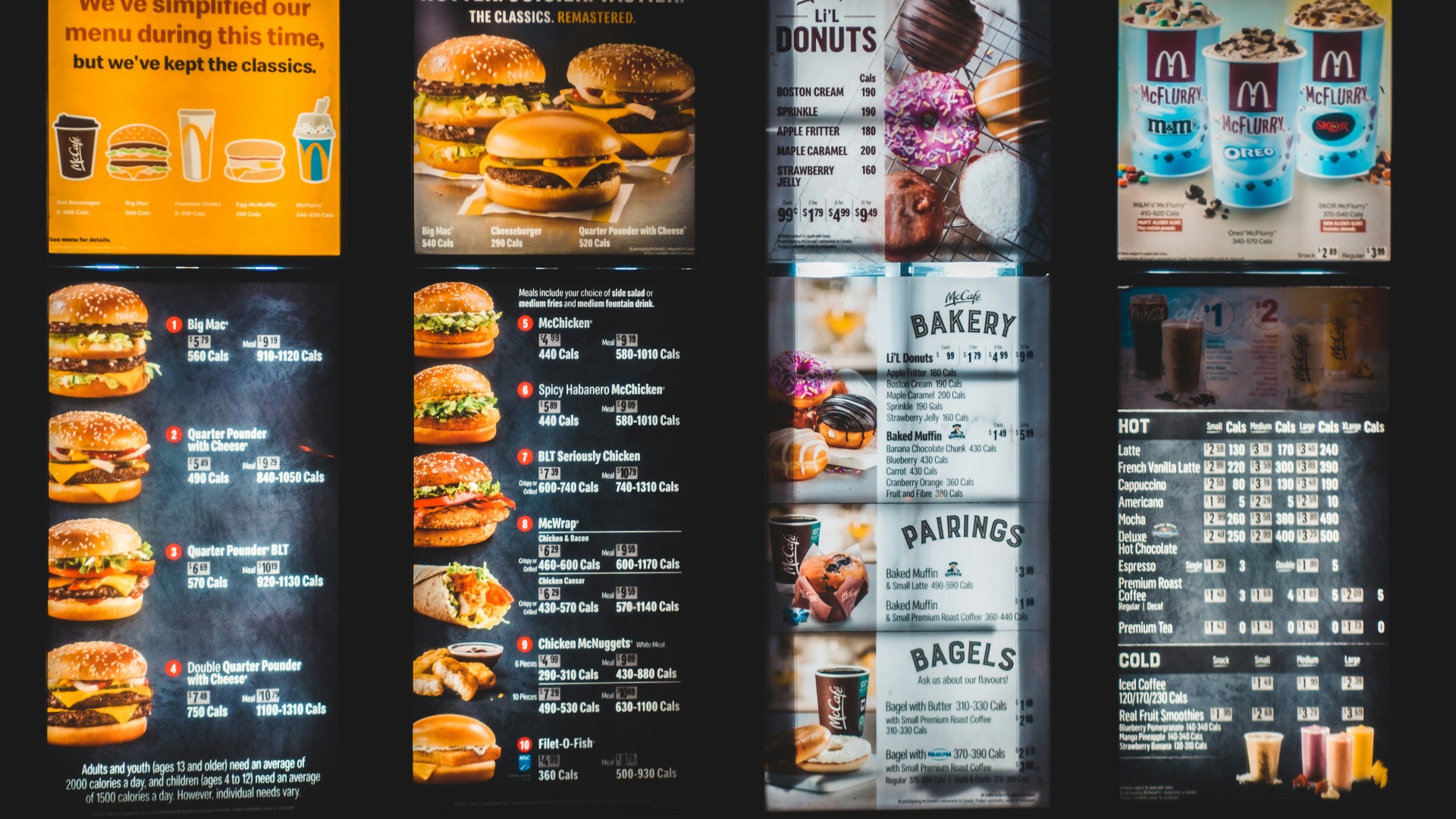
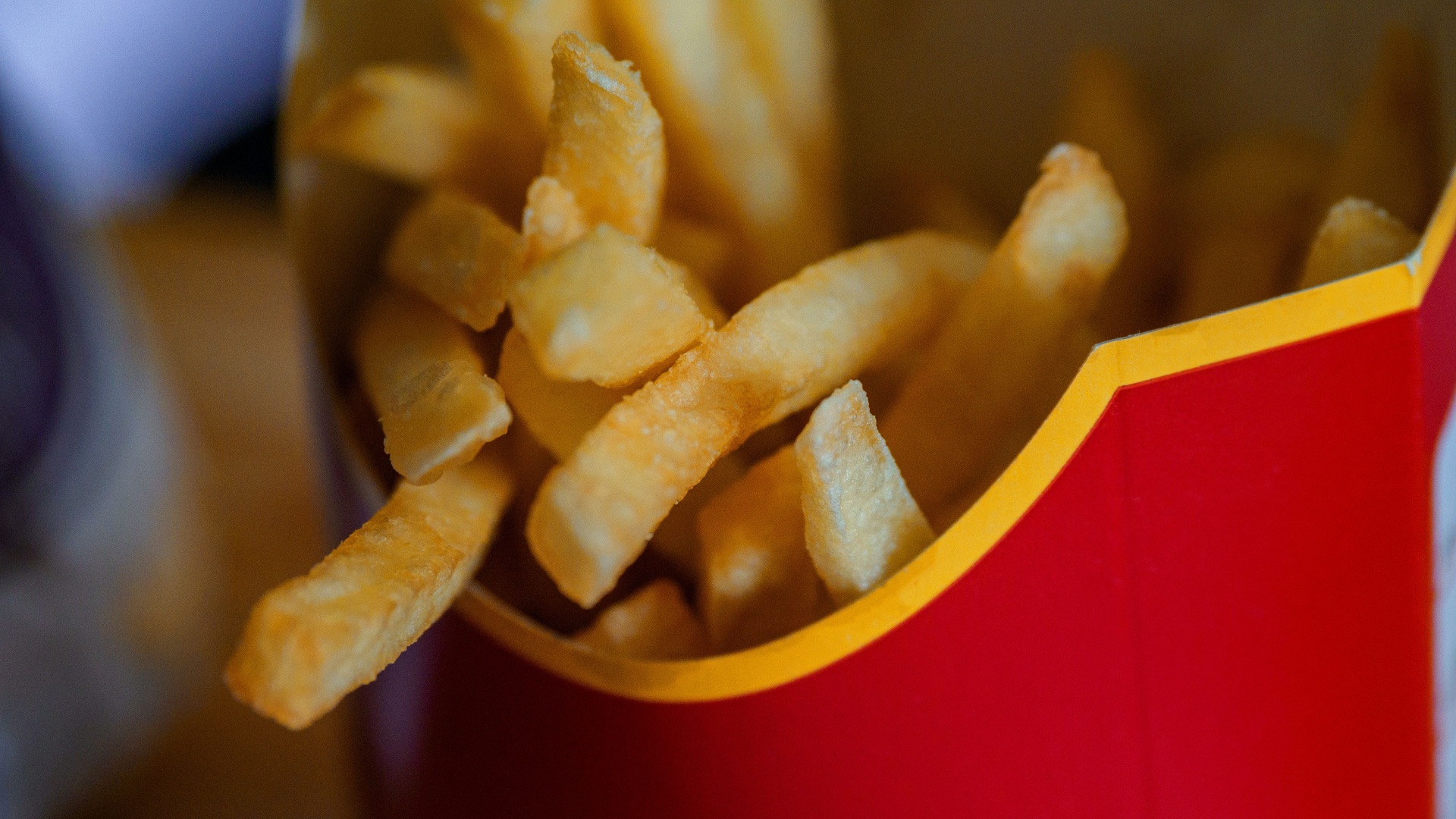
10. The Fries Aren’t Simply Potatoes, Oil, and Salt
McDonald’s fries begin with potatoes, but their familiar U.S. flavor also comes from additional ingredients used during processing. The chain has acknowledged using a natural beef flavor to help create the recognizable taste customers expect. Anyone assuming the fries are a straightforward vegetarian side may be surprised by the full ingredient information.
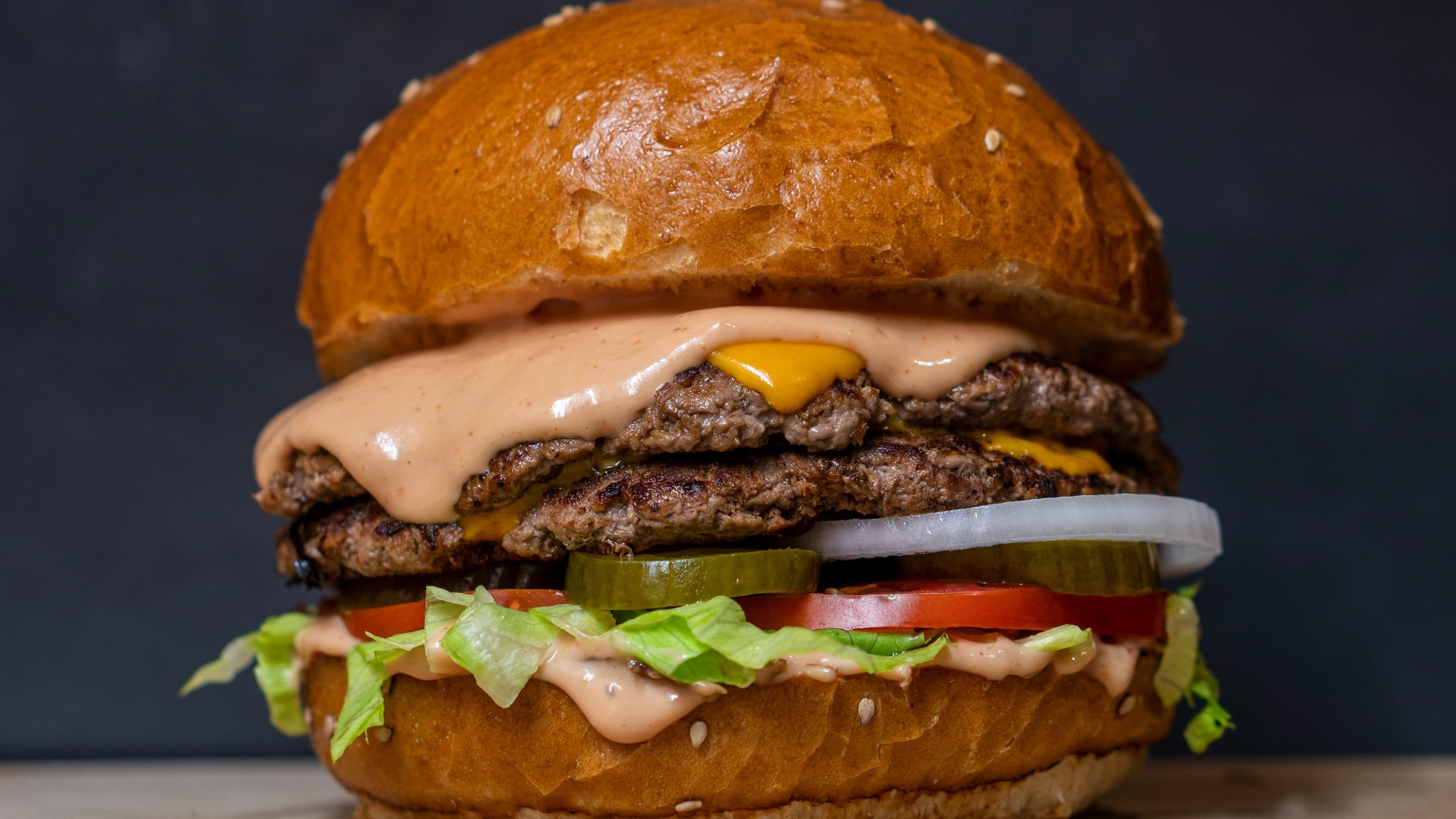
11. “Fresh Beef” Doesn’t Apply to Every Burger
McDonald’s prominently promotes fresh beef for its Quarter Pounder line at participating restaurants in most of the contiguous United States. That wording doesn’t mean every hamburger patty on the menu is handled in the same way. The distinction is important because customers may see “fresh beef” advertising and assume it describes the entire burger selection.
 amirali mirhashemian on Unsplash
12. Not Every Breakfast Egg Is Prepared the Same Way
The egg on an Egg McMuffin isn’t prepared like the egg found on every other breakfast sandwich. McDonald’s uses several egg formats, including freshly cracked round eggs, scrambled eggs, folded eggs, and a prepared egg mixture for breakfast burritos. The menu may describe all of them as egg, but their preparation and ingredient lists can differ.
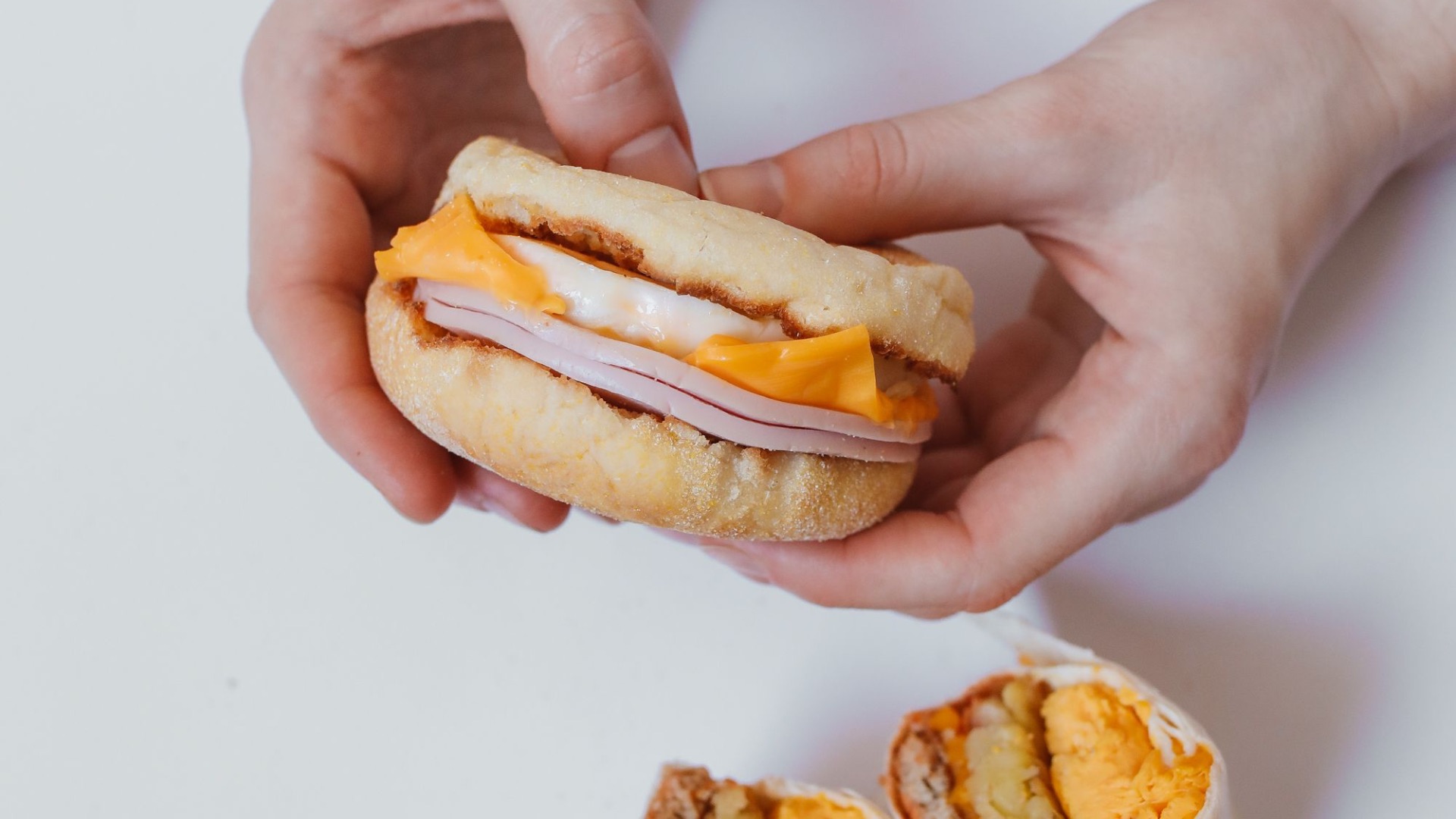
13. Some Eggs Arrive Precooked and Frozen
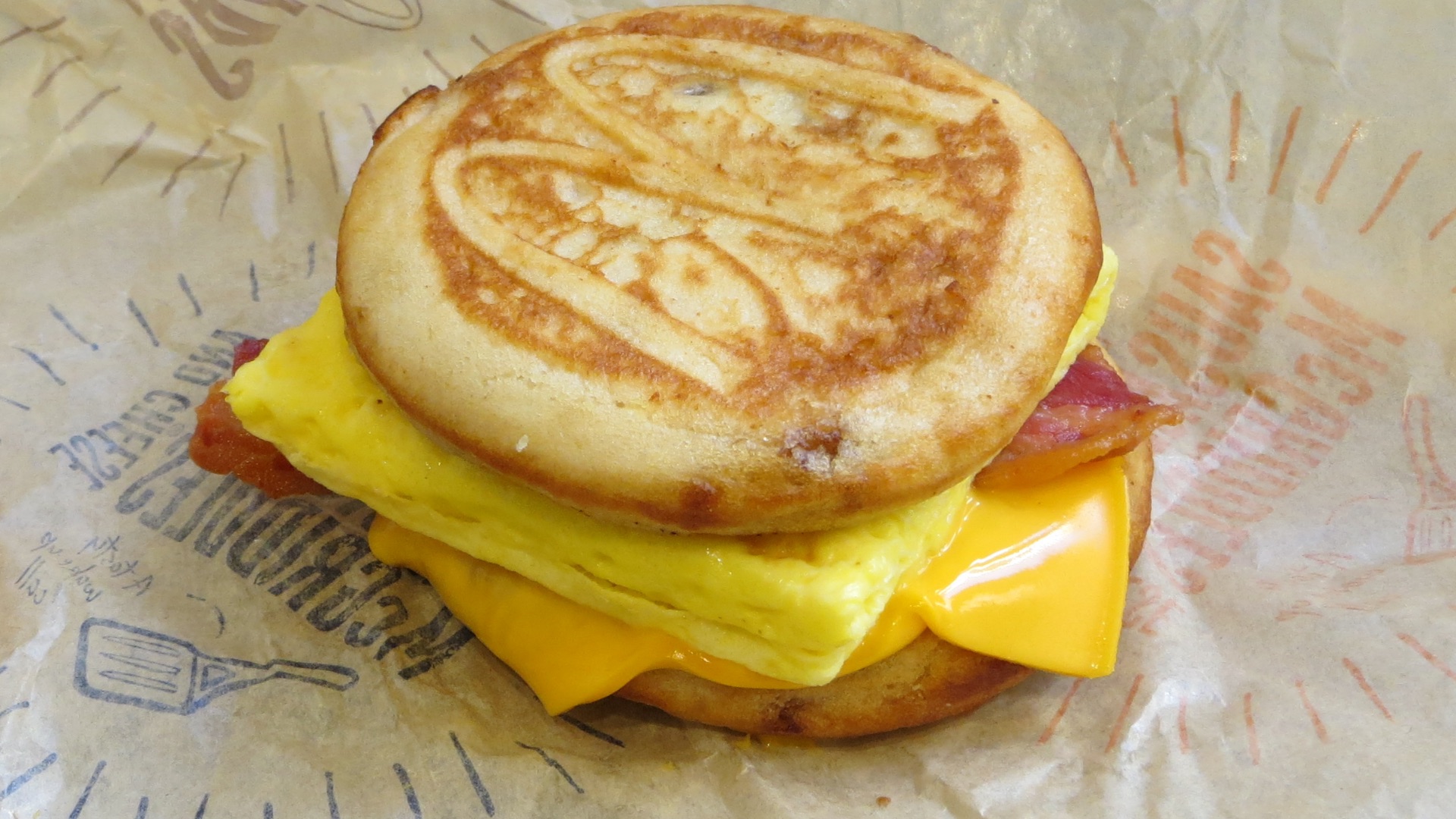
The folded eggs used on certain biscuit, bagel, and McGriddles sandwiches are made from liquid eggs that suppliers cook, fold, and flash-freeze before sending them to restaurants. Employees then heat them on the grill with butter. They’re still made from real eggs, but they aren’t cracked directly onto the cooking surface when you place your order.
 Alex Liivet from Chester, United Kingdom on Wikimedia
14. McDonald’s Uses Two Different Kinds of Onions
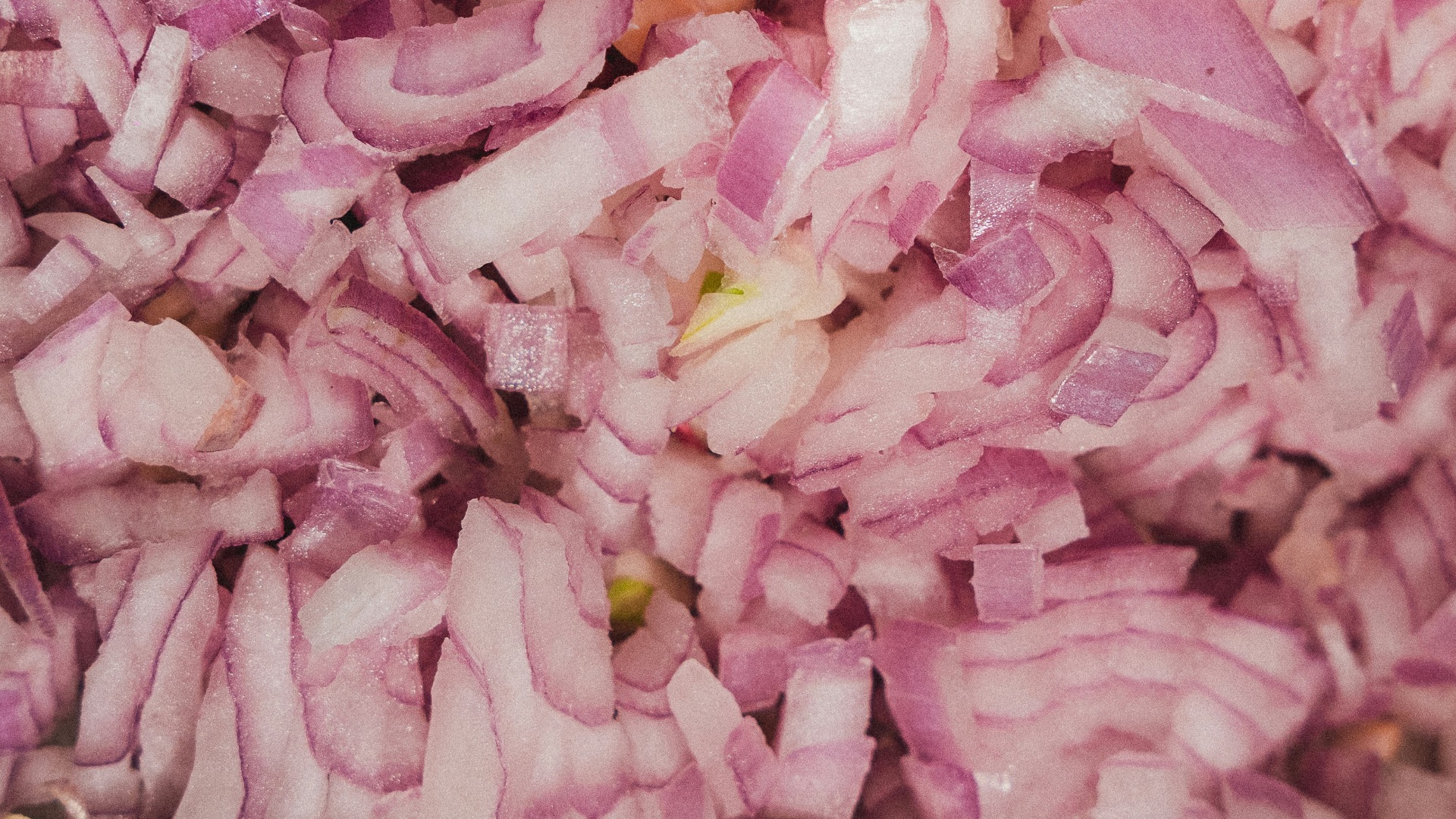
The small diced onions found on burgers such as the McDouble are commonly made from dehydrated onions that are rehydrated in the restaurant. Quarter Pounders, on the other hand, are generally topped with fresh slivered onions. The two styles help create different textures and flavors while keeping each sandwich consistent.
15. The Filet-O-Fish Bun Is Steamed
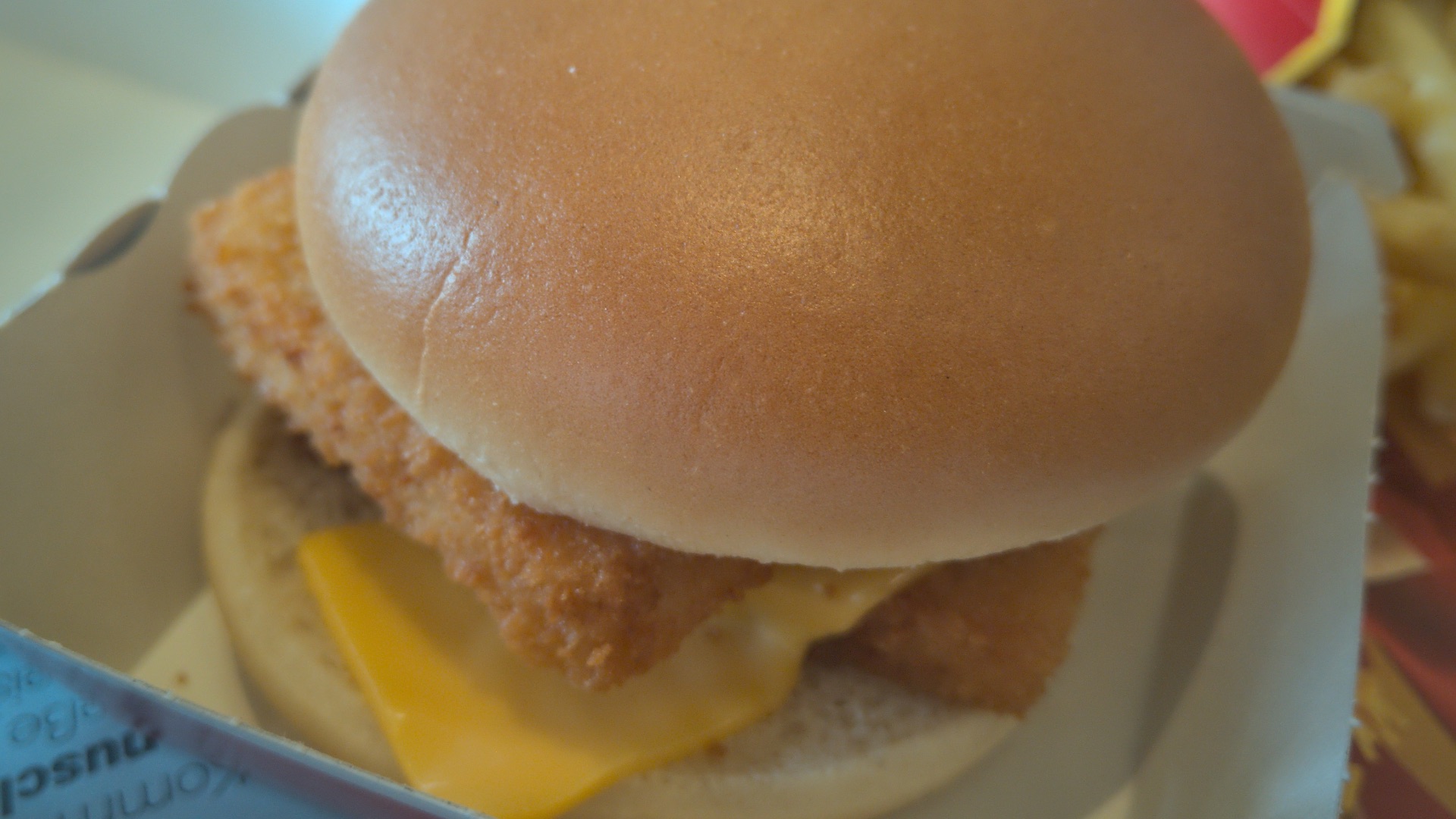
The softness of a Filet-O-Fish bun isn’t accidental or simply caused by the warm sandwich sitting inside it. McDonald’s serves the fish patty on a steamed bun, which gives it a noticeably softer texture than the toasted buns used for many burgers. The sandwich’s fish is also wild-caught Alaskan pollock rather than an unspecified blend of seafood.
16. A “Real Egg” Can Still Be Heavily Preprocessed
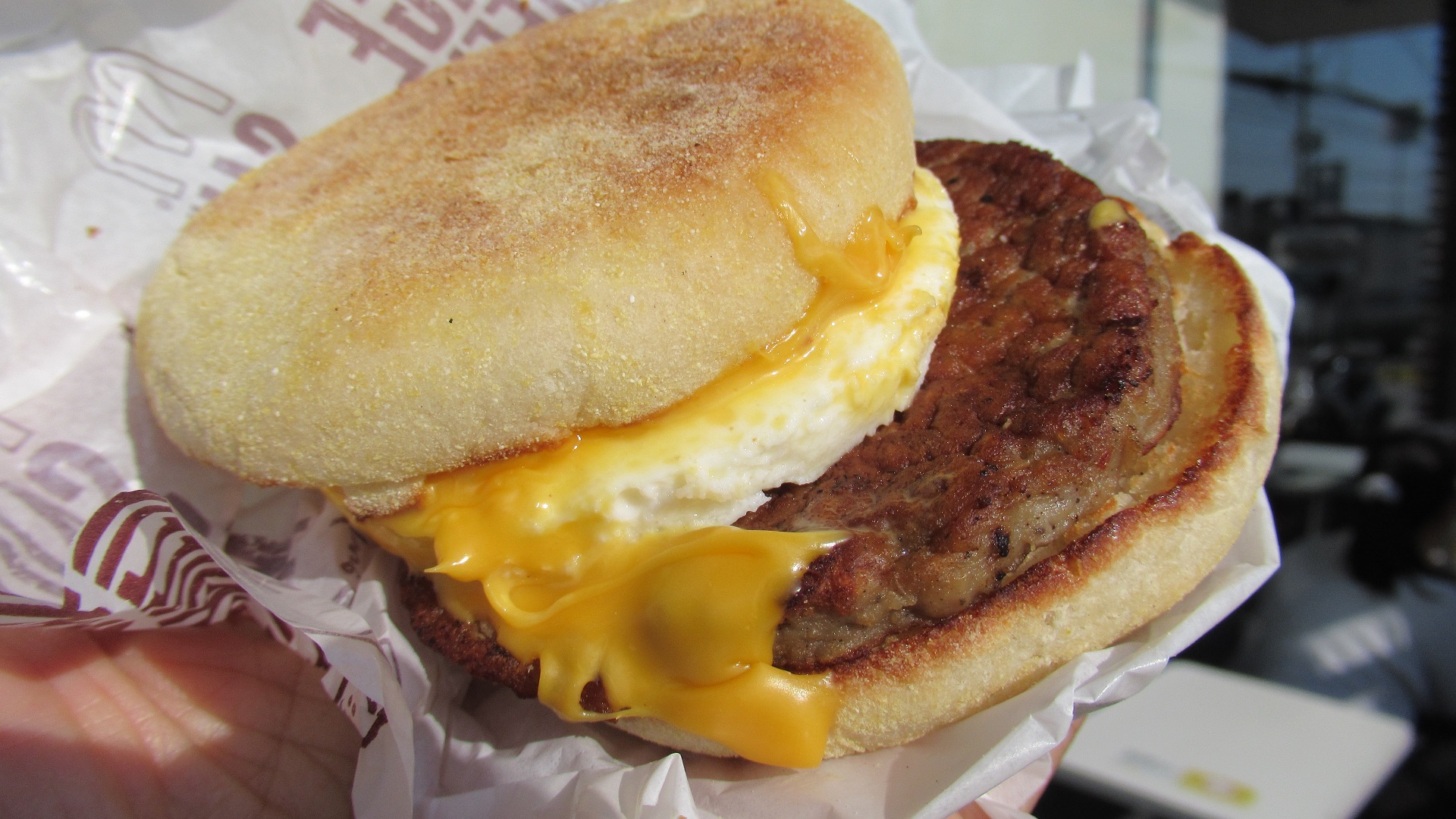
McDonald’s can accurately say that its breakfast sandwiches contain real eggs while using several different forms of them. Some are cracked from shells, some begin as pasteurized liquid egg, and others arrive fully cooked and frozen. The phrase “real egg” therefore tells you what the ingredient is, but not how recently it was cooked or how much processing occurred beforehand.
17. McDonald’s Sweet Tea Is Basically Soda
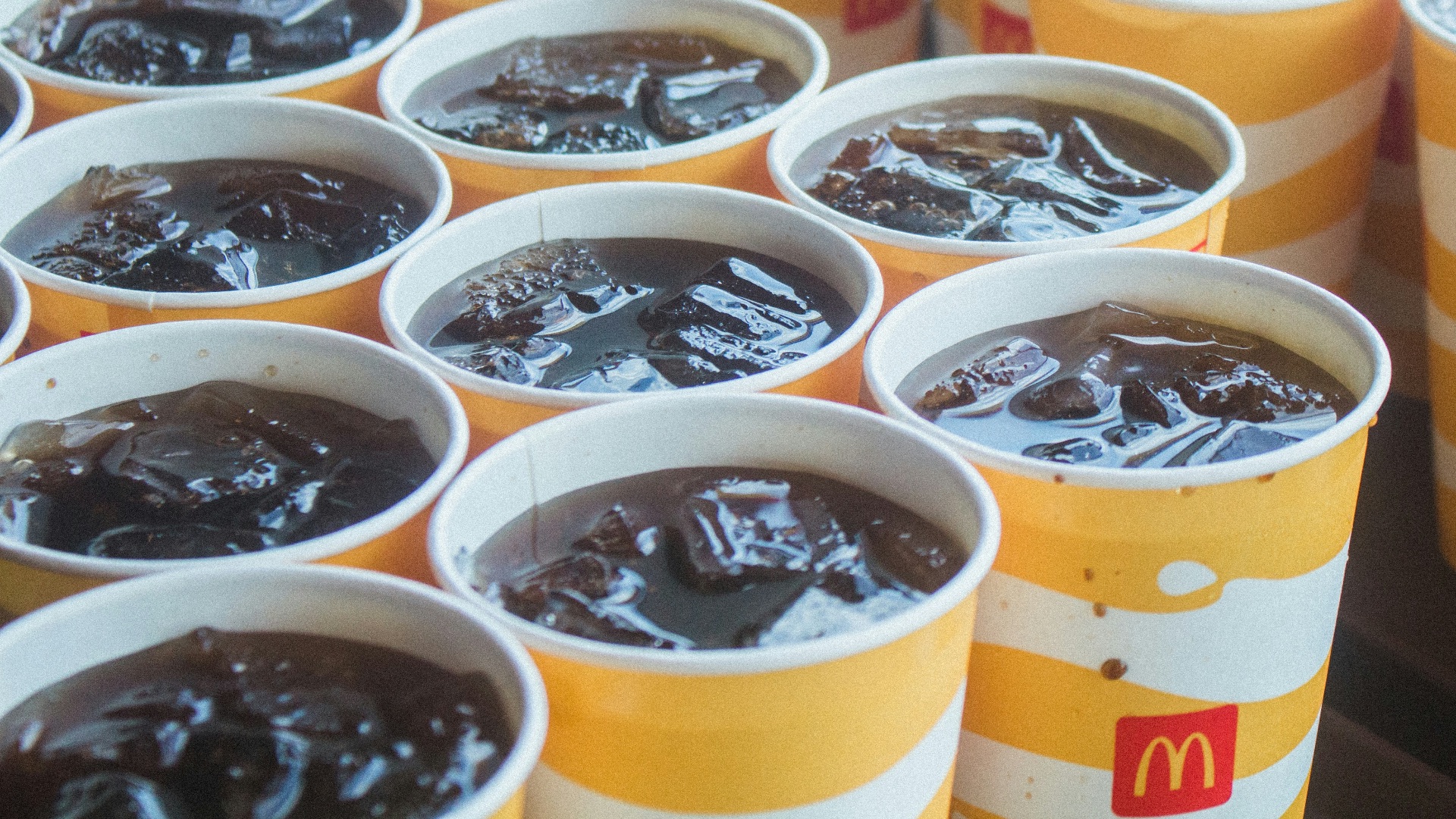
The name may sound fairly harmless, but McDonald’s Sweet Tea contains a substantial amount of added sugar. Current nutrition listings put a large U.S. serving at roughly 38 grams of carbohydrates, nearly all of which come from sugar, though the exact amount can vary by restaurant and cup size. Even if you just opt for a small, keep in mind you'll be consuming 24 g of sugar. For reference, the American Heart Association recommends that women consume no more than 25 g each day, and men no more than 36 g.
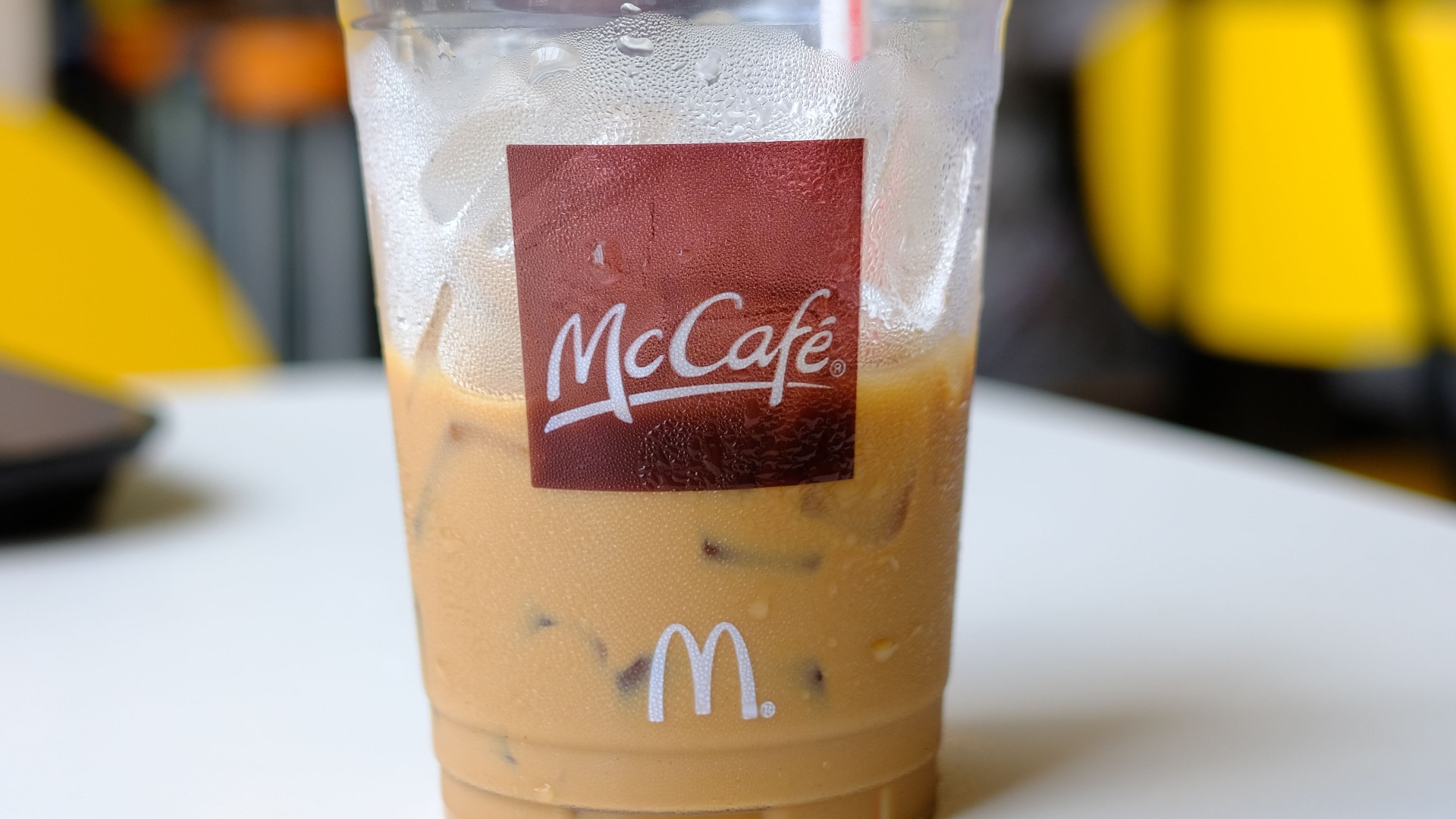
18. Tests Have Found Fecal Bacteria in Some McDonald’s Ice
A 2017 BBC investigation tested ice from 10 McDonald’s restaurants in the UK and detected fecal bacteria in three samples. Yep, you read that right. Sure, that doesn't prove that every McDonald’s has contaminated machines, but it does point to possible lapses in handwashing or equipment sanitation. Separate reports of mold have also surfaced at individual restaurants, including a former employee’s photographs of residue inside part of an ice cream machine.
19. McDonald’s Once Used “Pink Slime”
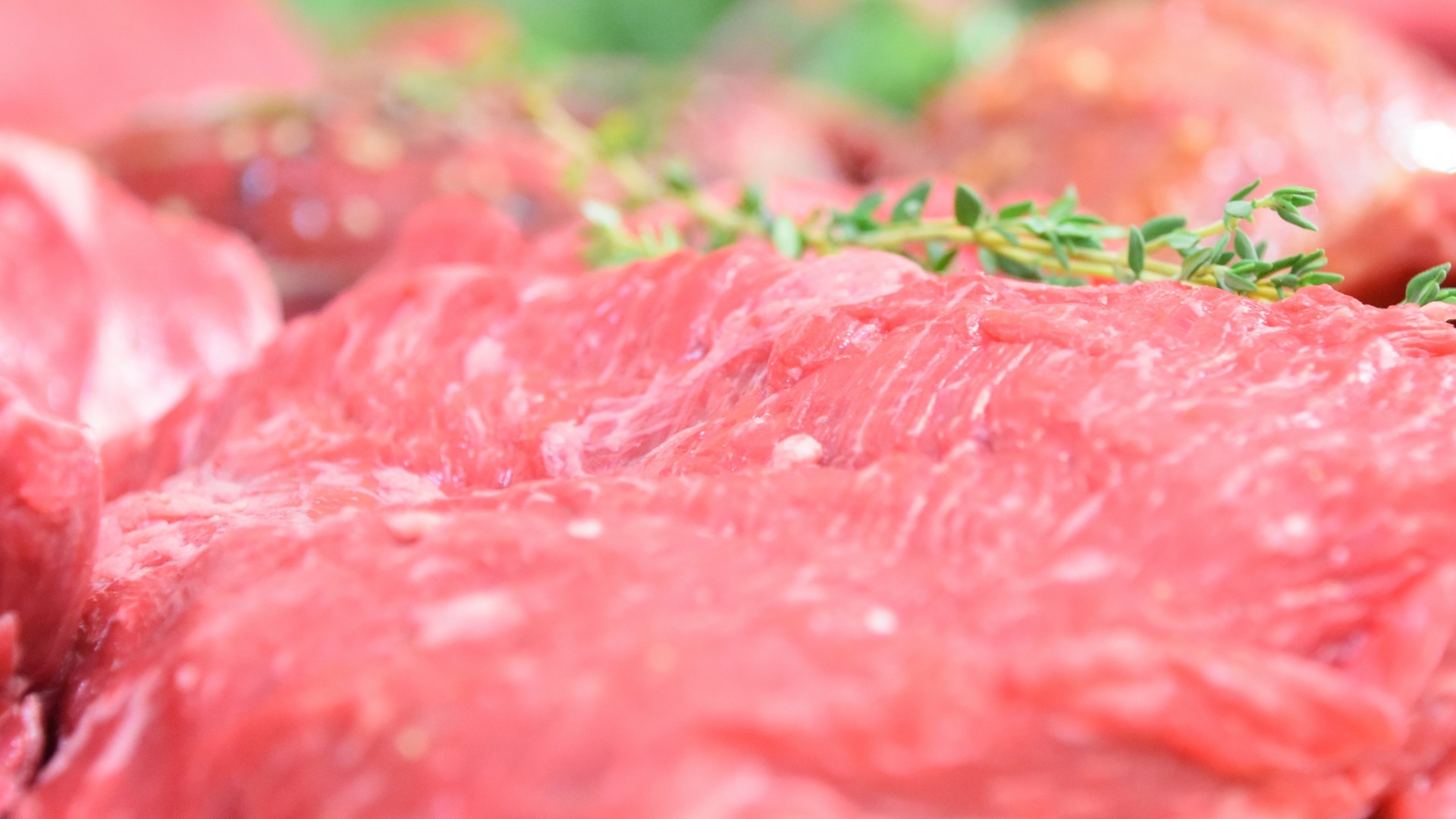
Before 2011, McDonald’s U.S. burgers included lean finely textured beef, a processed beef product critics nicknamed “pink slime.” It was made by separating usable lean meat from fatty beef trimmings and treating it with ammonia to reduce harmful bacteria before blending it into ground beef. McDonald’s discontinued the ingredient in early 2011, but the controversy permanently changed how many customers viewed the chain’s food.
20. Consistency Still Allows for Plenty of Variation
McDonald’s has built an enormous system around making its food look and taste familiar, but no two orders are guaranteed to be identical. Serving size, cooking time, ingredient distribution, regional sourcing, and employee preparation can all affect the final result. The brand may sell predictability, yet its own disclosures acknowledge that real restaurant food naturally varies from one order to another.
KEEP ON READING
The Most Popular Chocolate Bars in the USA
The Most Popular Candies in the USA

20 Annoying Foods That Get Stuck In Your Teeth