20 Strange Meals Served To American Immigrants At Ellis Island
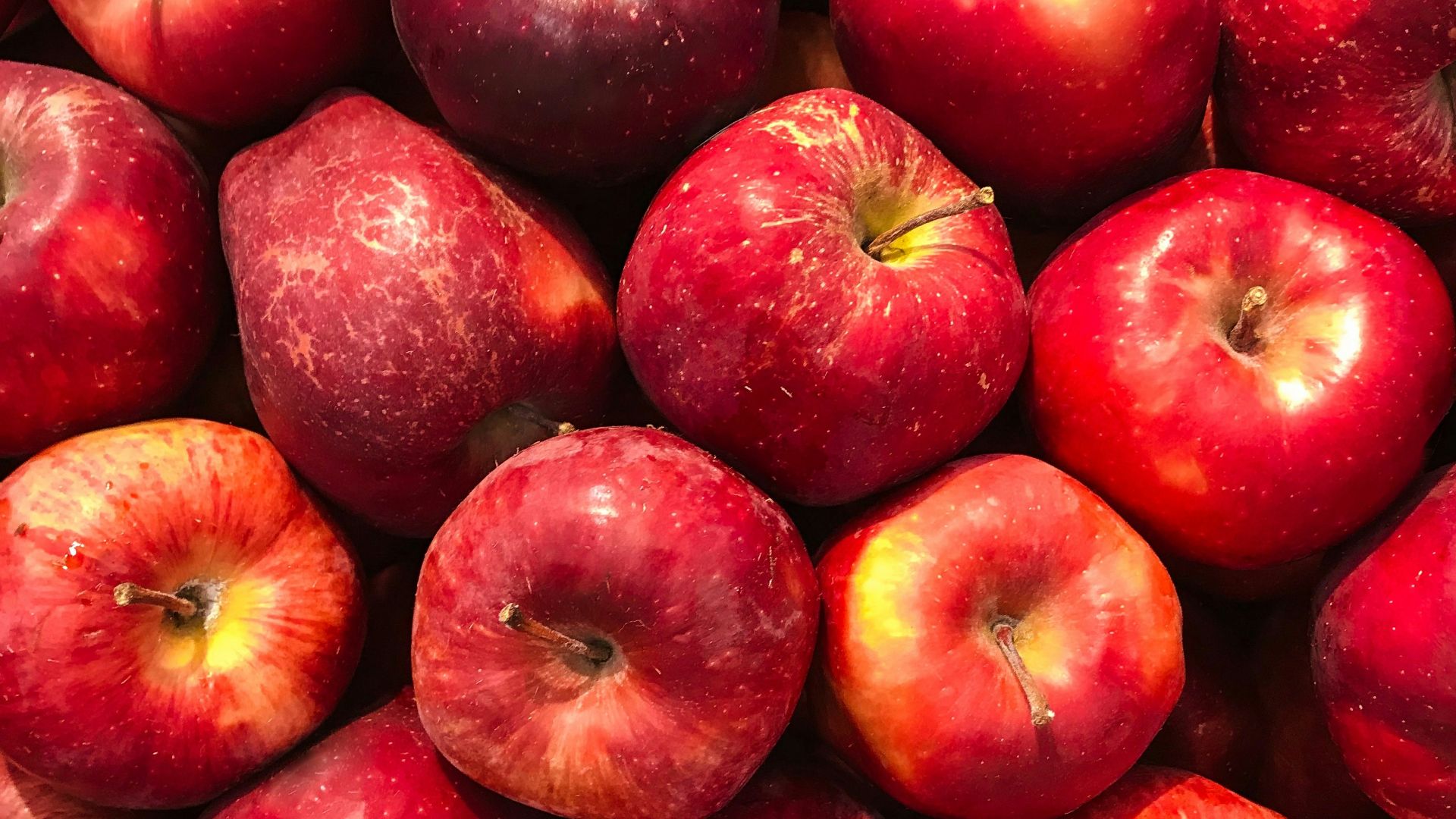
They Had Never Seen Apples
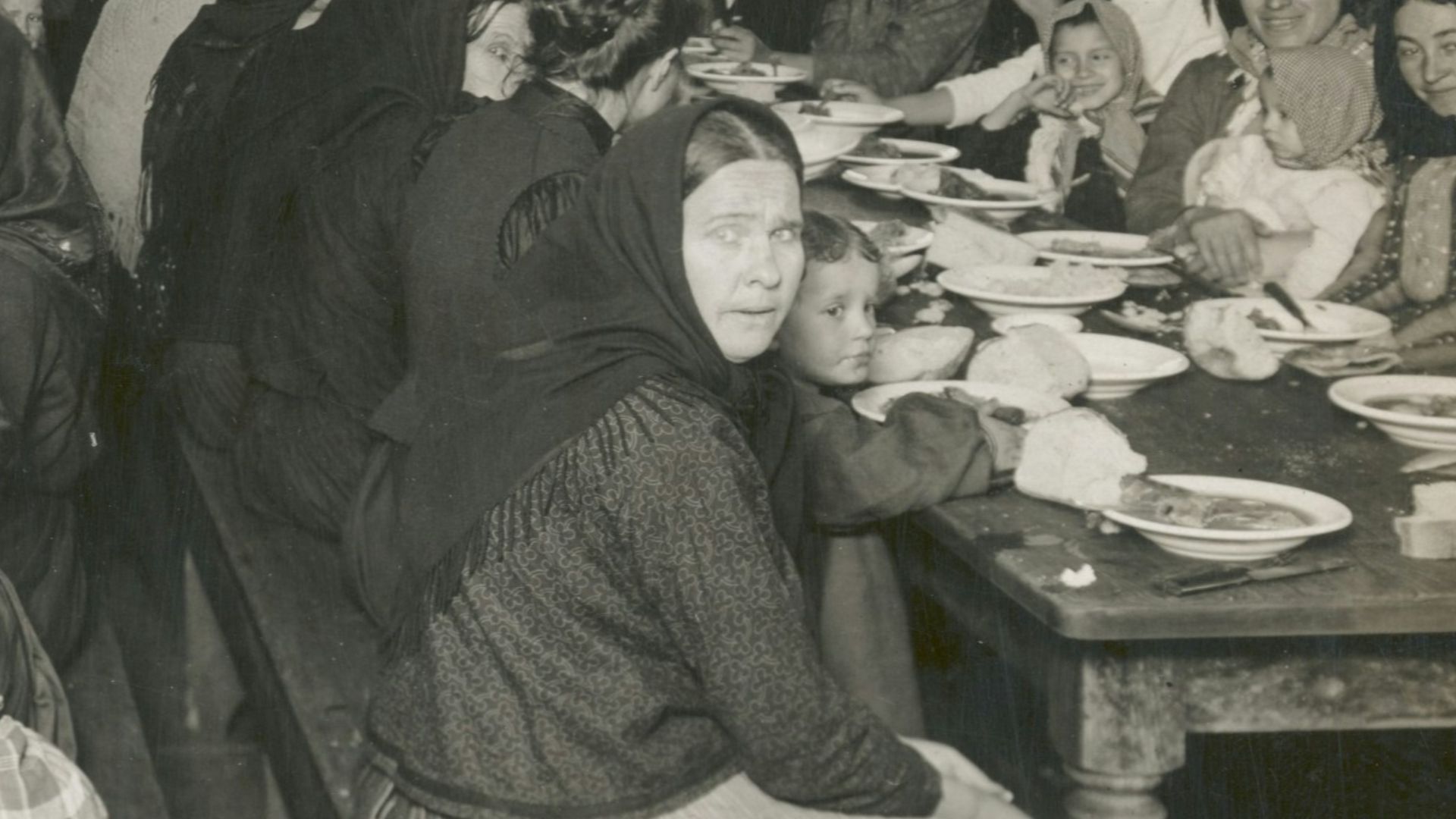
For millions of people passing through Ellis Island, their first real taste of the United States happened in the dining hall. The government tried its best to provide nutritious, cost-effective food, but the results were often baffling to people who had never seen pre-packaged or mass-produced American staples. With that in mind, here are 20 meals you’d eat as an immigrant arriving on Ellis Island.
 The New York Public Library on Unsplash
1. The Mysterious White Bread
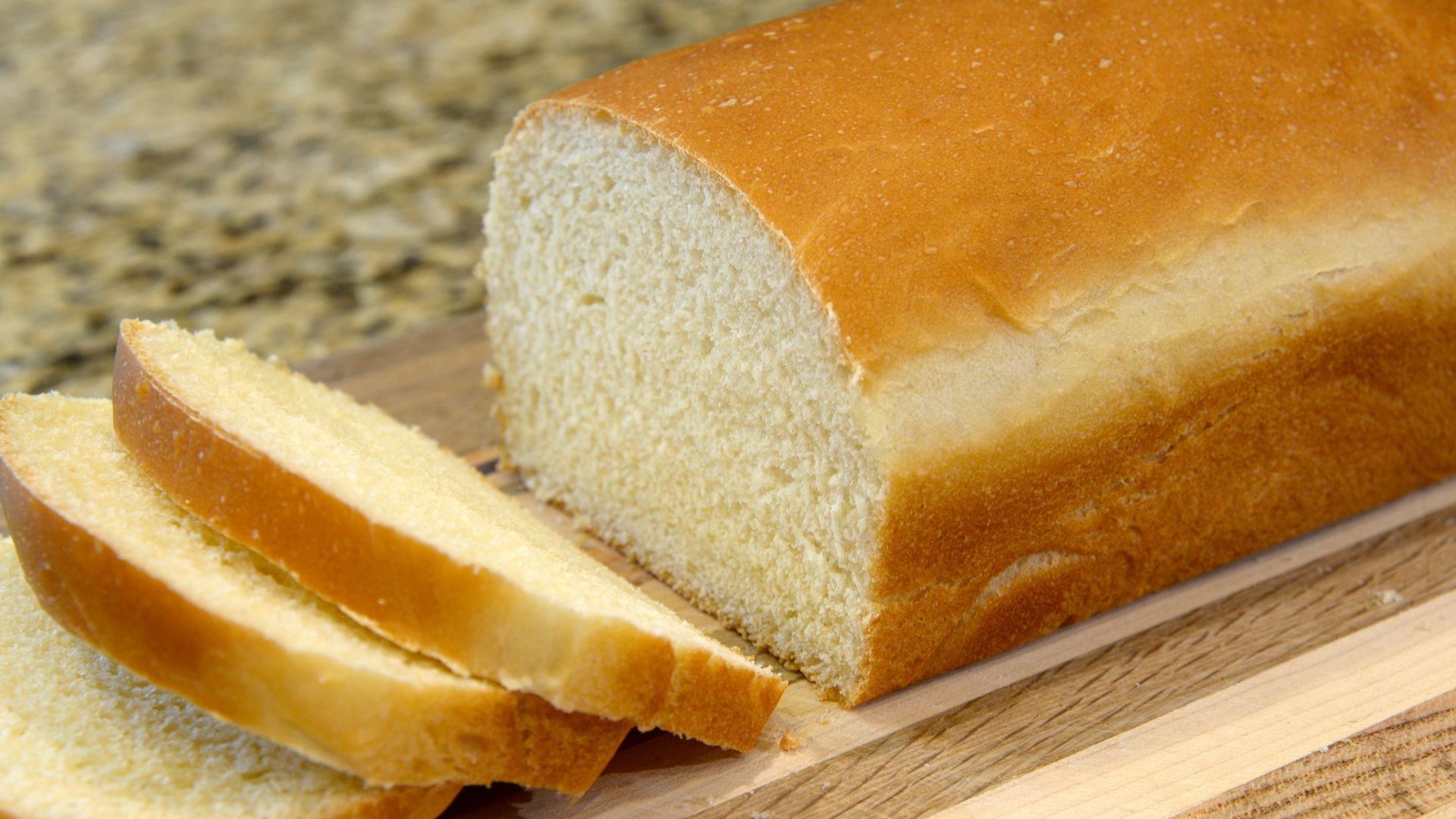
Immigrants were more familiar with thick, dark breads made of rye or hearty whole grains back home. The soft slices of white bread that Ellis Island visitors were served looked and felt so light that many immigrants thought it was actually cake. You can imagine the disappointment when they took a big bite and realized it wasn't sweet at all.
2. Prunes on a Plate
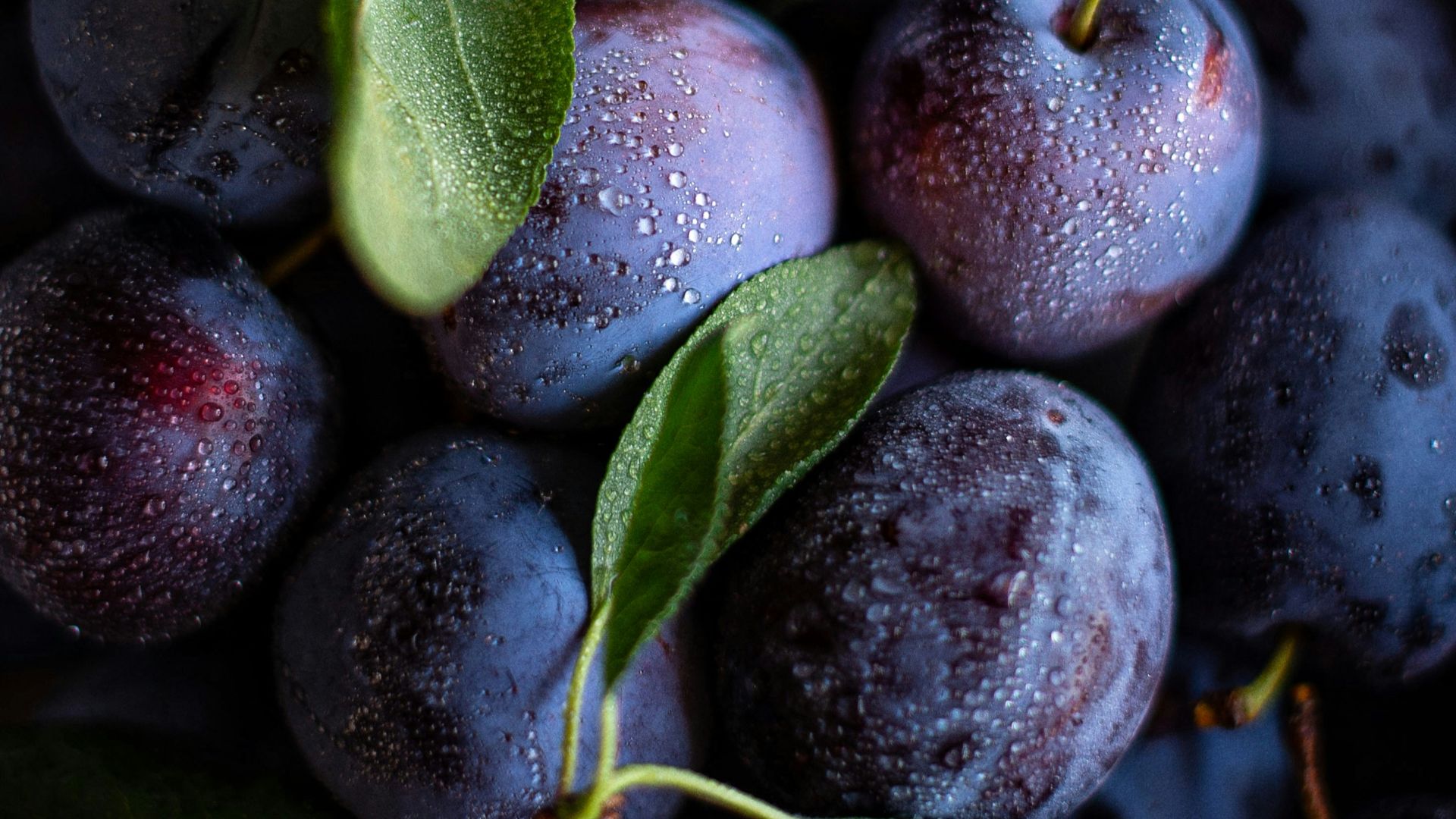
Cheap and said to aid digestion after crossing the ocean, stewed prunes were served daily to immigrants at Ellis Island. However, since dried fruit wasn’t common in many immigrants’ diets, they eyed the mushy brown blobs suspiciously. Would you eat it if someone put this in front of you?
3. Lukewarm Tapioca Pudding
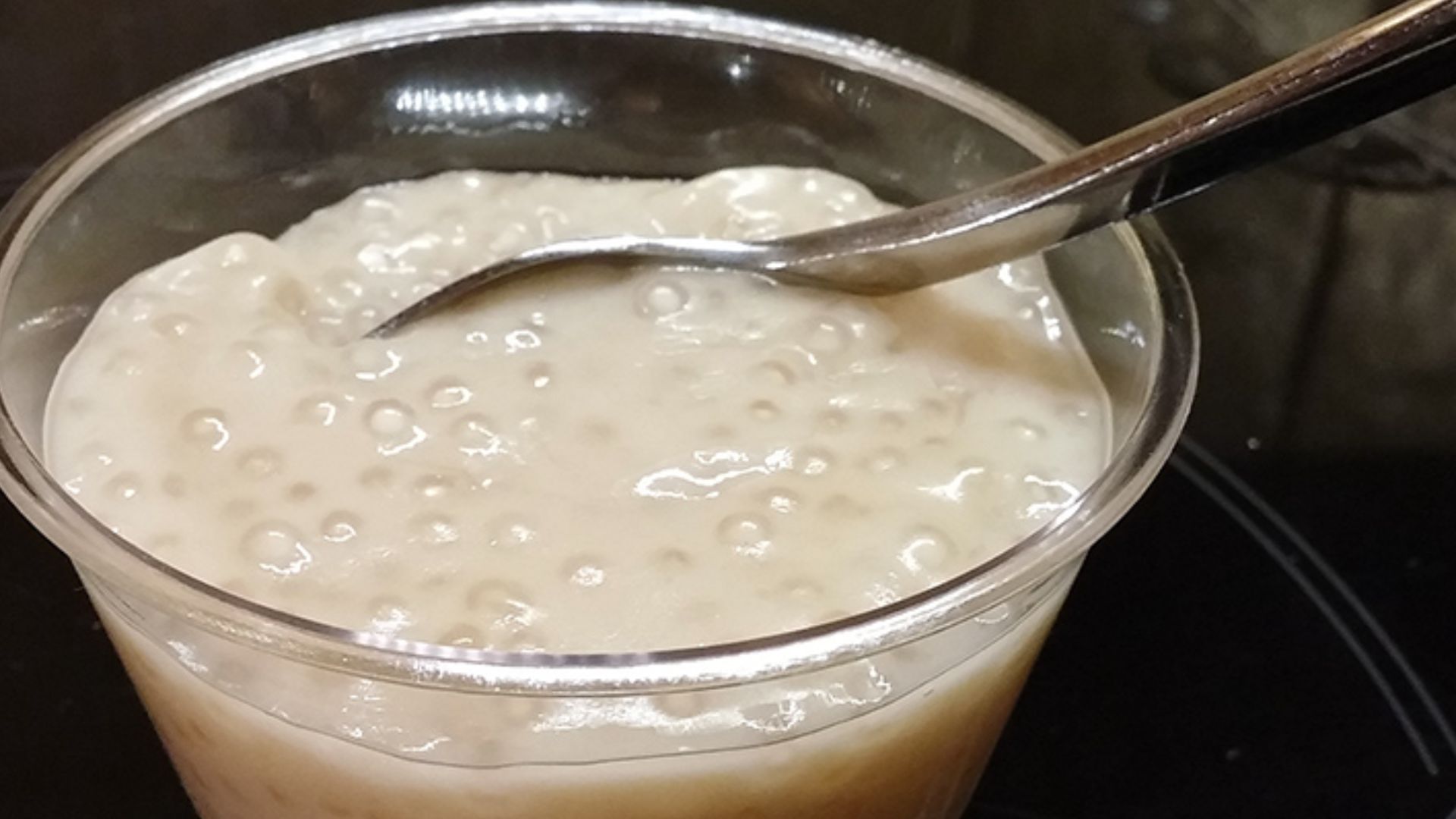
"Pudding" didn't mean the same thing to everyone who passed through Ellis Island. The tapioca balls resembled fish eyes, so some visitors thought they were boiled eggs swimming in gruel. Let’s just say tapioca wasn’t everyone’s idea of comfort food when they first got it.
 Tamar Hayardeni תמר הירדני on Wikimedia
4. Boiled Beef Without Seasoning
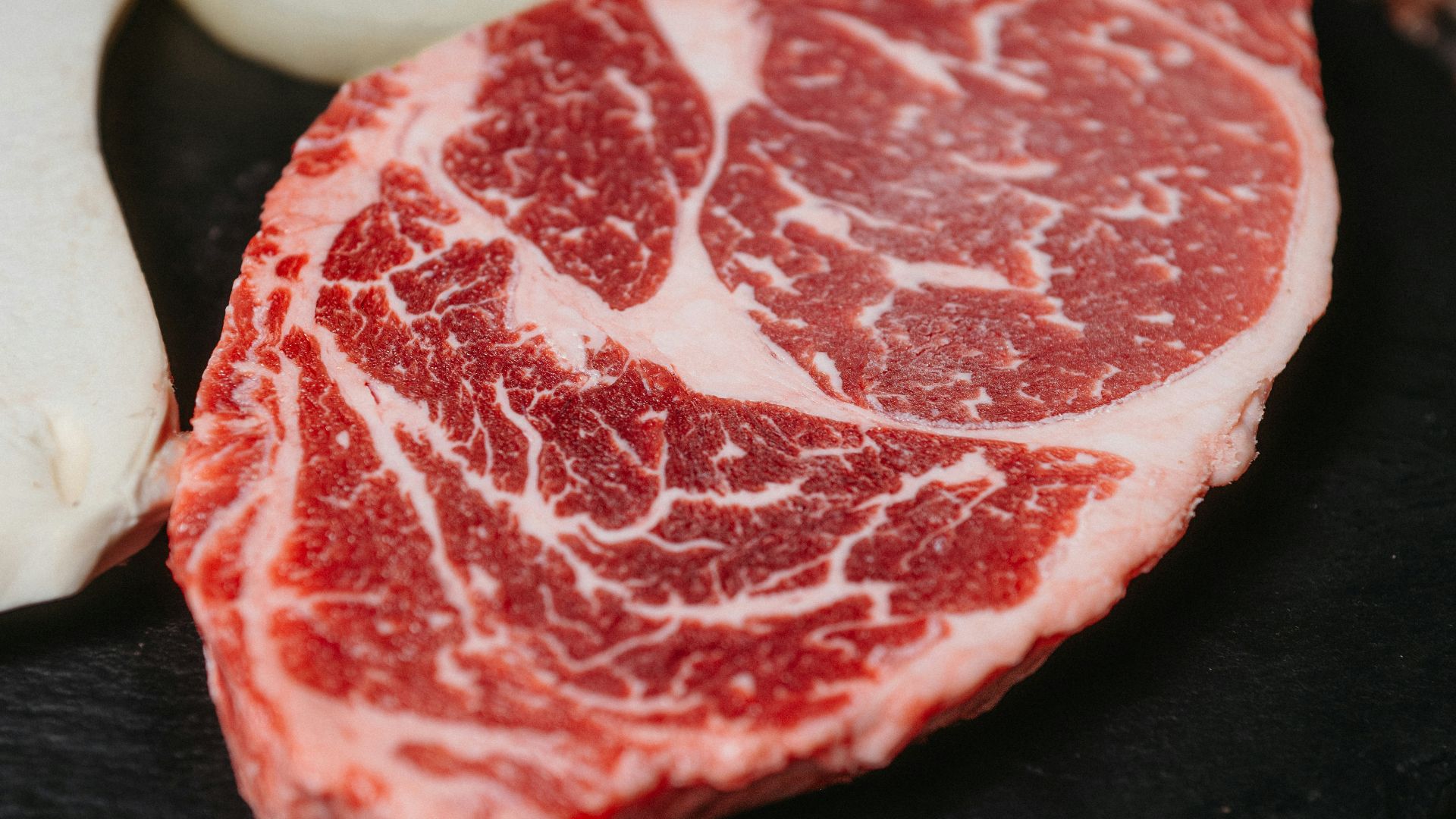
Meats were kept plain to avoid conflating with anyone's cultural customs. While boiled beef was edible, it wasn’t seasoned with herbs and spices like most Mediterranean or Eastern European cuisines were used to. It wasn’t delicious.
5. The Banana Blunder
You don't realize how simple it is to peel a banana until you see someone who's never done it before. Many immigrants interviewed later said they either tried to eat the sour peel or cooked the fruit like potatoes. It took a few brave souls to show everyone else how to get to the sweet fruit inside.

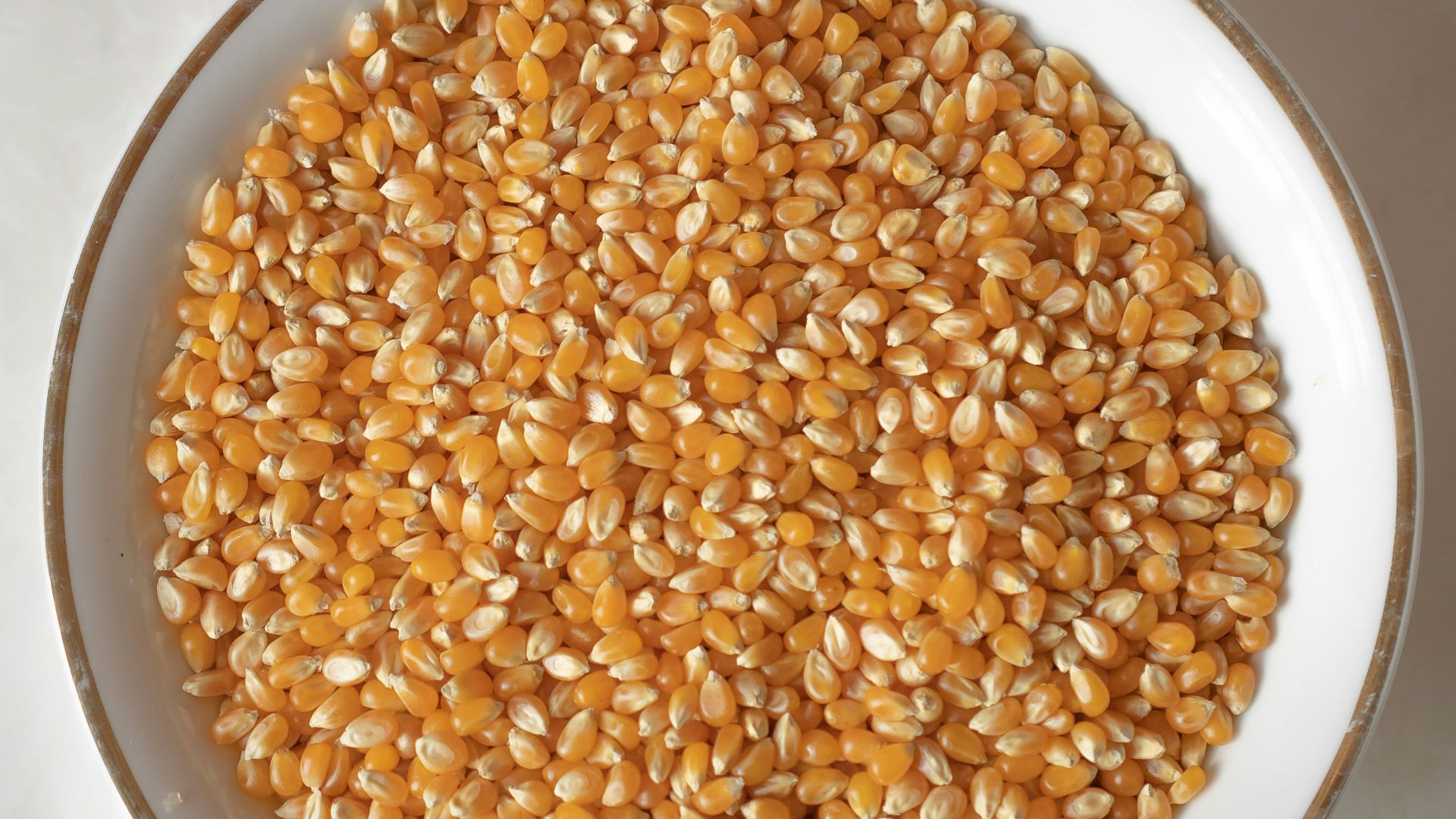
6. Canned Corn Kernels
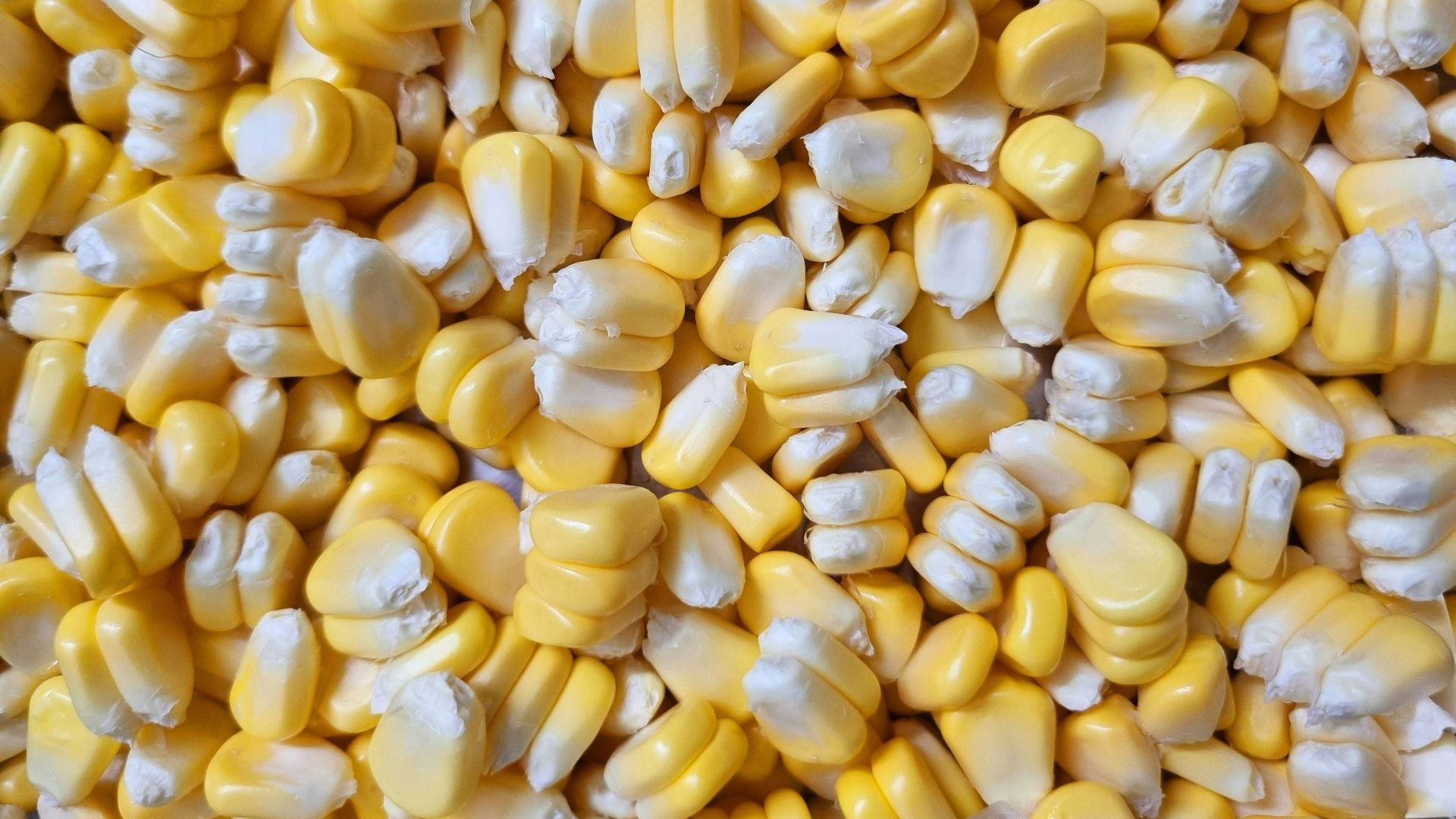
America grew corn like crazy, but many Europeans only used it to feed farm animals. Having piles of yellow corn kernels dumped on your plate felt insulting to many proud passengers. They eventually learned that in the States, humans and animals shared a love for this versatile grain.
7. Pickled Herring in Jars
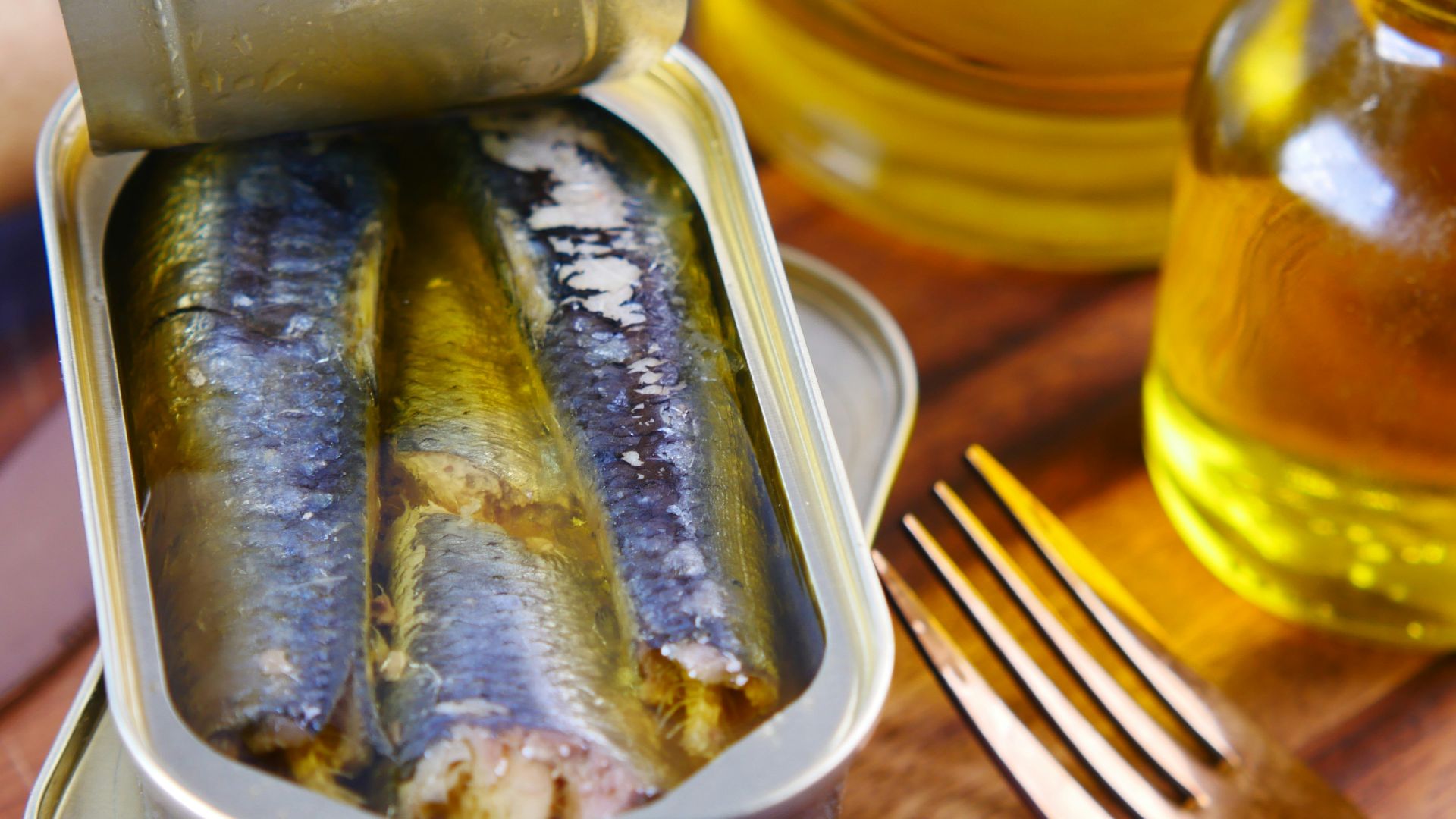
Pickled herring was a hit with Scandinavian and Jewish immigrants, but grossed others right out. Strong-smelling and slimy, this dish was served en masse. Can you imagine the smell that must have filled the dining room?
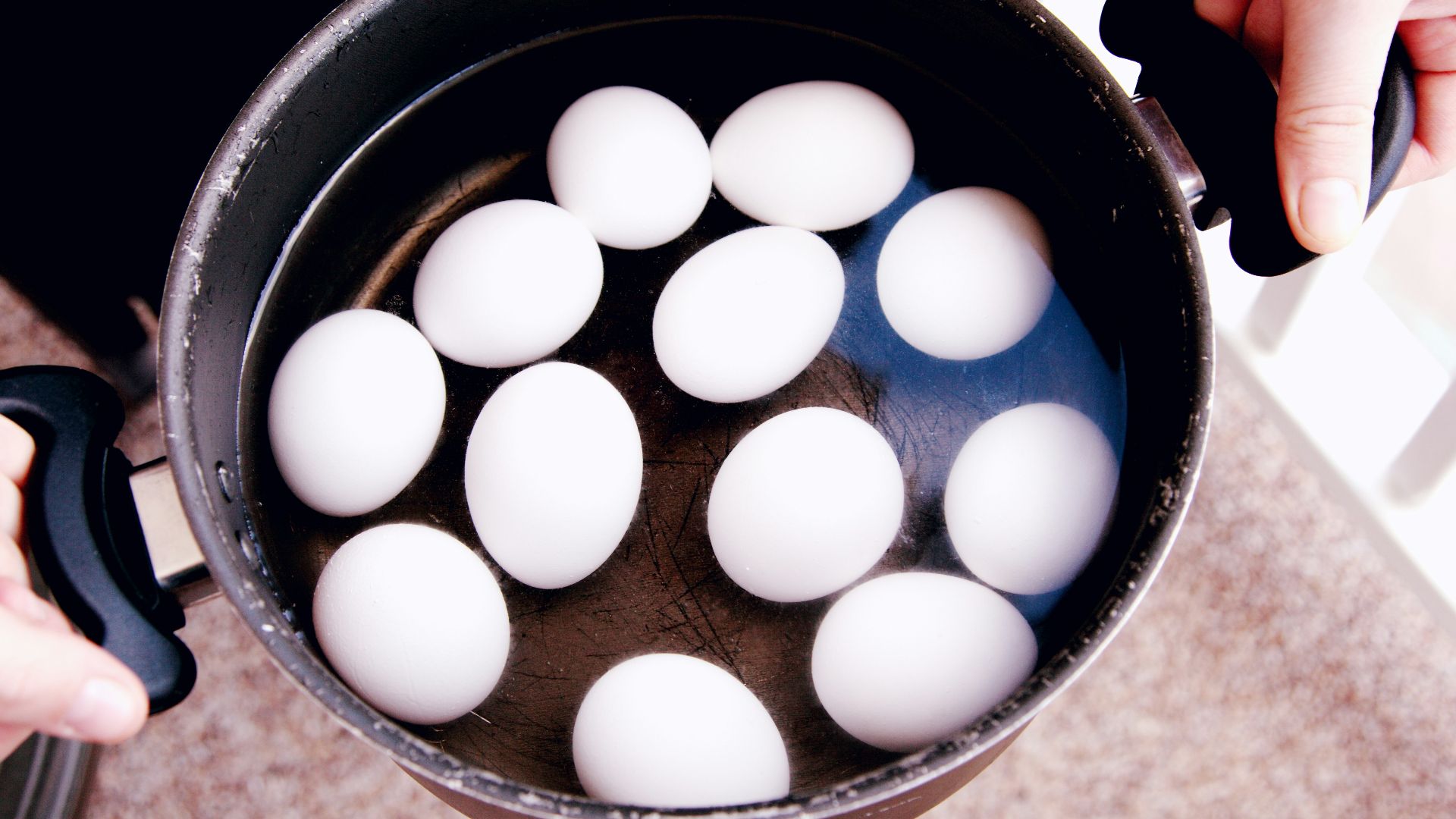
8. Hard-Boiled Egg Buckets
Preparing food for thousands of people every day can be challenging. Eggs were frequently cooked by the dozen and served cold to the masses in large buckets. Just imagine thinking you were about to enjoy a warm breakfast, only to be served a blob of rubber.
9. Cornmeal Mush
Cheap to produce and filling to eat, cornmeal mush was a go-to food at Ellis Island. Unfortunately, it didn’t have the best presentation and usually slopped around in a vat like gelatin. Without knowing what grits or polenta were, diners thought it was building supplies.
10. Strange "Coffee"
Thankfully, coffee isn't as hated these days as it apparently was by immigrants at Ellis Island. Passengers described the coffee as weak, bitter, and filled with chicory or other cheap fillers. You'd probably need a lot of sugar to make that cup of joe palatable.

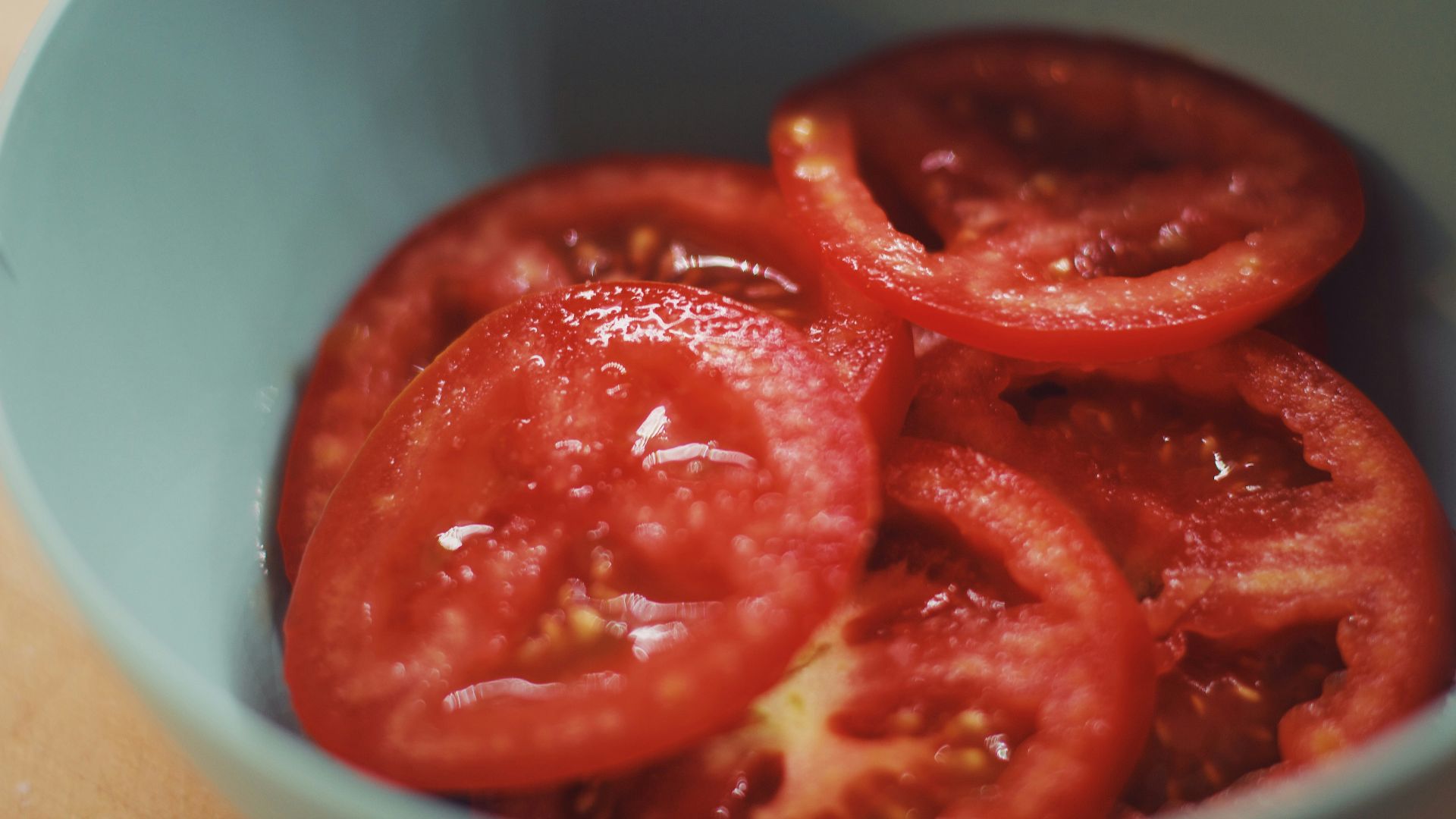
11. Stewed Tomatoes
Tomatoes were often served whole in America, but stewed on a bed of soupy juice at Ellis Island. People who hailed from places where tomatoes were served fresh or cooked down into a paste were baffled by the pile of red goo. Tomato sauce was just flavored water to them.
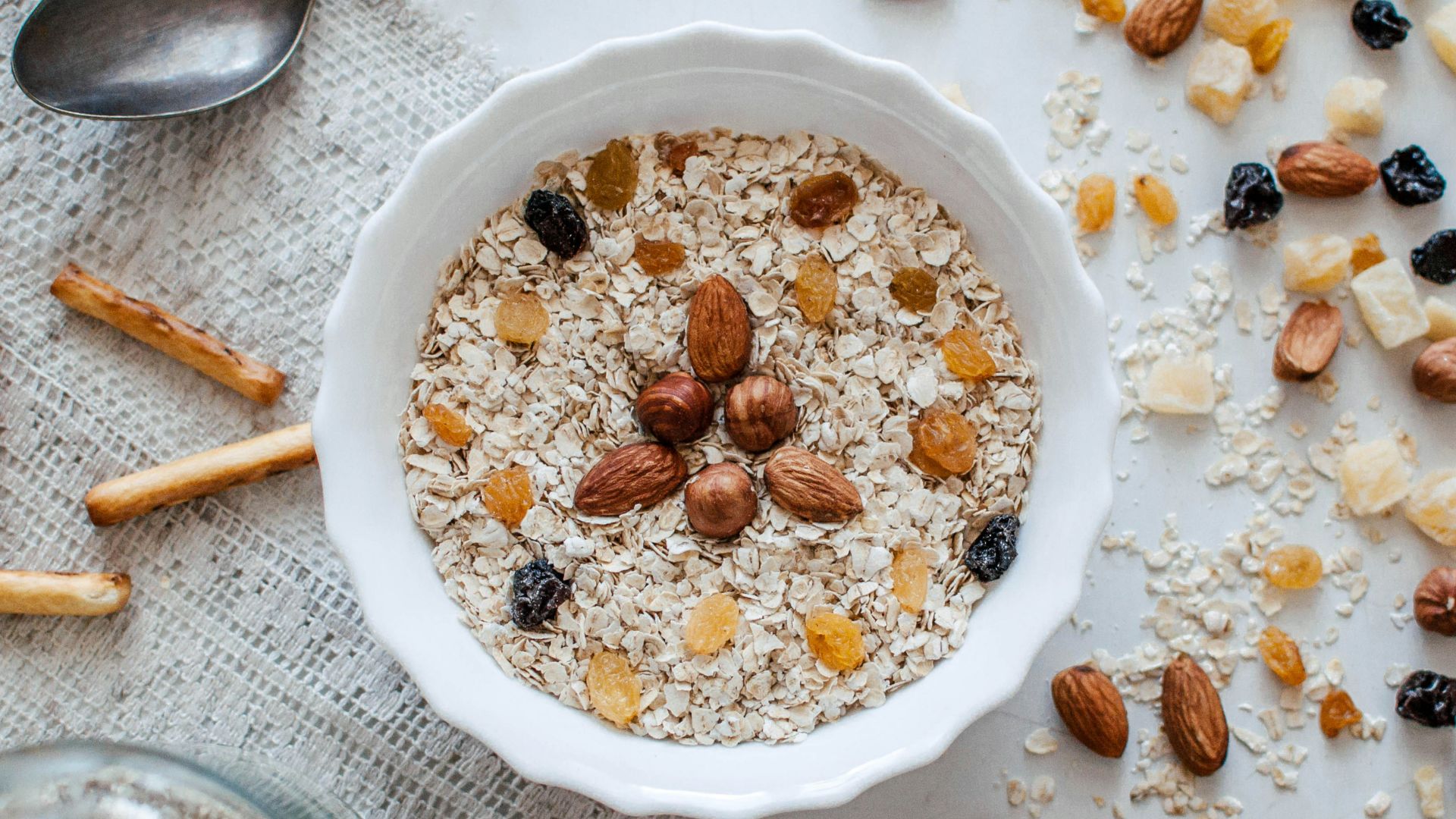
12. Oatmeal Without Milk
Oatmeal isn't what most of us would order at the breakfast station nowadays, but it was served as a salty ball of oats back then. Many expected oatmeal to be a soup or something sweet, not a heavy dish that filled you up before your interview.
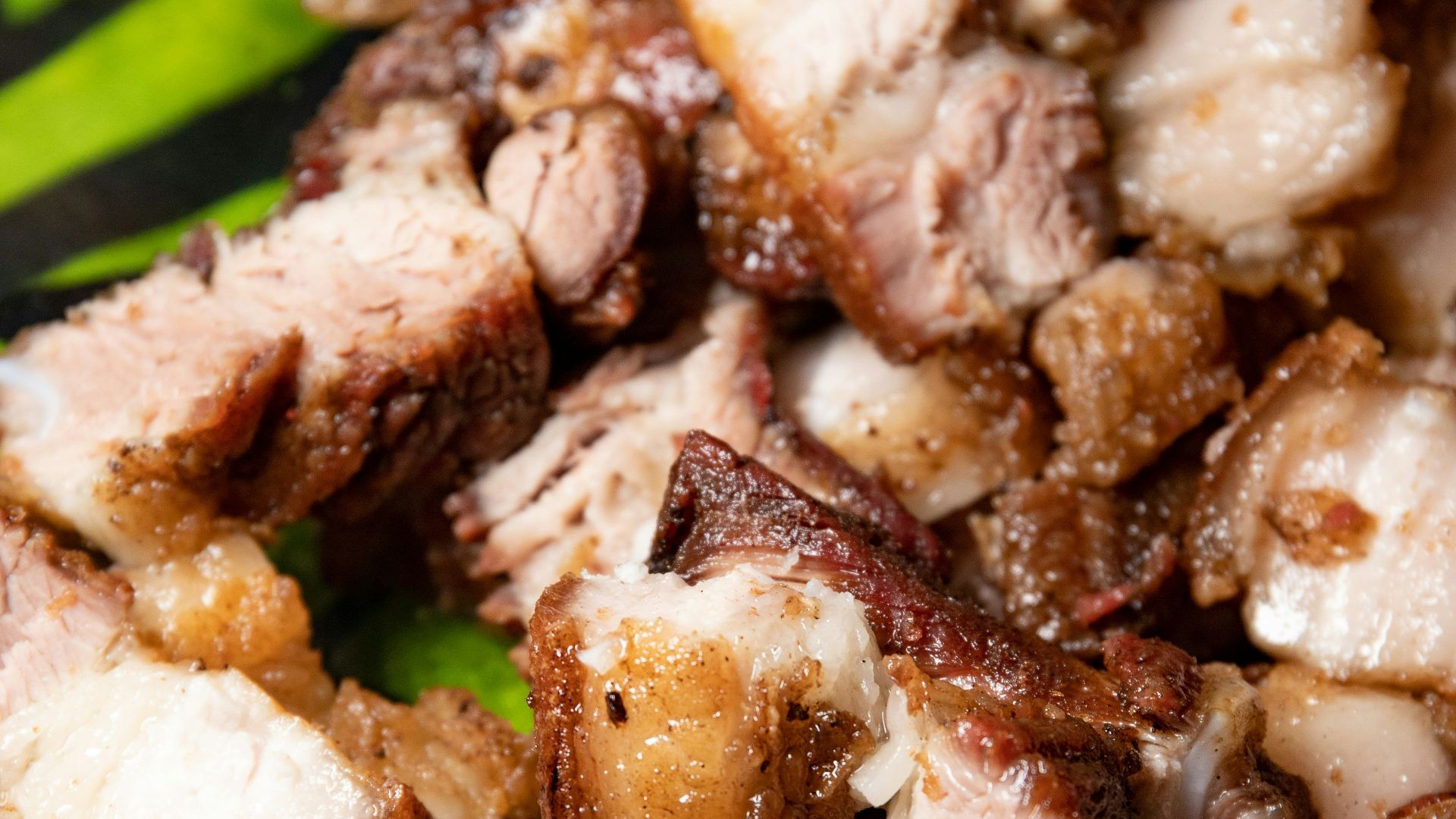
13. Slabs of Salt Pork
Salt pork was fatty, salty, and extremely tough. It was popular with immigrants because it lasted forever and could be added to just about any dish. Eating something as fatty as salt pork takes some getting used to.
14. Ice Cream Surprises
Occasionally, immigrants were served ice cream on holidays or special occasions. Because many had never tasted ice cream before, they tried to eat it after it melted or spread it on bread like butter. You have to admire their creativity.

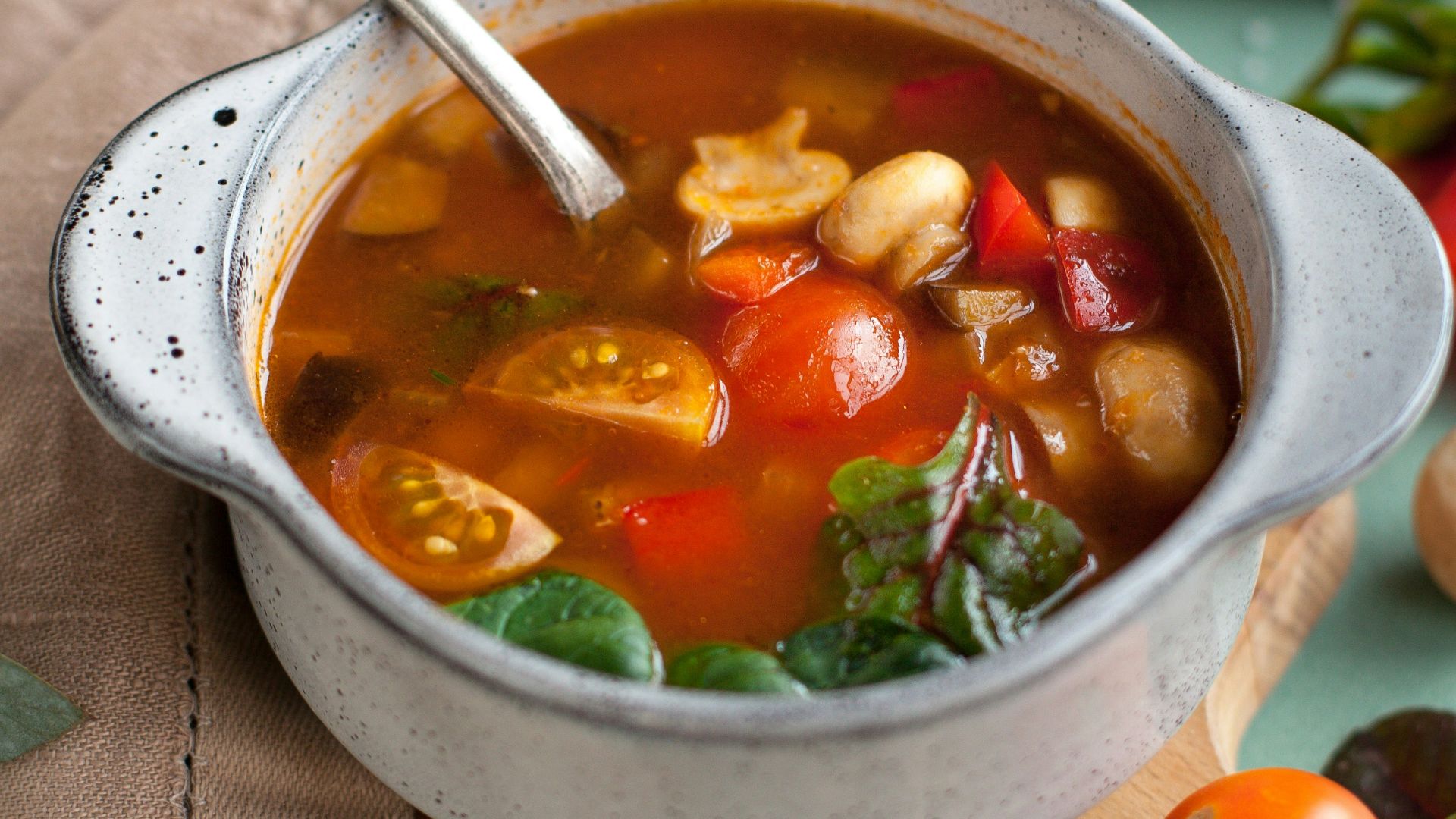
15. Standardized Soup
Immigrants were served an extremely bland vegetable soup in an effort to create something that appealed to every nationality. By trying to make everyone happy, cooks wound up making what can only be described as flavorless chicken broth. Yum.
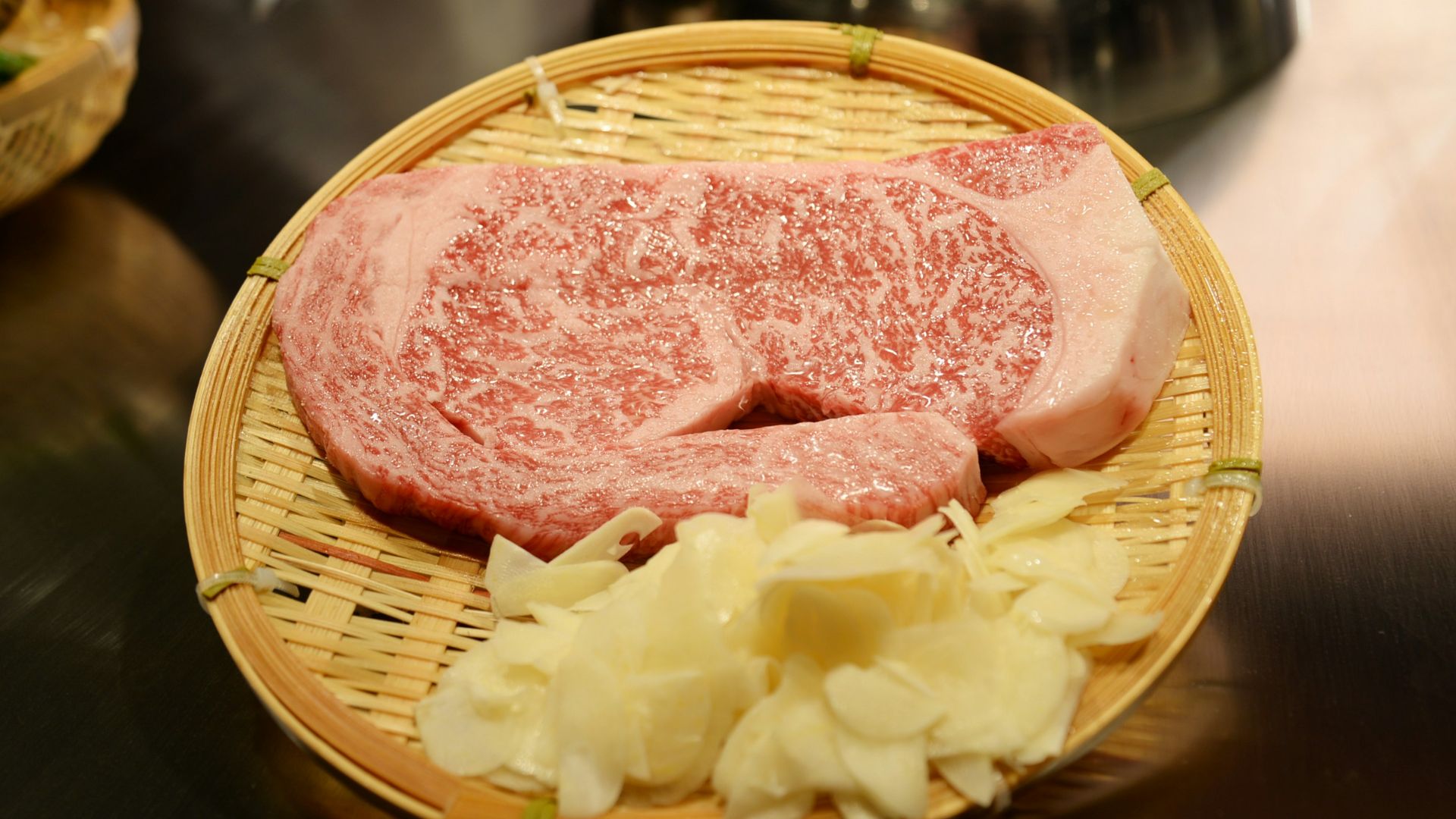
16. Bologna Slices
Processed lunch meats were a marvel of industrial food production, but they looked quite suspicious to people used to whole cuts of meat. The perfectly circular, pink slices of bologna appeared more like plastic than something you'd actually want to swallow. It takes a certain amount of trust to eat meat that has been ground and shaped into a perfect cylinder.
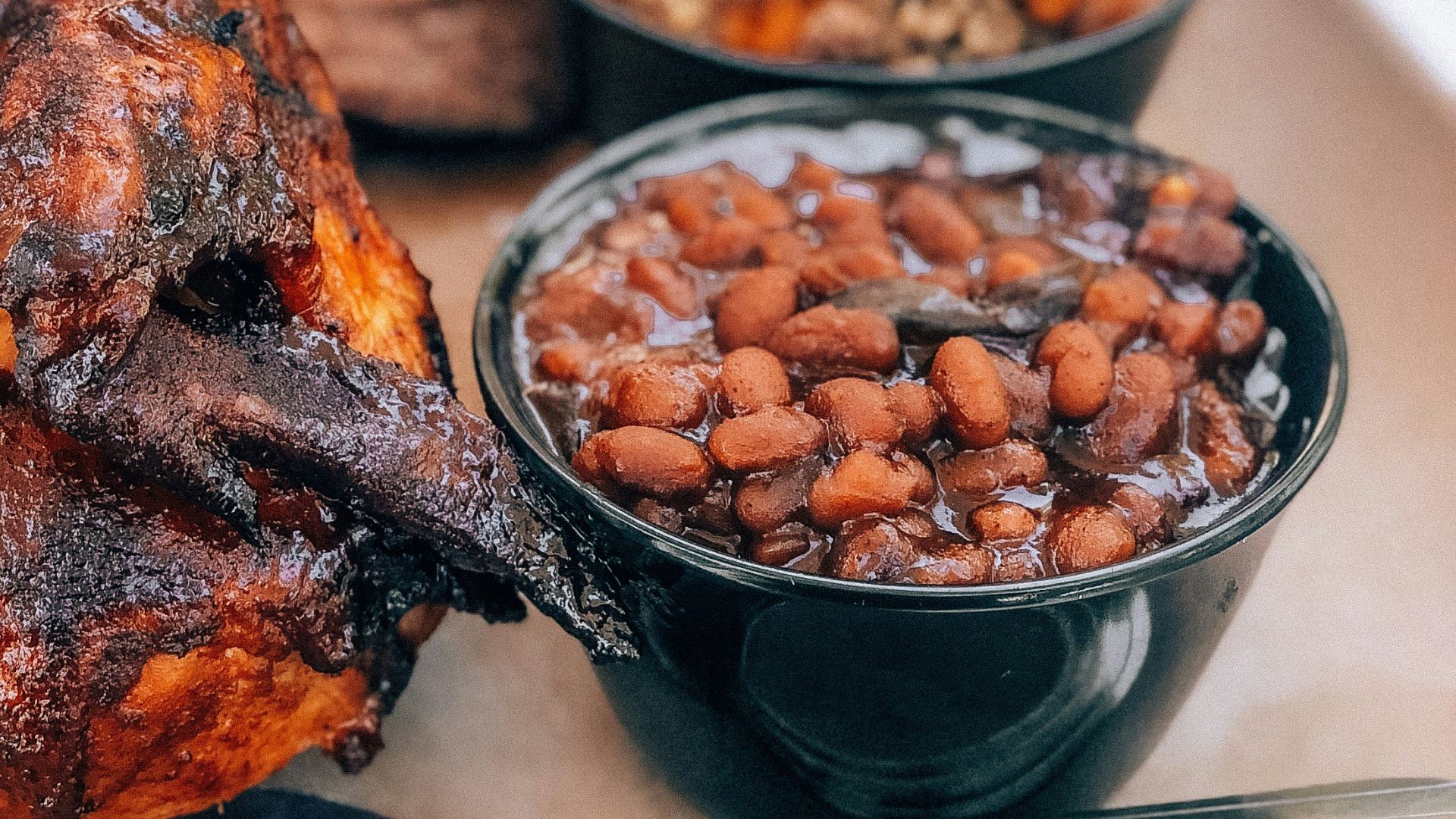
17. Baked Beans
Can you say sweet tooth? Most Eastern Europeans ate savory foods, so sweet baked beans were a confusing dish to them. Full of sugar and molasses, baked beans were often treated like dessert by immigrants.
18. Rye Bread (The American Version)
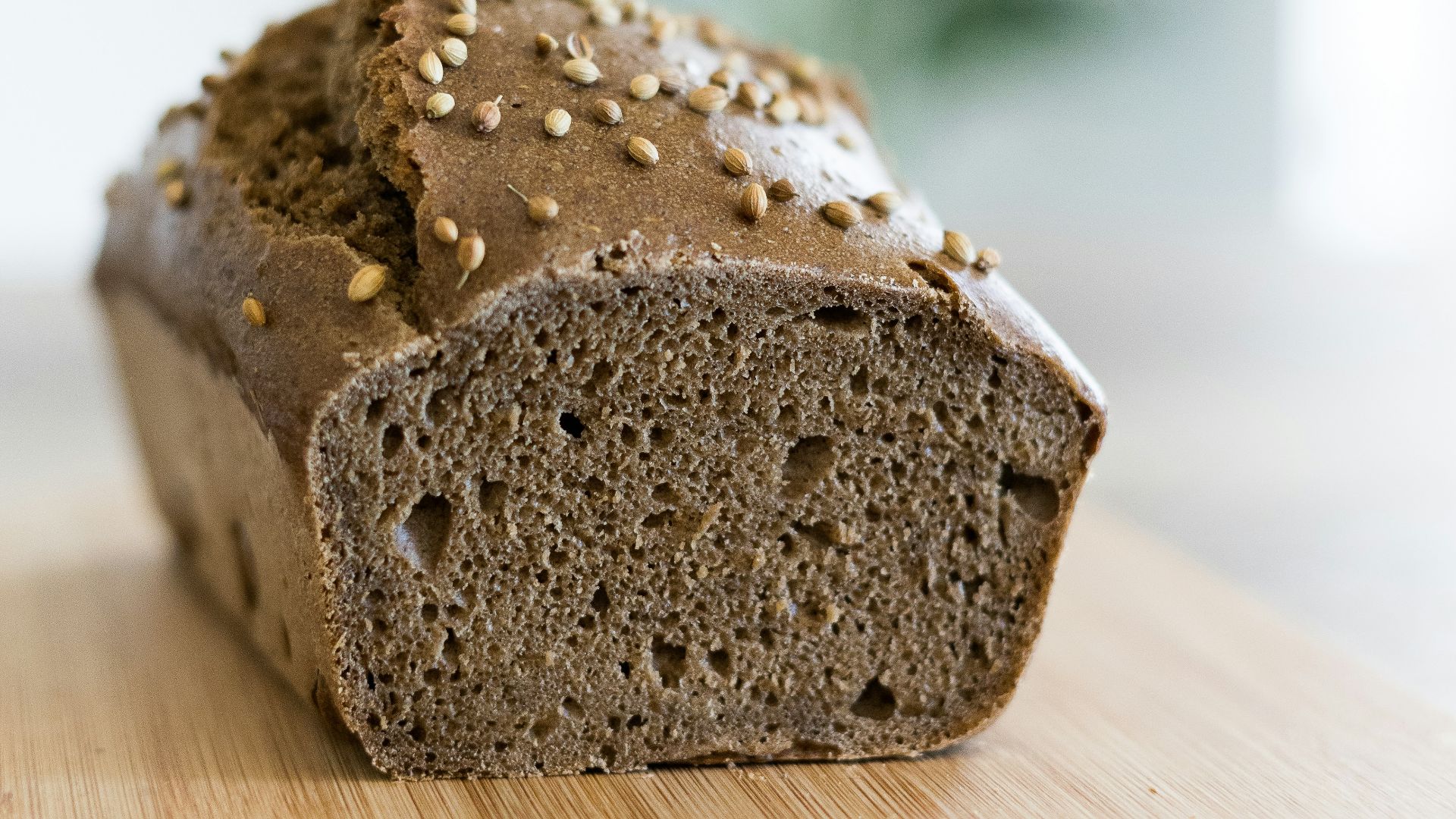
You'd think something as simple as rye bread would get a passing score from hungry immigrants, but you'd be wrong. American-style rye bread was often mixed with caraway seeds, which looked like dirt or bugs to many newcomers.
 Christopher Farrugia on Unsplash
19. Milk by the Dipper
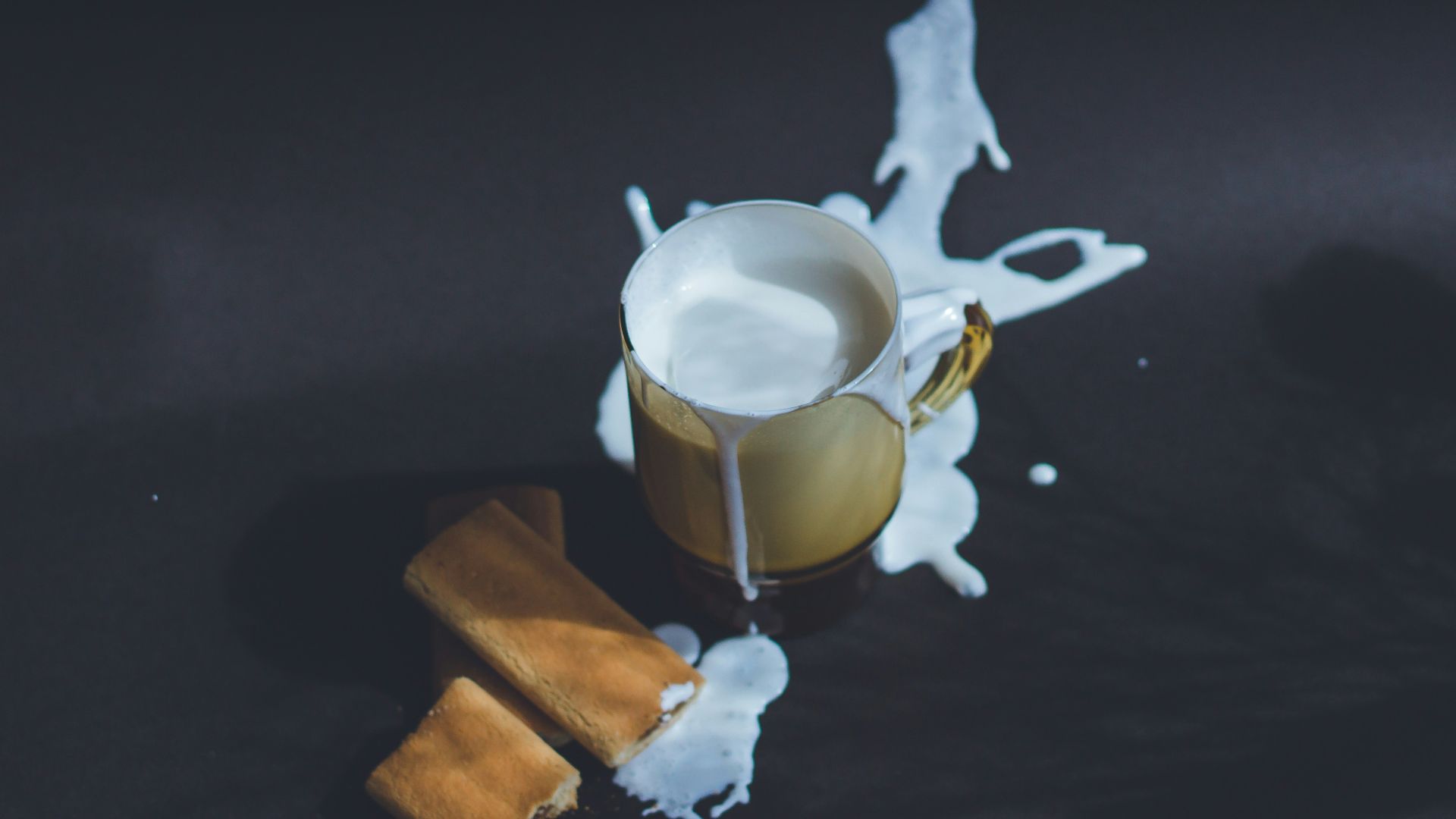
Milk was served out of large galvanized pails using a shared dipper, which was a far cry from the fresh farm milk many were used to. The slight metallic tang from the bucket didn't do the flavor any favors either. You would have to be pretty thirsty to enjoy a lukewarm cup of communal pail milk.
20. Red Apple Confusion
In some parts of the world, apples were rare or only available in certain seasons, so being handed a bright red fruit was a big deal. Some immigrants had never seen such a shiny, waxed apple and weren't sure if the skin was even edible. It was often the very last thing they ate before stepping onto the ferry to Manhattan to start their new lives.