A Walk Through Your Grandparents' Kitchens
People used to build their kitchens around objects that did one job and lasted for decades. They kept bread in a metal box on the counter and bacon grease in a can by the stove. Recipes lived on index cards, and the telephone hung on the wall next to the refrigerator. Most of these things got replaced by something cheaper or something that plugs in. Here are 20 that have nearly vanished.
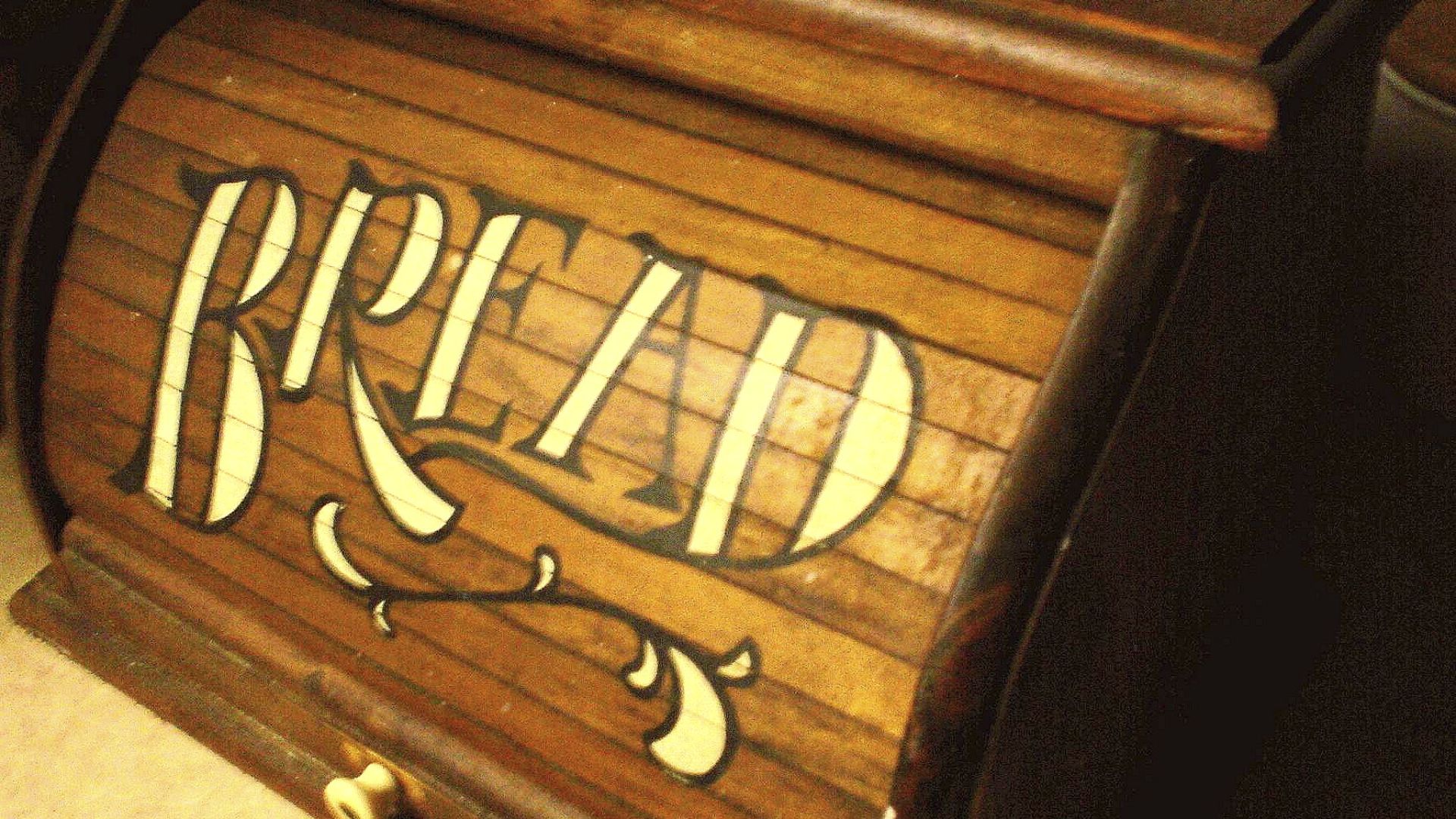
1. Bread Box
Many counters had a metal or wooden box with a hinged lid because store loaves went stale within a couple of days. The closed box slows moisture loss while letting a little air circulate, so mold usually has a harder time than it does in a sealed bag. A crusty loaf is the exception, since it softens in a closed box and does better left in a paper bag.
 No machine-readable author provided. Owen assumed (based on copyright claims). on Wikimedia
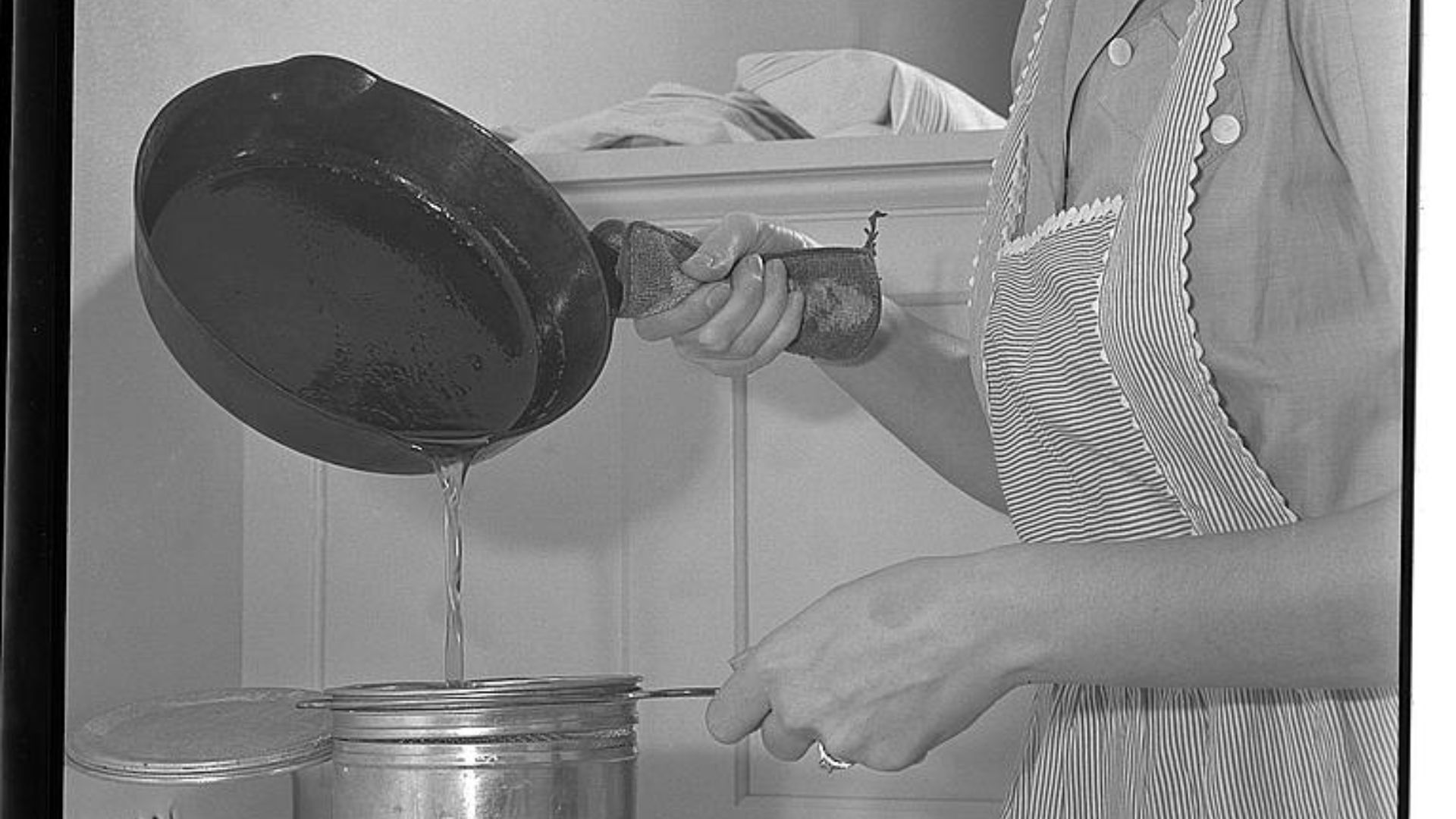
2. Bacon Grease Can
A coffee can or ceramic crock beside the stove collected bacon grease for later use. A spoonful went into a pot of greens, a skillet of potatoes, or a batch of cornbread, adding flavor without wasting anything. The fat was often strained and kept on the counter, though refrigeration is the safer way to store it. These days, most people throw the grease away.
3. Recipe Box
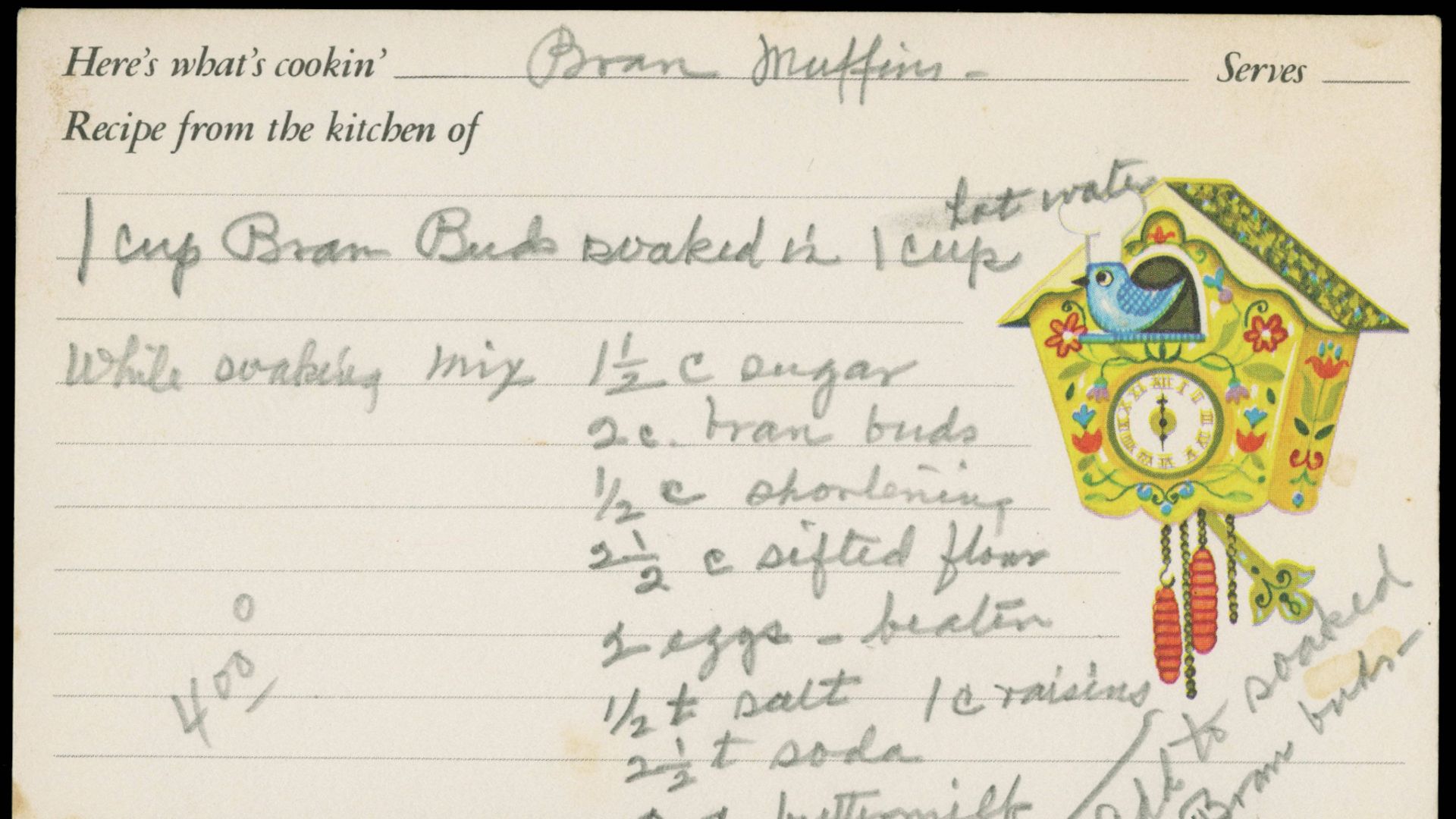
Handwriting on index cards held a family's recipes, and the dishes cooked most often usually left cards stained and soft at the corners. Neighbors traded recipes by copying them out longhand, and a single dish could end up in several slightly different versions. Plenty of people keep a relative's card in a drawer for the handwriting.
 Winters, Helen Steele, 1912-1999 on Wikimedia
4. Flour Sifter
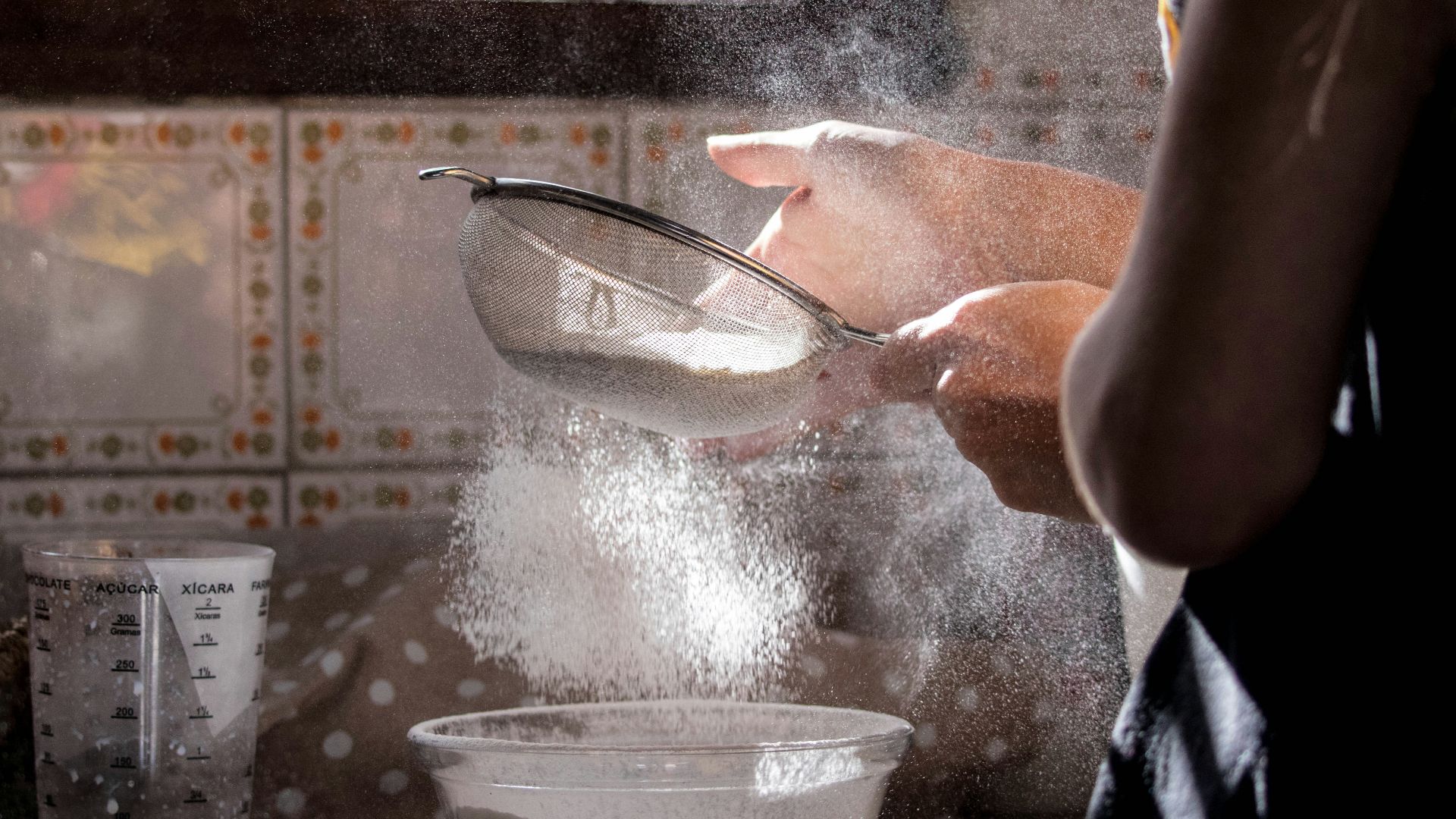
Sifting was a real step in older recipes because flour clumped during shipping and storage. A squeeze-handle or crank sifter broke up the lumps and mixed in baking powder before a cake came together. Modern flour is milled and packaged to be scooped straight from the bag, and many recipes now just say to whisk the dry ingredients.
5. Hand-Cranked Egg Beater
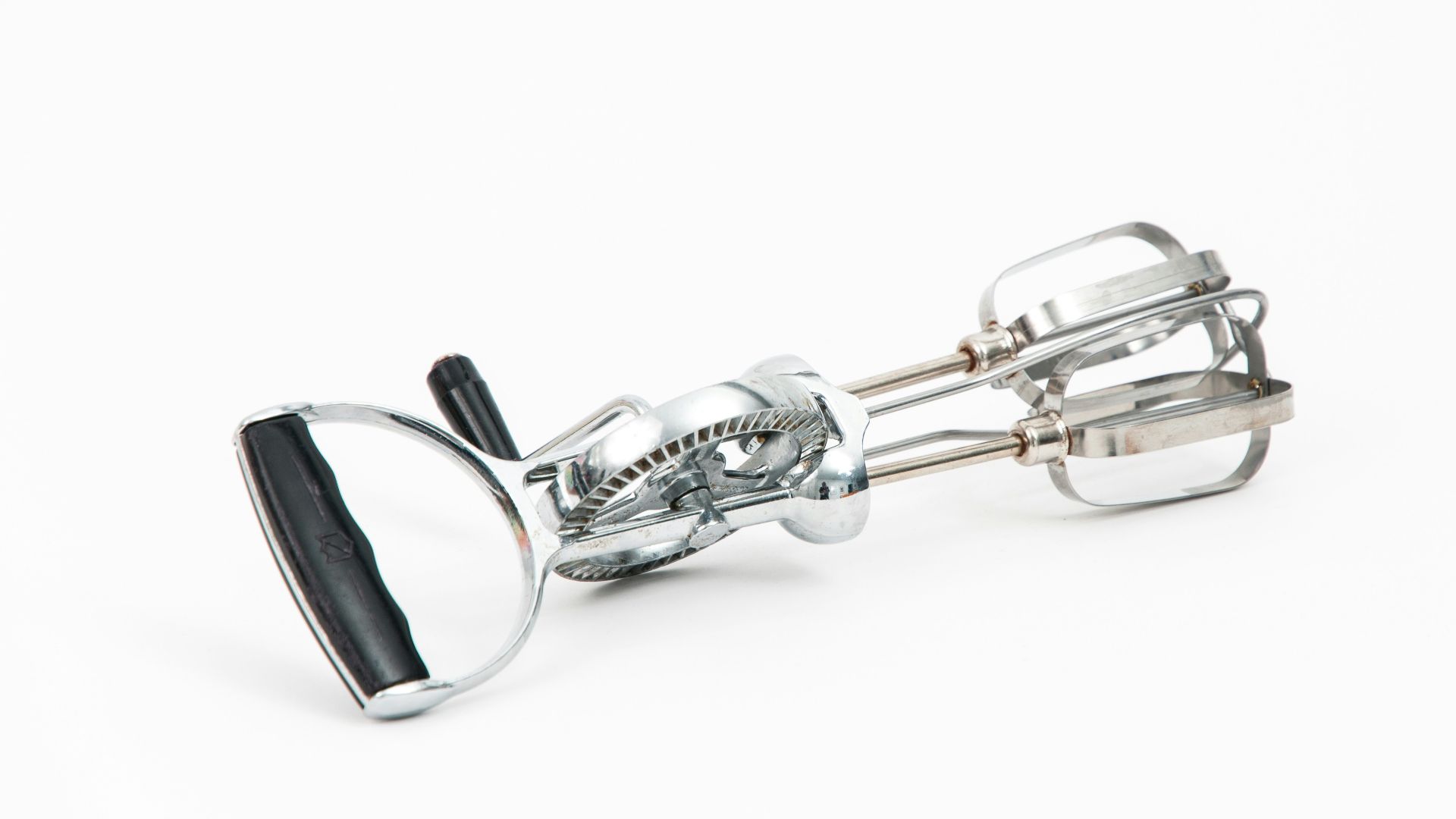
Turning a crank spun two beaters through a set of gears, whipping cream and egg whites without electricity. One hand worked the crank while the other held the bowl steady. Getting egg whites to form stiff peaks took several minutes of steady effort, and by the time they were ready, your arm had usually had enough.
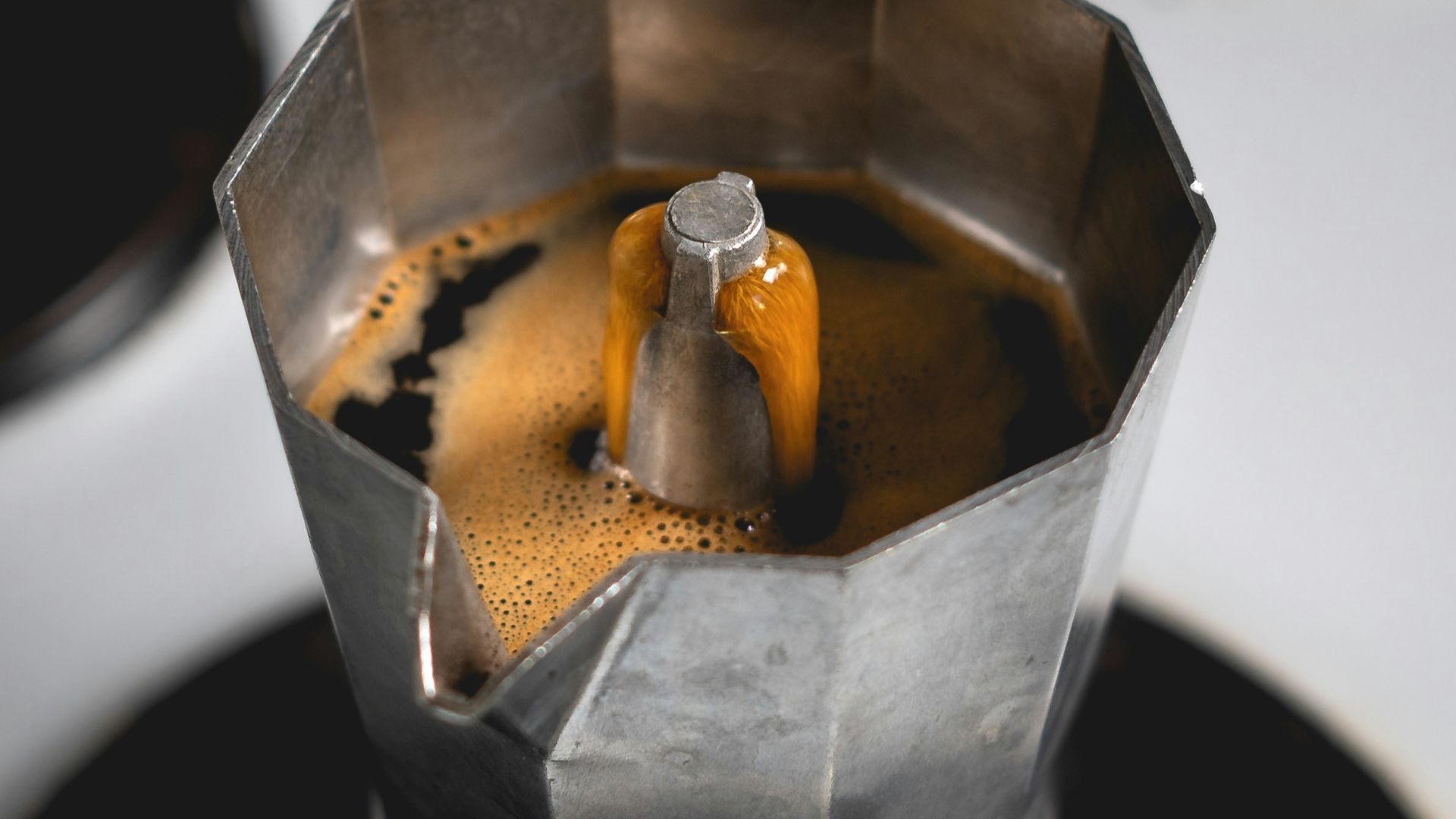
6. Stovetop Percolator
Percolators push boiling water up a center tube and let it drip over the grounds again and again until the pot turns dark. That repeated cycling often over-extracts the coffee and makes it bitter. Drip makers and pod machines send the water through once.
7. Cookie Jar
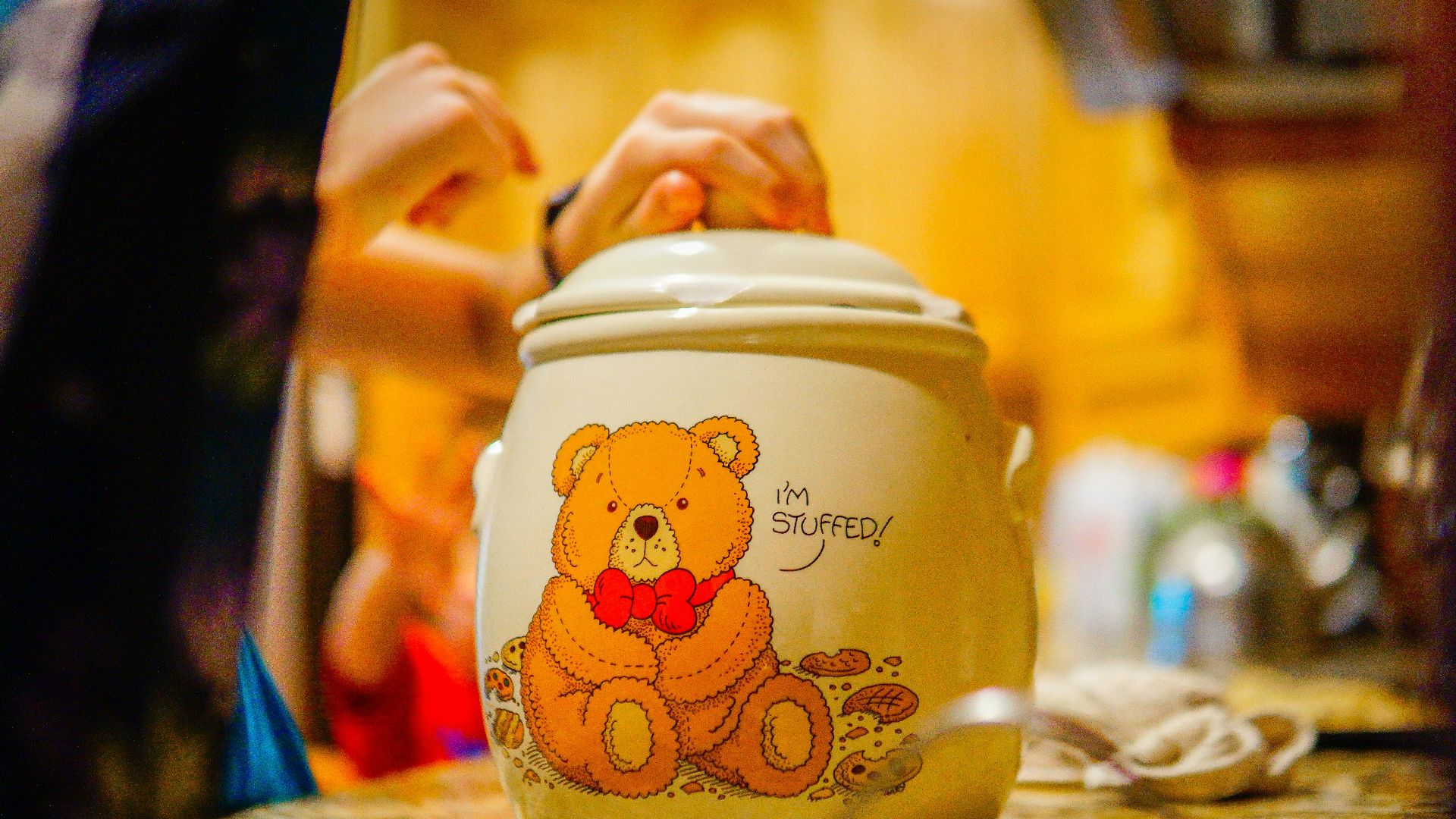
Homemade oatmeal and sugar cookies went into a ceramic jar on the counter, where anyone passing through the kitchen could lift the lid and help themselves. The jars came in all sorts of shapes, from simple round crocks to animals and fruit. Today, many are prized as collectibles rather than used for storing cookies.
8. Wall-Mounted Can Opener
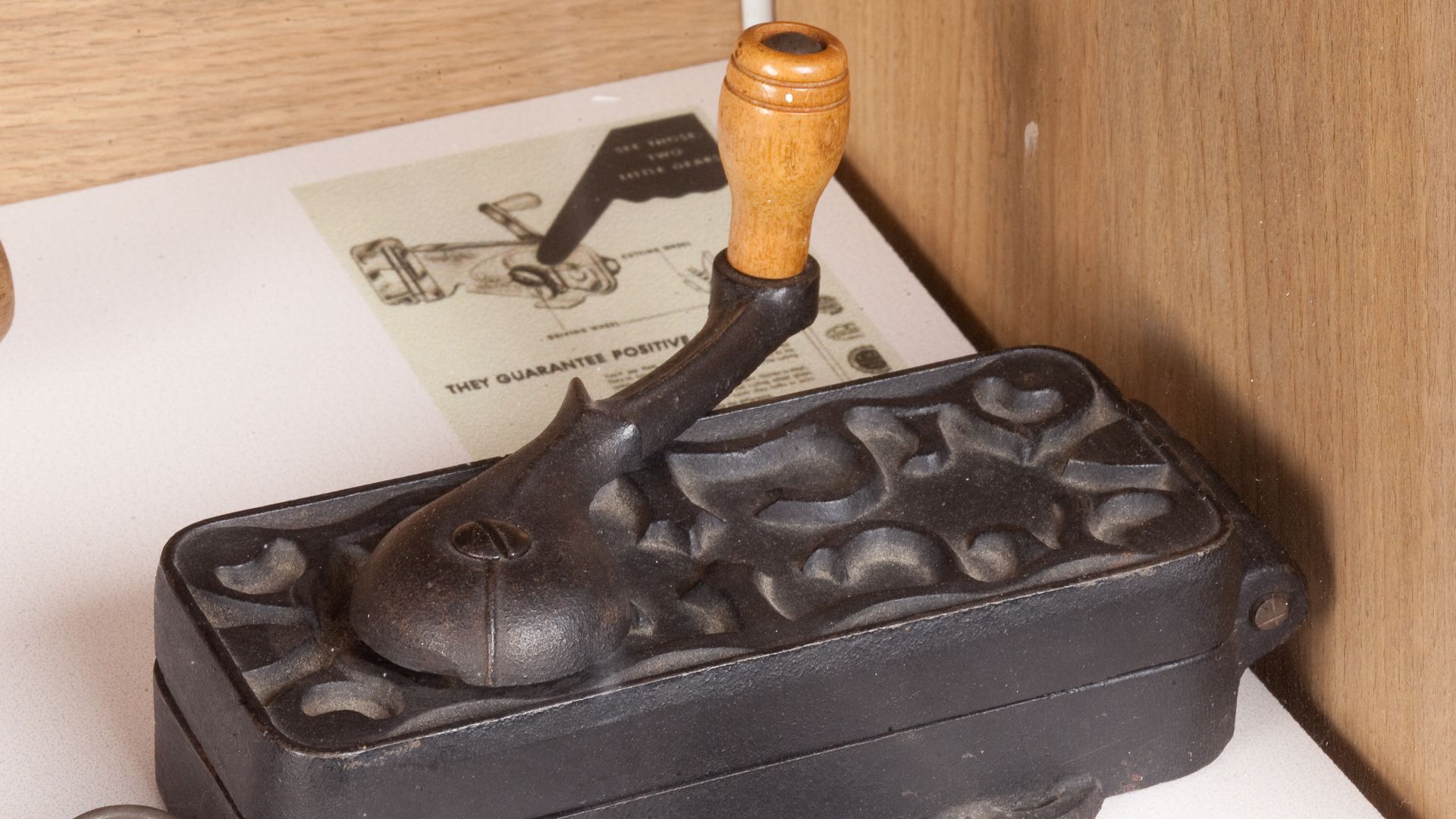
Screwed into the side of a cabinet or the wall, a small crank opener couldn't get lost in a drawer. It got used daily because families leaned on canned vegetables and soups through the winter. Many remain bolted up in older houses, painted over along with everything else.
 Federico Leva (WMIT) on Wikimedia
9. Wall Phone with a Long Cord
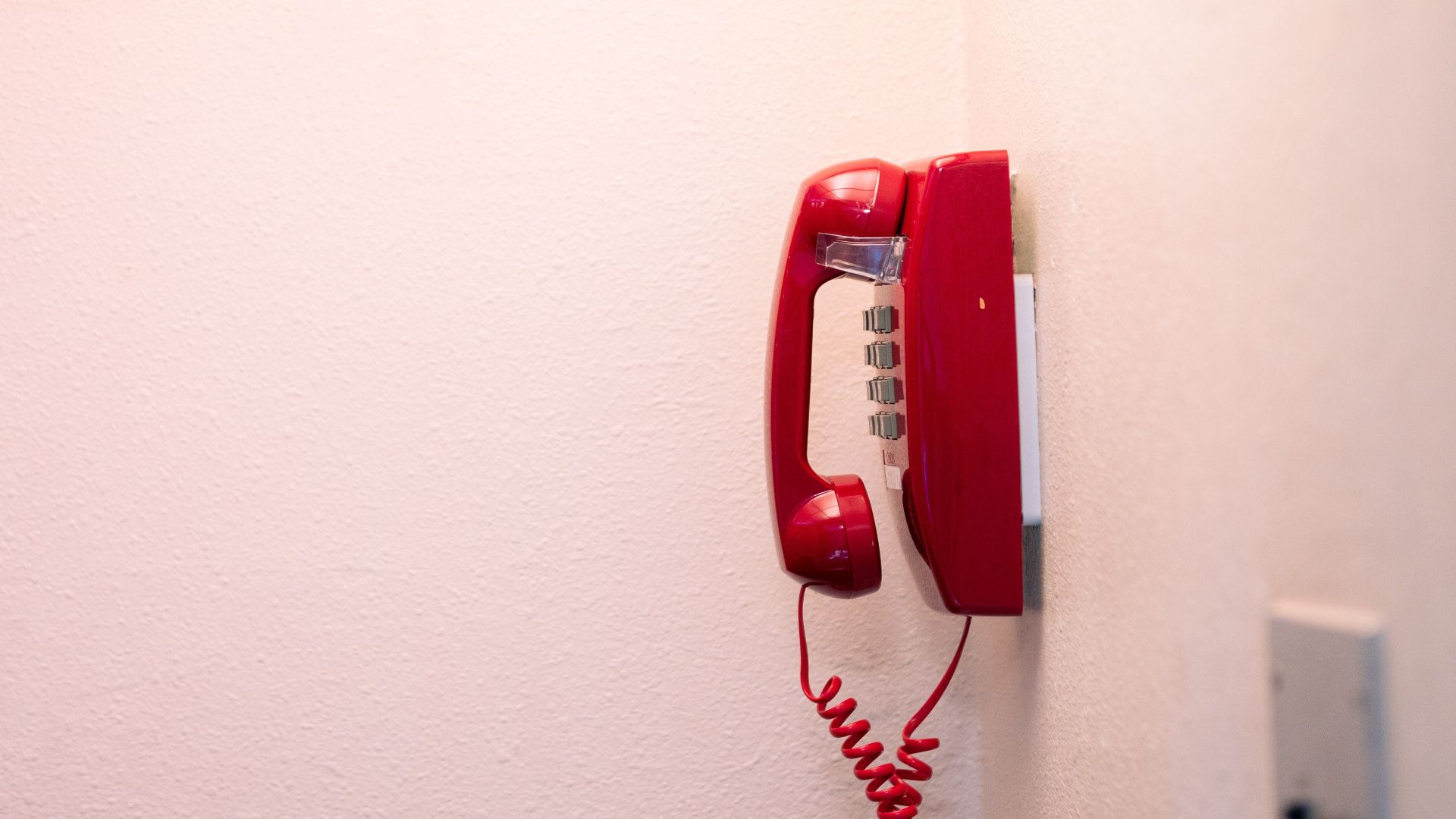
The household's main phone often hung in the kitchen. A long cord let you reach the stove or loop around the corner into the pantry for a private call, so people tended to cook while talking. Cordless handsets and cell phones ended that, and many of those landlines were never replaced.
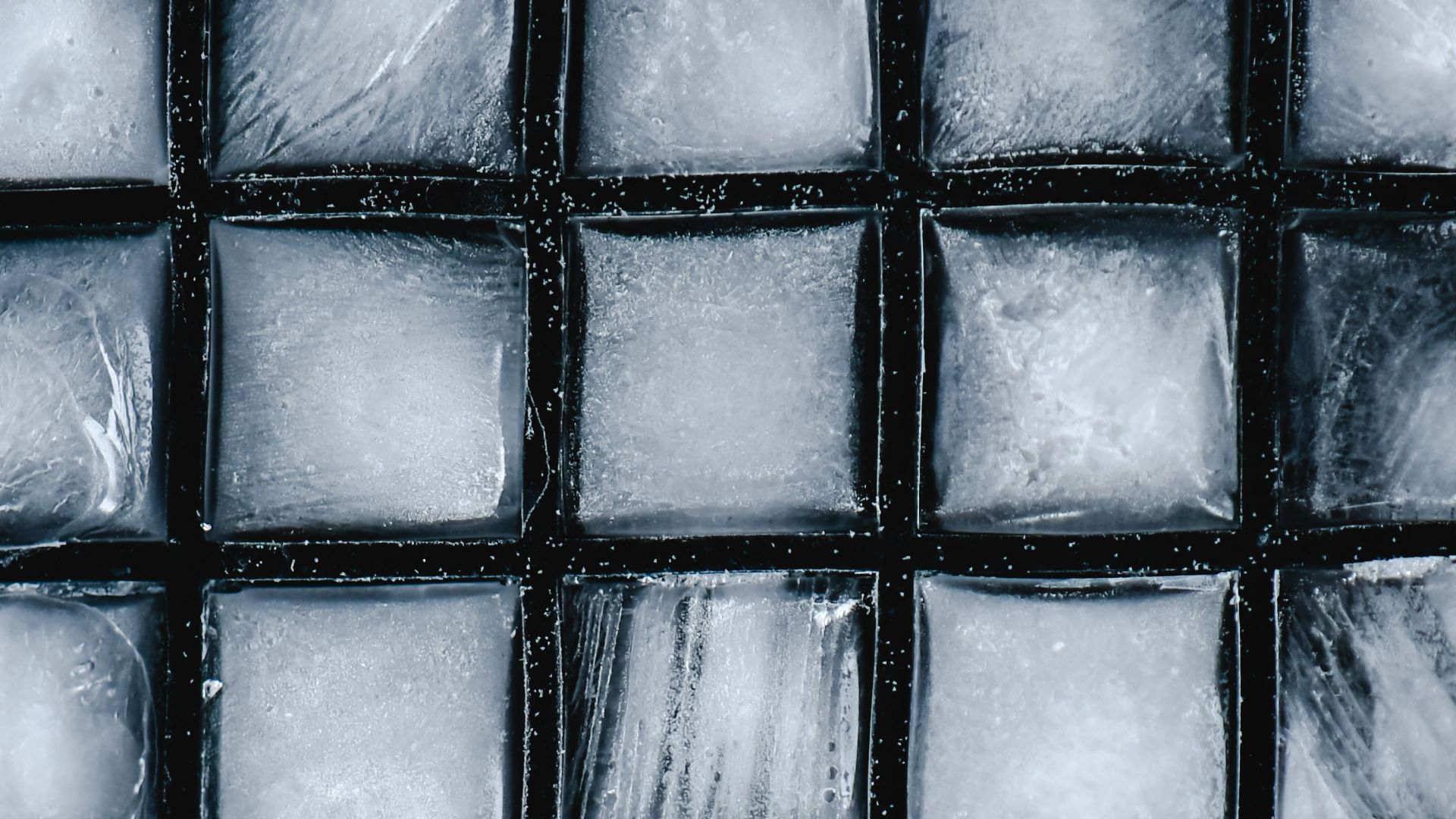
10. Metal Ice Cube Tray
Before freezers came with ice makers, aluminum trays with a lever down the middle were standard. Cubes froze to the metal, so you pulled the lever to twist them loose. Water sloshed over the edge on the walk to the freezer, since a full tray had to be carried level.
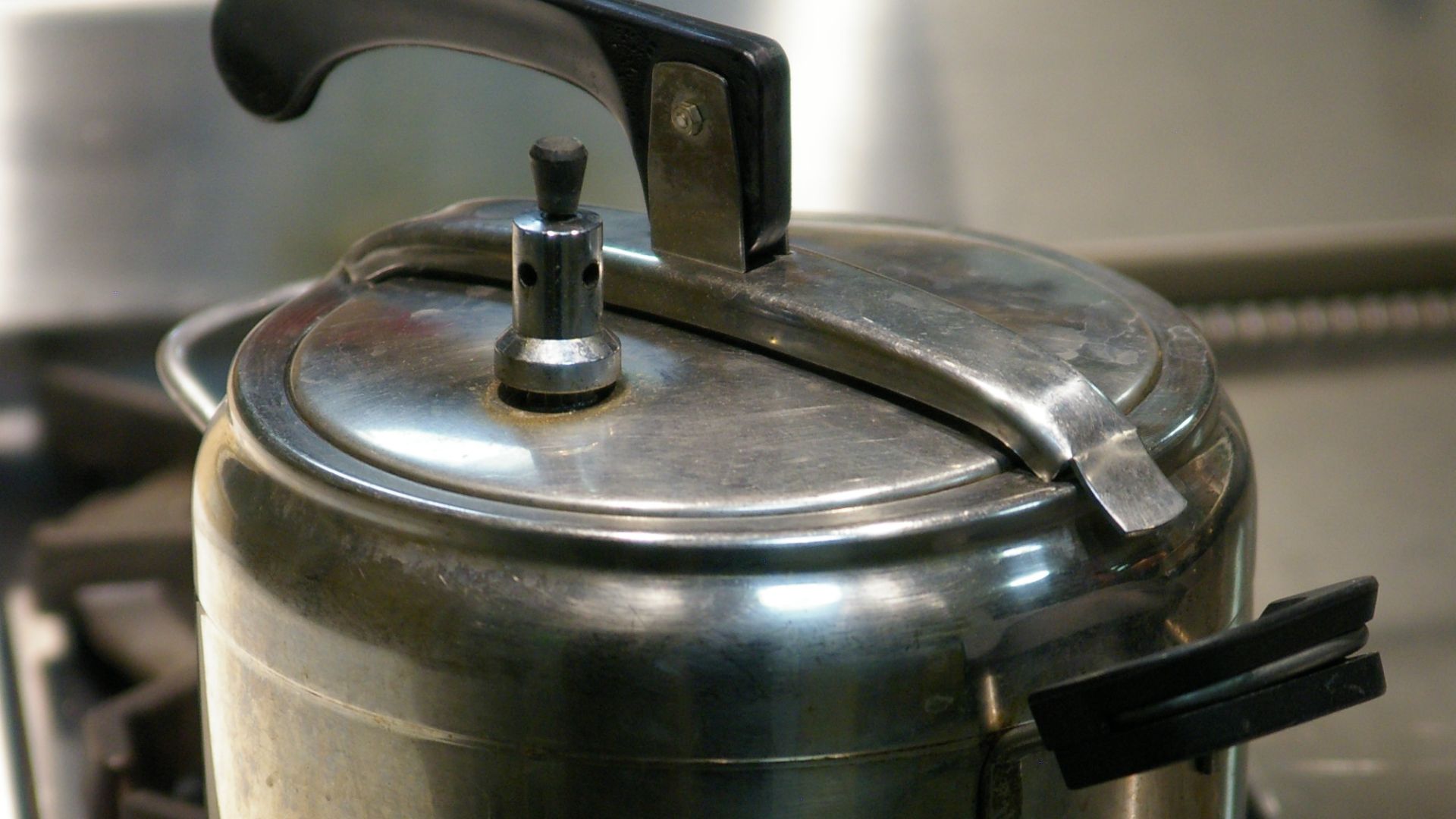
11. Jiggler-Weight Pressure Cooker
Cooks listened for the rattle of a weight on the vent of older stovetop pressure cookers, the way you'd watch a timer. The pressure turned dry beans and tough cuts of meat tender far faster than a pot on an open burner. A weight that rattled hard was the cue to turn the heat down.
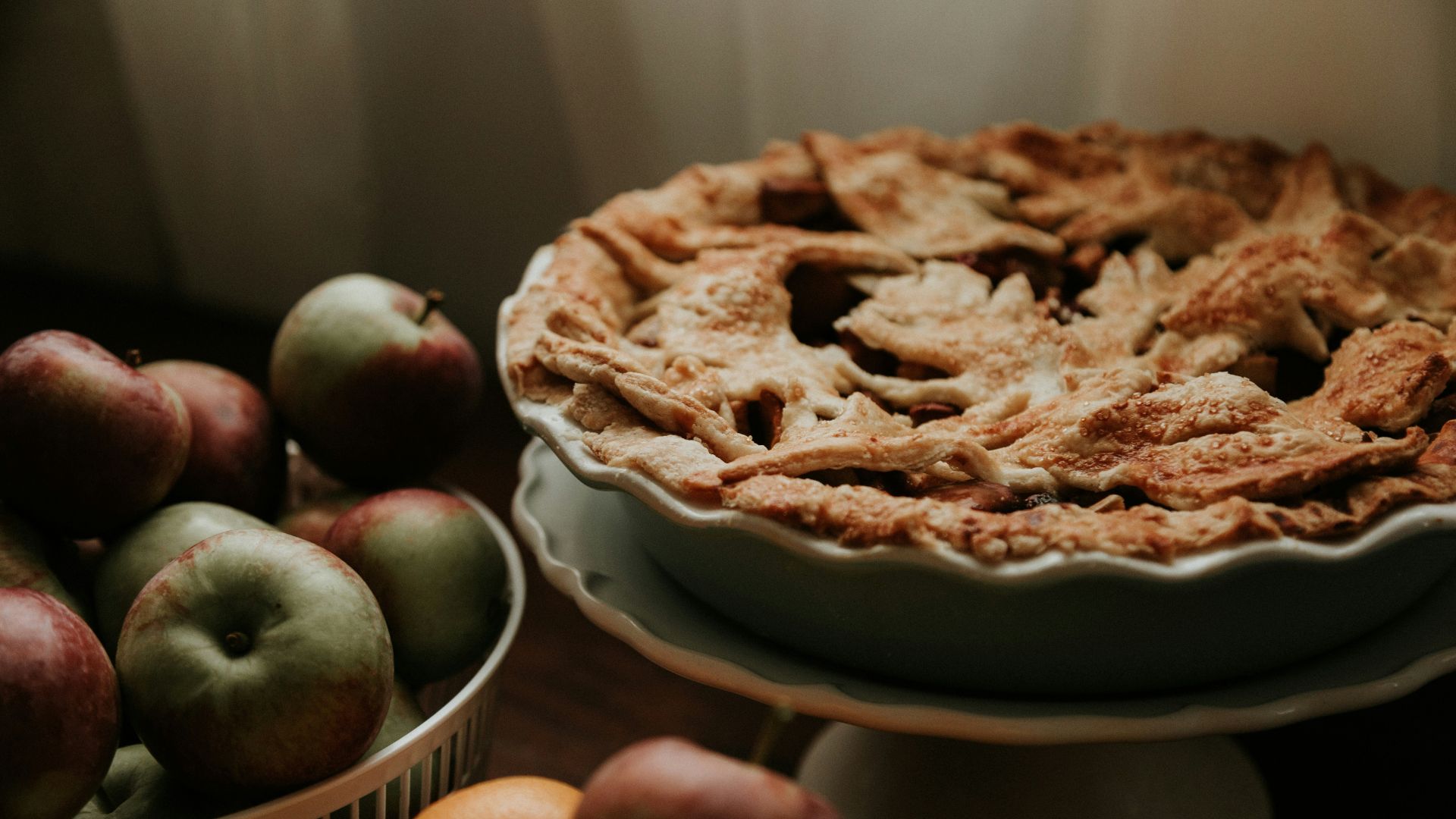
12. Pie Safe
Pies and bread sat in a wooden cabinet with punched tin panels, which let air reach them while keeping flies out. The panel patterns were often cut by hand, and that handwork is part of why antique ones get collected. Reproductions still get sold, though most end up holding linens rather than pies.
 Priscilla Du Preez 🇨🇦 on Unsplash
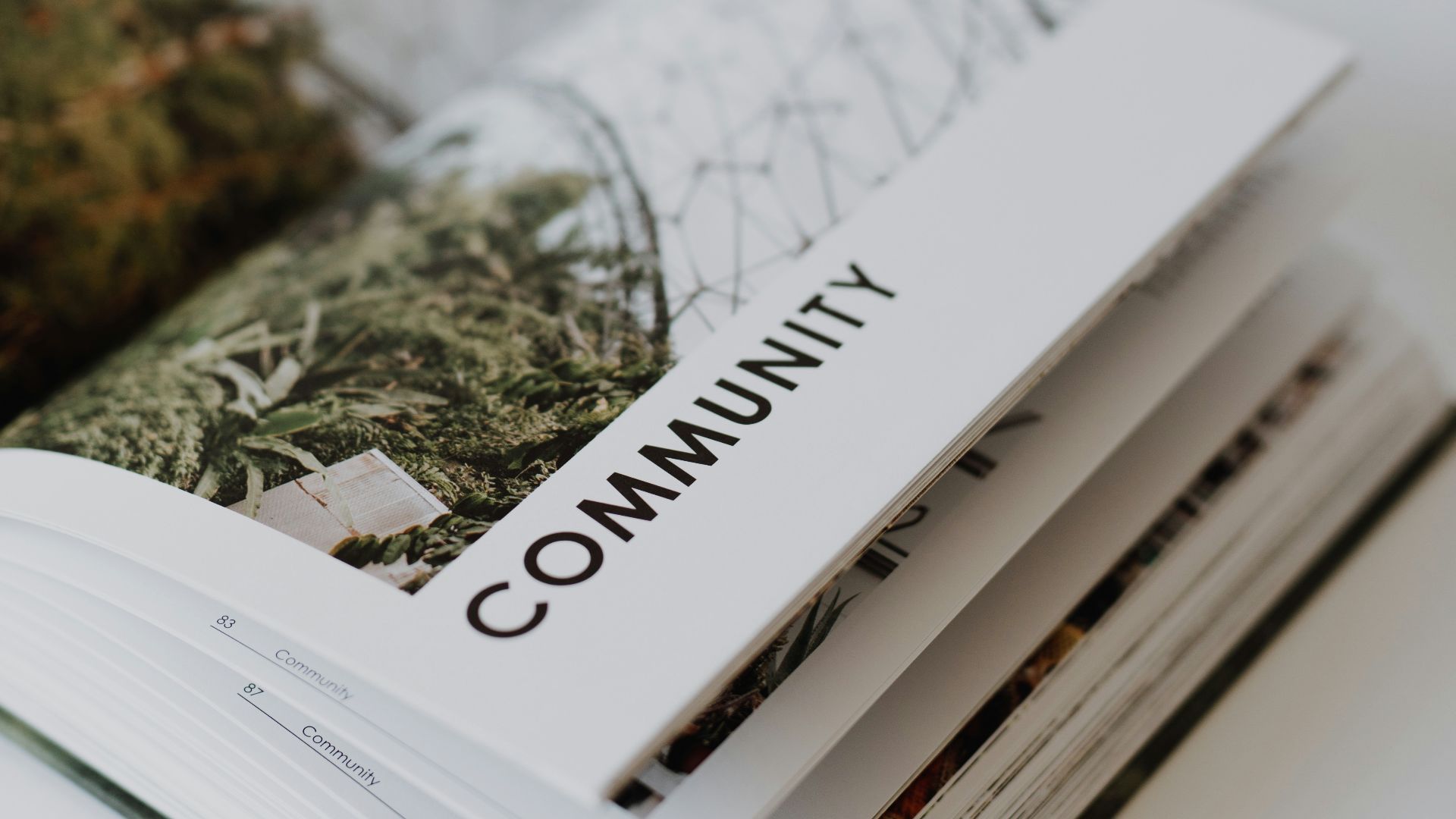
13. Community Cookbook
Church groups and school fundraisers put out spiral-bound cookbooks that ended up on kitchen shelves. Each recipe was printed under the name of the neighbor who submitted it, and you could picture the cook before you tried the dish. Splatters on the pages usually showed which casserole got made the most.
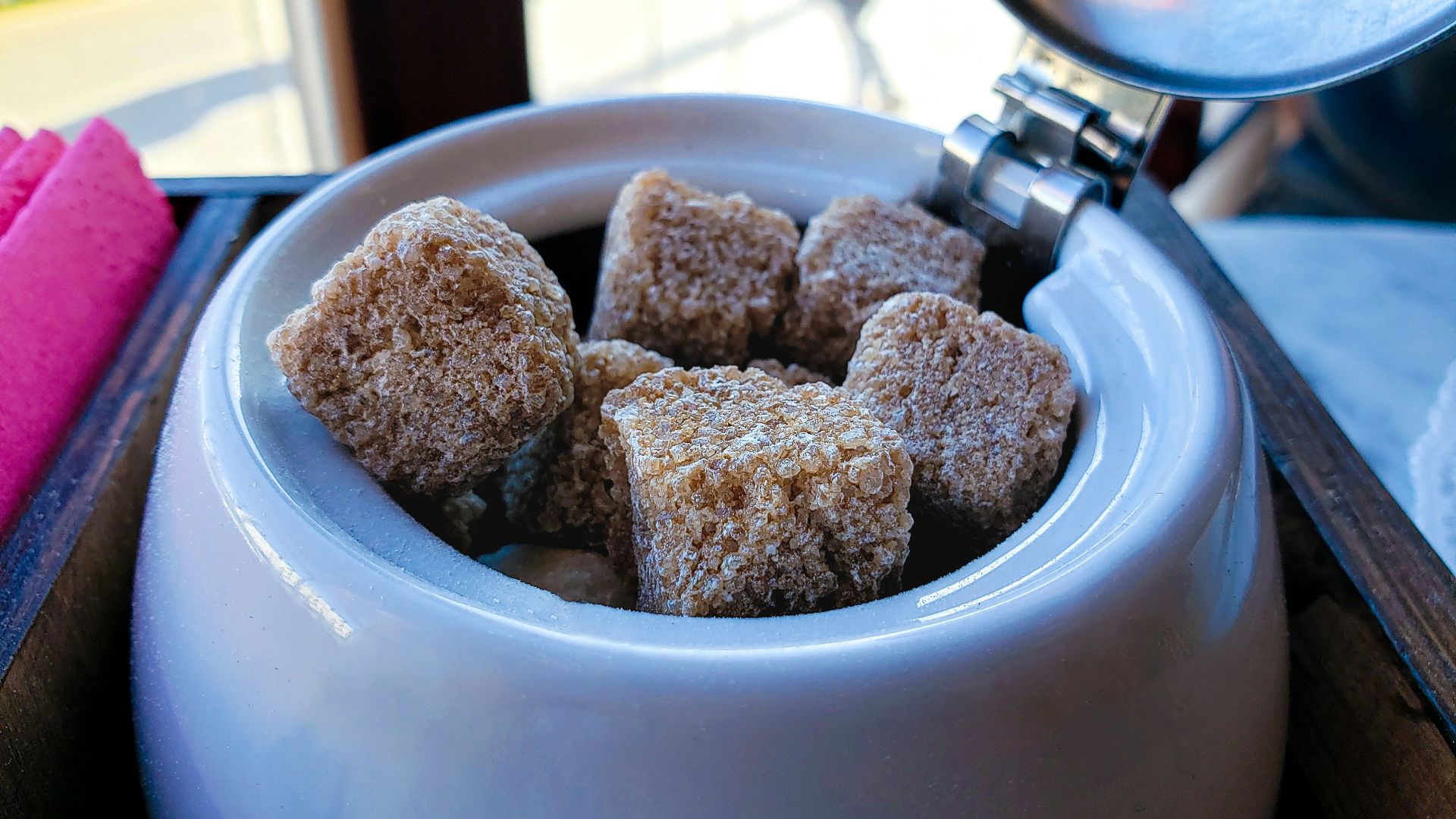
14. Lidded Sugar Bowl
Loose sugar went into a covered bowl on the table, with its own spoon for stirring into coffee or sprinkling over cereal. Lids mattered because open sugar clumps in humid kitchens and attracts ants. Sets of china come with a sugar bowl to this day, though most sit in cabinets.
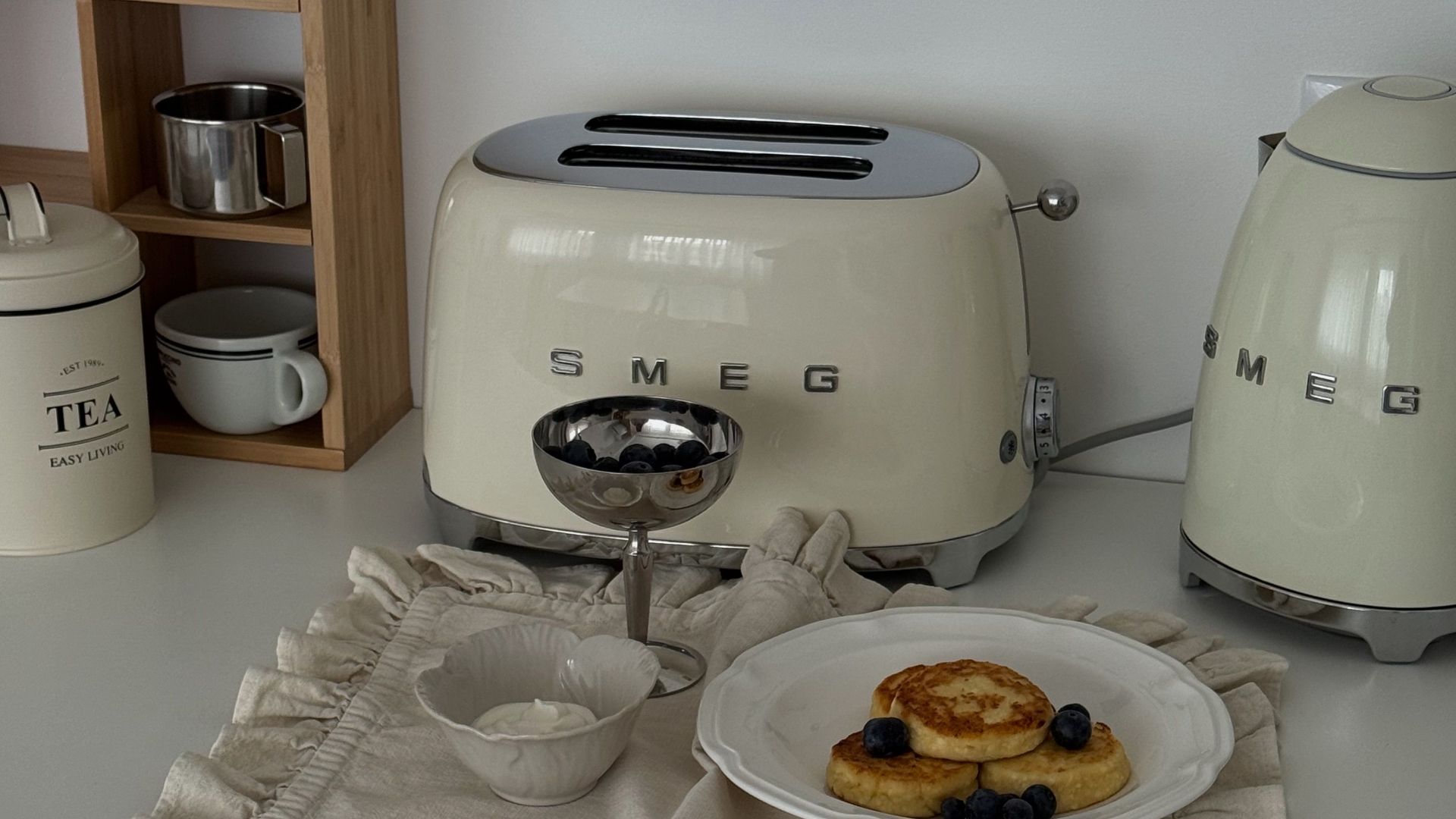
15. Toaster Cover
Home sewers made quilted or embroidered covers to keep dust and cooking grease off appliances left out on the counter. Many matched the curtains or tablecloth, and they were common gifts at weddings and holidays. Appliances now get tucked into cabinets or finished in surfaces that wipe clean, so the covers show up mostly at estate sales.
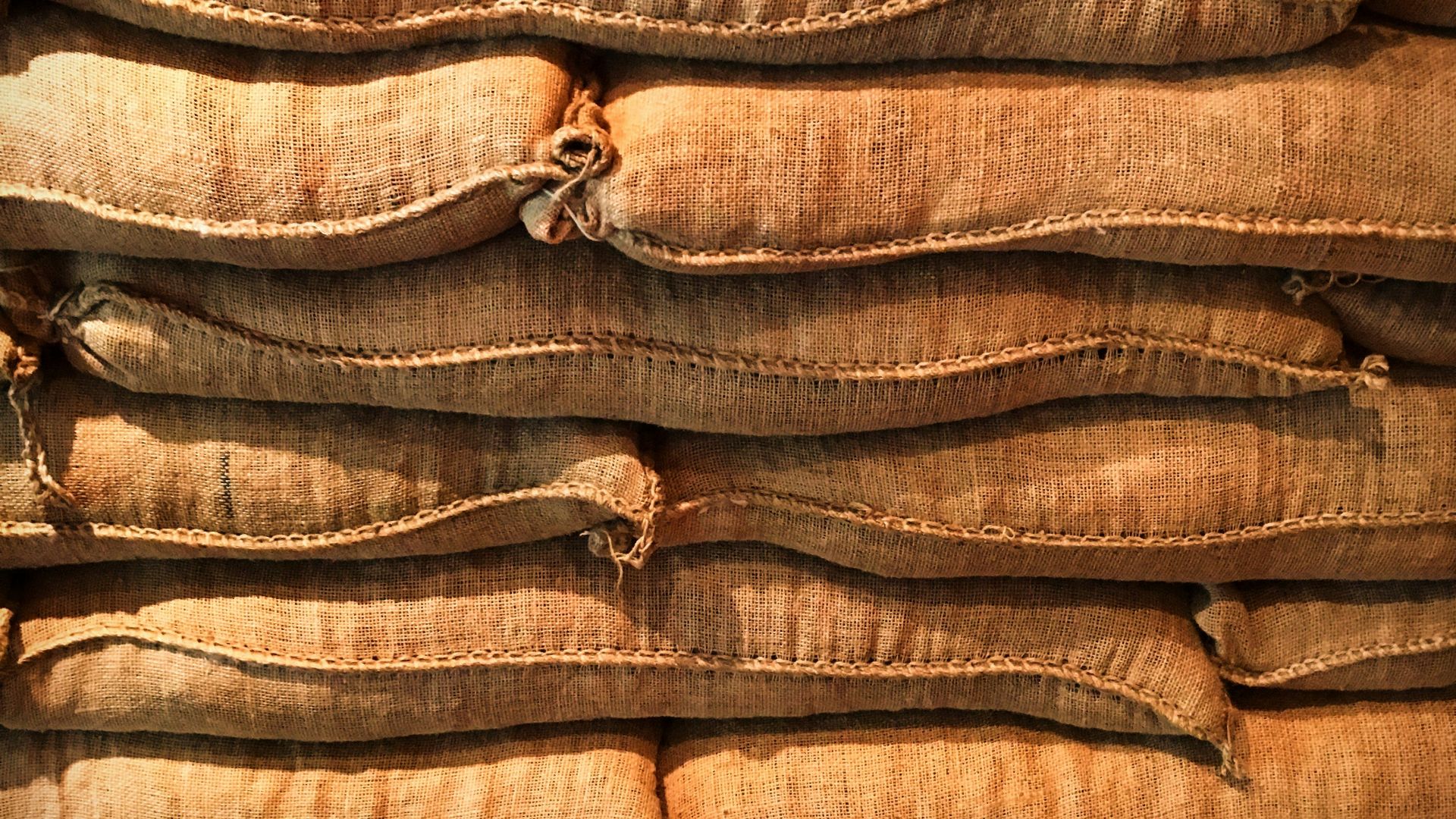
16. Feed Sack Dish Towels
Flour and animal feed came in cotton sacks, and families washed the empty bags and sewed them into dish towels and aprons. Some mills printed their sacks in floral patterns on purpose, since they knew the cloth would be reused. Quilters and collectors still hunt for the printed ones.
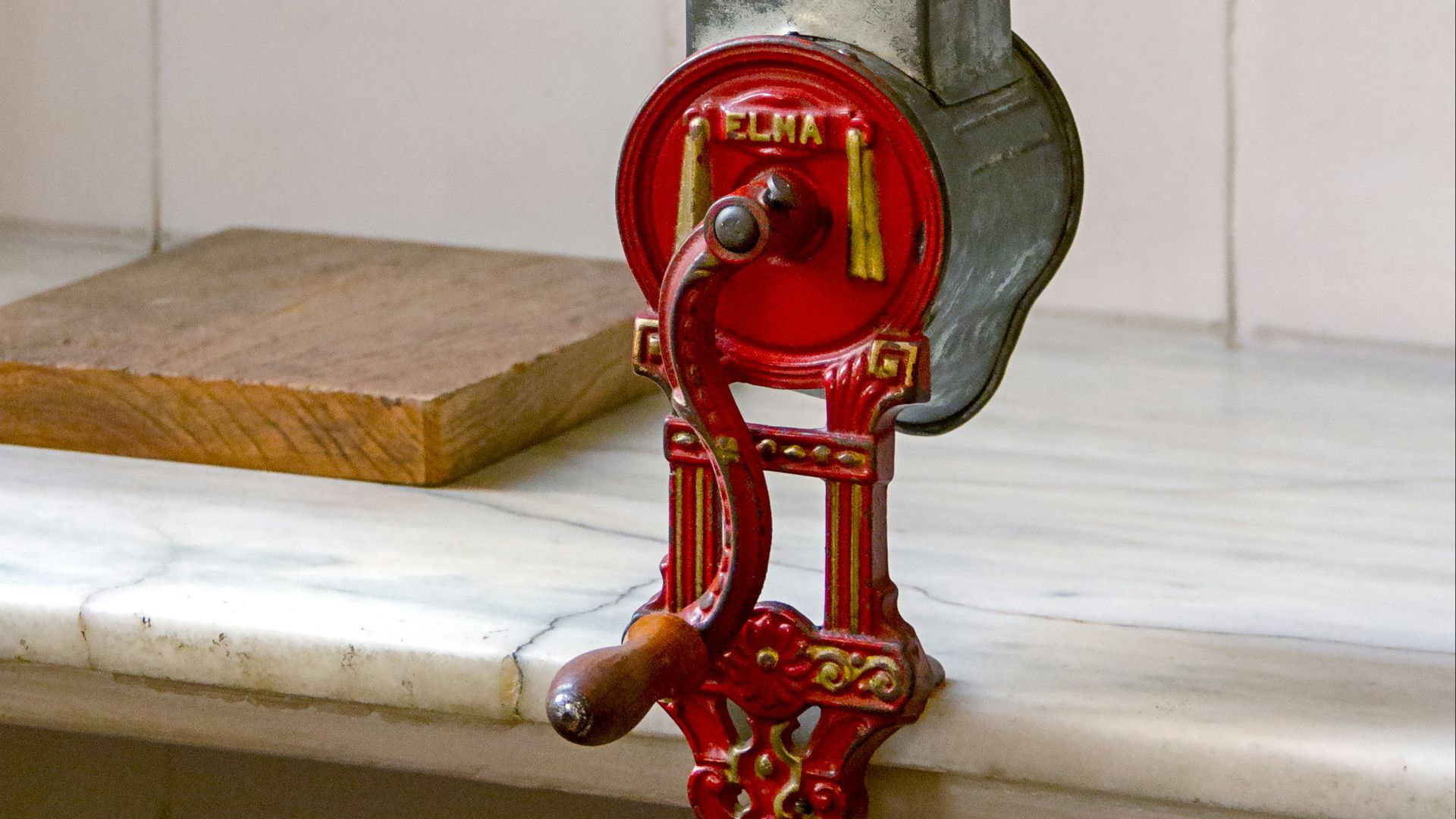
17. Clamp-On Meat Grinder
Leftover roast or ham went through a cast iron grinder clamped to the edge of a table or counter, and what came out became a spread or a hash. A screw inside pushed the meat through a perforated plate as the crank turned, and the size of the holes set how coarse the result was. A few people still keep one around for making sausage.
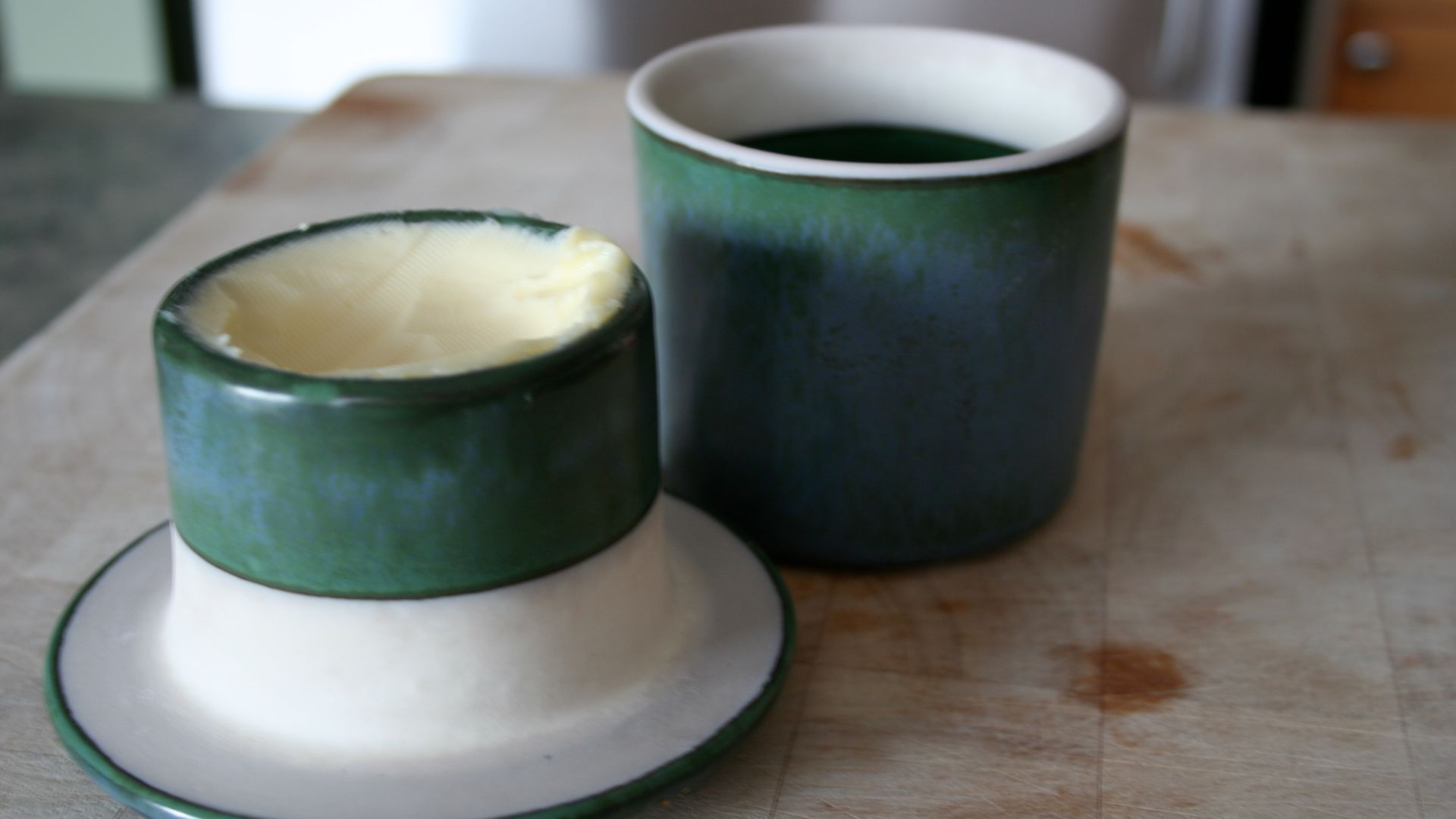
18. Butter Bell
Butter sits in an upside-down cup inside a ceramic crock called a butter bell, and a little water in the base seals out the air. Kept this way, butter tends to stay spreadable at room temperature for several days as long as the water gets changed. Cookie and cake recipes usually call for softened butter, and a bell keeps a stick ready on the counter.
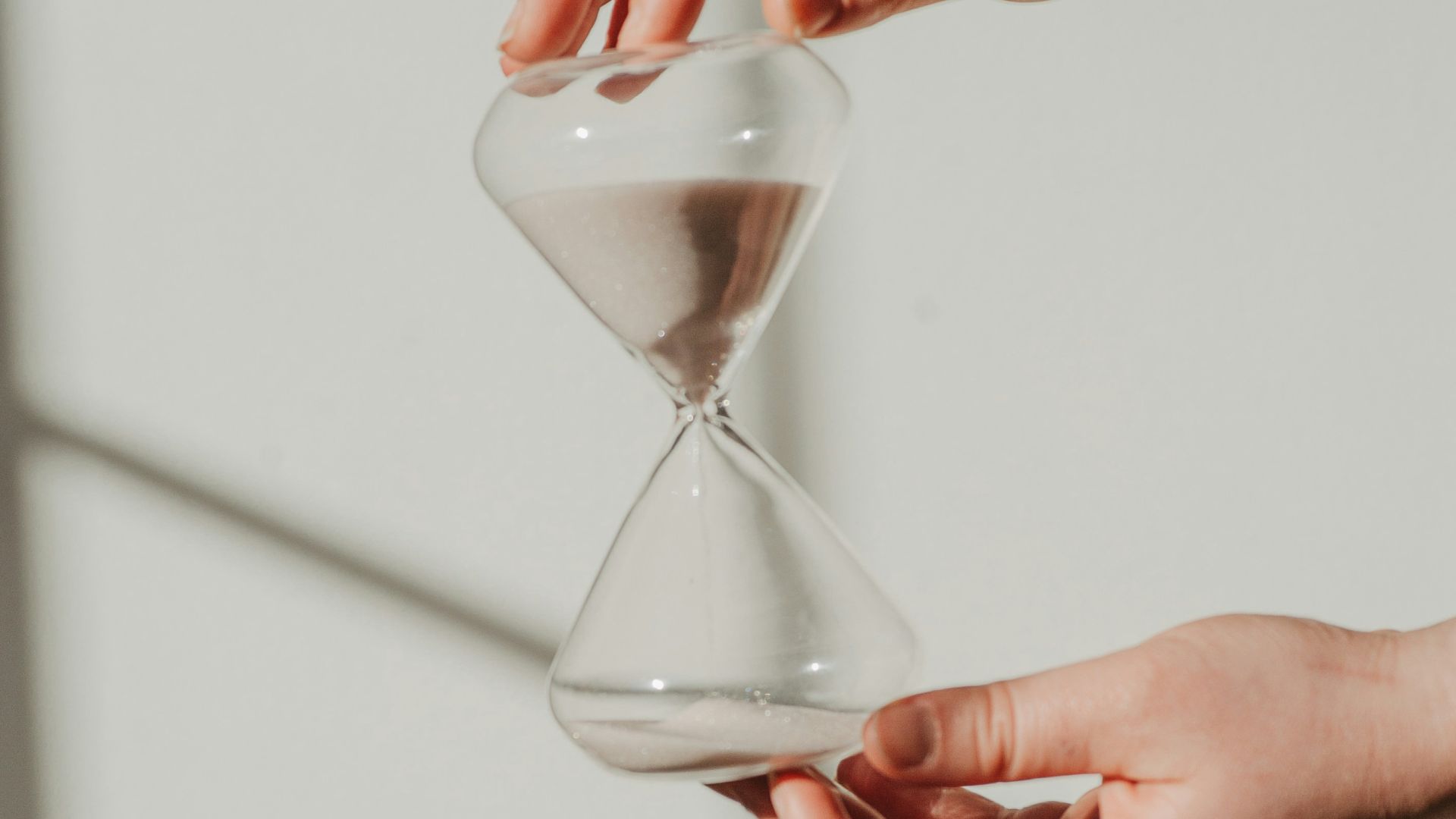
19. Sand Egg Timer
A small hourglass kept by the stove ran about three minutes, the time a soft-boiled egg needs. You flipped the glass when the egg went into the water and watched the sand fall. Cooks who wanted a firmer egg flipped the glass again and let the sand run a second time.
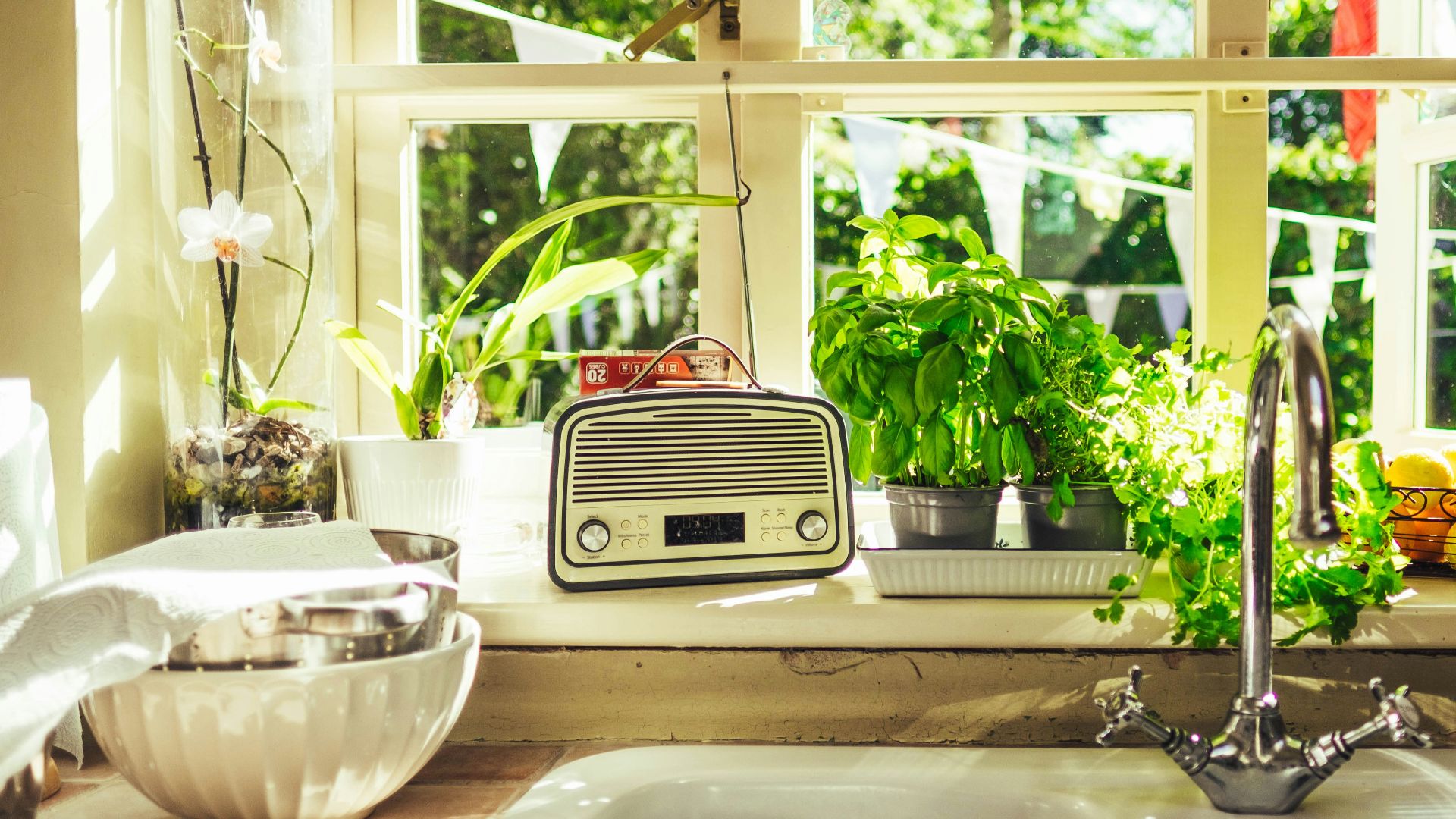
20. Counter Radio
On the counter or windowsill, a small radio played the weather report and ballgames while dinner cooked. Reception on AM stations sometimes crackled when a mixer or the refrigerator kicked on. A smart speaker will read out the same forecast today, though few people park one beside the stove.
KEEP ON READING
20 Famous Dishes That Started as Marketing Campaigns
20 Foods That Somehow Became “Dad Foods”