Fast food often feels like a modern convenience born out of today’s busy lifestyles. However, the concept of grabbing a quick meal on the go is centuries older than most realize.
In the bustling streets of Ancient Rome, people didn’t always have time or facilities to prepare their own food. Instead, they frequented thermopolia—early versions of fast food establishments that served warm, ready-to-eat dishes. These spots were bustling with life and flavor, demonstrating that fast food is far from a new invention.
If your curiosity is stirring about how Ancient Romans satisfied hunger in a hurry, let’s explore the colorful world of Roman street food culture.
The Rise Of Thermopolia In Roman Cities
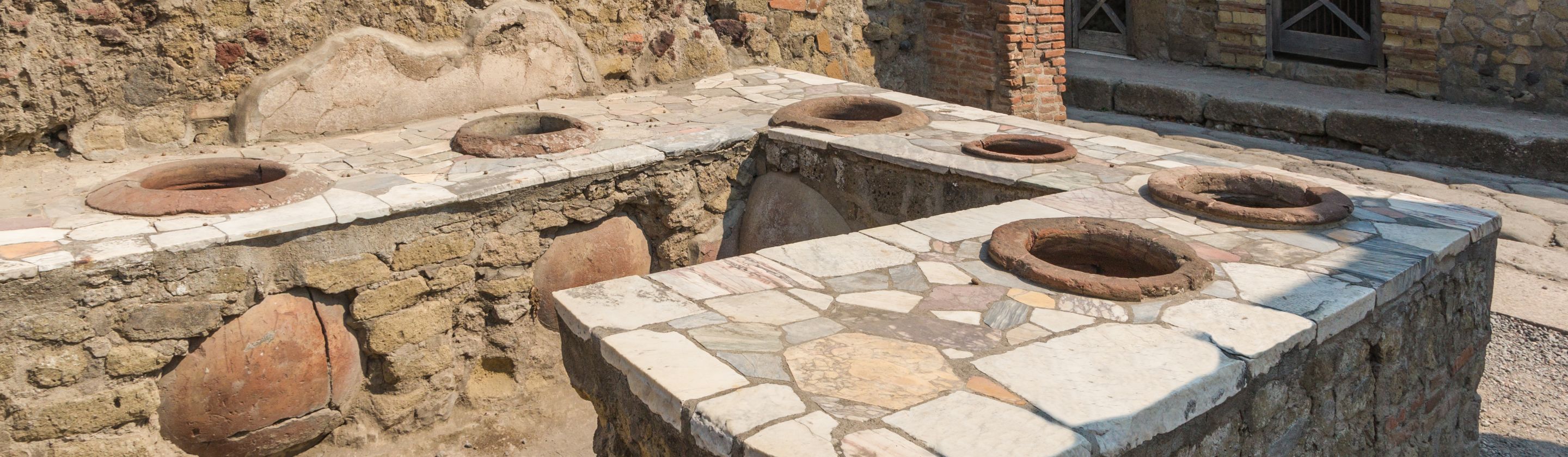
Thermopolia were small shops found throughout Roman cities from Pompeii to Rome itself. Their design was practical and inviting—a stone counter at the front of the shop with large, built-in clay jars called dolia. These vessels stored dried foods such as nuts, grains, or olives, while hot dishes like stews and soups were kept warm using separate braziers or pots all day long. Passersby could simply choose what they wanted.
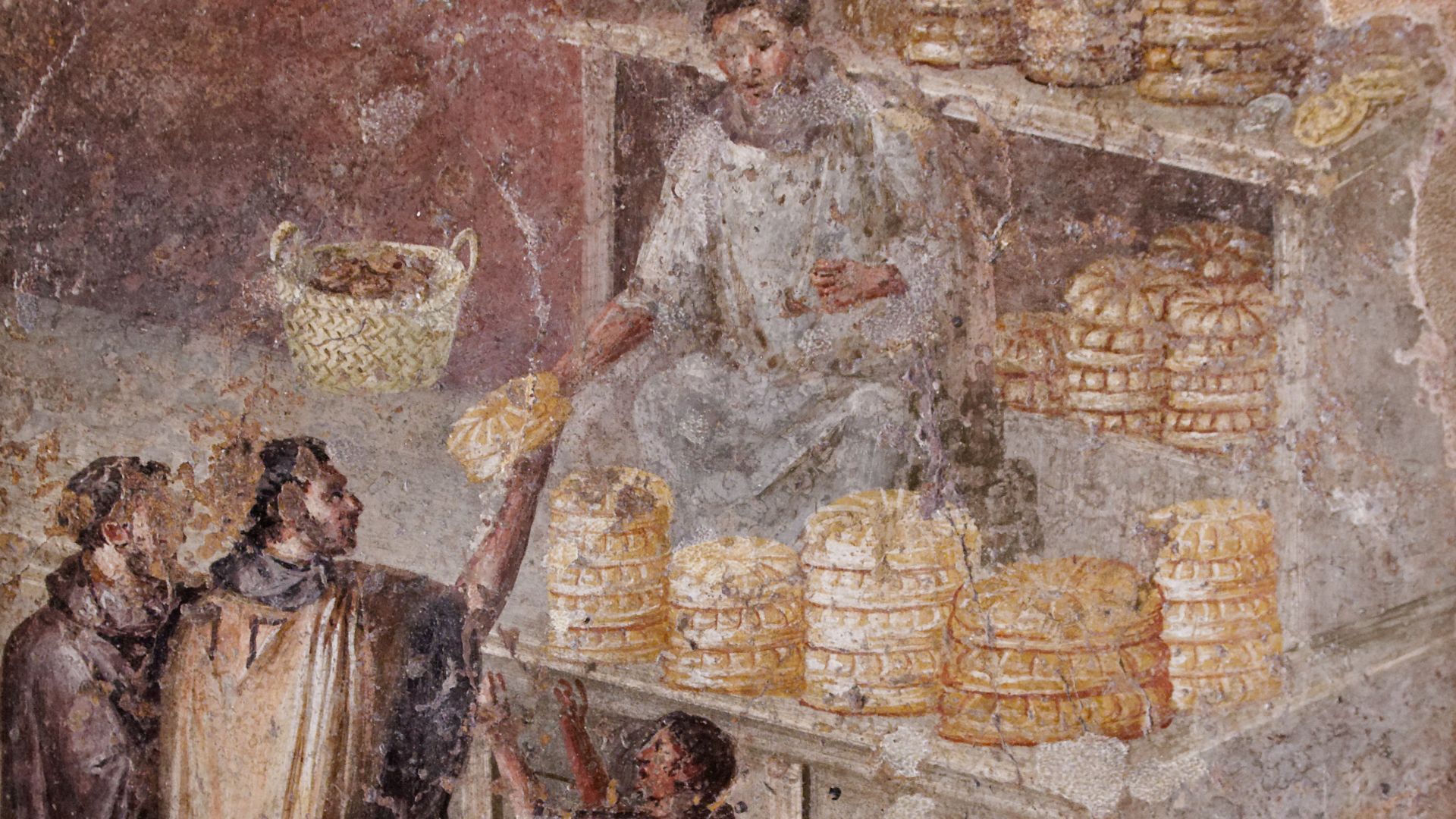
For many Romans, especially those living in crowded insulae (apartment blocks) without kitchens or cooking facilities, a thermopolium was a lifeline. These places provided affordable meals without the hassle of preparation and cleanup at home. The owners, who doubled as cooks and merchants, specialized in quick service to meet the needs of a diverse clientele, including shopkeepers, travelers, and students. The fast pace of city life demanded efficiency, and thermopolia delivered exactly that without compromising on taste.
Culinary Choices Behind The Counters
What did Ancient Romans eat at these stalls? The menu was far from plain. Archaeological excavations have discovered some recipes and remnants that reveal a rich palette of flavors. Staples included pulmentum, a type of porridge made from grains like barley or millet, served with herbs, vegetables, or meat scraps. Pickled fish and olives added salty notes, while garum, the famous fermented fish sauce, gave many dishes an umami punch.
Roasted meats and legumes appeared regularly, but more than anything, thermopolia offered warmth and nourishment primarily to the lower and middle classes, though occasionally visited by others from various walks of life.
More Than Just Food: Cultural And Social Hubs
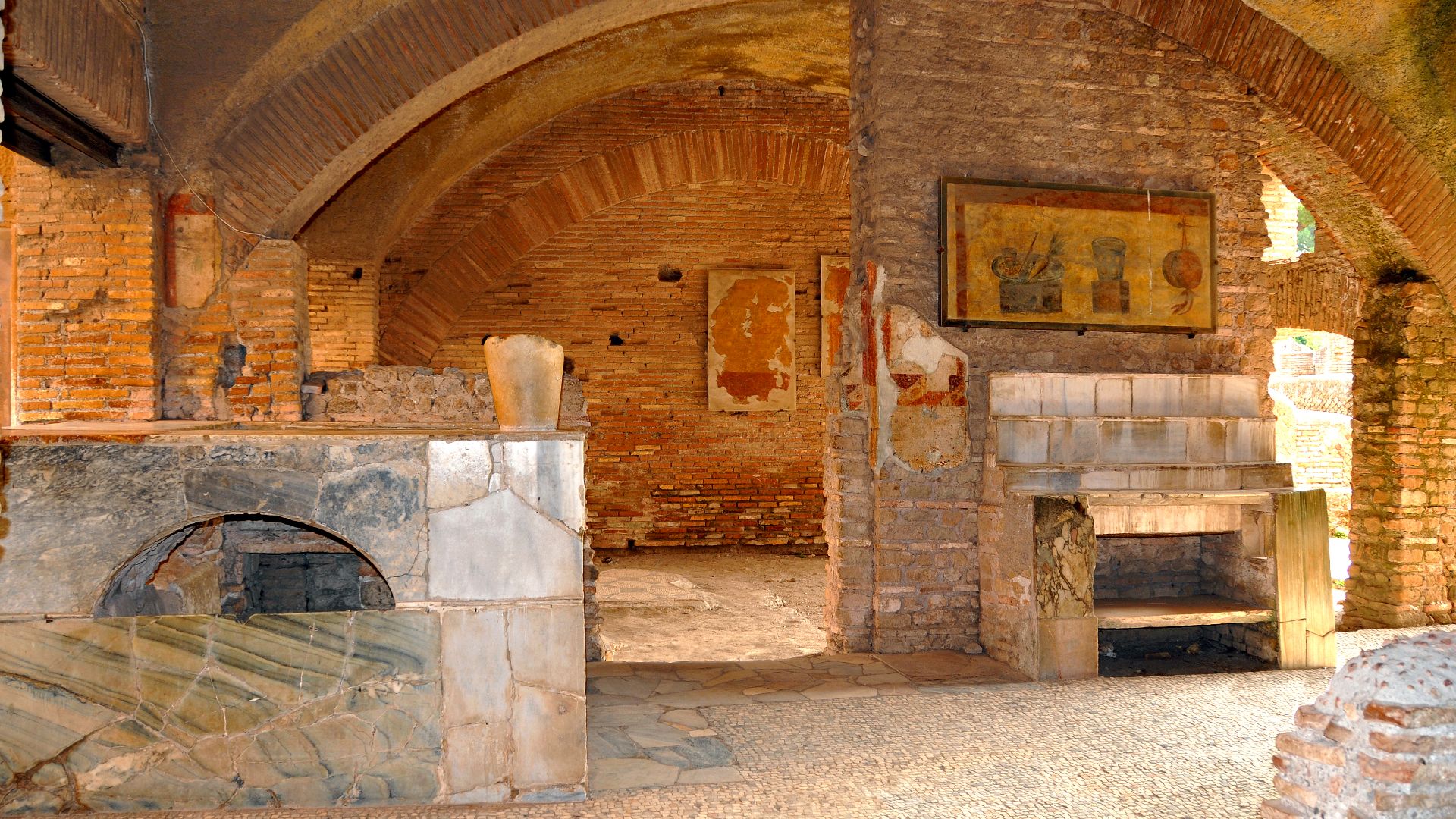
Thermopolia were hubs of social life as well as nutrition. While grabbing a stew or loaf, customers stood or sat nearby, exchanging news or business. These lively spaces brought people together in ways that echo today’s cafes or food courts. In a city packed with social diversity and daily hustle, thermopolia became one of the places where people from lower classes mingled over a shared meal, though they sometimes carried a reputation for attracting rowdy or disreputable crowds.
In many ways, today’s fast‑food spots echo the same purpose—quick meals, social exchange, and a sense of belonging. Fast food has been warming hearts and filling plates for millennia, showing that our modern habits continue an ancient tradition.
KEEP ON READING