Cheez-Whiz and Cool Whip: 20 Grocery Store Inventions That Transformed Modern Cooking
Cheez-Whiz and Cool Whip: 20 Grocery Store Inventions That Transformed Modern Cooking
The Era of Kitchen Convenience
If you take a stroll down any modern grocery store aisle, you are looking at a quiet marvel of food engineering that completely redefined the way generations of families prepare their meals. Back in the mid-twentieth century, a massive wave of innovation hit the food industry, bringing with it shelf-stable processed wonders that promised to save time for busy home cooks. Products that once seemed like futuristic space food quickly became comforting household staples, fundamentally shifting our collective culinary habits.
 Unknown authorUnknown author on Wikimedia
1. Cheez Whiz
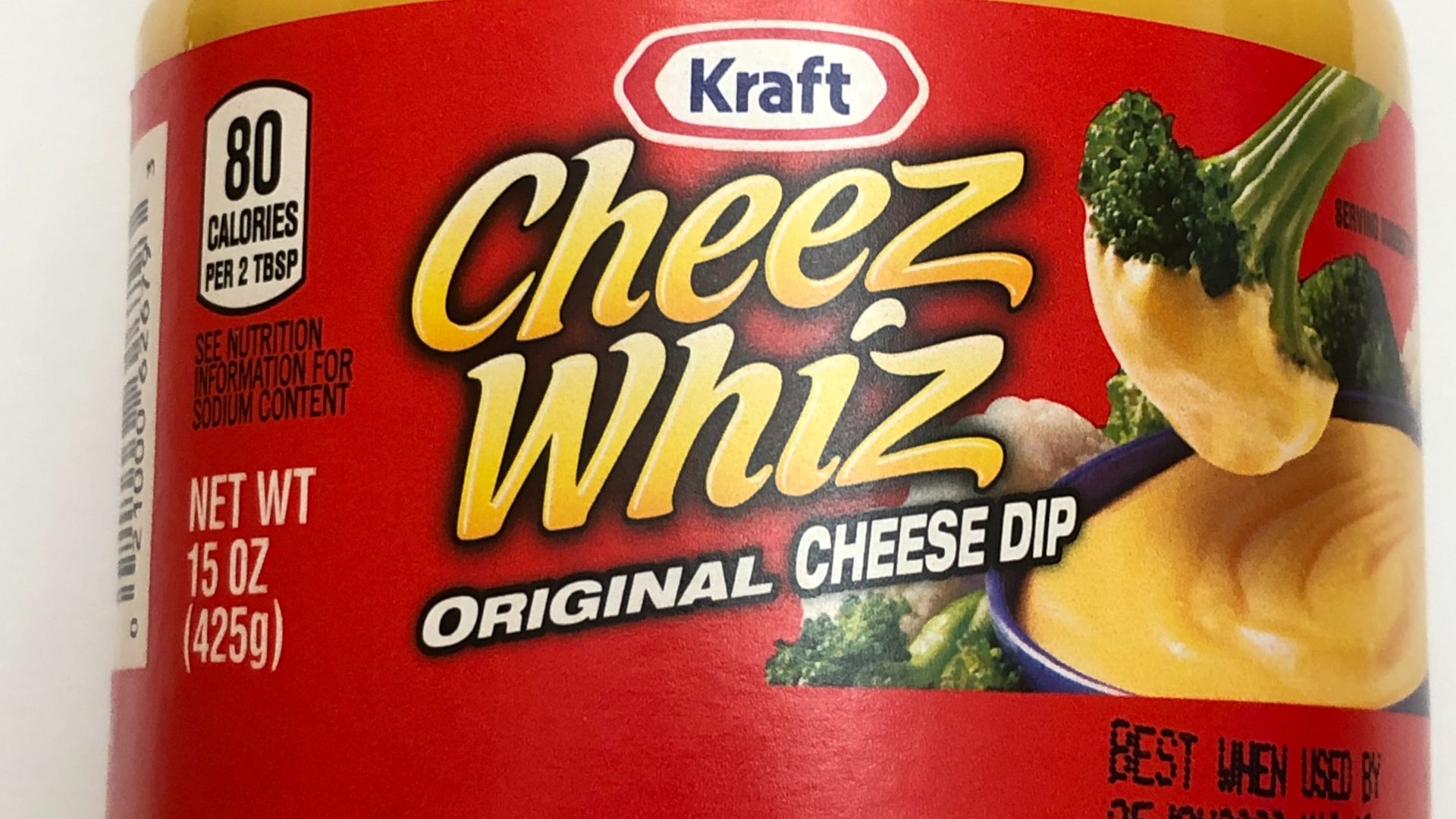
Kraft scientists originally cooked up this shelf-stable, spreadable cheese sauce in the early nineteen-fifties to simplify the process of making Welsh rarebit. It did not take long for adventurous home cooks to realize that the gooey yellow sauce was perfect for upgrading baked potatoes, hot dogs, and nacho platters. Today, it remains an absolute staple of regional comfort food culture.
2. Cool Whip
Before General Foods chemist William A. Mitchell developed this canned whipped topping in 1966, home cooks needed to plan ahead if they wanted to top a dessert with freshly whipped cream. This instant mixture of water, vegetable oil, and corn syrup could be popped open at the last minute without fear of it deflating or turning into soup on the counter.
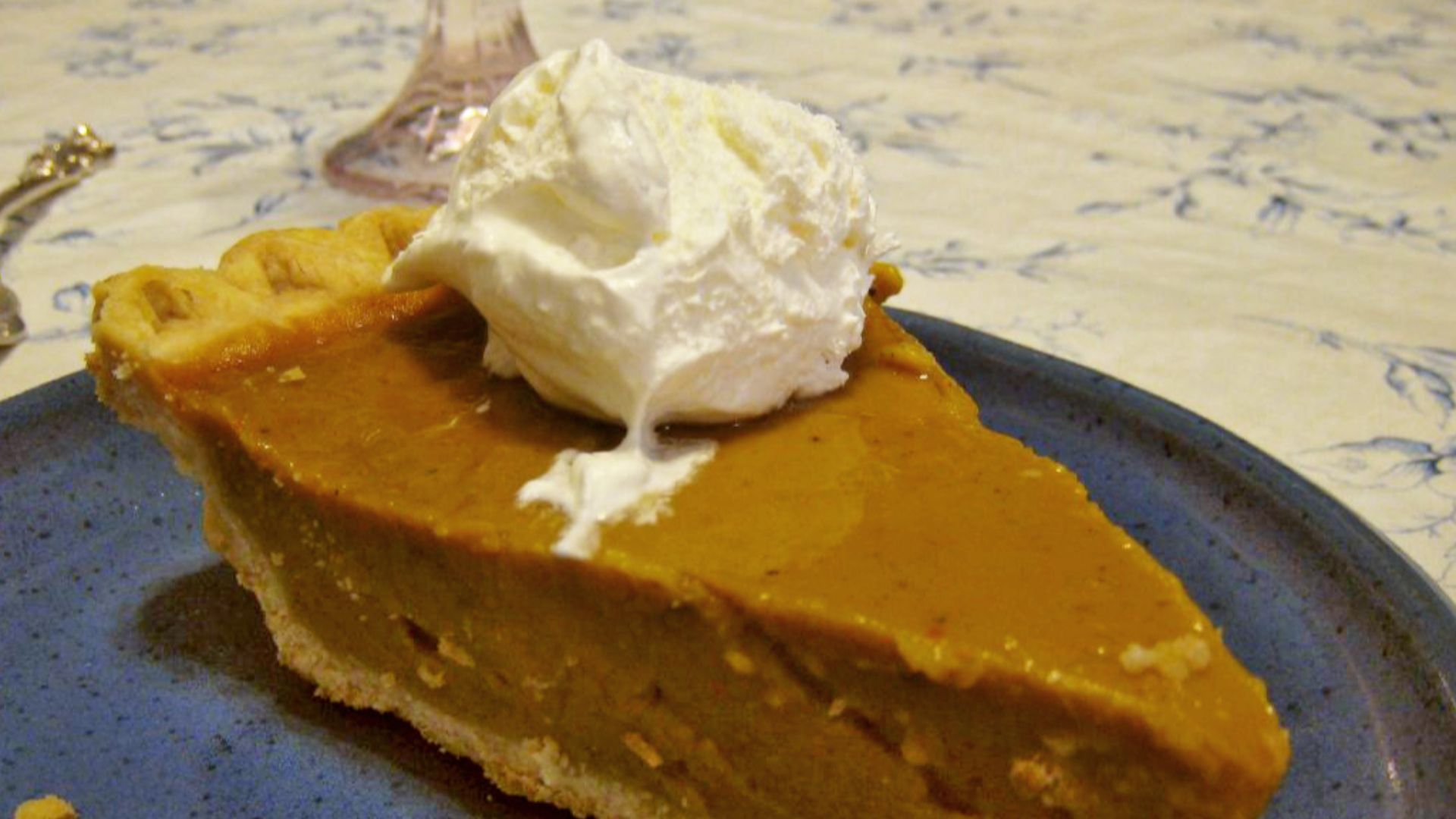
3. Campbell's Condensed Soup
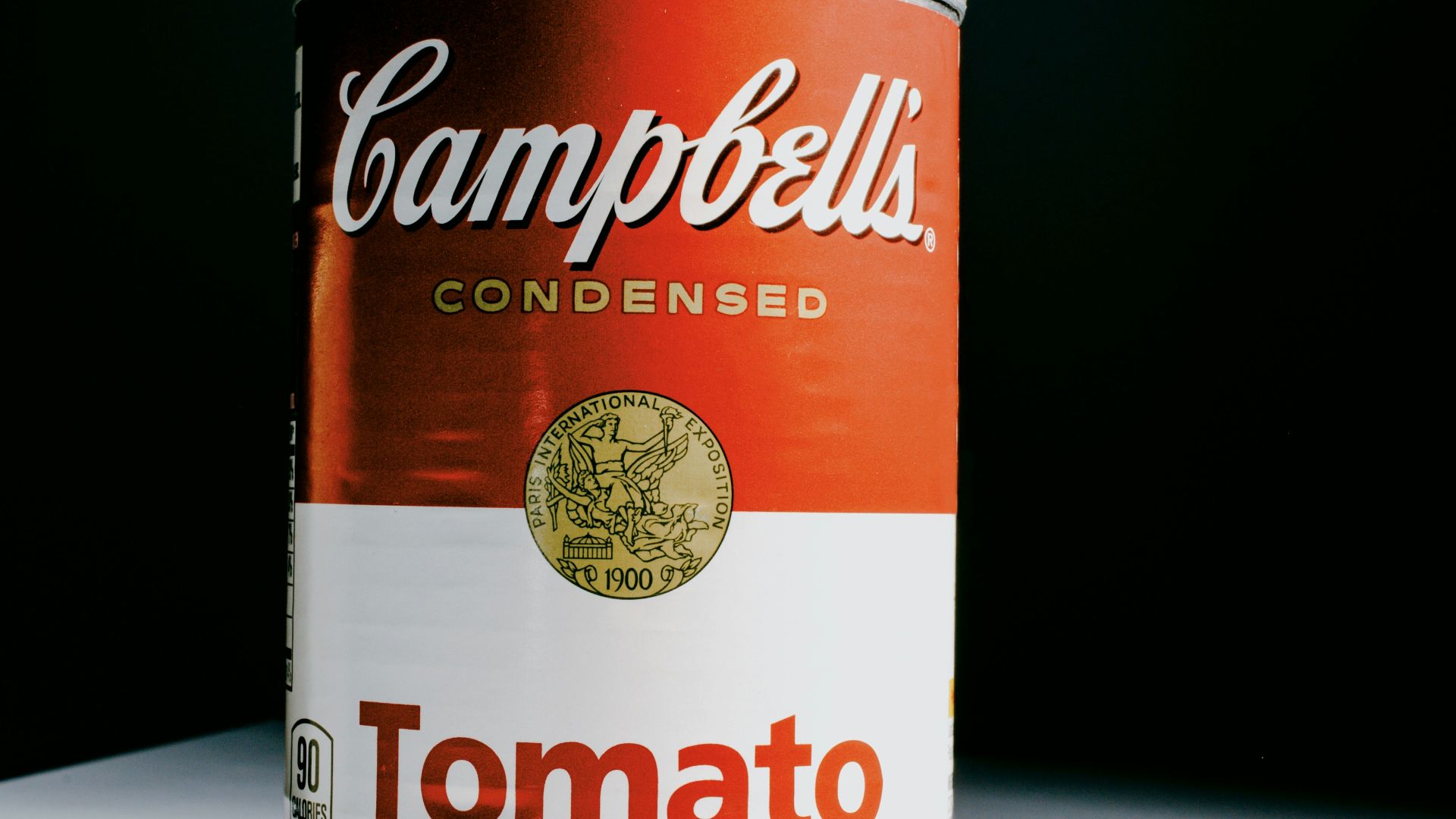
Joseph Campbell's company figured out how to remove the water from canned soup in eighteen ninety-seven, making the product much lighter to ship and far cheaper for consumers to buy. While a hot bowl of tomato or chicken noodle soup comforted plenty of sick kids, the cream of mushroom flavor took on a whole separate life of its own.
4. Spam
If Hormel Foods had introduced canned Spam in any other decade, the meat may never have become such an iconic U.S. food staple. Fortunately for millions of hungry Asians and Pacific Islanders, it debuted in 1937 and helped feed military troops during World War II. Today, Spam musubi and fried rice frequently pop up on menus across Hawaii and beyond.

5. Tang
Another brilliant creation from the laboratories of William A. Mitchell, this powdered, orange-flavored drink mix originally hit grocery store shelves in nineteen fifty-seven. The brand struggled to find its footing with consumers until NASA decided to send the powdered beverage into orbit with astronauts during the Gemini spaceflights. Suddenly, every kid in America wanted to drink the exact same sweet, vitamin-packed beverage.
 Karolina Kołodziejczak on Unsplash
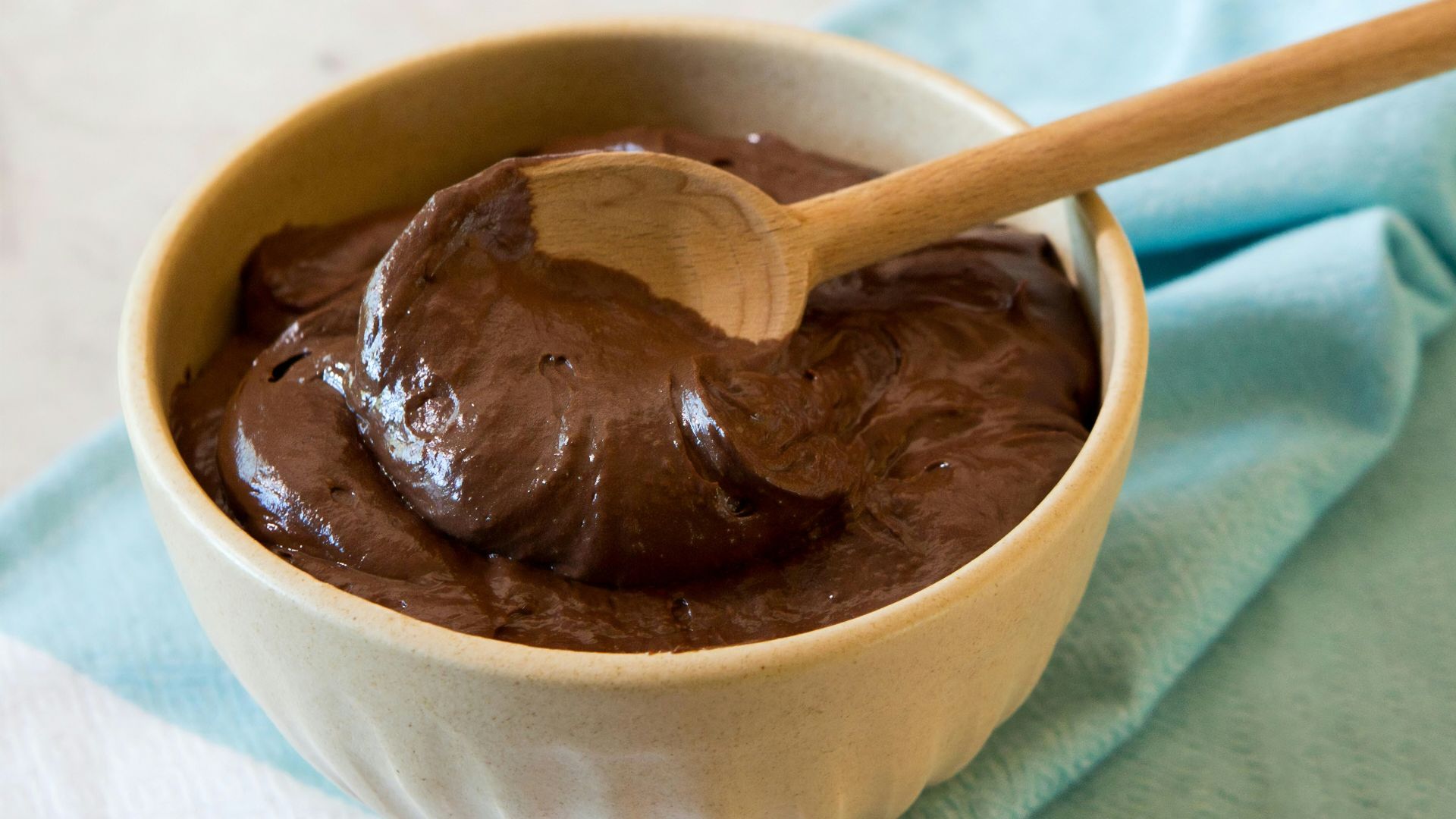
6. Jell-O Instant Pudding
After cooking and cooling traditional puddings on the stove, you’d have to refrigerate them for hours to avoid a film developing on top. But in the 1950s, cooks found a shortcut. All you had to do was mix a packet of powder into cold milk and watch it magically transform into a silky dessert in under five minutes.
 American Heritage Chocolate on Unsplash
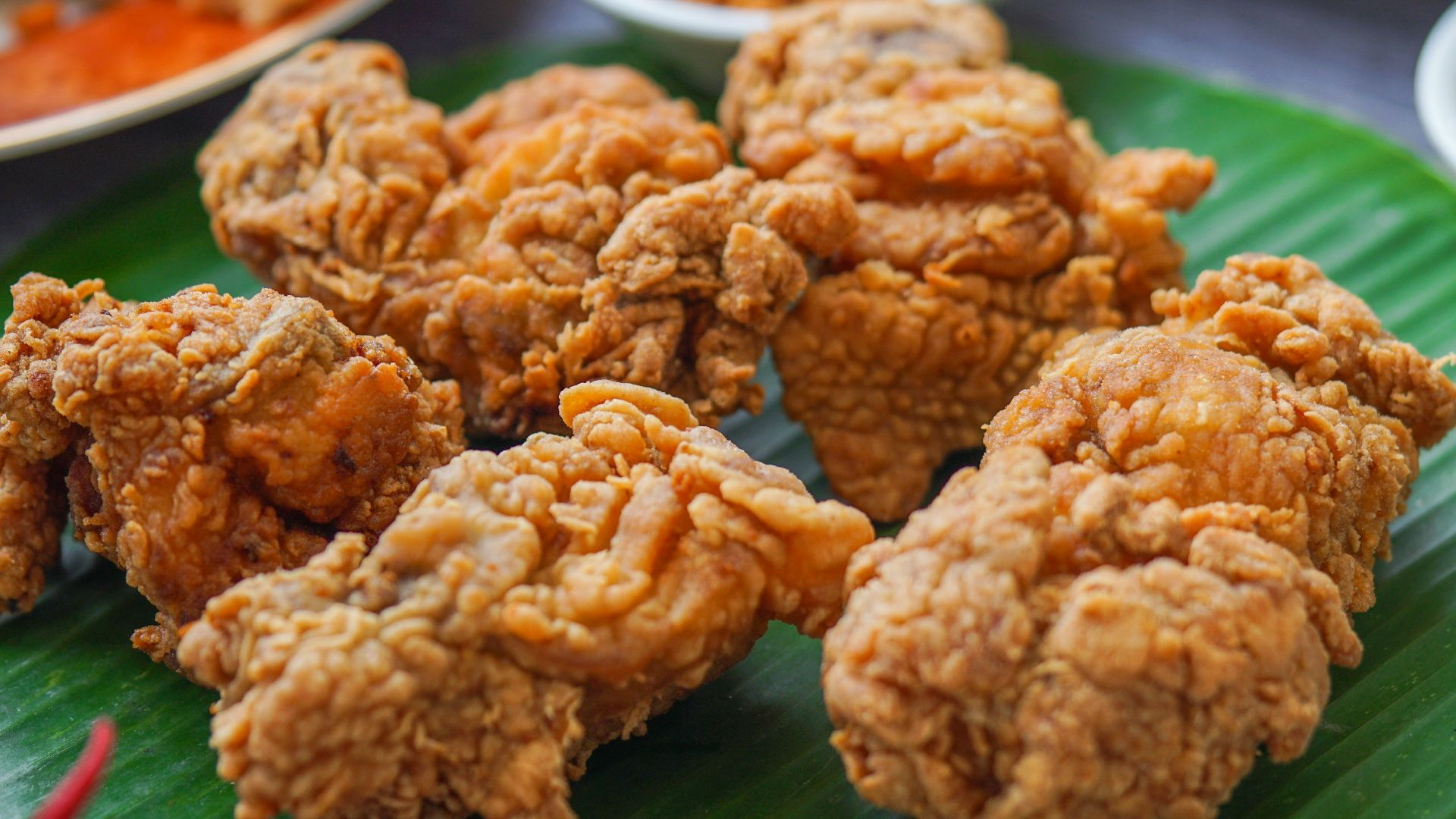
7. Shake 'n Bake
General Foods recognized that busy parents wanted the satisfying crunch of fried chicken without dealing with the messy cleanup of a deep fryer full of popping oil. Their solution was a seasoned breadcrumb mix packaged with a handy plastic bag that turned dinner preparation into an interactive family activity.
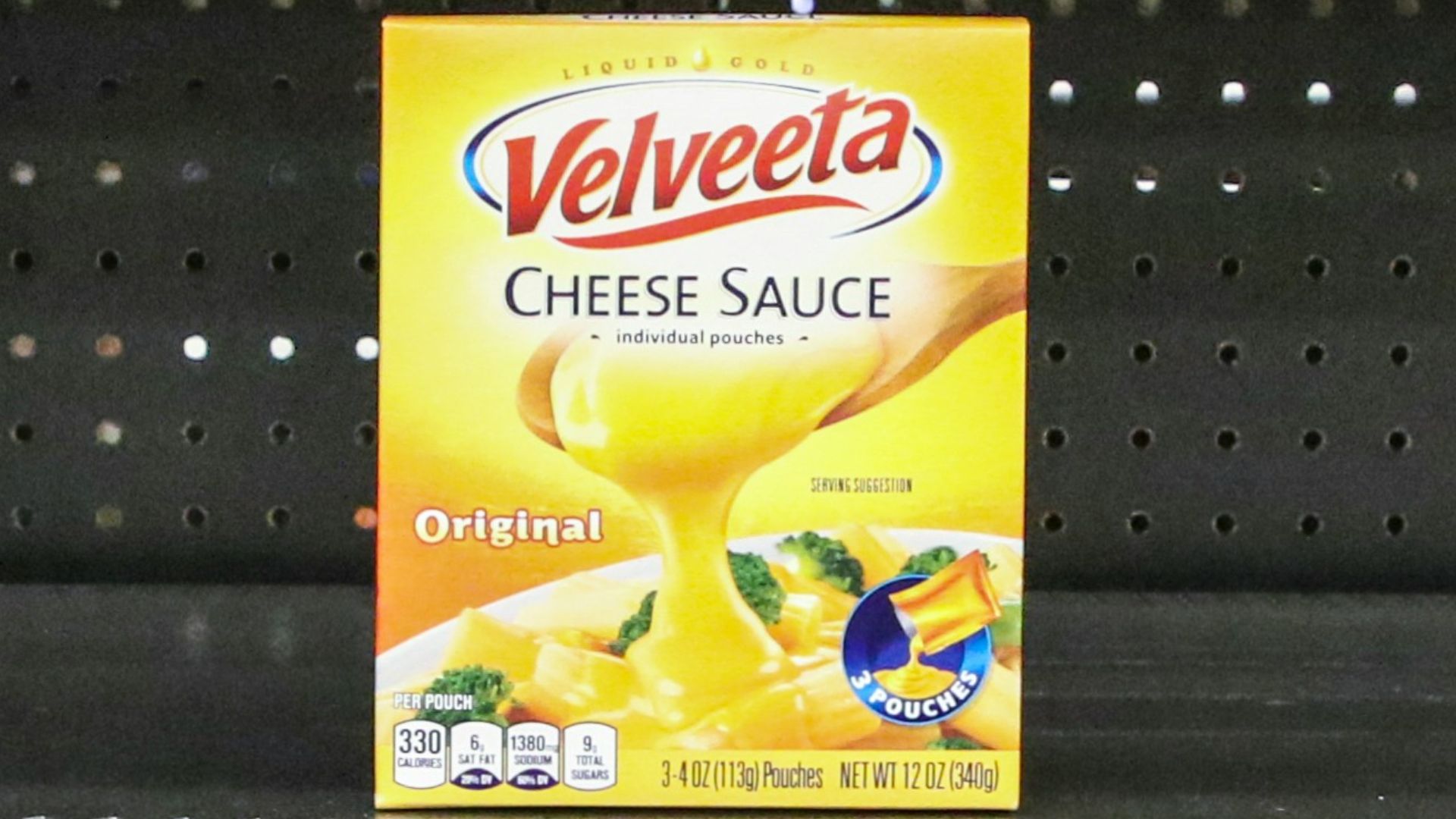
8. Velveeta
Developed in the early 1920s, Velveeta cheese was acquired by Kraft before finding a major marketplace in chili-cheese dips. When melted, the cheese product blends beautifully with beans and avoids splitting like shredded cheddar or Jack.
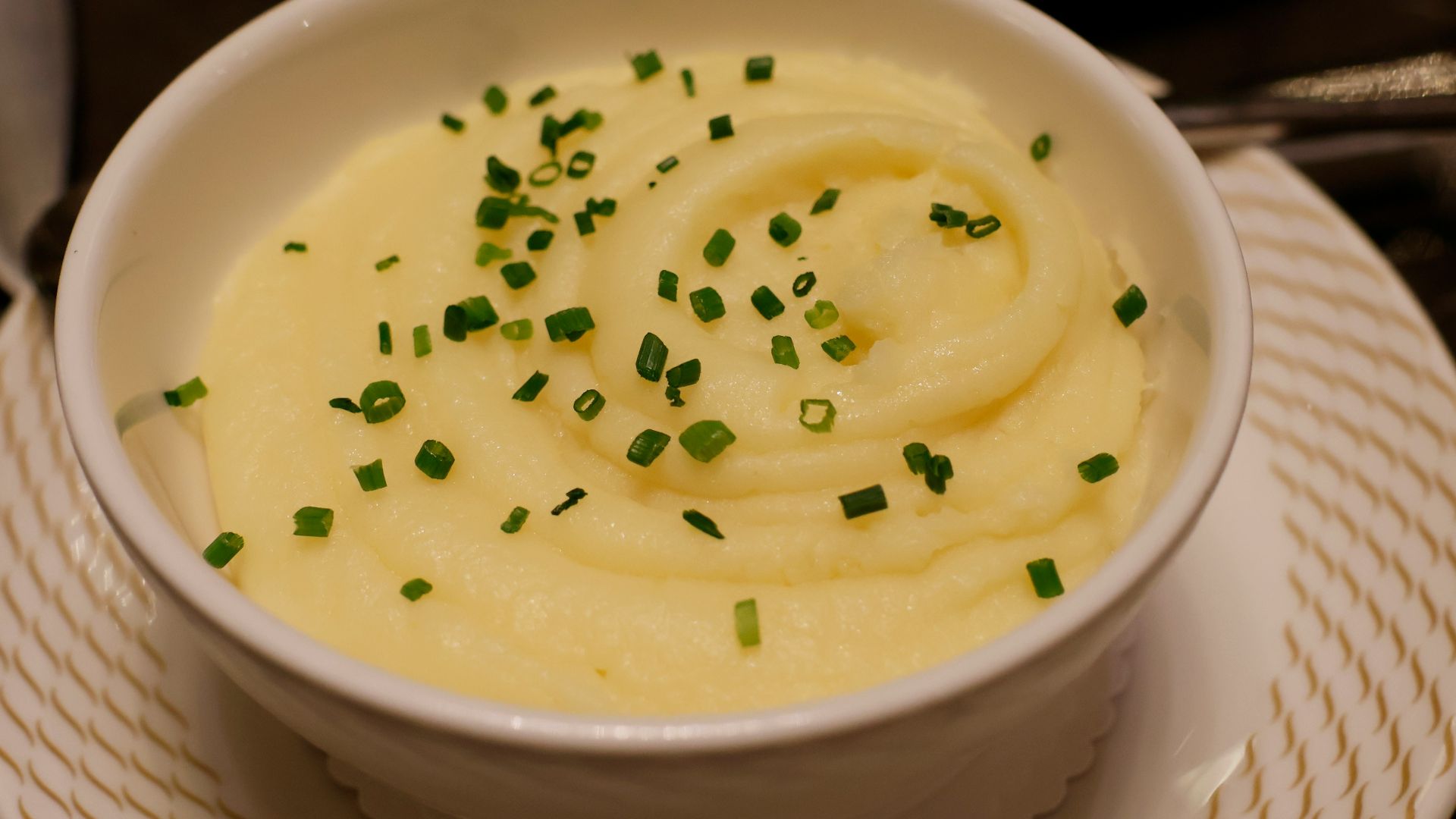
9. Instant Mashed Potatoes
Food scientists working for the United States Department of Agriculture perfected the process of dehydrating cooked potatoes into lightweight flakes during the mid-fifties. This invention saved home cooks from the tedious kitchen chores of peeling, boiling, and vigorously mashing heavy spuds after a long day at work.
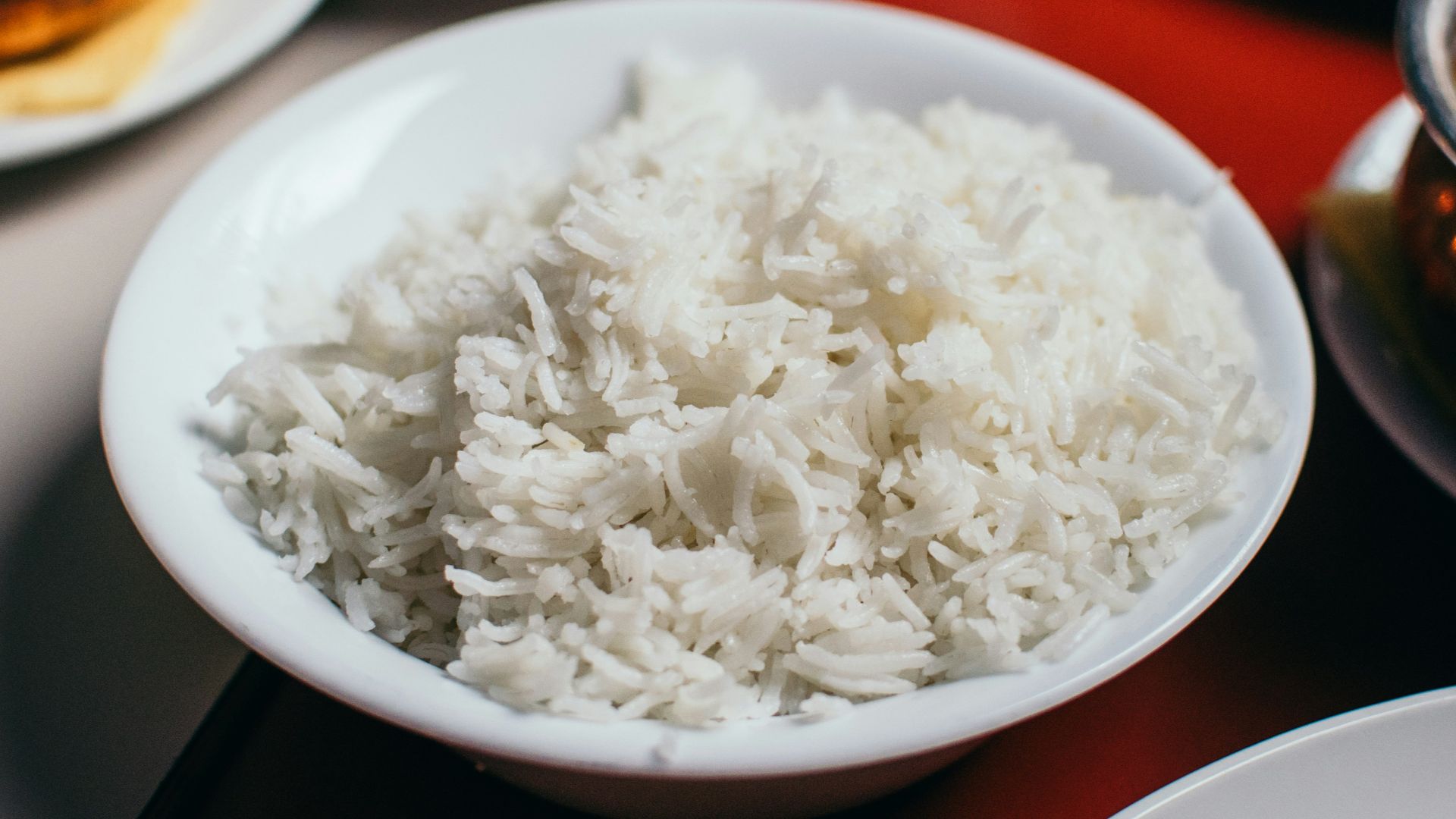
10. Minute Rice
General Foods launched this pre-cooked, dehydrated white rice product right after World War II to eliminate the tricky guesswork from cooking grains. Standard rice often left home cooks dealing with burnt pan bottoms or sticky, gummy textures, but this version puffed up perfectly every single time. It allowed families to enjoy a quick side dish without waiting thirty minutes for a pot to slowly simmer.
11. Crisco
The Procter & Gamble Company completely altered the baking industry in nineteen eleven by introducing the world to hydrogenated vegetable shortening. This white, odorless fat stayed solid at room temperature and lasted far longer in the pantry than traditional animal fats like lard or butter. It gave bakers a reliable way to achieve incredibly flaky pie crusts.
 Unknown authorUnknown author on Wikimedia
12. Hamburger Helper
Thanks to Betty Crocker, adults living on a limited budget finally had a way to make ground beef stretch farther during the meat-price boom of 1971. For just a few more dollars, families could purchase boxed dinners that paired pasta and sauces with a seasoned beef mixture.

13. Miracle Whip
Developed in nineteen thirty-three as a cheaper alternative to traditional mayonnaise, Kraft premiered this zesty spread at the Chicago World's Fair. By blending a secret mixture of spices and sugar into a specialized emulsifying machine, they created a product that stayed incredibly creamy. It brought a sweet, tangy kick to everyday school lunches, dividing sandwich lovers into passionate camps for decades.
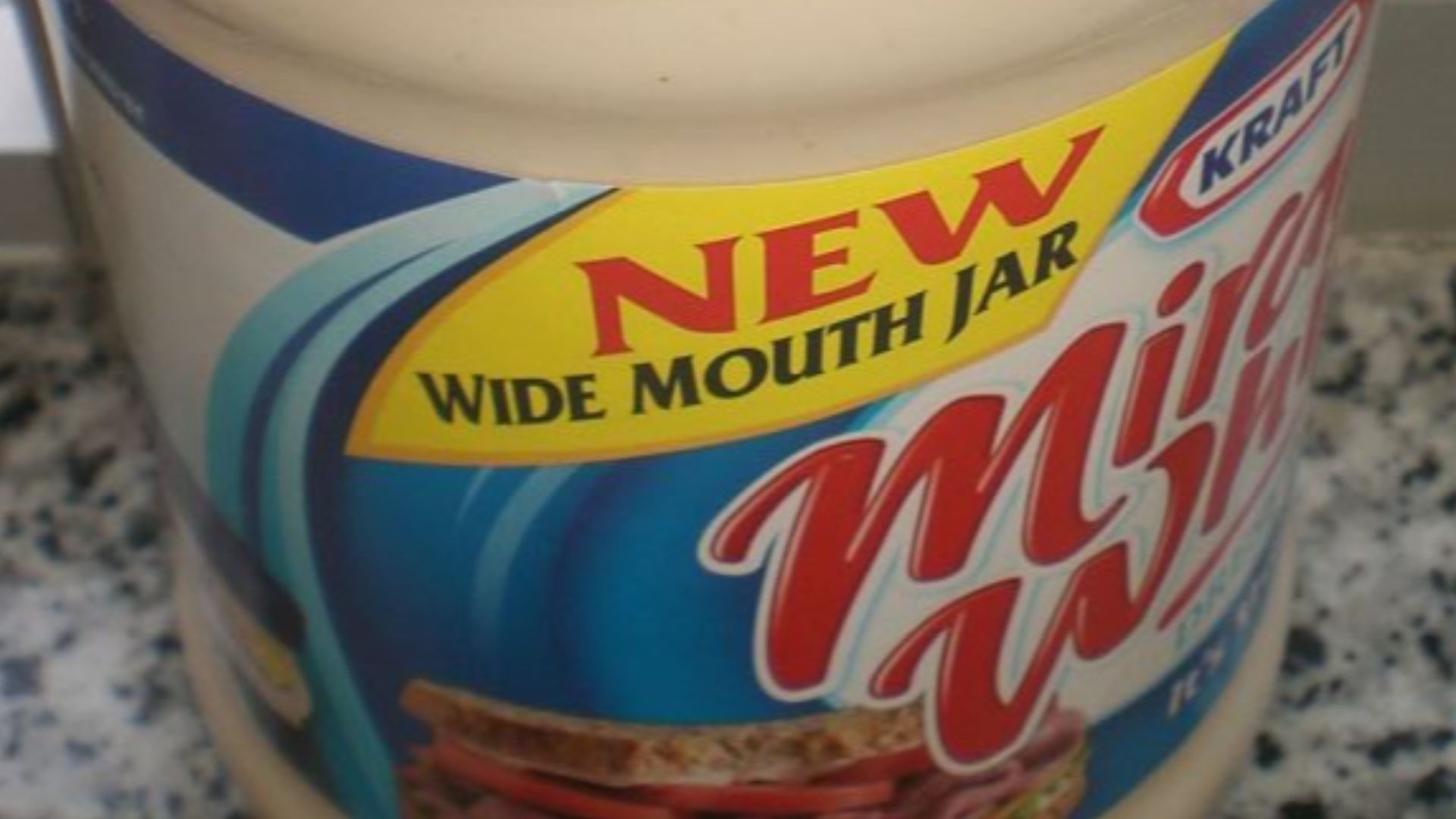
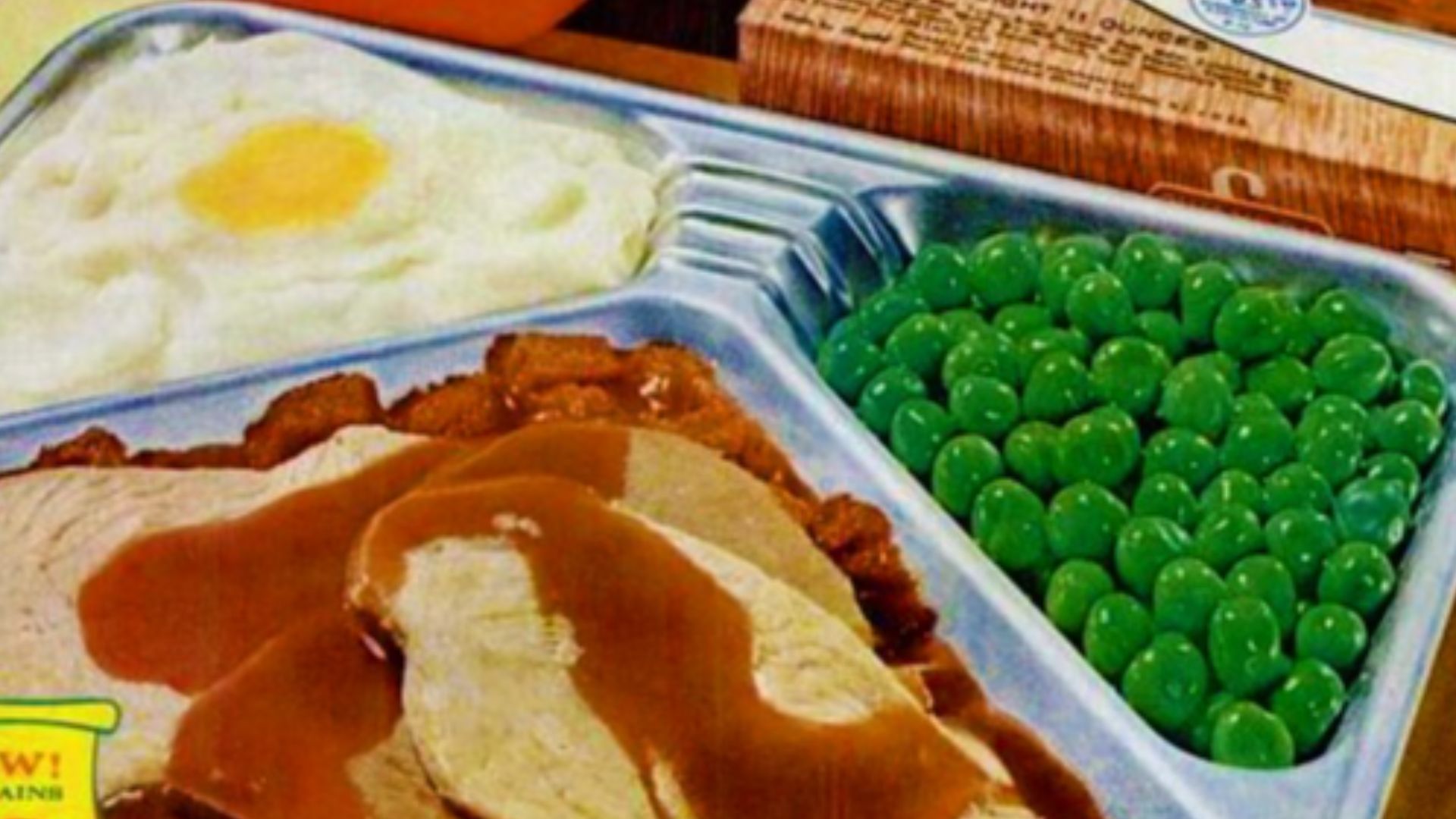
14. Swanson TV Dinners
Frozen dinners weren’t a thing until Swanson began selling Hungry-Man-sized turkey-and-peas combos in the 1950s. Instead of gathering around the table, everyone huddled around the television. The convenience of a complete frozen meal forever changed weeknight dinners for busy families.
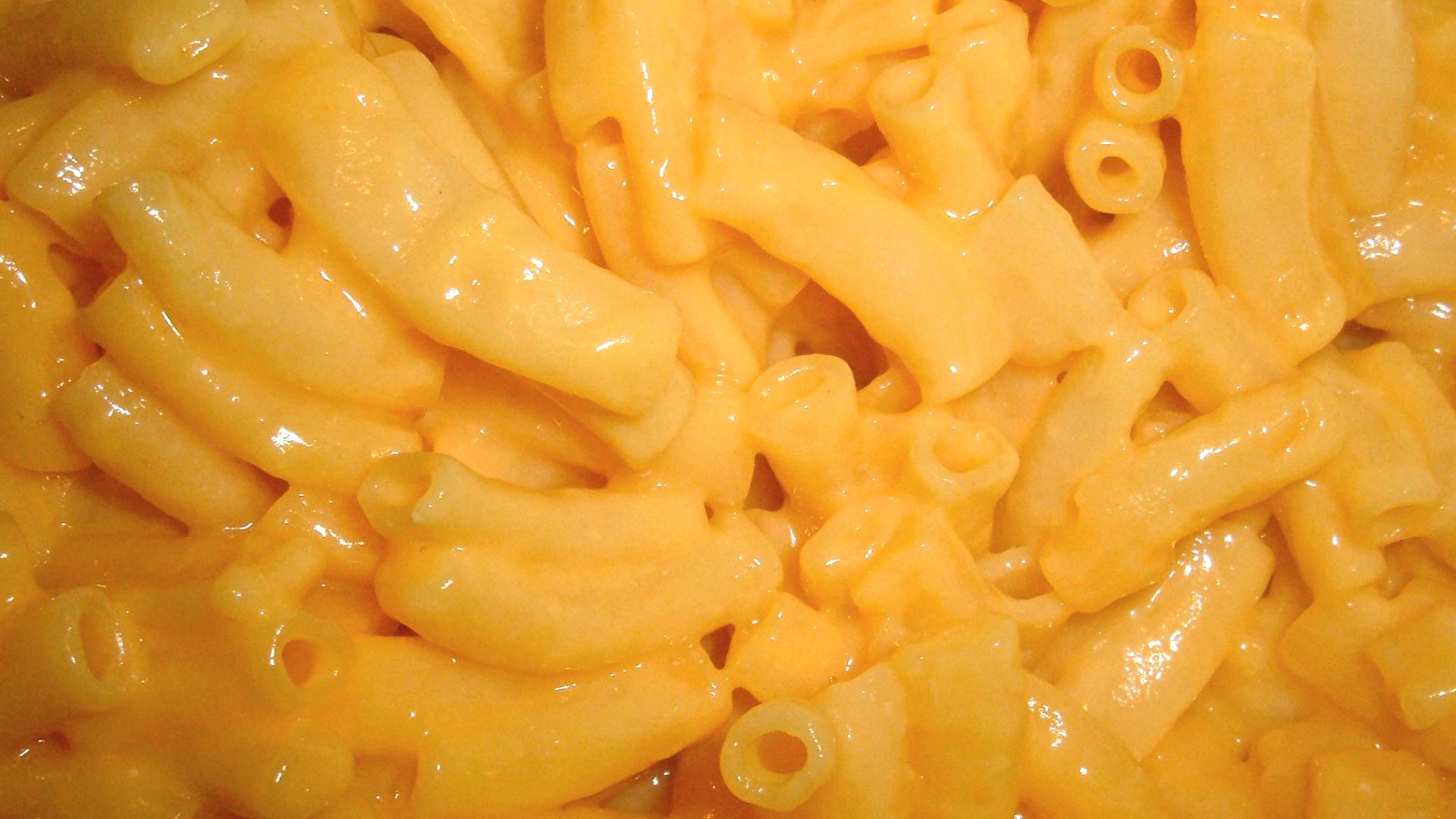
15. Kraft Macaroni & Cheese
Launching right in the middle of the Great Depression, this iconic blue box promised to feed a family of four for just nineteen cents. The clever addition of a pouch of dehydrated cheese powder meant you did not need access to fresh dairy to enjoy a comforting pasta dinner. It established an enduring childhood flavor profile that remains a rite of passage.
16. Ritz Crackers
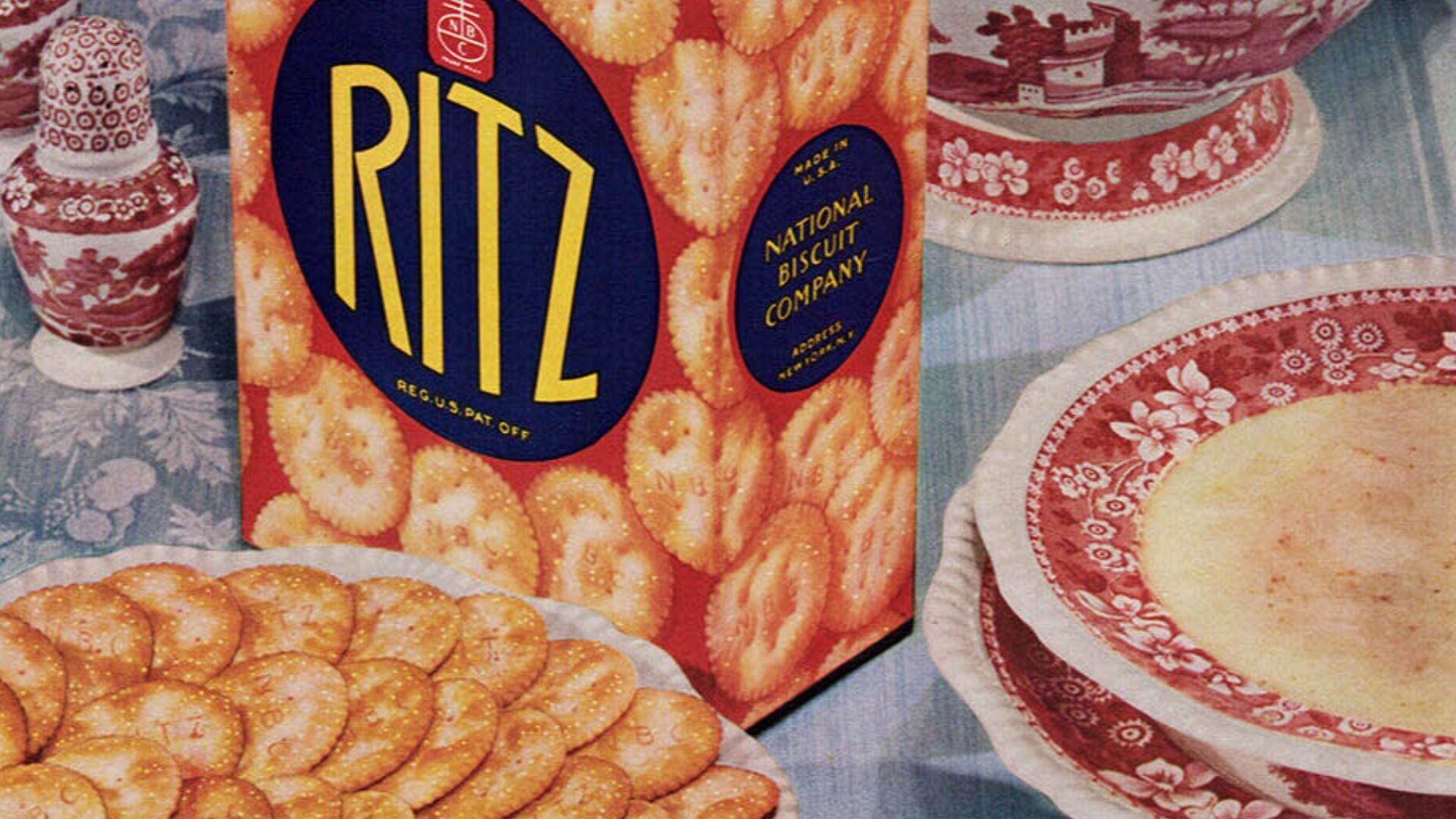
Nabisco introduced these buttery, circular crackers in nineteen thirty-four to give regular consumers a small taste of affordable luxury during tough financial times. The rich flavor and flaky texture made them an instant hit, quickly replacing traditional, bland saltines at social gatherings. Home cooks soon started crushing them up to create buttery toppings.

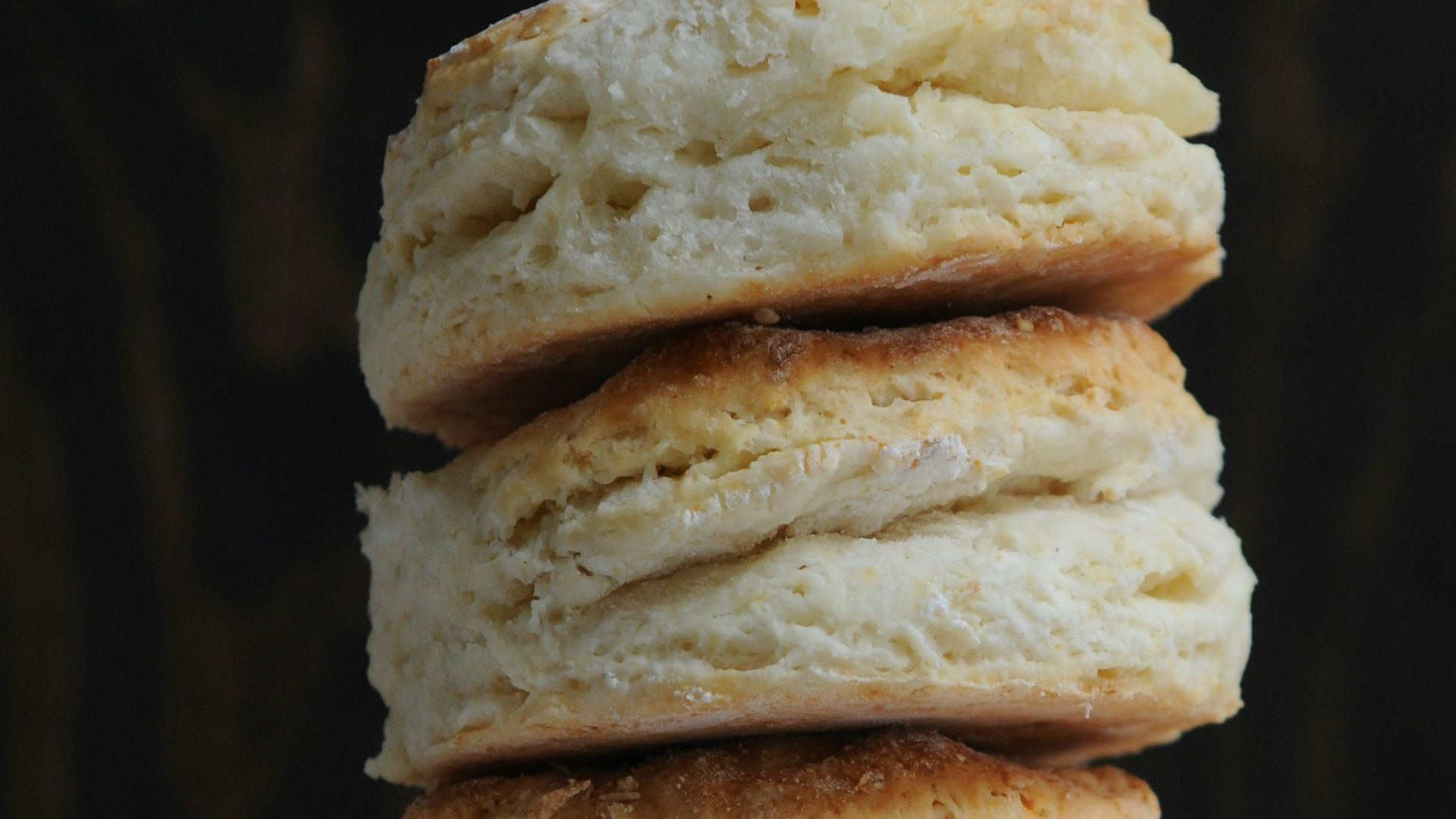
17. Pillsbury Pop-Open Biscuits
The magical experience of smacking a cardboard tube against the edge of the kitchen counter to watch the dough burst out started in the nineteen-thirties. Pillsbury perfected a way to package live yeast dough under pressure so it could survive the trip from the grocery store to your home refrigerator. It brought the enticing aroma of fresh-baked bread into kitchens.
18. Reynolds Wrap Aluminum Foil
Prior to Reynolds Wrap’s aluminum foil in 1947, homemakers had to use wax paper or wet towels to keep food from spoiling. But aluminum could go from the frozen oven to piping-hot meatloaf without changing form or texture.

19. Hidden Valley Ranch Dressing
Americans fell in love with ranch dressing when an ingenious restaurateur named Steve Henson began serving buttermilk, garlic, and herb mixes at his ranch in the 1950s. Today, it’s the nation’s number-one condiment for sprucing up salads, pizza, tacos, and more.
 Jarritos Mexican Soda on Unsplash
20. Birdseye Frozen Vegetables
Clarence Birdseye revolutionized the entire agricultural supply chain by developing a quick-freezing method that preserved the natural flavor and texture of fresh produce. Before his invention hit stores in nineteen thirty, frozen food was notoriously mushy and unappealing once thawed. His flash-freeze technique allowed families to enjoy nutritious green peas and sweet corn during the midst of winter without relying on heavy canning preservatives.
KEEP ON READING
You’re Storing Tomatoes Wrong in This Heat
You’re Storing Potatoes Wrong in This Heat
You’re Storing Peppers Wrong in This Heat

You’re Storing Carrots Wrong in This Heat