The bubble tea market has been growing rapidly—and that comes as no surprise. These cold, sweet beverages with chewy tapioca pearls make it a great drink to sip on. The statistics don't lie, either: in 2024, there were roughly 6,700 bubble tea shops across the United States, a 19.4% increase from 2023, and a number that's expected to double by 2038.
While you should probably limit your boba consumption due to the high sugar amount (on average, a 16-ounce cup contains 400 calories and 38 grams of sugar), there's another reason you might want to steer clear: there could be lead in it. But how? And what does this mean for you?
What Is Bubble Tea Made Of?
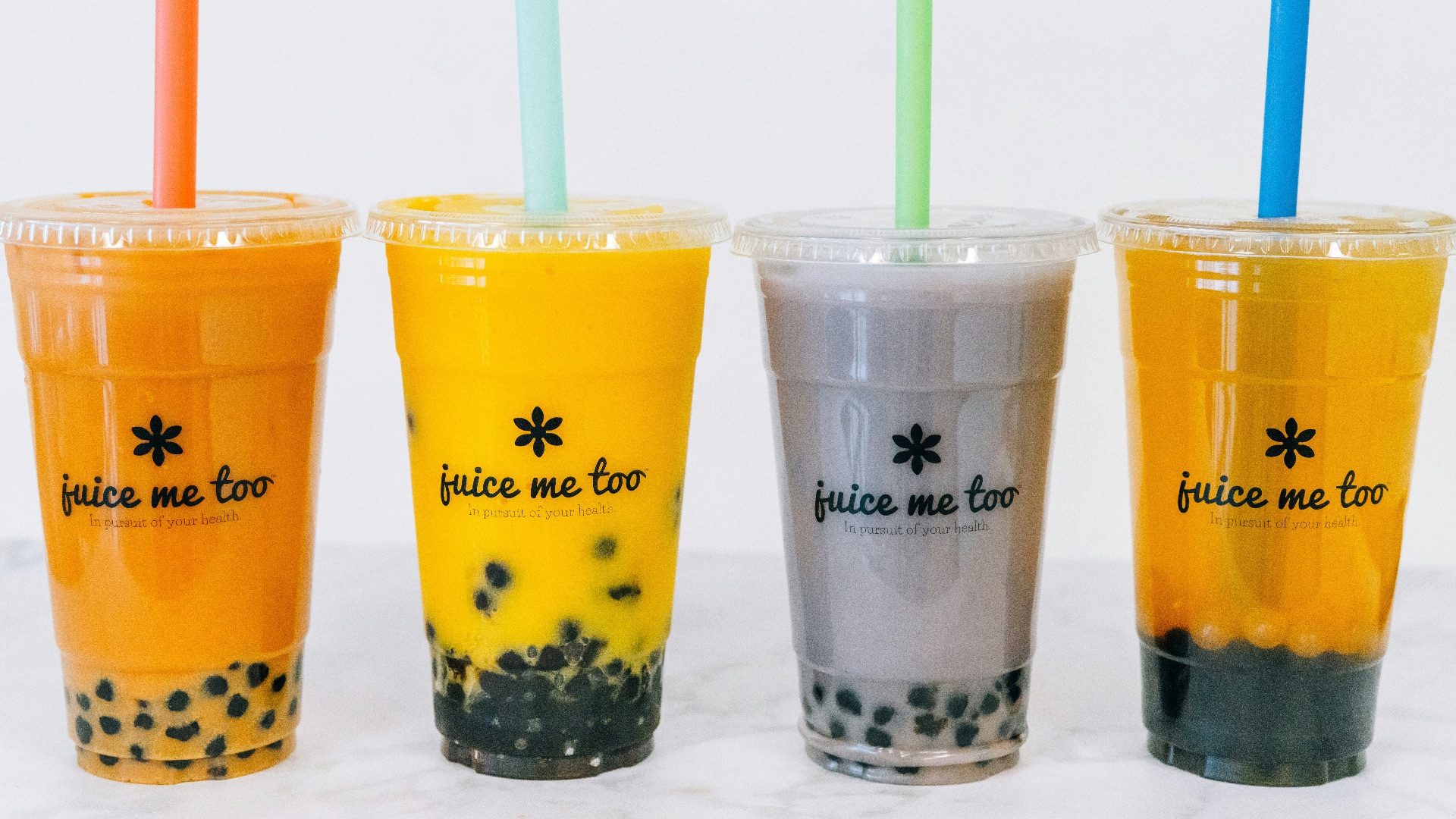
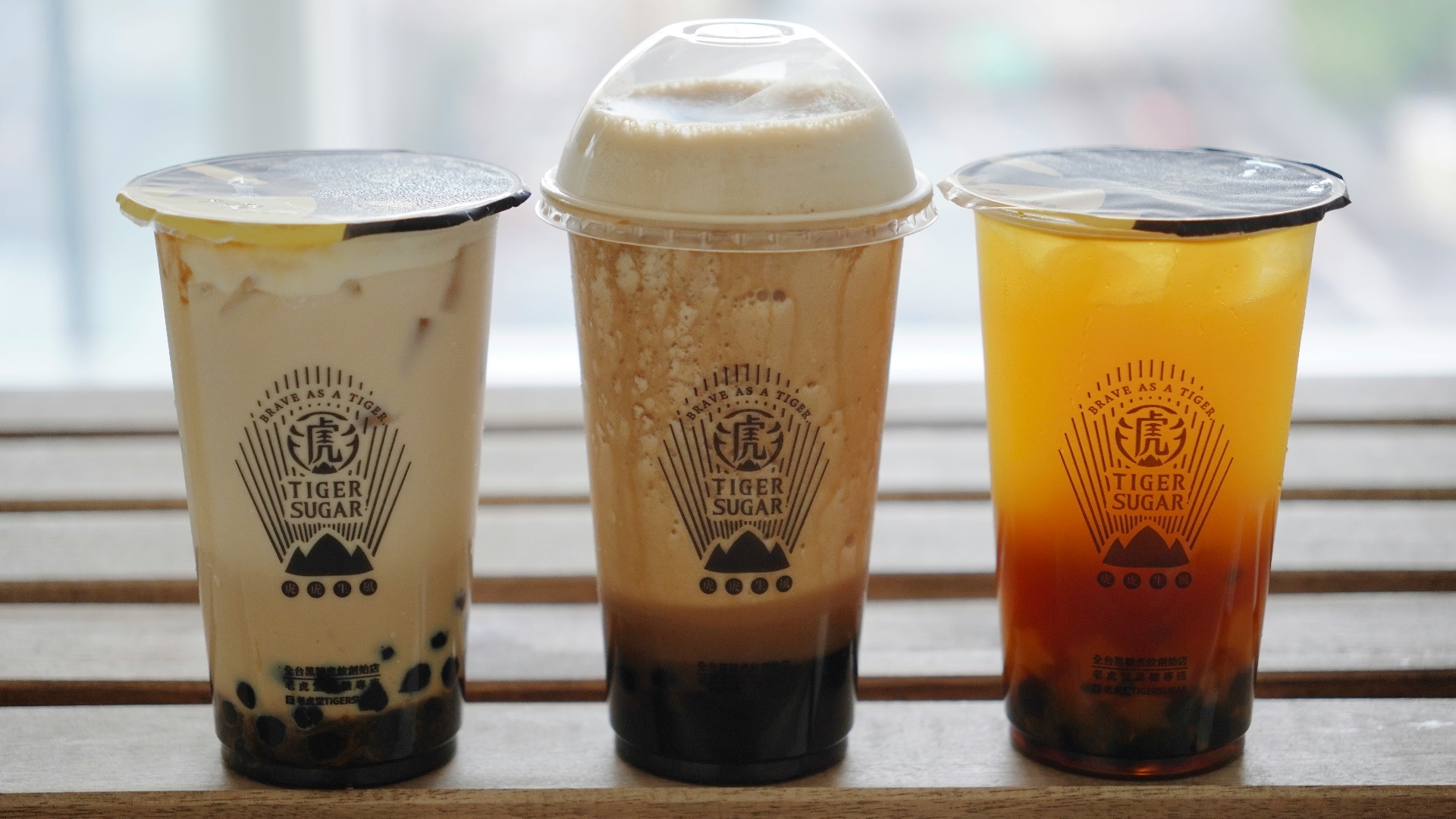
For those unfamiliar, bubble tea, or boba, is a Taiwanese drink that was invented in the 1980s on a whim by mixing different teas, juices, and toppings together. Nowadays, it's often made by combining brewed tea, fresh milk or creamer, syrup, and chewy tapioca pearls made from cassava starch. If you're not up for tea, there are options with juice bases as well.
In a typical bubble tea shop, however, you can often pick and choose what your drink consists of. You can adjust the sugar and ice levels, and swap chewy boba pearls for other toppings, such as pudding, mochi, Herb jelly, and red bean. The ability to customize your beverage is what makes it more enjoyable.
Why Would There Be Lead in It?
Tapioca pearls are made from cassava starch, a root vegetable that's also known as yuca. The concern that these boba pearls may have high amounts of lead in them came from tests by Consumer Reports (CR), which found that products that contained cassava may have dangerous levels of the metal. In short, their testing found that a single serving of many of these products exceeded the safe level of lead that experts have determined to be acceptable for daily intake. Worse yet, lead was even found in foods that were intended for infants.
Because of these findings, CR decided to test the tapioca pearls that are frequently found in what has become one of the most popular drinks in the US. They took samples from two large bubble tea chains, Gong Cha and Kung Fu Tea, as well as packaged kits from Trader Joe's and WuFuYuan. They found that "none of the boba samples had levels of arsenic, cadmium, or mercury that would pose a health risk in one serving." The levels for lead weren't high enough to be concerning, either.
However, while the pearls didn't yield high levels, something else did: the liquid of the drink itself. When CR reached out to the four companies, only Trader Joe's and WuFuYuan responded; the former discontinued the product, and the latter claimed they would improve their quality control measures based on the findings.
What This All Means for You
If you're thinking of avoiding bubble tea just because of the presence of lead, however, you might want to adjust that plan. In fact, it isn't just bubble tea that can contain dangerous metals; you can find lead in drinking water, in your home, and in other foods as well, as evidenced by CR's testing. Still, it's important to remember that exposure to any amount of lead is safe; over time, small amounts can add up and harm your health.
As for why lead would be found in these products and around your home is because it's a metal that's naturally found in the Earth's crust. Vegetables and fruits grown in soil can be exposed to and absorb heavy metals, too. Cassava, carrots, sweet potatoes, and other root vegetables are all known to pick up lead.
While you can't completely avoid lead, it's best to control how often you're exposed to it by consuming lead-containing products in moderation. This is especially important for young children and those who are pregnant, as lead can have severe adverse effects on the brain and nervous system. For starters, that may mean limiting how much bubble tea you drink.
KEEP ON READING

The Most Popular Signature Dishes Around the World