Every State Has Its Own Signature Dish—But Only One Has An Official Meal
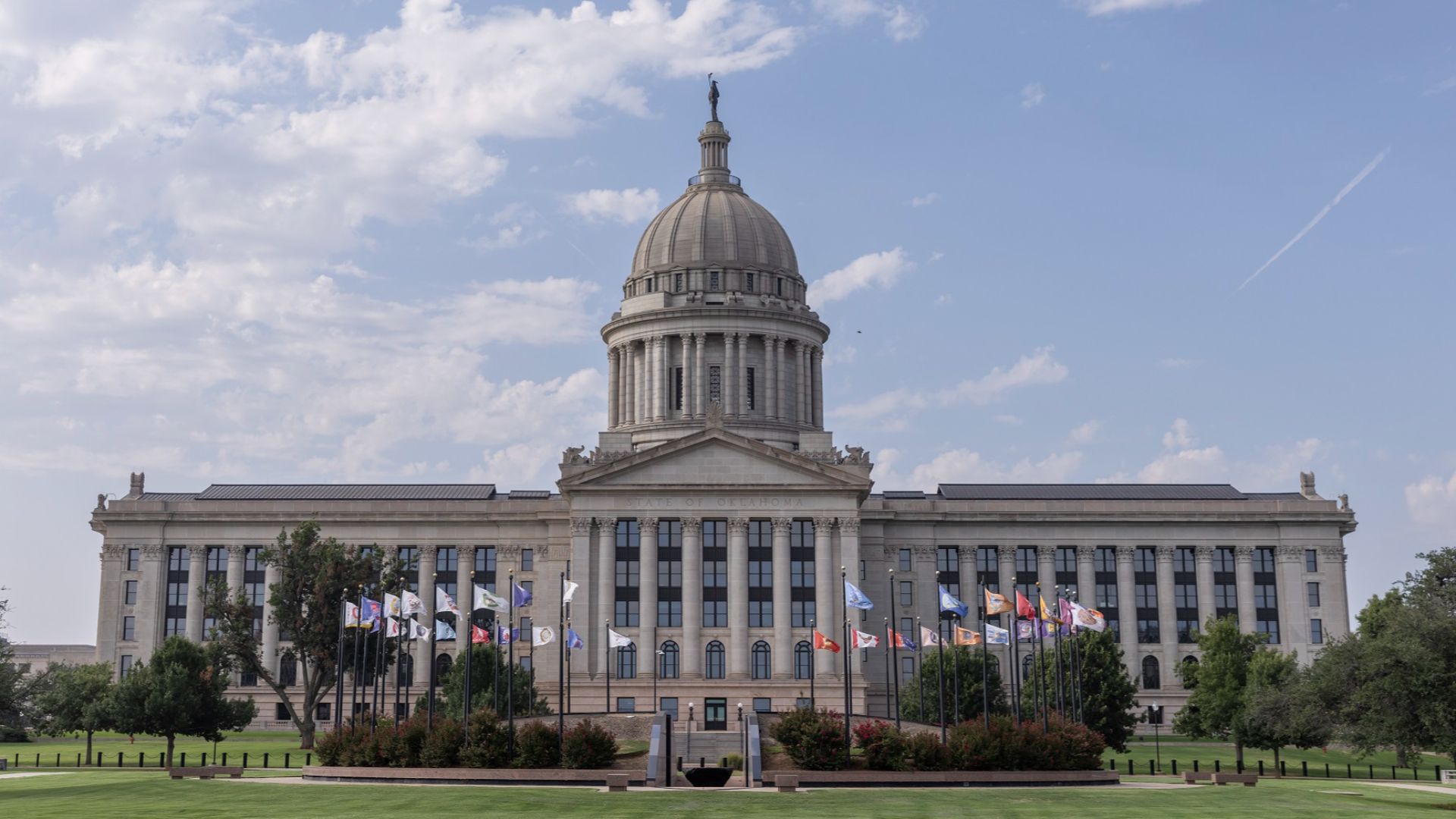 Oklahoma Legislative Services Bureau on Wikimedia
Every state in America has that one food locals defend with absolute devotion. New Yorkers have their bagels and pizza, while Maine proudly claims blueberry pie. These dishes become unofficial ambassadors. But while every state has a signature dish, only one chose to elevate its culinary pride into something far more ambitious: a fully legislated, official state meal. And that unexpected honor belongs to Oklahoma.
What makes Oklahoma’s choice so compelling is the way the meal captures the state’s character. To understand why the decision stands alone in the country, let's start with how it all began.
The Moment Oklahoma Put A Full Meal Into Law
In 1988, the 41st Oklahoma Legislature passed House Concurrent Resolution 1083, establishing what would become one of the most unusual state symbols in the U.S. While other states settled for picking a fruit, dessert, drink, or snack, Oklahoma assembled a 12-dish spread and declared it an official emblem. That legislative move instantly set the state apart. No other state has attempted anything as expansive again.
The meal was crafted with input from groups that represent the heart of Oklahoma’s economy and food culture—the Department of Agriculture, the Restaurant Association, the Pork Council, the Beef Commission, the Wheat Commission, and local food-processing companies. Each organization brought knowledge and expertise to ensure that the meal was representative of the state.
A Feast That Tells Oklahoma’s Story
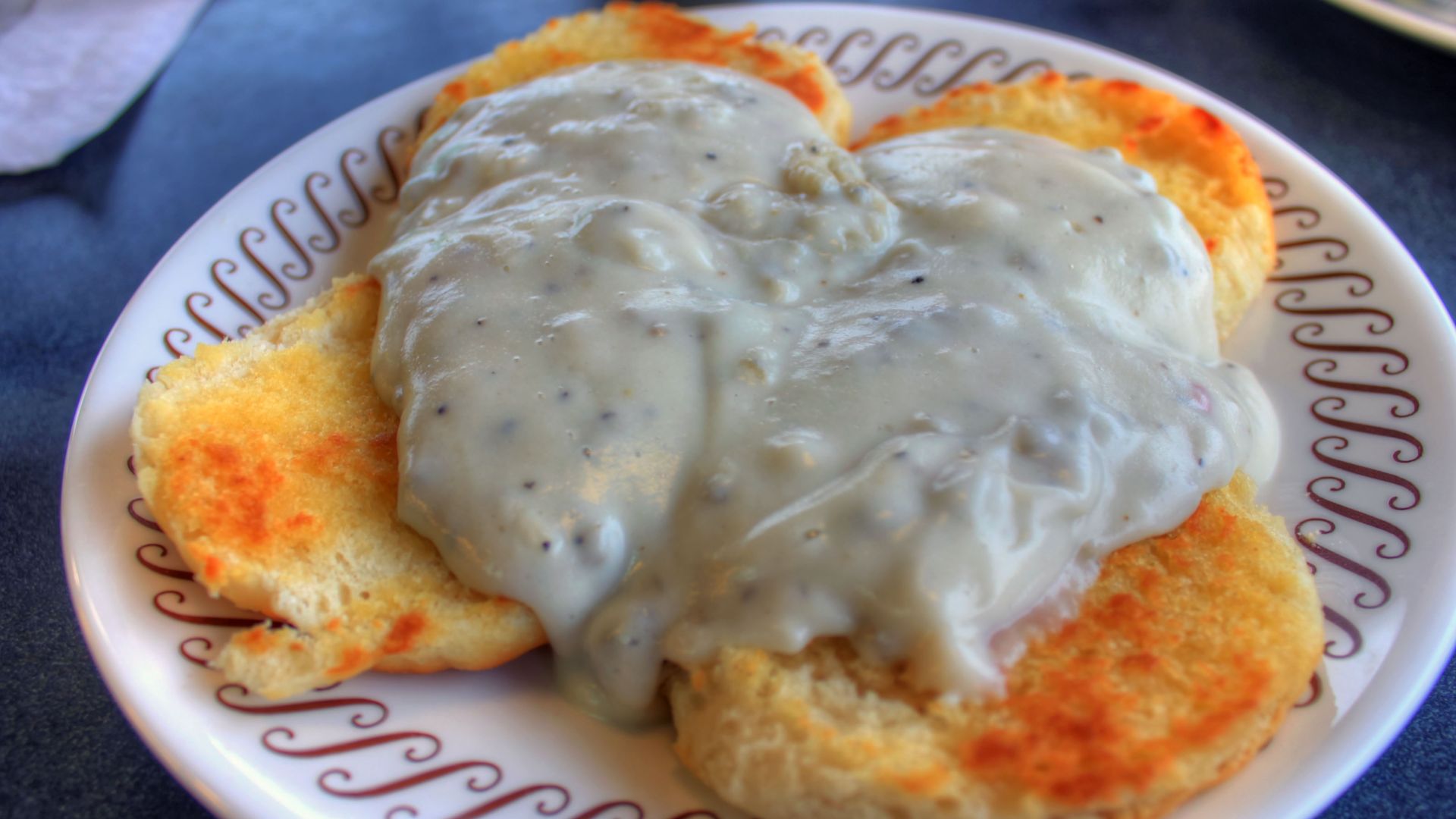
Look closely at the meal, and it reads like a cultural map. The breads—cornbread and biscuits with gravy—reflect the practicality and warmth of rural kitchens. The meats—barbecued pork, chicken-fried steak, and sausage with biscuits and gravy—speak to the state’s deep ranching history. And the sides—black-eyed peas, corn, fried okra, grits, and squash—tie back to Indigenous foodways, Southern tradition, and Depression-era resilience.
Then there’s the sweetness: pecan pie and fresh strawberries, both rooted in the crops that have shaped Oklahoma’s agricultural identity. Together, the 12 dishes bring together the essence of the state and how people live their lives in the area.
Even more interesting is how the meal mirrors Oklahoma’s history of syncing influences. Native American ingredients, African American cooking traditions, frontier-era staples, and Southern comfort food all appear on the same menu. Very few state symbols manage to communicate such a layered identity in such a tangible way.
The Debate That Remains
Since 1988, the meal has occasionally sparked debate—mostly from nutrition advocates who pointed out its caloric weight and from Oklahomans who argued that defining any set menu risks oversimplifying regional differences. But the designation has remained unchanged. It has neither expanded nor been repealed, which suggests that its function is symbolic rather than prescriptive. It does not claim to represent how Oklahomans eat daily; it represents what historically mattered.
It also provides a contrast to the broader U.S., where states rely on unofficial associations to define their food identities. Oklahoma bypassed all those arguments by documenting its food identity in a single legislative act.
KEEP ON READING

The 5 Most Consumed Foods in the Entire World