
Many people assume great cooking comes naturally, but even experienced home cooks make mistakes in the kitchen. Burned vegetables, dry meat, bland sauces, and overcooked pasta happen more often than most people would like to admit. The good news is that many common cooking problems can be prevented or corrected with a few simple adjustments.
Learning how to identify and fix mistakes is often what separates an average cook from a confident one. Rather than seeing errors as failures, it helps to view them as opportunities to improve your technique. With a better understanding of what went wrong, you'll be much more likely to achieve consistent and delicious results.
Understanding Where Things Go Wrong
One of the most common mistakes is cooking at the wrong temperature. Heat that's too high can burn the outside of food while leaving the inside undercooked, while heat that's too low may prevent proper browning and flavor development. Taking a moment to understand how your stove or oven behaves can dramatically improve your results. Small temperature adjustments often make a bigger difference than people expect.
Another frequent issue involves overcrowding pans during cooking. When too much food is packed into a skillet, moisture becomes trapped and ingredients begin steaming instead of browning. This is especially noticeable when cooking vegetables or searing meat. Giving food enough space allows better caramelization and creates richer flavors.
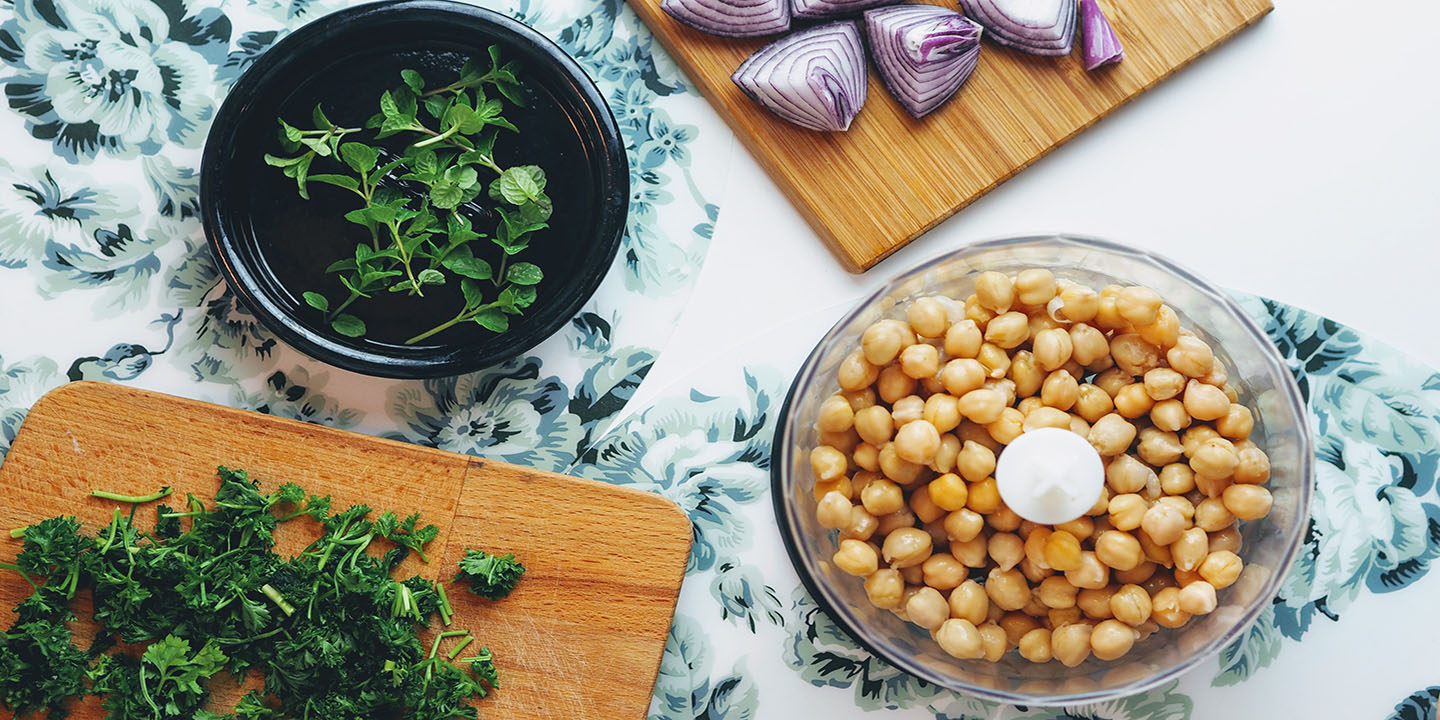
Poor preparation can also create unnecessary challenges later in the cooking process. Failing to measure ingredients, chop vegetables in advance, or read a recipe completely can lead to rushed decisions and avoidable errors. Professional cooks often emphasize preparation because it reduces stress and improves consistency. Spending a few extra minutes organizing your workspace can save considerable frustration later.
Fixing Flavor Problems Before They Ruin A Meal
Bland food is one of the easiest cooking mistakes to correct. In many cases, the problem isn't the recipe itself but a lack of seasoning throughout the cooking process. Salt enhances flavor when used appropriately, and small additions at different stages often work better than adding a large amount at the end. Taste-testing as you cook can help identify issues before the meal reaches the table.
If a dish tastes overly salty, there are several ways to restore balance. Adding more of the primary ingredients can dilute excess salt, while ingredients containing starch may help absorb some of the intensity. Acidic components such as lemon juice or vinegar can also help shift the flavor profile and reduce the perception of saltiness. The best solution often depends on the type of dish you're preparing.
Sometimes a meal simply lacks depth or complexity. A small amount of acid, fresh herbs, garlic, spices, or aromatic vegetables can transform a flat-tasting dish into something far more interesting. Layering flavors gradually tends to create better results than relying on a single ingredient. Understanding this principle can dramatically improve your cooking confidence.
Small Changes That Deliver Big Results
Dry meat is a common complaint among home cooks, but it's often preventable. Overcooking is usually the main cause, which is why many professionals recommend using a meat thermometer. Accurate temperature readings remove much of the guesswork and help preserve moisture. Resting meat after cooking also allows juices to redistribute more evenly.
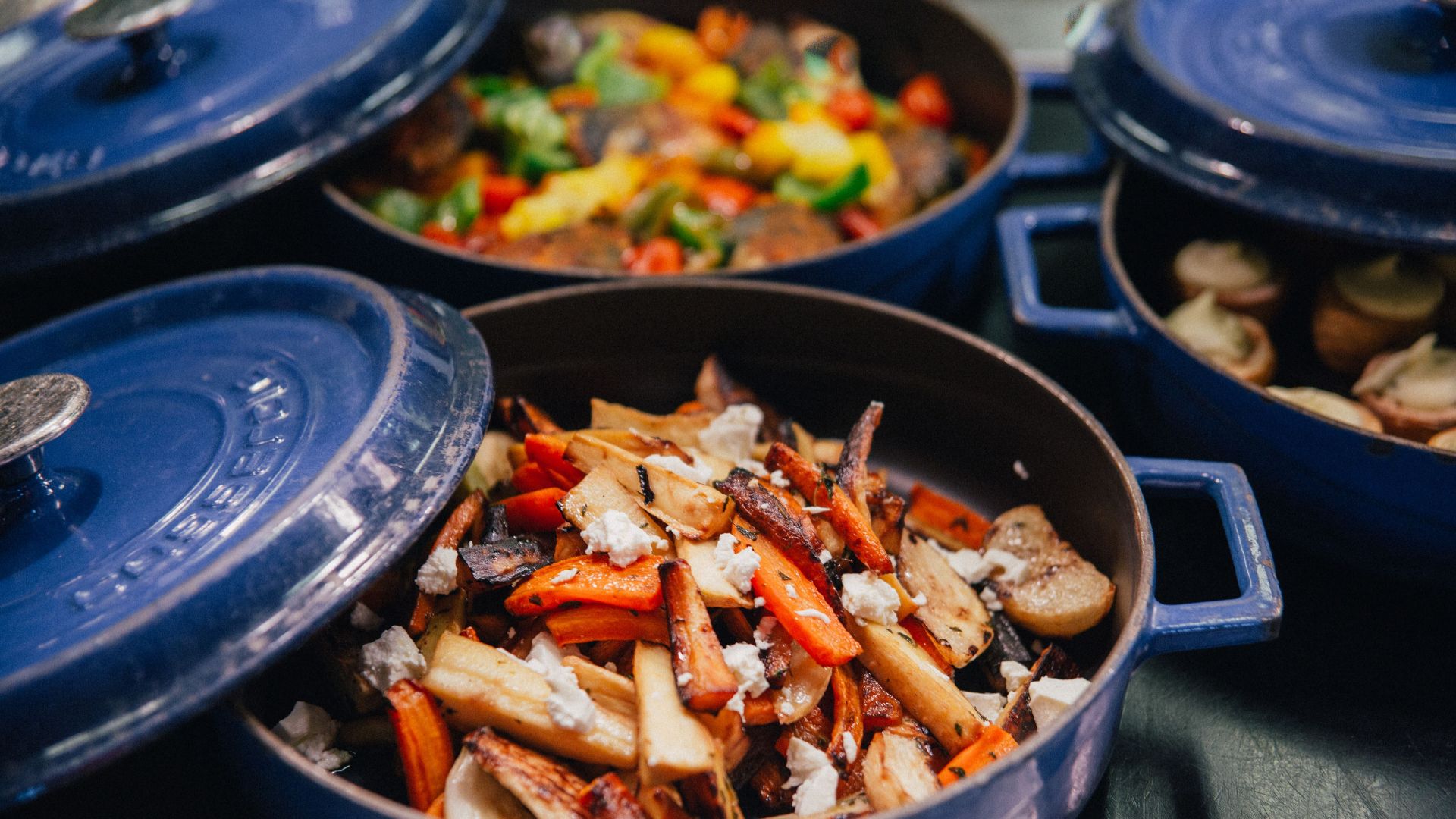
Overcooked vegetables can lose texture, color, and flavor surprisingly quickly. Paying close attention to cooking times and testing for doneness regularly can prevent this issue. Many vegetables benefit from retaining a slight firmness rather than being cooked until completely soft. This approach often improves both appearance and taste.
Even simple dishes become more successful when attention is paid to small details. Stirring sauces regularly, preheating cookware properly, and using sharp knives can all contribute to better outcomes. These habits may seem minor on their own, but together they create a noticeable improvement in overall cooking performance. Consistency often comes from mastering fundamentals rather than relying on complicated techniques.
Every accomplished cook has experienced disappointing meals at some point. What matters most is learning from those mistakes and understanding how to prevent them in the future. By paying closer attention to preparation, seasoning, temperature control, and technique, you'll gradually turn kitchen mishaps into valuable lessons. Over time, those small improvements can help transform everyday cooking into something that feels much closer to a restaurant-quality experience.
KEEP ON READING

The Most Popular Signature Dishes Around the World