Why Iron Deserves a Spot on Your Plate
Whether you're dealing with an iron deficiency or are simply looking for ways to be healthier all around, changing your diet is a good step to take. Iron is what helps your body move oxygen around efficiently, which is a big deal for steady energy and everyday stamina. If you’re not getting enough, you might feel run-down, have trouble focusing, or struggle more during workouts. So if you're looking to up your iron intake, here are 20 foods to help you do so.

1. Beef Liver
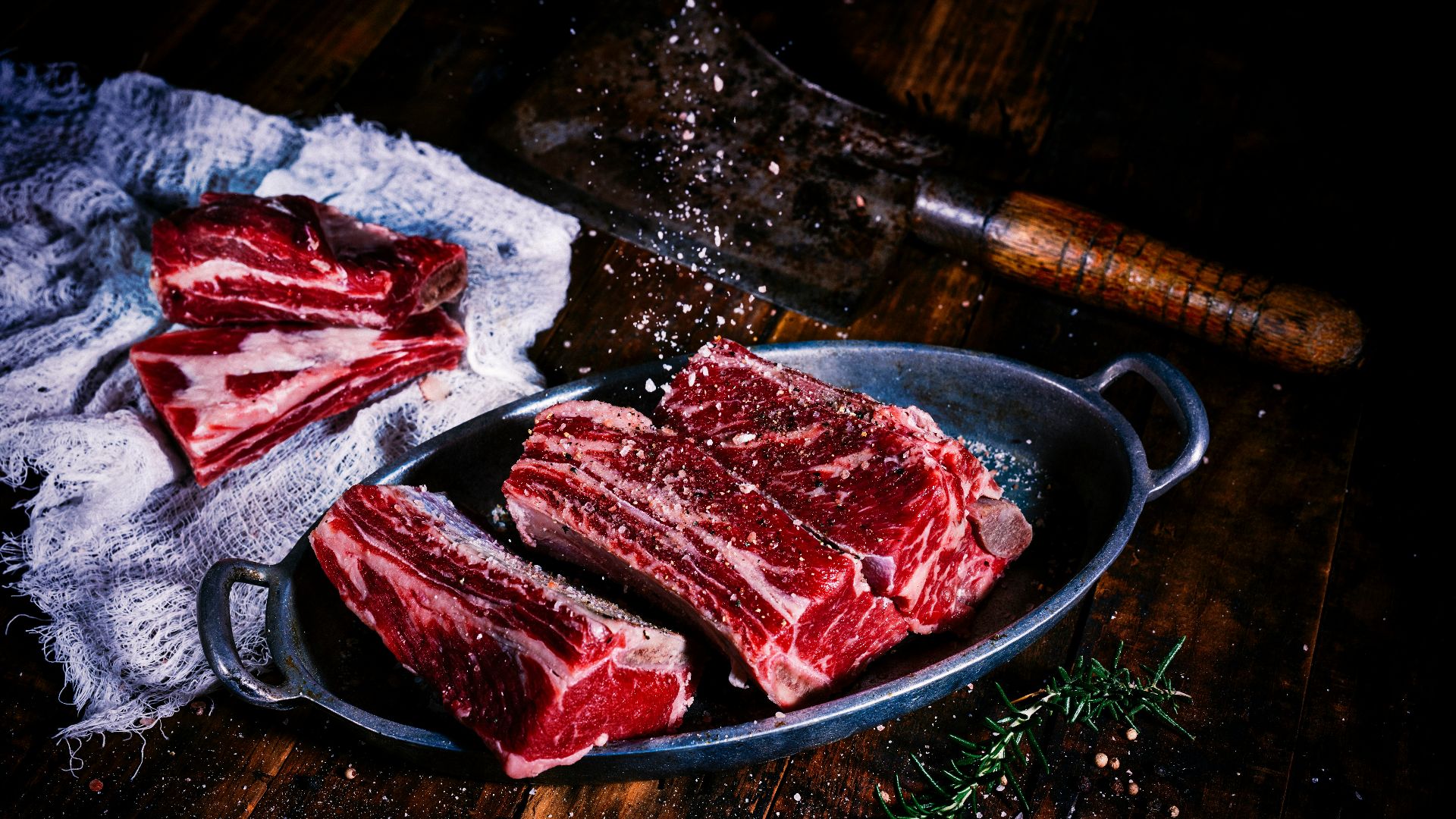
As one of the best sources of iron you can get, a little bit of beef liver can go a long way. You might be turned off by this food, but it comes with plenty of health benefits such as vitamin A and several B vitamins that support overall nutrient balance. If it still sounds intense to eat, try slicing it thin and pairing it with onions, which can make it more approachable. Just remember to keep portions modest since it’s a concentrated food.
2. Oysters
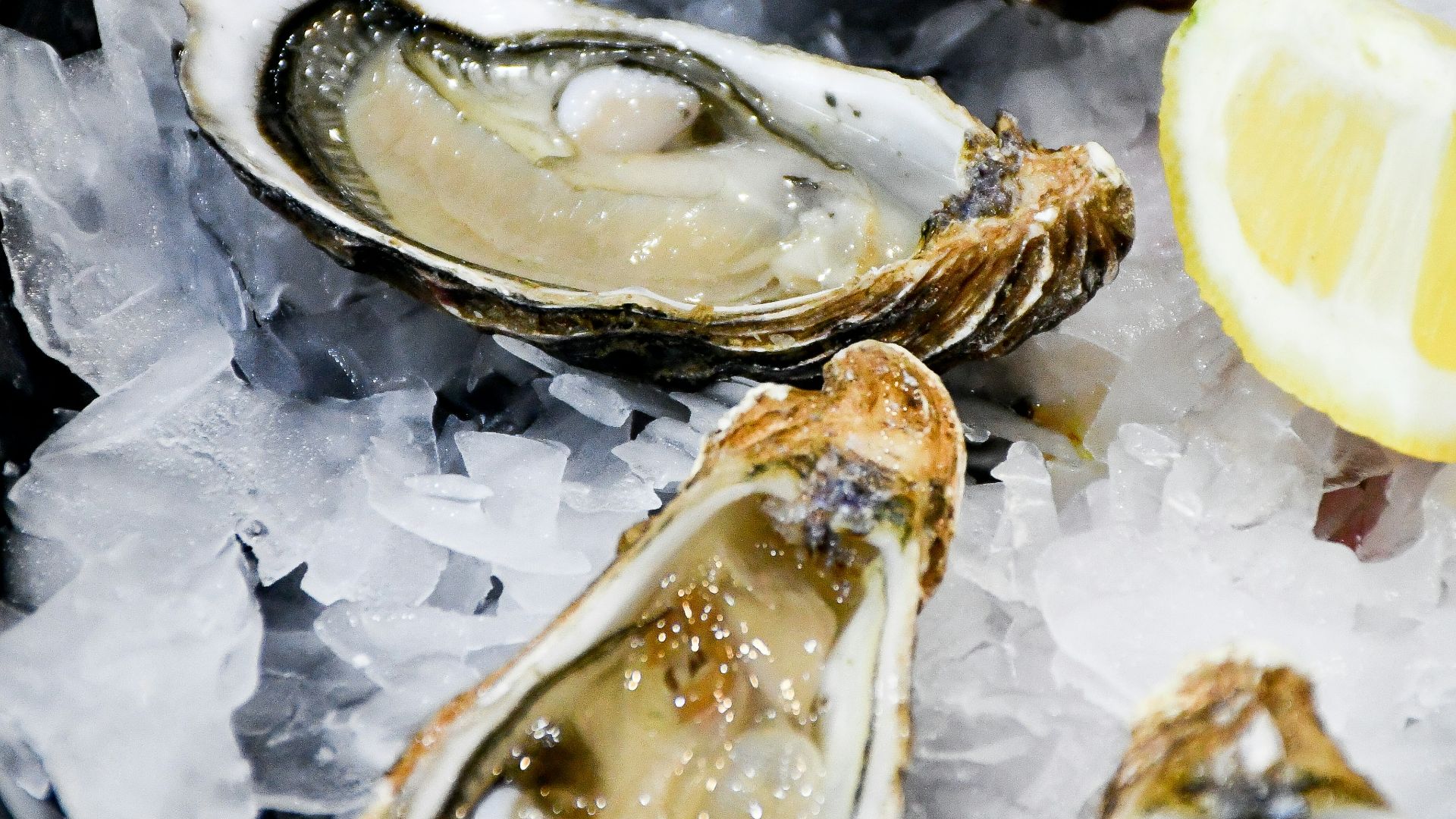
Oysters don't just bring a serious iron boost, they’re also known for their zinc content. There are plenty of ways to enjoy this shellfish, from eating them raw, baked, or lightly sautéed. Just keep in mind that freshness and safe handling matter a lot, so only buy from a trusted source and prepare them very mindfully.
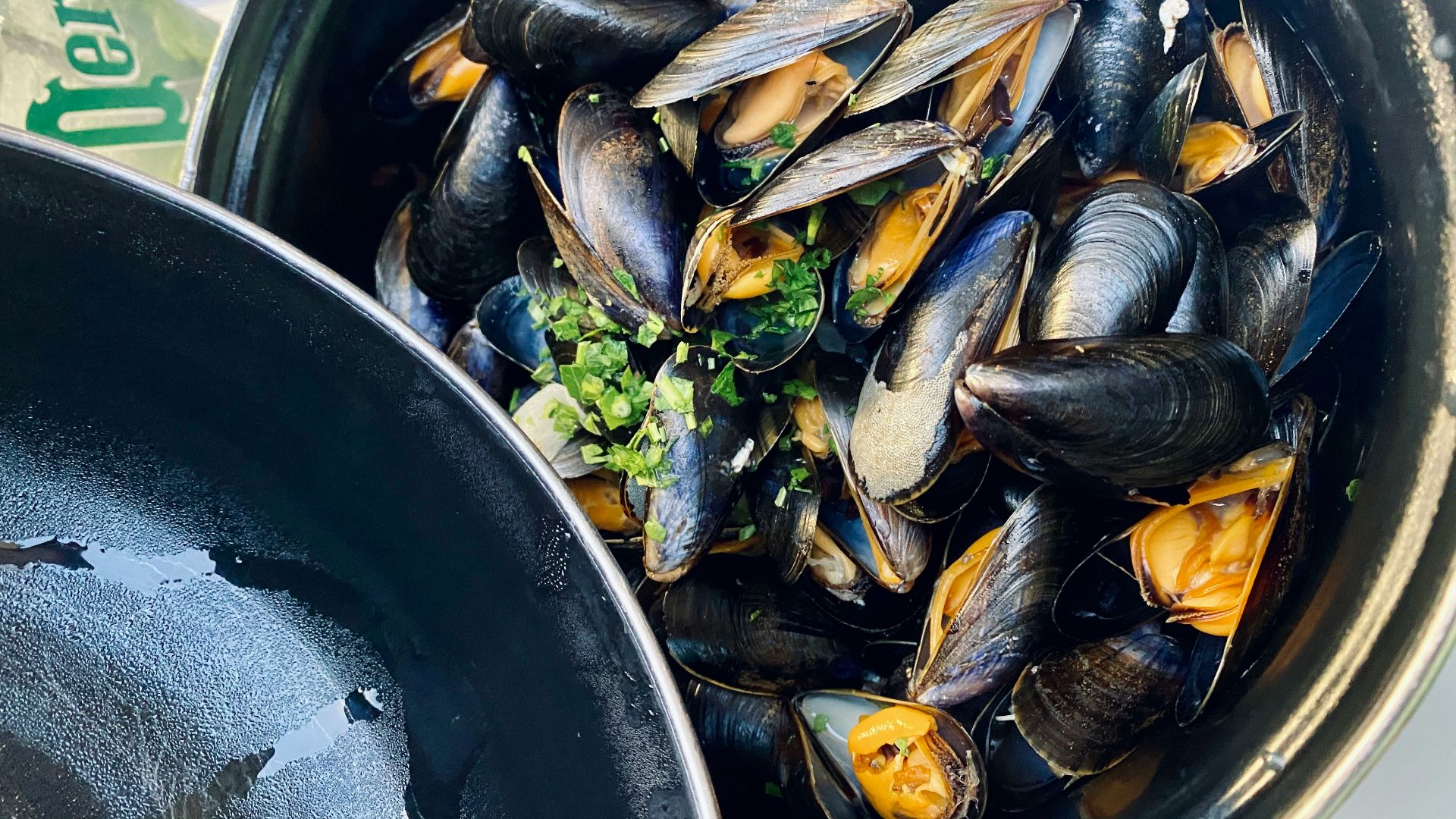
3. Mussels
Another popular seafood option, mussels are a practical choice if you want a good source of iron plus lean protein in the same package. They cook quickly, especially when steamed with garlic, herbs, and a splash of broth to create a tasty dish. You’ll also get the added bonus of vitamin B12, which works alongside iron in healthy blood formation.
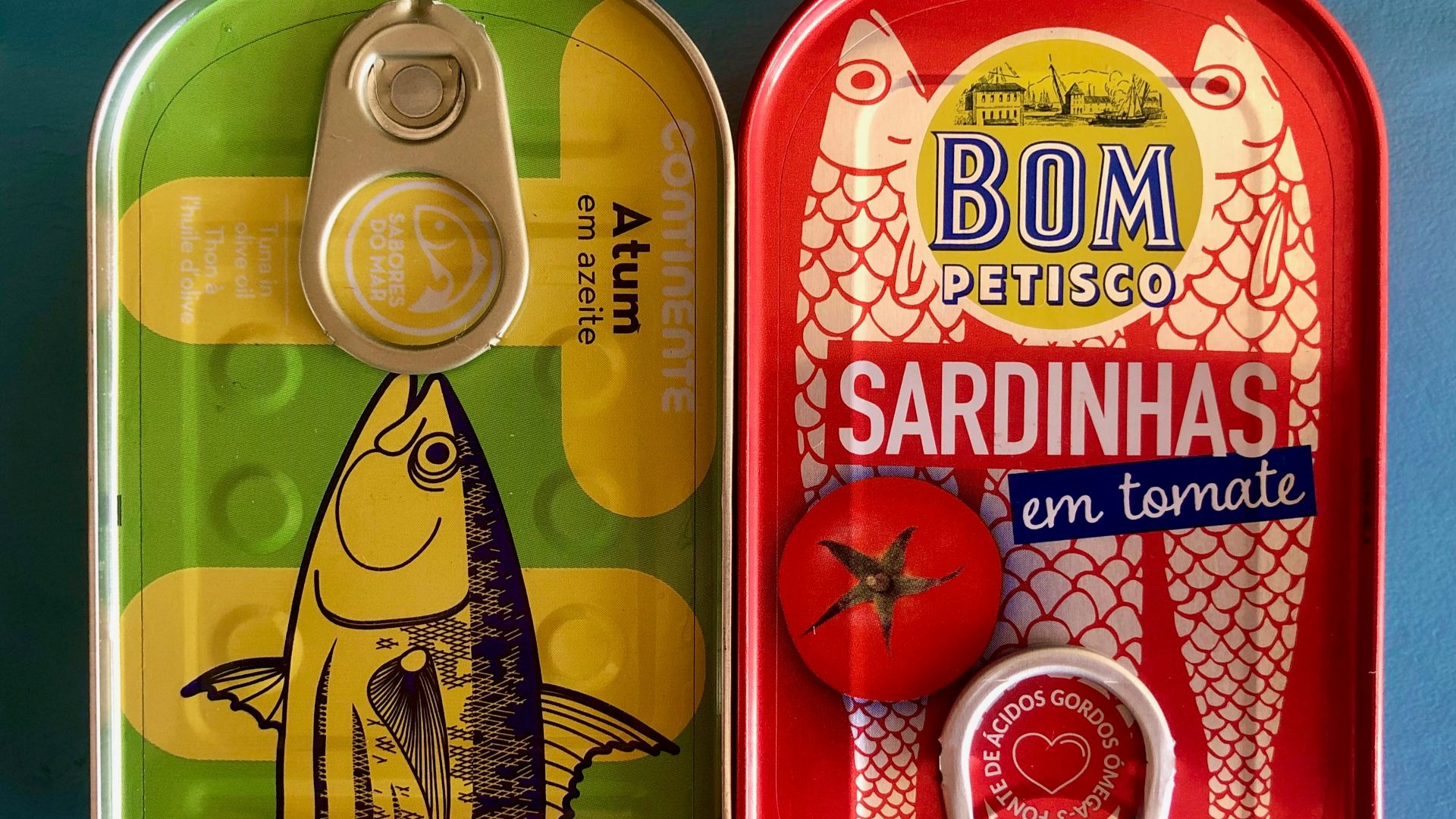
4. Sardines
Sardines might not be the most popular fish when it comes to taste, but these little guys are packed with so many nutrients including iron and omega-3 fats. Don't forget canned sardines can also be a convenient, budget-friendly option, too! If you're looking for easy ways to incorporate them into meals, you can mash them into a spread, toss them into pasta, or add them to salads for extra substance.
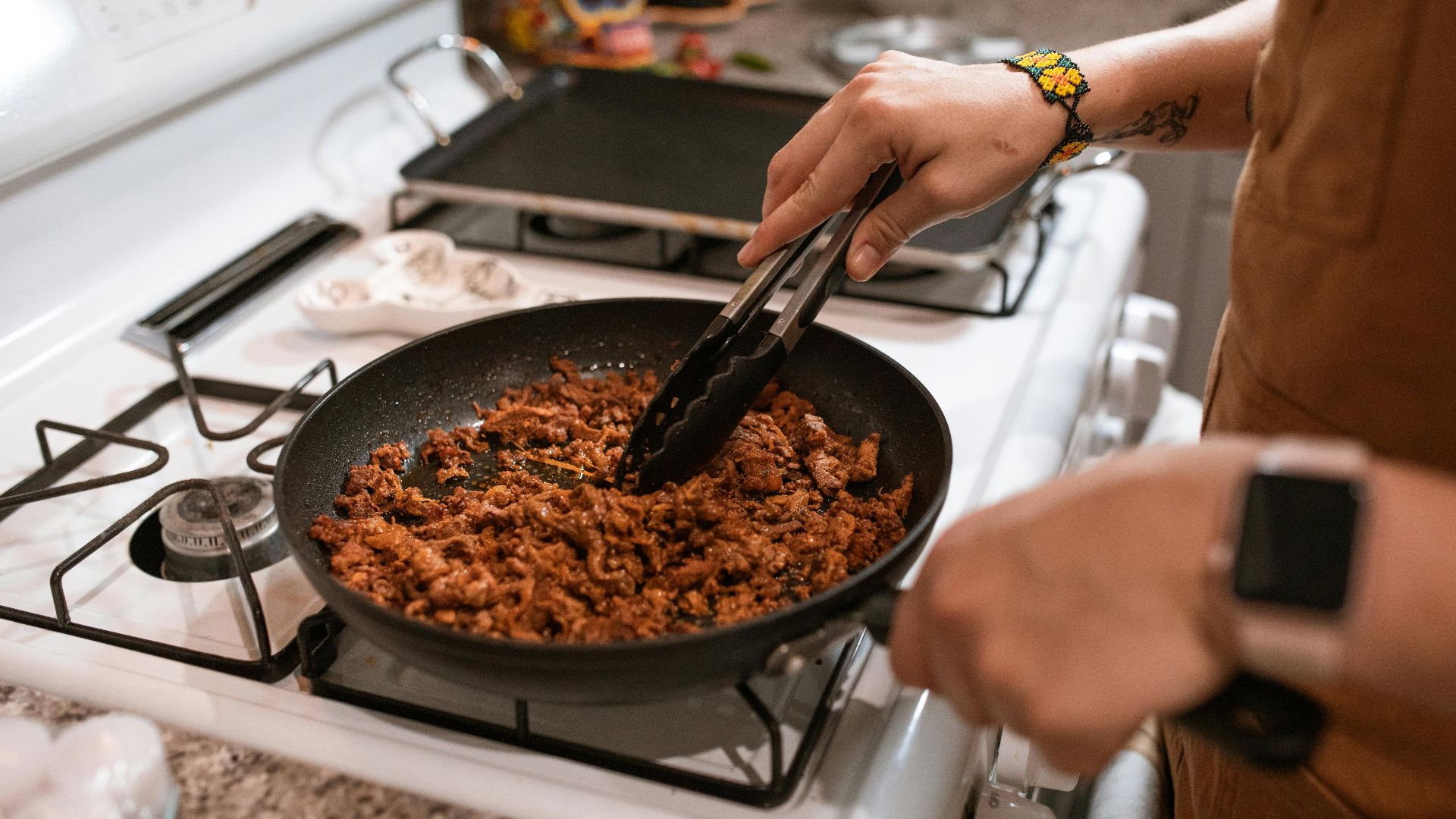
5. Lean Ground Beef
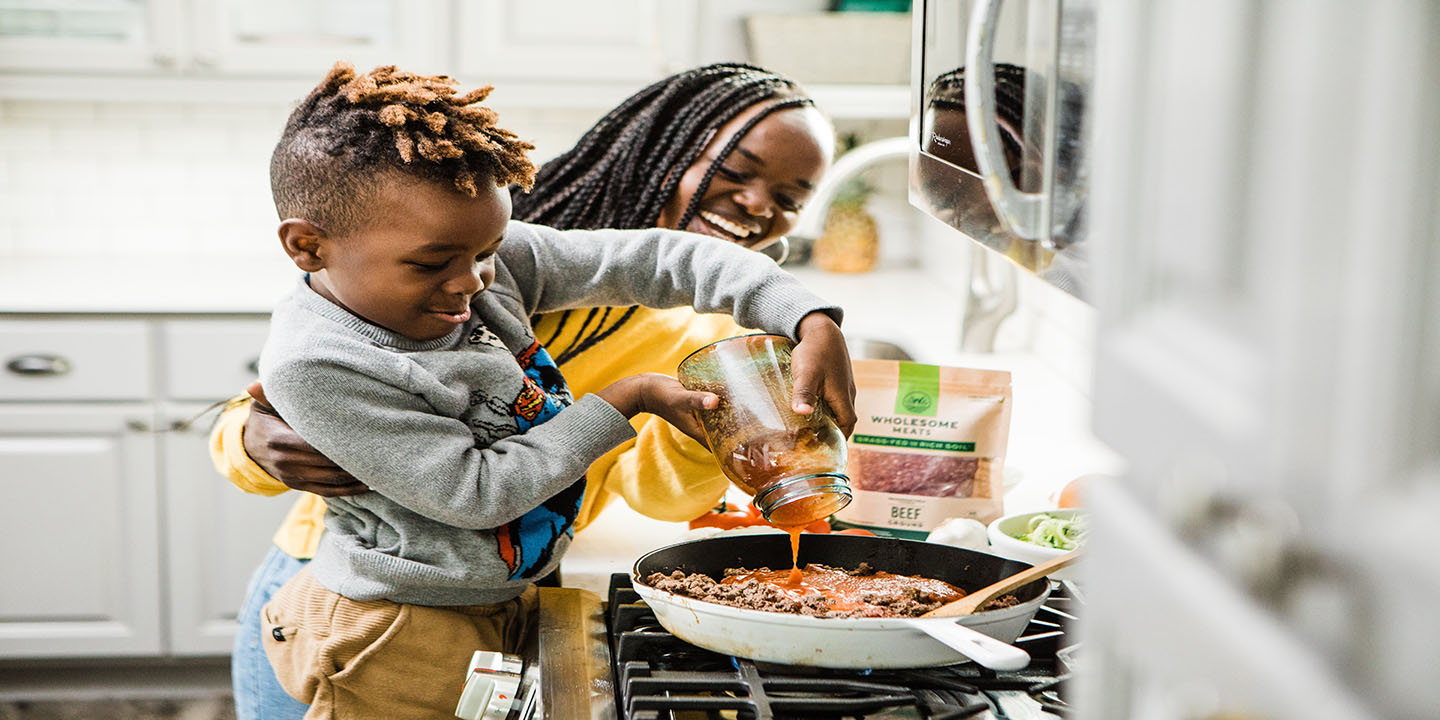
An option that's much more approachable and familiar is lean ground beef, which easily fits into many weeknight meals. This meat even provides heme iron, the type your body tends to absorb more efficiently than plant-based iron. For those looking for simple ways to up their iron intake, this is an easy option you're likely more comfortable with.
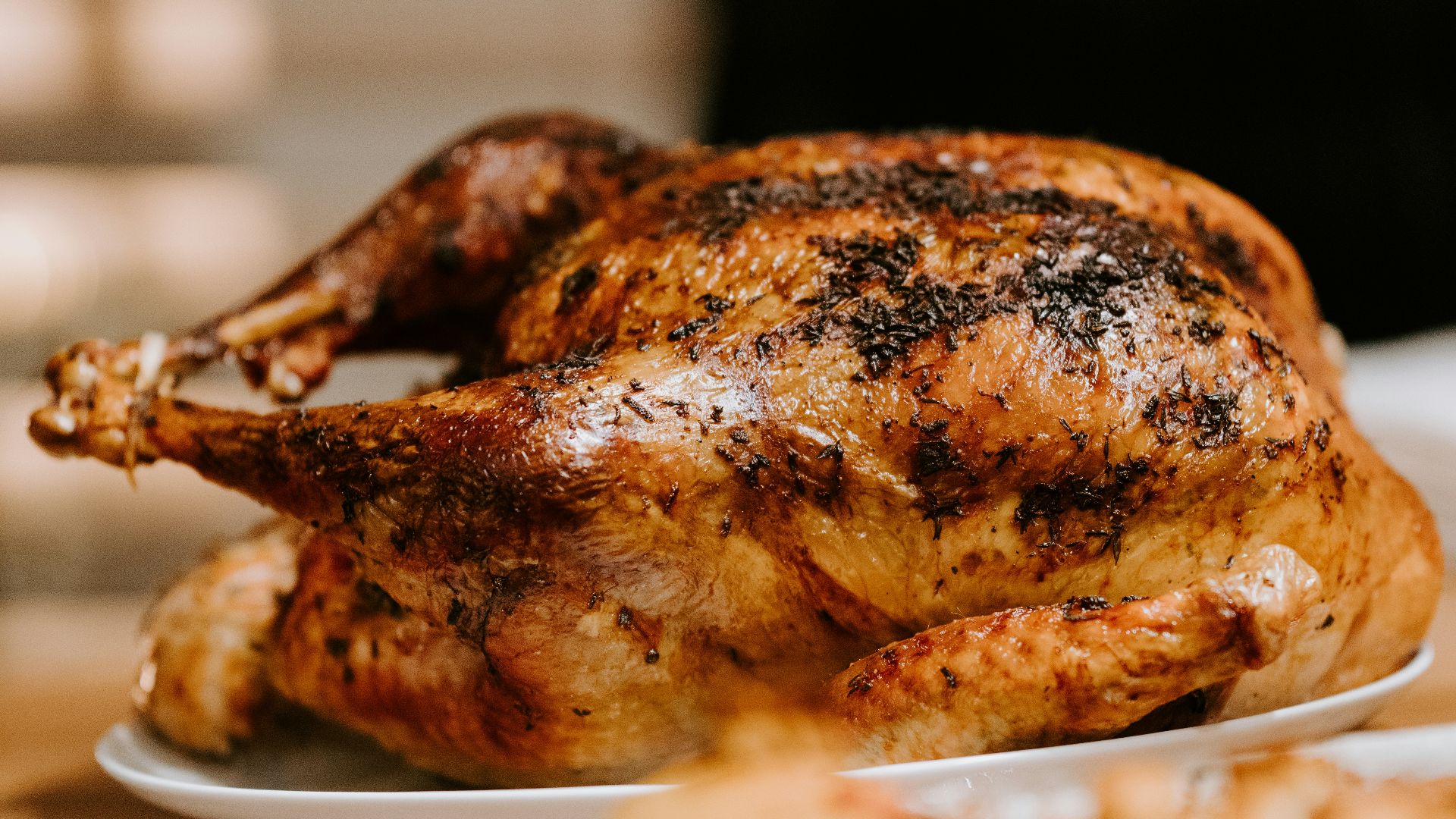
6. Dark Turkey Meat
Dark turkey meat actually contains more iron than white meat, and as a nice bonus, stays much more tender when cooked. It's a good protein source to incorporate into your meals, and there are plenty of easy recipes to utilize this healthy ingredient. Simply toss it into chilis, tacos, or even a simple skillet meal with vegetables can be quick and delicious.
7. Chicken Thighs
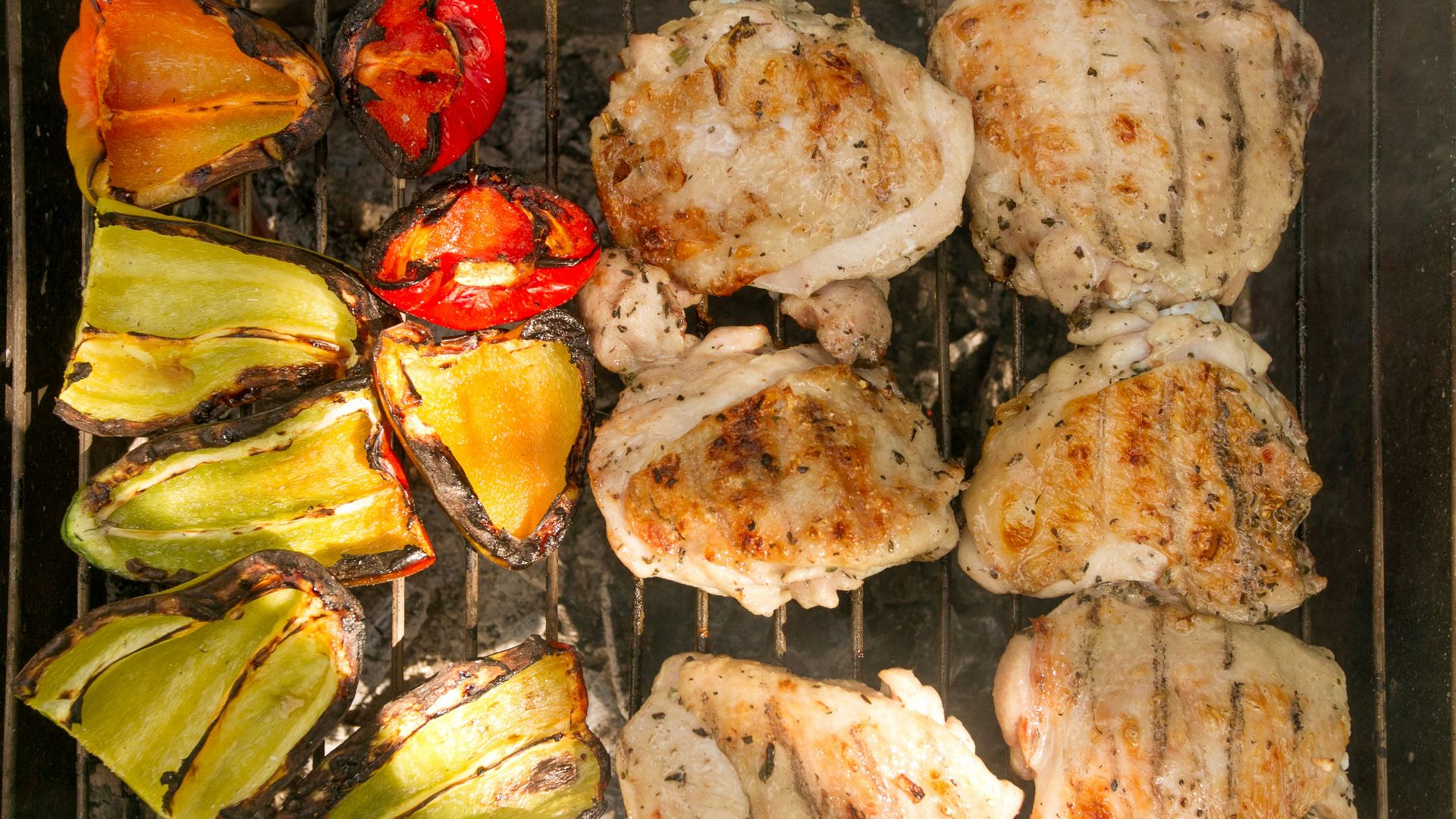
Just like the turkey meat, chicken thighs offer a bit more iron than chicken breast and usually come out juicier, too. They’re easy to meal-prep since leftovers reheat well, so this is a great addition to any healthy diet. If you want to keep things lighter, remove the skin after cooking.
8. Tuna
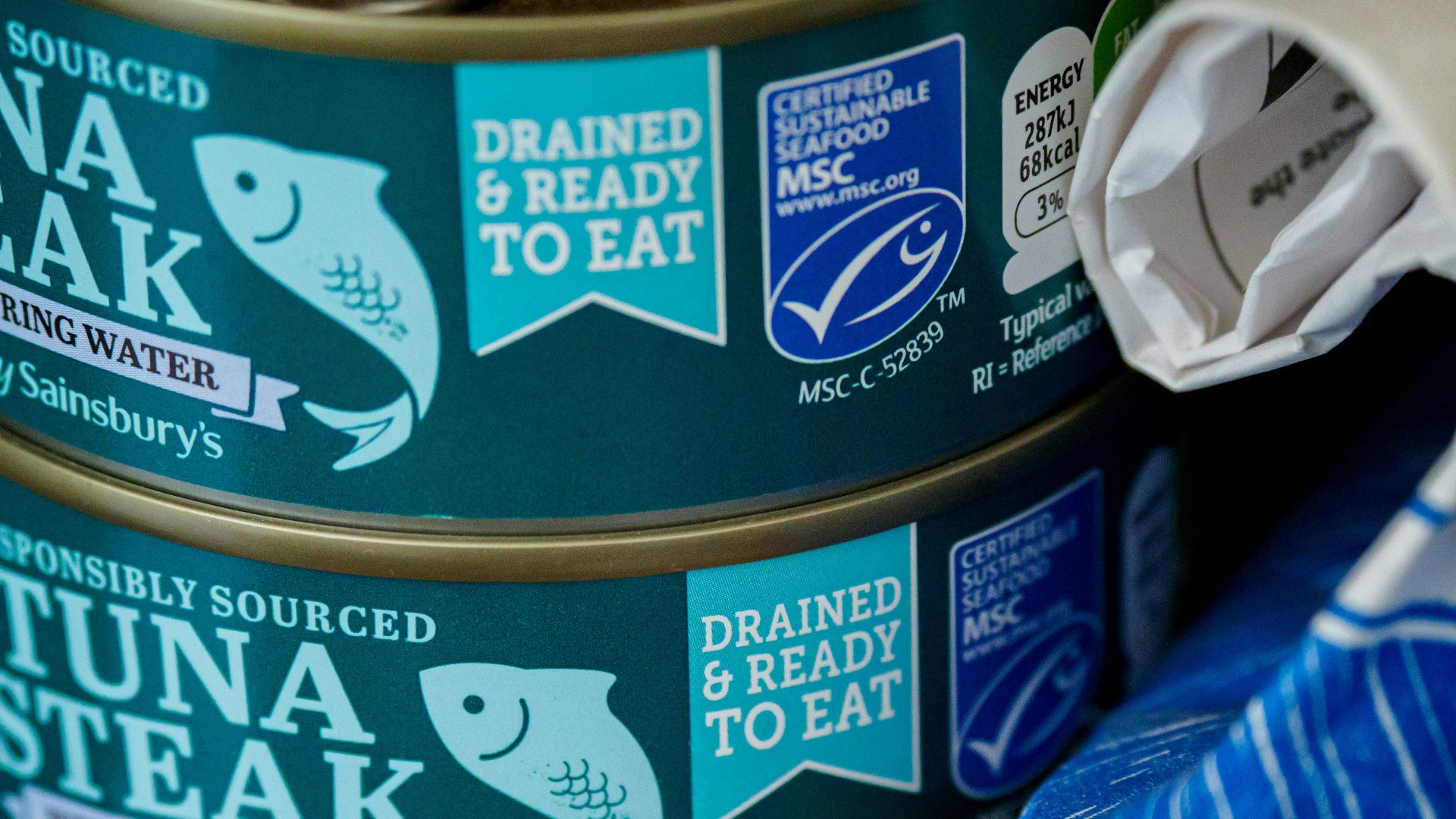
Though you do want to be careful how much you consume due to tuna's mercury content, when eaten in moderation, this fish can contribute to iron. It's also very high in protein! To keep things simple, canned tuna can work wonders for sandwiches, salads, or rice bowls, too.
9. Salmon
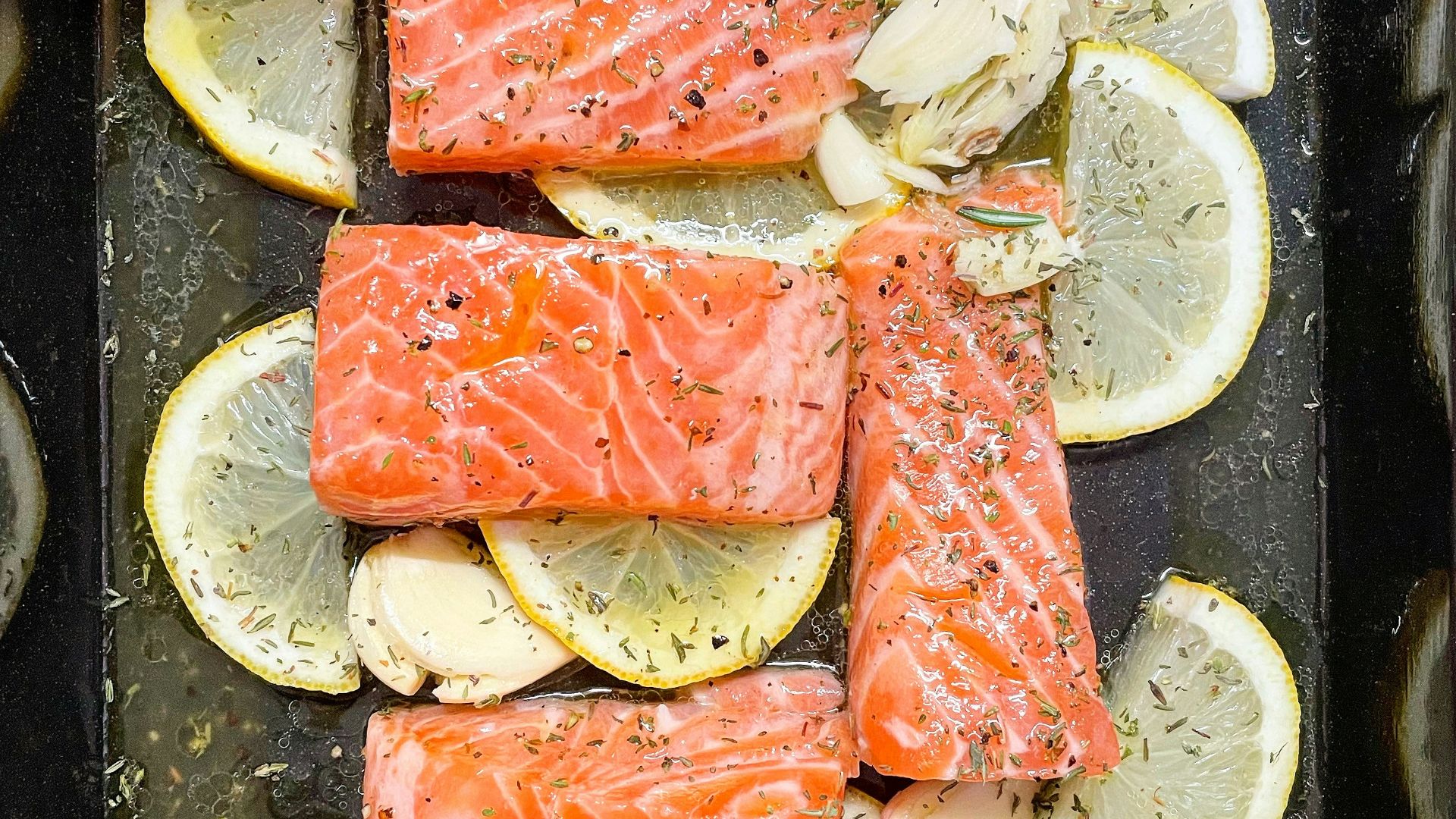
Salmon isn’t the highest-iron fish, but it does add some iron along with protein and heart-friendly fats. After all, this is an all-around superfood that's a great addition to any healthy diet! It’s a great option when you want a nutrient-rich entrée that’s also easy to cook well.
10. Lentils
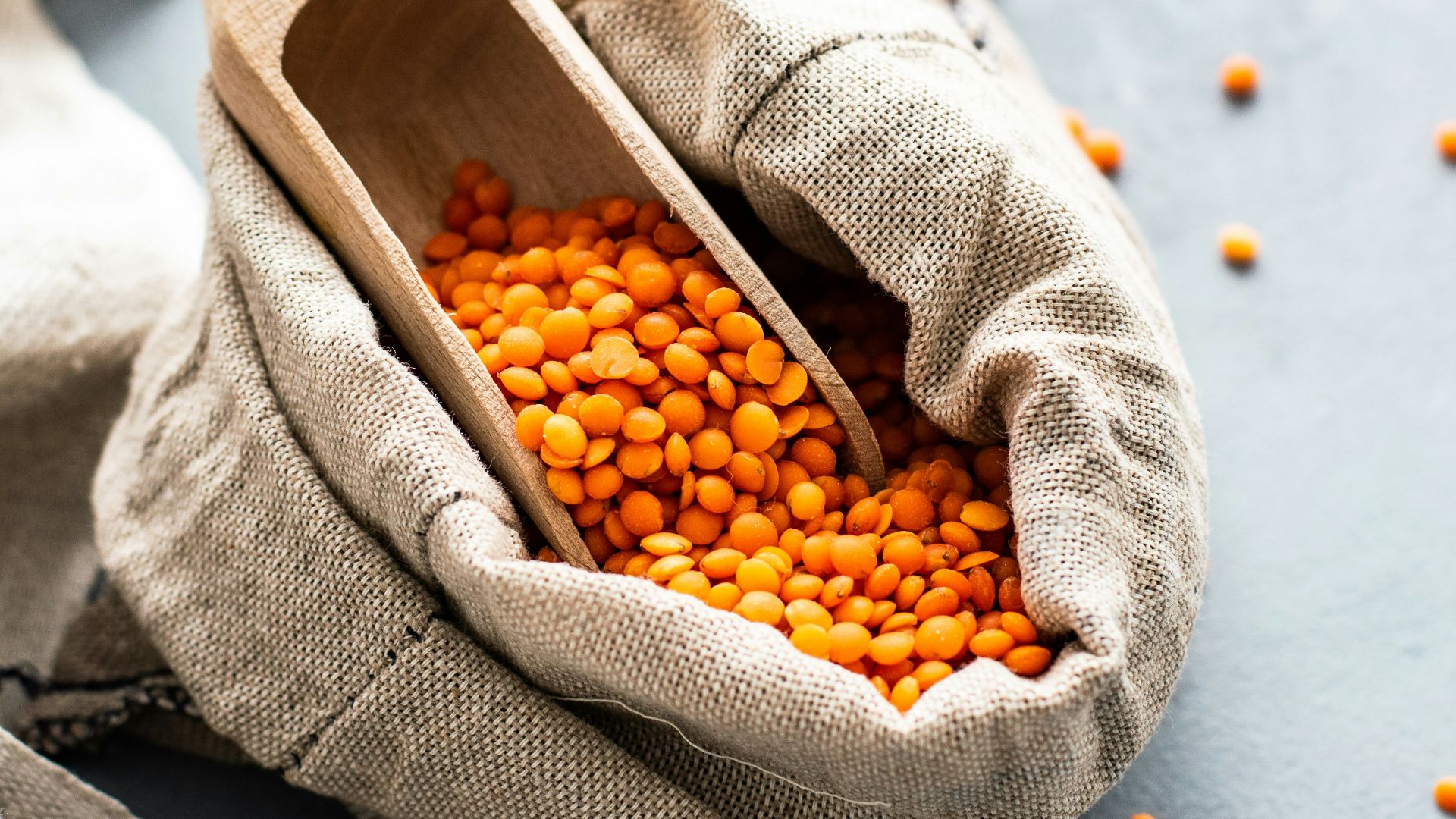
Lentils are a plant-based iron staple that can feel surprisingly filling. They cook faster than many beans and taste delicious in soups, stews, and warm salads, but because plant iron is less readily absorbed, pairing them with tomatoes or citrus can help. To make things even better, lentils also offer fiber, which supports steady digestion and keeps meals satisfying.
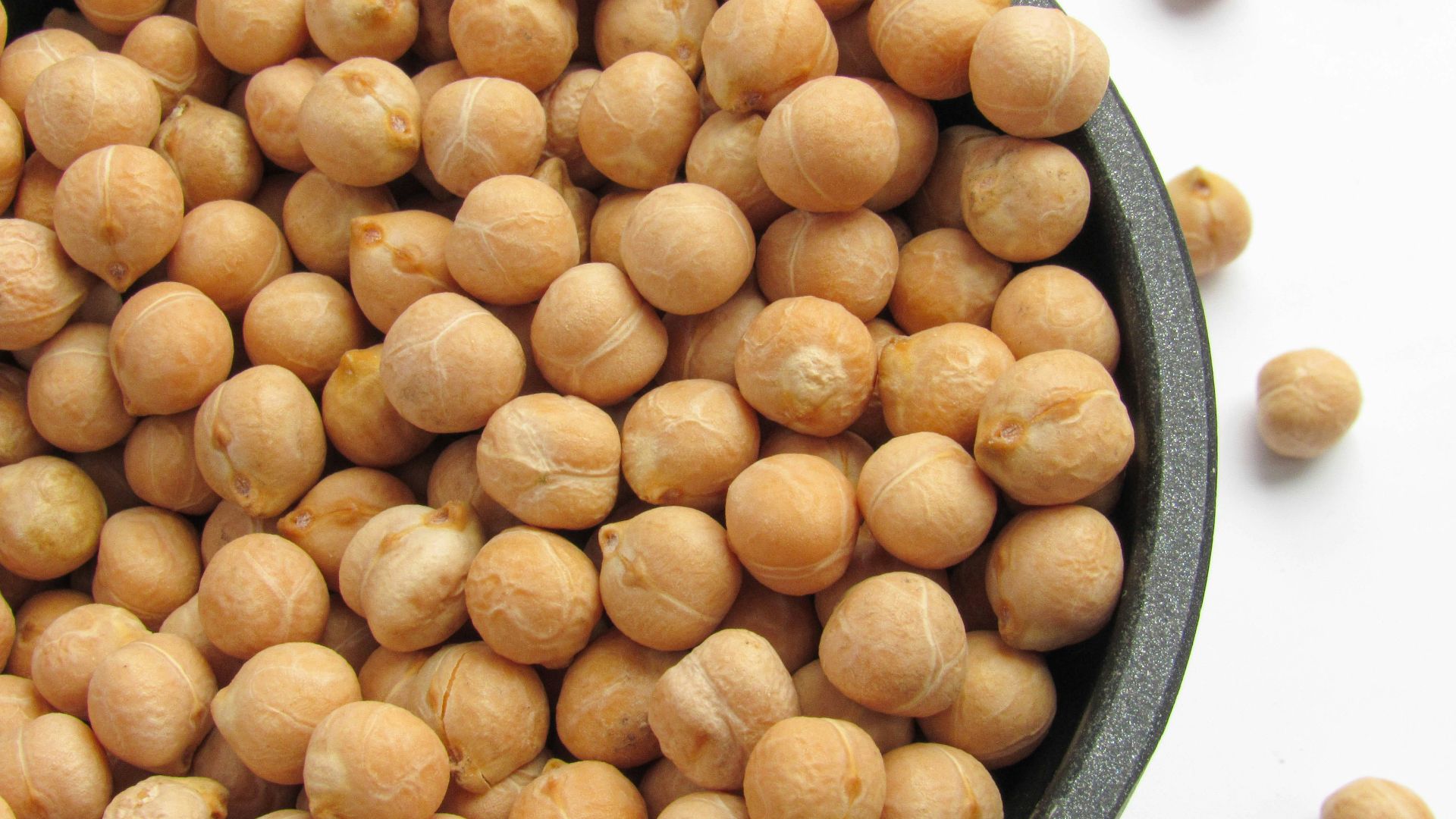
11. Chickpeas
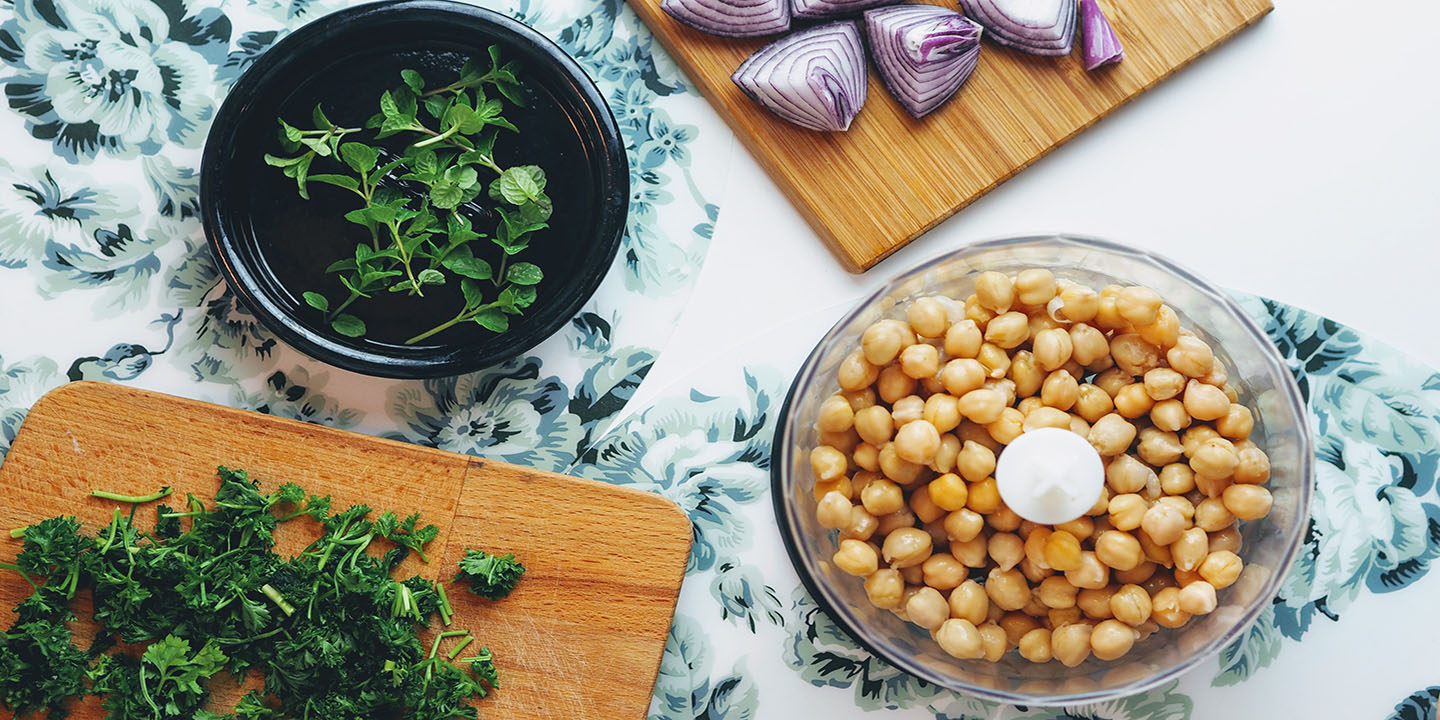
Another great plant-based source, chickpeas provide iron plus a mild flavor that takes well to spices and sauces. You can roast them for a crunchy snack or simmer them into curries and soups. But for the most popular option, hummus is an easy and tasty way to use them, especially when you want something quick.
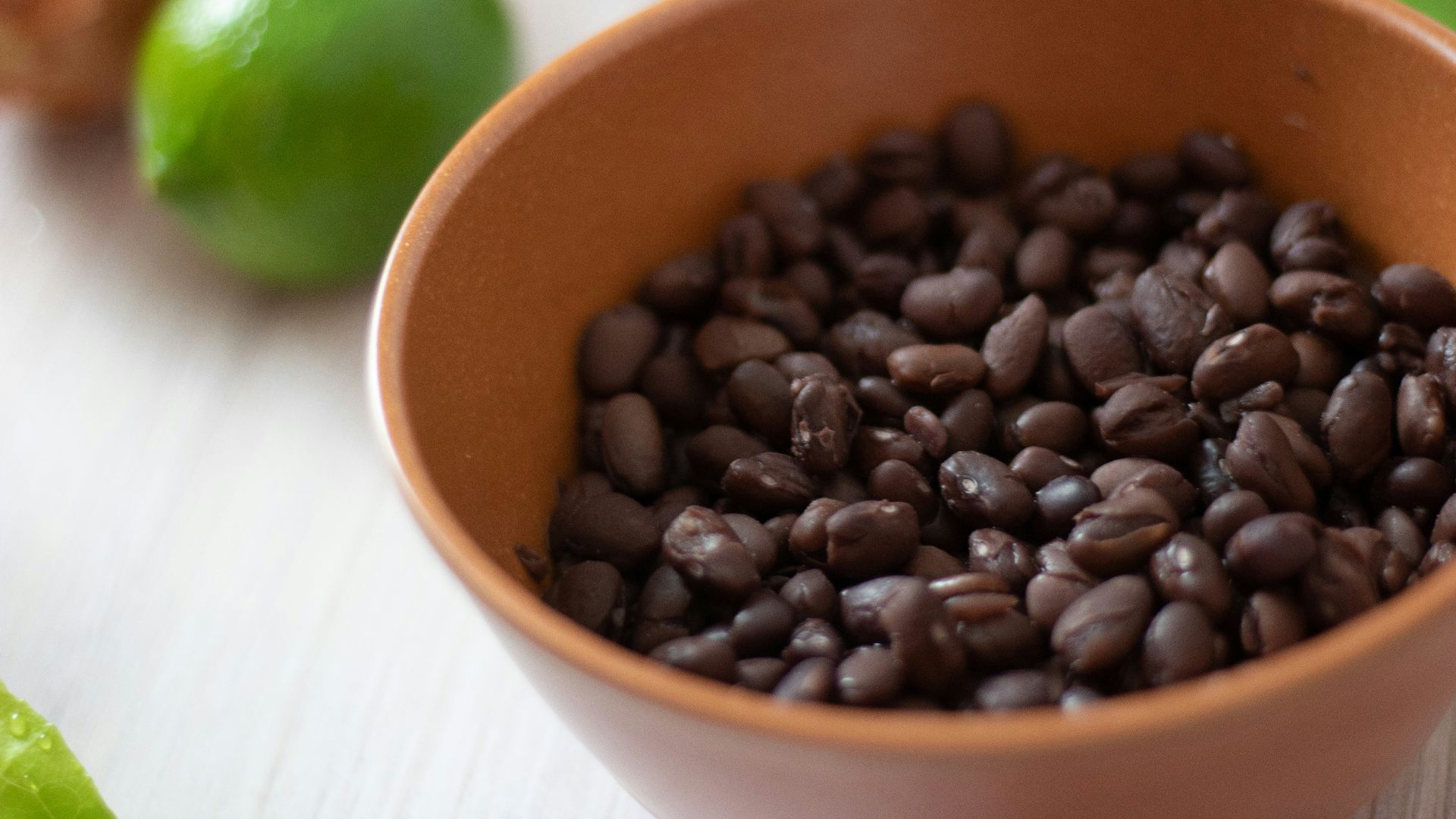
12. Black Beans
Just think of all the great dishes you can prepare with this iron-rich food! Black beans are a reliable source of non-heme iron and they bring plenty of fiber to the table. They fit naturally into burrito bowls, salads, and hearty soups, and adding salsa or a squeeze of lime can brighten the flavor while supporting iron uptake.
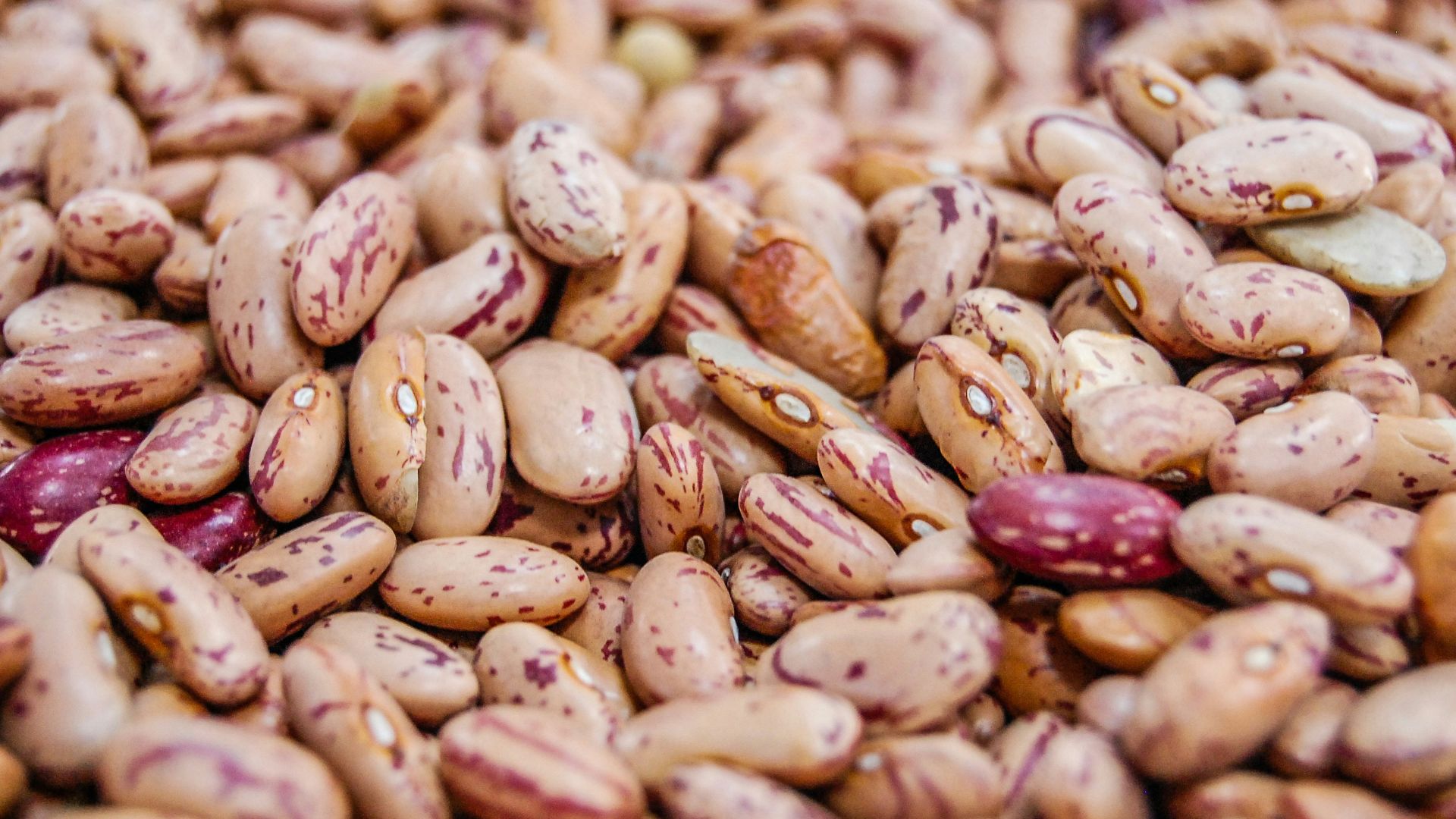
13. Kidney Beans
Turns out all you need are more beans in your diet! Similar to black beans, kidney beans offer iron and a sturdy texture that holds up well in cooking. They’re especially popular in chili, where they blend nicely with spices and vegetables, but they taste great in burrito bowls, too!
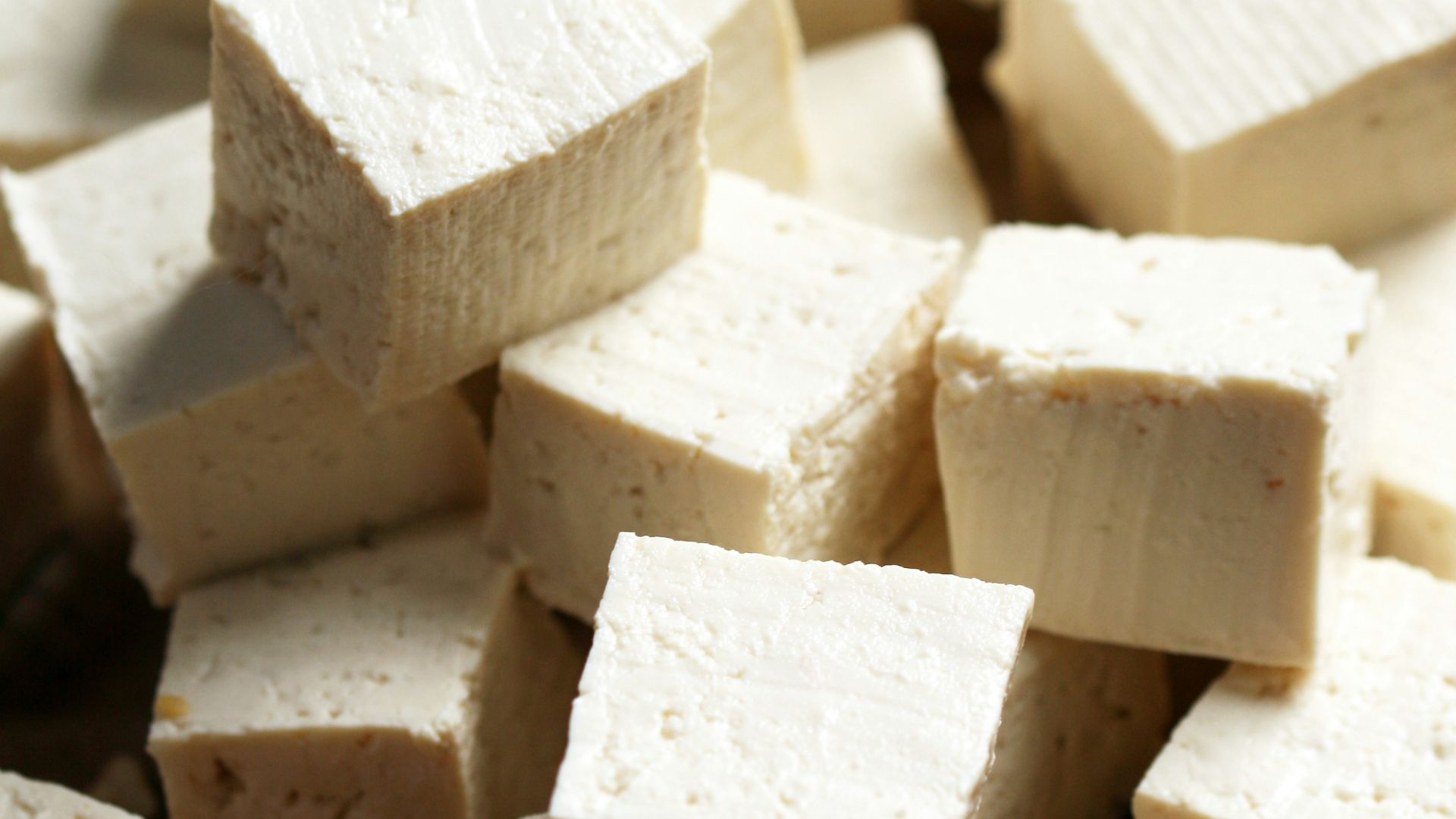
14. Tofu
Some people might not like tofu due to its mild taste and unique texture, but if you want to up your iron intake on a plant-based diet, tofu is incredibly reliable. Not only does it absorbs marinades well so you can steer the flavor in whatever direction you like, but pan-searing creates a satisfying texture that might help you overcome your dislike of it, too.
15. Tempeh
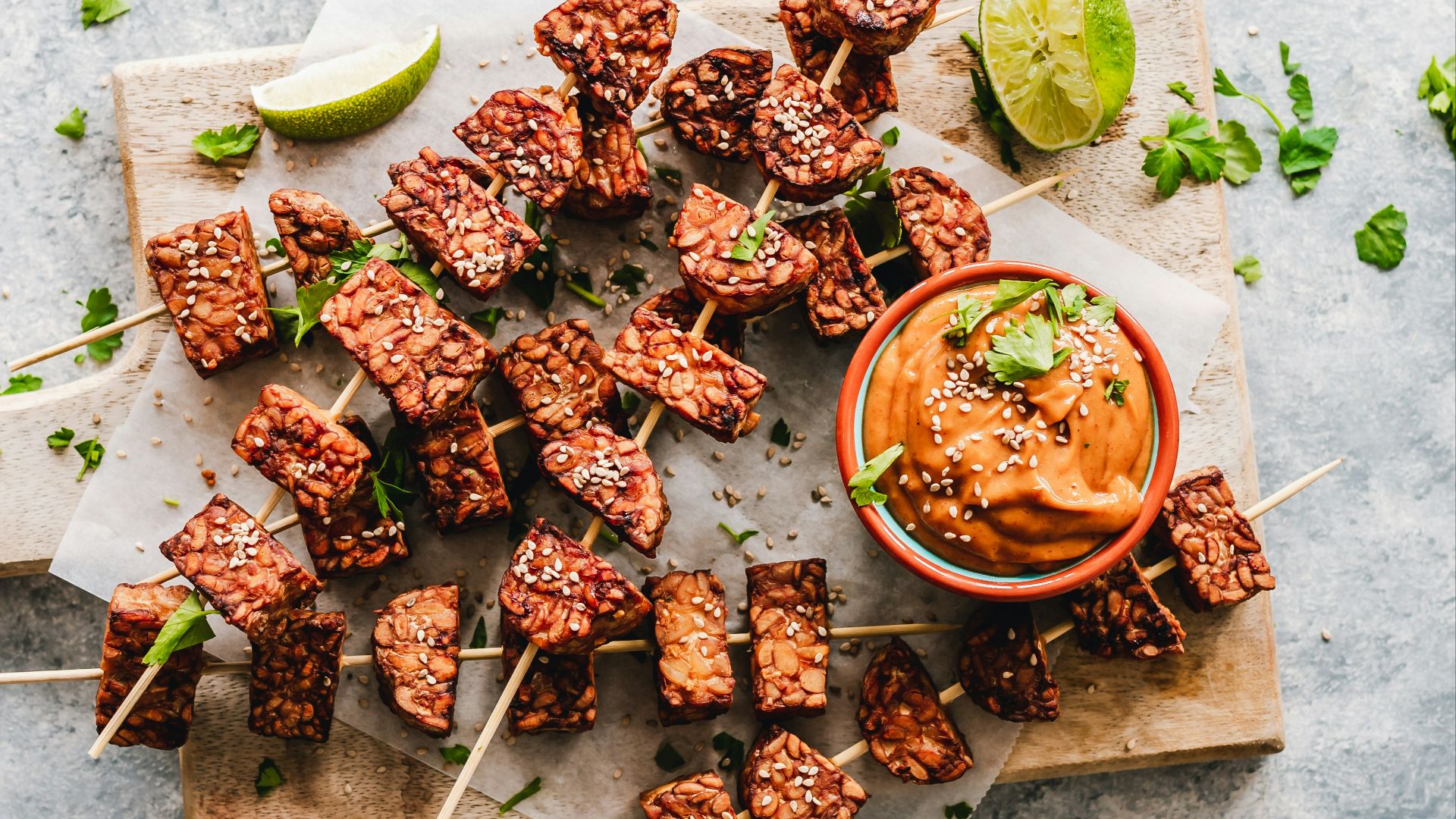
If you really can't get over your dislike of tofu, tempeh is fermented, firm, and more textured, which many people find satisfying. It contains iron and protein, and it works well sliced into stir-fries or crumbled into sauces. With the right spices, it can be a very dependable centerpiece and meat substitute.
16. Spinach
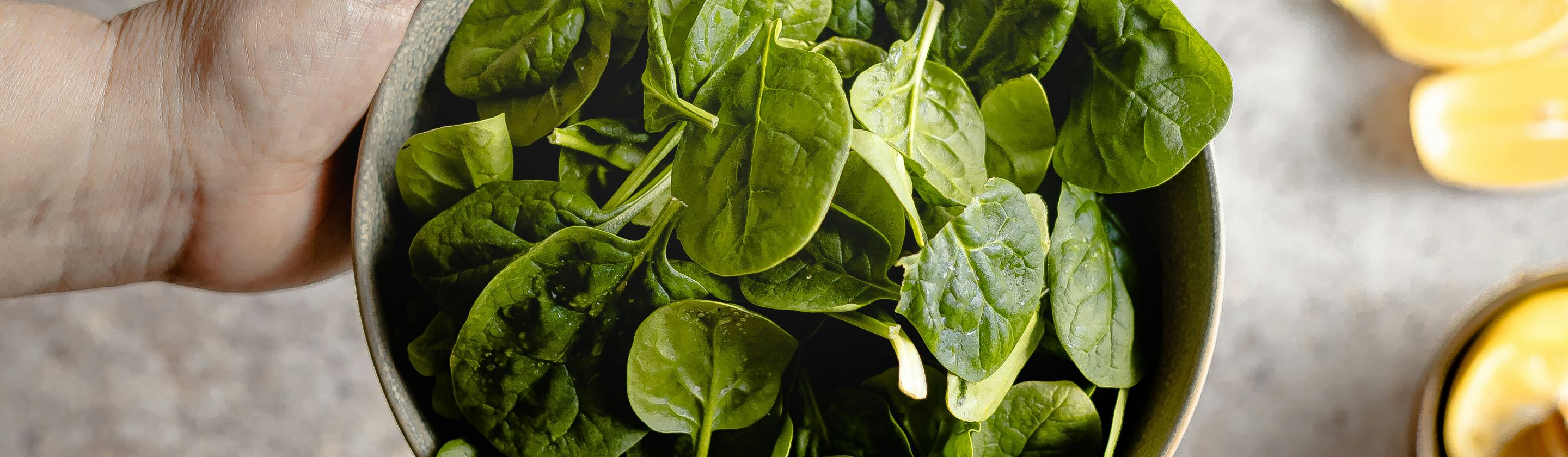
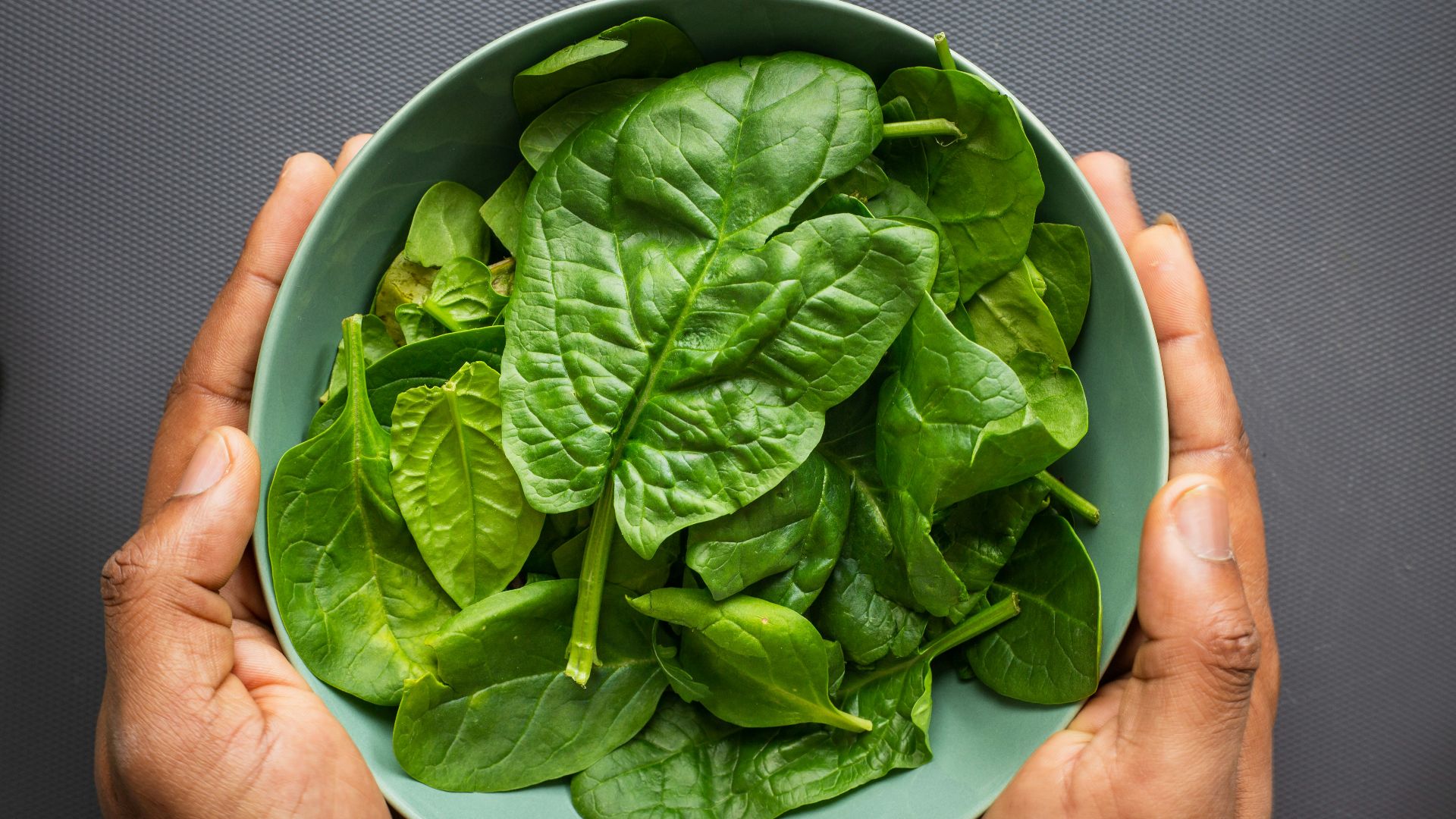
Just take it from Popeye. Spinach is famous for iron, though it’s a plant-based iron that benefits from smart pairings, like adding in lemon juice or tomatoes. It's an easy way to boost your intake, from adding it to salads, mixing it into pasta, throwing it in sandwiches, and much more.
17. Swiss Chard
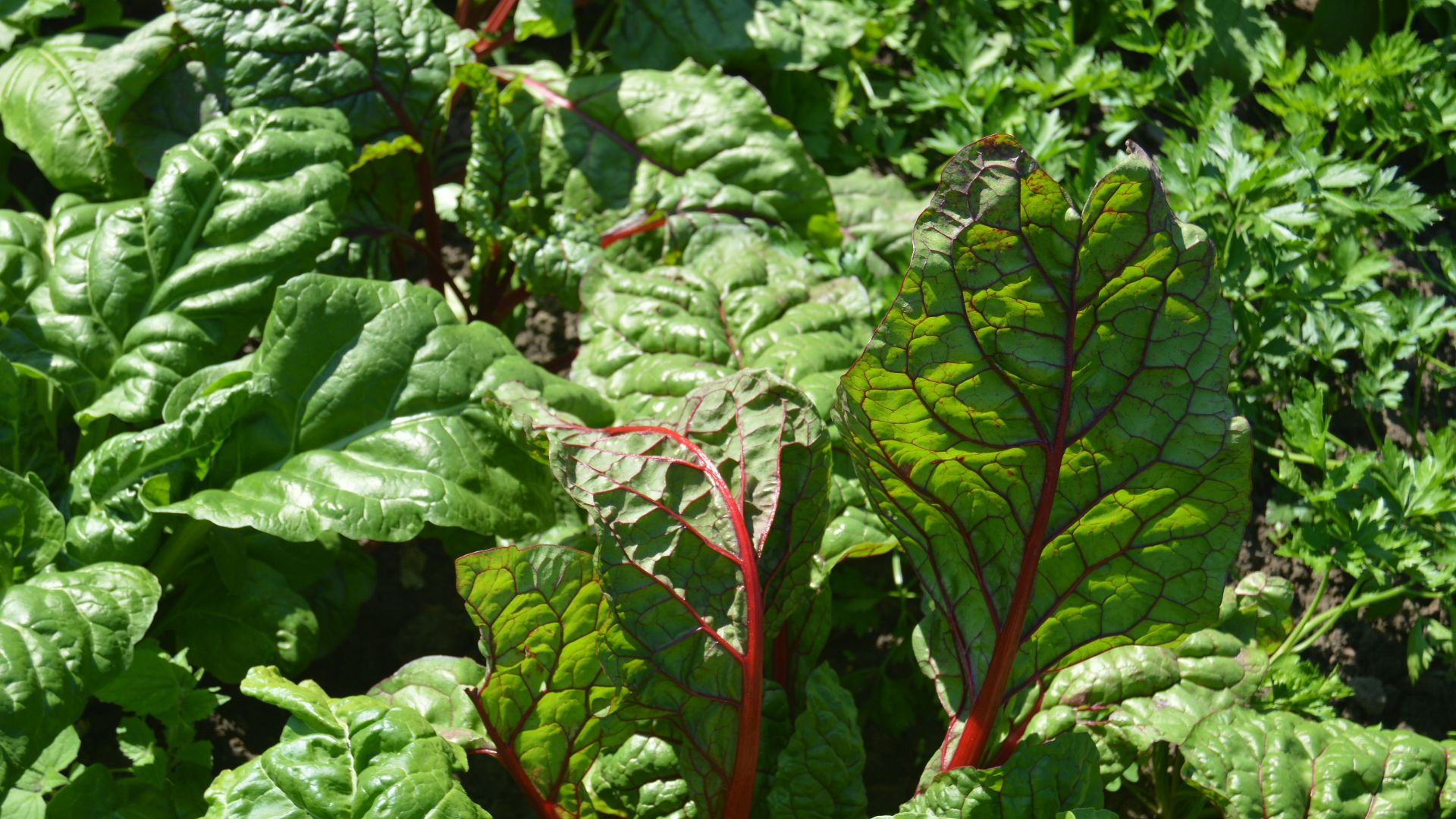
Swiss chard offers a good source of iron as a vegetable, and as far as taste goes, provides a slightly earthy flavor that works nicely sautéed. The stems add crunch, and the leaves soften quickly, so you get contrast in one ingredient. If you’re bored of spinach, chard is a simple way to change things up.
18. Pumpkin Seeds
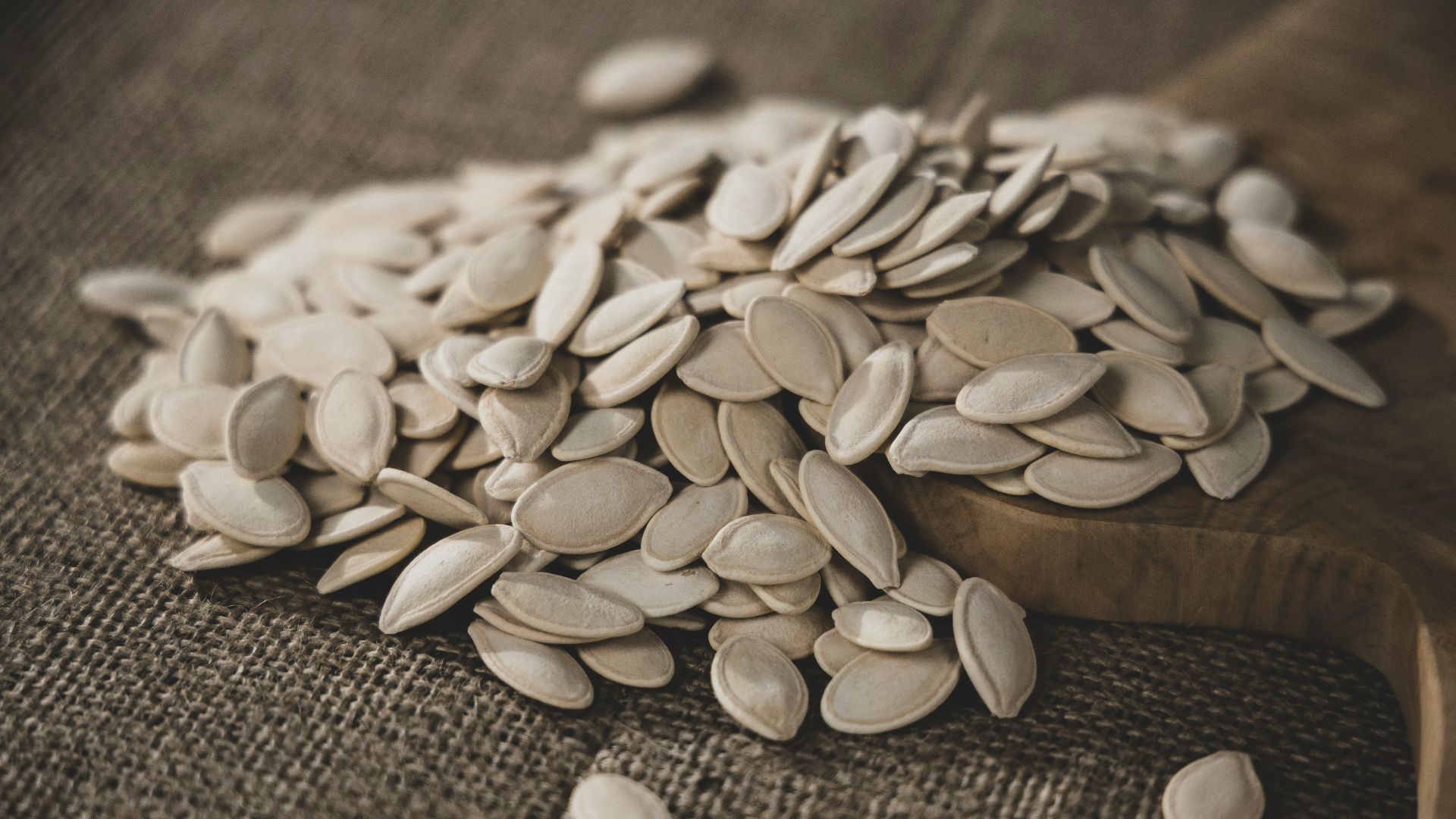
A convenient iron-containing snack you can keep in a jar and munch on whenever, pumpkin seeds are nice little iron boosters. Sprinkle them on salads, oatmeal, or yogurt to add texture and taste, but also a little extra nutrition! They also provide magnesium, which supports many basic body functions and is a nice addition.
19. Sesame Seeds and Tahini
Sesame seeds contain iron, and tahini makes it easy to use them in everyday meals. Just one spoonful can enrich dressings, sauces, and dips while adding a slightly nutty flavor. But because it’s calorie-dense, use it moderately and watch your intake.
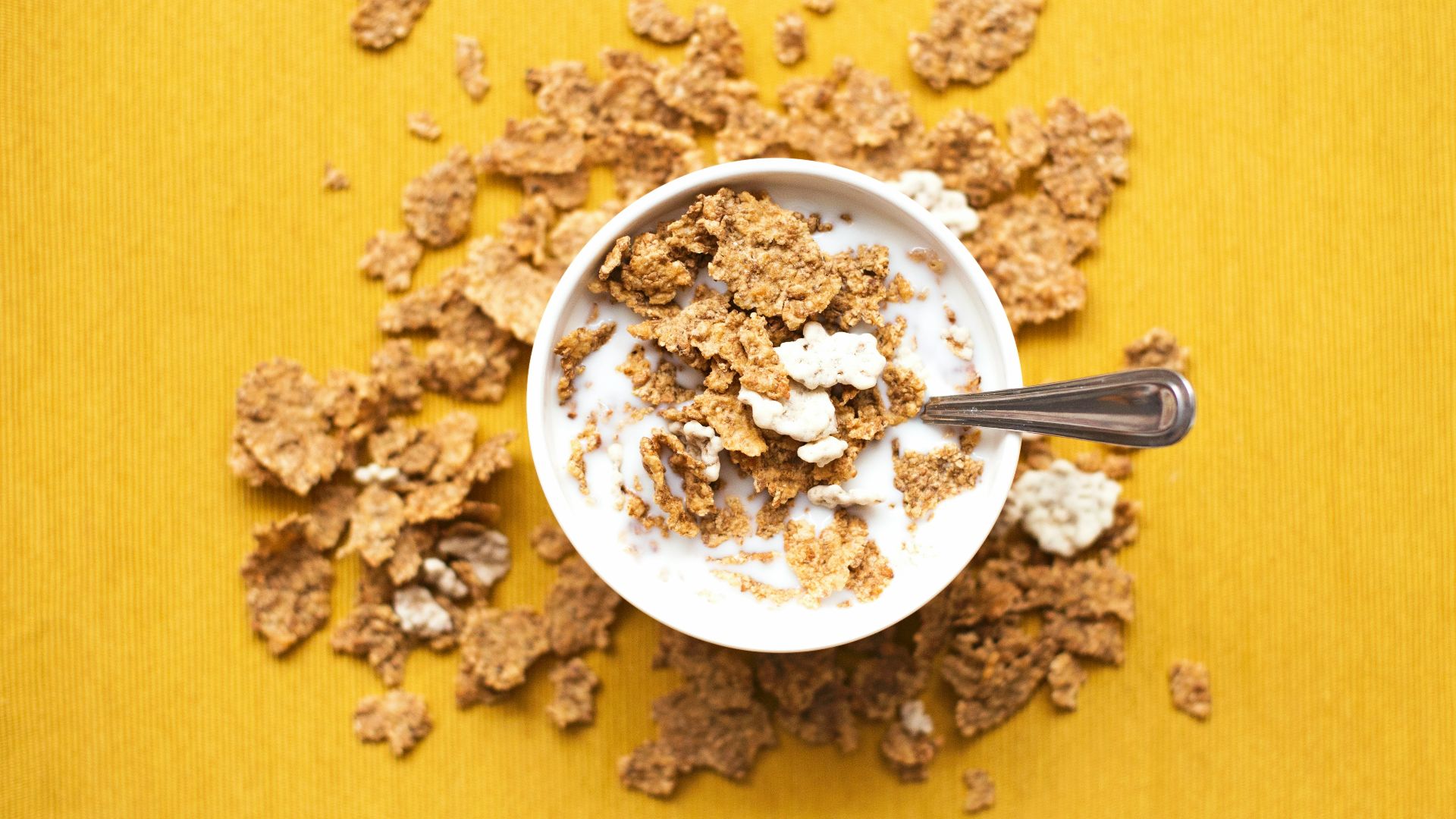
20. Fortified Breakfast Cereal
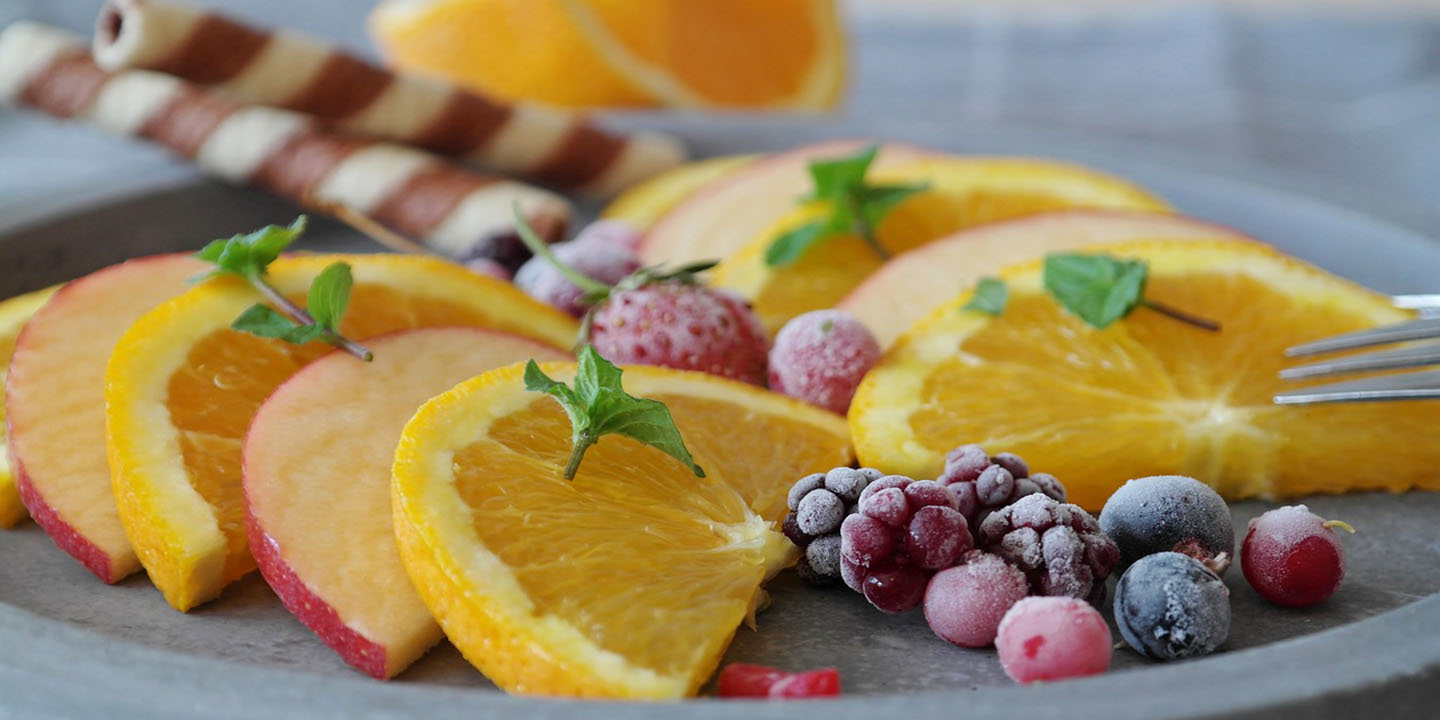
As long as you check the nutrition label before purchasing to confirm, fortified breakfast cereal can be an effortless way to increase iron intake, especially on busy mornings. Eating it with fruit like strawberries or orange slices can further support absorption while making it tastier in the process.
KEEP ON READING

The Most Popular Signature Dishes Around the World