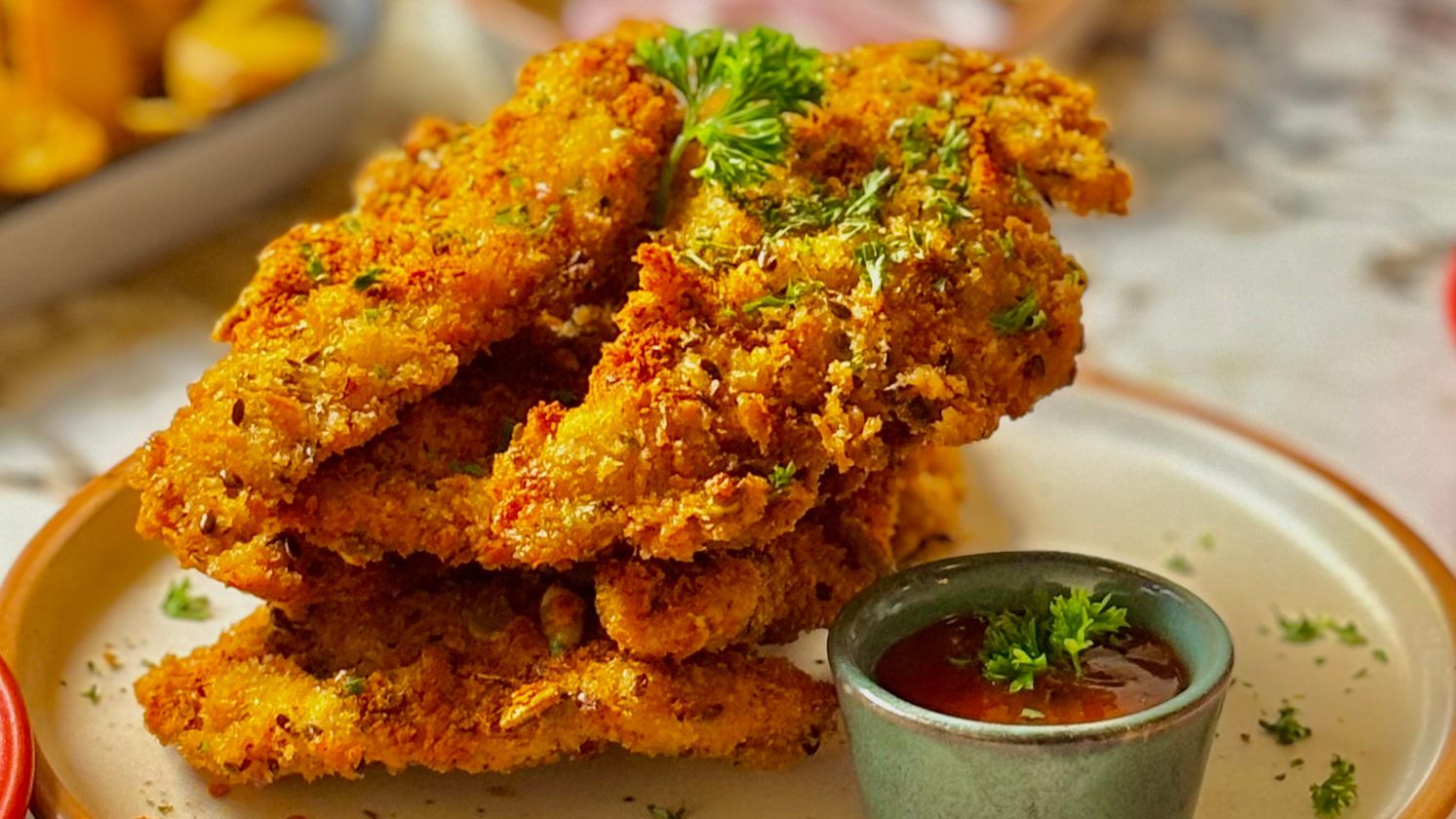

Today, fast food is essentially synonymous with American cuisine. When it emerged in the 1950s, it completely revolutionized the way people ate in the US, changing work habits and even cultural identity. What began as a postwar convenience quickly evolved into a defining feature of modern America, influencing everything from family dinners to global business models.
The roots of fast food
Fast food's rise can be traced back to the mid-20th century, when suburban expansion and car culture transformed the landscape of the US. Drive-ins and roadside diners started to be replaced by the quicker and more convenient drive-thrus and quick-service formats.
Although not the first fast food concept to arrive (that was likely White Castle in the 1920s), McDonald's is largely credited with streamlining operations and pioneering standardized menus, assembly-line kitchens, and lightning-fast service. For a nation increasingly focused on efficiency and productivity, fast food fits perfectly into the rhythm of everyday life.
The fast food revolution
Though it emerged out of the post-WWII landscape, fast food's heyday really began in the 1980s and 90s with drive-thrus, kids' meals, and aggressive marketing. This was the era when fast food became the new normal, forever changing American eating habits. Fast food became one of America’s most successful exports. Golden arches and familiar menus spread across the globe, becoming symbols of American culture.
When we say it changed the culture, we don't mean just culinary-wise. It changed the way Americans viewed time and how they organized their day. Meals that once required preparation, planning, and shared family rituals were suddenly available in minutes. This convenience enabled longer work hours, busier schedules, and a culture that valued productivity over taking a pause. Eating became something to do on the go as opposed to an event in itself.
Fast food also reshaped cities by significantly altering urban planning. Because the business model was dependent on drive-thrus and large parking lots, entire neighborhoods were built around car access, reinforcing suburban sprawl and making cities look much more homogenized.
Health impacts
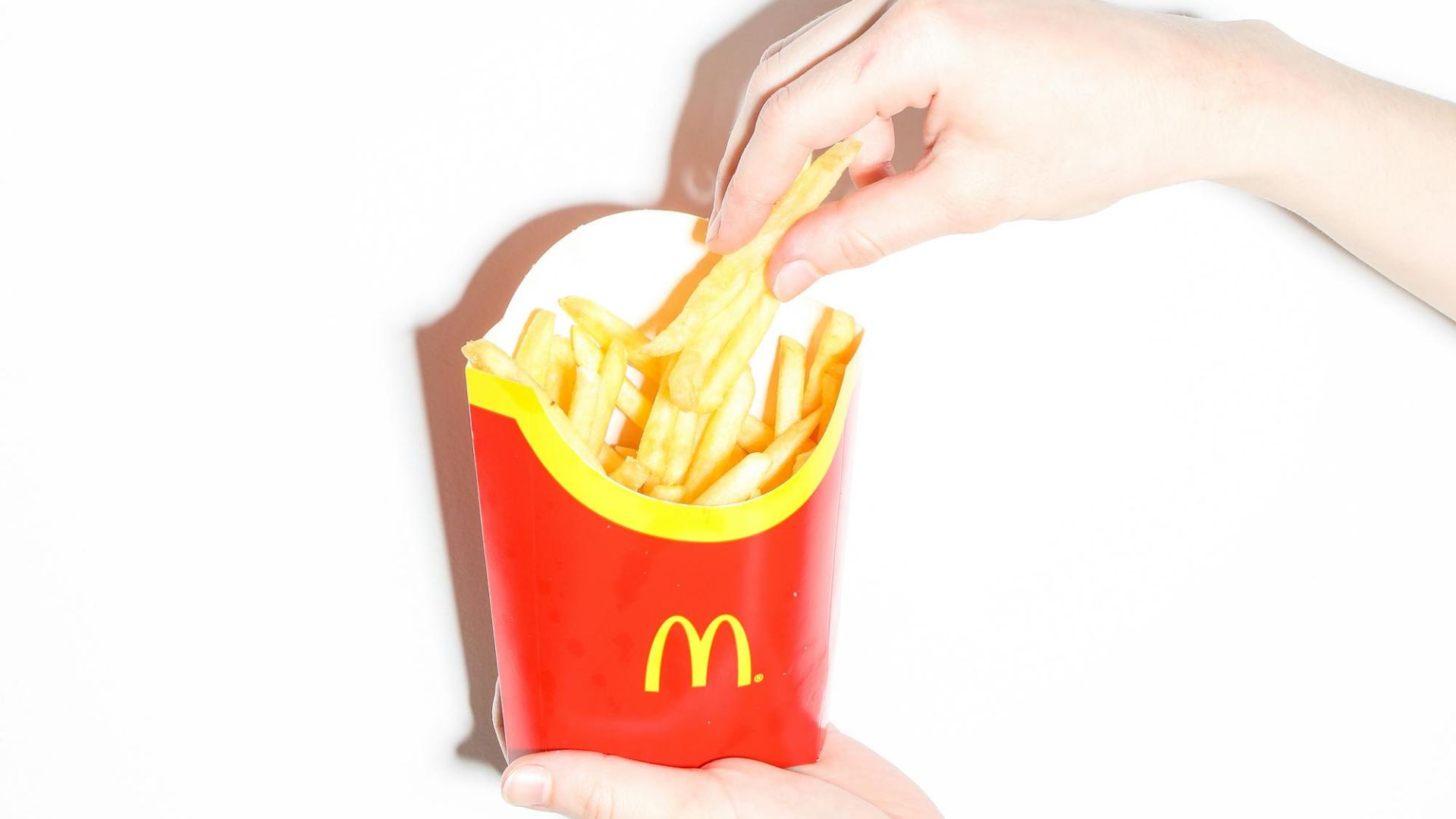
As fast food became a dietary staple rather than an occasional indulgence, rates of obesity, heart disease, and diabetes rose to the epidemic levels of today. Critics argued that fast food encouraged overconsumption through large portion sizes, high sugar and fat content, and aggressive marketing, especially toward children. As fast food spread around the world, so did these dietary habits and the associated health implications.
Changing tastes
Today, for good and bad, it seems the golden age of fast food is behind us, as consumers are more aware than ever about obesity, health, and wellness. Fast food is declining in popularity largely due to inflation, which is turning the once-cheap and convenient meal into a luxury splurge.
But the golden arches live on. Fast food giants like McDonald's are far from being declared dead. Instead of throwing in the towel, they're rebranding to include healthier menu items or pivoting to become a fast-casual restaurant.
While restaurants are evolving, the core legacy of fast food remains unchanged. It didn't just make meals faster; it rewired American habits and entire city landscapes to have a permanent imprint on the US.
KEEP ON READING



20 Dishes That Define Modern American Cuisine