How Ranch Dressing Became America’s Favorite Condiment
Ranch dressing feels so familiar now that it can seem like it's always been sitting in American refrigerators. It shows up on salads, wings, pizza crusts, fries, sandwiches, raw vegetables, and plenty of foods that never asked for a creamy sidekick. If you have ever watched someone dip nearly everything on a plate into ranch, you already know this isn't just a salad dressing anymore.
Its rise wasn't instant, though. Ranch started as a practical, flavorful dressing connected to one man, one ranch, and one very good seasoning mix. Over time, it moved from guest ranch tables to mail-order packets, supermarket shelves, restaurant ramekins, and snack-food aisles. America didn't simply discover ranch; it slowly found more and more excuses to use it.
From Ranch Kitchen to Mail-Order Favorite
Ranch dressing is usually traced back to Steve Henson, who developed the recipe while working as a contract plumber and cook in Alaska. He needed something that made plain food taste better for hungry workers, and a creamy mix of buttermilk, herbs, garlic, onion, and seasonings did the job nicely. The flavor was bold enough to wake up vegetables but mild enough not to scare anyone away.
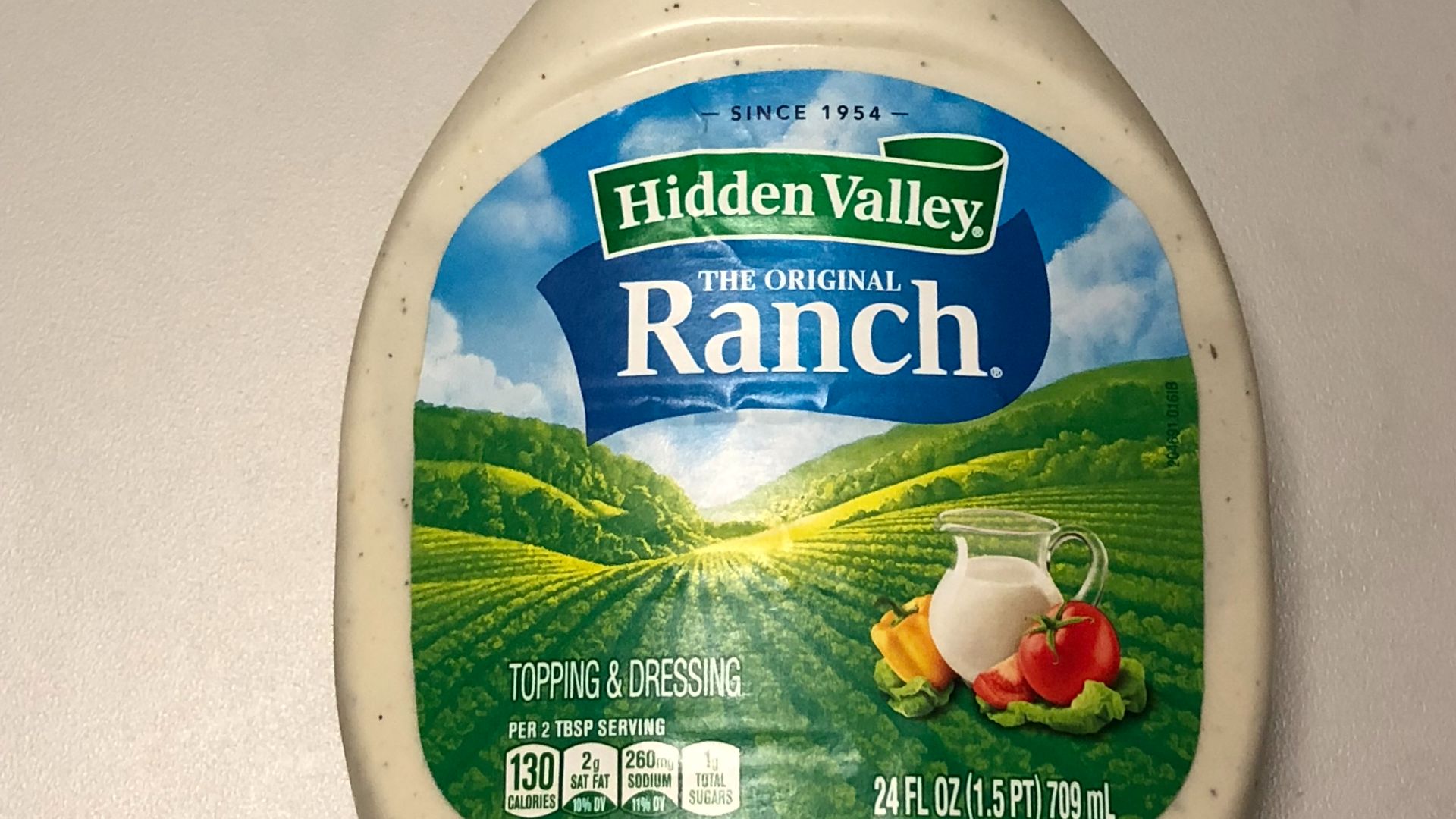
Henson and his wife, Gayle, later bought a guest ranch near Santa Barbara, California, and named it Hidden Valley Ranch. Guests loved the dressing so much that they wanted to take it home. At first, the Hensons sold it in jars and then as dry seasoning packets that people could mix with mayonnaise and buttermilk—a portable, shelf-stable version that made it easy to recreate in home kitchens.
Before long, the dressing became bigger than the ranch itself. The guest business eventually faded, but the seasoning mix kept growing through mail orders and store sales. Ranch worked because it wasn't fussy, and it didn't require anyone to master a complicated sauce. You could stir it together, serve it with lettuce or chips, and immediately look more prepared than you felt.
Supermarkets, Bottles, & Snack Aisles Made It Mainstream
The next major shift came when Hidden Valley became a real packaged-food brand. In 1972, the Clorox Company bought Hidden Valley Ranch, giving the dressing the corporate muscle to reach far more households. That move helped ranch travel beyond local fans and into national grocery aisles. Once a product can be bought almost anywhere, it has a much better chance of becoming a habit.
Convenience made ranch even more powerful. Dry packets were useful, but bottled shelf-stable ranch made the dressing nearly effortless. You no longer had to mix anything or plan ahead; you could just open the fridge and start pouring. That small change mattered because Americans love a condiment that doesn't make them work too hard.
By the 1980s and 1990s, ranch had escaped the salad bowl completely. Snack companies used ranch flavoring on chips, crackers, and other packaged foods, while restaurants served it with wings, fries, and pizza. Cool Ranch Doritos helped turn ranch from a dressing into a flavor category. Once children grew up eating ranch-flavored snacks, the taste became nostalgic as well as practical.
Ranch Won Because It Goes With Almost Everything
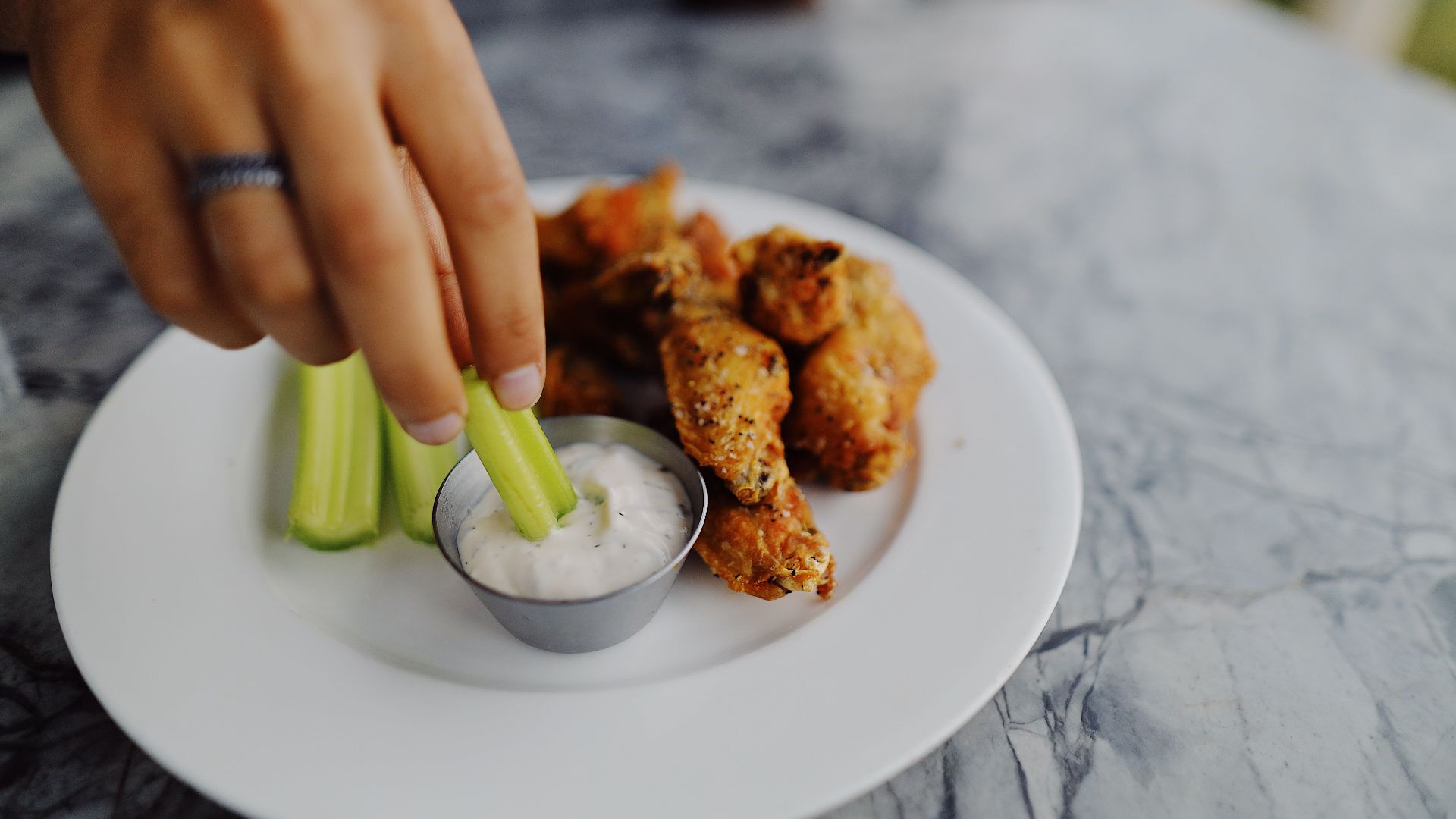
Part of ranch’s success comes from its balance. It's creamy, tangy, salty, herby, and a little garlicky, but it's rarely too sharp or too spicy. That makes it friendly to picky eaters while still interesting enough for people who want flavor. You can put it next to raw carrots or fried chicken, and it somehow knows how to behave in both situations.
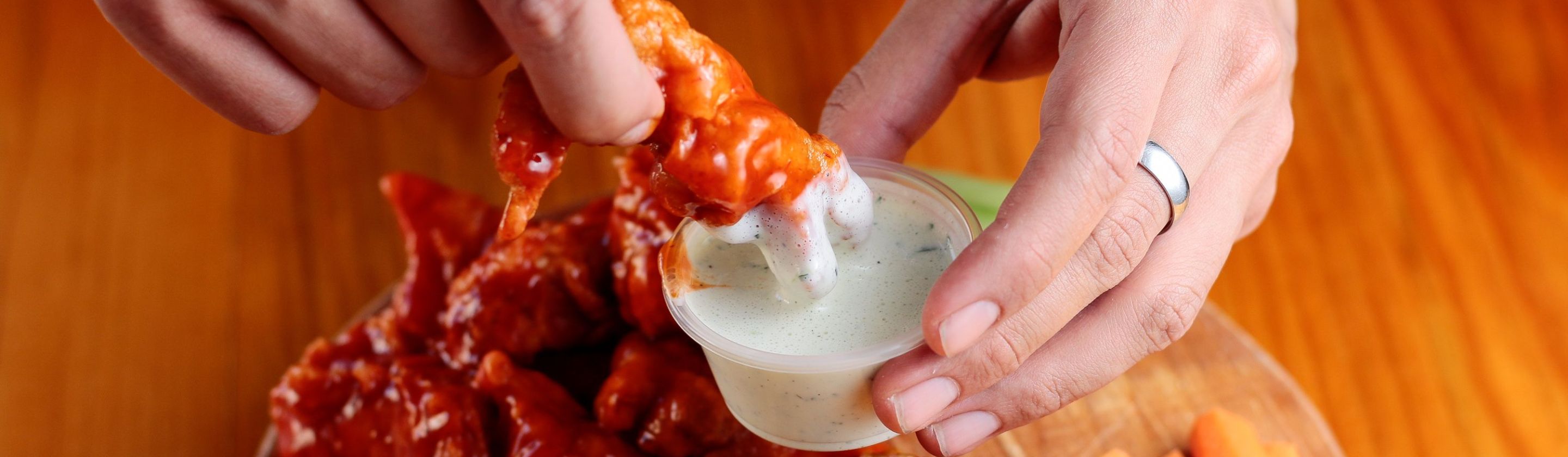
Restaurants also helped ranch become a default choice. When diners started seeing little cups of ranch beside wings, onion rings, pizza, and fried appetizers, the dressing gained a new job. It became a dipping sauce, not just something to pour over iceberg lettuce. That shift made ranch feel casual, fun, and endlessly useful, which is exactly how a condiment becomes part of the culture.
Ranch also has a sense of regional personality, especially in the Midwest and many parts of casual American dining. People argue about it, joke about it, defend it, and sometimes use amounts that would concern a registered dietitian. Still, that devotion is part of the appeal. Ranch became America’s favorite condiment because it's easy to like, easy to use, and very hard to keep in only one lane.
KEEP ON READING


20 Reasons You Should Stop Eating Out