Sober Travel Is Growing — And It's More Than Just Skipping the Drink
Sober travel used to sound like a pretty narrow idea, the kind of thing you’d expect to see tied to wellness retreats, Dry January plans, or someone passing on the wine list at dinner. Now, it’s become part of a much wider conversation about how people want to feel when they’re away from home. Travelers still want good meals, memorable hotels, and the thrill of traveling somewhere new. Alcohol just doesn’t have to be the thing every good moment is built around.
That shift feels especially relevant for food lovers, since so much of travel already happens through appetite. We remember so much of a trip through the things we tasted: a bakery breakfast, a long dinner, a cold drink after walking all afternoon, or a dish we’d never quite pull off the same way at home. Sober travel doesn’t take that pleasure away. If anything, it can make the food, the setting, and the next morning easier to appreciate.
Why Travelers Are Rethinking The Default Drink
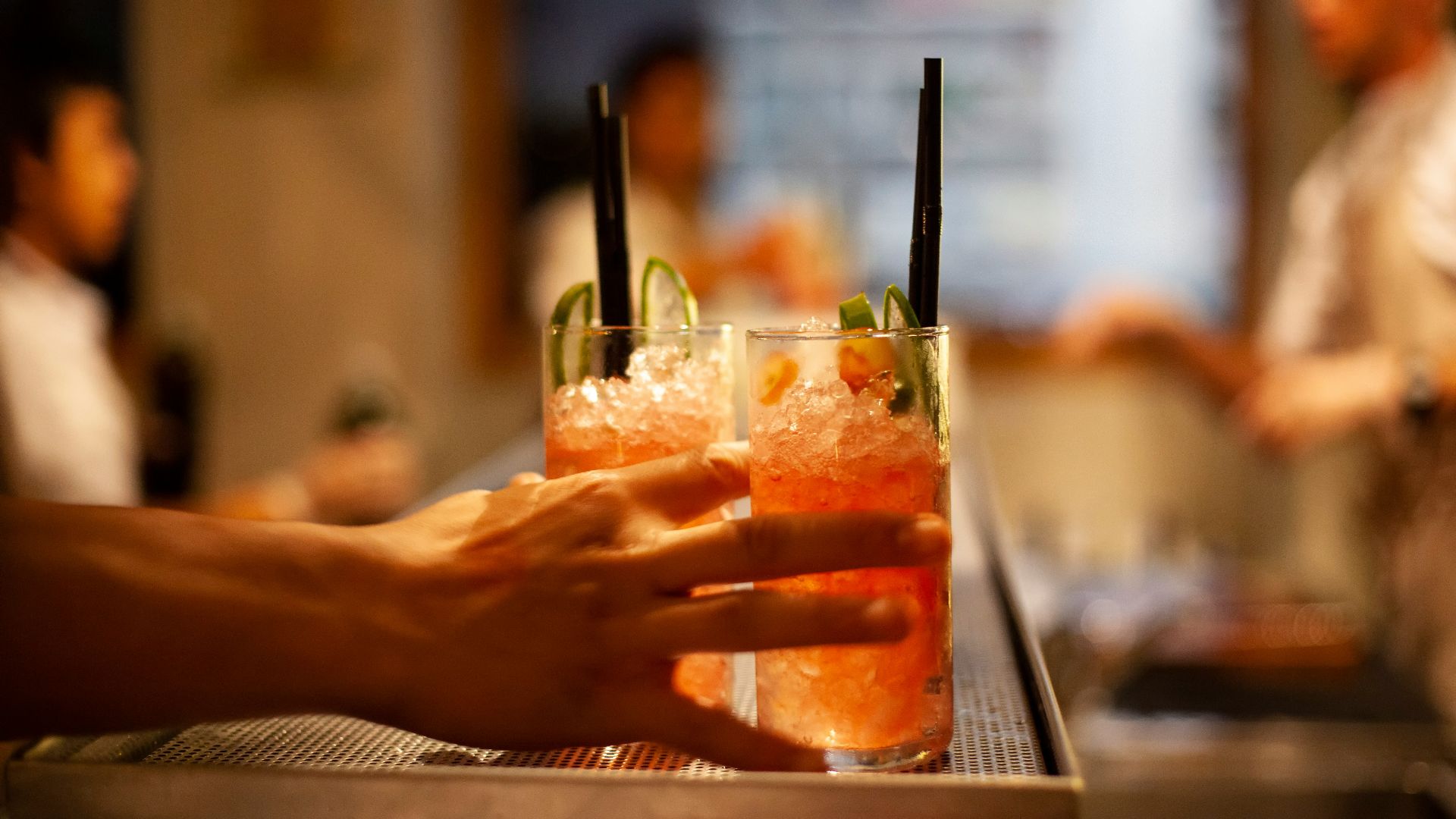
The rise of sober travel fits into the larger sober-curious conversation. The National Institute on Alcohol Abuse and Alcoholism describes sober curiosity as a more mindful approach to alcohol consumption, where people look more closely at how much, when, and why they drink. That doesn’t always mean someone is giving up alcohol completely. For many travelers, it means drinking less, taking a break, or choosing alcohol-free options when they want to feel better during the trip.
The wider conversation around alcohol has changed, too. Gallup reported in 2025 that 54% of U.S. adults said they drink alcohol, the lowest level in its nearly 90-year trend. Gallup also found that 53% of Americans said moderate drinking is bad for health. Those findings help explain why drinking is starting to feel less automatic in social settings, including on vacation.
Health concerns aren’t the only reason people are rethinking alcohol, but they’re clearly part of the picture. The World Health Organization has stated that, when it comes to alcohol consumption, there is no safe amount that doesn’t affect health. This helps explain why some travelers are treating alcohol as optional.
On an actual trip, the difference can show up in small, practical ways. Someone who skips drinks at dinner may sleep better, wake up earlier, and have more energy for a market walk, a day trip, or a long lunch the next afternoon. They may also end up spending that money on food instead. A better meal, an experience, or one more excellent pastry can stick in the memory longer than another round.
Centering Food
Sober travel isn’t really about giving something up, but rather about shifting the center of the trip toward food, place, and the experience as a whole. UN Tourism describes gastronomy as tied to culture, heritage, traditions, and community, which is why a meal can make a destination feel personal in a way a guidebook never quite can.
Hotels and travel brands are paying attention to that overlap between food, wellness, and alcohol-free choices. Expedia named “dry tripping” as one of its 2024 travel trends, reporting that half of travelers surveyed said they would be interested in staying at a hotel with easy access to alcohol-free options, such as mocktails or nonalcoholic beer.
Booking.com has also connected sober-friendly travel with the wellness side of vacation planning. Its travel research reported that 67% of travelers were looking for new wellness activities they could mix into daily life, while 40% wanted to kickstart healthy habits on vacation. Those numbers put sober travel in the same general lane as better sleep, better food, and more careful trip planning.
Food gives that kind of trip plenty of room to breathe. A sober itinerary can still include restaurant reservations, neighborhood bakeries, coffee stops, cooking classes, local markets, dessert runs, and the wandering that makes travel feel loose and fun.
Alcohol-Free Options Are Catching Up
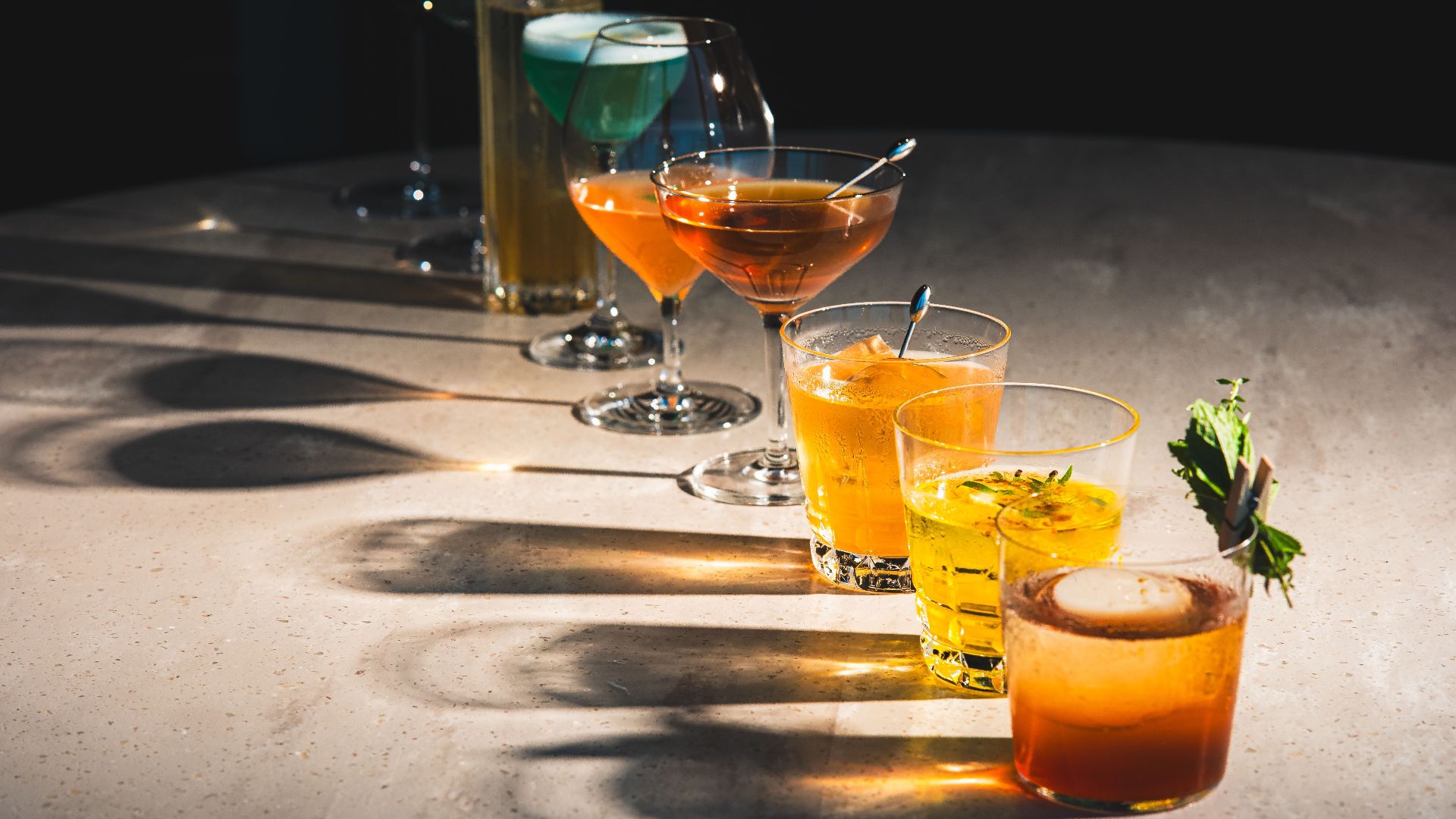
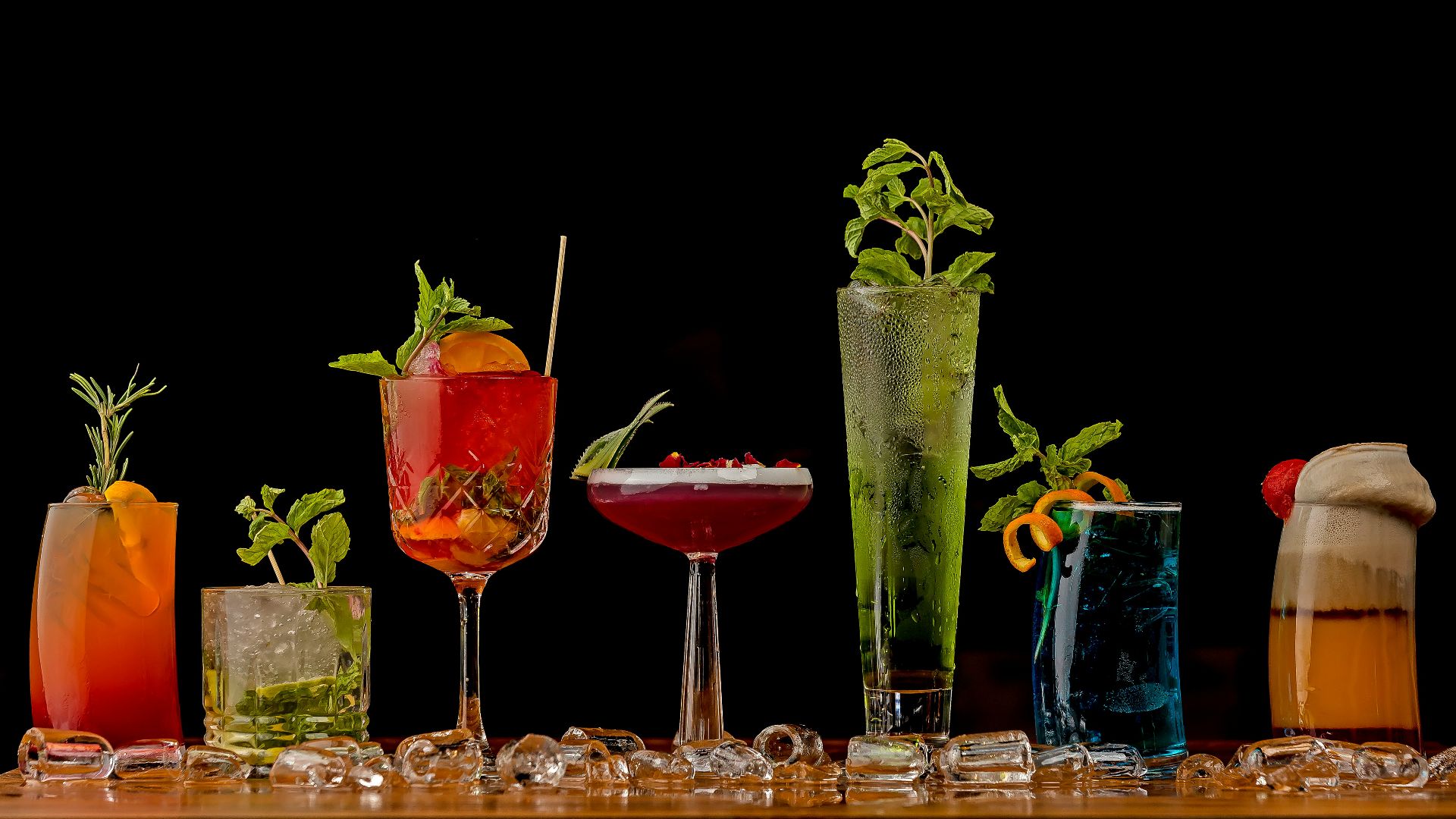
One reason sober travel feels more realistic now is simple: the drink options have gotten better. Not long ago, skipping alcohol often meant choosing soda, juice, coffee, or water while everyone else got something carefully built and nicely served. Those choices are still fine, of course. They just don’t always feel like part of the occasion.
The no- and low-alcohol market has grown alongside that demand. IWSR reported that no- and low-alcohol products grew 13% by volume across 10 major global markets in 2024, and that 61 million people entered the no-alcohol category between 2022 and 2024. NIQ reported that nonalcoholic beer, wine, and spirits reached $925 million in off-premise U.S. sales, with 22% year-over-year growth. Those figures help explain why more restaurants, bars, hotels, and retailers are taking alcohol-free drinks more seriously.
For restaurants and hotels, that creates a real hospitality test. A good zero-proof drink shouldn’t taste like an afterthought, and it shouldn’t be sweet by default. Acidity, bitterness, bubbles, spice, herbs, texture, temperature, and glassware all matter. When a drink is built with care, it can still be a satisfying drink.
Hilton’s 2025 travel-trends release points in the same direction. It reported that nearly one in five global leisure travelers seek out new restaurants or culinary experiences, and 50% of travelers book restaurant reservations before their flights. Hilton also reported that one in four global travelers had reduced or stopped alcohol consumption in the past year, reflecting what it called a mindful approach to moderating the pace and volume of drinking.
That’s the real appeal of sober travel for a food and wellness audience. It doesn’t have to make vacation smaller, stricter, or less social. It can make more room for flavor, energy, sleep, memory, and the kind of meal you actually want to remember the next morning. Sometimes the best travel drink is a sparkling tea, a bitter citrus soda, a carefully made mocktail, or just very good coffee after a very good breakfast.
KEEP ON READING
The Most Popular Chocolate Bars in the USA
The Most Popular Candies in the USA