Small Details Can Tell You a Lot
Ever walked into a restaurant and already knew it might not be your favorite? Whether it's the musty smell, the tacky-to-the-touch tables and menus, or the unkempt dining area, lots of things can immediately set off warning bells. Sure, restaurants might not always look completely spotless, but a good one should still show signs that the staff cares about cleanliness and basic sanitation. If you encounter any of these 20 red flags, you might want to choose another place to eat.
1. The Entrance Looks Neglected
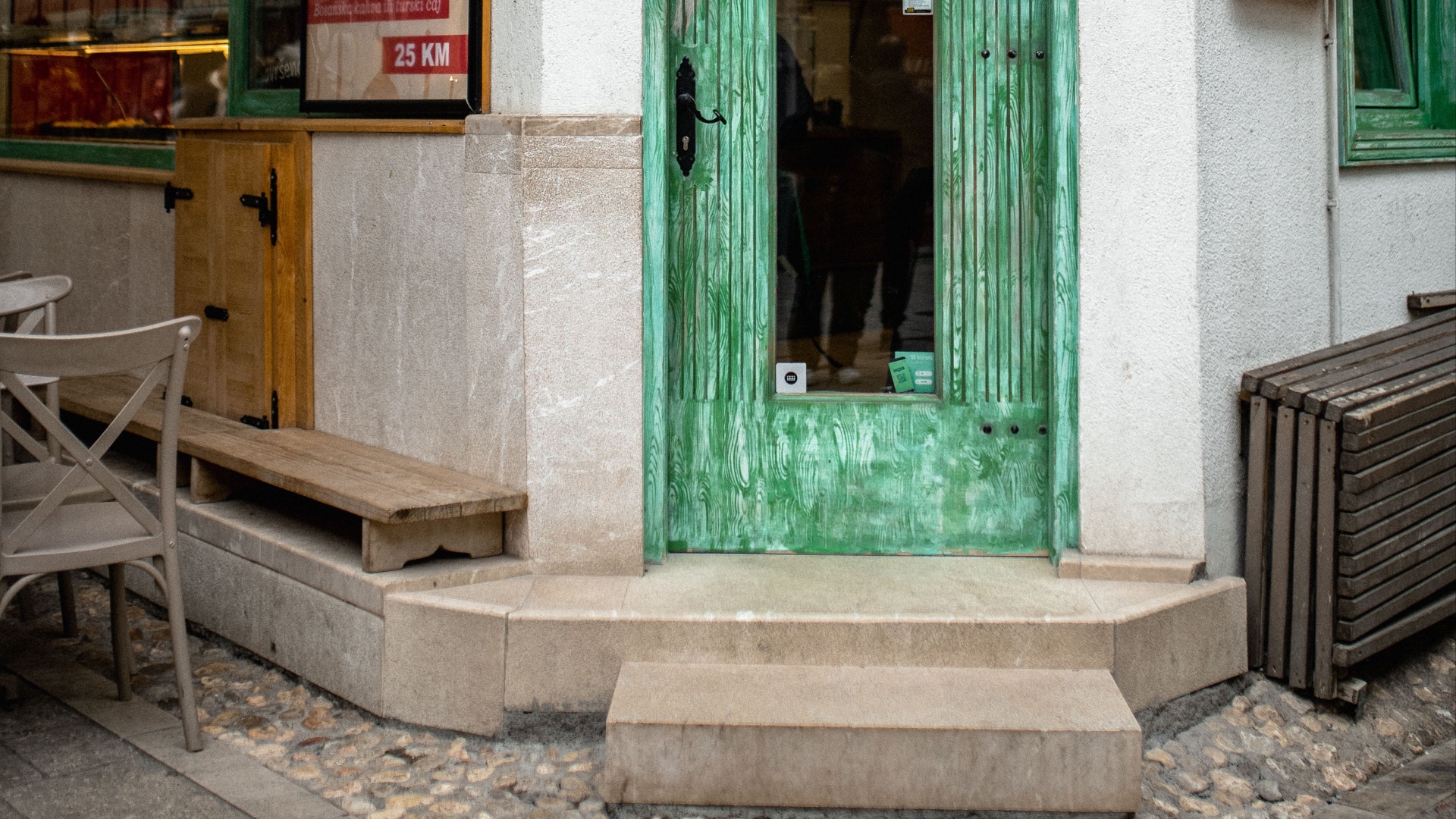
The front door, windows, and entryway can say a lot about how carefully the restaurant is maintained. If the glass is covered in fingerprints, the handle feels sticky, or trash has collected near the door, that’s not a great first impression. A busy restaurant can get messy during service, but the entrance should still look like someone checks it regularly. When the first thing you touch feels grimy, it’s fair to wonder what the less visible areas look like.
2. There’s a Bad Smell
Every restaurant has food smells, but sour, musty, rotten, or sewage-like odors are different. A strong unpleasant smell can point to old trash, dirty drains, spoiled food, or poor ventilation. You shouldn’t have to convince yourself that an odor is normal just because the place is crowded. If the smell makes you pause before you even sit down, trust that reaction.
3. The Floors Are Sticky or Littered with Debris
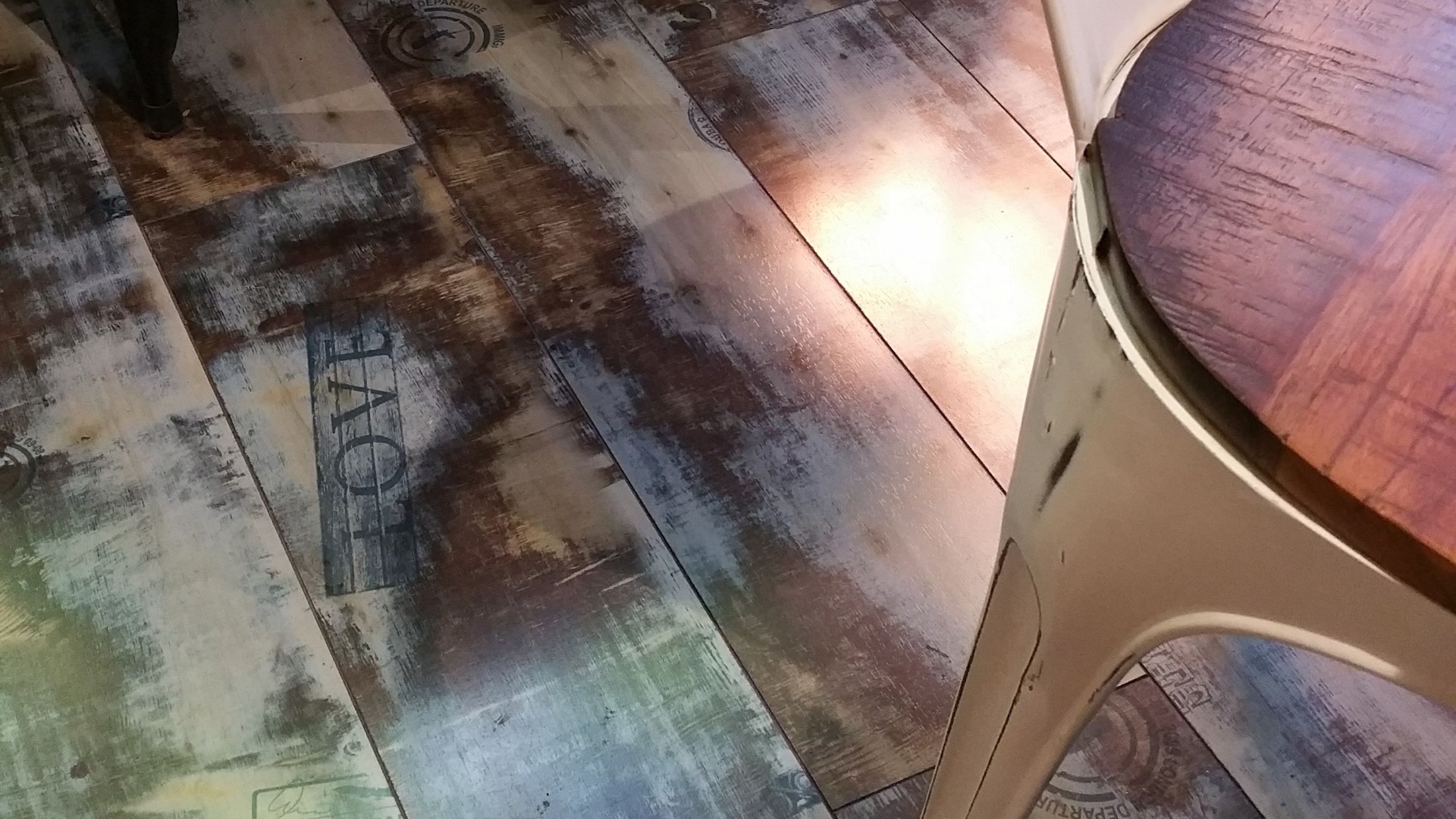
A little foot traffic is expected, especially during lunch or dinner rushes, but sticky floors are harder to excuse. They often mean spills haven’t been cleaned properly, or the floor has only been lightly passed over instead of washed. Crumbs, napkins, and food pieces left around tables for long periods can also attract pests. Clean floors don’t need to shine, but they should feel maintained.
4. Tables Feel Tacky After Being Wiped
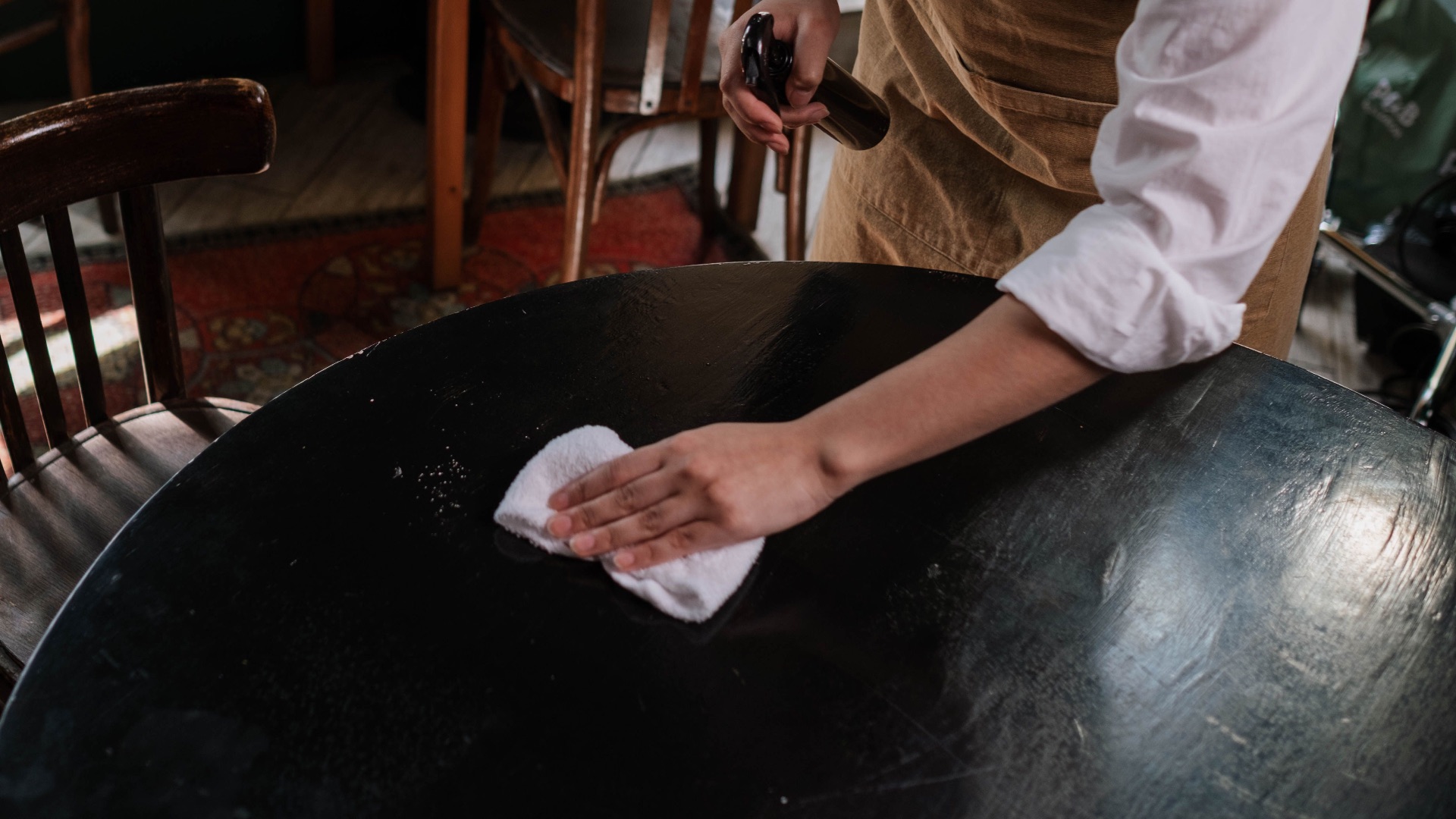
A table can look clean from a distance and still feel unpleasant once you sit down. If your forearms stick to the surface or you can see smears from a dirty cloth, the table may not have been sanitized well. Restaurants should use clean towels or disposable wipes rather than dragging the same damp rag from table to table. A sticky tabletop is especially concerning because it’s one of the main surfaces customers touch.
5. Menus Also Feel Tacky
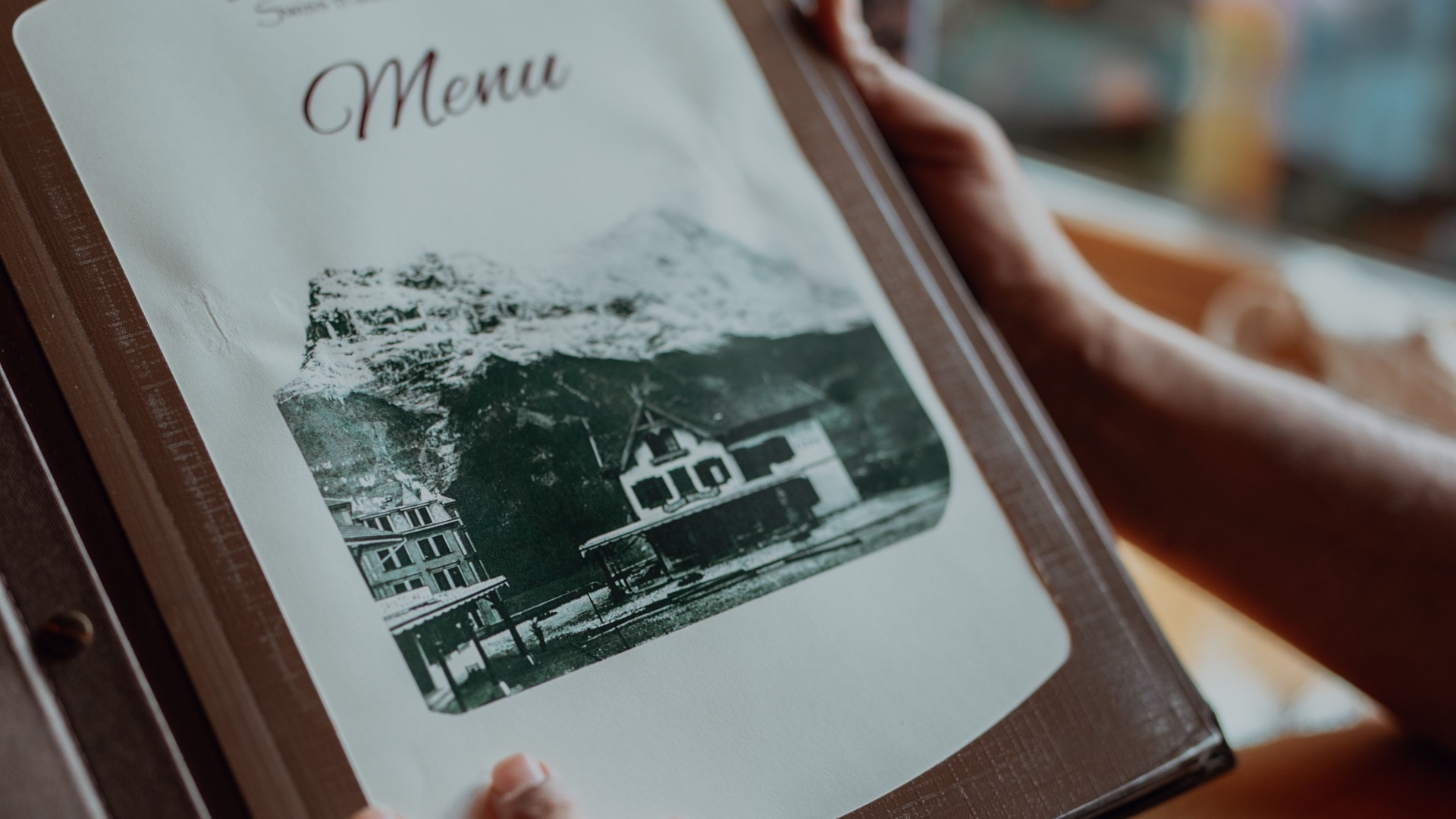
Menus pass through many hands, so they need regular cleaning. When a menu has old food stuck to it, greasy fingerprints, or pages that feel tacky, it suggests the staff may not be sanitizing high-touch items often enough. This is even more noticeable with laminated menus, which are easy to wipe but often get overlooked. A dirty menu may not prove the kitchen is dirty, but it’s still a warning sign.
6. Condiment Bottles and Shakers Look Dirty
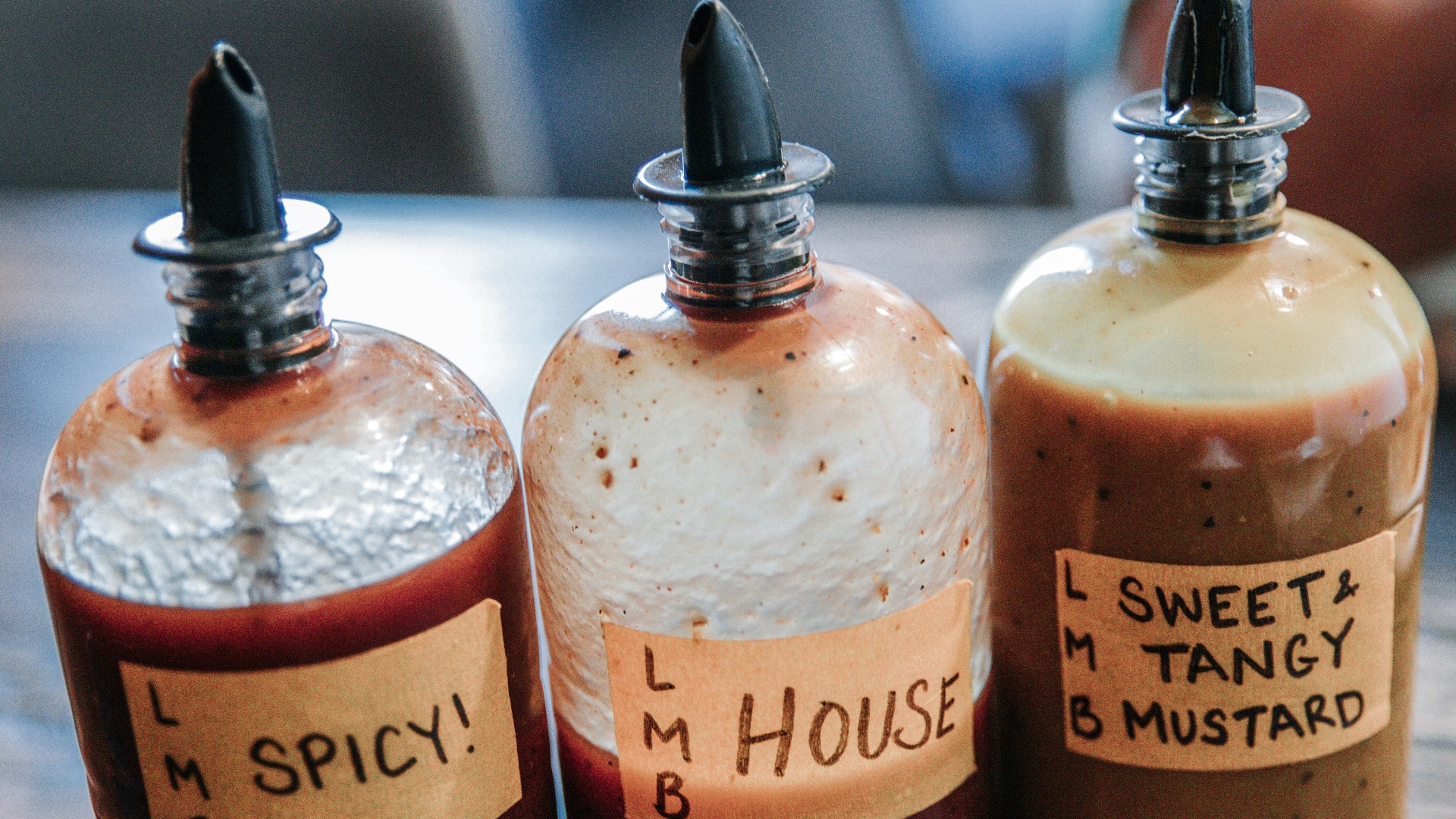
Ketchup bottles, hot sauce containers, salt shakers, and sugar holders can build up residue quickly. If they’re crusted around the caps, sticky on the outside, or covered with old fingerprints, they probably aren’t being cleaned between uses. These items sit directly on the table and are handled by many customers throughout the day. When they look neglected, it raises questions about the restaurant’s cleaning routines.
7. The Bathroom Is in Bad Shape
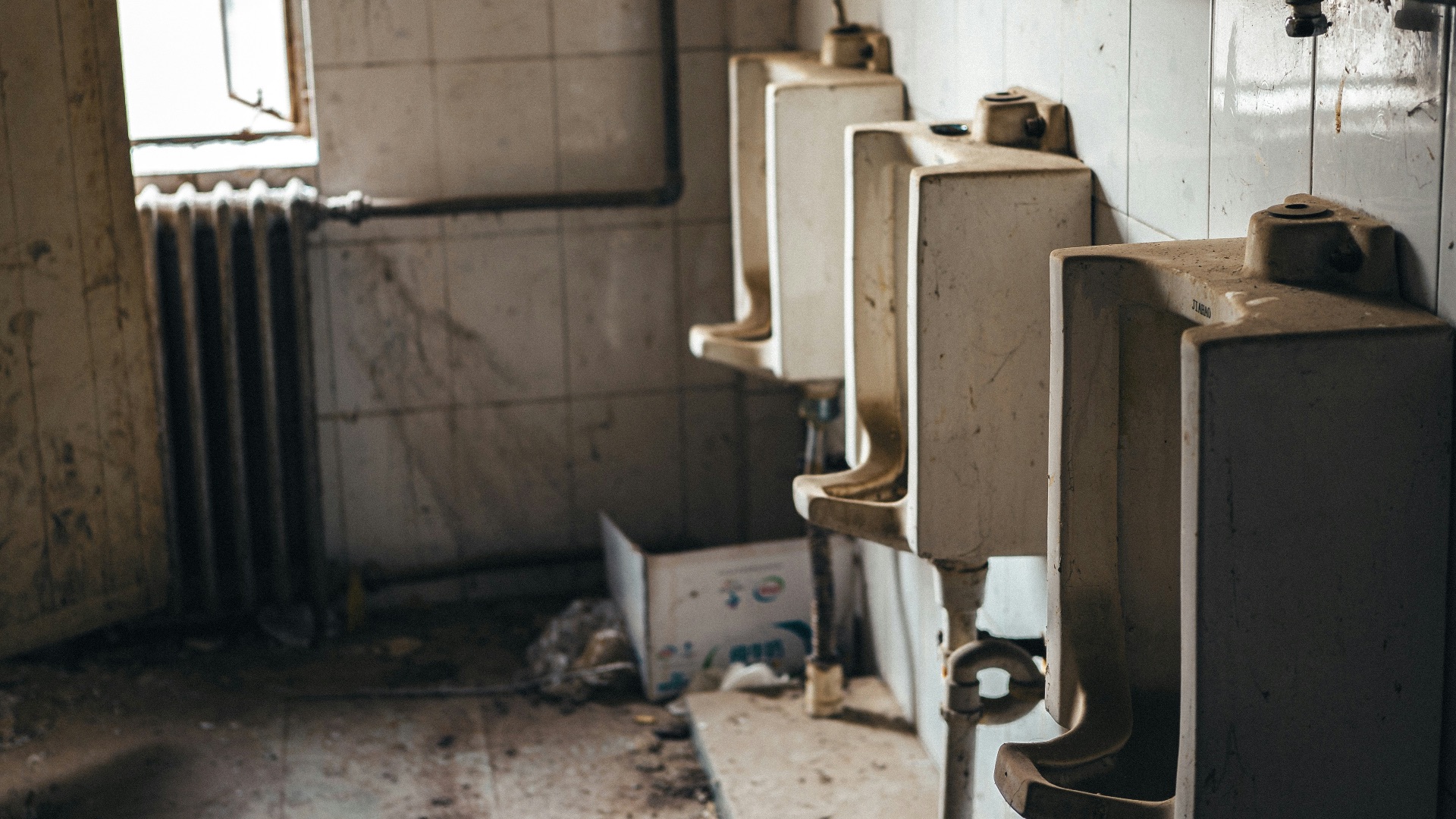
A restaurant bathroom doesn’t have to be fancy, but it should be clean, stocked, and (most importantly) functional. Overflowing trash, empty soap dispensers, dirty sinks, or toilets that clearly haven’t been checked are all red flags. The bathroom is a customer-facing space, so if it’s ignored, you may wonder how the back areas are treated. The lack of soap is especially concerning because employees may be using the same restroom.
8. You Don’t See Employees Washing Their Hands
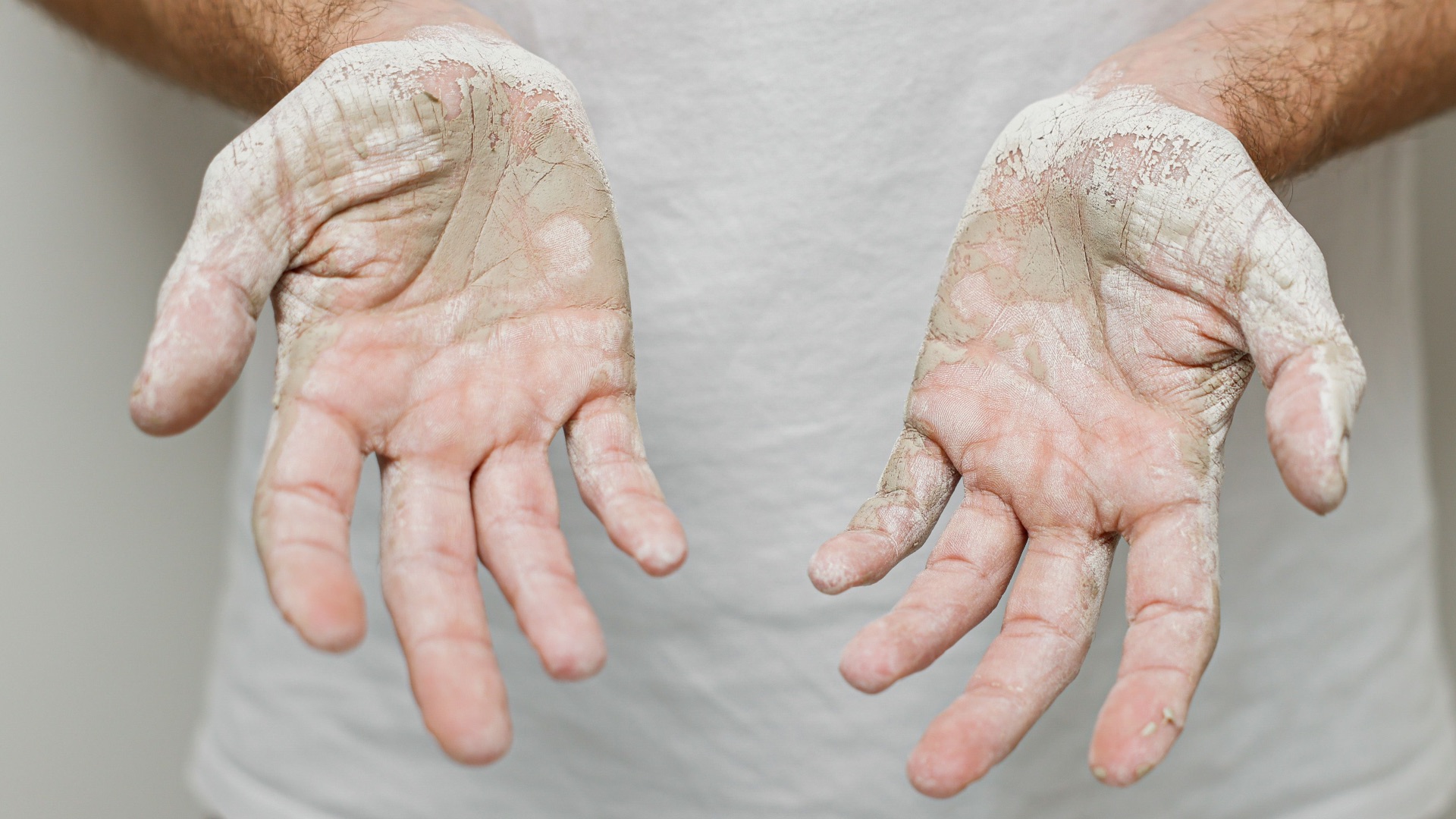
You may not always have a view of staff handwashing, but some situations make it noticeable. If an employee handles cash, touches their face, clears dirty dishes, and then goes straight back to serving food without washing or sanitizing, that’s a problem. Food service requires careful hand hygiene because germs can spread easily through repeated contact. Even one obvious lapse can make the whole experience feel less safe.
9. Staff Touch Ready-to-Eat Food with Bare Hands
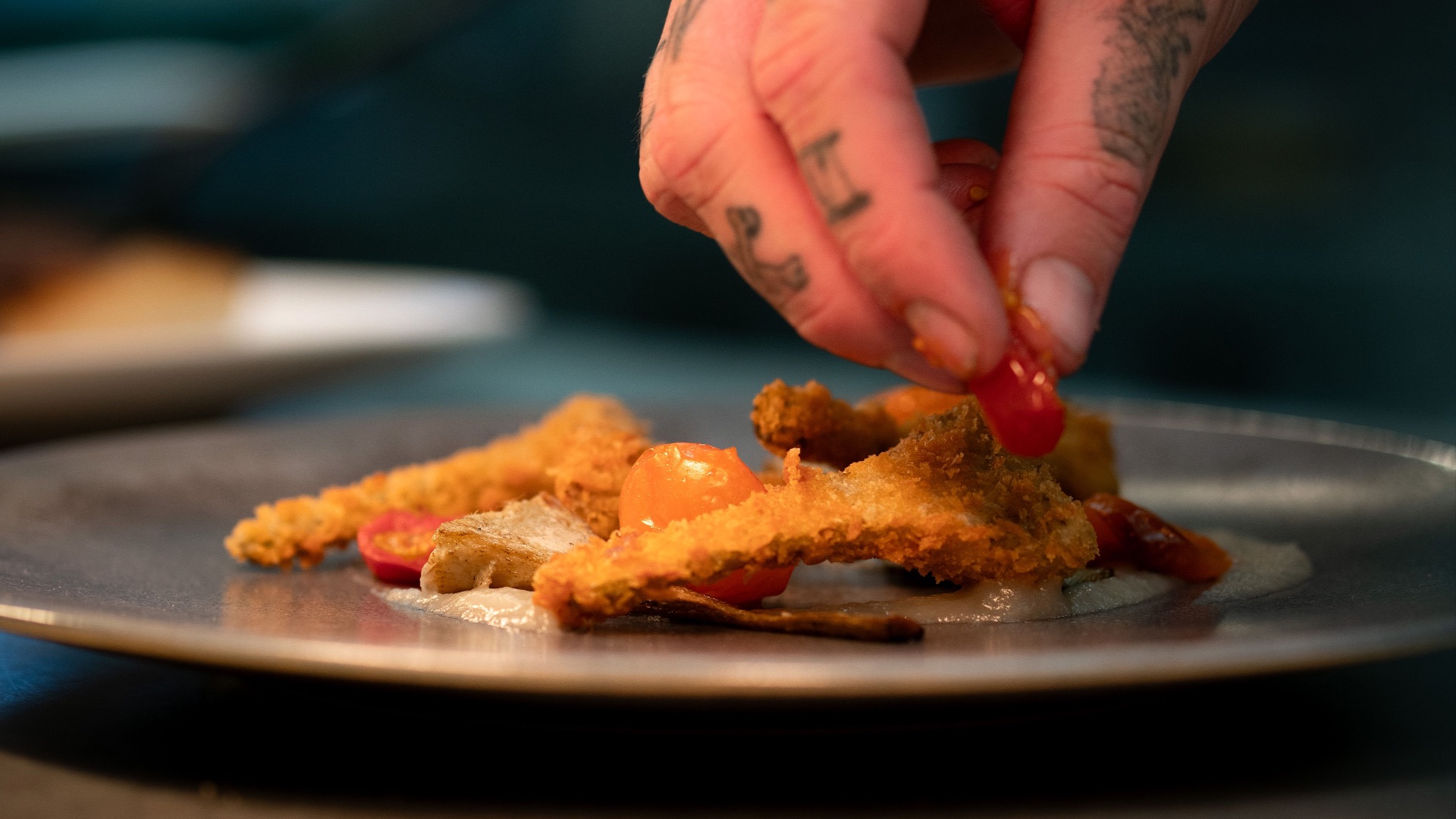
Employees should always use gloves, utensils, deli paper, or tongs when handling anything that won’t be cooked further. If you see them grab plated food with their bare hands, it may show poor training or weak supervision. Or it could show bad protocol in a restaurant that doesn't care enough about potential contamination.
10. The Dining Area Has Visible Dust or Grime
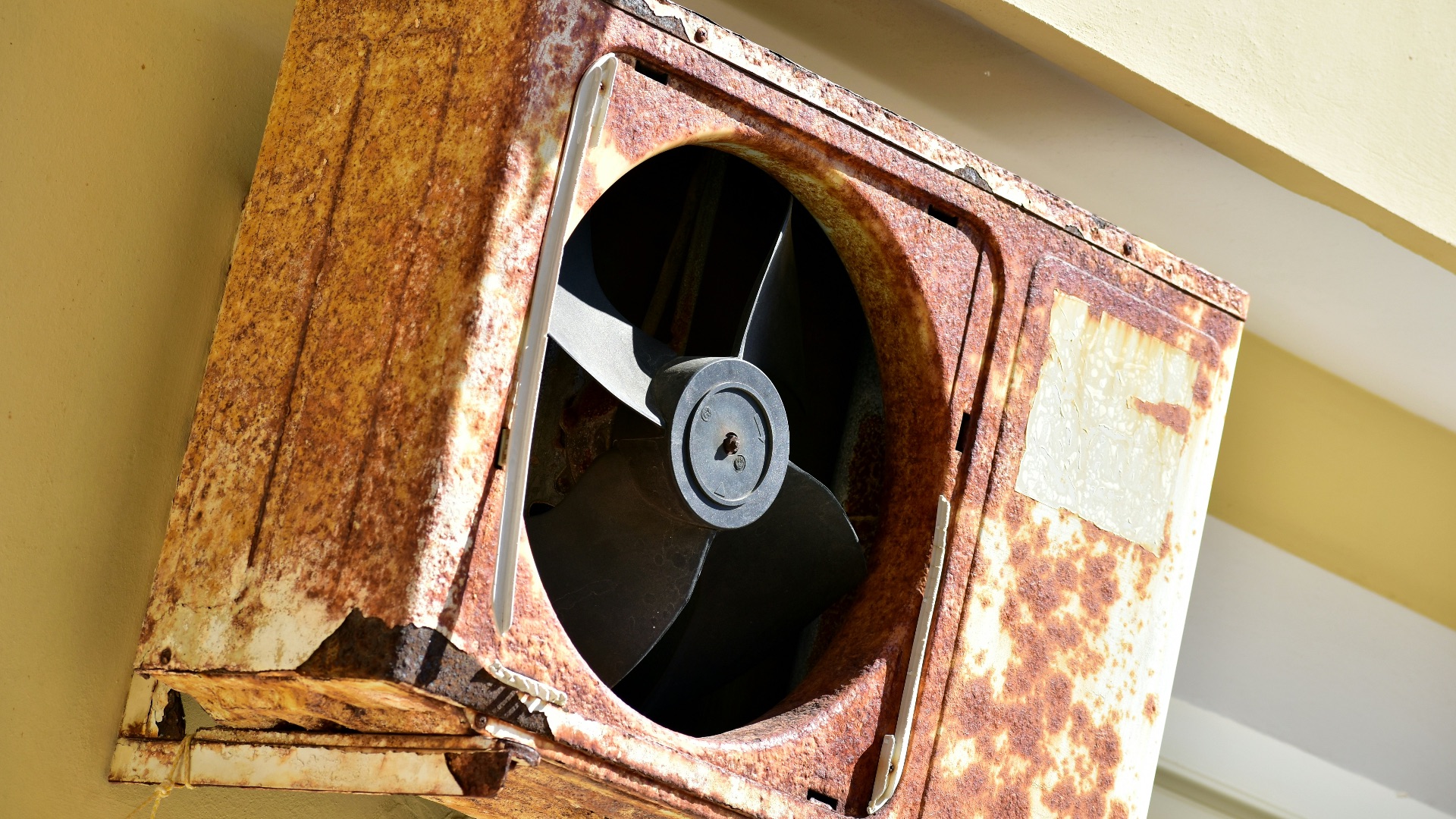
Dusty ledges, dirty vents, stained walls, and grimy corners suggest cleaning is being done only at surface level. These areas don’t need attention every five minutes, but they shouldn’t look forgotten. When dust builds up near where people eat, it makes the space feel poorly cared for. A clean restaurant usually has routines that cover both the obvious surfaces and the spots customers don’t immediately notice.
11. Trash Cans Are Overflowing
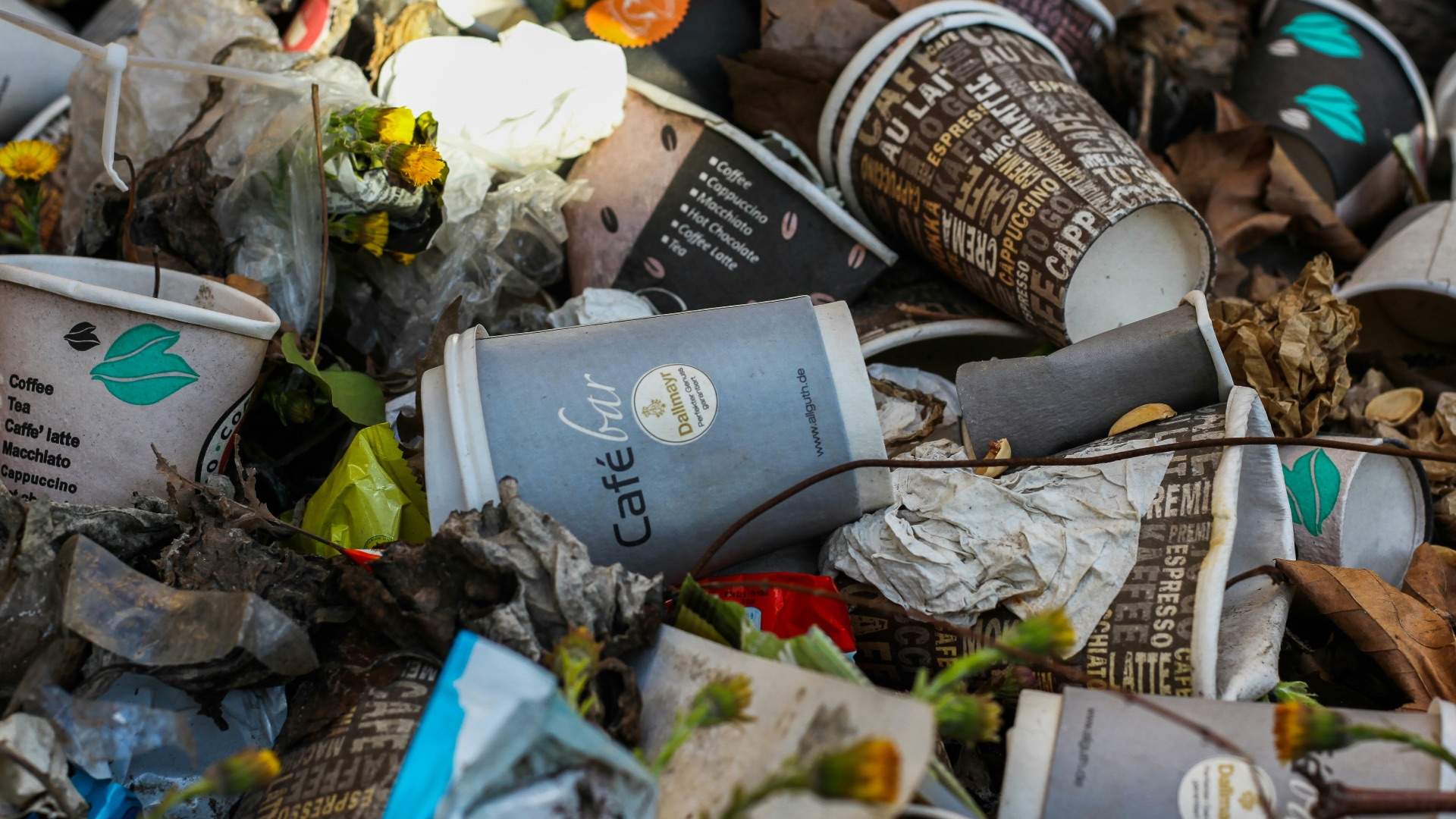
Trash can fill quickly during a rush, but overflowing bins should be handled before they become unpleasant. If garbage is spilling over, smells are spreading, or food waste is visible near the dining area, that’s a sanitation concern. A restaurant that manages waste well will usually prevent bins from ever reaching that point.
12. Dishes, Glasses, or Utensils Have Residue
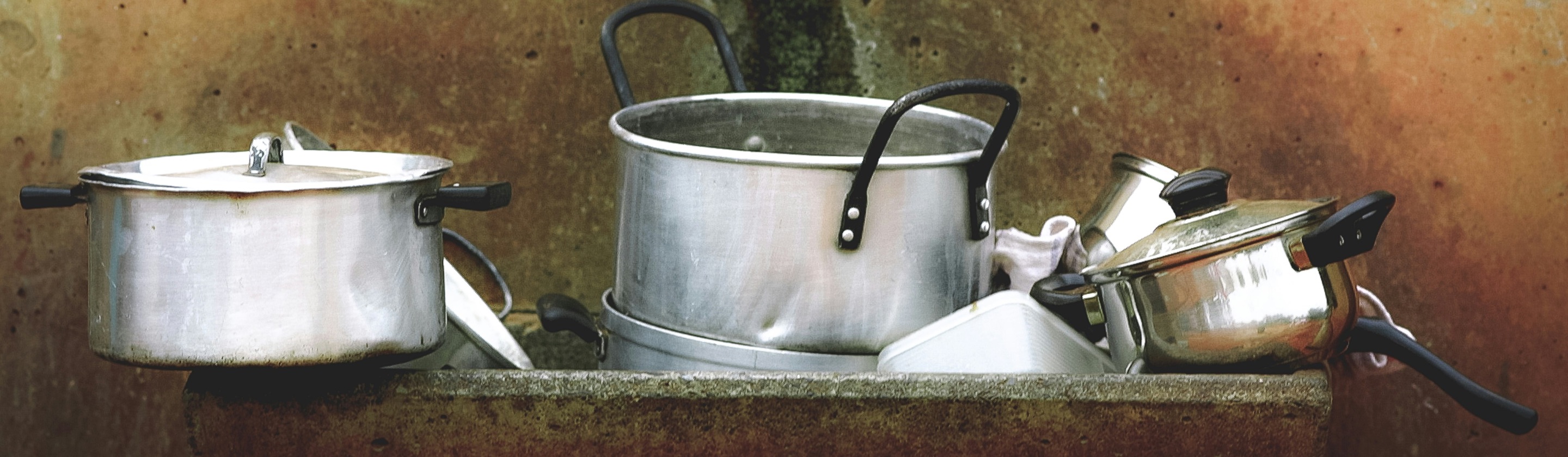
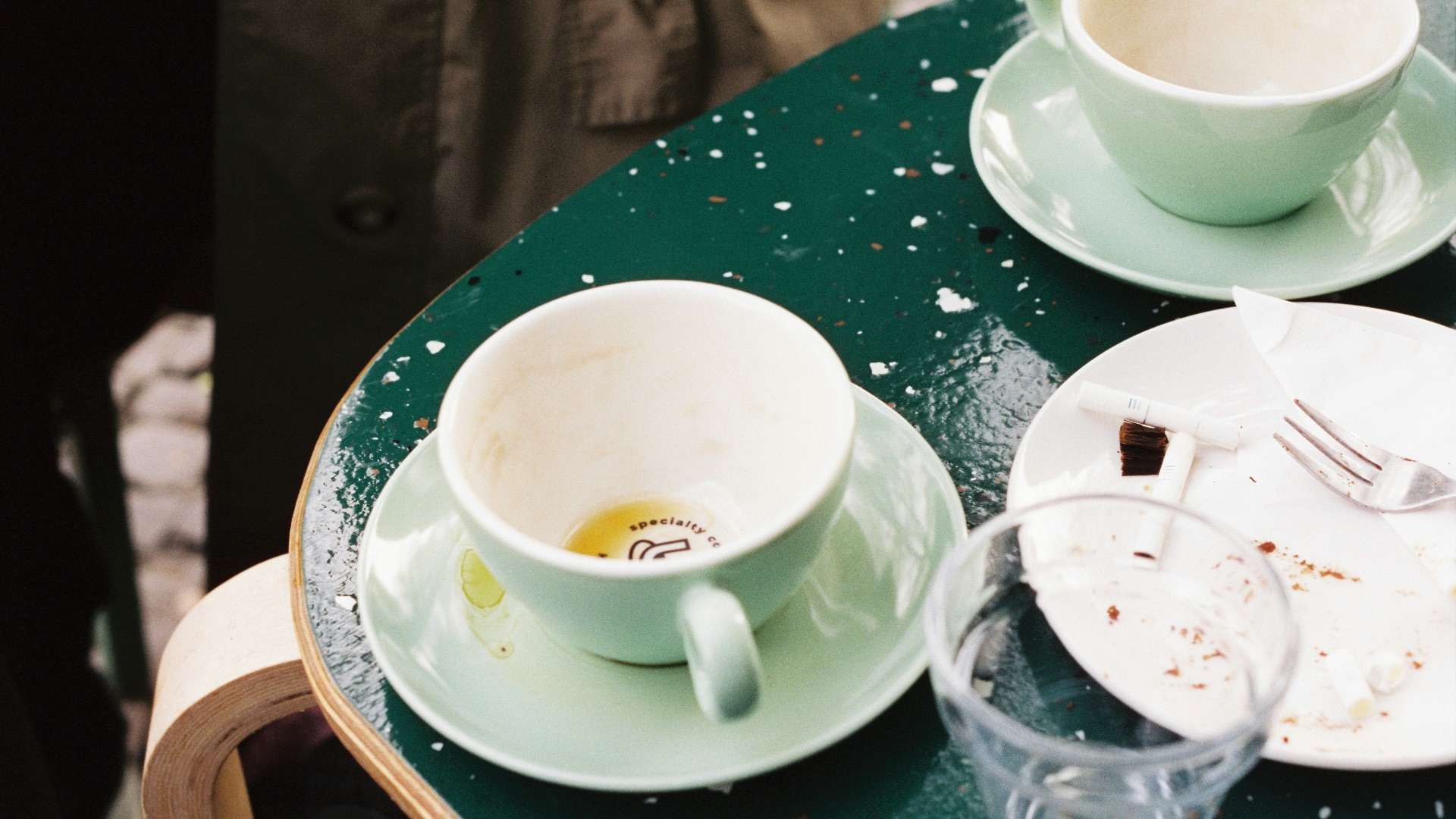
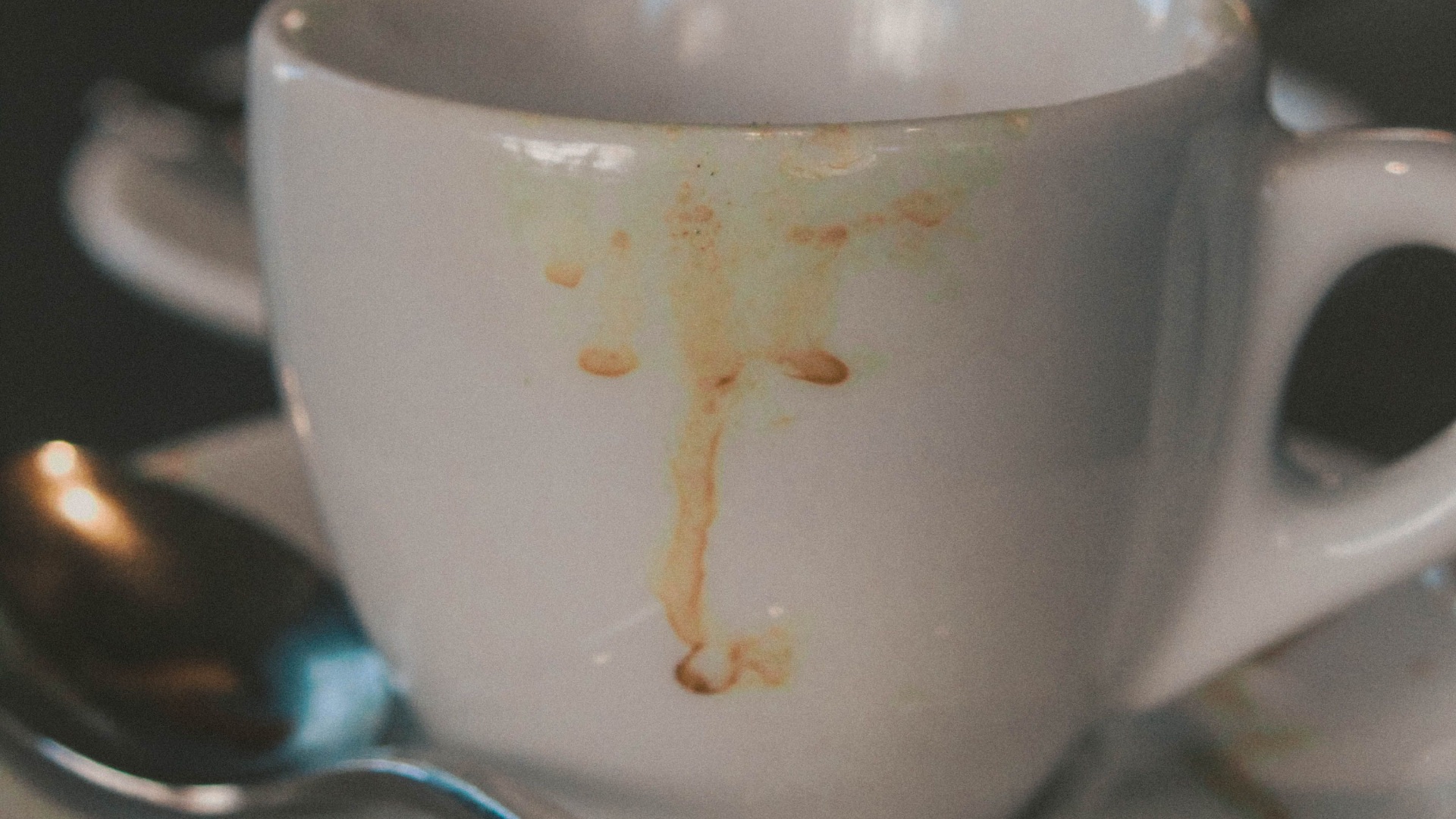
Clean plates and silverware should never make you feel like you need to inspect them closely before eating. Spots from hard water can happen, but dried food, lipstick marks, grease, or cloudy residue are different issues. If one item is dirty, it may be a simple mistake, but several dirty items suggest a dishwashing problem. Don’t be embarrassed to ask for replacements, and consider leaving if the replacements aren’t better.
13. Food Is Left Sitting Out Too Long
Food sitting uncovered at room temperature can become unsafe, depending on what it is and how long it has been there. Watch for prepared ingredients, sauces, dairy, meats, or seafood left out without visible temperature control. This can be especially concerning at buffets, salad bars, and open prep areas. Food safety depends on time and temperature, not just whether something still looks appetizing.
14. The Buffet or Self-Serve Area Is Messy
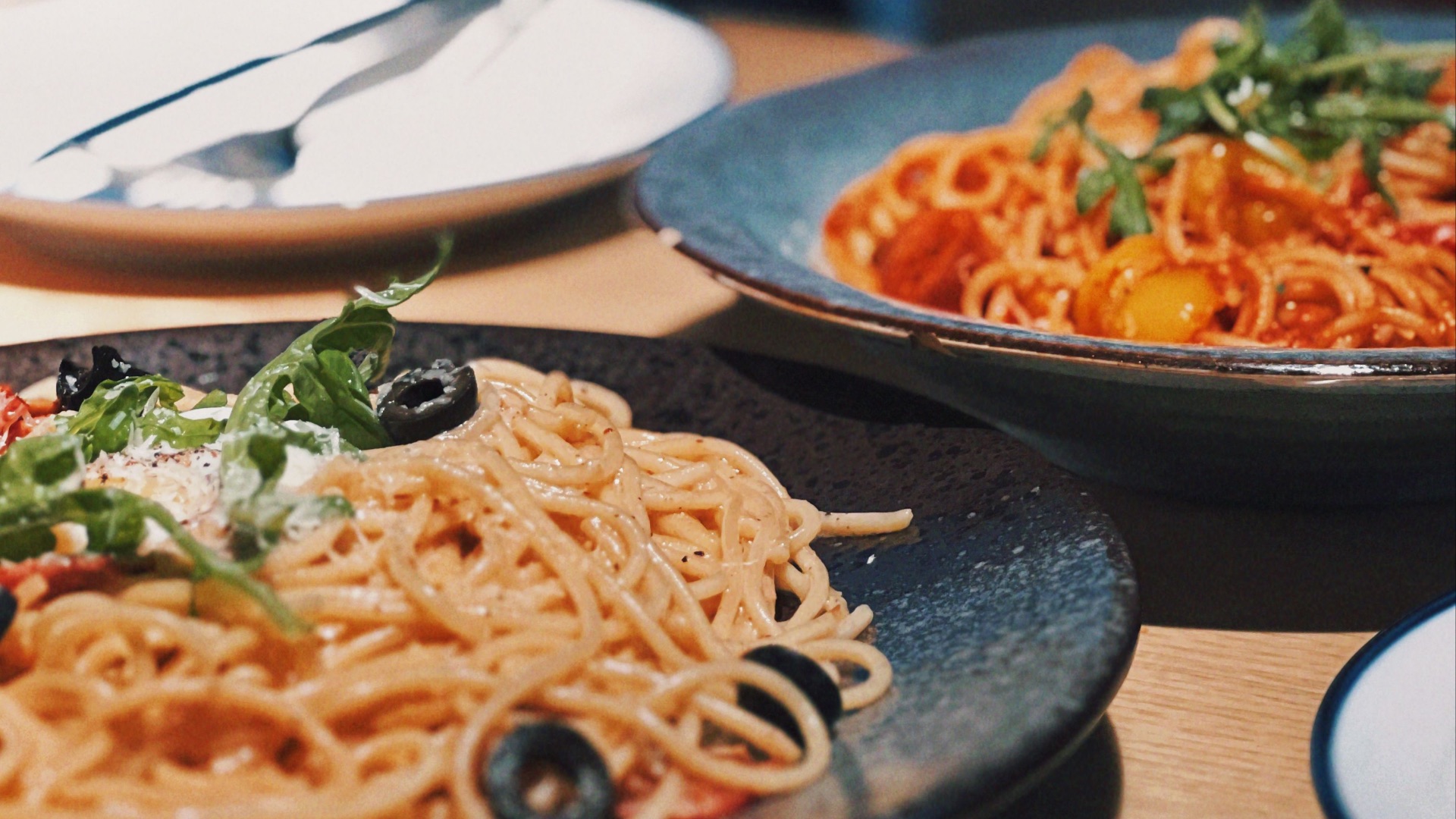
Self-serve stations need constant attention because many customers use the same utensils and surfaces, so any spills or messes around trays all point to weak monitoring. If staff aren’t regularly cleaning and replacing utensils, contamination can spread from one dish to another, and that's not something any customer wants to deal with.
15. You Notice Flies, Roaches, or Other Pests
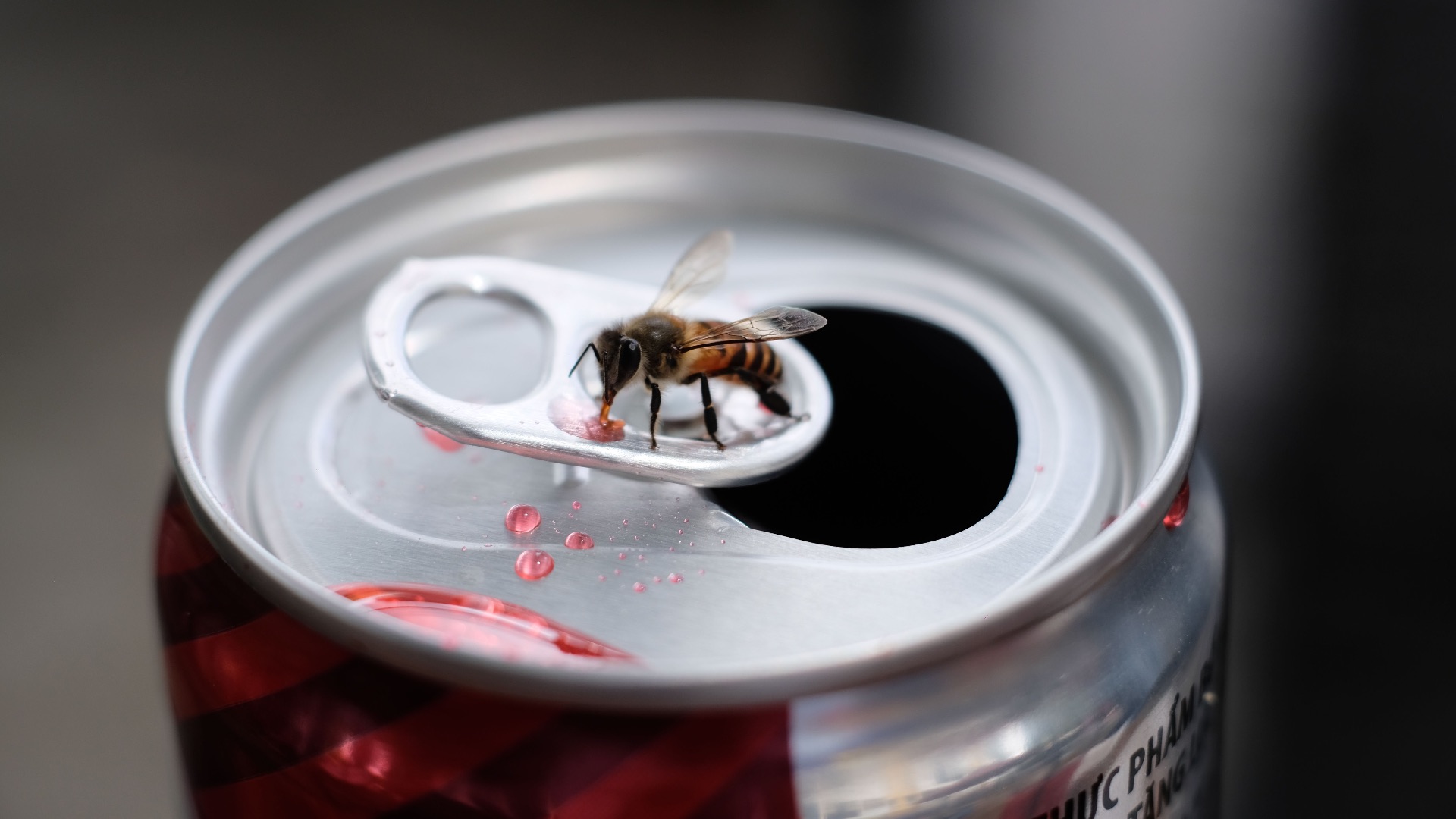
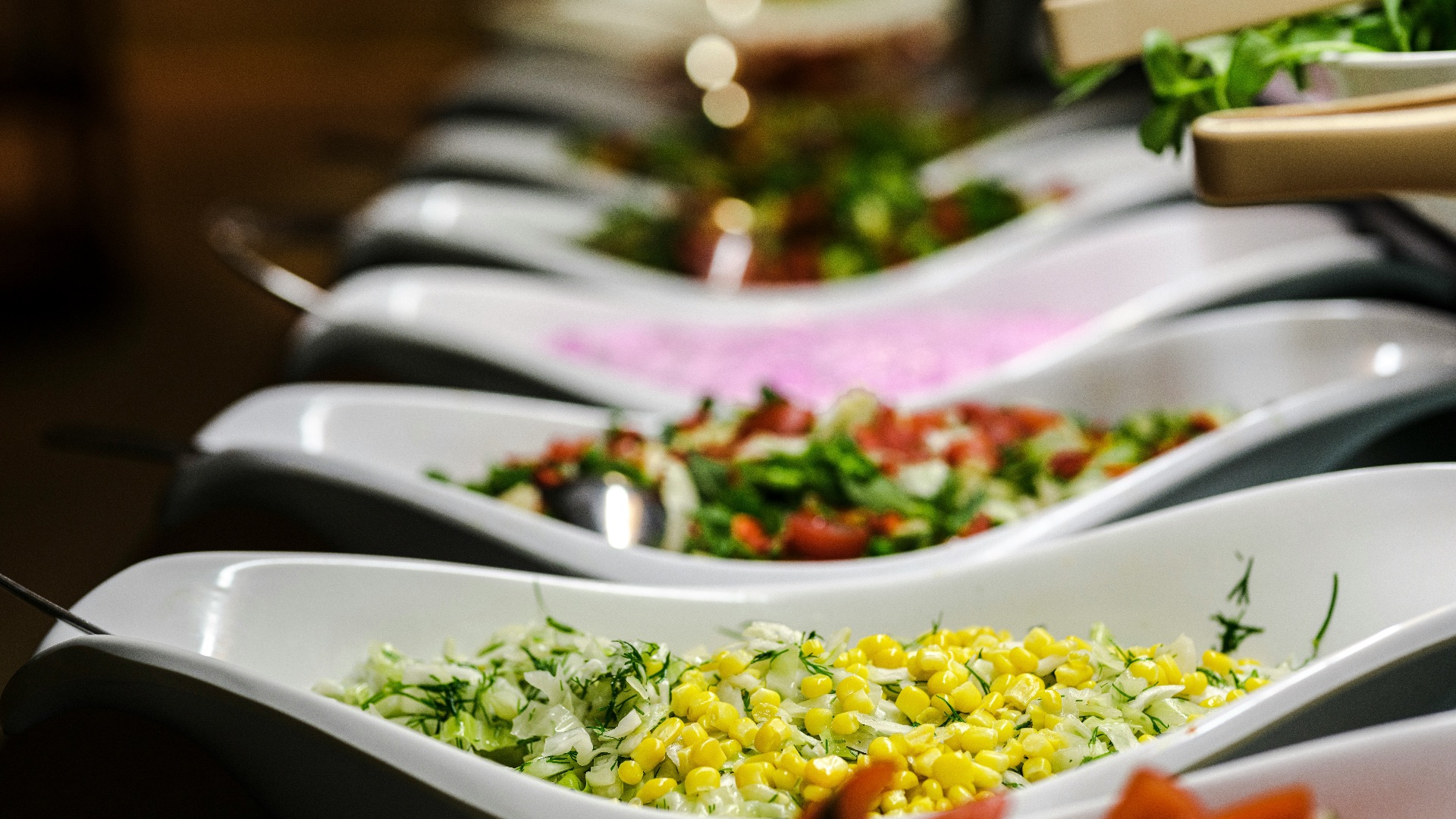
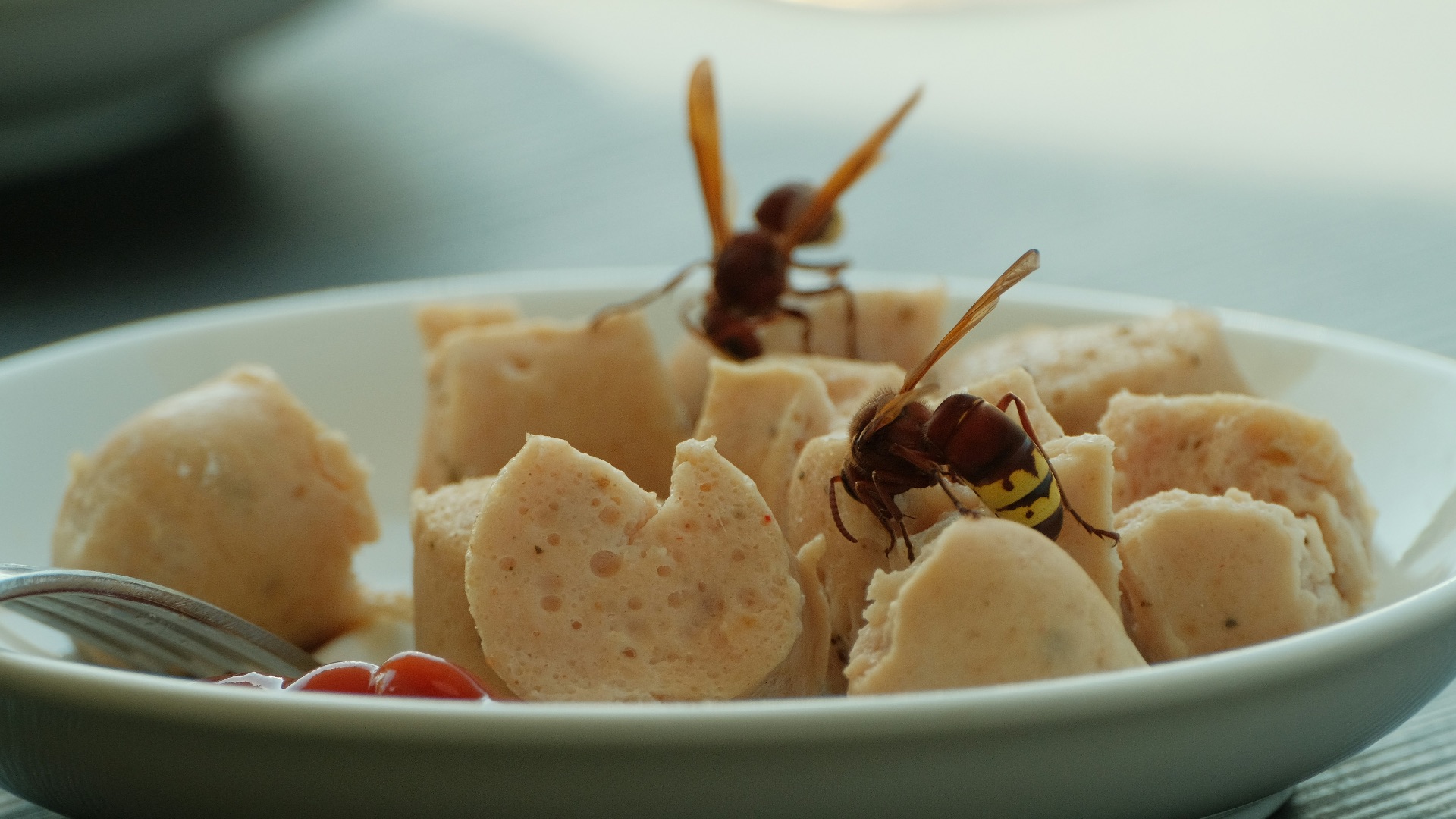
One fly near an open door may not mean much, but repeated pest sightings are a serious warning sign. Roaches, ants, rodents, or many flies can indicate food waste, poor storage, or gaps in cleaning. Pests don’t need to be in the kitchen to matter, either; just catching sight of them in the dining room is enough to raise immediate concern.
16. The Open Kitchen Looks Disorganized and Dirty
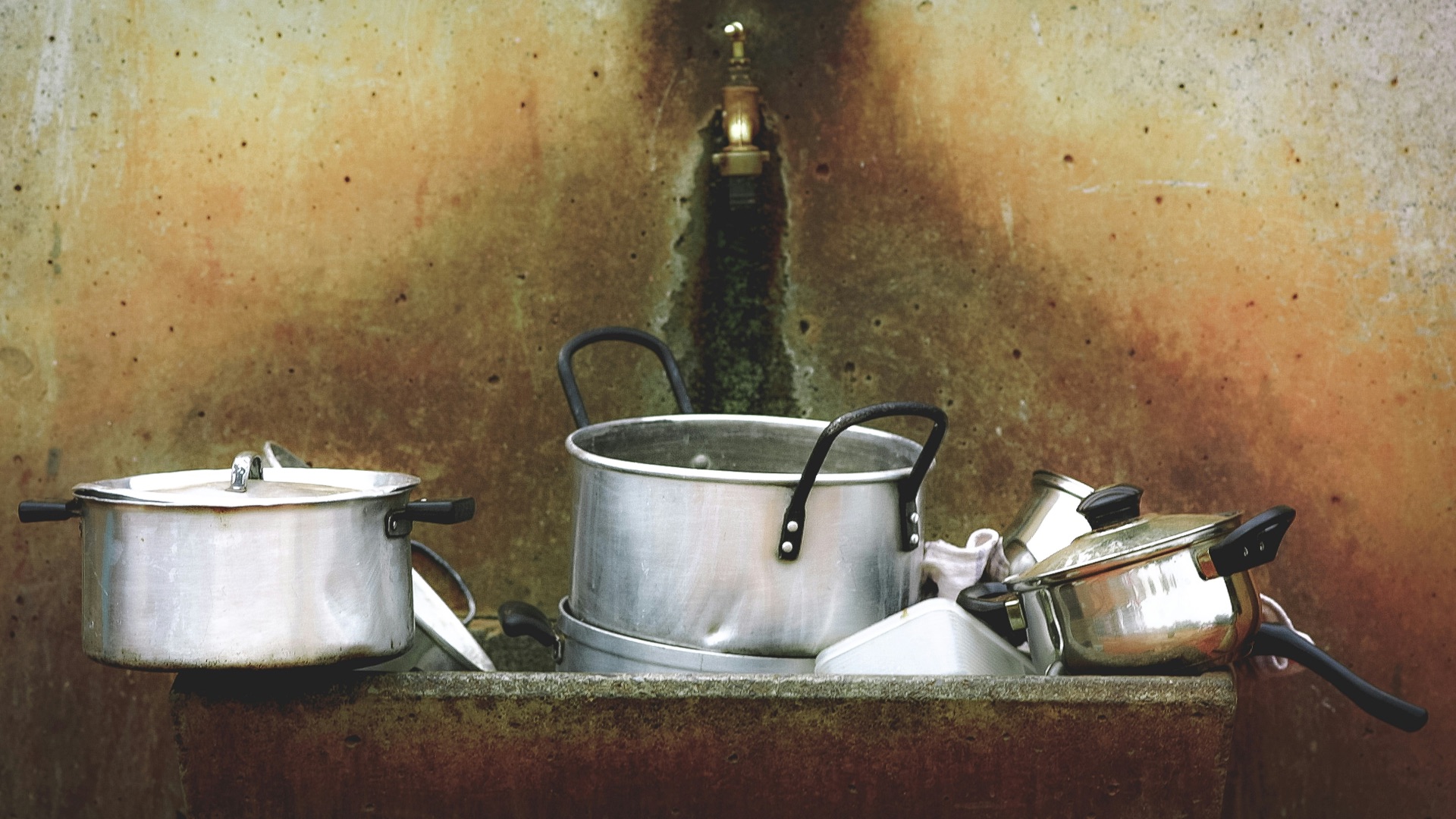
An open kitchen gives you a chance to see how the staff works, and some mess during service is normal. Still, there’s a difference between busy and unsanitary. Dirty cutting boards, food scraps piling up, spills that aren’t addressed, and cluttered prep surfaces can suggest poor control. If the kitchen is visible to customers and still looks badly maintained, the hidden areas may not be any better.
17. Employees Wear Soiled Aprons or Gloves
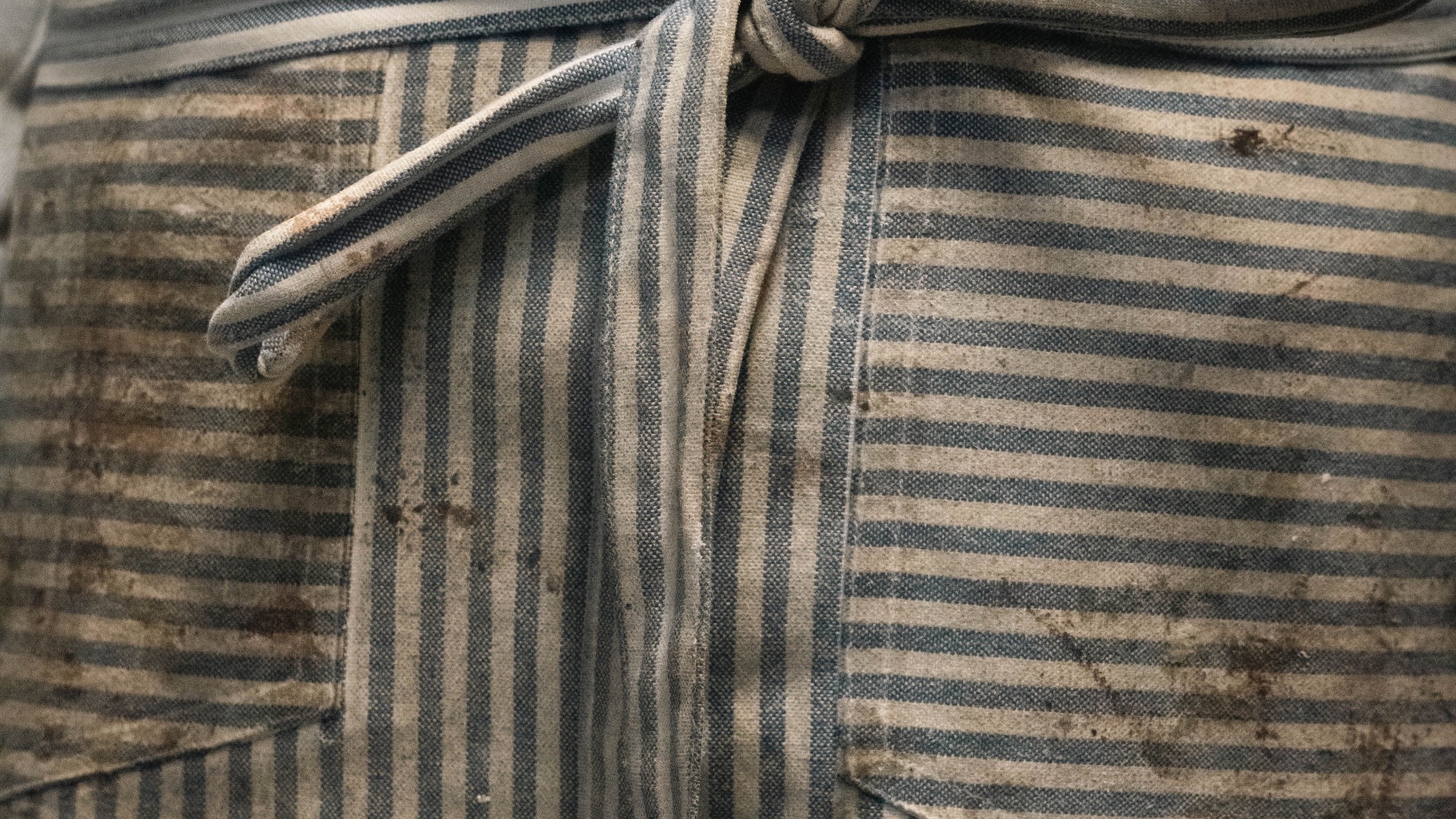
Aprons and gloves are meant to help with cleanliness, but they can become part of the problem when used incorrectly. A stained apron that’s used to wipe hands or a pair of gloves worn through multiple tasks can spread contamination. Gloves should be changed when switching jobs, especially between handling money, cleaning, and touching food. Clean gear only helps when employees use it properly.
18. Cleaning Supplies Are Stored Near Food
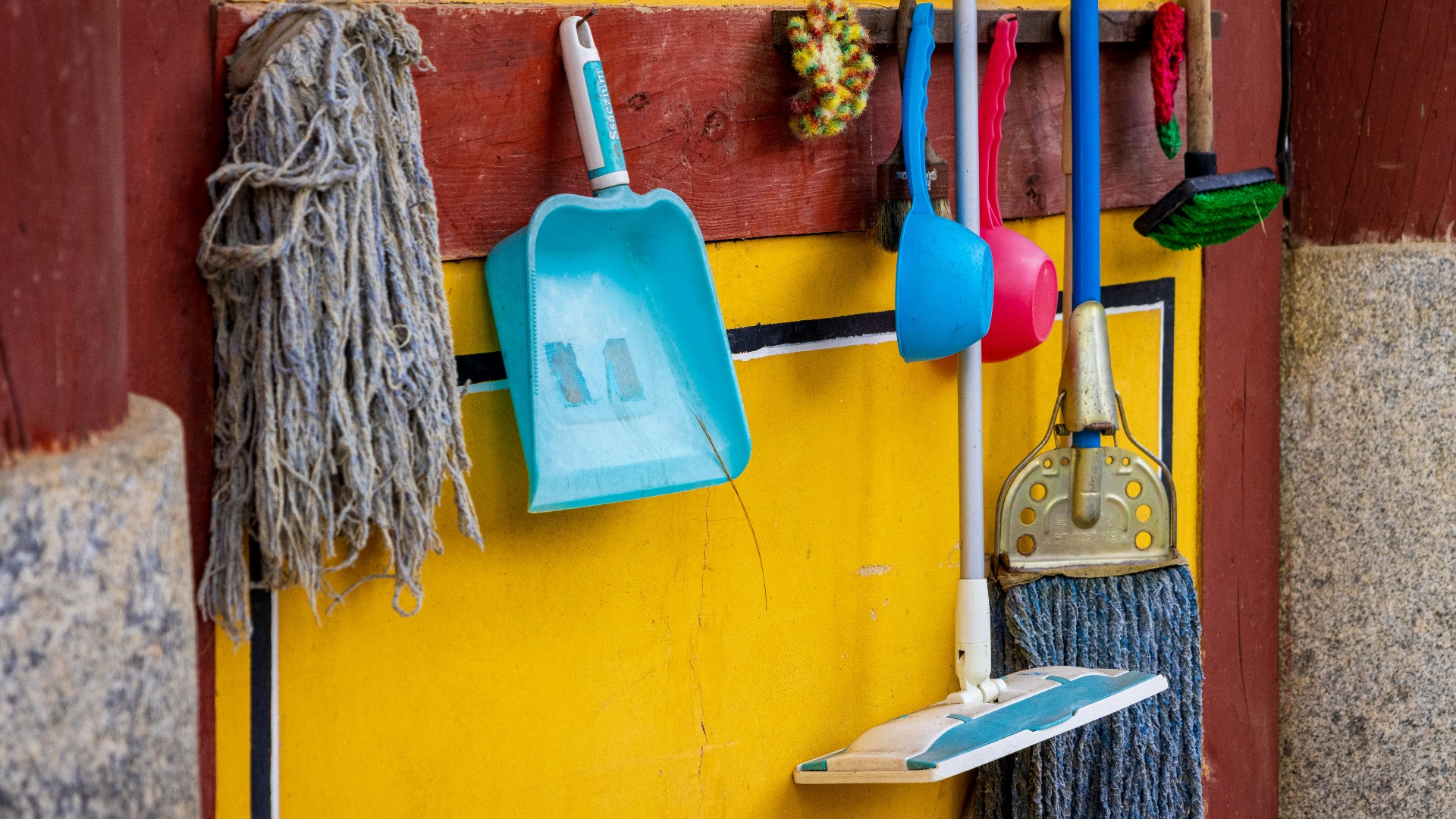
Chemicals, mops, dirty towels, and spray bottles should be kept away from food preparation and service areas. If you see cleaning products sitting next to ingredients, plates, or drink stations, that’s a sign of poor organization. Chemical contamination is a real risk when supplies are stored carelessly; even if nothing spills, it suggests the restaurant may not have clear safety habits in place.
19. The Drink Station Looks Sticky or Unmaintained
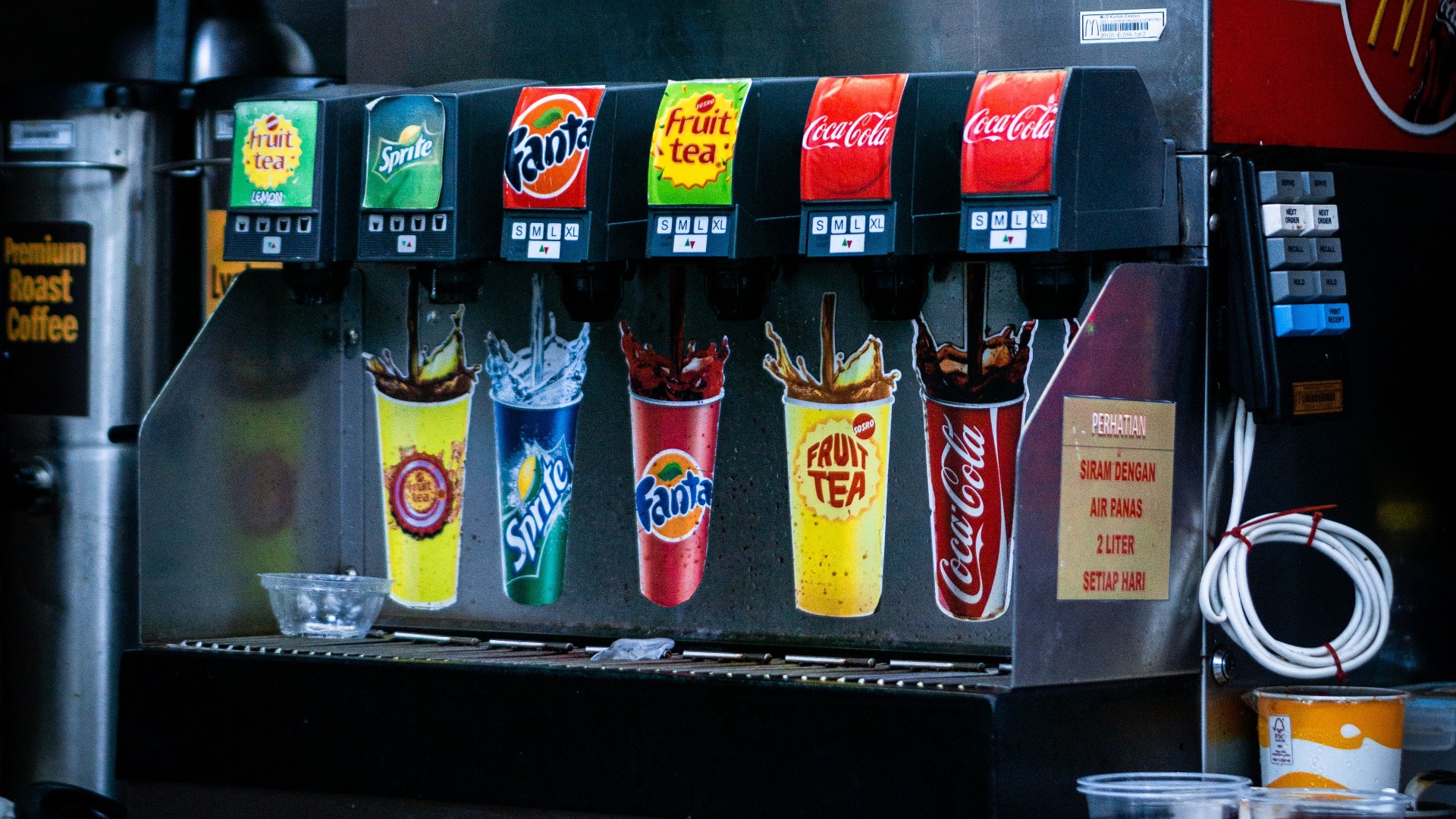
Soda fountains, coffee counters, water stations, and garnish trays can get messy fast, which is exactly why they need regular attention. From sticky nozzles to dirty ice bins, signs of neglect mean that the area isn’t being checked often enough. Worse yet, customers and employees may touch the same surfaces repeatedly throughout the day.
20. Staff Seem Indifferent When Cleanliness Issues Are Mentioned
Mistakes happen, and a good restaurant usually responds quickly when a customer points out a problem. But if the staff brush off dirty dishes, ignore spills, or act annoyed when asked for a cleaner table, that’s a warning sign on its own. A restaurant that takes cleanliness seriously will usually show it in how the team responds.