How A Single Fast-Food Marketing Campaign Changed The Way A Nation Eats Breakfast
How A Single Fast-Food Marketing Campaign Changed The Way A Nation Eats Breakfast
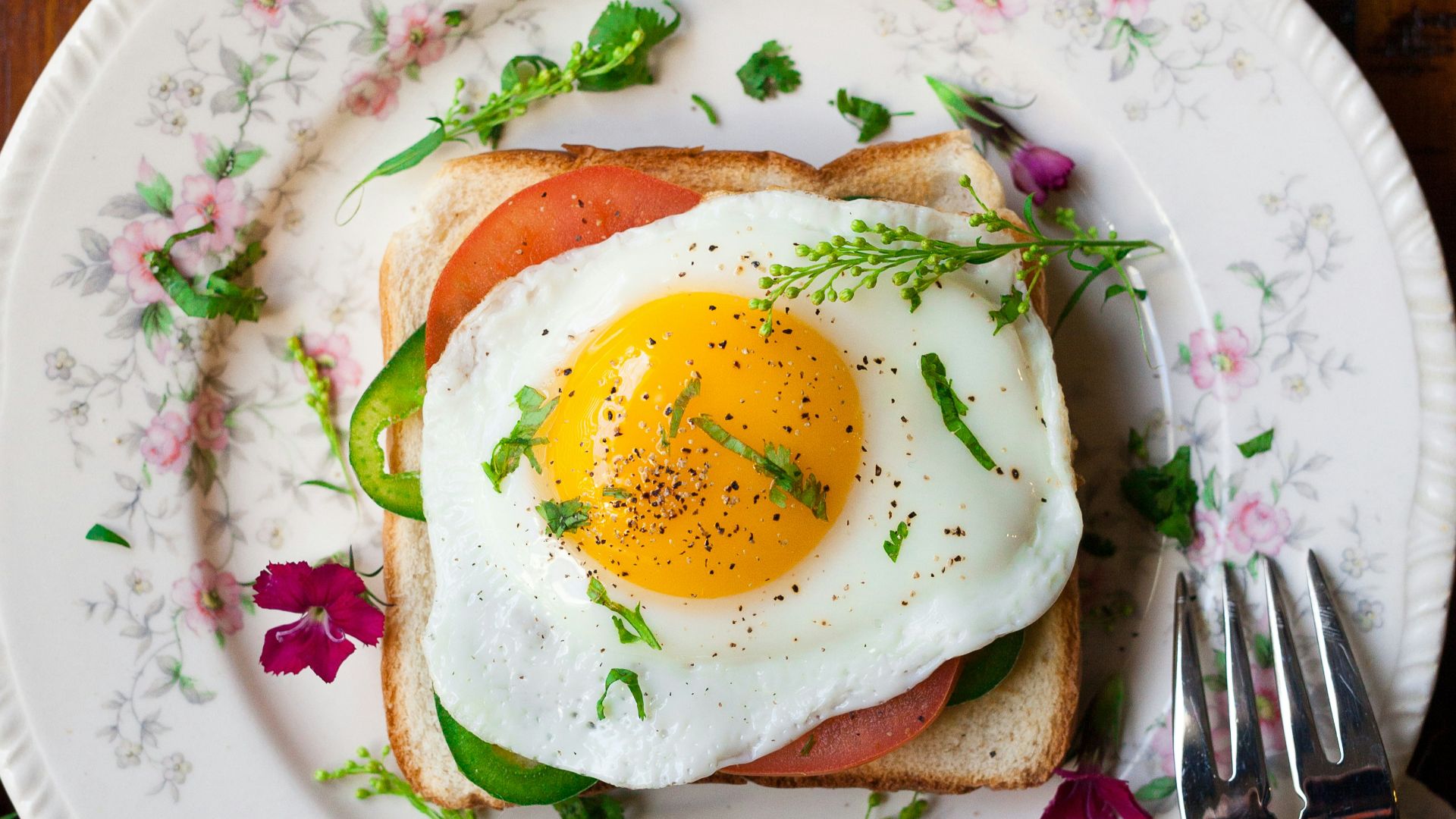
For much of the twentieth century, breakfast at home followed a familiar pattern. Many Americans started the day with cereal, toast, eggs, pancakes, or oatmeal before heading to work or school. Eating breakfast on the go wasn't unheard of, but it wasn't the dominant habit that it would later become.
That began to change when fast-food restaurants realized breakfast represented an enormous business opportunity. While several chains eventually entered the market, one campaign in particular helped reshape public expectations: McDonald's nationwide promotion of the Egg McMuffin and its expanding breakfast menu during the late 1970s and especially the 1980s. Combined with extensive advertising, it encouraged millions of people to view breakfast as something they could conveniently pick up instead of preparing at home.
Selling Convenience Instead of Just Food
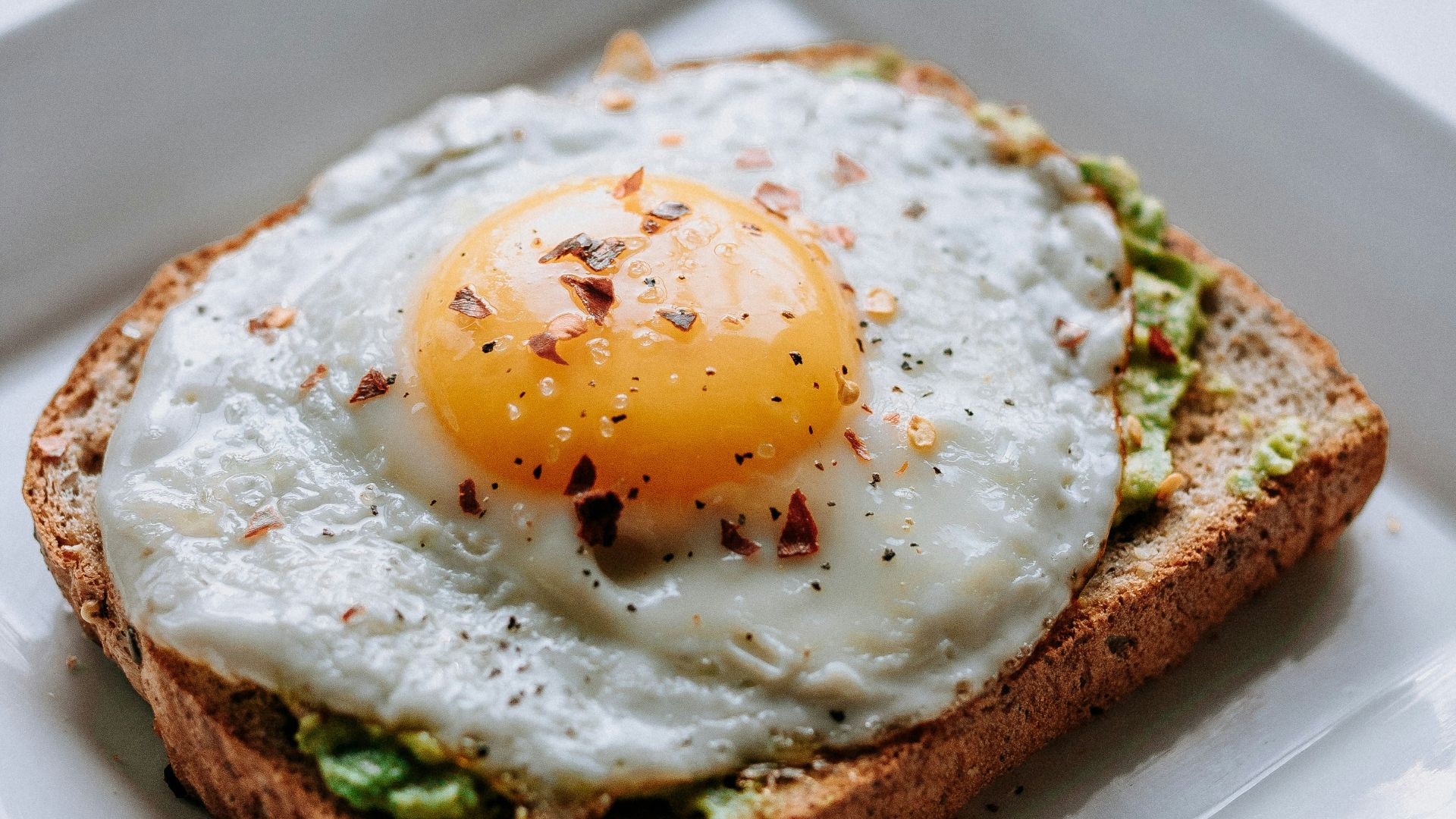
When McDonald's introduced the Egg McMuffin in selected markets in 1972 before expanding it nationally a few years later, it wasn't simply offering another sandwich. The company marketed it as a complete breakfast that fit into increasingly busy lifestyles. Rather than sitting down for a lengthy meal, customers could grab breakfast on their way to work.
The advertising reflected broader social changes taking place across the United States. More households had two working adults, commuting times were growing in many metropolitan areas, and mornings often felt rushed. Fast-food breakfast appealed to people who wanted a hot meal without spending extra time cooking or cleaning.
McDonald's also emphasized consistency. Whether someone stopped at a location in California, Ohio, or Florida, they could expect the same Egg McMuffin every time. That reliability became part of the brand's appeal, especially for commuters who valued predictability during hectic mornings.
Competitors quickly noticed the growing demand. Burger King, Hardee's, Wendy's, and other major chains expanded their own breakfast offerings, creating a competitive market that encouraged even more advertising. Before long, grabbing breakfast from a drive-thru had become a normal part of everyday life for millions of Americans.
A New Morning Routine Took Shape
The success of fast-food breakfast wasn't based on advertising alone. Restaurants invested heavily in making the experience quick and convenient, adding drive-thrus, refining kitchen operations, and developing menus that could be prepared efficiently during the morning rush. Customers weren't just buying food. They were buying time. Breakfast sandwiches also changed what many people considered a typical morning meal. Portable foods that combined eggs, cheese, meat, and bread became increasingly popular because they were easy to eat during a commute. Instead of requiring plates and utensils, these meals fit neatly into busy schedules and allowed people to eat while continuing with their morning routines.
Marketing reinforced the idea that breakfast could be enjoyable without slowing down your day. Television commercials often featured cheerful commuters, energetic families, and workers heading confidently into the office with breakfast in hand. Those images helped normalize eating while traveling rather than around the kitchen table. As breakfast sales grew, restaurants expanded their menus beyond sandwiches. Hash browns, biscuits, burritos, pancakes, oatmeal, specialty coffee drinks, and fruit options gave customers more variety than ever before. The wider selection attracted people with different tastes while encouraging repeat visits throughout the week.
Fast-food breakfast also influenced the way restaurants thought about morning dining. Speed, portability, and predictable quality became major factors in menu development. As customer expectations changed, businesses continued creating meals designed specifically for people with limited time in the morning. Today, fast-food breakfast is firmly established as part of American culture. Many people still enjoy homemade breakfasts, but stopping for coffee and a breakfast sandwich has become a routine that spans generations. What once seemed like an occasional convenience has evolved into an everyday habit for countless commuters.
The influence extends well beyond one restaurant chain. Coffee shops, convenience stores, grocery stores, and quick-service restaurants all compete for the morning crowd, offering ready-to-eat breakfasts that prioritize speed and portability. The expectations created decades ago continue to shape how companies design their menus and market their products.
Consumer preferences have also evolved alongside greater interest in nutrition and variety. Many chains now offer options that include oatmeal, yogurt, fruit, egg white sandwiches, and lower-calorie choices in addition to traditional favorites. While indulgent breakfast items remain popular, restaurants have adapted to changing tastes by expanding their menus to appeal to a broader range of customers. The rise of breakfast-focused marketing also changed how companies approached the first meal of the day. Restaurants learned that customers were not only looking for food but also for convenience, reliability, and a way to save time. This idea became a major part of the fast-food industry and continued influencing new breakfast trends.
Looking back, the marketing campaign surrounding McDonald's breakfast menu did more than introduce a successful sandwich. It helped redefine what breakfast could be, showing that convenience could become just as important as the meal itself. That shift influenced competitors, transformed morning routines, and permanently changed the way millions of Americans think about the first meal of the day.
KEEP ON READING