Naughty or Nice?
Sure, your nutritionist or dietitian might tell you to never label foods as "good" or "bad," since doing so (or severely restricting certain foods) will only cause you to form an unhealthy relationship with food. Yet while the occasional indulgence is fine, some products contain so much added sugar, sodium, saturated fat, or heavily refined ingredients that it's best to leave them off your plate entirely. If you're used to having bacon and a venti sugar-bomb Starbucks drink every morning, well... it might be time to swap that routine for something else. Here are 10 foods you should avoid at all costs, and 10 that aren't actually as bad as you've been led to believe.
1. Sugar-Sweetened Beverages
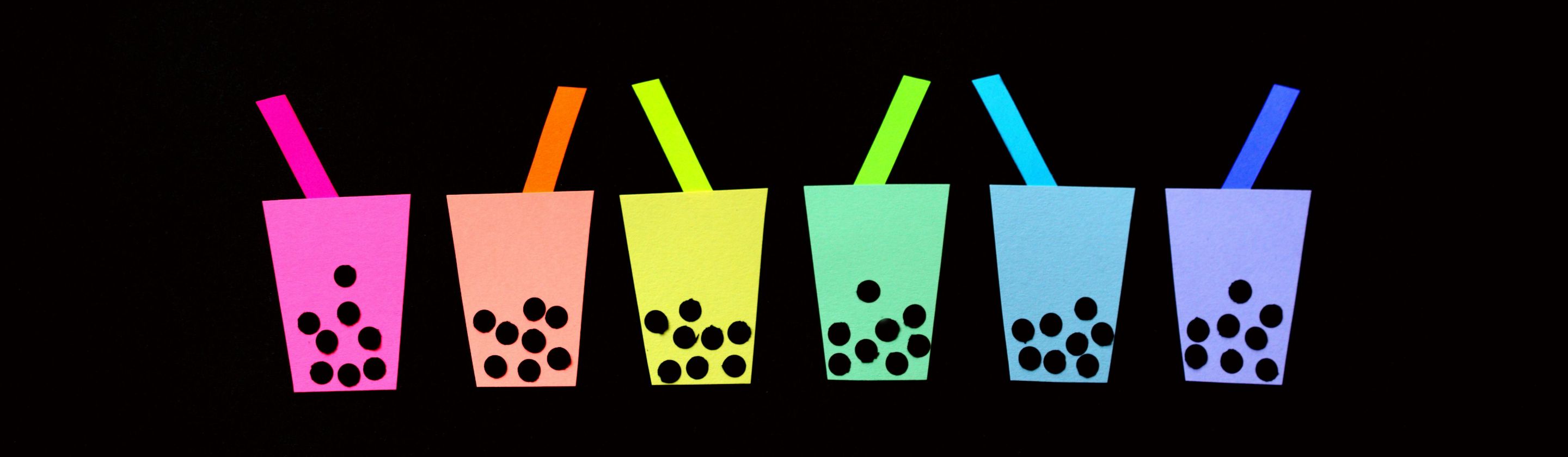
Sorry, boba lovers, but sugar-sweetened beverages like soda, sweet tea, fruit drinks, energy drinks, and yes, including your favorite boba drink, deliver large amounts of added sugar without providing much of anything else. And since liquid calories aren’t as filling as solid food, it’s easy to consume a lot before you even feel full.

2. Processed Meats
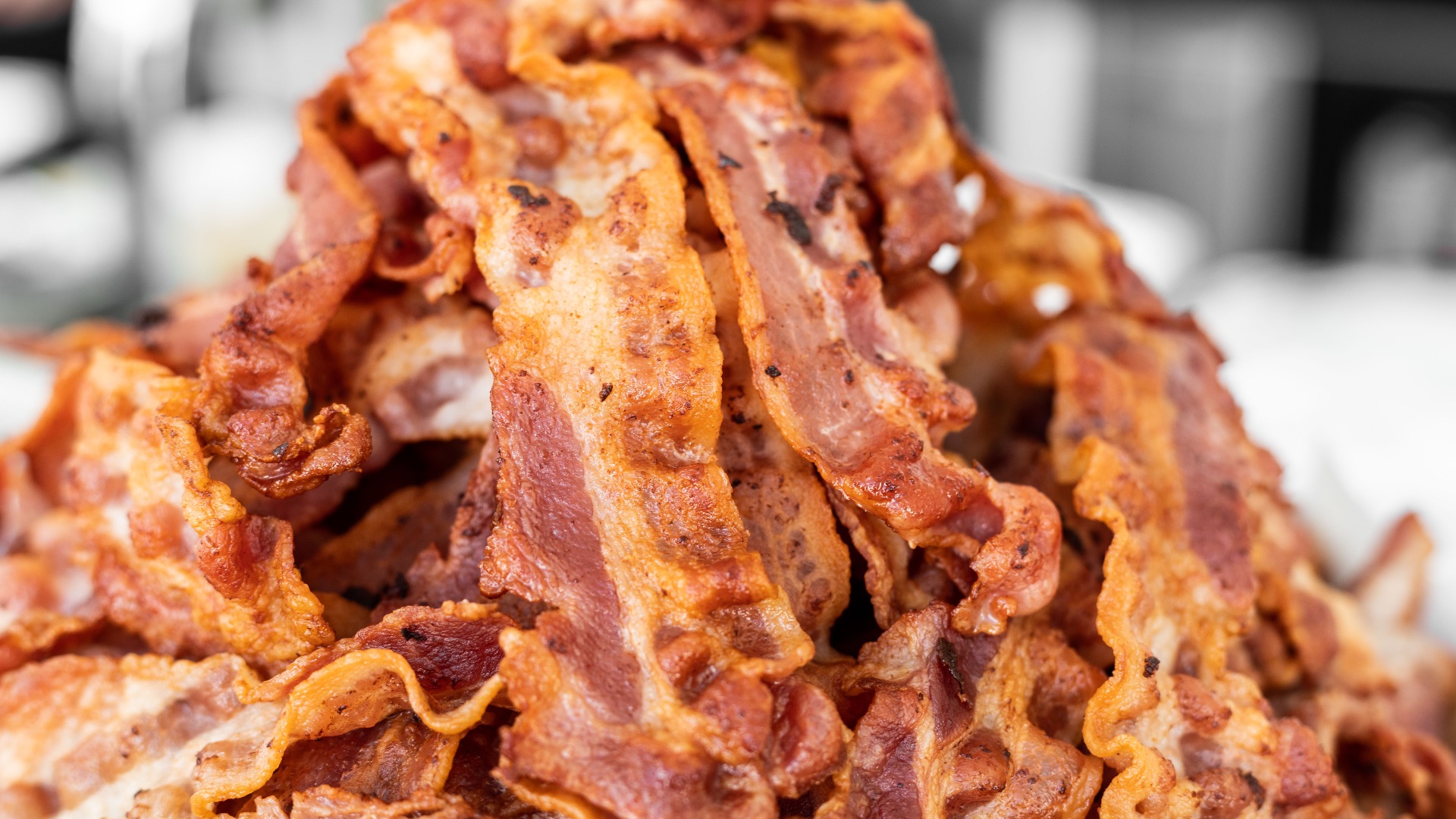
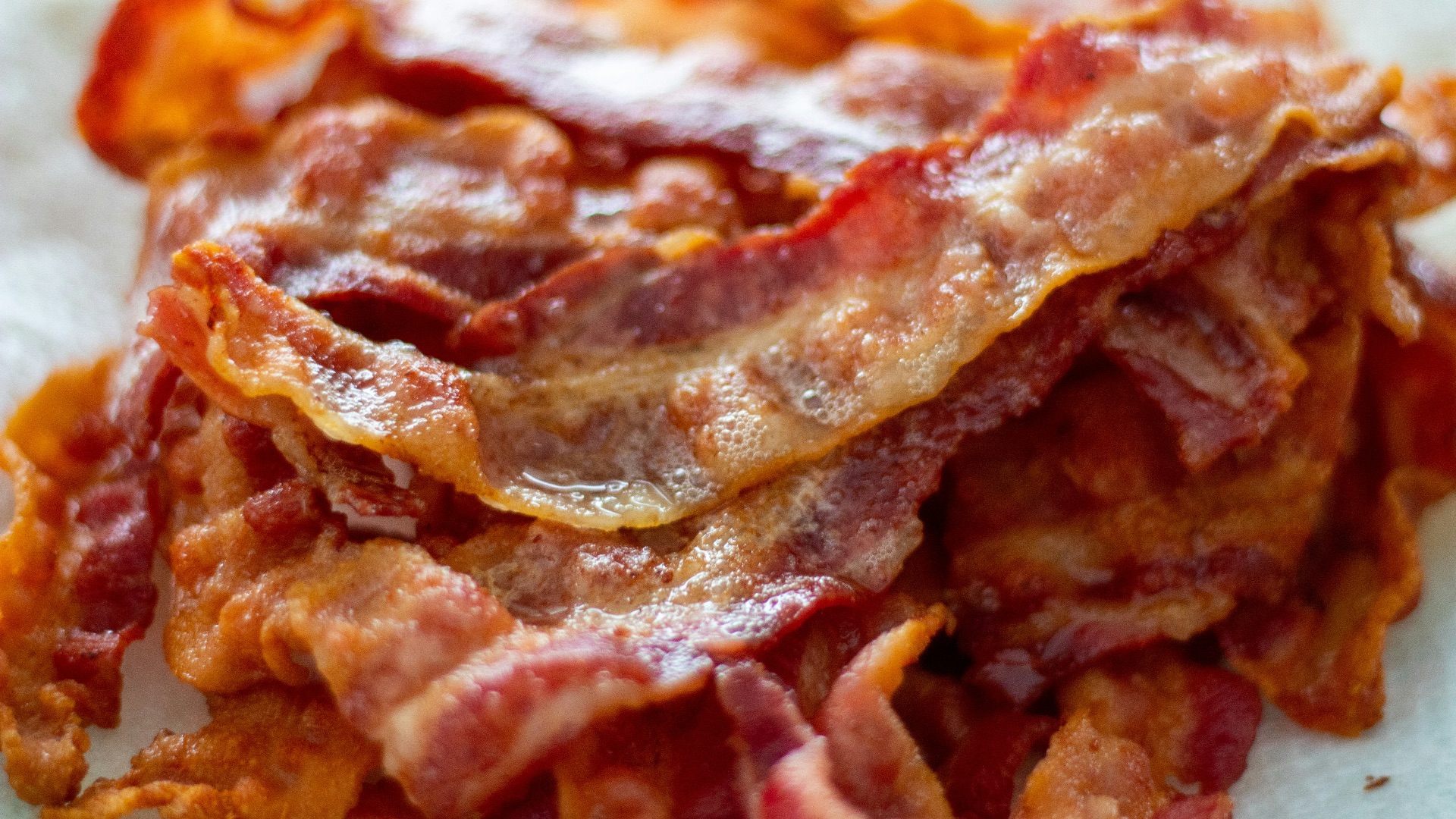
Yep, you should probably ban bacon from your kitchen. Hot dogs, salami, and many other packaged deli meats, too, are incredibly high in sodium and saturated fat, so you really shouldn't be eating them regularly. As convenient as these products are, eating them frequently can crowd out an otherwise balanced diet.
3. Packaged Sweets
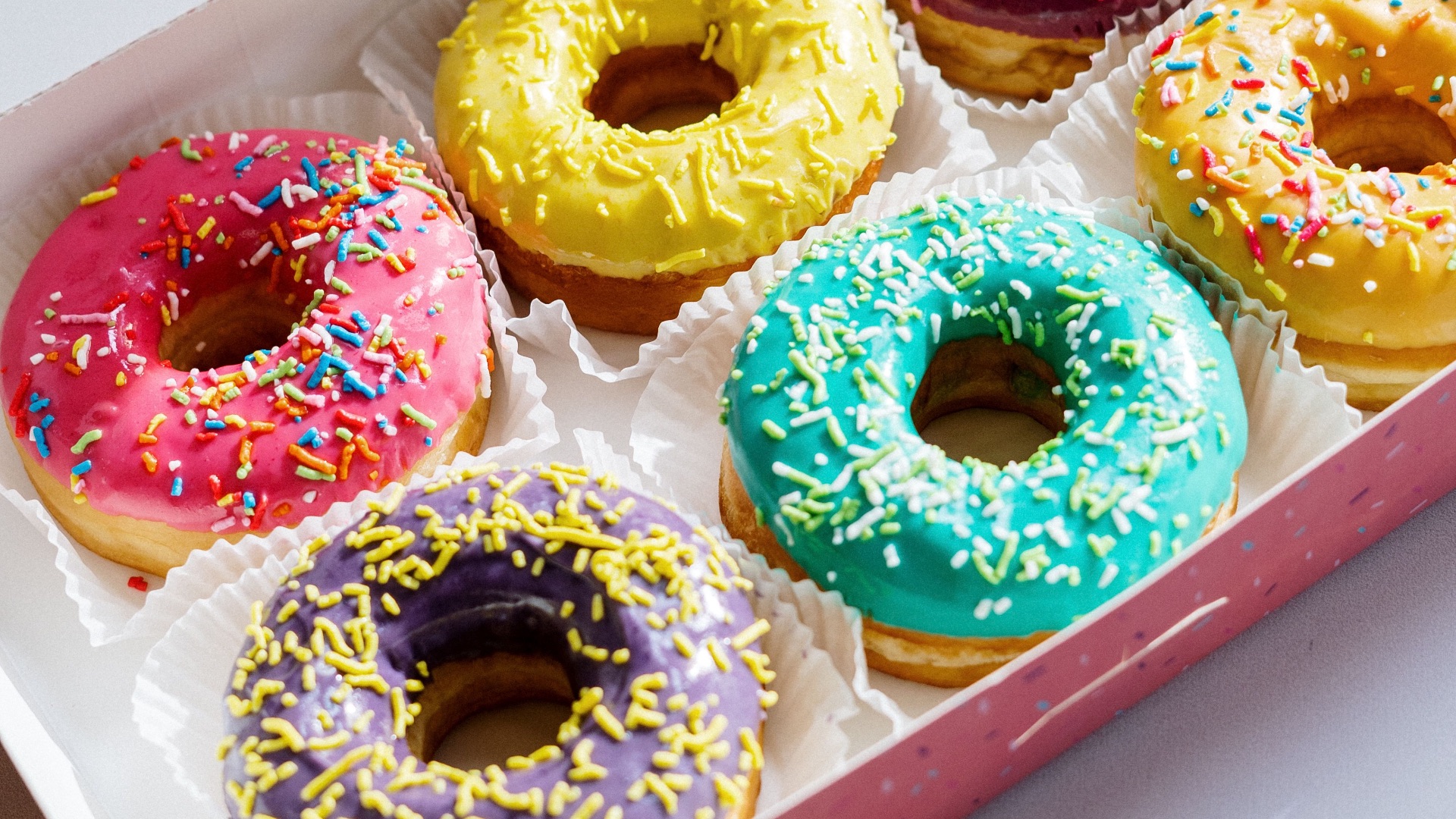
From frosted pastries to cream-filled donuts, these sweet treats offer a deadly combo: refined flour, added sugar, and bad fats. They also provide very little fiber, protein, or lasting satisfaction, which gives them a score of zero out of 10. If you're really craving these treats, you're better off making them at home.
4. Oversized Sweetened Coffee Drinks
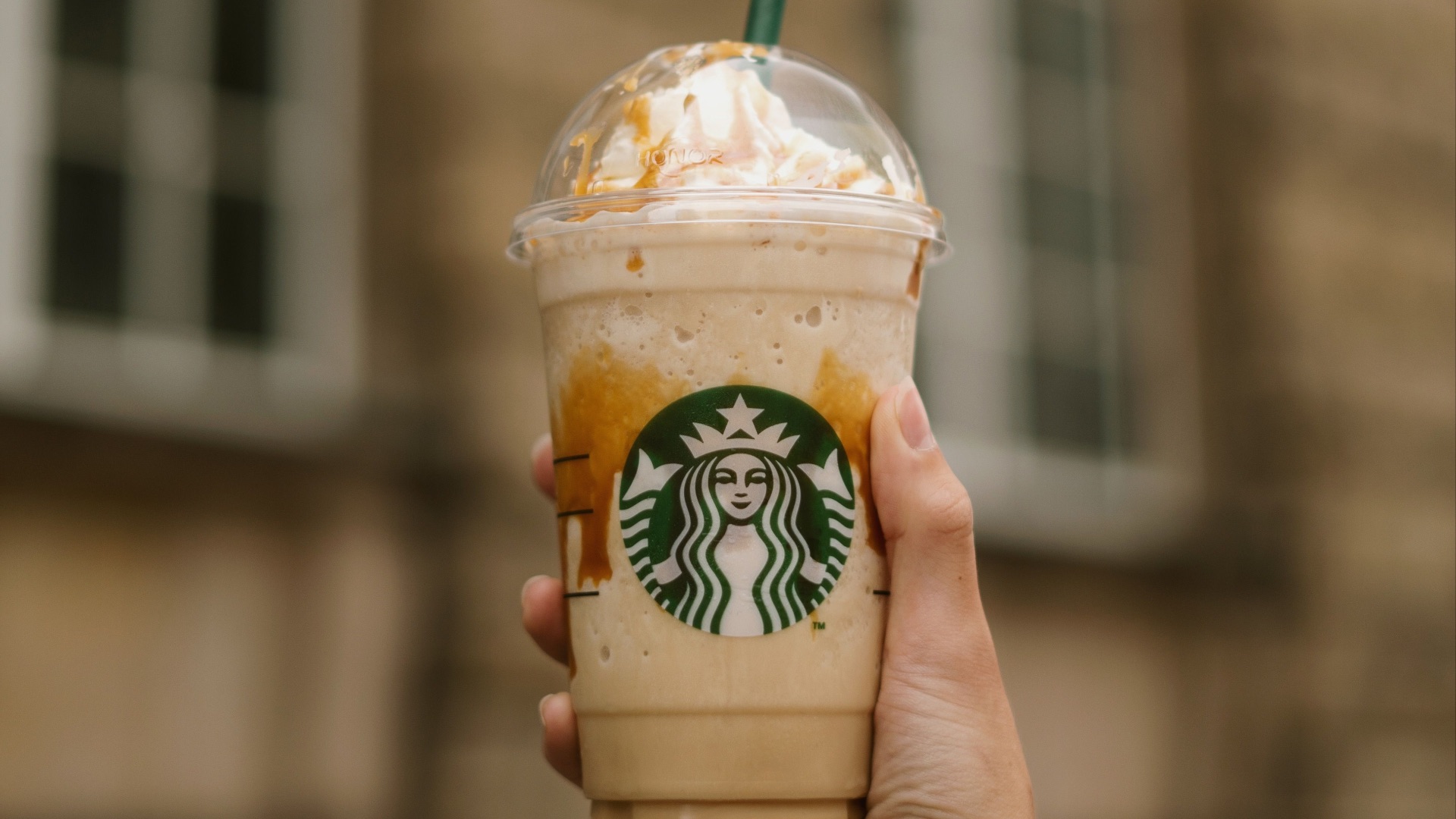
Boba and soda aren't the only sweet drinks you should be avoiding. And while coffee itself isn’t the issue with these types of beverages, the more flavored syrups, whipped cream, and sugary toppings you add, the worse you're making it. We hate to say it, but you should probably give up your daily Starbucks drink.
5. Ultra-Processed Frozen Dinners
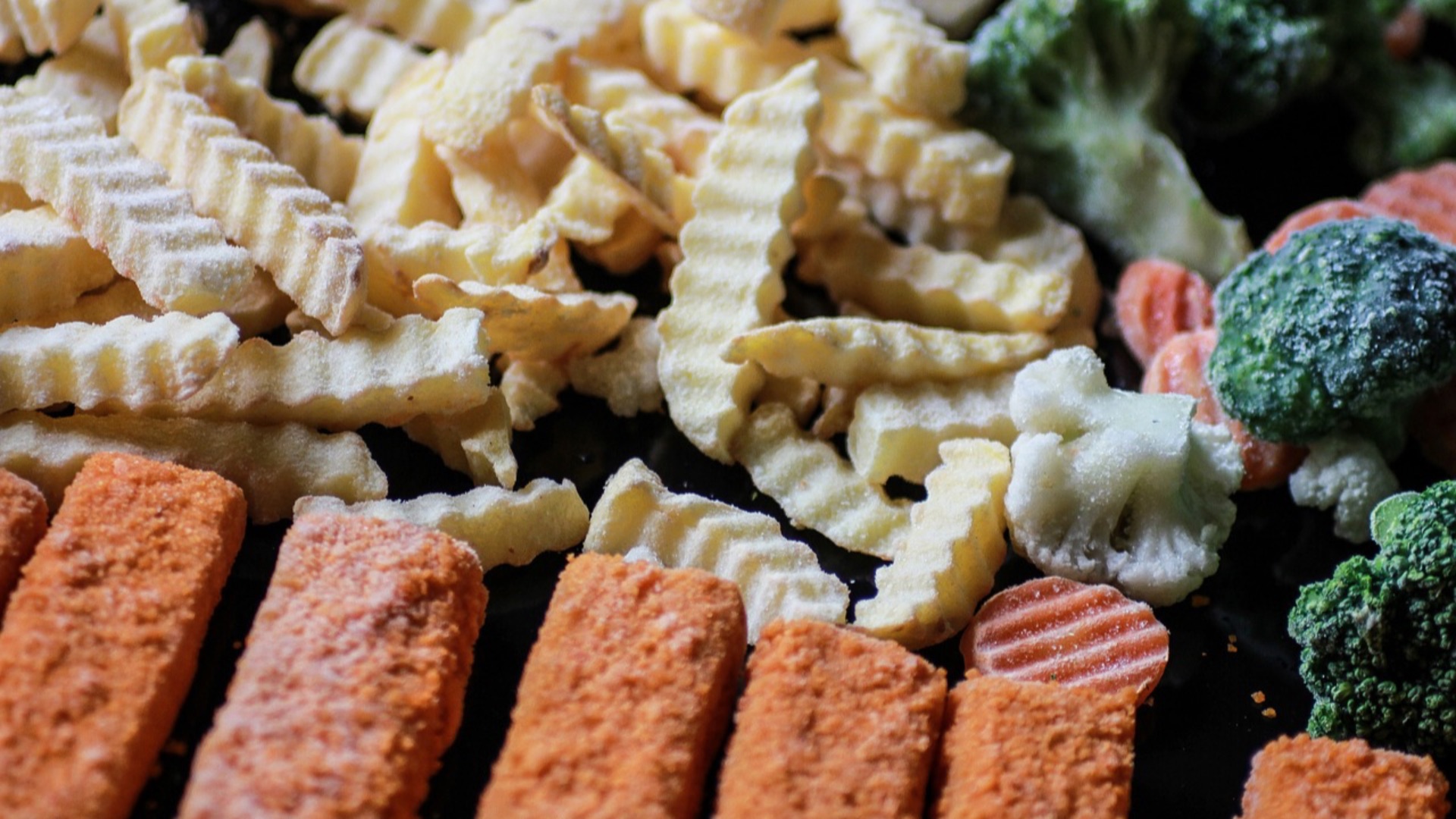
Not all frozen food is automatically unhealthy, of course, but the frozen dinners you pick up probably contain lots of the bad stuff—think sodium, refined starches, saturated fat, and the kicker: relatively small servings of vegetables. We get you might be too lazy to cook, but you're not doing yourself much of a favor with this swap.
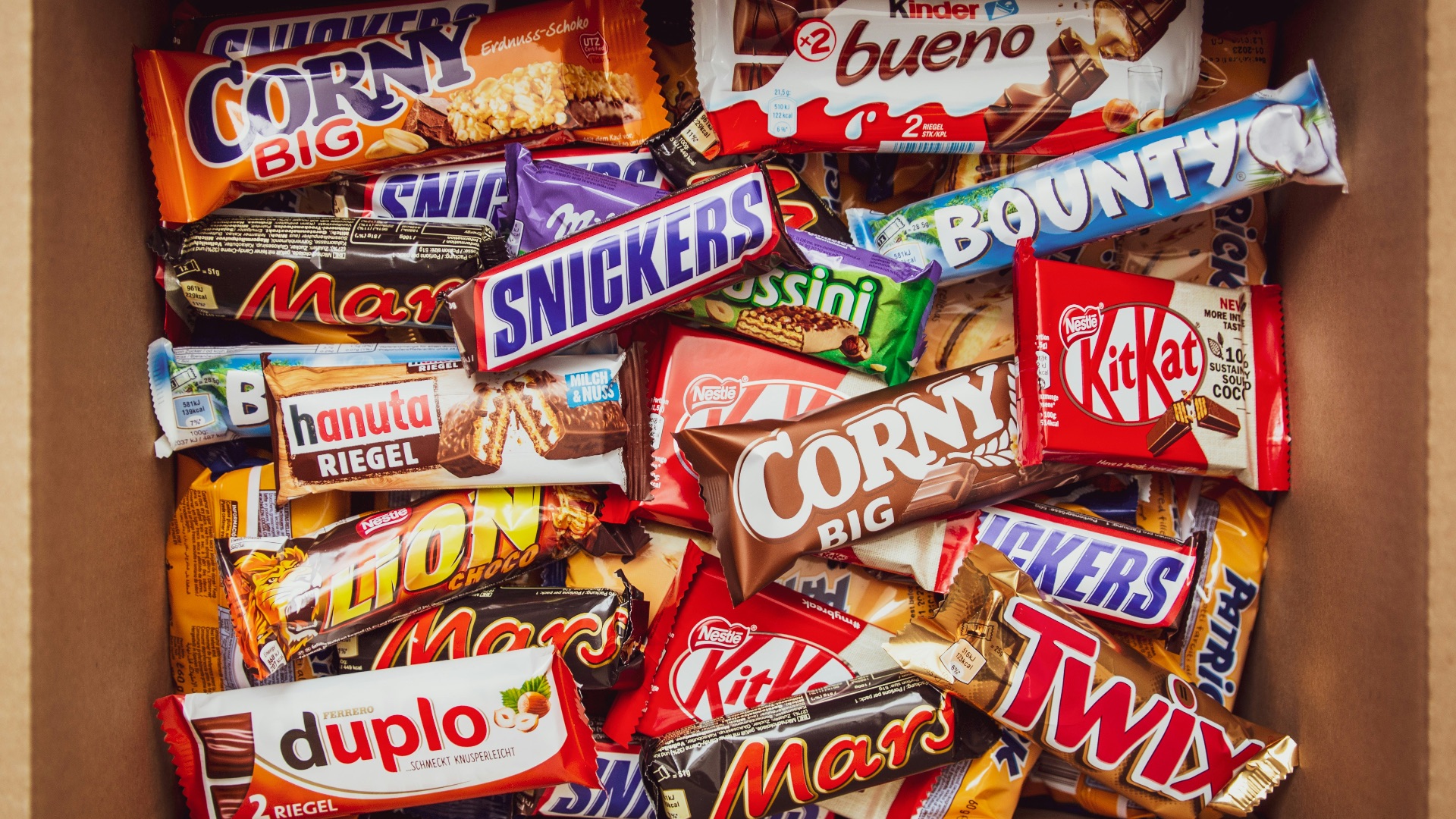
6. Candy
Having a few pieces of candy here and there is probably fine, but those full-sized chocolate bars and large resealable bags? You might want to lay off the sugar. And even if you can't give up the sweets entirely, you should use a bowl to portion things out.
7. Deep-Fried Fast-Food
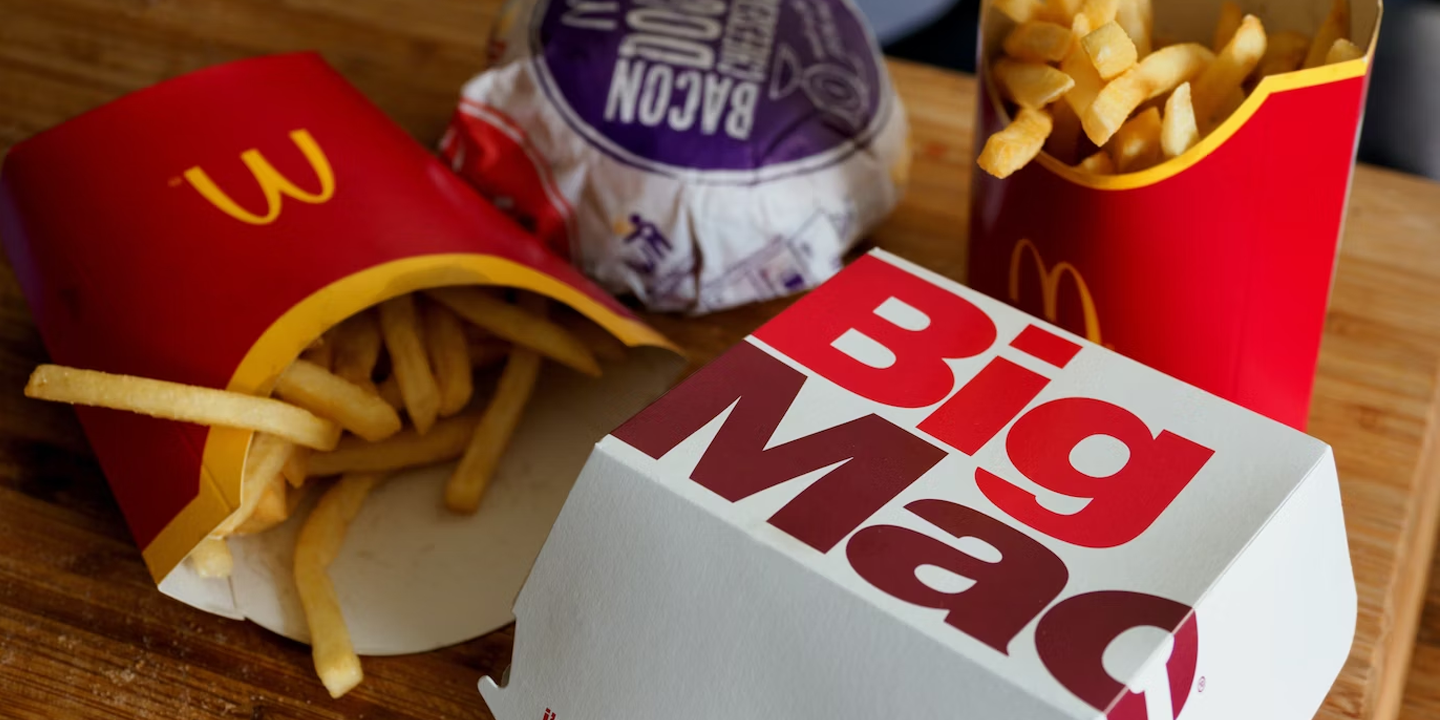
If you're snacking on fries and onion rings on a regular basis, you're overloading your body with sodium, refined carbohydrates, saturated fat, and lots and lots of calories that don't do much for you. And if you often get things supersized or with extra sauce, you're only making it way worse. You might say you'll just "exercise it off," but all that greasy grub will do is make you sleepy.
 Parmanand Jagnandan on Unsplash
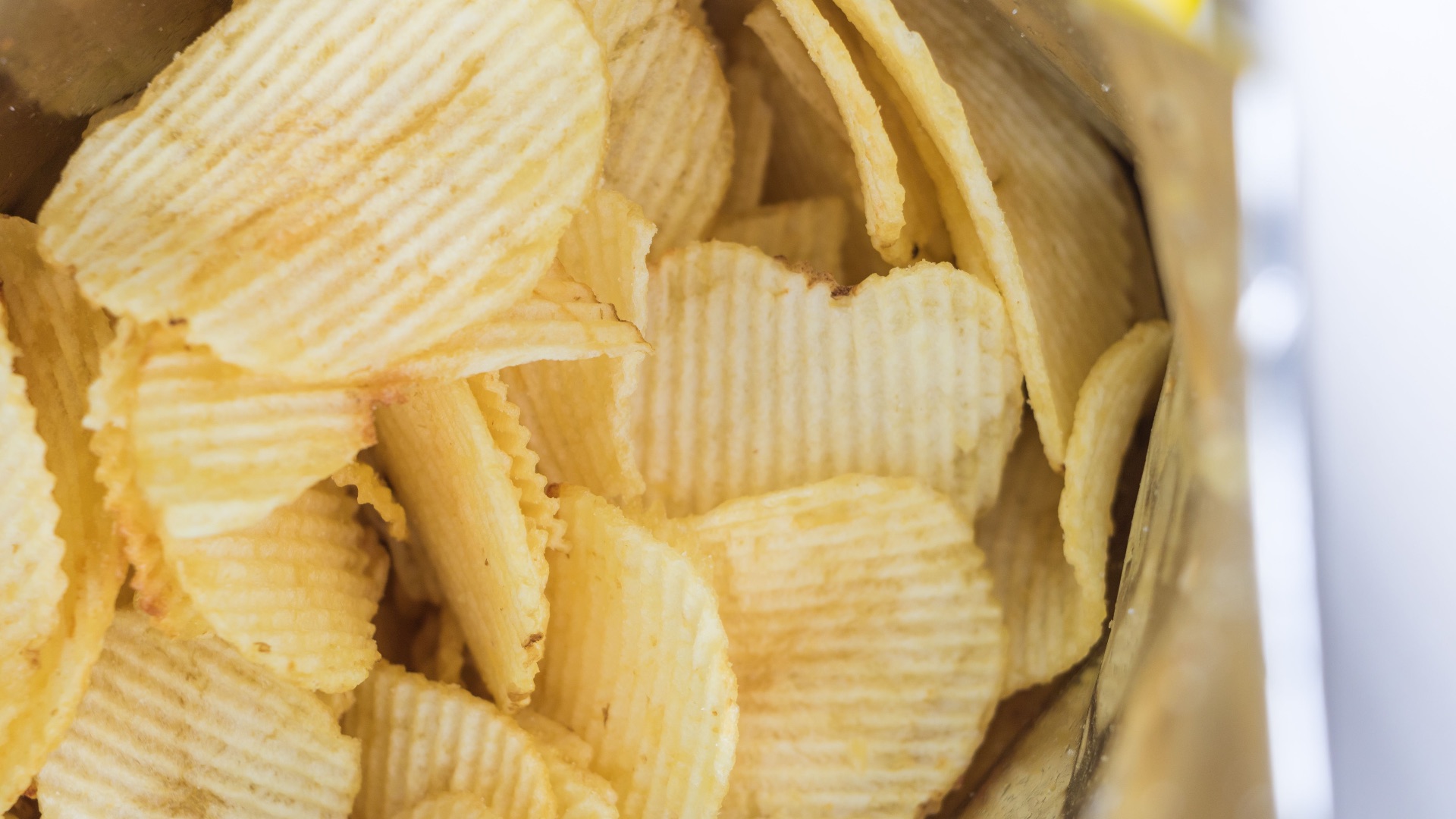
8. Chips
Ever opened a bag of chips and just couldn't stop until the entire thing was finished? Yep. That's what chips will do to you, considering they’re light, crisp, and heavily seasoned. And while you might argue that potatoes can be nutritious, let's not kid ourselves with this ultra-processed version that's packed with sodium and oil.
9. Sugary Breakfast Cereals
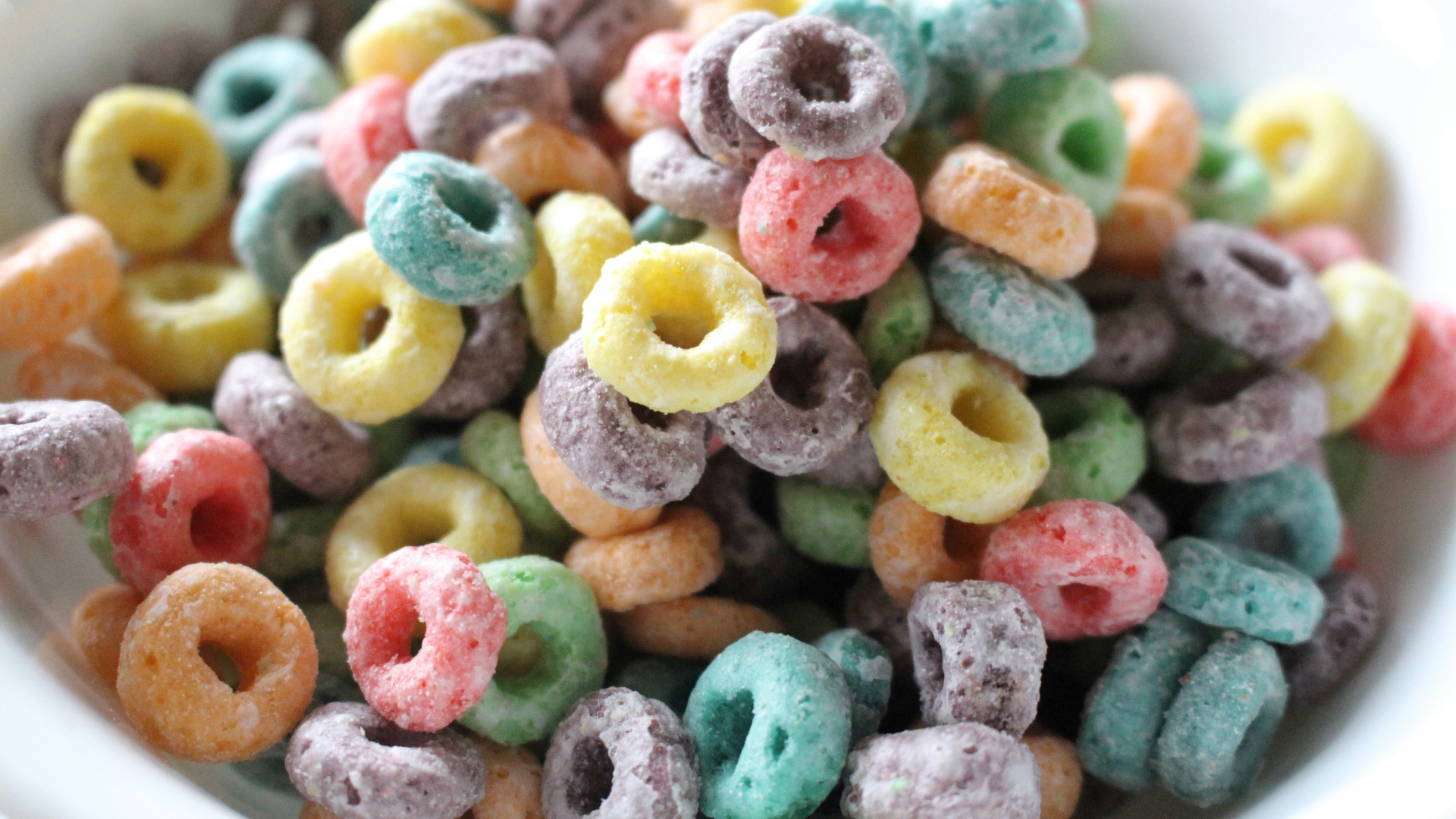
Sure, your cereal box might claim it contains lots of fiber and protein, but what it's really offering is ample sugar and measly amounts of the nutritious stuff. Plus, most cereals are made largely from refined grains, so they don’t provide the staying power you’d want from a complete breakfast, anyway.
10. Instant Noodle Cups
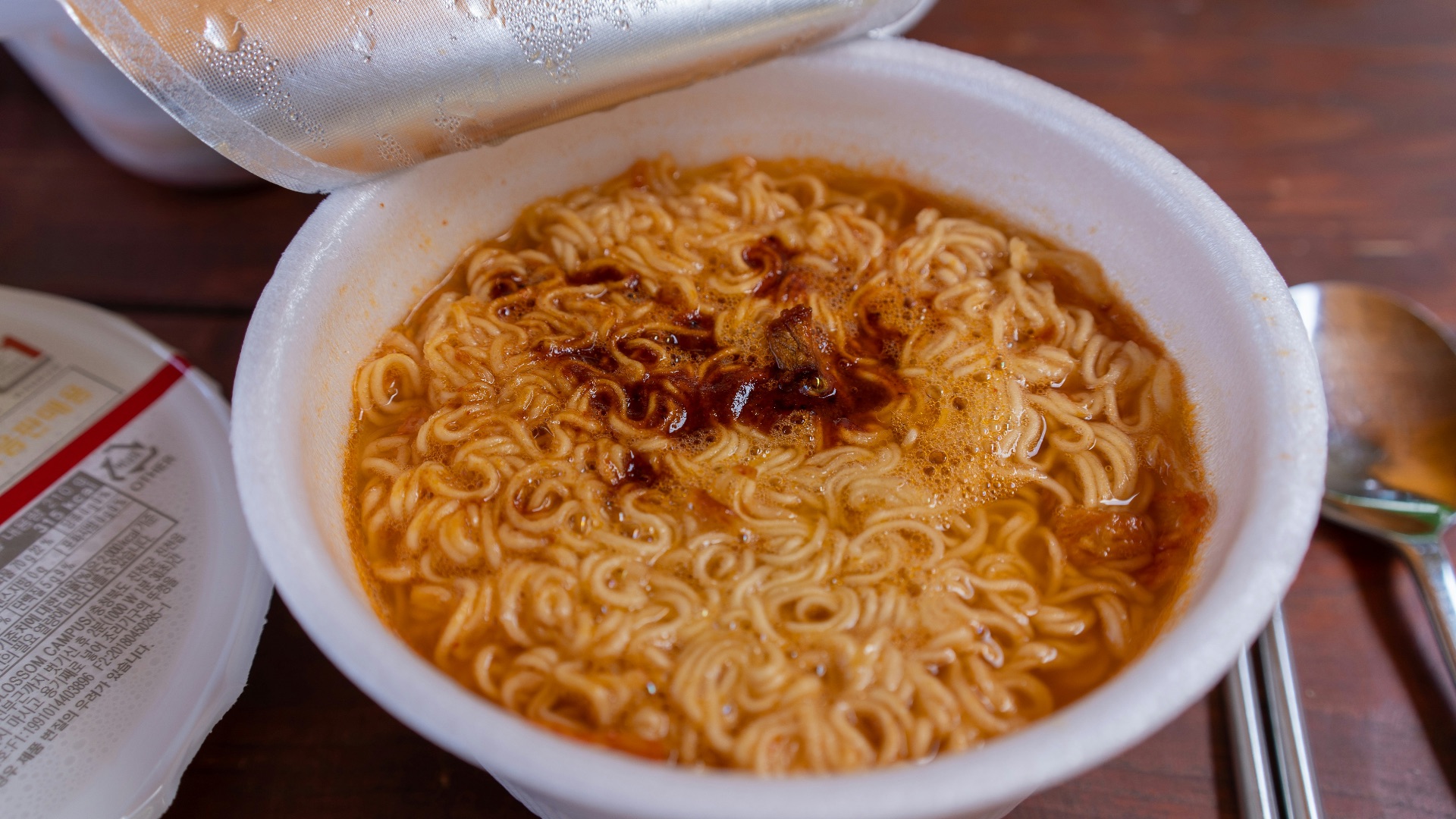
As inexpensive and convenient as instant noodles are, you should watch out for those seasoning packets—they can contain a huge chunk of sodium. The noodles themselves, too, are generally low in fiber and probably won't keep you full, meaning you'll probably reach for something just as unhealthy shortly afterward.
Now that you know what foods you should limit, let's jump into the good stuff. The "good" stuff that's, ironically, sometimes labelled as "bad" for us...
1. Eggs
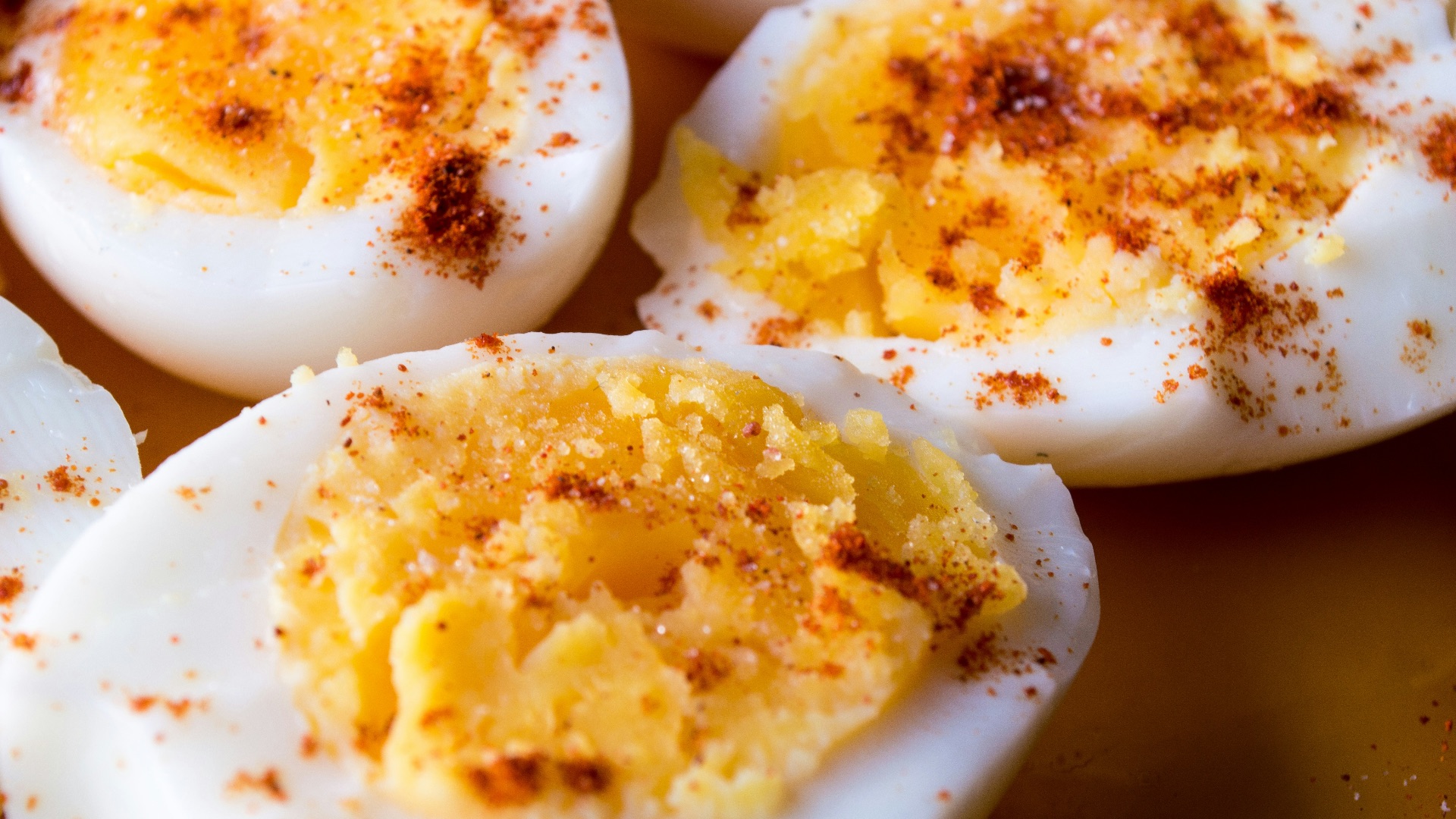
Eat too many eggs and you'll shoot up your cholesterol levels! You've probably heard some variation of that claim. Eggs spent years being treated as the enemy, despite the fact that they can be an excellent source of protein while offering several vitamins and minerals. That said, how you serve it still matters, though, so don't pair your sunny with bacon.
2. Potatoes
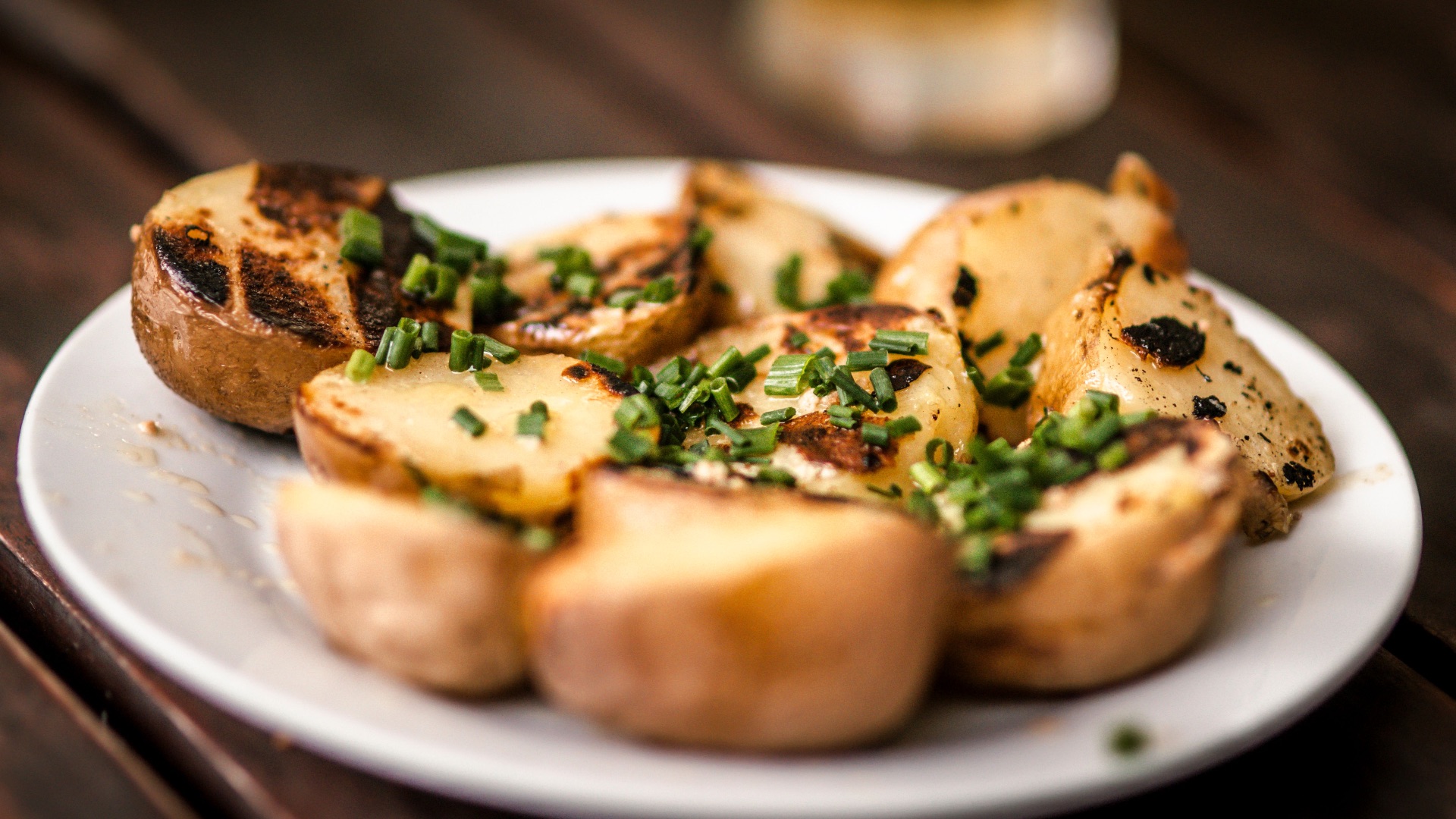
Chips and fries are bad for you, but potatoes themselves aren't the villain you think they are. Case in point: a plain potato with skin provides potassium, vitamin C, vitamin B6, and fiber. So, instead of deep-frying them or loading them up with bacon bits, simply baking or roasting them is a much better choice.
3. Frozen Vegetables
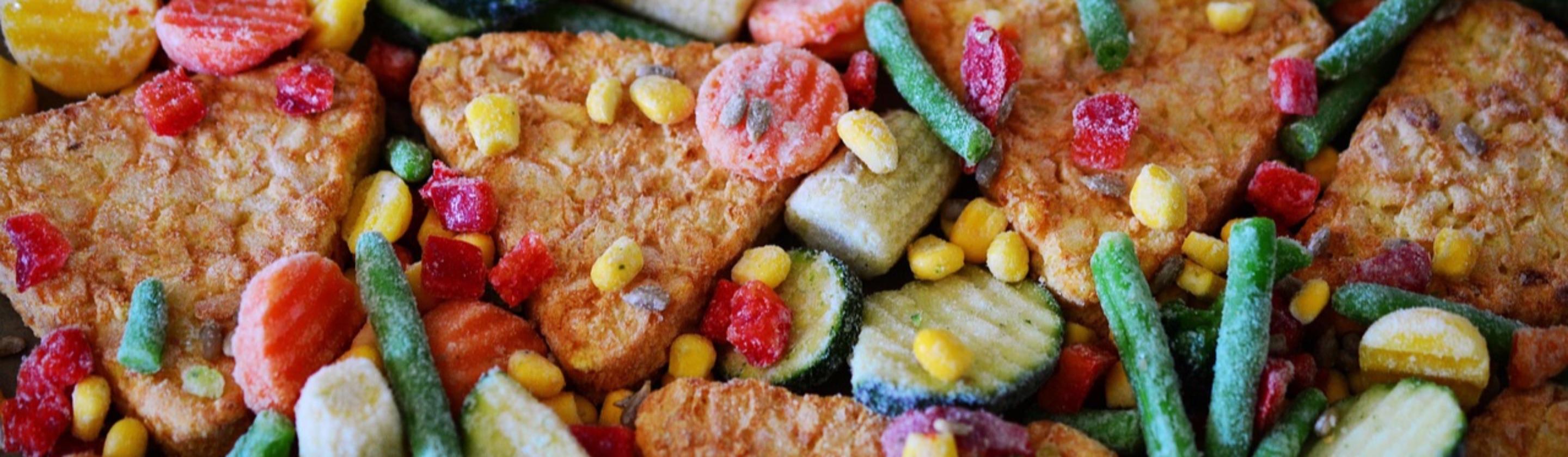
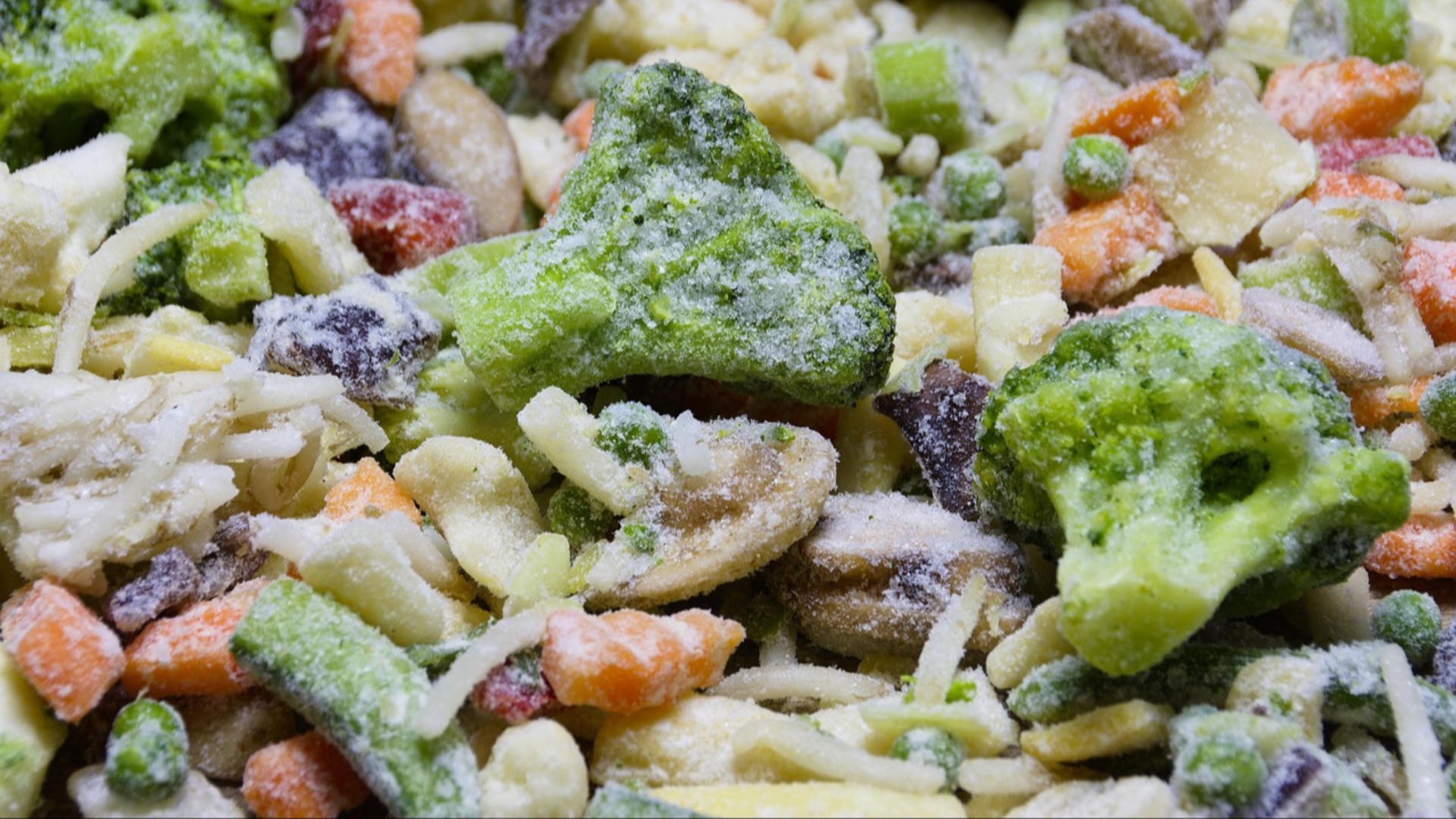
Sure, fresh is always better, but you shouldn't assume frozen vegetables are automatically bad. In reality, they can be practical and affordable, and help you reduce food waste at home. The products that deserve greater scrutiny are those packaged with unhealthy sauces or large amounts of added salt, not the vegetables themselves.
4. Canned Beans
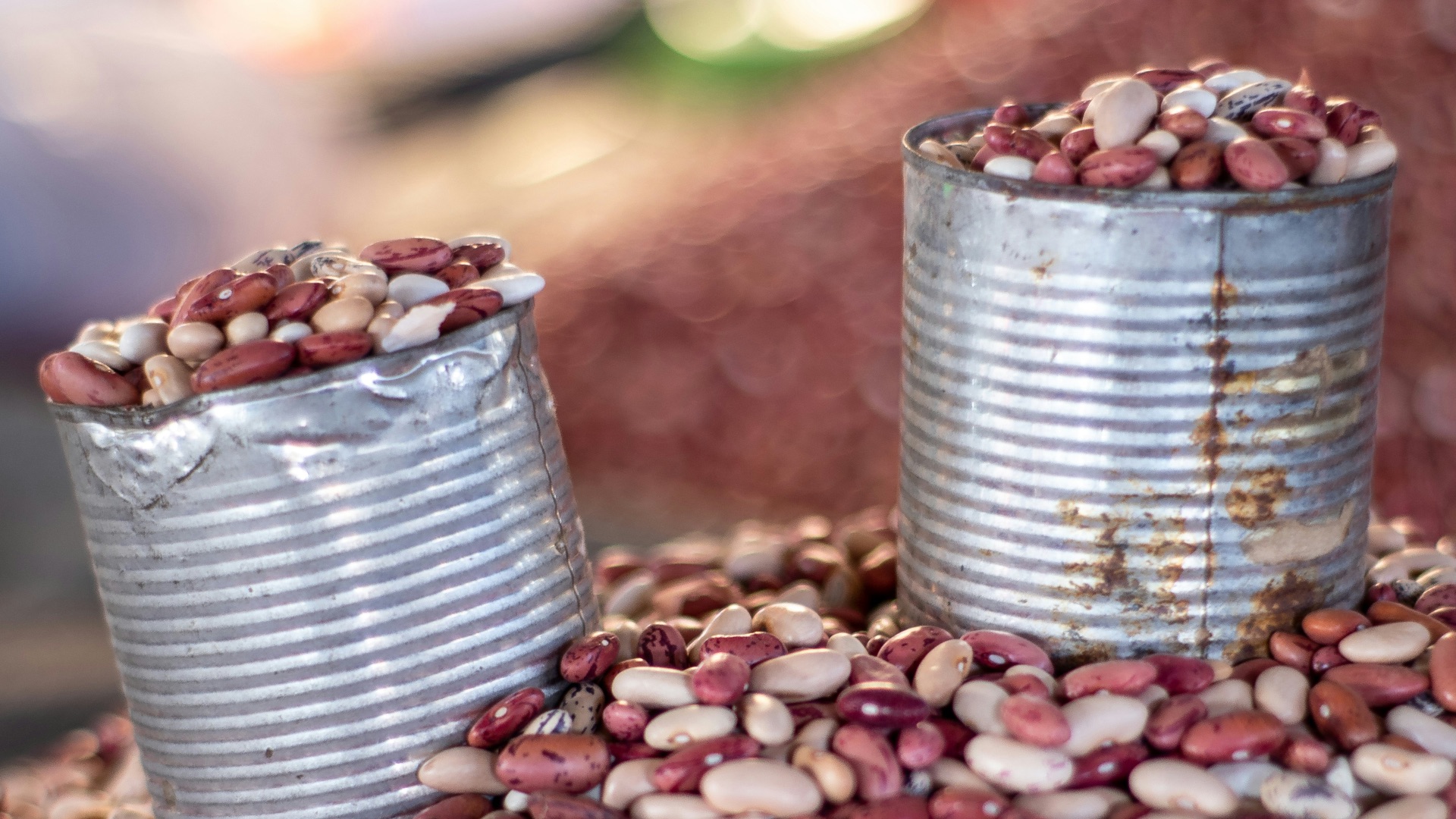
You might think anything canned is bad, but that's not true. In fact, canned beans retain protein, fiber, and important minerals. While their main drawback is often sodium, you can choose lower-sodium products instead or rinse the beans before eating them, which you should be doing anyway.
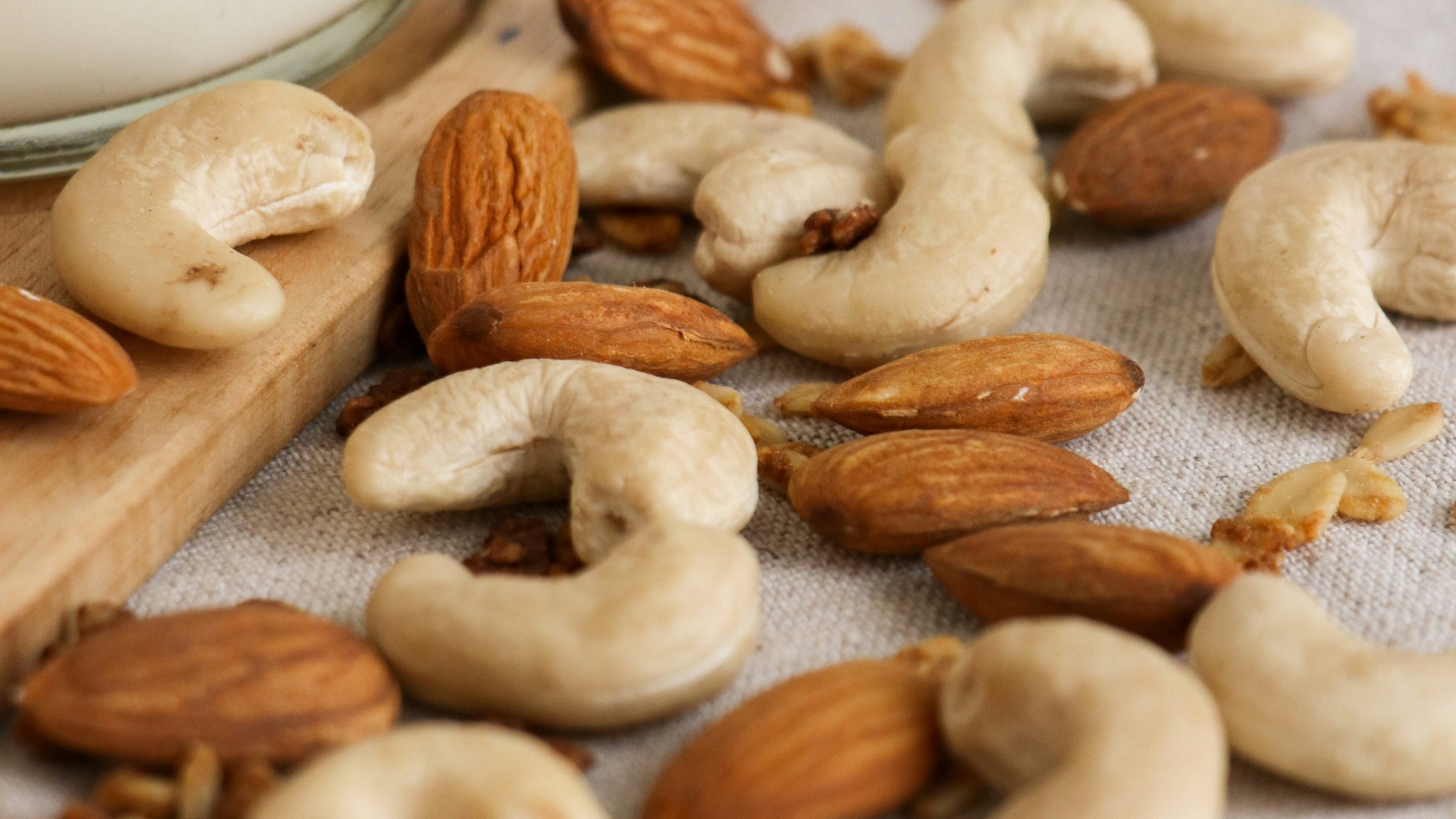
5. Nuts
Nuts are calorie-dense, which has, believe it or not, led some people to assume they cause weight gain. But the fat they provide is largely unsaturated (a.k.a. the "good" kind), and they also provide protein, fiber, vitamins, and minerals. Of course, you still shouldn't overeat them, so keep to a handful or two!
6. Peanut Butter
Peanut butter sometimes gets grouped with sugary dessert spreads, even though varieties made primarily from peanuts can be pretty nutritious. After all, it supplies plant-based protein and unsaturated fat, great for pairing with whole-grain toast or eaten alongside fruit. Always make sure to check the ingredient list, though—some may contain lots of added sugar or unnecessary oils.
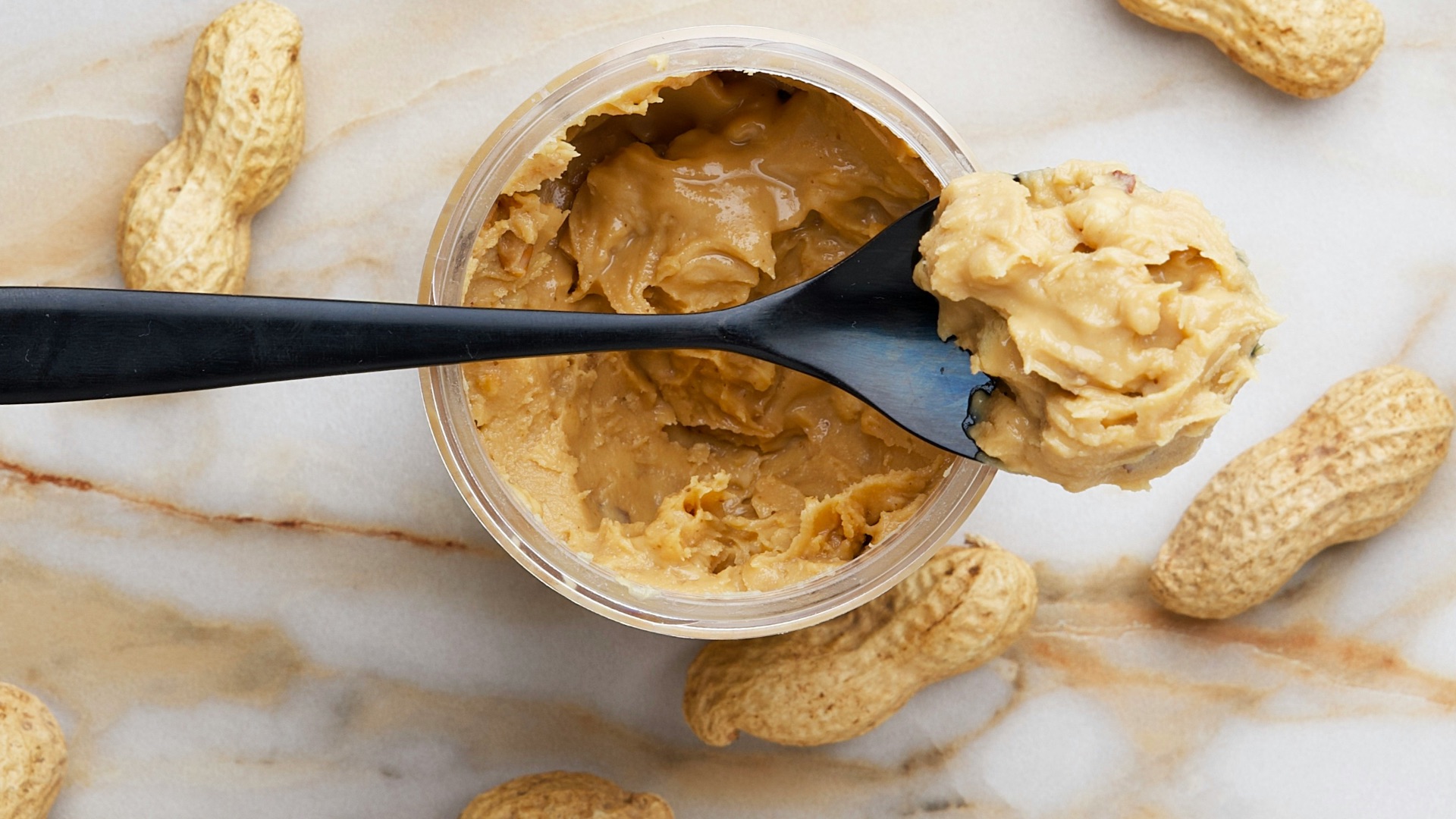 Corleto Peanut butter on Unsplash
7. Full-Fat Yogurt
Why go for full-fat when low-fat is obviously better? Well, that's not really the case; full-fat dairy isn't inherently unhealthy, and it still provides ample protein and calcium, the two things you should be eating yogurt for. What you should be worried about is the large quantity of added sugar in flavored yogurt, not how much milk fat there is.
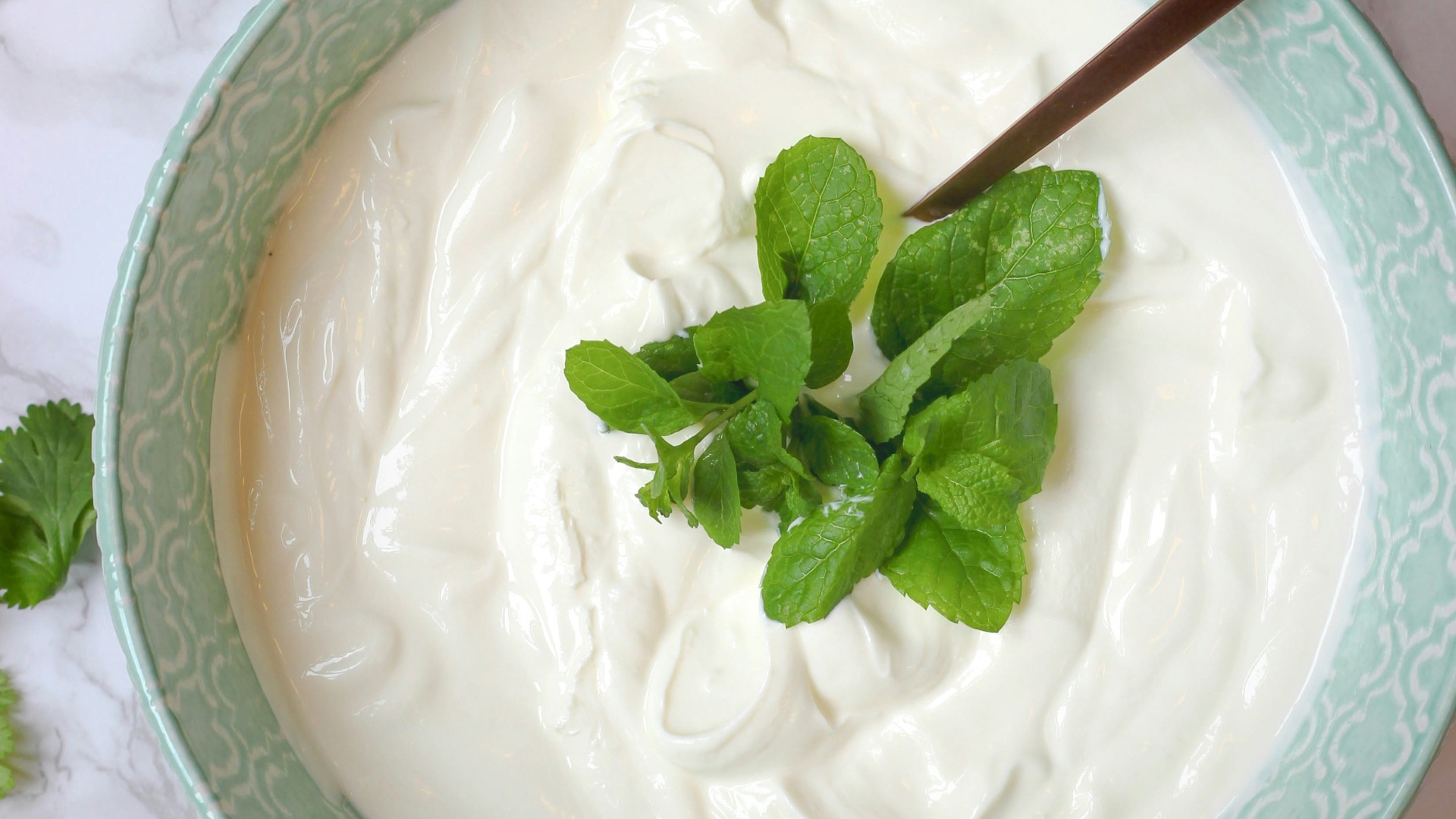 micheile henderson on Unsplash
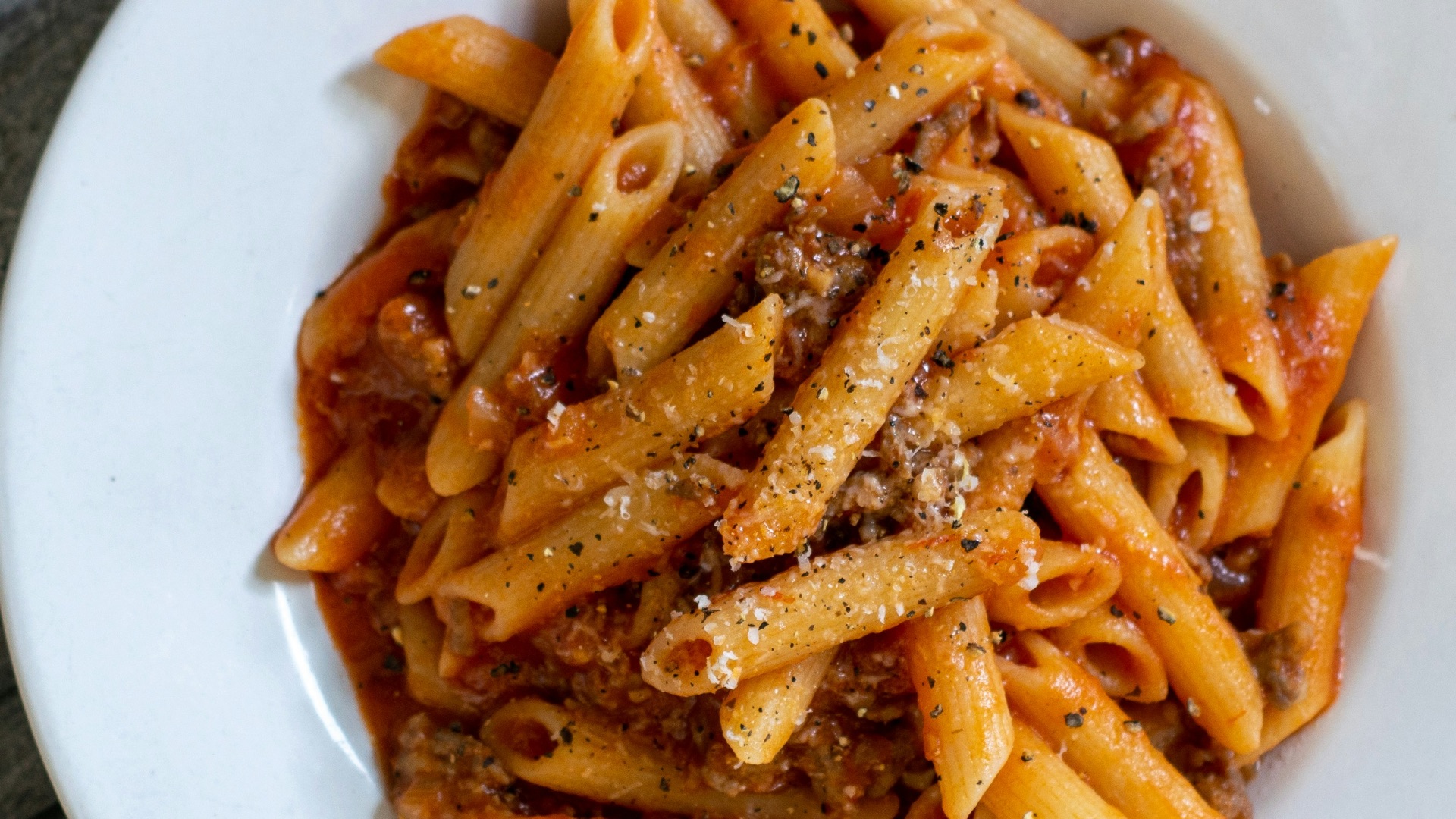
8. Pasta
Carb- and calorie-heavy, pasta doesn't have the best reputation. It doesn't help either that it's usually served in enormous restaurant portions. But these noodles aren't all that bad for you—in fact, a moderate serving can still be part of a balanced meal, especially when paired with vegetables, beans, seafood, or other sources of protein. Whole-grain varieties also provide additional fiber.
9. Fruit
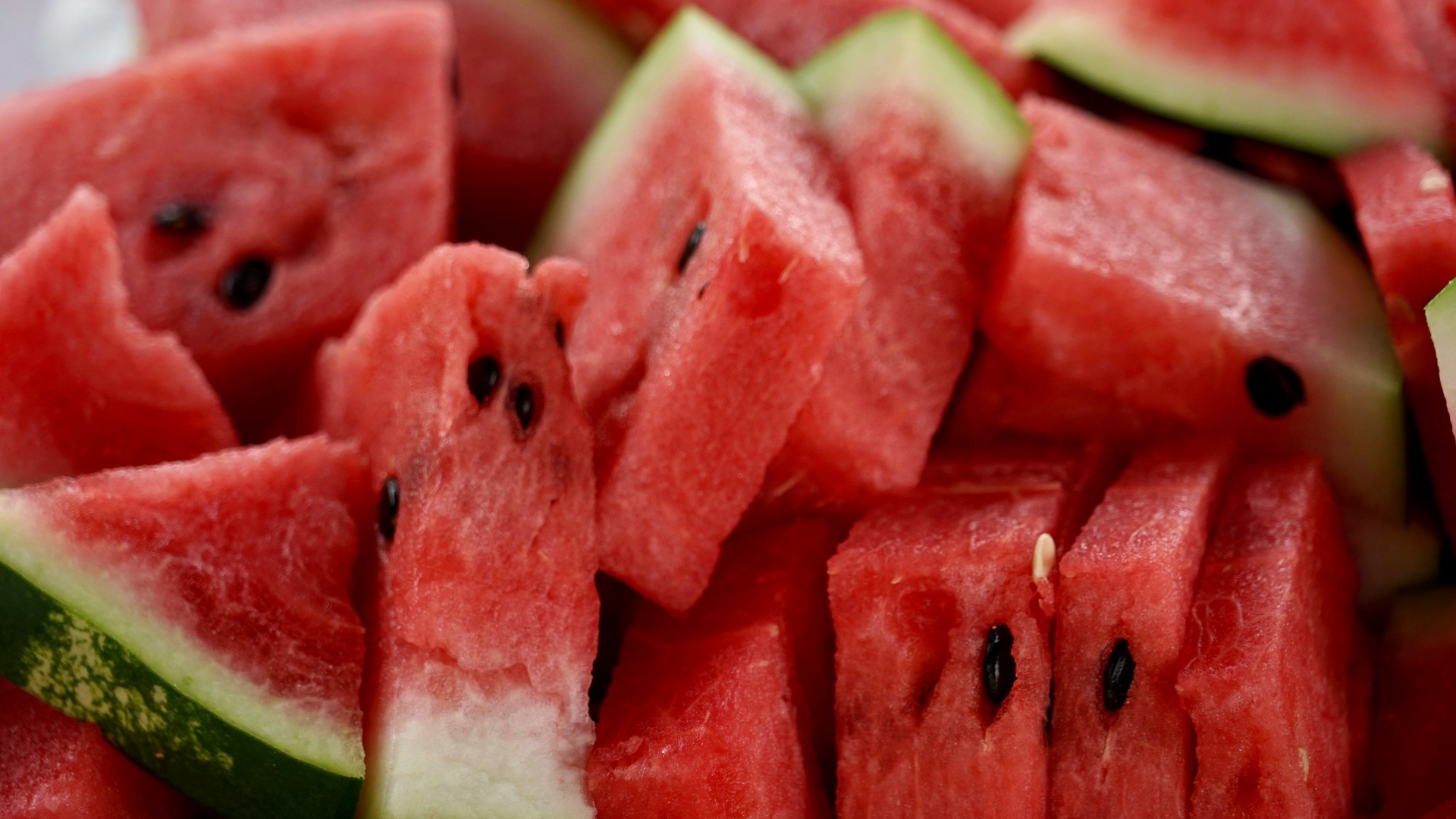
The natural sugar in fruit might have convinced you to avoid bananas, mangoes, figs, and other sweeter options. But by not eating fruit, you're giving up nutritious snacks that contain plenty of fiber, vitamins, minerals, and beneficial plant compounds. Fruit juice you may want to consume less of, but whole fruit? You should be eating more.
10. Soy Foods
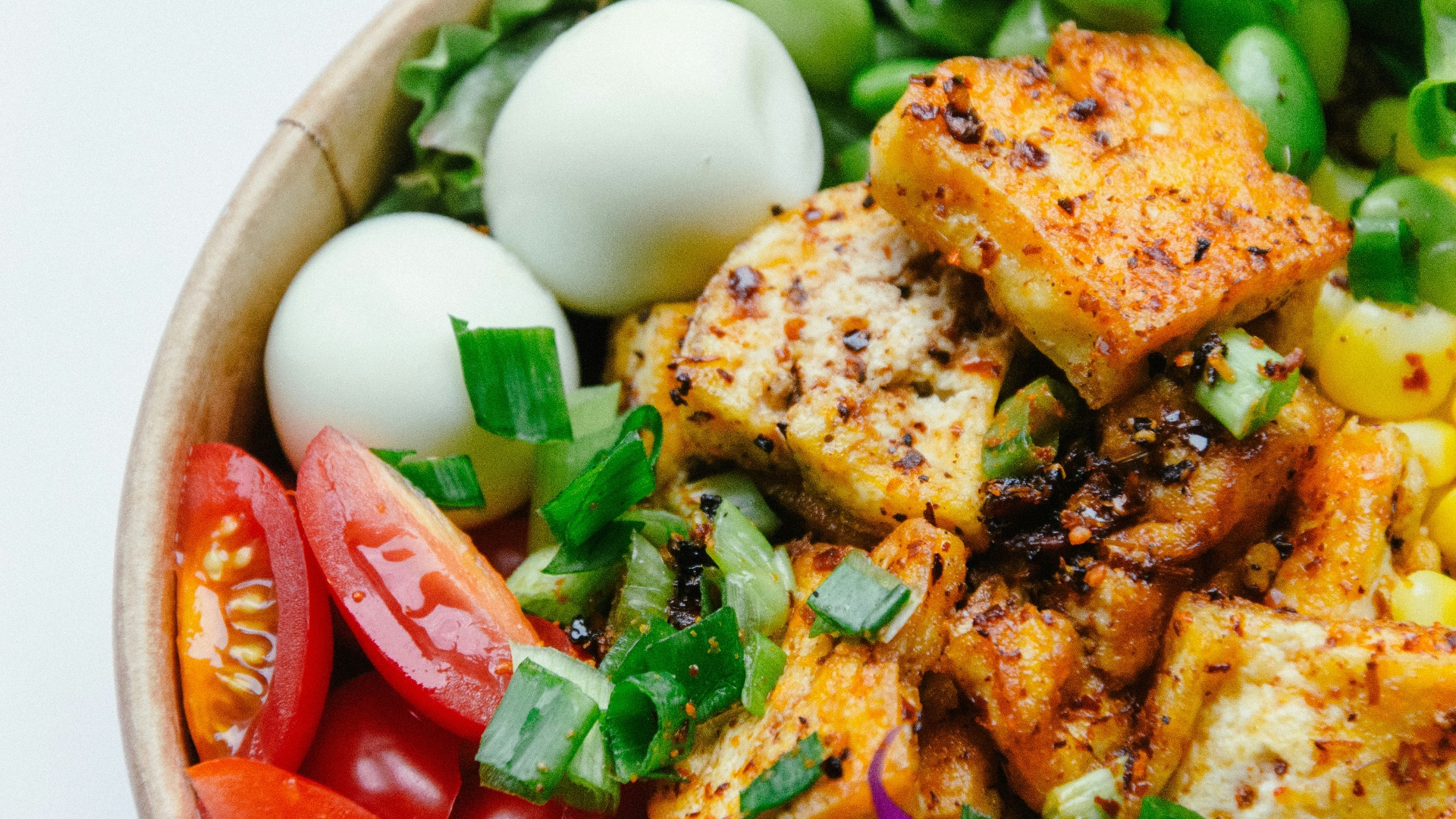
Soy, bizarrely enough, has been surrounded by persistent claims that it disrupts hormones or isn't good for you. Yet, minimally processed options such as tofu, tempeh, and unsweetened soy milk can still be excellent sources of plant-based protein while offering other valuable nutrients. Before you avoid foods because of certain "claims," it's best to do the research yourself.