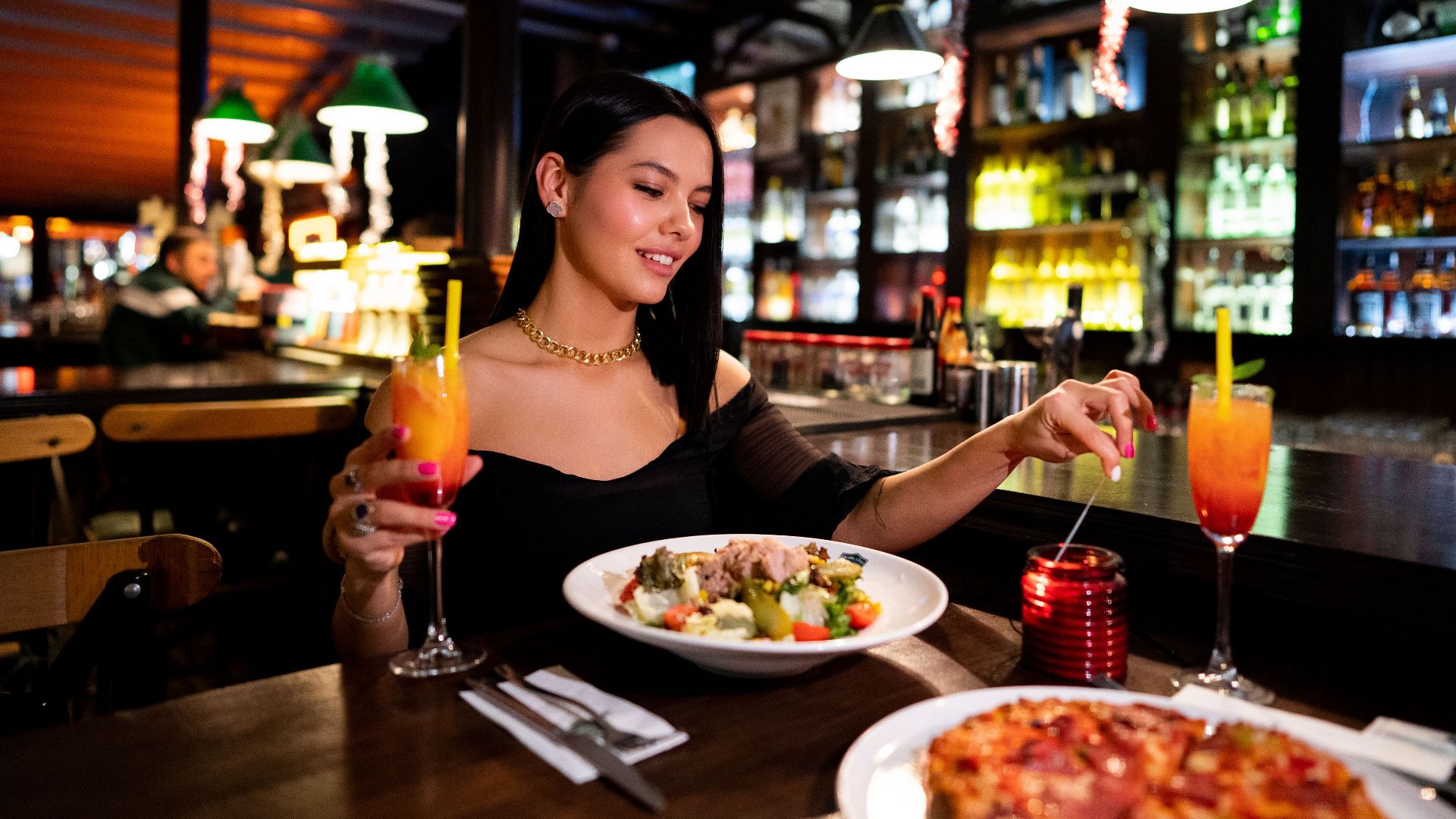
Dining alone once carried an unfair sense of awkwardness, as though a table for one automatically meant that someone’s plans had fallen through. That assumption is gradually weakening as more people choose solo meals because they value flexibility, independence, and the freedom to enjoy a restaurant on their own terms. Reservations for individual diners have increased in recent years, and restaurants are paying greater attention to guests who arrive without companions.
A solo meal can be as casual as grabbing noodles after work or as deliberate as reserving a seat at a chef’s counter. Without a group influencing the restaurant, schedule, or order, you’re free to build the entire experience around your own preferences. That freedom has helped turn eating alone from a practical necessity into a small but meaningful form of personal enjoyment.
Choosing the Experience for Yourself
Group meals usually require compromise because everyone has different budgets, schedules, appetites, and dietary preferences. Dining alone removes the need to negotiate over where to go, what time to meet, or whether sharing several plates is worth the trouble. You can choose the tiny neighborhood restaurant nobody else wants to try, order the dish that interests you most, and leave whenever the evening feels complete.
That independence also creates room for greater attention to the food itself. Conversation won’t distract you from subtle seasoning, changing textures, or the way different courses have been arranged. You don’t need to analyze every bite like a professional critic, but eating at your own pace can reveal details that are easy to overlook during a lively group dinner.
Solo dining is especially appealing when you want an experience without turning it into a major social event. A good lunch, an early dinner, or a carefully chosen dessert can fit into an ordinary day without requiring several rounds of scheduling messages. The occasion remains special because you decided to make time for it, not because a large group validated the plan.
Becoming Comfortable at a Table for One
The first solo restaurant visit can feel slightly uncomfortable because many people assume everyone else is noticing them. In reality, most diners are focused on their own meals, conversations, and phones rather than studying the person at the next table. Once that realization settles in, the experience often becomes much easier and may even feel more relaxing than coordinating a crowded night out.
Choosing the right seat can make a significant difference. Bar seating, counters, window stools, and open-kitchen areas provide something to observe while avoiding the formality of occupying a large table alone. Restaurants have increasingly recognized the value of these spaces, with some designing flexible seating and individual dining areas specifically for solo customers.
You also don’t need to spend the entire meal staring solemnly at the wall. A book, notebook, or quietly used phone can provide company between courses, although constantly scrolling may prevent you from enjoying the surroundings. Some solo diners prefer talking briefly with the bartender or server, while others value being left alone, and both approaches are perfectly reasonable.
Turning the Meal Into a Personal Ritual
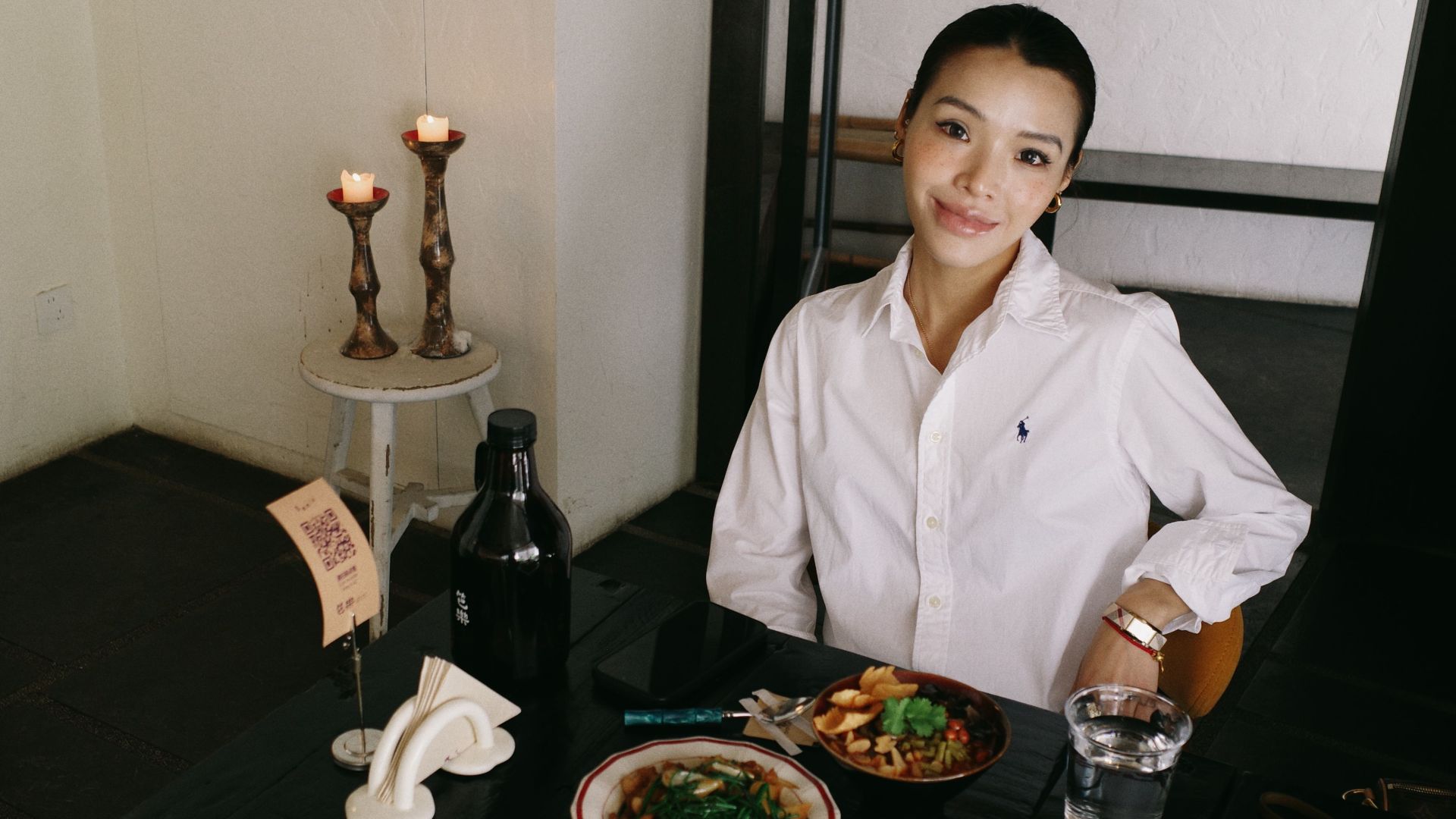
Treating solo dining as an art form begins with intention rather than expense. A thoughtfully chosen sandwich at a counter can be more satisfying than an elaborate tasting menu selected mainly for social prestige. What matters is paying attention to what you genuinely want, which may involve trying an unfamiliar cuisine, revisiting a dependable favorite, or ordering a dish that’s difficult to prepare at home.
Small rituals can make the experience feel more deliberate without making it overly serious. You might choose one evening each month to visit a new restaurant, sit at the same café table every Sunday, or order a starter you’d normally skip in a group. These habits turn solo dining into something anticipated rather than something accepted only when nobody else is available.
Travel offers another natural opportunity to develop the practice. Waiting for companions to share every meal can limit your options, particularly when schedules, energy levels, or interests differ. Entering a restaurant alone lets you experience local food immediately, and the interaction with servers, cooks, or neighboring diners may provide a stronger connection to the destination than eating somewhere chosen purely for convenience.
Solo dining doesn’t need to replace shared meals, since eating with people you care about remains one of life’s most enjoyable social experiences. It simply adds another possibility, allowing you to enjoy restaurants without depending on someone else’s availability or approval. Once the discomfort fades, a table for one can become a place for curiosity, calm, and excellent food enjoyed exactly the way you want.
KEEP ON READING
The Most Popular Signature Dishes Around the World