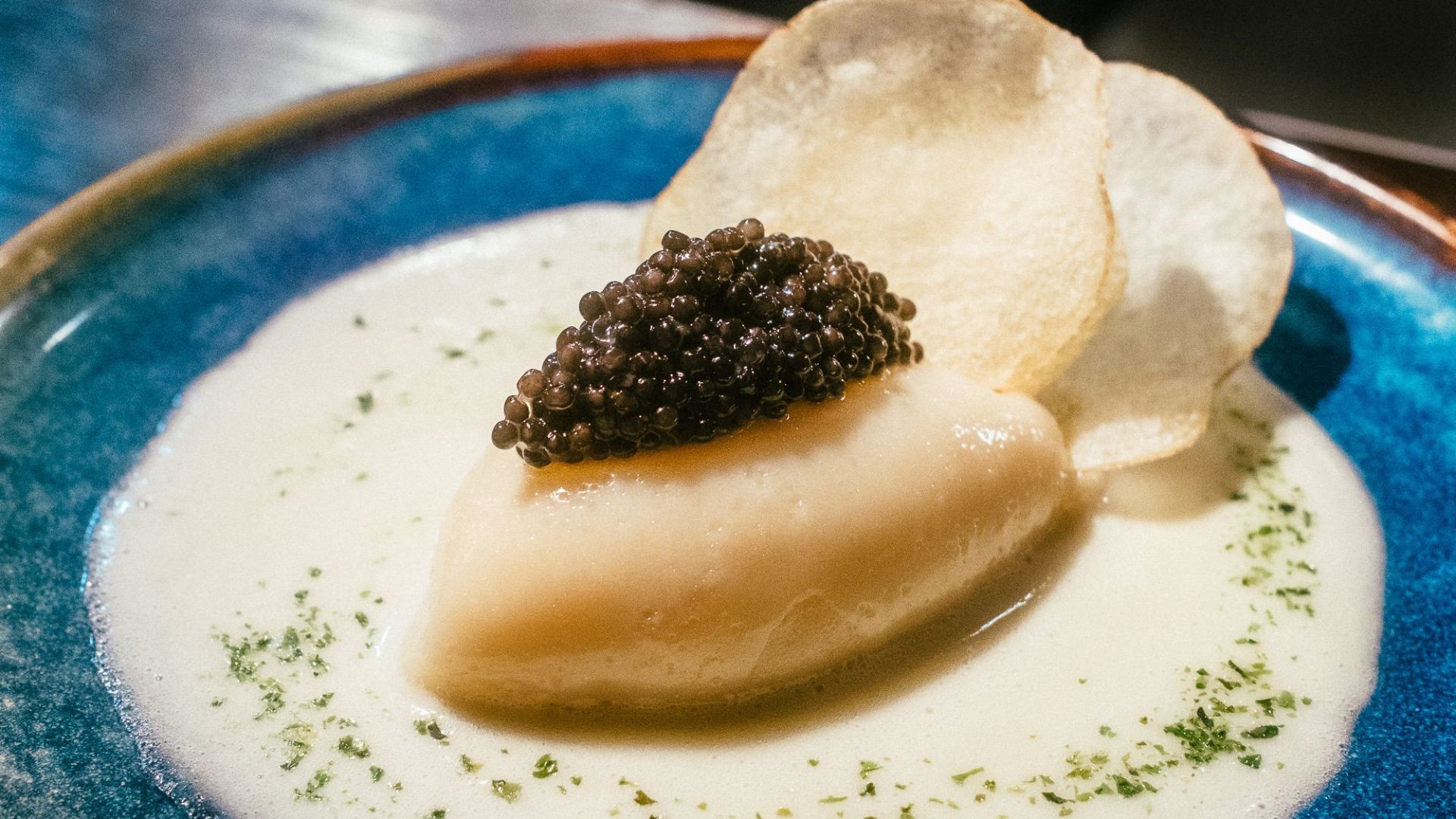
Caviar has one of the strangest career paths in food history. Today, it sits on tasting menus, tiny spoons, chilled tins, and fancy party trays as if it were born wearing formalwear. Yet for much of history, fish eggs weren't treated like treasure at all. In several regions, they were simply practical food from a very large, very old fish.
The road from preserved roe to luxury symbol involved geography, scarcity, royal taste, global trade, and a lot of overfishing. Caviar became expensive not only because people liked it, but because the best sources became harder to find. Once rarity, ritual, and wealth got involved, those little eggs became much more than a snack. They became a way to signal taste, status, and a willingness to pay handsomely for something served in tiny portions.
It Began as Preservation, Not Pure Luxury
Caviar’s story starts with sturgeon, an ancient fish found in places such as the Caspian and Black Sea regions. Long before caviar became a symbol of fine dining, people salted fish roe because salt helped preserve it. That made the food practical, especially in communities that depended on rivers and seas for survival. It was useful before it was glamorous, which is not the reputation caviar likes to advertise now.
Persian, Russian, and other regional traditions helped shape early caviar culture. The eggs were prized for their briny flavor, smooth texture, and ability to travel better once preserved. In areas where sturgeon were abundant, caviar could be eaten by a wider range of people than modern diners might imagine.
As aristocrats and royal courts developed a taste for caviar, its image began to shift. Russian nobility helped make it fashionable among wealthy Europeans, especially when luxury dining became more theatrical. Suddenly, the same ingredient that once solved a preservation problem looked like a mark of refinement.
Scarcity Turned Caviar Into a Status Symbol
The biggest reason caviar became so luxurious is that true caviar comes from sturgeon, and sturgeon don't exactly rush through life. Many species take years to mature before they can produce eggs. That slow biology makes supply limited even under good conditions. When demand rises faster than nature can keep up, prices get dramatic.
Overfishing made the situation worse. Sturgeon populations in several regions declined sharply as demand for their eggs grew. The Caspian Sea became especially important to caviar’s luxury image, but wild sturgeon there faced pressure from heavy harvesting, habitat damage, pollution, and illegal trade. The fewer the fish became, the more precious their eggs seemed.
The U.S. had its own surprising caviar chapter. In the 19th century, American sturgeon were abundant enough that caviar wasn't always treated like an elite delicacy. Some accounts describe it as cheap bar food, served salty to encourage drinking. That changed when overfishing devastated sturgeon populations, turning a once-plentiful resource into something much rarer.
Fine Dining Gave It Ritual & Drama
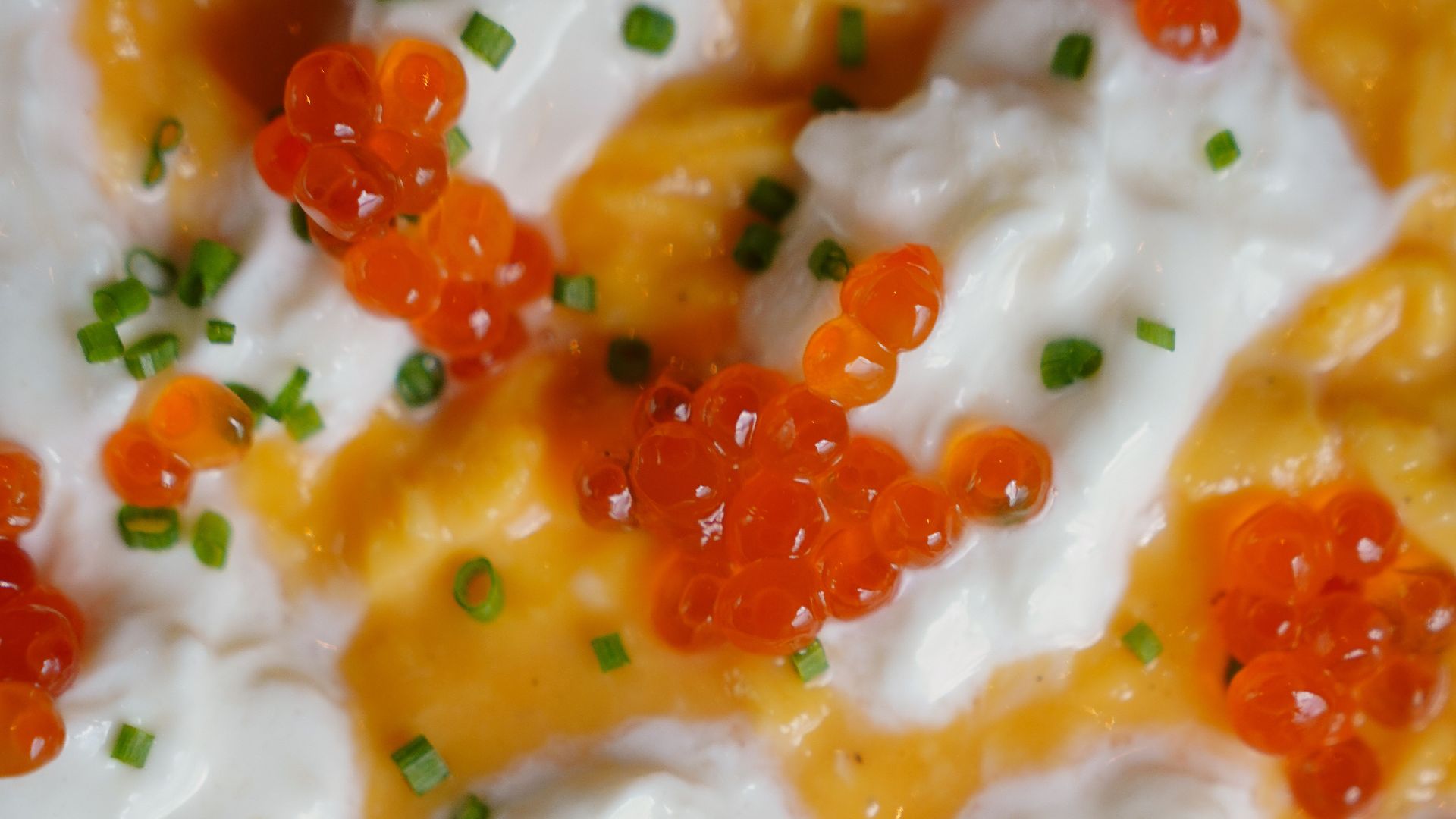
Caviar did not become a luxury food through price alone. The way it was served also helped build the mystique. Tiny portions, chilled tins, mother-of-pearl spoons, blini, crème fraîche, Champagne, and vodka all made the experience feel deliberate. Food becomes more luxurious when there are rules around it, especially rules that make people nervous about doing it wrong.
Restaurants and hotels played a major role in shaping caviar’s reputation. French haute cuisine embraced it as an elegant garnish and centerpiece, while luxury hotels used it to signal exclusivity. A spoonful of caviar could make a dish coveted before anyone even tasted it. It became less about eating a large amount and more about enjoying a controlled little moment of extravagance.
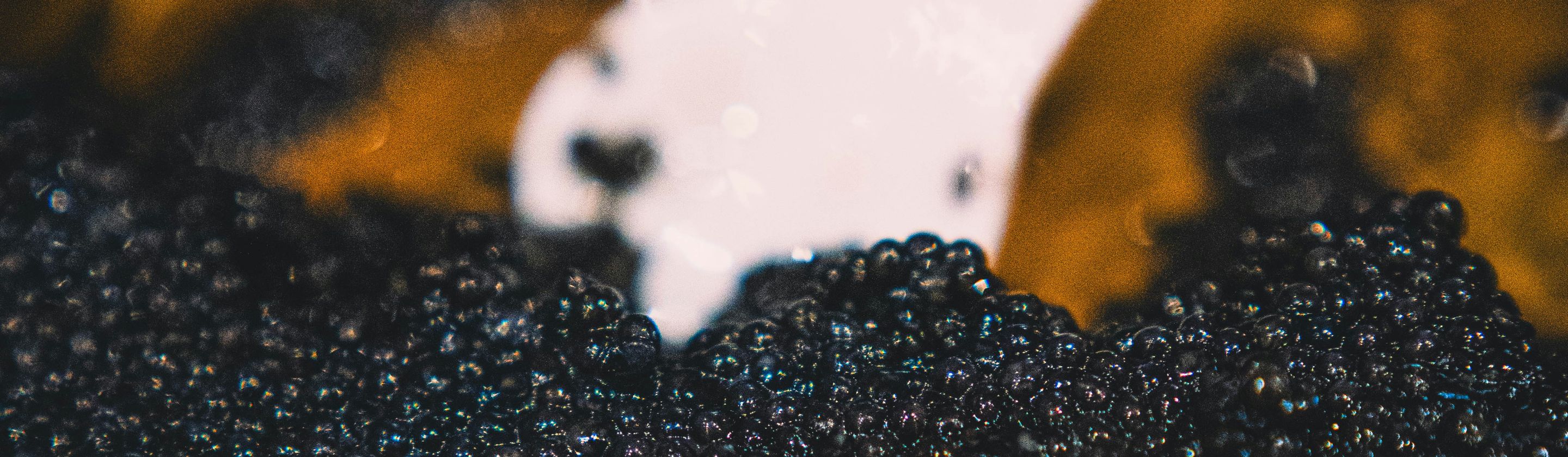
Caviar also benefited from being visually distinctive. The tiny glossy pearls look expensive, especially when served simply and confidently. Unlike foods that need heavy sauces or decoration, caviar carries its own drama in a very small package. You may not personally love the taste, but it’s hard to deny that it knows how to make an entrance.
Modern Caviar Is Changing Again
Today, wild caviar is tightly regulated in many places because sturgeon conservation has become urgent. Some species are endangered or threatened, and illegal harvesting remains a serious problem. That history means that the best producers now have to think about sustainability as much as flavor.
Farmed caviar has changed the industry in a big way. Aquaculture allows sturgeon to be raised under controlled conditions, which can reduce pressure on wild populations when done responsibly. It has also made caviar somewhat more accessible than it was during the height of wild scarcity. Even so, high-quality caviar still requires time, expertise, careful handling, and a fish that can't be hurried.
What keeps caviar luxurious now is a mix of old reputation and modern craft. It still carries the glamour of royal courts, grand hotels, and special occasions, but it also reflects real limits in production. You’re not just paying for salt-cured eggs; you’re paying for rarity, patience, handling, tradition, and the story attached to them. That story is why caviar remains the food people serve when they want a small bite to feel like a very big deal.
KEEP ON READING

10 Best Finds at Costco & 10 Worth Skipping

20 American Foods That Are Best When They're Simple