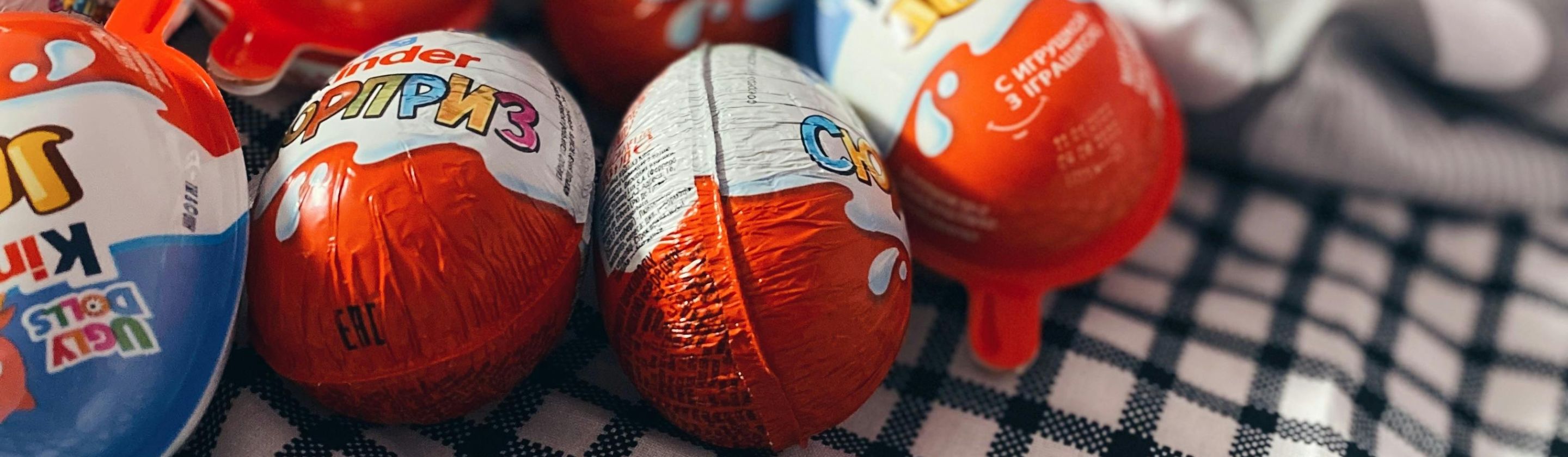
Kinder Surprise Eggs Are Banned In America Due To This 1938 Law
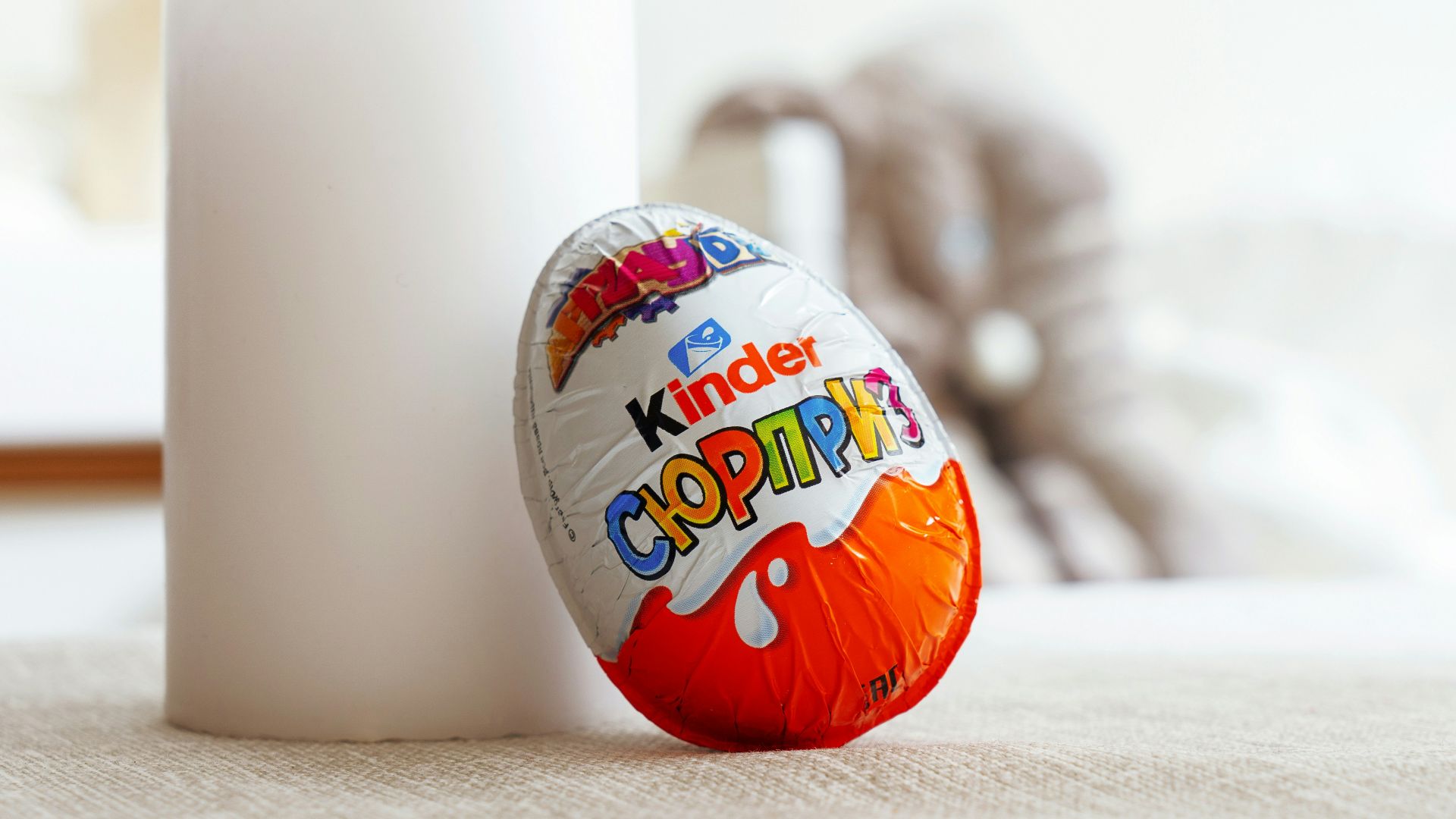
Kinder Surprise Eggs might seem like harmless childhood magic—chocolate on the outside, a tiny toy hidden inside—but in the U.S., they’ve been treated more like contraband than candy. While the rest of the world pops them open without a second thought, America has kept them off shelves for decades, all because of a law most people don’t even realize exists.
Before you assume it’s about sugar or safety panic, take a moment to look back at the real story. The reason behind the ban is oddly specific and might just make you rethink what counts as “dangerous” in the eyes of the law.
A Law Born From Public Safety Concerns
In 1938, the U.S. passed the Food, Drug, and Cosmetic Act. Lawmakers wanted stronger protections after several safety incidents involving products that harmed consumers. One part of that law prohibited foods containing any non-nutritive objects that were fully enclosed inside the product.
Fast forward to today, and that rule continues to stand. Kinder Surprise Eggs contain a toy capsule hidden inside the chocolate shell. Because American regulations view that capsule as a foreign object embedded in the food, the product cannot legally be sold. Even though other countries allow them with safety labels and age guidelines, the U.S. keeps the original rule in place. As a result, customs agents regularly confiscate Kinder Surprise Eggs brought in by travelers and treat them like restricted goods rather than simple treats.
How Ferrero Found A Workaround
Outside the U.S., Kinder Eggs are childhood staples found in stores across Europe, Latin America, and Asia. Kids trade the figurines at school, families grab them during holidays, and collectors chase rare pieces. Ferrero wanted that same excitement in America and wasn’t willing to give up on the market.
Instead of fighting the law, the company adapted. In 2017, it launched Kinder Joy in the U.S.—a redesigned version that splits the product into two separate halves. One side holds creamy chocolate with crunchy wafer bites. The other contains the toy capsule, completely separated from the edible portion.
This design satisfies U.S. regulations because the toy isn't embedded inside the food. Within a year, Kinder Joy became one of the fastest-growing candy products in America, proving that demand was always there—it just needed a legal path forward.
Will The Original Ever Make It Here?
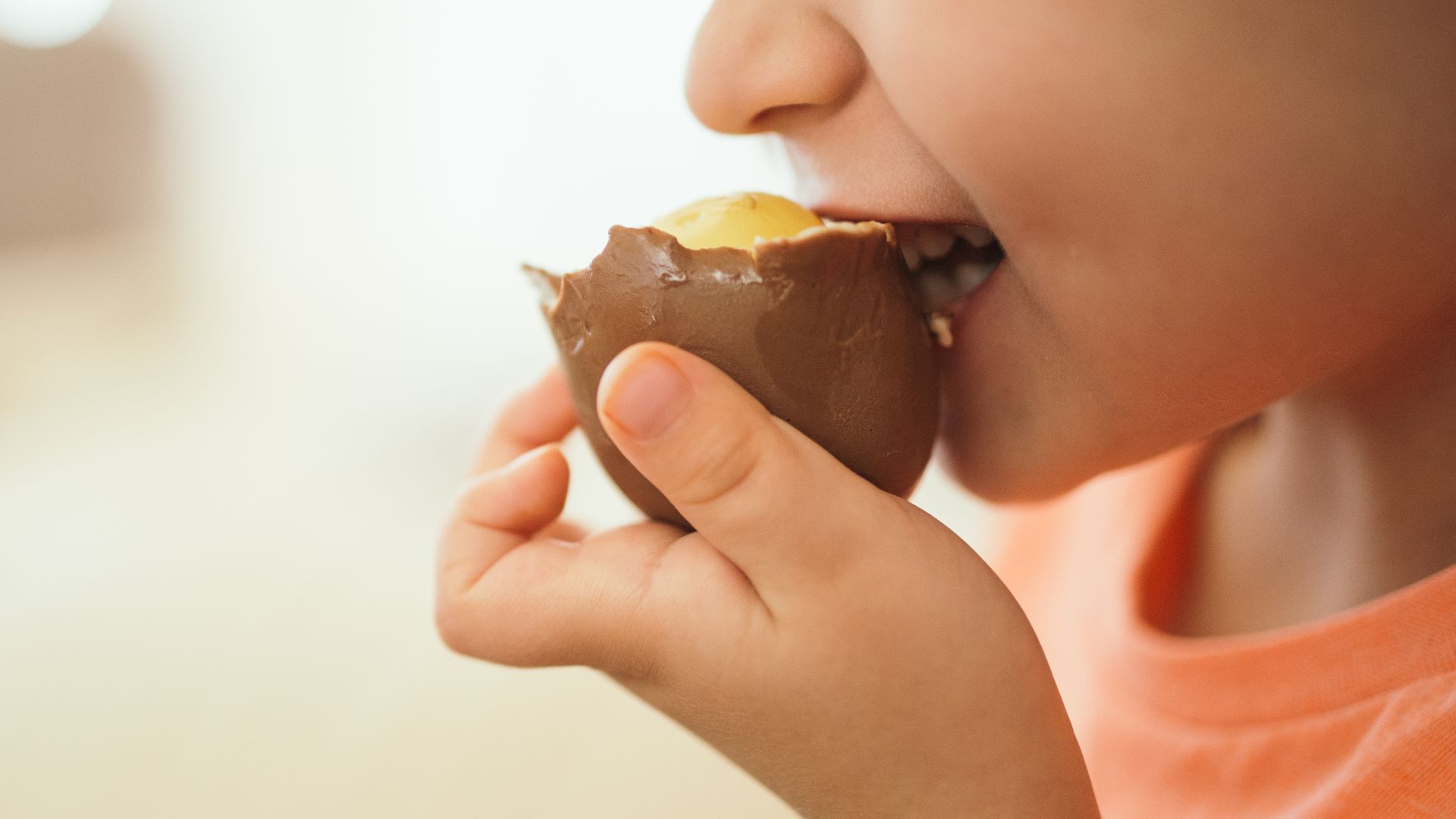
The 1938 law isn't going anywhere soon, but that hasn't stopped people from questioning whether it still makes sense. Some argue that clear age warnings and modern packaging standards could allow the original Kinder Surprise Eggs to be sold safely. Others believe the rule serves an important purpose, especially for younger children who might not understand the hidden toy.
For now, Americans can enjoy Kinder Joy, but the classic version with its yellow capsule tucked inside a chocolate shell remains off-limits. Whether that ever changes depends on how willing regulators are to revisit a rule that's been on the books for nearly a century.
KEEP ON READING
The 5 Most Consumed Foods in the Entire World