Some sandwiches leave home, show up on chain menus, and become a watered-down version of the weirder, better, and more soulful original. Then there are the local sandwiches that stay right where they started, still hanging on in corner shops, old bars, neighborhood delis, and beach towns that don’t seem too worried about national attention.
That’s usually where the good stuff lives. A great regional sandwich carries a place with it, from the bread locals grew up on to the meat, seafood, or sauce that becomes a cornerstone of a community. A lot of those stories run through immigrant neighborhoods, working-class lunch habits, and food traditions that transcend time. You can feel that when a sandwich really belongs somewhere, and that’s why a few of these deserve a whole lot more love outside their home turf.
Working Lunch Legends
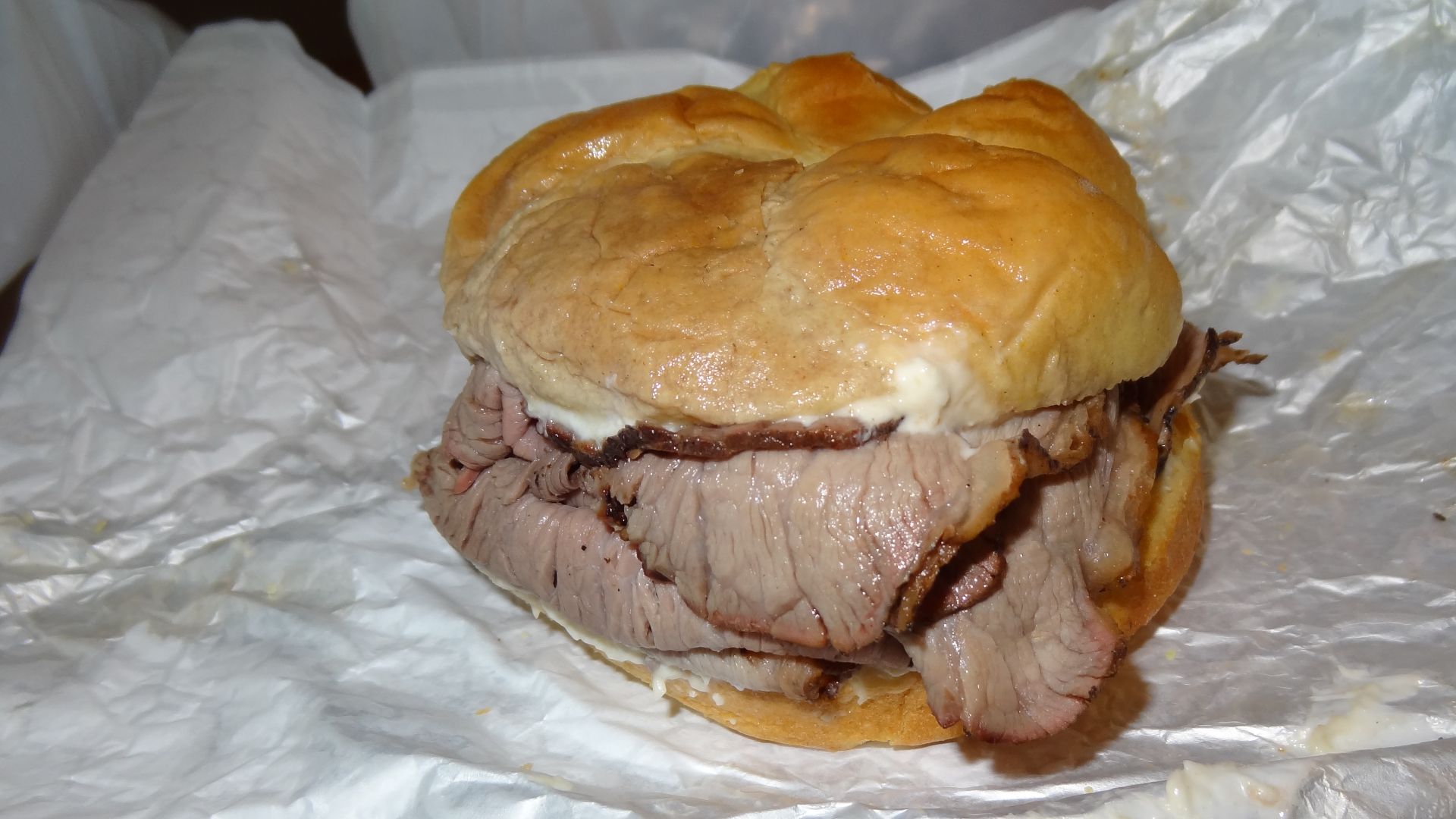
Baltimore pit beef should be way more famous than it is. WYPR describes it as a hyper-regional food tradition rooted in Baltimore’s industrial past, and the classic version still sounds like pure delight: beef grilled over charcoal, sliced thin, and stacked on a roll with horseradish sauce and onions. It’s smoky, messy, and straight to the point. A regular roast beef sandwich can feel a little too buttoned-up after that.
There’s something very lovable about a sandwich that doesn’t bother pretending to be refined. Pit beef has the char from the grill, the juicy sliced meat, the sting from the horseradish, and that hit of onion that wakes the whole thing up. You can almost feel the city in it, rough edges and all, which is exactly what makes it stick.
Buffalo’s beef on weck has that same old-school pull, though the roll is doing a lot of the heavy lifting. The William G. Pomeroy Foundation says the sandwich is made with roast beef and horseradish on a kümmelweck roll, and that it traces back to the late 1800s in Western New York. That salty, caraway-topped bread gives the whole thing this savory edge that stays with you. One bite in, and you kind of get why locals talk about it like the rest of the country’s been deprived.
Philadelphia roast pork deserves more national attention than the cheesesteak usually lets it have. Visit Philadelphia describes the classic version as slow-roasted pork shoulder with sharp provolone and garlicky broccoli rabe or spinach on a long Italian roll, and that combination has real depth to it. It’s rich, salty, bitter, soft, and a little wild around the edges. That’s exactly what you want from a sandwich with roots in Italian American Philly.
Coastal Favorites
The po-boy may be the best-known sandwich here, though it still deserves more credit as one of the country’s great regional originals. Louisiana’s 64 Parishes ties its story to the Martin brothers and the 1929 New Orleans streetcar strike. Add in the city’s bread, Gulf seafood, or roast beef debris, and you’ve got a sandwich that still tastes unmistakably like New Orleans.
The fried clam roll is one of those things people try on vacation and then think about for an annoying amount of time afterward. Woodman’s of Essex says Lawrence “Chubby” Woodman fried the original New England fried clams in Essex, Massachusetts, on July 3, 1916, and it’s still a New England specialty today. It’ll taste so good you have to hate it, because you can’t find it anywhere else.
Bay Area sandwich culture has its own underappreciated star, and that’s Dutch crunch. KQED says Dutch crunch is a Bay Area favorite, common at sandwich counters in San Francisco and Oakland. Surprisingly, though, it isn’t a Bay Area original and remains surprisingly uncommon outside the region. That crackly, tiger-striped crust gives even a simple deli order more texture and way more personality.
The Next One Ready To Break Out
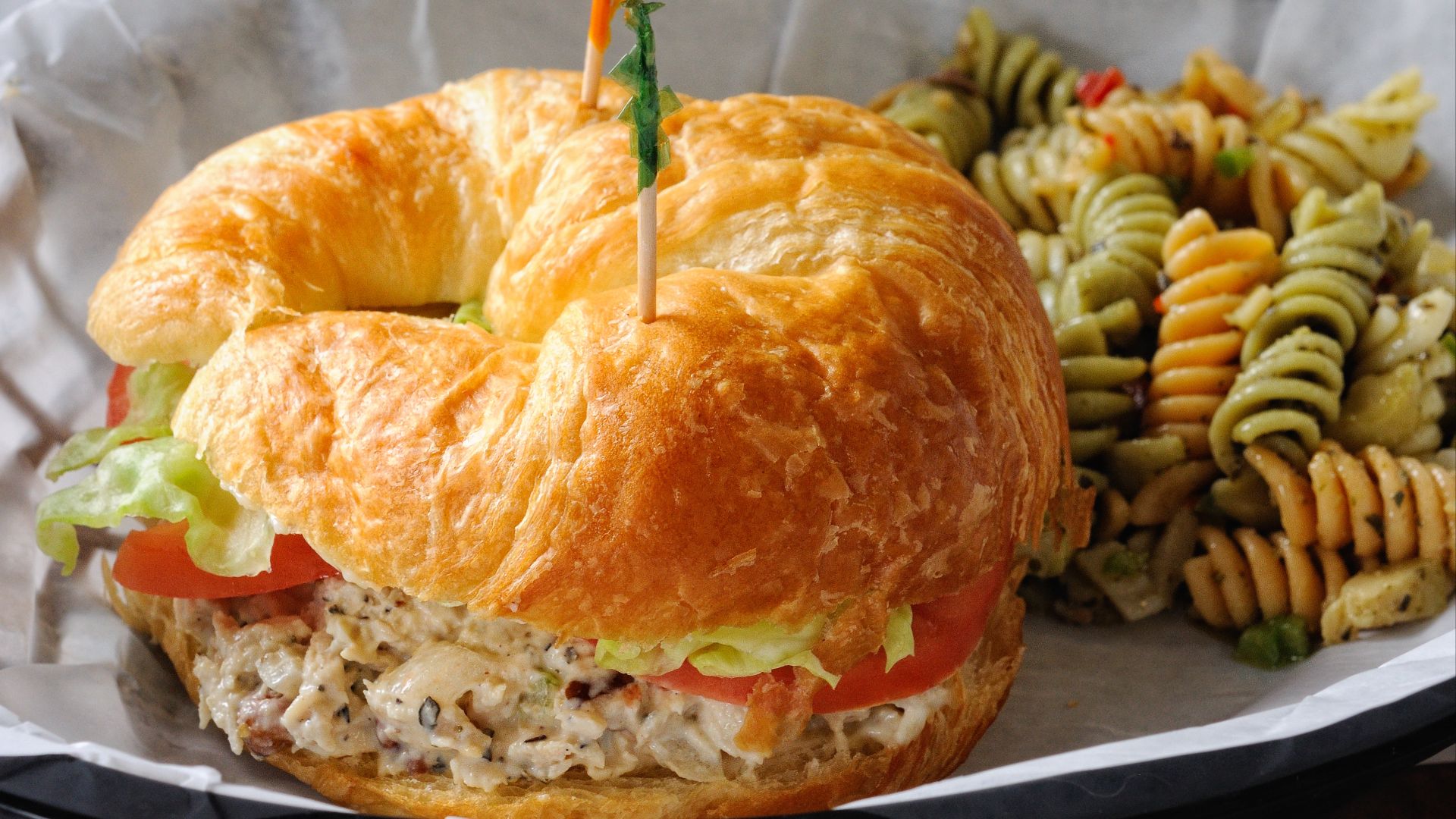 Ralph Daily from Birmingham, United States on Wikimedia
Alabama white sauce chicken sandwiches still feel like a regional secret, which is kind of wild once you know where they come from. The Encyclopedia of Alabama says Robert Gibson created Alabama’s white barbecue sauce in Decatur in 1925, and that the mayonnaise, vinegar, lemon, pepper, and salt mixture was first used on chicken. Put that tangy, peppery sauce on smoked chicken and a bun, and you get something bright, rich, comforting, and just unusual enough to stay in your head.
A lot of these sandwiches stay local for the same reason they’re so good in the first place. Beef on weck depends on that kummelweck roll, roast pork needs the right roll and greens, and a po-boy needs its New Orleans bread. The smaller details matter just as much as the rest of the sandwich.
That doesn’t mean they should stay obscure, though. National fame wouldn’t sand off what makes them special, and American sandwich culture would be a lot more fun, more regional, and less bland if a few of these spread wider. A country that made room for chain meatball subs can absolutely handle a few more regional staples.