
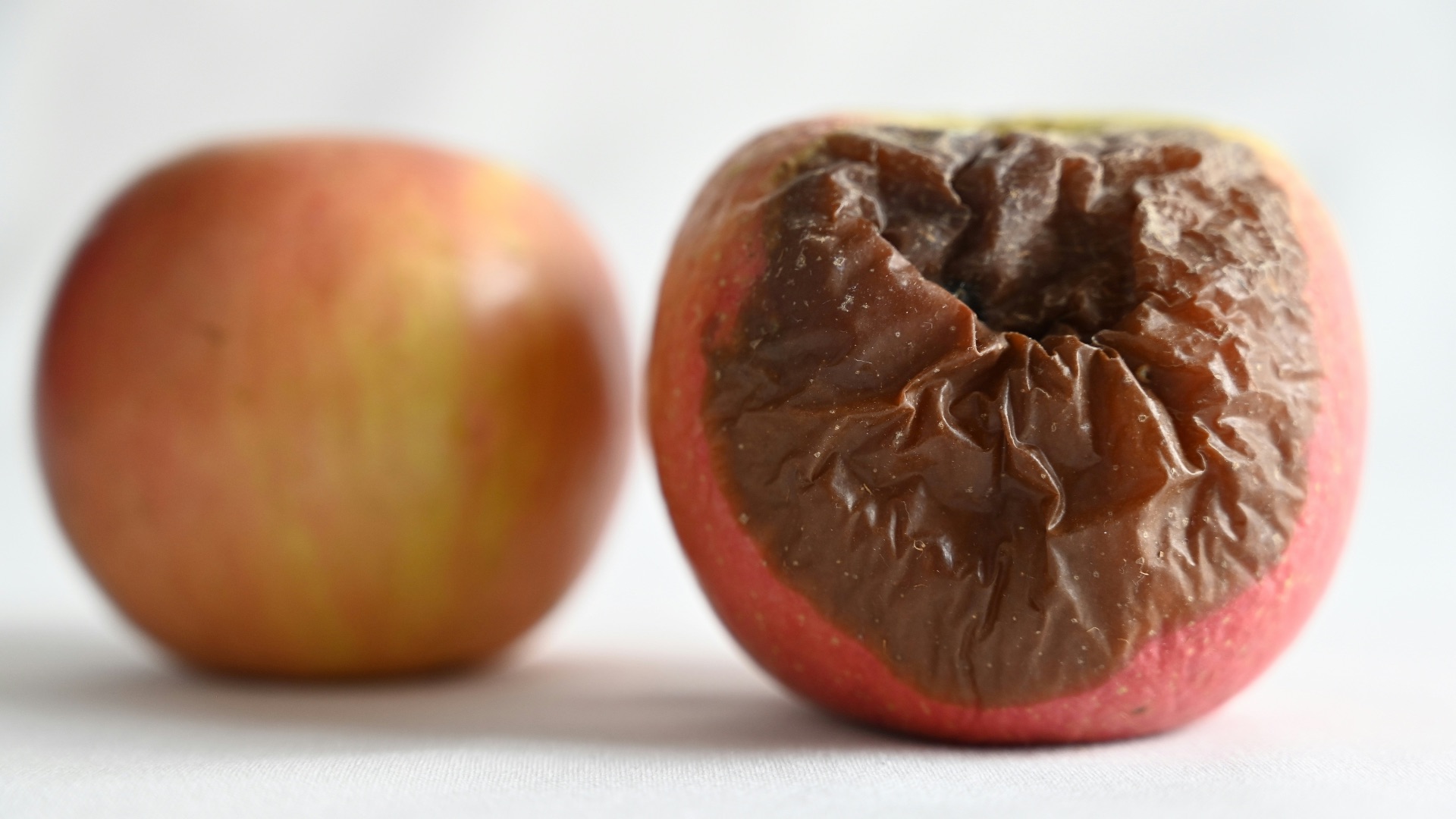
 Giuseppe CUZZOCREA on Unsplash
Uh-oh. The snack you've been saving to eat says its best before a certain date—a date that's now a week old. Do you toss it out, or is it technically still safe to eat? Here's something that might surprise you: while the terms "best before" and "expiry date" appear on food packaging all the time, they don't mean the same thing, and confusing the two can lead to either unnecessary food waste or, in some cases, a genuine health risk.
In many countries, food labeling regulations determine which products require which type of date, and the rules aren't always intuitive. Some foods can safely be consumed well past their best before date with no issue; others need to be discarded strictly by the date printed on the package. Knowing which category your food falls into helps you make smarter, safer decisions at home.
What "Best Before" Actually Means
Contrary to what you might think (that "best before" and "expiry date" are interchangeable), a best before date is primarily about quality, not safety. It tells you that the manufacturer guarantees the product will be at its peak flavor, texture, and nutritional value up until that date, but it doesn't automatically mean the food becomes unsafe to consume the moment that date passes.
Foods like bread, canned goods, cereals, and snacks typically carry best before dates. After this date, the product may have lost some of its freshness: it might be slightly stale, less crisp, or have a subtly different taste, but consuming it doesn't necessarily put you at risk. The key is using your senses: if it smells off, has changed color, or shows visible spoilage, that's your signal to toss it regardless of what the date says.
It's worth noting that best before dates are only valid if the product has been stored correctly. A package of crackers kept in a cool, dry pantry will fare very differently from one left near a heat source. The U.S. Food and Drug Administration emphasizes that proper storage conditions are essential to maintaining food quality up to, and sometimes slightly beyond, the printed date.
What "Expiry Date" Actually Means
Unlike best before dates, expiry dates are a hard stop. They're required on a smaller, more specific category of products where safety, not just quality, is the concern. If a product carries an expiry date, you shouldn't consume it after that date has passed, full stop. These dates exist because the product's effectiveness or safety can no longer be guaranteed once it's expired.
In Canada, expiry dates are mandatory on a defined list of products, including meal replacements, nutritional supplements, infant formula, and certain natural health products. The Canadian Food Inspection Agency outlines these requirements clearly, distinguishing between products that need a best before date and those that require a strict expiry date. Infant formula is a particularly critical example: the nutritional composition can degrade over time, which has direct consequences for a baby's health.
Medications follow a similar logic—their expiry dates indicate when the active ingredients may begin to break down, potentially making them less effective or even harmful. While food expiry dates are regulated under food safety law, pharmaceutical expiry dates fall under a separate regulatory framework. Either way, the principle is the same: once an expiry date has passed, the product can't be trusted to perform as intended.
How to Use This Knowledge to Reduce Waste
Food waste is a significant issue globally, and a large portion of it stems from misunderstanding date labels. The Natural Resources Defense Council has highlighted that many consumers discard food prematurely because they treat best before dates as expiry dates: nearly 10% of food that's tossed out is due to this confusion. That's why understanding the distinction can meaningfully cut down on what you throw away without compromising your health.
One helpful habit to start exercising (if you don't already) is to sort your pantry and fridge with date awareness in mind. Products with best before dates that have recently passed can often still be used in cooked dishes, smoothies, or other applications where slight changes in texture or taste won't be noticeable. Items that have genuinely expired, especially those with mandatory expiry dates like infant formula or supplements, should be discarded promptly and shouldn't be repurposed.
It's also smart to pay attention to storage instructions printed alongside the date. Many products will last longer if refrigerated after opening or kept away from light and moisture. The USDA's FoodKeeper App, for example, is a practical tool that helps you understand safe storage windows for hundreds of foods, taking the guesswork out of deciding what's still good. The bottom line is: the better your storage habits, the more value you'll get out of everything you buy—and the less you'll end up wasting.
KEEP ON READING


20 Food Requests Only Spoiled People Ask For


20 Hardest Foods on Earth To Eat
Do Vitamin Supplements Actually Make You Healthier?