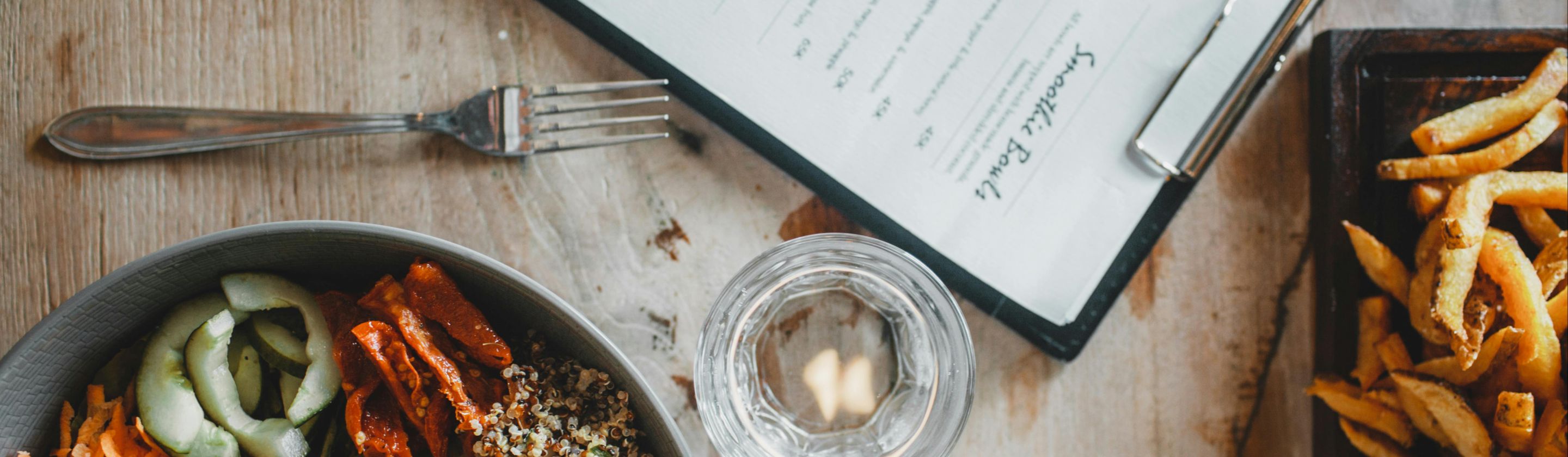
The Science Behind Your Menu Decisions
Picture this: You walk into a casual diner, and all around you are people munching on fries and shakes, while a jukebox blares a familiar, nostalgic tune. You probably already know what you're ordering—and the menu, with branded colors, illustrative design, and smartly sectioned fare, will only reinforce your decision. Why do we pick the dishes we do, and how exactly do restaurants know what they're doing? From emotional descriptors to anchor pricing, here are 20 factors that subtly influence what you order.

1. Emotional Words
Instead of using generic terms in section headers, restaurants may use emotional words, like "Light & Bright" over "Starters." This taps into what you, the customer, might be feeling at the moment, and naturally draws your attention toward it.
2. Hidden Money Sign
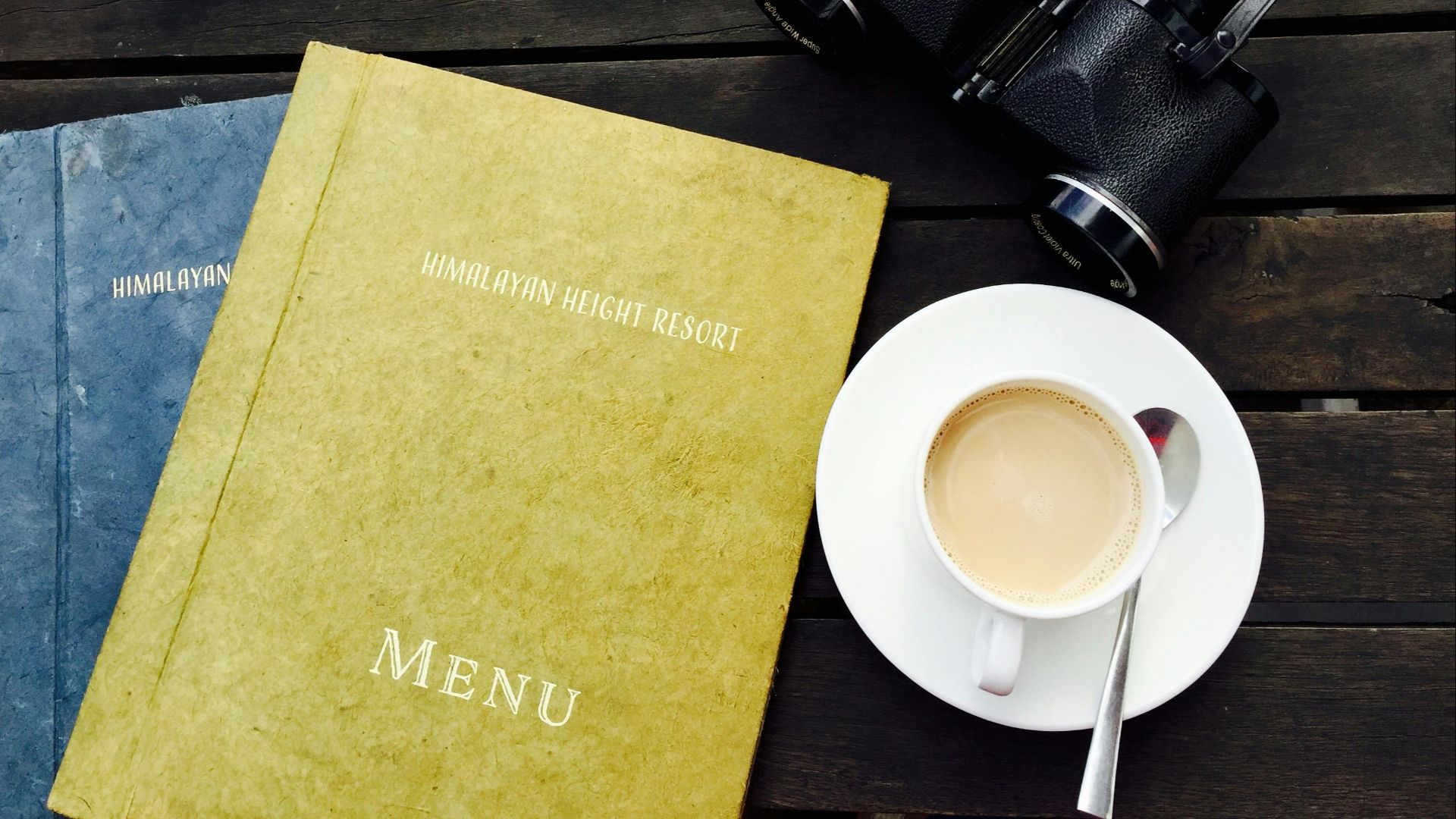
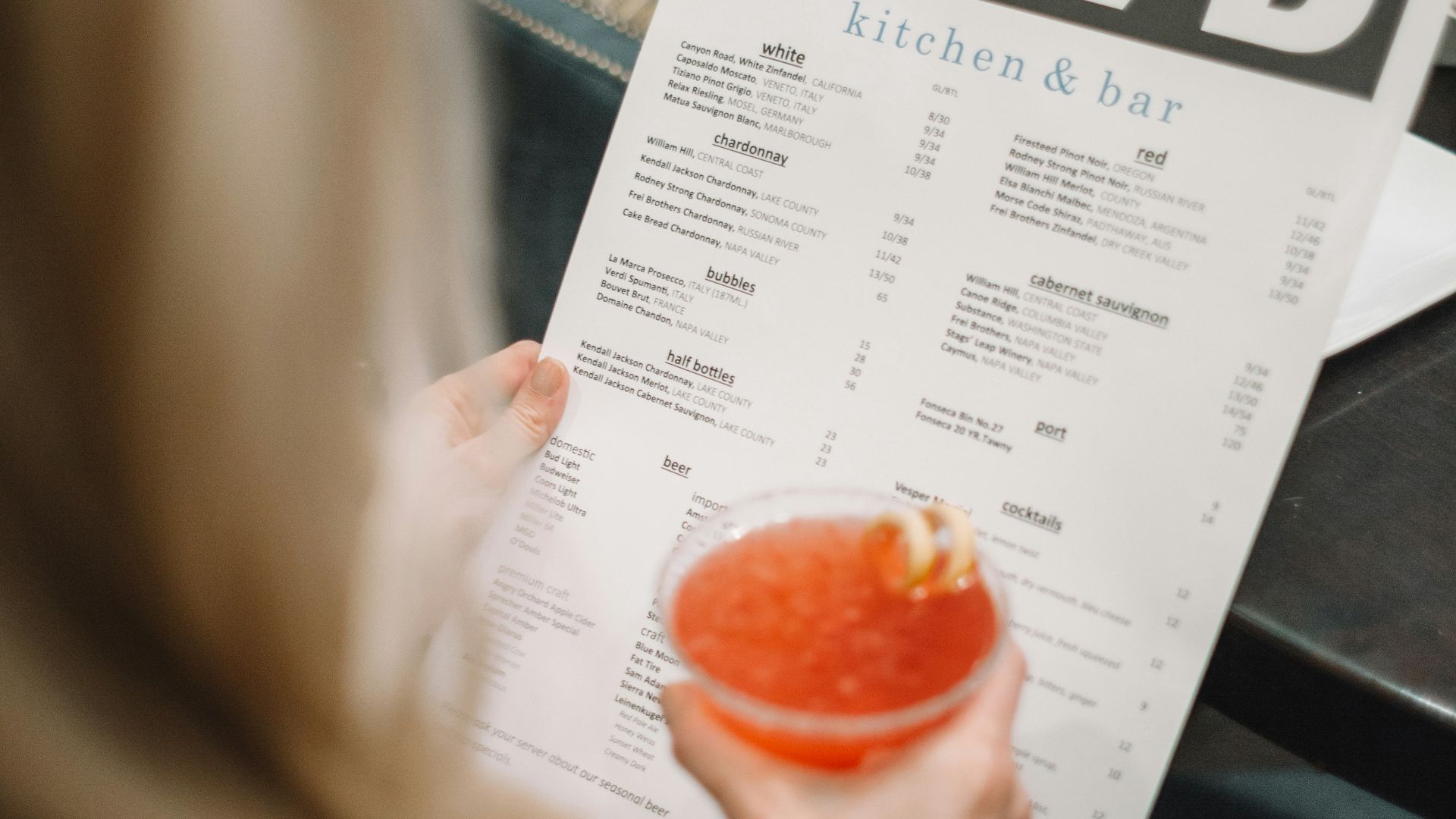
It's a small change, but omitting the dollar sign in front of prices makes a huge difference. And that's no surprise—you likely don't want to see how much you'll be spending your hard-earned cash on, and numbers sans the money sign in front do just enough to soften the blow.
3. Highlight Stories
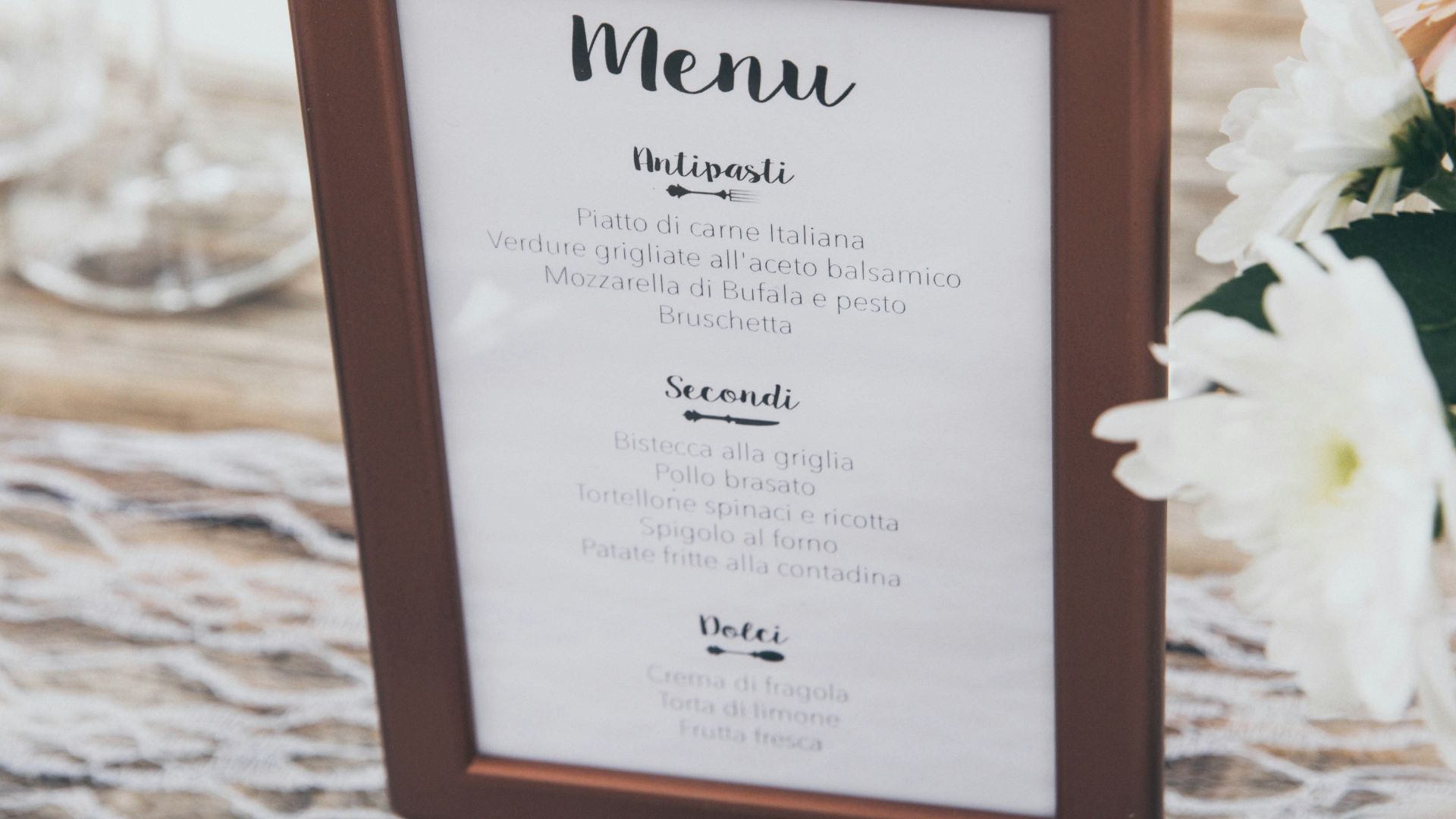
You're probably more likely to gravitate toward a dish that's described as "Freshly Caught Trout, Finished with Our Signature Homemade Aioli" over "Pan-Seared Trout with Aioli." Even though the first description is wordier, it tells you a story, and that makes you connect with it better than the second, simpler one.
4. Quality Photos & Illustrations
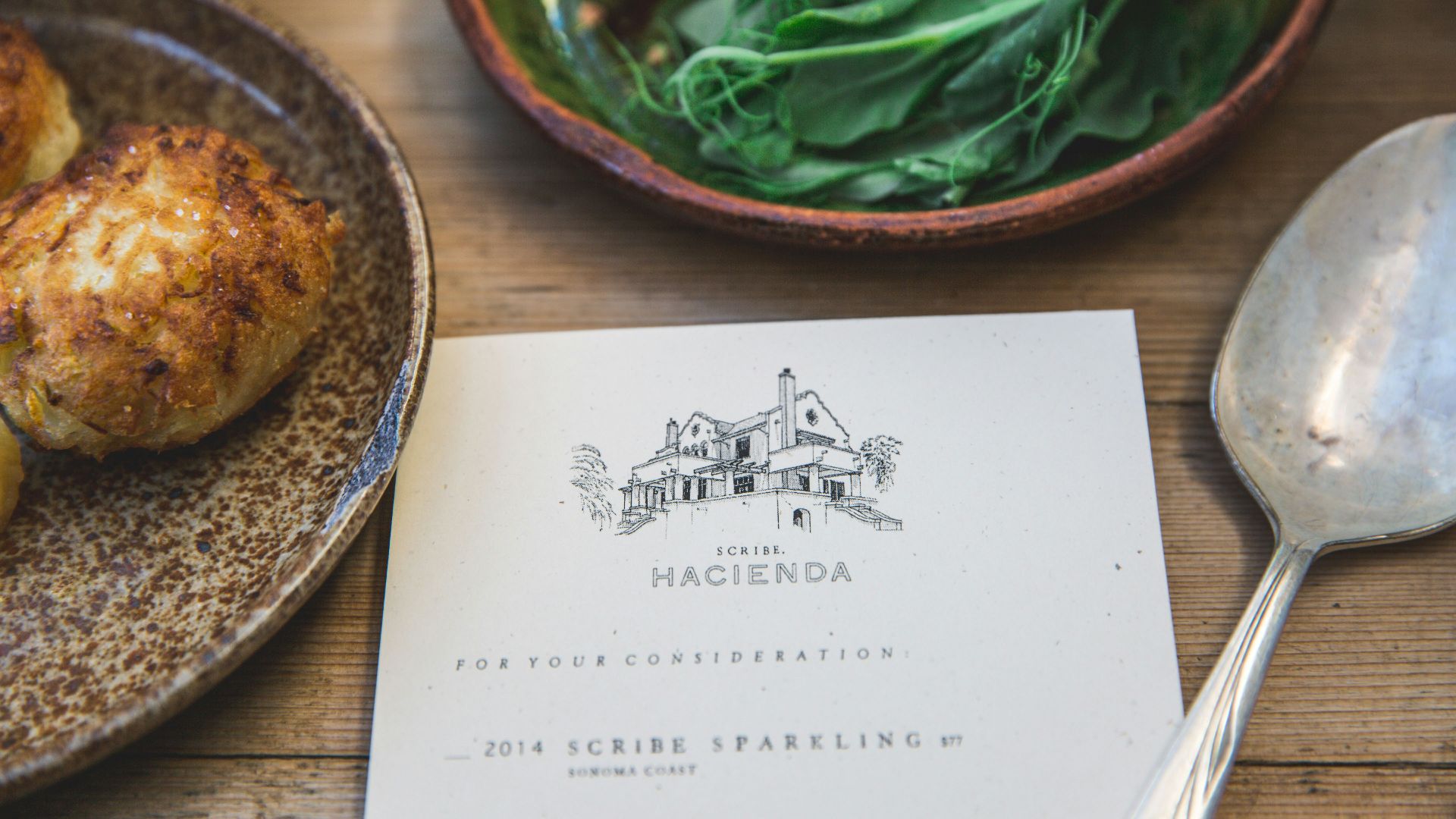
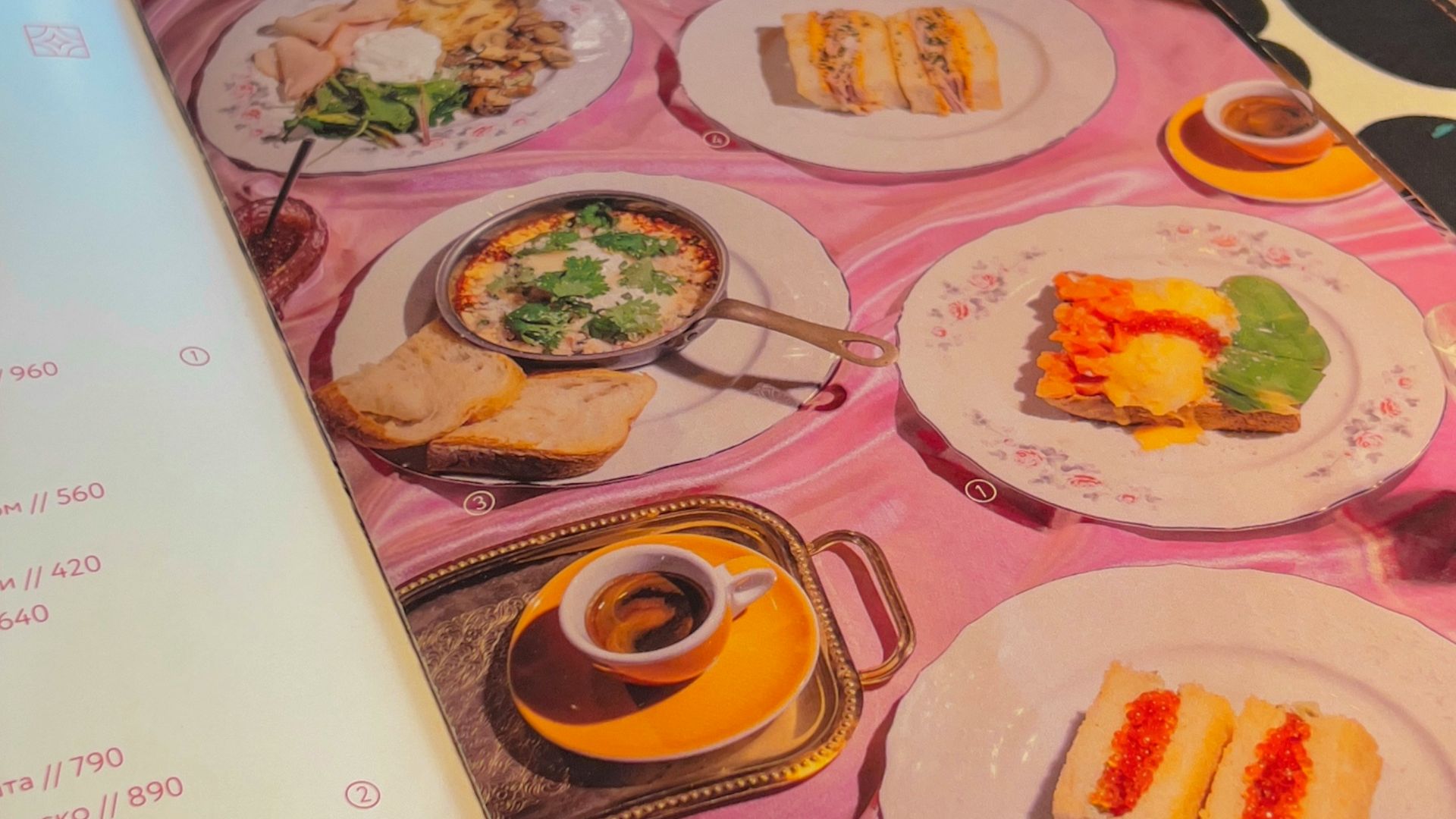
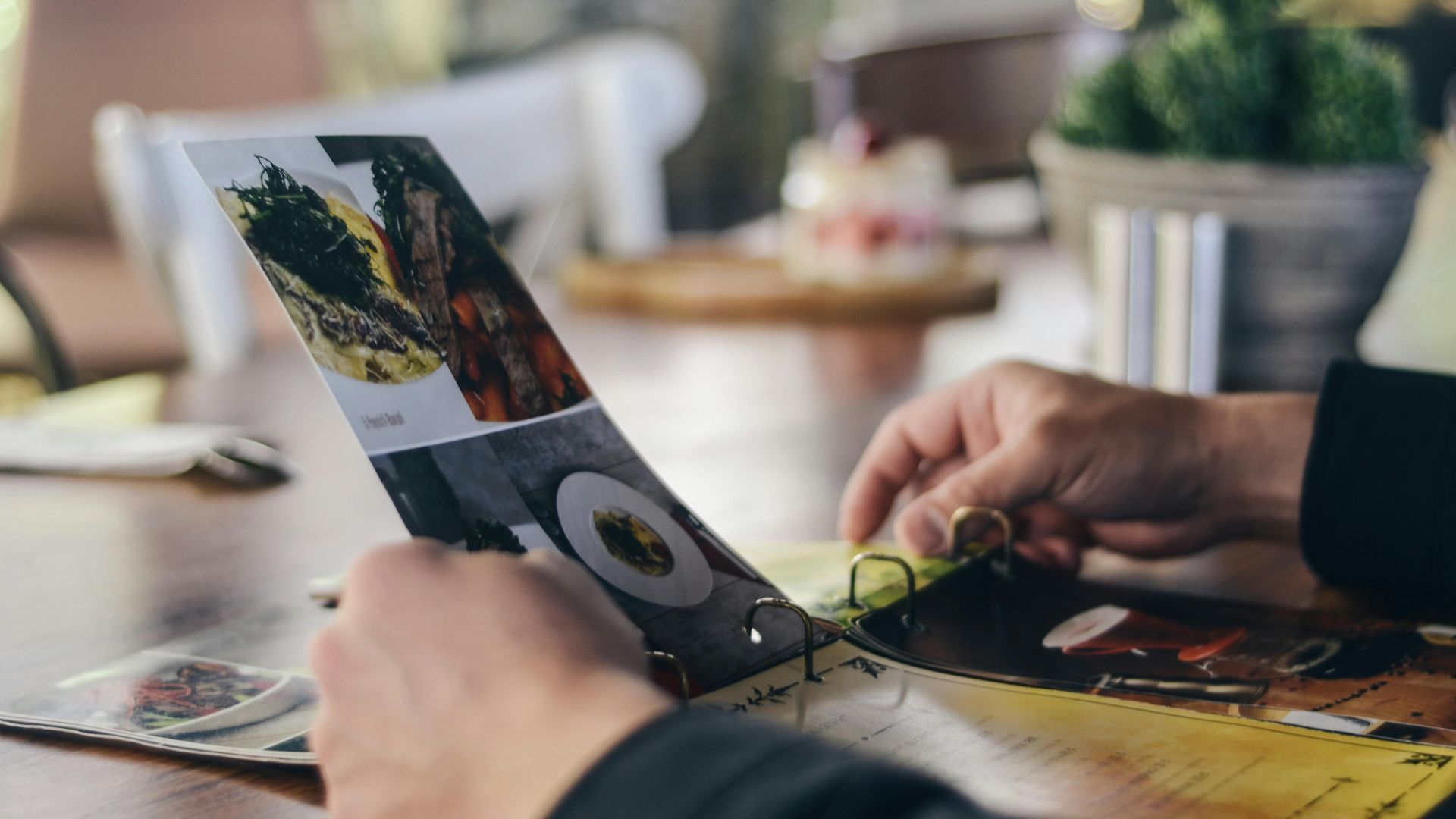
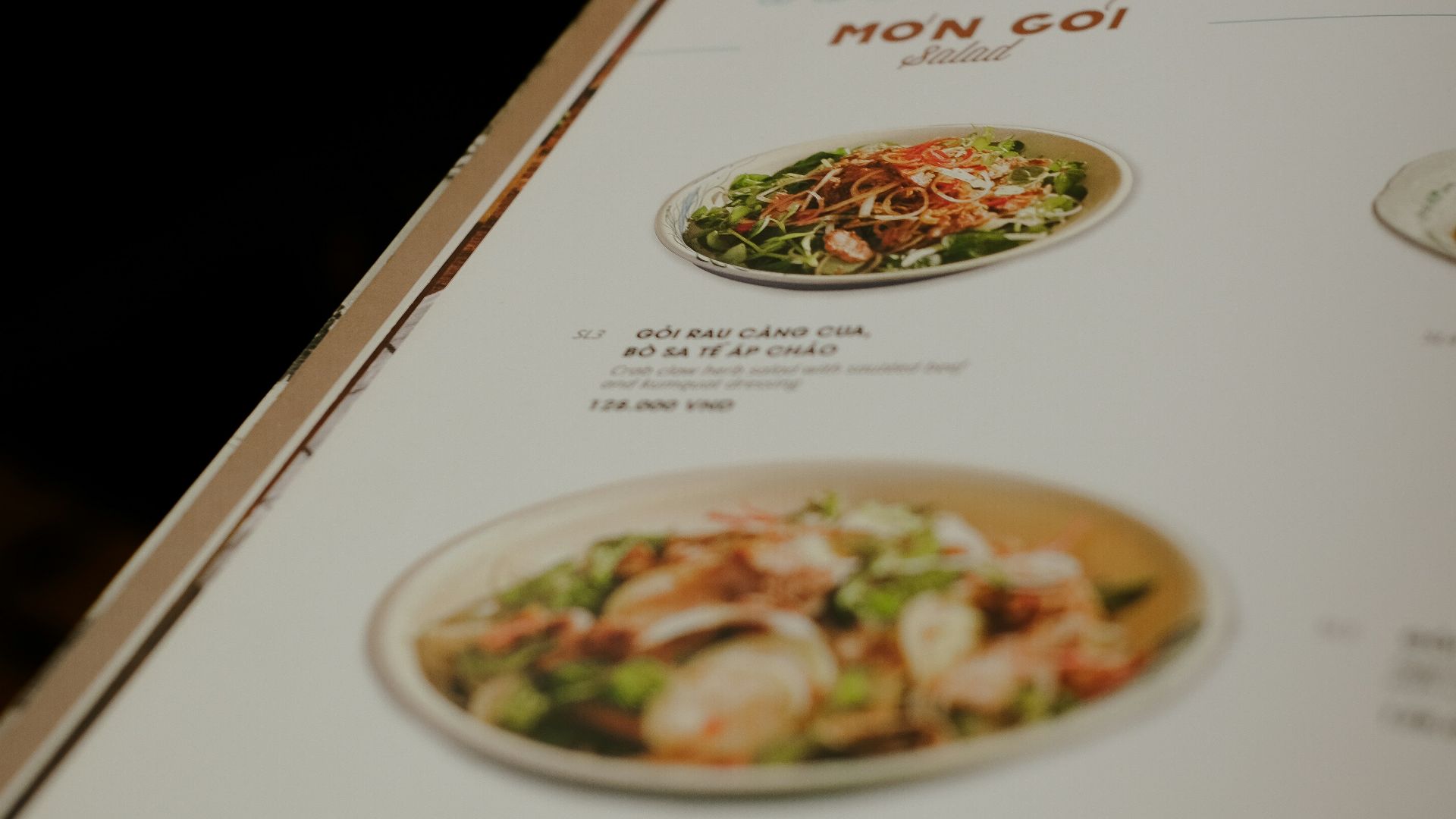
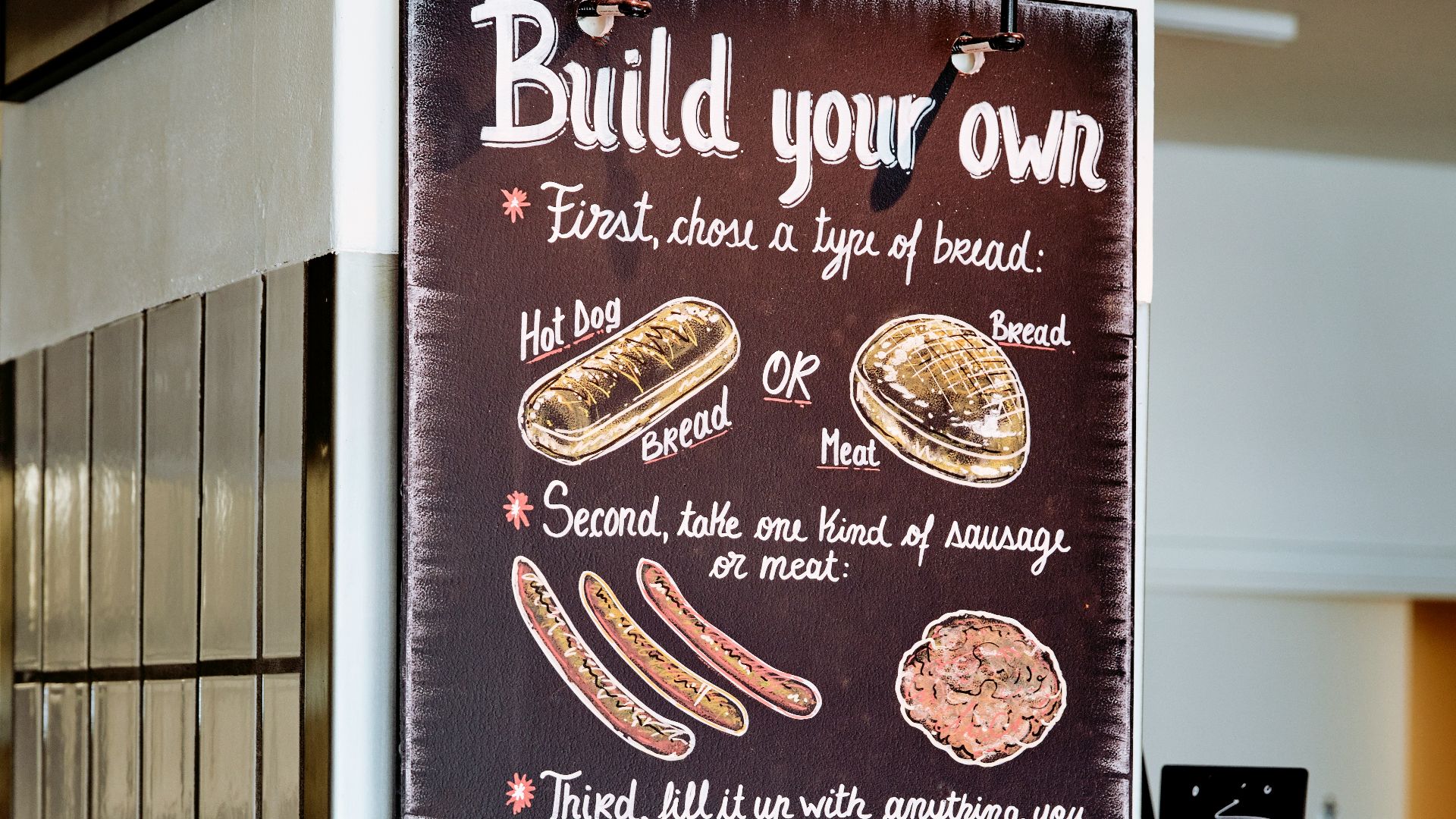
Photos and illustrations should be used to break up text with visual aids, but there's a trick to making it work. Using a picture for every dish will make the menu look cluttered, and you'll likely turn your nose up at it. But when visuals are used sparingly—photos grouped in neat clusters of three or charming hand-drawn illustrations sprinkled throughout—your eyes will be much more drawn to the choices offered.
5. Infuse Nostalgia
What tugs at the heartstrings more than something nostalgic? This is another tactic you might see restaurants use on their menus, and it could be as subtle as renaming "Freshly Baked Chocolate Chip Cookies" to "Grandma's Chocolate Chip Cookies." After all, what better way to be brought back in time than with food?
6. Anchor Pricing
Anchor or relative pricing is a trick that convinces you that one expensive item is a better bang for your buck than another pricey choice, making you more likely to choose one or the other. For example, restaurants might group more lavish dishes together, so that a $30 steak still feels like a more affordable pick than a $40 one.
7. Fewer Choices
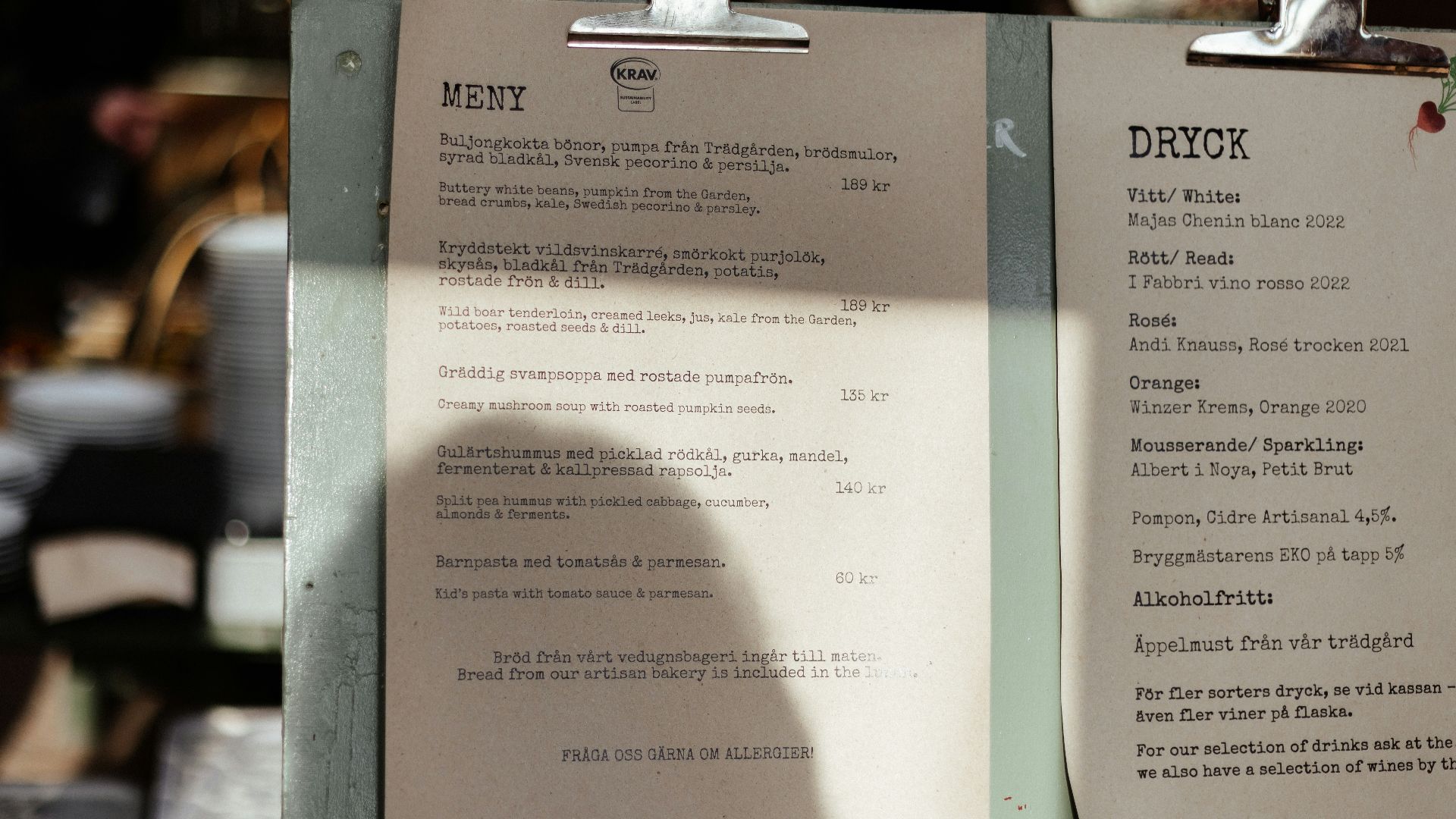
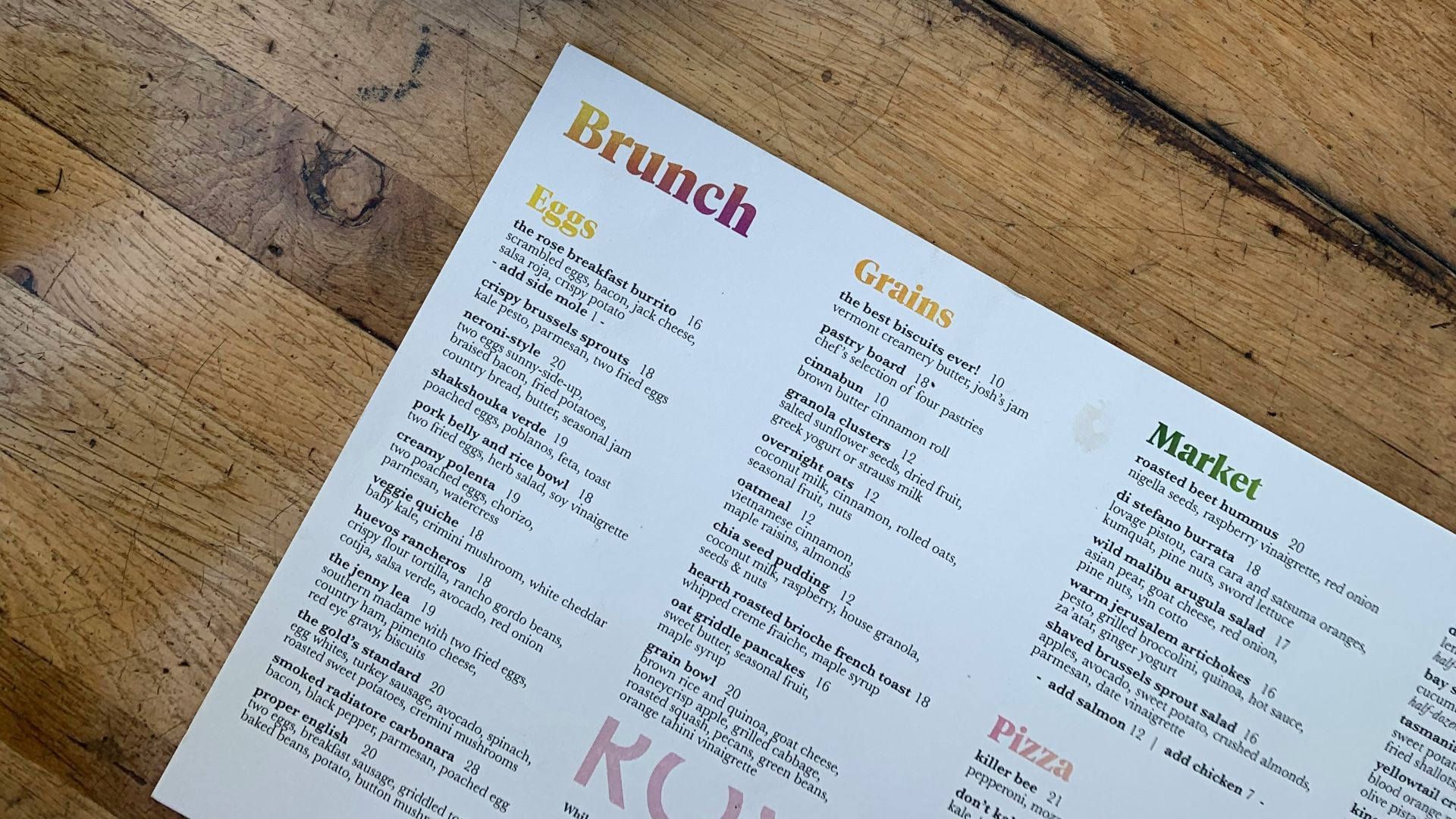
If you've ever been to a restaurant with a menu that was as long as a novel, you know what it's like to be bombarded with choices, and it probably felt more like a chore to skim through than anything. But when you're greeted with a simple menu, you'll feel less overwhelmed, and that might influence what you order.
8. Boxes
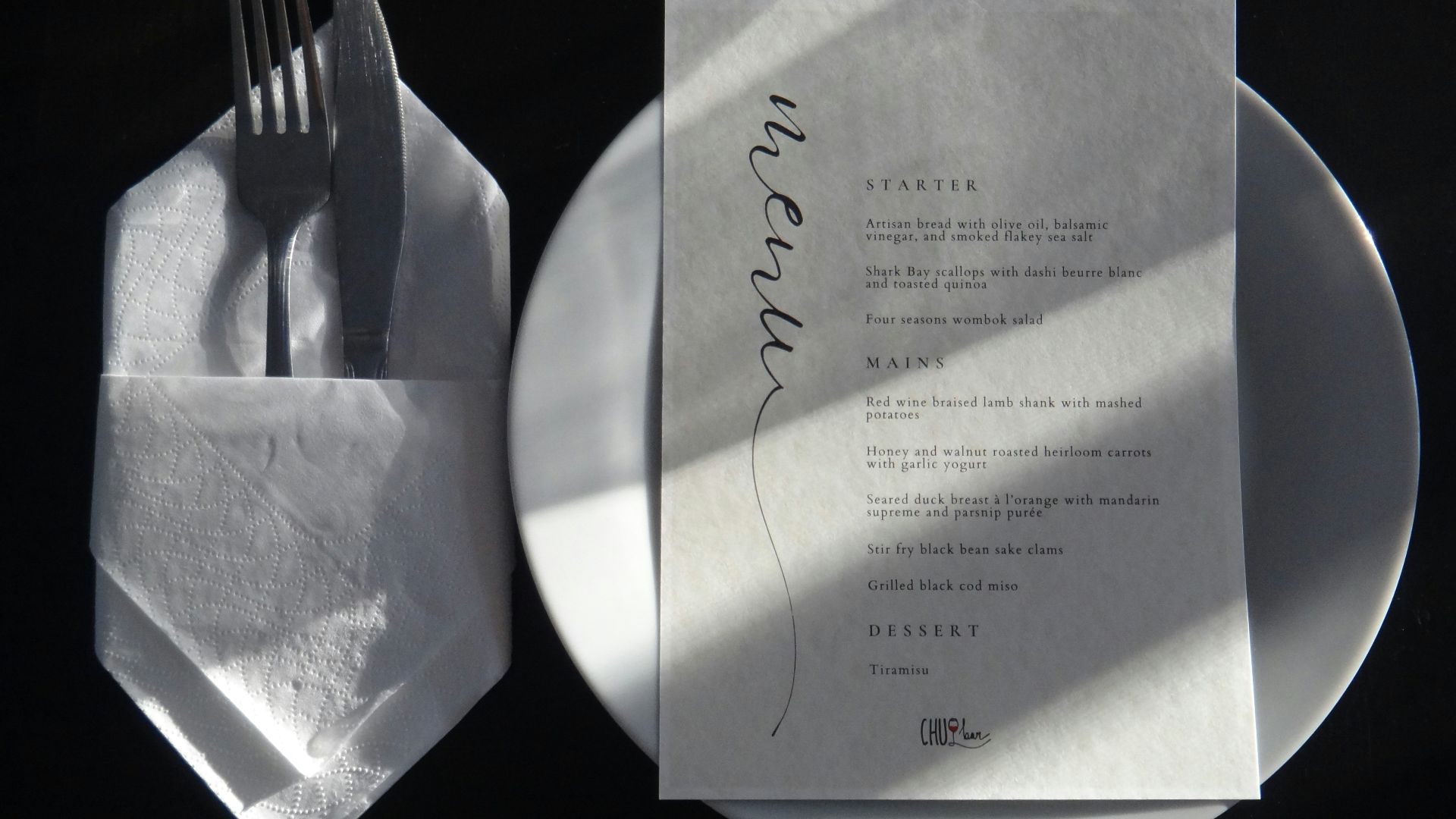
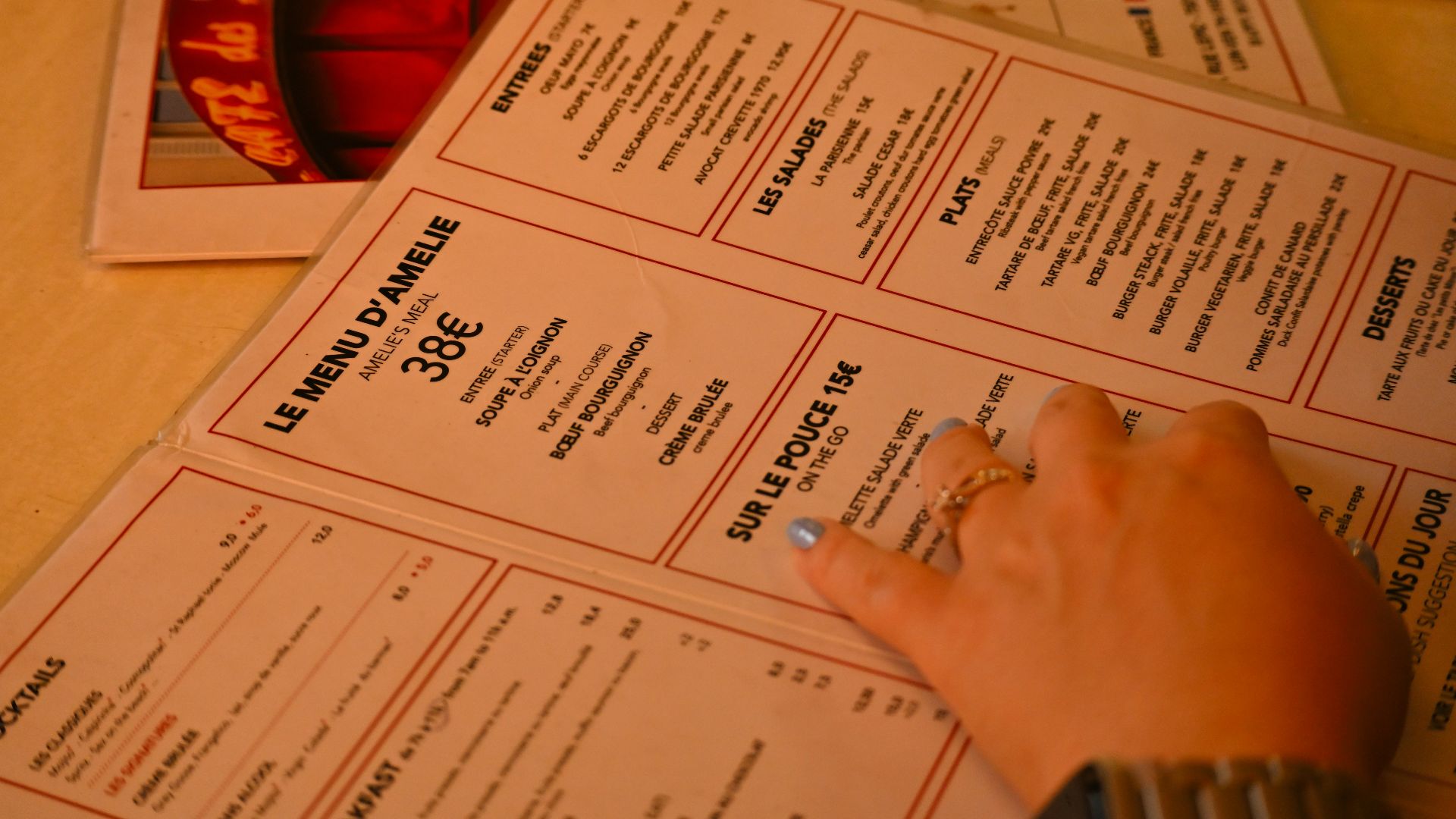
It's a simple design choice, but boxing items can strongly influence what you decide to order. For one, having a decorated or shaded square that's different from the rest will direct your attention to it. What matters next is what restaurants put in those boxes, as they'll need to keep your attention on them.
9. Z-Pattern & Golden Triangle
Research tells us that we usually scan menus in a Z-pattern or Golden Triangle, where our eyes naturally look from the top-right of the page first, then the center, before moving to other sections. This is why you might find that what catches your attention first are the dishes placed in this predictable format.
10. White Space
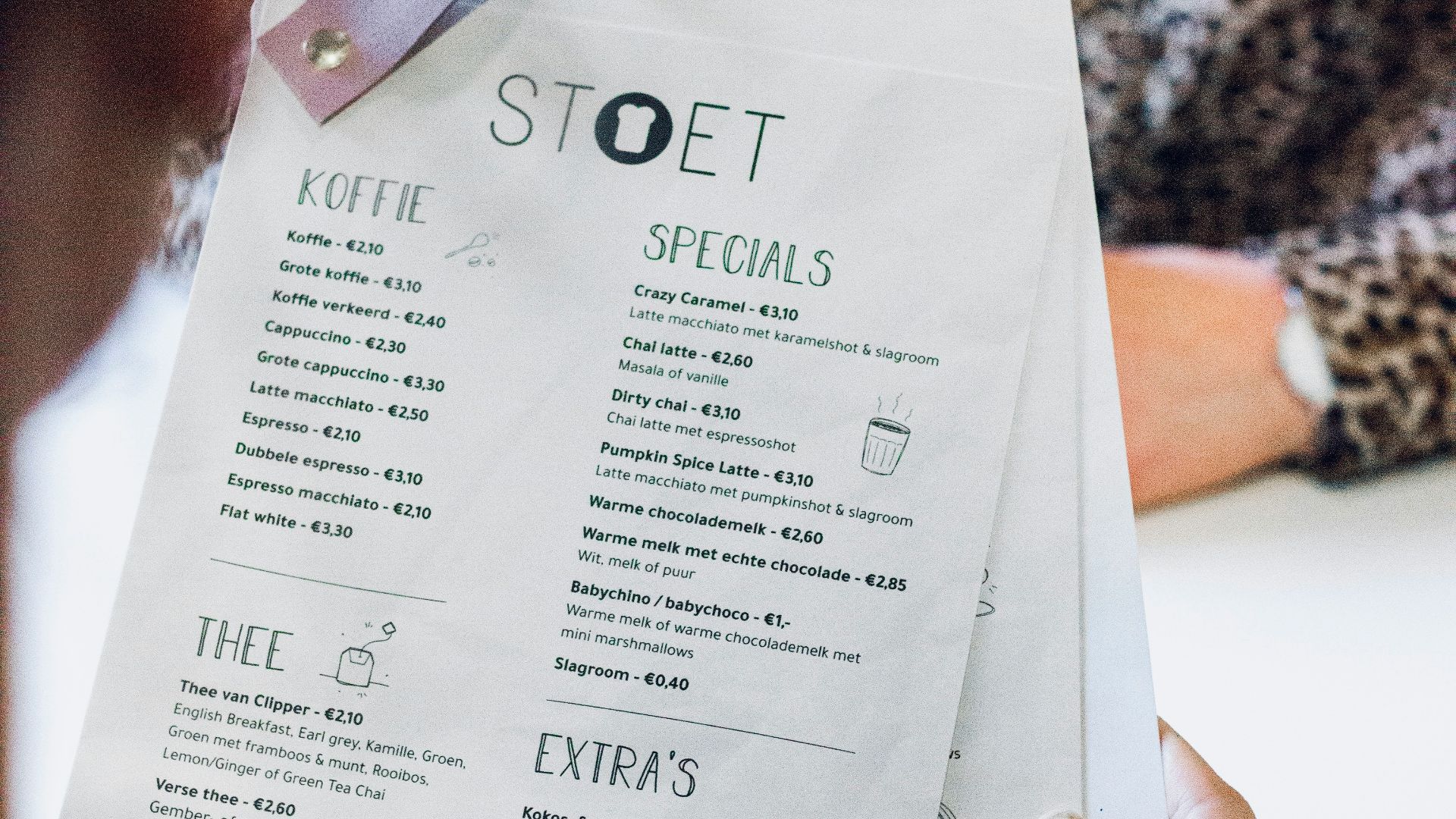
Just as you likely don't want to be flipping forever through a too-long menu, you don't want to be flooded with words, pictures, and decorative elements with no breaks in between. That's why having white space is so important, because it helps to create breathing room and ease the stress of ordering. When you're not as overwhelmed, you're more likely to continue reading through and have an enjoyable experience.
11. Restaurant Brand & Theme
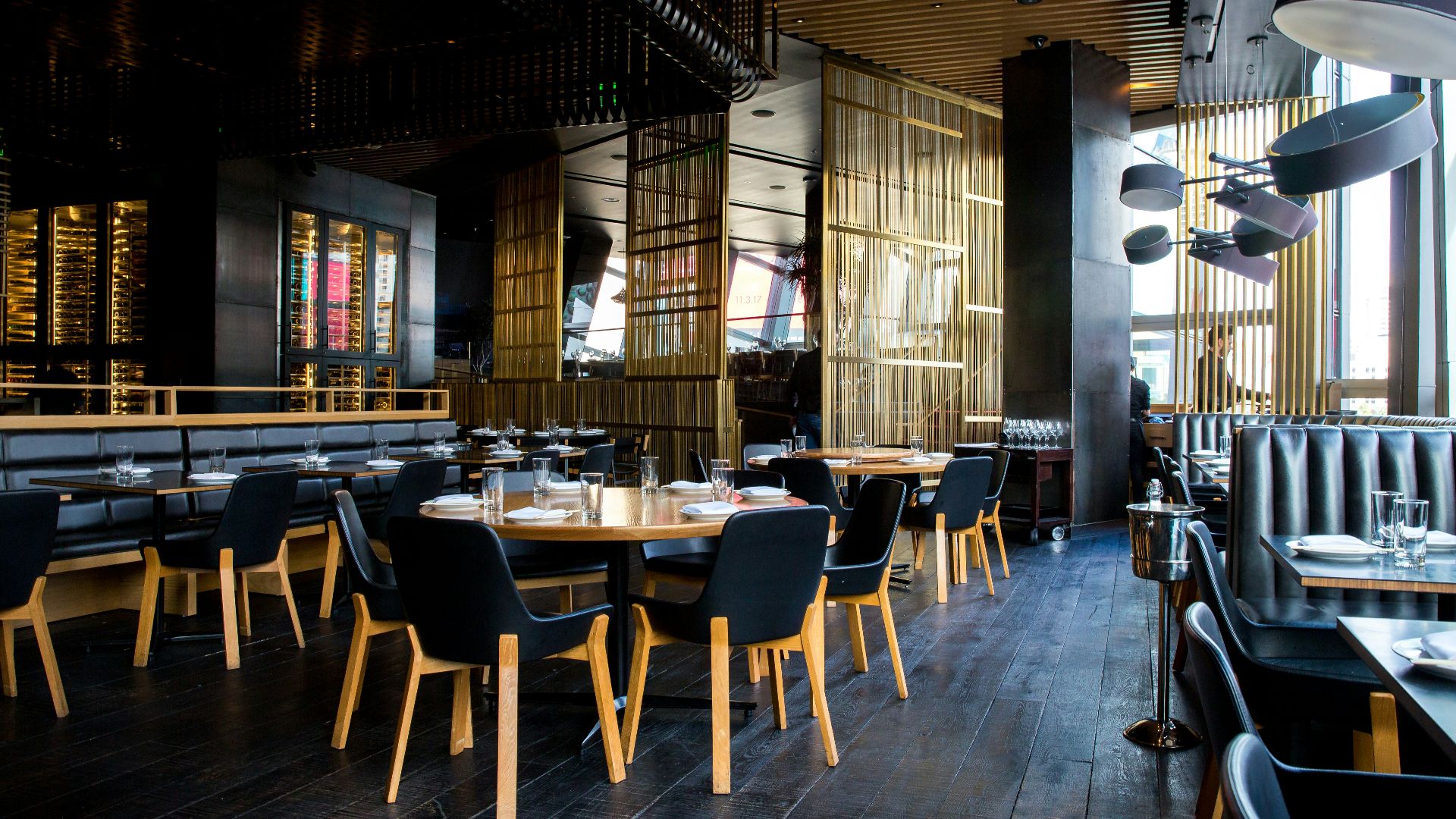
It might sound obvious, but you'll probably have a better opinion about a restaurant if everything matches its theme and brand. From the moment you walk in, you'll already have an idea of what you're in for, and the menu should match the overall tone. Any mismatch will come off jarring, which may influence what you order.
12. Herd Behavior
We're wired to follow the crowd. If we hear that something is popular, we naturally want to see what it is. Knowing that, restaurants may group dishes based on their exclusivity, and titles like "Our Customers Love" and "As Seen on Social Media" will naturally make you gravitate toward them.
13. Colors
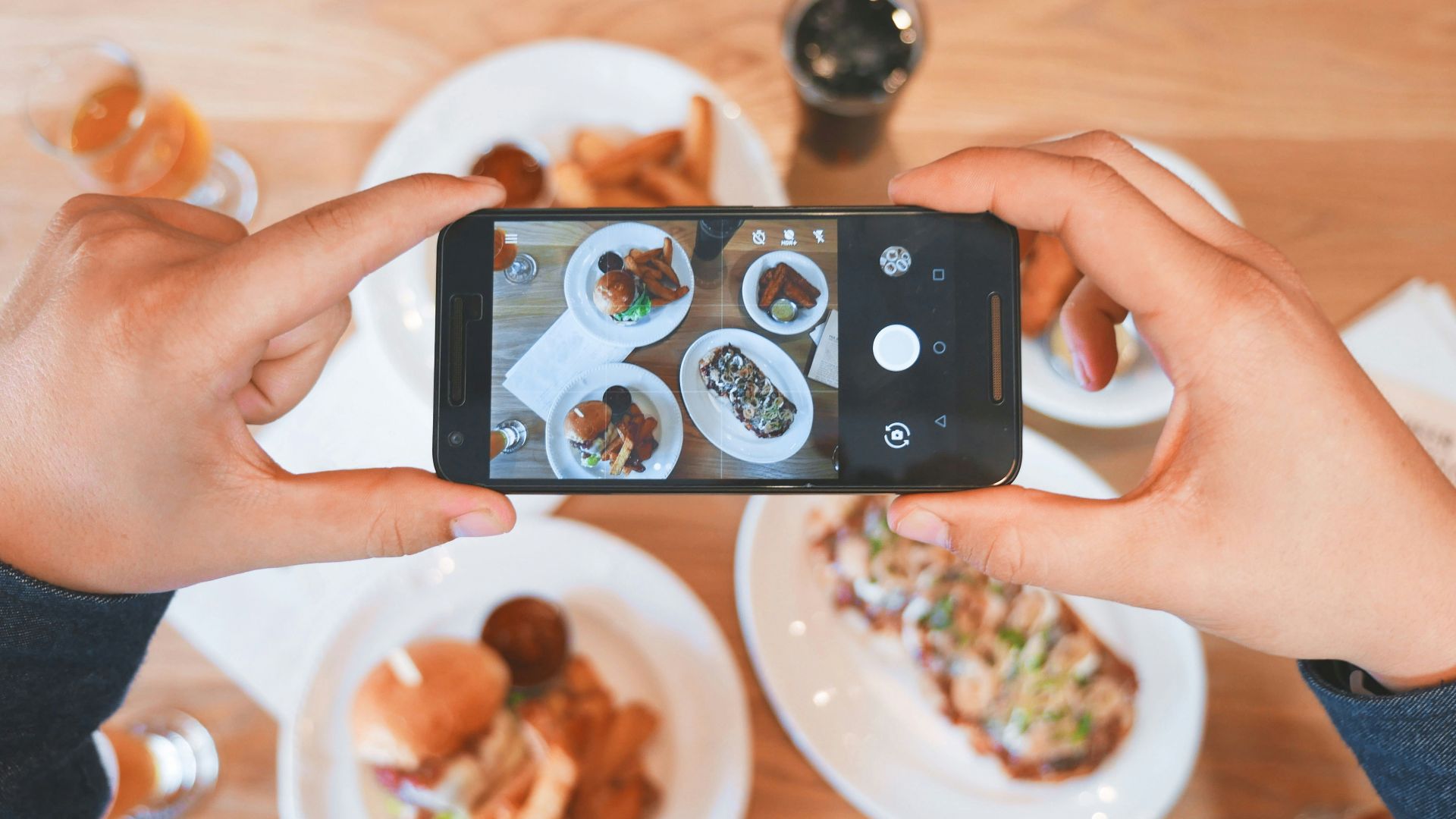
Colors matter a lot more than you might think in design. Clashing hues will make you turn away, whereas menus that make use of complementary shades will draw your eyes to them. Certain tones, like red, also naturally catch attention.
14. Shorter Descriptive Dish Names
Dish names shouldn't just sound nostalgic or tell a story, but they also need to be concise yet still descriptive enough that you can imagine the mouthfeel of it. Take, for example, "Pork Katsu with Steamed Rice" versus "Crunchy Pork Katsu Don"—just adding a word like "crunch" evokes imagery and sensation, and that alone can influence your decisions.
15. Promotional Items
Promotional items give off a sense of urgency, and you're more likely to gravitate toward them just because they're a limited-time deal. Plus, anchor pricing might be used here as well, making the discounted price feel like a steal, even if the original amount wasn't far off.

16. Time-Specific Specials
Some restaurants might have time-specific specials as well, such as dishes that are only available for lunch or dinner. And again, if something has a time limit on it, you'll probably be more drawn to it because you want to nab a good deal while you still can.
17. Authenticity
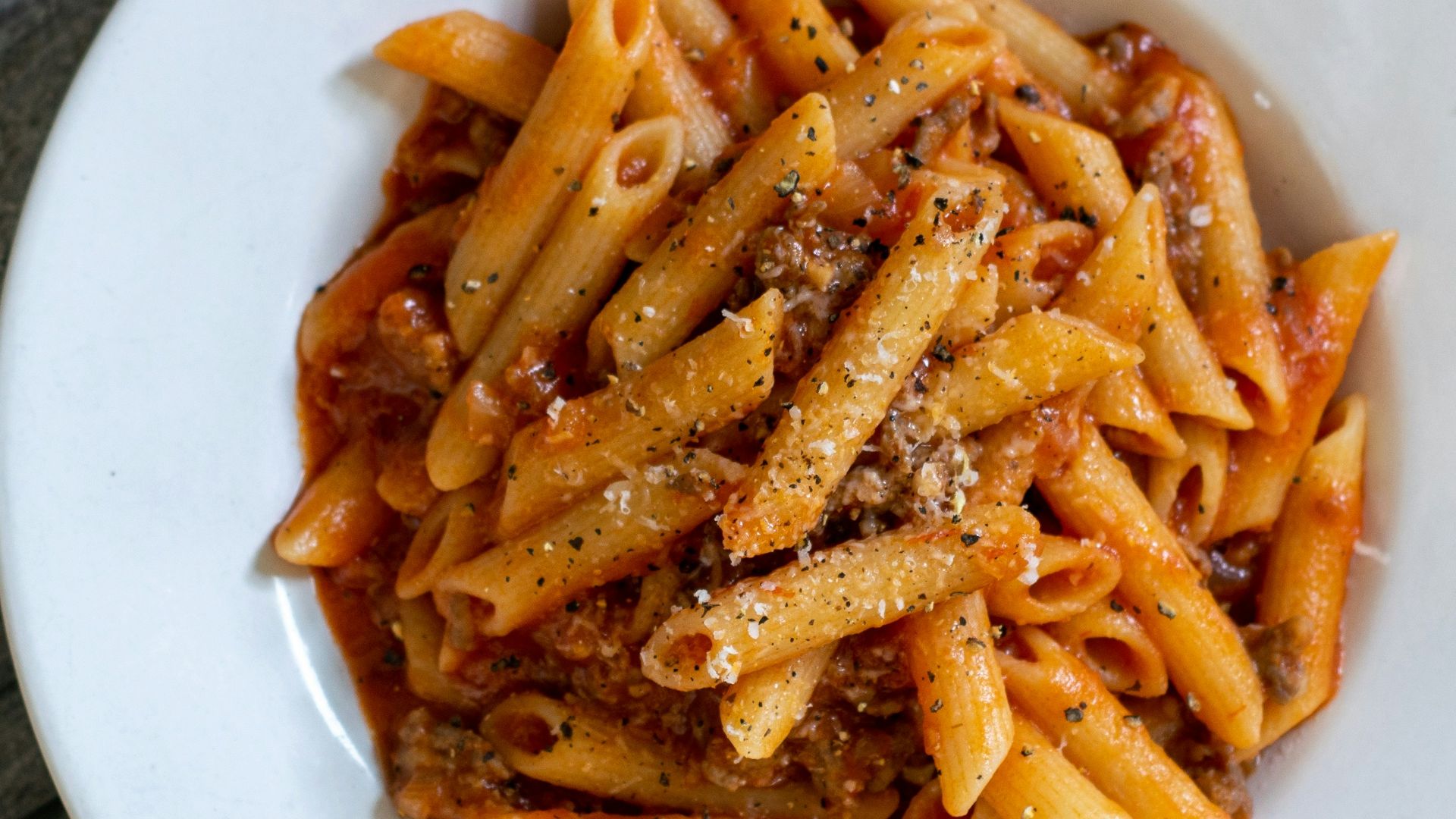
There's a reason why Italian restaurants might use dish names like "Shrimp Scampi Tagliatelle" over "Shrimp Pasta." It's because one sounds more authentic than the other, and customers are more likely to want to spend money on something they feel they can't get anywhere else.
18. Health Halo
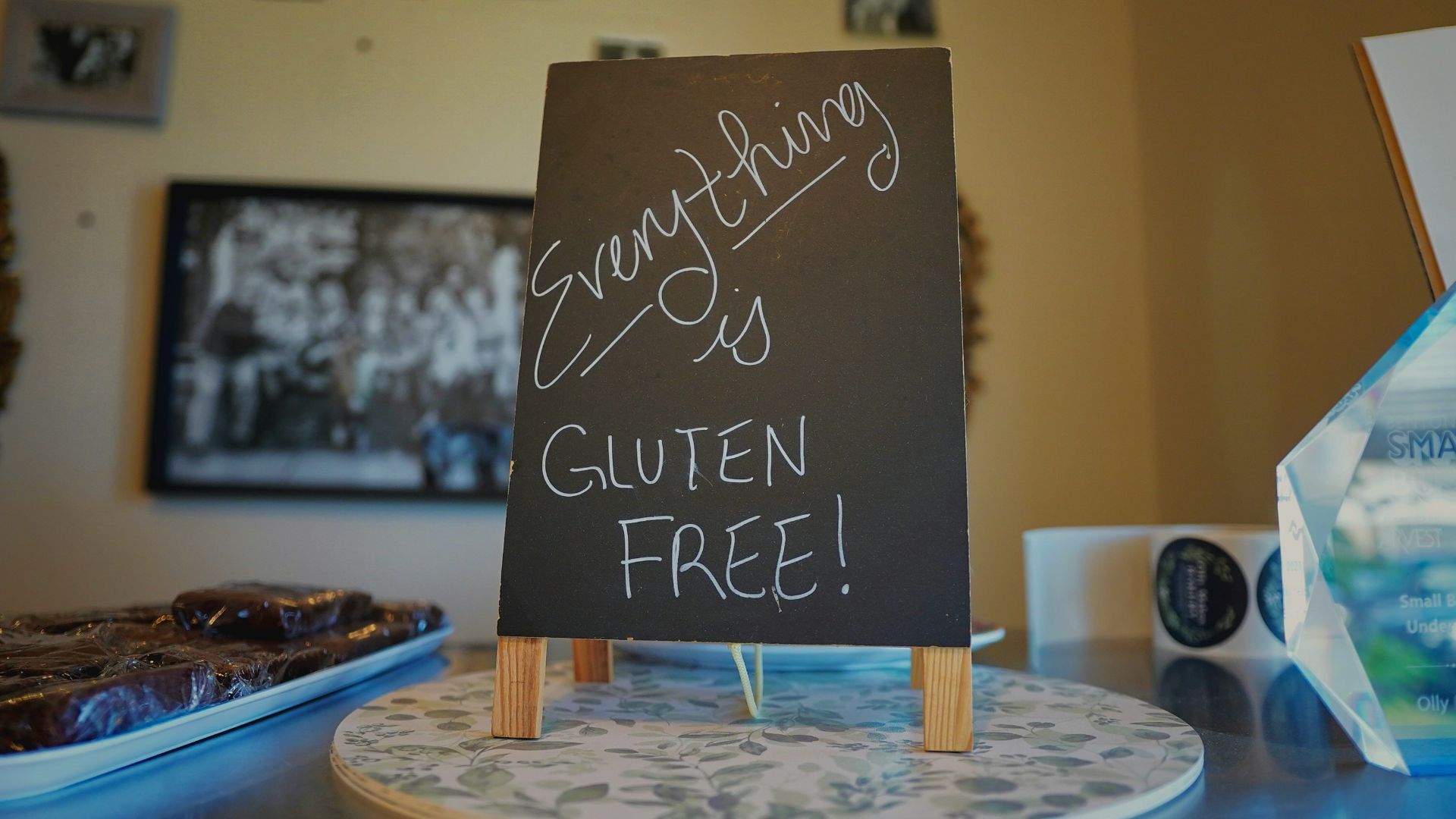
You might also sometimes see dishes marked with "gluten-free" or "dairy-free" labels. While this is useful for those with dietary restrictions and food intolerances, some restaurants might use this tactic to make something seem healthier when it's not, which works in their favor if it influences your decisions.
19. Overall Design
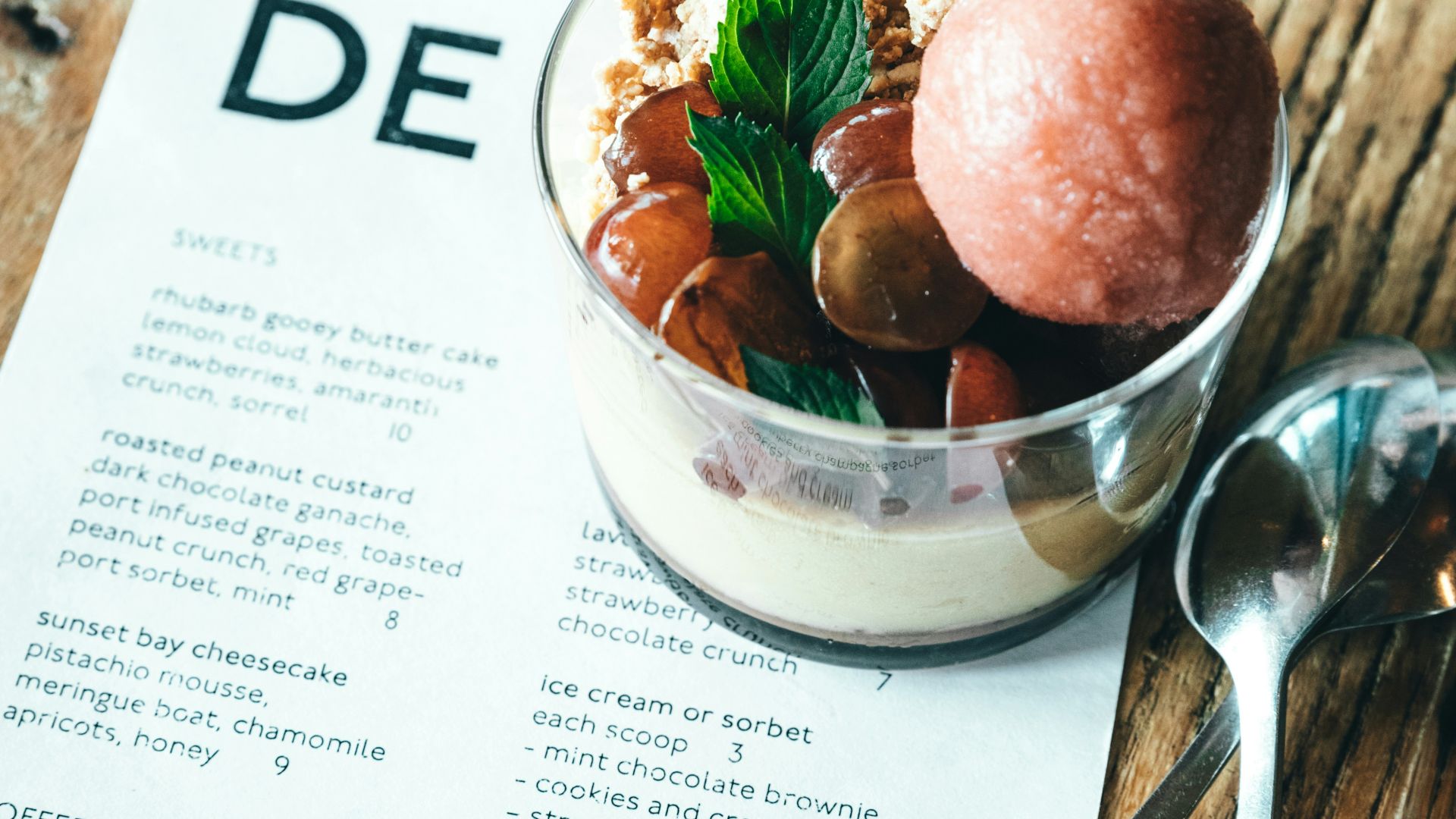
The overall design of a menu is just as important as the food that arrives on the table. We eat with our eyes first, and a cluttered layout isn't exactly appetite-inducing. After all, we form our first impressions from the list of choices we're presented, so if that starts off on the wrong foot, it can subtly influence what we end up picking.
20. External Ambiance
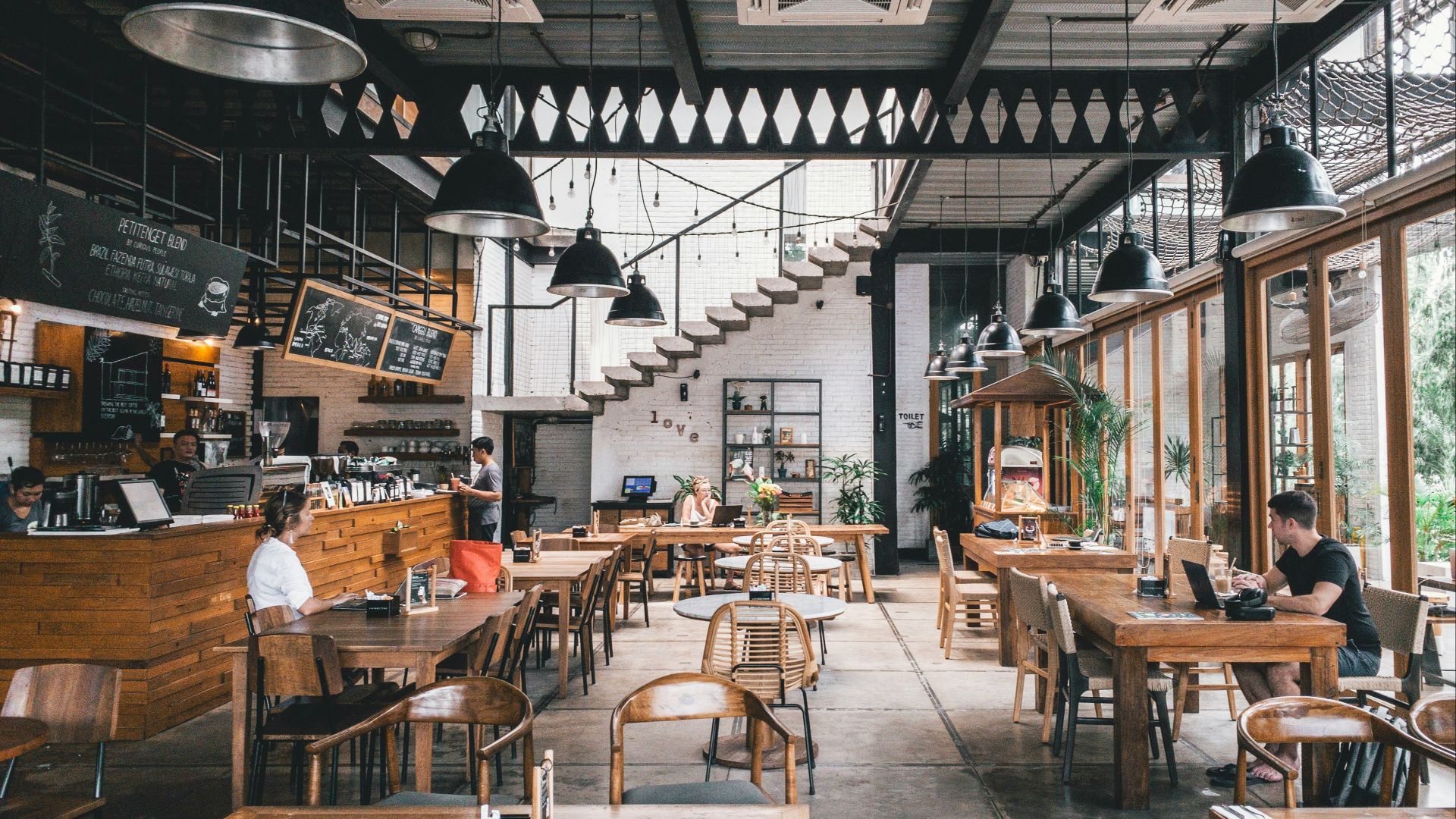
It's not just the menu, either—it's the overall ambiance. The decor of a restaurant and the music playing—or lack thereof—can also affect our choices. If you've ever noticed yourself picking something classier when soft jazz is crooning in the background, or something messier when you're surrounded by '80s rock, you've fallen into the trap before.
KEEP ON READING