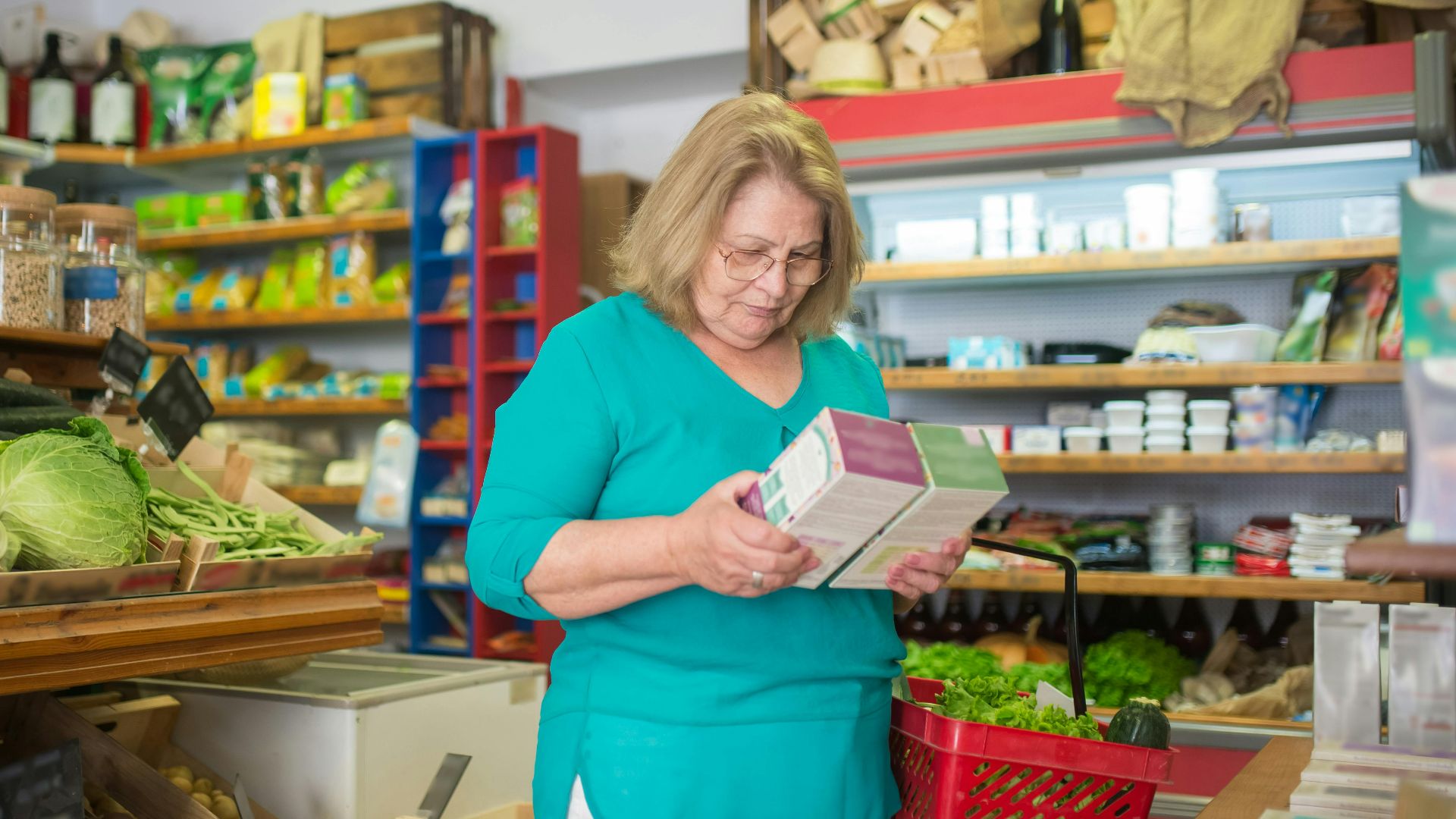
Many Americans open the refrigerator, spot a date on a carton or package, and immediately hesitate. Toss it or trust it? Those small printed dates often feel like safety deadlines, but they usually are not.
In the United States, food labels like “Best if Used By,” “Sell By,” and “Use By” appear on countless products, yet they rarely mean what shoppers assume. Most dates relate to quality, not danger. This widespread misunderstanding fuels unnecessary food waste and higher grocery bills. Learning what food dates actually mean can help households make calmer, smarter decisions without putting health at risk.
What Expiration Dates Really Mean
Most expiration dates on food are not required by federal law and do not indicate safety. The only major exception is infant formula, which must carry a “Use By” date tied to nutrition and safety. For other foods, manufacturers voluntarily add dates to suggest when a product tastes or performs best. Labels such as “Best if Used By” describe peak quality, while “Sell By” dates help retailers manage stock rather than inform consumers. These dates are about freshness, not foodborne illness.
There is also no single national standard for how dates are worded. States and manufacturers use different terms, leading to more than 50 variations nationwide. This lack of consistency causes confusion at home. State governments and consumer advocates have repeatedly called for clearer, standardized date labels to reduce confusion and cut avoidable food waste. Foods stored properly and showing no signs of spoilage often remain safe past the printed date. Quality may slowly decline, but safety does not suddenly disappear when the calendar changes.
Why So Much Food Gets Thrown Away
Date confusion has measurable consequences. A joint analysis by the Natural Resources Defense Council and Harvard Law School’s Food Law and Policy Clinic shows that confusing date labels push many households to discard food that remains safe to eat. The study, The Dating Game, shows that date labels play a significant role in household food waste across the United States.
The issue often becomes emotional rather than practical. Many people treat dates as strict safety cutoffs instead of quality estimates. Products like milk, yogurt, eggs, and deli meats may remain usable beyond the date if kept cold and unopened. Shelf-stable foods such as pasta, rice, and canned goods can last far longer when the packaging stays intact.
How To Judge Food Safety More Reliably
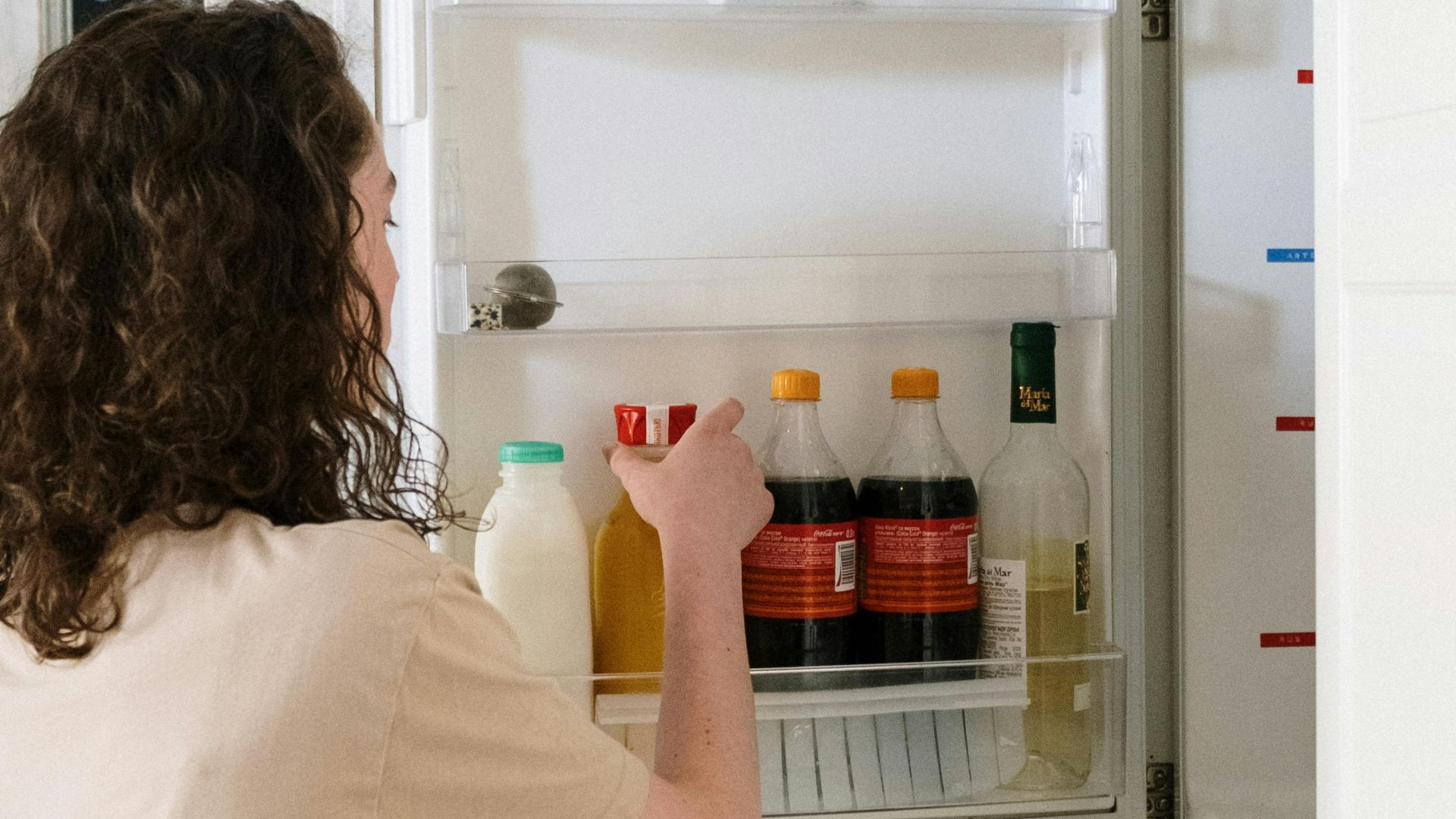
Smart food decisions start with storage. The USDA recommends keeping refrigerators at or below 40°F and freezers at 0°F to slow bacterial growth. Food that smells sour, shows mold, leaks, or changes texture should be discarded regardless of the date. These sensory cues matter more than printed labels.
Understanding date labels also reduces waste and saves money. Most dates reflect quality, not safety. Knowing the difference between “Use By” and “Best if Used By” helps consumers pause before throwing food away. Relying on proper storage and visual checks allows households to keep food longer without increasing risk. That small shift benefits both family budgets and the environment.
KEEP ON READING

20 Dishes That Define Modern American Cuisine