Successful Marketing: Why McDonald's Keeps Bringing Back The McRib Only For A Limited Time
Successful Marketing: Why McDonald's Keeps Bringing Back The McRib Only For A Limited Time
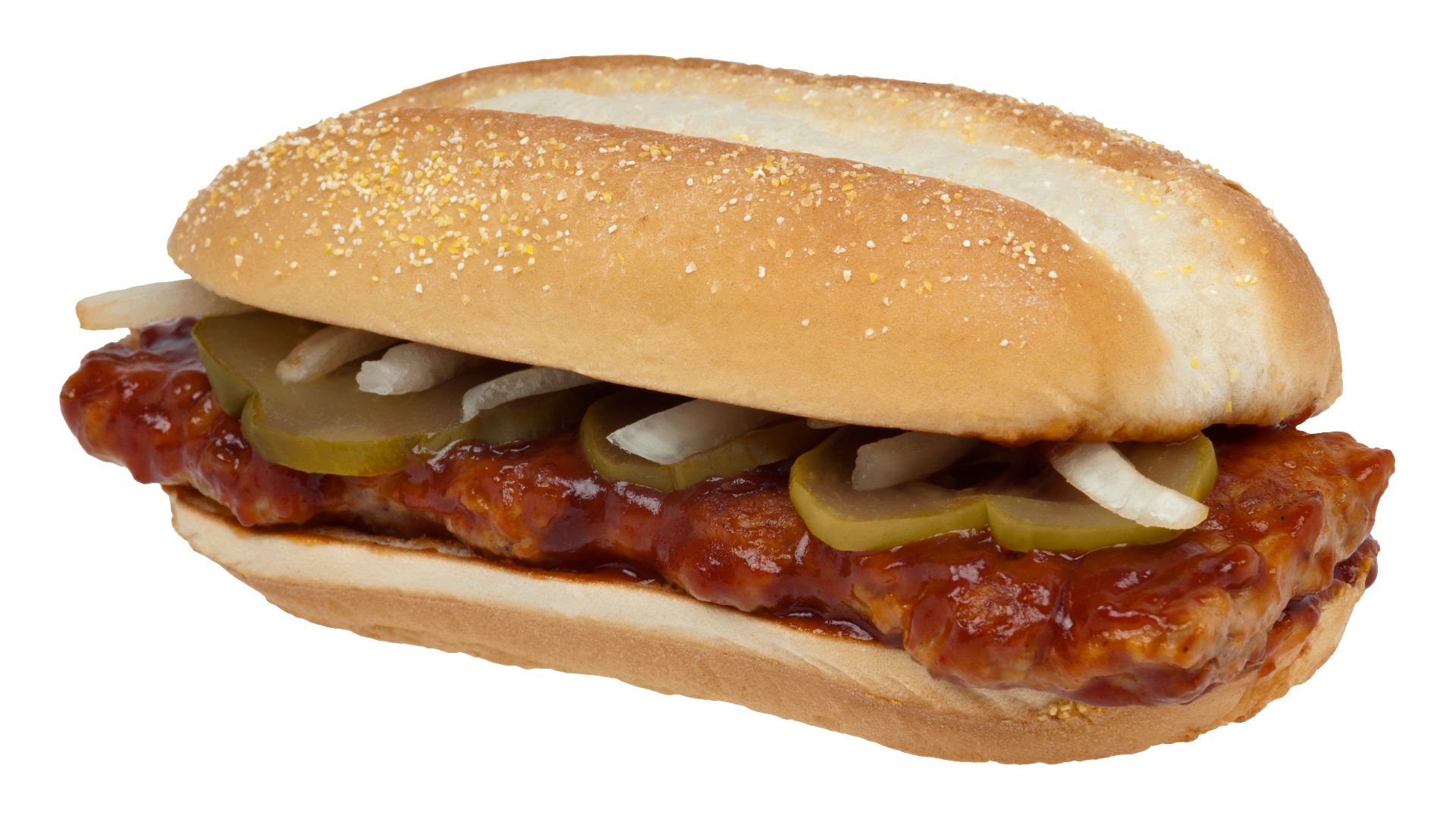
Every year, like clockwork, the internet erupts. Social media feeds flood with grainy photos of sauce-slathered sandwiches. Grown adults plan road trips across state lines. The McRib is back, and McDonald's knows exactly what it's doing. This isn't just about a boneless pork sandwich smothered in barbecue sauce—it's about one of the most brilliant marketing strategies in fast food history.
For over forty years, McDonald's has mastered the art of manufactured scarcity, turning a simple menu item into a cultural phenomenon that generates millions in free publicity every single time it returns.
The Psychology Of Scarcity Sells
McDonald's didn't stumble into this strategy by accident. The McRib first appeared in 1981 as a response to a chicken shortage, created by chef René Arend, who also invented Chicken McNuggets. After its initial run ended in 1985, something unexpected happened—people wanted it back. McDonald's discovered they'd accidentally created something far more valuable than a permanent menu item: desire through absence.
Scarcity marketing taps into fundamental human psychology. When something is available for a "limited time only," our brains perceive it as more valuable. Studies in behavioral economics consistently show that people assign higher value to items that are rare or disappearing. The McRib's fleeting availability transforms it from just another sandwich into an experience you might miss forever. This fear of missing out, FOMO in modern parlance, drives customers through those golden arches faster than any traditional advertising campaign ever could.
Free Publicity And Cult-Like Following
Here's where McDonald's strategy becomes pure genius: they barely have to advertise the McRib's return. News outlets write articles about it. Twitter trends explode. Dedicated fans maintain websites tracking McRib sightings across the country. One enthusiast even created a McRib locator app that went viral. This organic, user-generated marketing is worth millions in advertising value, and McDonald's gets it essentially free.
The sandwich has transcended food to become a cultural touchstone. It's been referenced in The Simpsons, debated on late-night talk shows, and spawned countless memes. Celebrities tweet about it. The McRib's appearances and disappearances have become newsworthy events in themselves, generating buzz that permanent menu items could never sustain.
The Economics Behind The Strategy
 Ross Dunn - Thanks for 13 million + views on Wikimedia
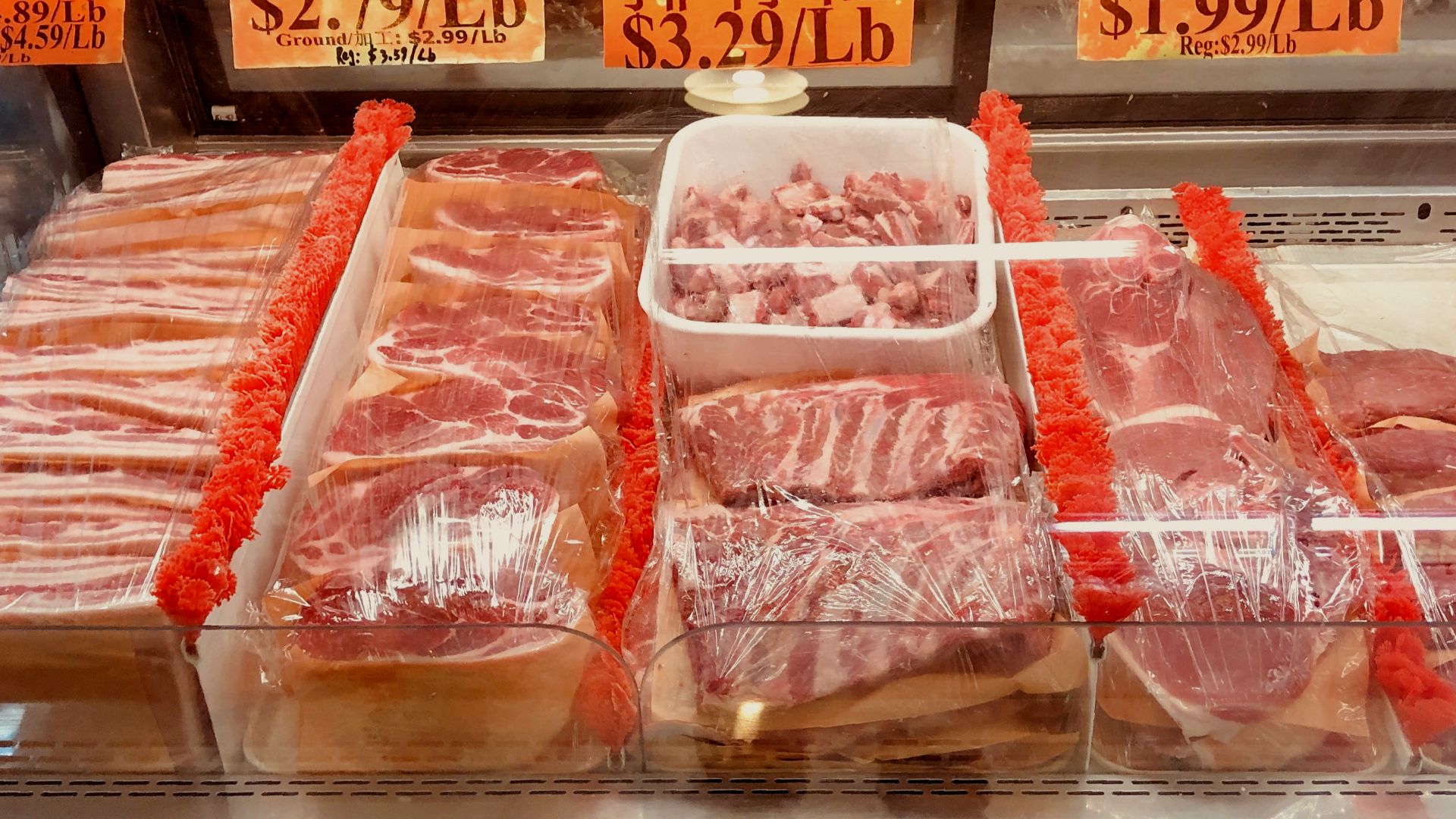
There's cold, hard business logic behind the madness. Pork prices fluctuate significantly, and the limited-time strategy allows McDonald's to bring back the McRib when pork is cheapest, maximizing profit margins. By keeping it off the permanent menu, they avoid the operational complexities of year-round supply chains for a specialty item.
More importantly, the temporary nature creates urgency-driven sales spikes that often outperform what steady year-round availability would generate. When the McRib drops, fans don't just buy one—they buy multiple, sometimes freezing extras for later. This concentrated demand surge is more profitable than the gradual decline that typically follows permanent menu additions.
McDonald's has turned the McRib into more than food. It's proof that sometimes, making customers wait is the smartest move of all.
KEEP ON READING