The Biggest Mistake People Make When Cooking Ground Beef
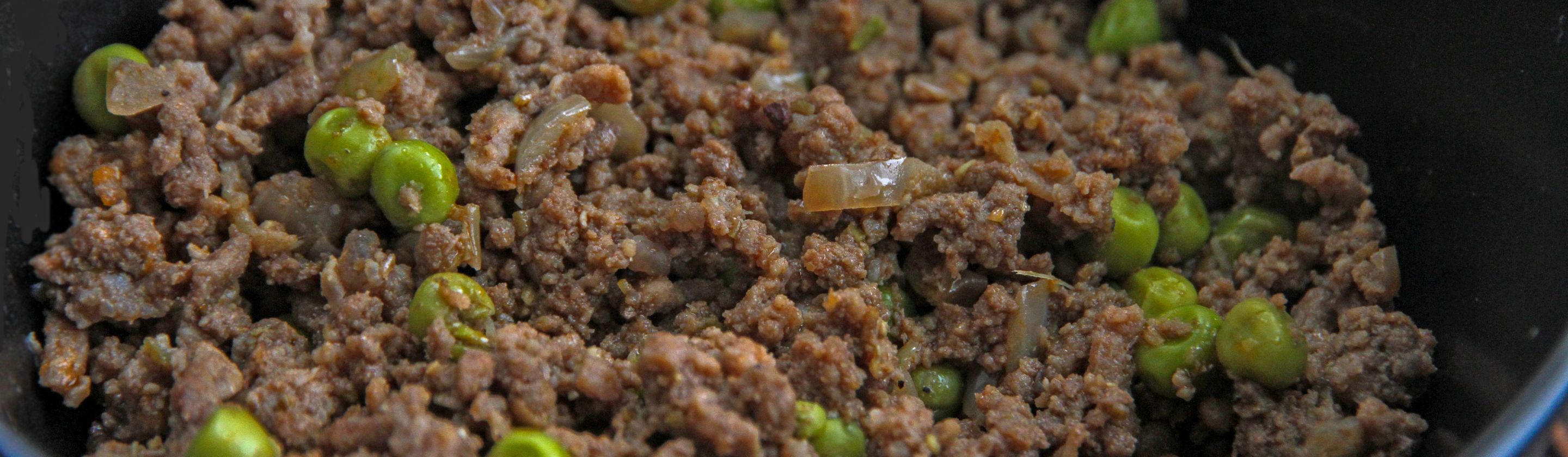
Ground beef is one of those ingredients that seems pretty hard to mess up. Whether you're making tacos, spaghetti sauce, or a homemade casserole, the process usually involves throwing some meat into a skillet and cooking it until it's brown. However, there's a common mistake that could be keeping you from getting the best flavor out of your beef.
The problem isn't always what you're adding to the meat or how you're seasoning it. More often, it comes down to how much ground beef you're trying to cook at once. If you're used to putting an entire package into a crowded skillet, you could be missing out on the rich, savory flavor that makes properly browned beef so good.
Why Overcrowding Your Pan Is Such a Big Mistake
When you add too much ground beef to a skillet, it becomes harder for the meat to brown properly. Ground beef naturally releases moisture as it heats up, and that liquid needs room to evaporate. If the pan is too crowded, moisture can build up faster than it disappears, leaving the meat simmering in its own juices instead of developing a flavorful crust.
This is because browning requires fairly high temperatures and a surface that isn't constantly covered in water. When too much liquid collects in the skillet, the temperature of those wet areas stays close to water's boiling point until the moisture evaporates. Your ground beef might turn grayish-brown without ever developing those delicious, deeply browned bits.
The difference in flavor comes from something called the Maillard reaction, a chemical process that happens when amino acids and sugars react to heat. This reaction is responsible for many of the rich flavors and aromas you associate with seared meat. Without enough heat and direct contact with the pan, your beef won't develop nearly as much of that savory goodness.
How to Brown Ground Beef the Right Way
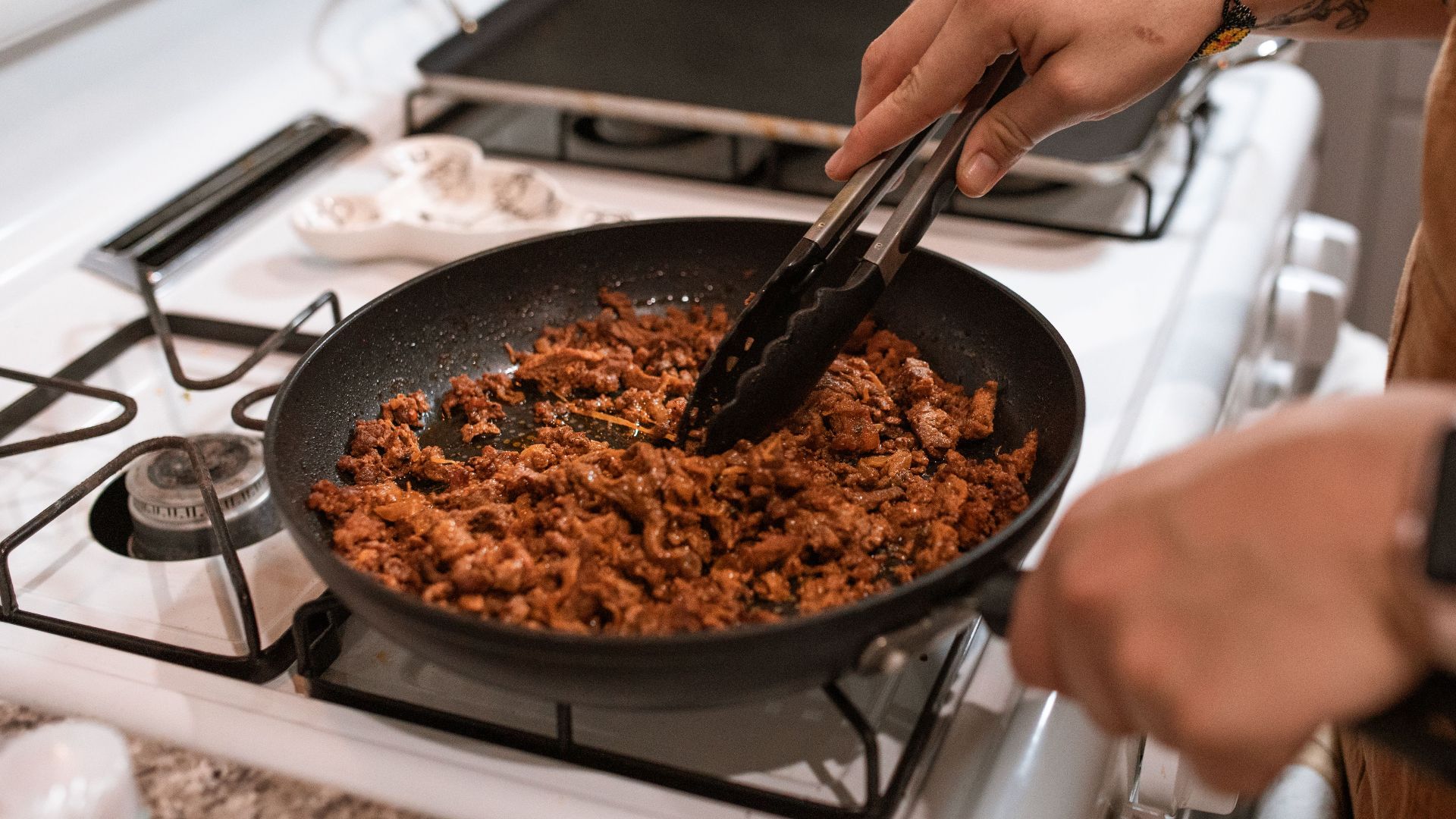
One of the simplest ways to get better results is to cook your ground beef in smaller batches. Instead of squeezing two pounds into a medium-sized skillet, divide the meat into portions that fit comfortably across the cooking surface. It might take a few extra minutes, but the improvement in flavor can make it worth the effort.
Before adding your beef, let the skillet heat up over medium-high heat. A heavy-bottomed stainless steel or cast-iron pan is a great choice because it holds heat well. If you're working with especially lean beef, you can add a little oil, although fattier varieties usually release enough fat on their own.
Another common mistake is breaking the beef into tiny pieces right away and stirring it constantly. Although this might seem like the best way to cook everything evenly, moving the meat too often can stop it from forming a good crust. Instead, press the beef into a fairly even layer and let it sit so the underside has time to brown before breaking it apart. Once the meat has started browning, use a wooden spoon or spatula to break it into your preferred texture, and keep cooking and turning the pieces until everything is thoroughly heated without burning.
Other Small Changes That Make a Big Difference
While overcrowding is the main problem, the fat content of your beef can also affect how it turns out. Ground beef labeled 80/20 contains roughly 20% fat, which adds richness, moisture, and flavor as it cooks. Leaner options can still taste great, but you'll want to pay closer attention to keep them from drying out.
It's also worth thinking about when you add your seasonings, particularly if you normally throw everything in at once. Salt can go in before or during cooking, while delicate herbs and certain spices are often better added later so they don't burn. If you're making tacos, for example, seasoning after the initial browning gives the beef a chance to develop its natural flavor first.
If you notice a lot of liquid collecting in your skillet, try not to stir the meat every few seconds. Give some of that moisture time to evaporate, or carefully remove the excess liquid before continuing to brown the beef. Just keep in mind that rendered fat adds flavor, so you don't necessarily want to drain every bit of it.
It's also a good idea to pay attention to what's left in the pan after the beef has finished browning. Those darker bits stuck to the bottom contain plenty of concentrated flavor that can make sauces, chili, and other dishes taste even better. Adding a splash of broth, water, or tomato sauce and gently scraping the bottom of the skillet helps bring that flavor into the rest of your recipe.
Cooking better ground beef doesn't have to involve fancy equipment or complicated techniques. Simply giving the meat enough room, letting it brown without constantly moving it, and keeping excess moisture under control can make a noticeable difference. Next time you're making dinner, try using a less crowded skillet and see how much more flavor you can get out of an everyday ingredient.
KEEP ON READING
The Most Popular Chocolate Bars in the USA

The Most Popular Candies in the USA