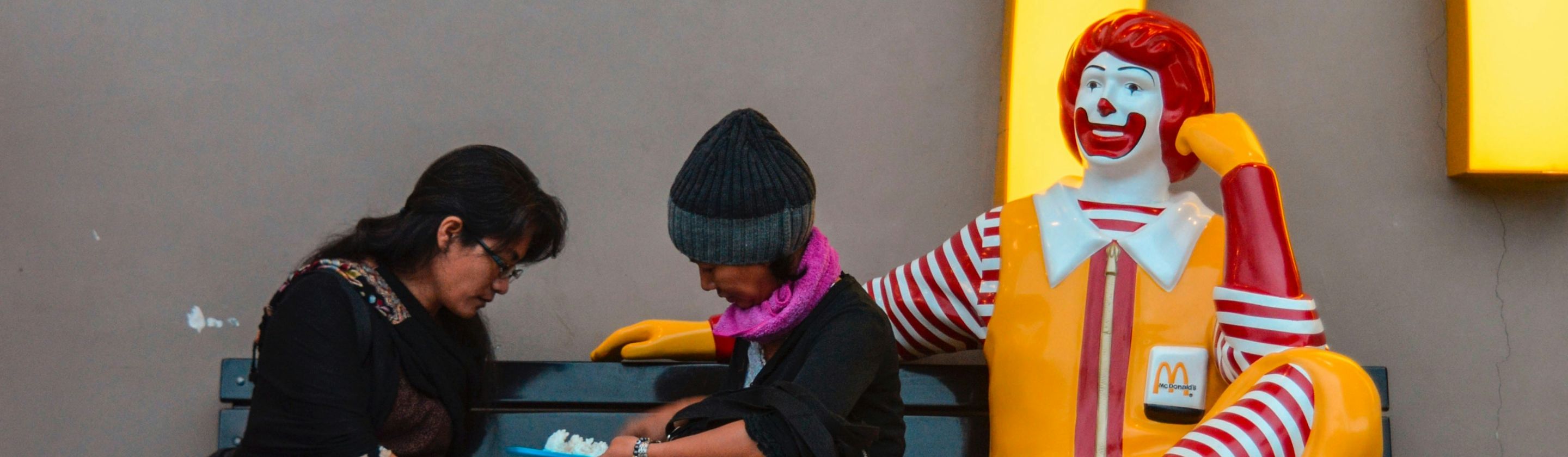
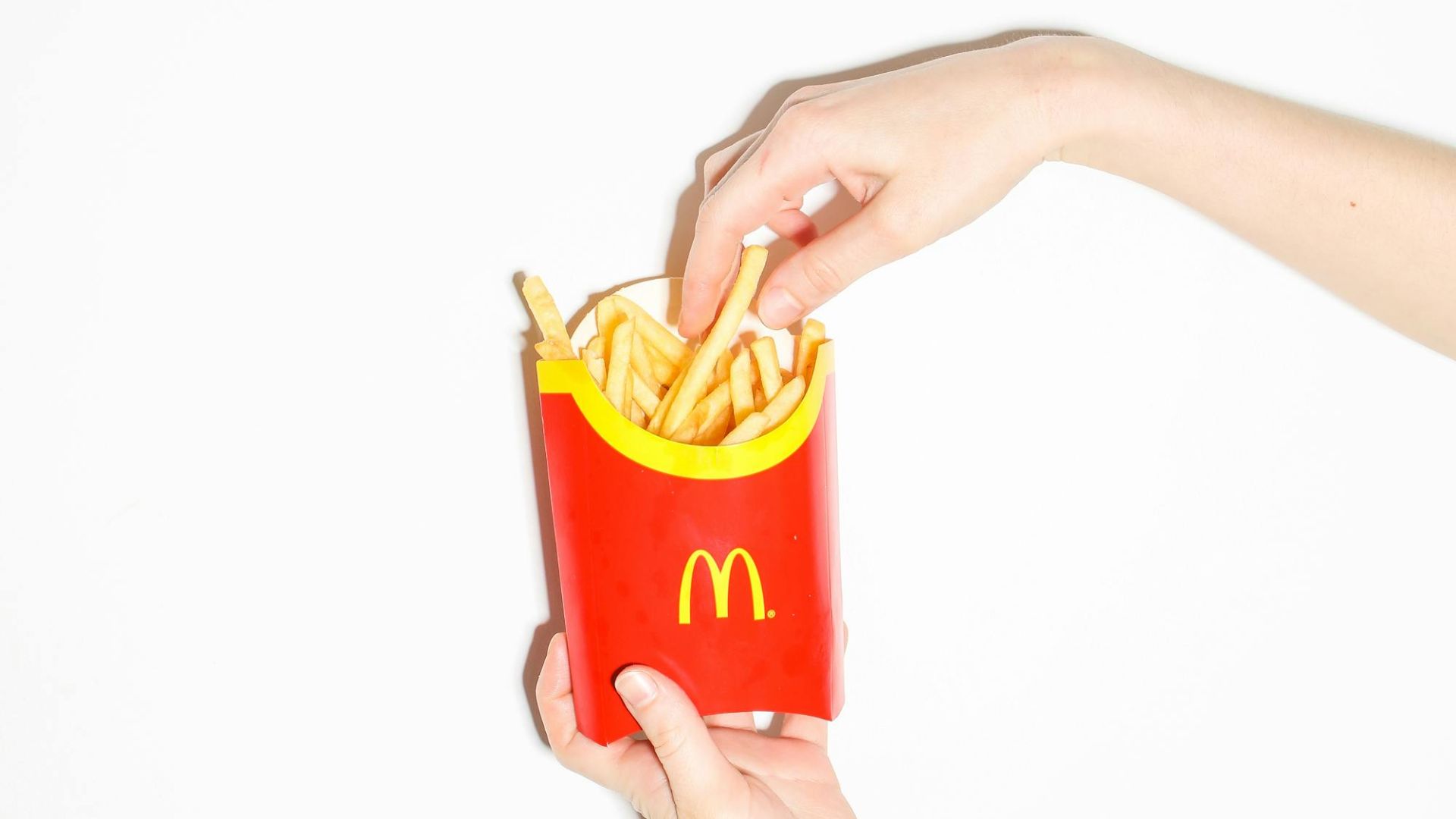
Even with today’s inflated prices, you can walk into any fast food restaurant and see a full meal for five bucks, maybe less. The math seems impossible at first glance. But the ability to sell food for pocket change is the product of government subsidies, psychological manipulation, exploited labor, and a supply chain engineered to extract maximum profit from minimum quality. That $5 meal costs way more than five dollars. You're just not the one paying the full price.
Corn and Soy Built This House
The U.S. government has spent decades subsidizing corn and soybean production, pouring billions into making these crops absurdly cheap. Between 1995 and 2020, corn subsidies alone totaled over $116 billion, according to the Environmental Working Group. Taxpayer-funded infrastructure quietly underwrites the economics of cheap calories, shaping a market that only appears free.
Without subsidies, that $5 meal would cost maybe $12 or $15. Taxpayers are covering the difference, subsidizing corporate profits while thinking they're getting a bargain. The real cost is hidden in our tax bills, and most people never connect the dots.
The Labor Equation Stays Broken
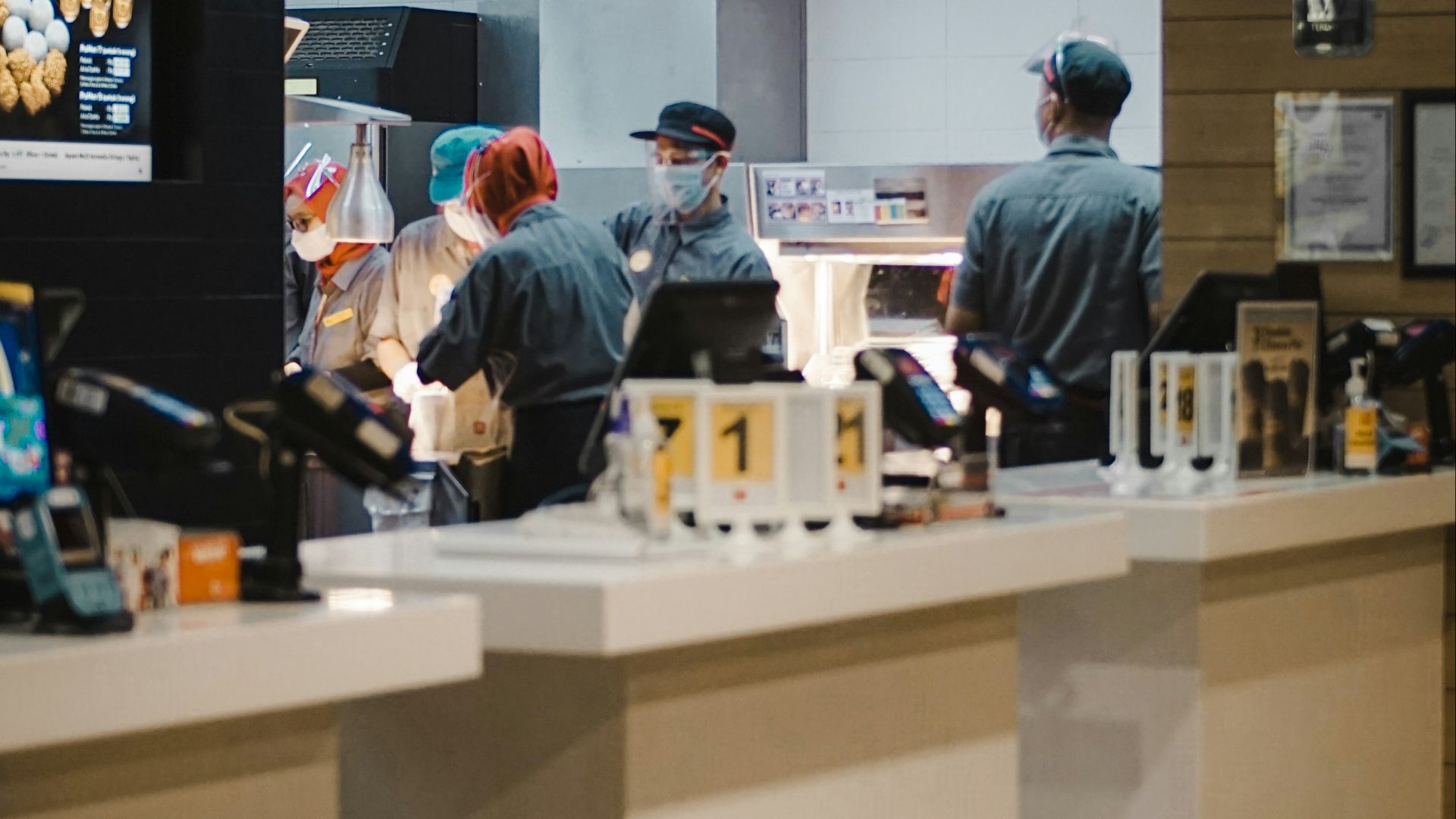
Fast food operates on razor-thin labor costs because workers get paid as little as legally possible, sometimes less. The federal minimum wage has been stuck at $7.25 per hour since 2009. Adjust for inflation, and workers earn significantly less in real terms than their counterparts did in the 1960s.
These companies have perfected the art of keeping most employees part-time to avoid providing benefits. A UC Berkeley's 2021 minimum wage analysis noted 65-71% enrollment in public assistance programs like Medicaid, food stamps, and income tax credits. Taxpayers not only subsidize fast food through agricultural policy but through social programs supporting underpaid workers.
Food Engineering Versus Food
That chicken nugget contains mechanically separated poultry, which essentially amounts to every scrap of meat blasted off the carcass with high-pressure hoses, then formed into shapes and held together with binding agents. The "beef" patty might contain meat from hundreds of different cows, processed through an industrial system that prioritizes cost over quality.
Fast food scientists spend millions engineering specific ratios of fat, salt, and sugar to hit pleasure centers in your brain, creating mild addictive patterns. The business model prioritizes repeat purchases over nutrition, and that $5 meal is designed to make you want another one tomorrow.
The Supply Chain's Hidden Costs

Those rock-bottom prices depend on an industrial food system that concentrates power in a few massive corporations. Four companies control over 80% of beef processing in America. Similar concentration exists in chicken and pork. This consolidation allows processors to squeeze farmers, paying them barely enough to survive while charging fast food chains relatively low prices.
Small farms can't compete. They've been systematically eliminated, replaced by factory farms where animals live in conditions most people would find horrifying if they saw them. Chickens are crammed into warehouse sheds, pigs immobilized in gestation crates barely larger than their bodies, and cattle left standing in their own waste.
The Psychological Pricing Game
Five dollars hits a sweet spot in consumer psychology. It’s low enough to feel trivial yet high enough that the company still makes money on volume.
The initial $5 deal acts as a loss leader, bringing customers in so employees can push higher-margin items. The $5 meal might generate minimal profit, sometimes even a small loss, while the upsells on extra patties and supersized fries deliver the real returns.
Health Costs Nobody Mentions
 AllGo - An App For Plus Size People on Unsplash
Regular fast food consumption correlates with obesity, Type 2 diabetes, heart disease, and various cancers. Medical costs from diet-related diseases run into hundreds of billions annually in the United States alone, but this added cost never gets factored into the $5 combo meal.
Communities with the most fast food restaurants show the highest rates of diet-related diseases. The $5 meal deal isn't feeding people affordably; it's selling future medical crises at artificially low prices. When someone ends up on dialysis from diabetes partially caused by decades of cheap fast food, society pays those costs through higher insurance premiums and strained medical systems.
The real price of that meal includes subsidies, underpaid labor, environmental destruction, and health consequences spread across populations. Five dollars is just the sticker price. The rest comes due later.
KEEP ON READING
The Most Popular Chocolate Bars in the USA
The Most Popular Candies in the USA