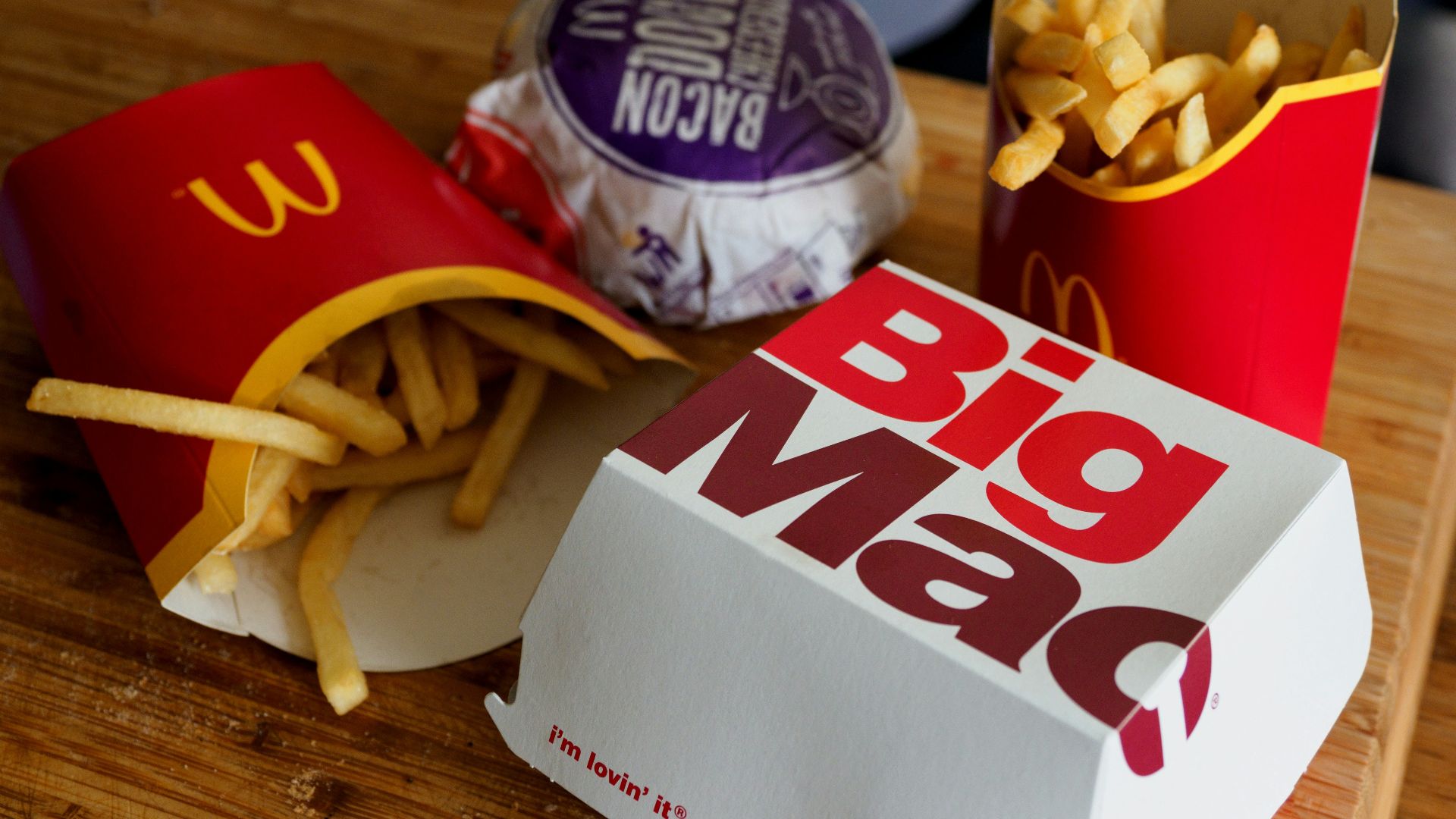
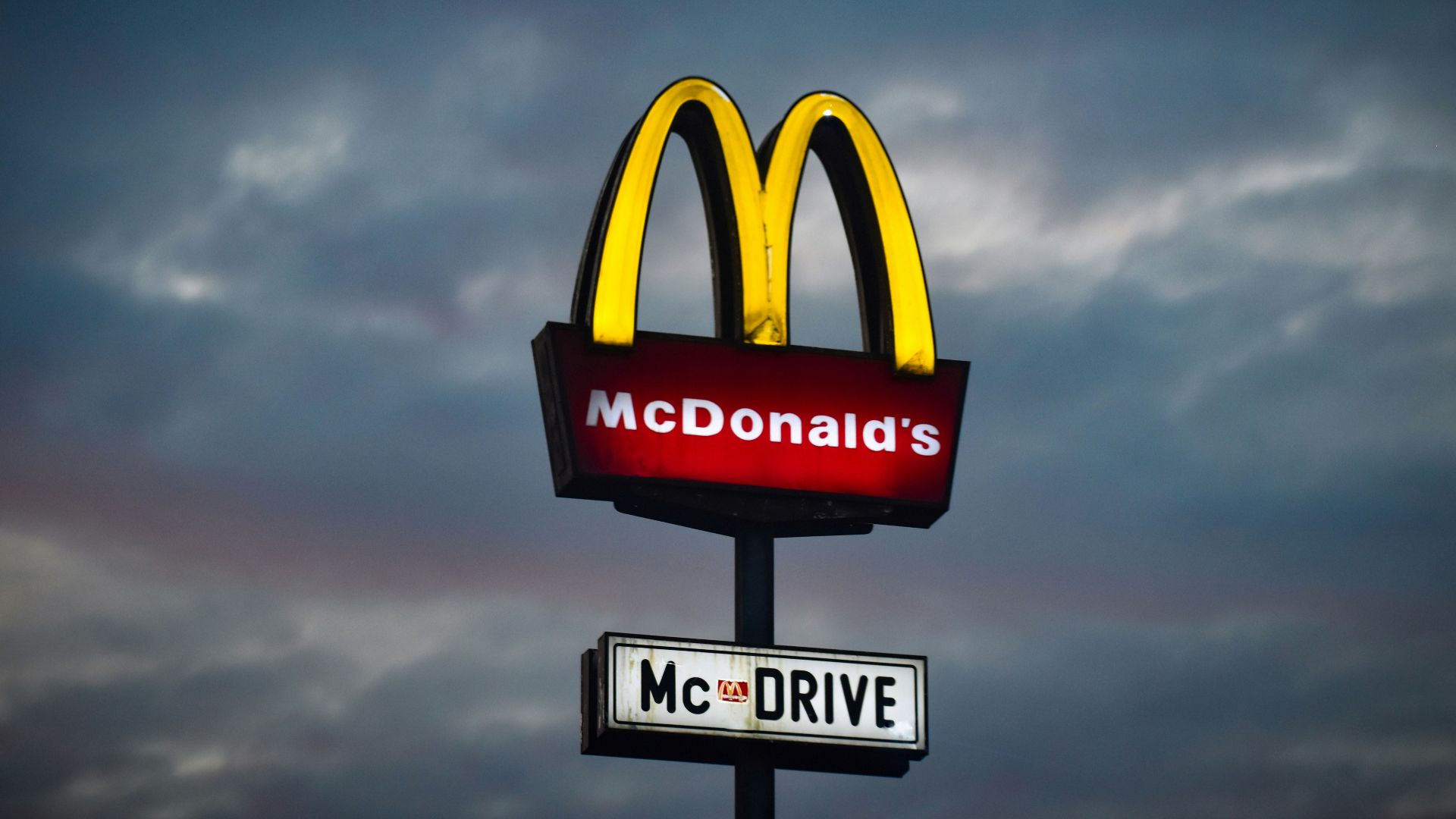
The golden arches loom larger in American consciousness than any symbol from our agrarian past. When we think of American food now, we don't picture latticed crusts cooling on windowsills or Sunday pot roasts. Instead, we picture a Big Mac and perfectly uniform fries steaming in their red cardboard container next to a Coke. This generational shift rewired not just our diets but our entire cultural DNA. Ask a child to draw "American food," and nine times out of ten, they’ll sketch a hamburger.
The Postwar Speed Revolution
Returning soldiers in 1945 had tasted efficiency in military mess halls, and women who'd worked in factories weren't rushing back to spend three hours making dinner. The whole country was restless and on the move. Ray Kroc opened his first franchised McDonald's in 1955 in Des Plaines, Illinois, promising hamburgers in under a minute. The assembly line had come to dinner.
Speed became the selling point. By 1958, McDonald's had sold 100 million hamburgers. The appeal wasn't just velocity; it was consistency. Every burger was identical, every experience predictable.
Traditional American food required knowledge passed down through generations. You needed to know when the pie dough was properly chilled, how to tell when the roast was done, which apples held their shape when baked. Fast food required nothing but the ability to show up and pay.
The Interstate Made It Inevitable
The Interstate Highway System, authorized in 1956, paved the way for fast food dominance. Suddenly, families were driving across states, and they needed to eat. Those orange-roofed Howard Johnson's multiplied like dandelions along every major route. By the 1960s, you could drive from coast to coast and never taste anything regional, never experience local foodways. Everything had become standardized.
Fast food chains understood American mobility better than anyone. They planted flags at every highway exit, turning our road trips into predictable loops between familiar logos. The adventure of travel got domesticated through branded sameness.
Marketing to Children, Capturing Lifelong Loyalty
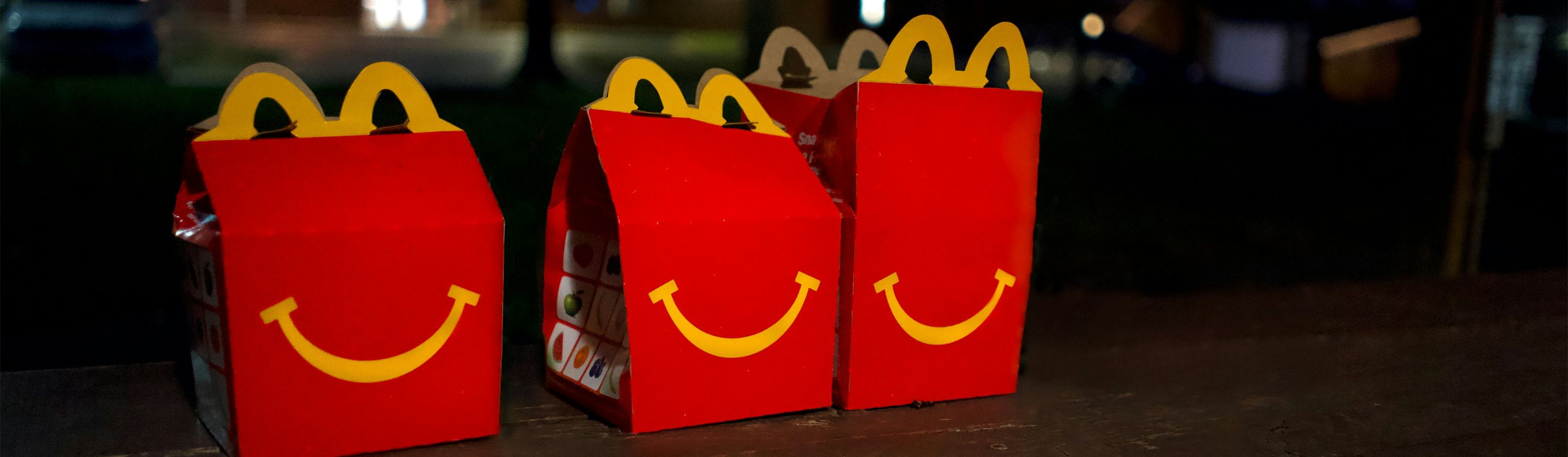
McDonald's figured out that if you could hook kids, you’d have customers for life. Happy Meals launched in 1979, complete with toys. Suddenly, eating at McDonald's wasn't just convenient but fun. Children's birthday parties moved from homes to PlayPlaces with ball pits and plastic tube slides.
Ronald McDonald became more recognizable to American children than most historical figures. A 2007 study found that preschoolers preferred the taste of foods wrapped in McDonald's packaging, even when the food inside was identical to unbranded items. The brand had become the flavor.
The Economics of Cheap Calories
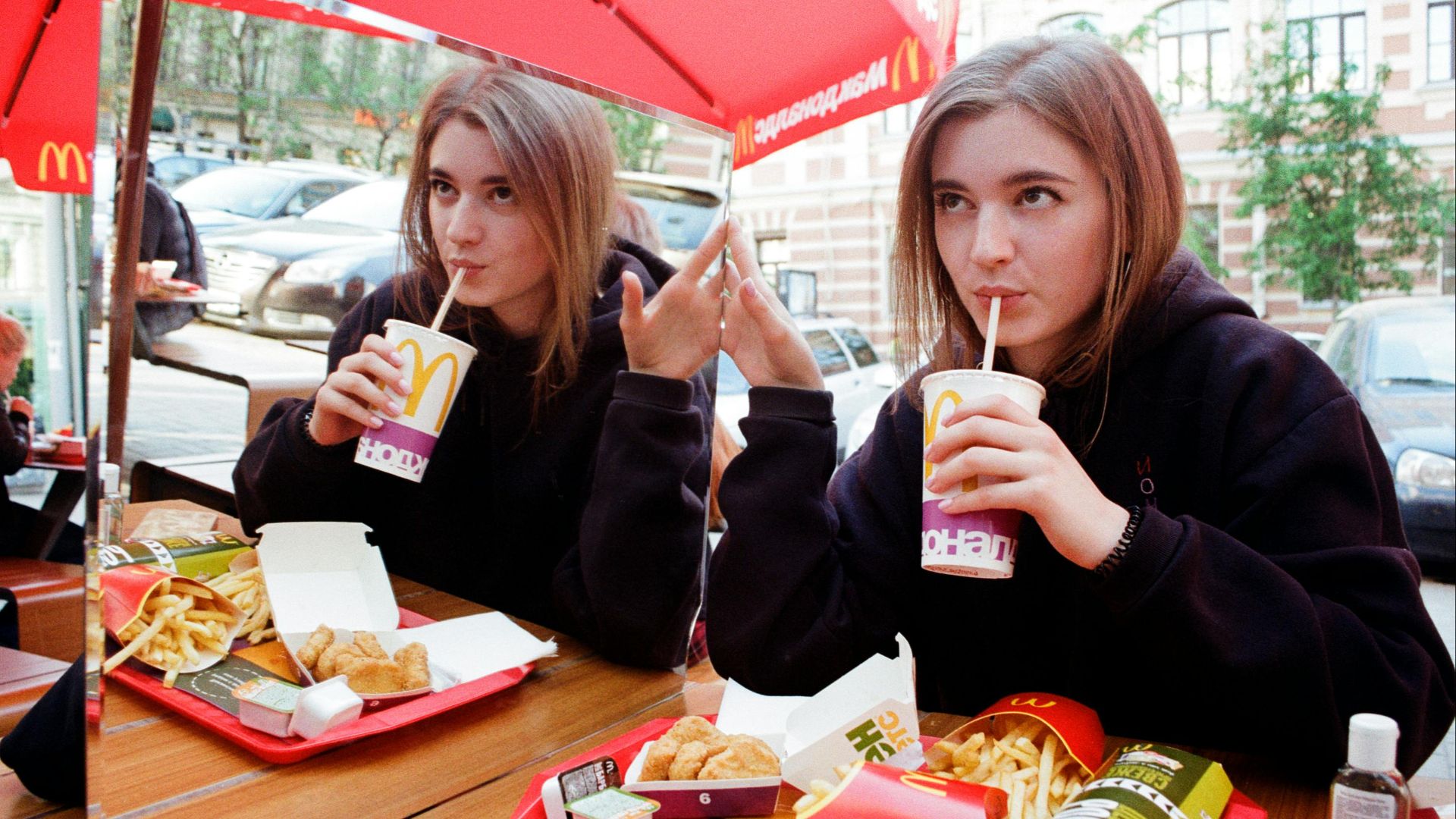
Fast food was cheap compared to other offerings. Federal agriculture policies subsidized corn and soy, which became the building blocks of processed food, along with high-fructose corn syrup, soybean oil, and cheap beef from corn-fed cattle. A McDonald's cheeseburger cost less than a head of broccoli in many neighborhoods.
By the 1990s, fast food companies had perfected the dollar menu. For pocket change, you could consume 2,000 calories. The average American eats fast food four times per week, according to various industry surveys. We've outsourced our food preparation to corporations that engineer products for maximum craveability using teams of food scientists and flavor chemists.
Cultural Symbolism Follows Consumption Patterns
What we eat most becomes what we are. Fast food worked its way into our movies, our television shows—even our casual conversations. "Let's grab McDonald's" became linguistic shorthand for easy, unpretentious eating.
Somewhere between 1960 and 2000, asking "what's more American than apple pie?" started sounding outdated. The answer shifted to a drive-thru line wrapping around the building at lunchtime, the whole transaction completed without human interaction beyond passing cash through a window.
The cultural dominance feels complete now. Foreign visitors come to America expecting hamburgers and fries, not regional specialties or home cooking. We exported this model worldwide, making American food synonymous with fast food across the globe. The golden arches won.
KEEP ON READING
20 Dishes That Built Modern American Cuisine