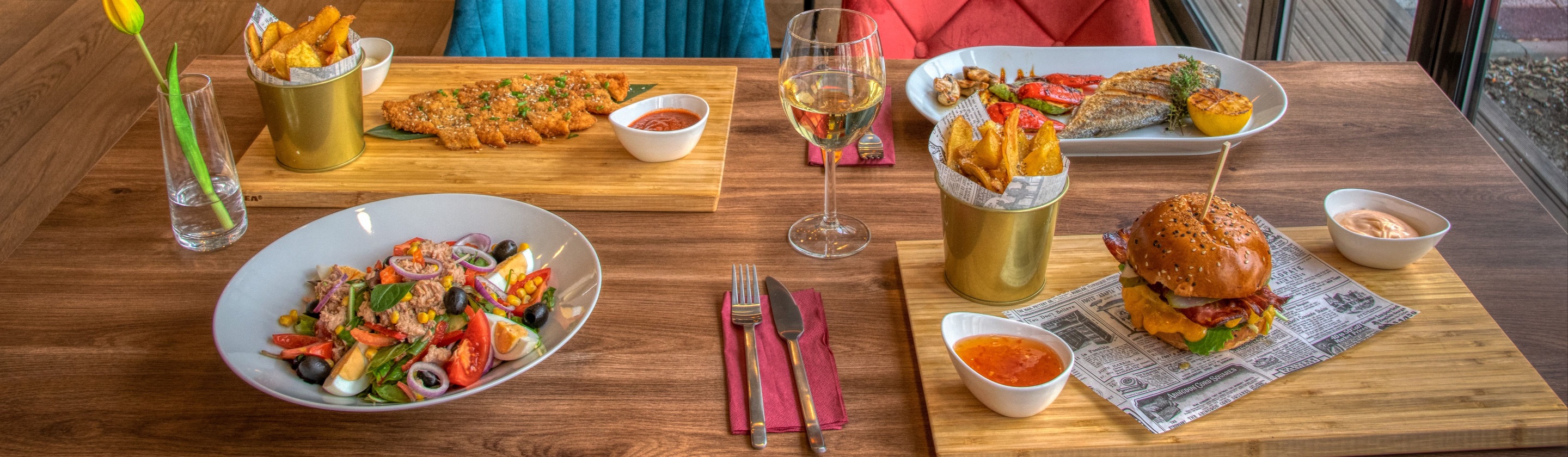
The Secret Ingredient That Makes Restaurant Food Taste Better Than Yours

If you have ever tried to replicate a spectacular restaurant dish at home, you have probably found yourself staring at a somewhat disappointing plate of food. Even when you follow a highly rated online recipe to the letter, that homemade pasta or roasted vegetable dish often lacks the magical depth of flavor you experience at your favorite local eatery. It is easy to assume that professional chefs possess mystical culinary secrets or access to rare ingredients that are completely unavailable to the average home cook. You might feel a bit discouraged, wondering if your kitchen skills are simply not up to par with the experts working the line.
The truth behind this culinary discrepancy is actually far simpler and much more liberating than you might think. Professional kitchens do not rely on magic, but they do use a few foundational elements with a level of fearlessness that would make most health-conscious home cooks break out in a sweat. By understanding how these hidden techniques work, you can easily elevate your daily cooking and narrow the gap between your dining table and a five-star dining experience. Let us peel back the kitchen curtain and explore the ultimate secret ingredients that make professional meals taste so incredibly delicious.
The Audacious Reign of Premium European Butter
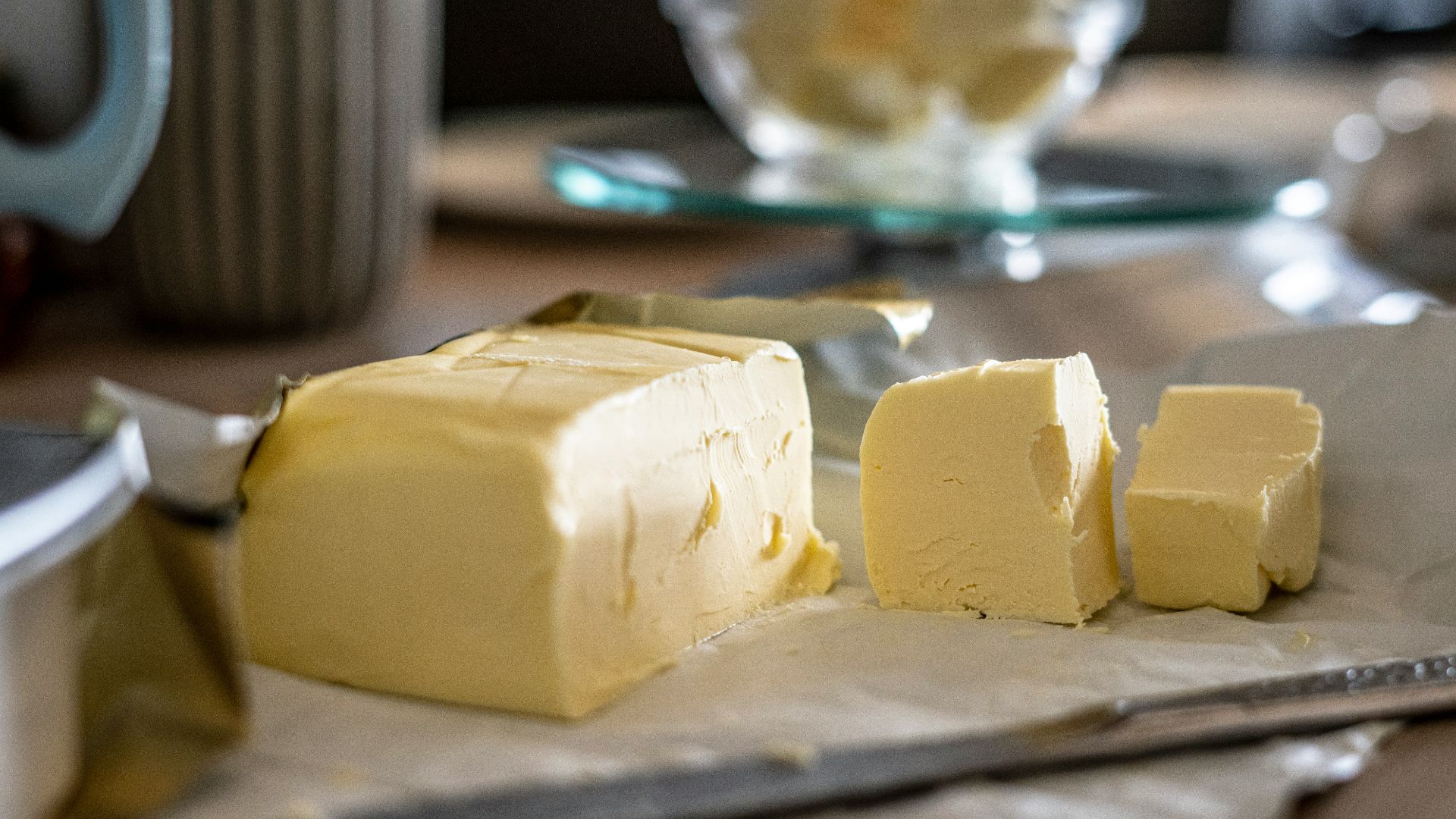
When a professional chef sautés a piece of fish or finishes a rich pasta sauce, they are not reaching for a standard plastic tub of vegetable oil spread. Restaurants rely heavily on high-fat, unsalted European-style butter to create a luxurious mouthfeel that coats your palate and carries flavors beautifully. They do not just use a tiny pat to coat the pan; instead, they add multiple heaping tablespoons at various stages of the cooking process. This generous application creates an emulsified richness that transforms a simple pan sauce into a velvety masterpiece.
The home kitchen, by contrast, is often a place of dietary restraint, where we measure out fats by the teaspoon out of a desire to keep things light. While this careful approach is certainly excellent for your daily health goals, it inherently limits the savory potential of your home-cooked meals. Professional kitchens prioritize absolute flavor payoff above all else, knowing that customers visit them specifically for a decadent, indulgent treat. You would be amazed to see just how much butter goes into your favorite restaurant mashed potatoes or pan-seared steak.
Furthermore, chefs understand the critical chemical difference between cooking with fat at the beginning of a dish and finishing with it at the very end. Swirling a cold chunk of butter into a hot sauce right before serving creates a smooth glaze that binds the acidic and savory elements together perfectly. This specific technique, known in French classical cooking as monter au beurre, adds a glossy shine that makes the food look just as stunning as it tastes. Embracing a bit of this buttery bravery in your own kitchen can instantly upgrade your culinary results.
The Masterful Engineering of Kosher Salt
If you think you are seasoning your food adequately at home, there is a very high probability that a professional chef would still find it remarkably bland. Restaurants do not view salt merely as something to shake onto a finished plate, but rather as a fundamental tool used to draw out the natural flavors of ingredients. Line cooks are trained to season every single component of a dish at every step of production, ensuring that flavor is built from the ground up. This layered approach prevents the finished meal from tasting like a single, harsh wave of surface saltiness.
The choice of the salt itself also plays a massive role in how evenly a dish is seasoned throughout the entire cooking process. Most professional kitchens completely banish fine table salt in favor of coarse kosher salt, which features large, hollow flakes that are incredibly easy to pinch with your fingers. This specific texture gives chefs immense physical control, allowing them to rain down seasoning evenly across a piece of meat instead of accidentally dumping a concentrated pocket of crystals in one spot. It makes the act of seasoning intuitive and highly visual.
Additionally, professionals understand how salt alters the physical structure of food to improve its texture and moisture retention over time. Salting a chicken breast hours before it hits the hot pan allows the seasoning to penetrate deep into the meat, breaking down tough muscle fibers and locking in juices. When you skip this crucial step at home and only season at the very end, you miss out on that incredibly tender, savory bite. Learning to salt early and with confidence is perhaps the fastest way to mimic the depth of a restaurant dish.
The final element that separates a mediocre plate of food from an exceptional one is an ingredient that you can rarely see but can always feel on your tongue. When a dish tastes heavy, flat, or slightly unfinished, a professional chef will almost never reach for more salt; instead, they grab a fresh lemon or a bottle of artisanal vinegar. Culinary acid acts as a magnificent spotlight that cuts through heavy fats, brightens dull flavors, and wakes up your taste buds instantly. It provides a necessary contrast that keeps a rich, savory meal from becoming overwhelmingly monotonous after a few bites.
KEEP ON READING

10 Best Finds at Costco & 10 Worth Skipping


20 American Foods That Are Best When They're Simple