Seasoning is one of the most important elements of cooking, yet it’s often misunderstood or overlooked. Many home cooks focus on ingredients and techniques, but don’t realize that proper seasoning is what brings everything together. Even a simple dish can taste significantly better when flavors are balanced and enhanced correctly. Learning a few core principles can completely change how your food turns out.
The good news is that seasoning doesn’t have to be complicated or intimidating. With a few practical rules and a bit of awareness, you can improve nearly any dish you make. It’s less about memorizing recipes and more about understanding how flavors work together. Once you get the hang of it, seasoning becomes second nature in your cooking routine.
Understand The Role Of Salt Beyond Flavor
Salt is often thought of as something that simply makes food taste salty, but its role goes much deeper than that. It enhances natural flavors and reduces bitterness in many ingredients. When used correctly, it helps bring out the best in everything from vegetables to proteins. This is why even a small amount can make a noticeable difference. It also helps create a more balanced and complete flavor profile in any dish.
Timing also matters when it comes to adding salt. Seasoning early in the cooking process allows it to penetrate ingredients more effectively. For example, salting meat before cooking can improve both flavor and texture. Waiting until the end can leave dishes tasting flat or uneven. Understanding when to season is just as important as how much you use.
It’s also important to taste as you go rather than relying on fixed measurements. Different ingredients and cooking methods can affect how salt is absorbed. By adjusting gradually, you can avoid over-seasoning while still building depth. This habit gives you more control over the final result. Over time, this approach helps you develop better instincts in the kitchen.
Balance Flavors Instead Of Adding More Ingredients
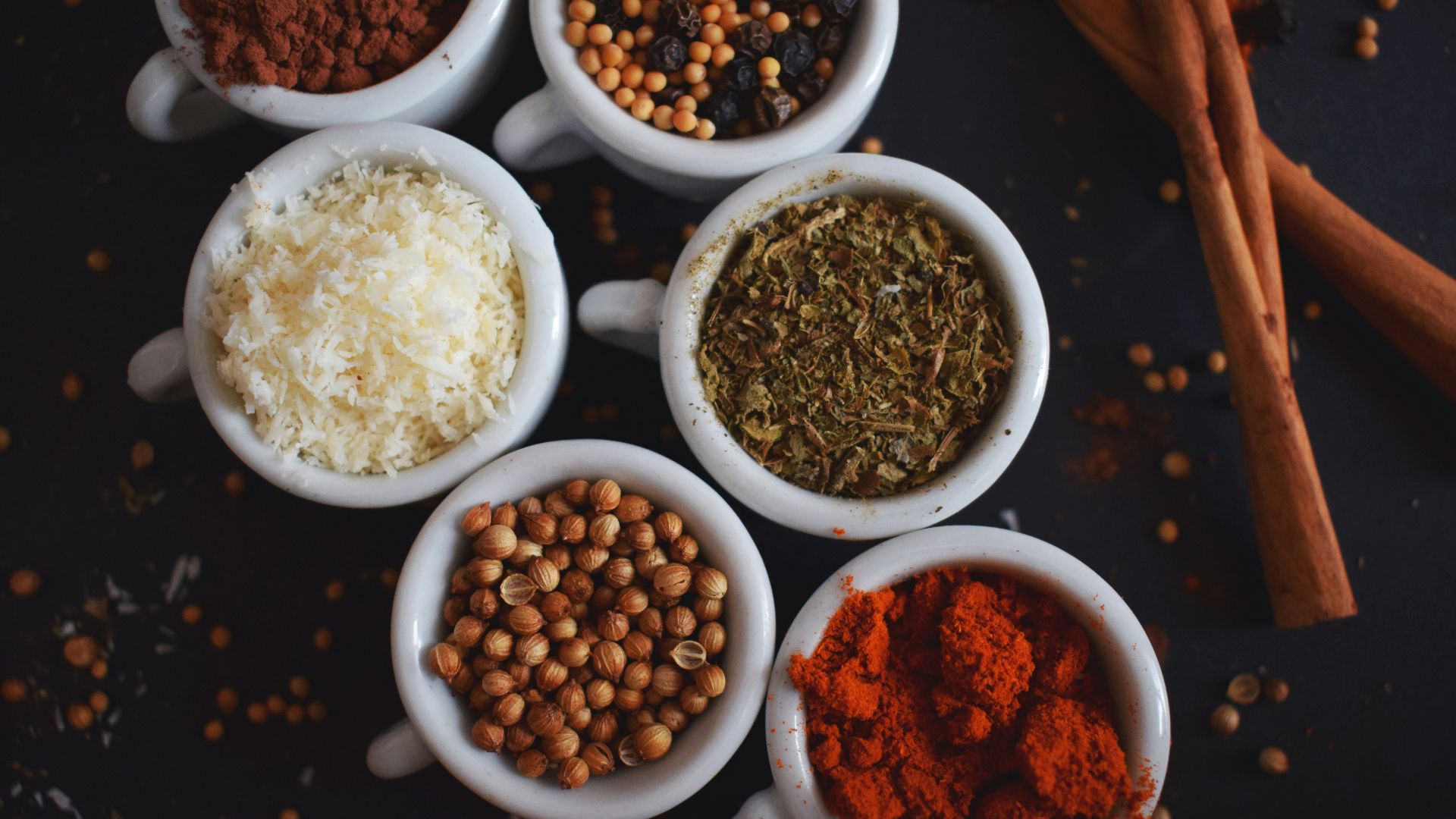
Great seasoning isn’t about piling on spices or herbs, but about achieving balance. Every dish typically includes elements like saltiness, sweetness, acidity, and sometimes bitterness. When one of these is missing, the dish can feel incomplete. Recognizing what’s lacking helps you fix it quickly. This awareness allows you to make small adjustments that have a big impact.
Acidity is one of the most overlooked tools in seasoning. A splash of lemon juice or vinegar can brighten flavors and cut through richness. This is especially useful in heavier dishes where things might taste too dense. Even a small amount can transform the overall taste, and can also help bring out subtle flavors that might otherwise go unnoticed.
Sweetness can also play a subtle but important role in balancing flavors. It doesn’t mean making a dish sugary, but rather softening harsh or sharp notes. Ingredients like honey, caramelized onions, or even a pinch of sugar can help. The goal is harmony, not dominance of any one flavor. When used carefully, sweetness can round out a dish in a very natural way.
Use Layering To Build Depth Over Time
Layering seasoning throughout the cooking process creates more complex and satisfying flavors. Instead of adding everything at once, you build flavor step by step. This approach allows each ingredient to develop properly. It also prevents the dish from tasting one-dimensional. It encourages a more thoughtful and controlled way of cooking.
For example, seasoning vegetables while they cook helps them develop a richer taste. Adding herbs at different stages can also change how their flavors come through. Some herbs are better early for depth, while others work best at the end for freshness. Understanding this difference can improve your results. This technique helps highlight the unique qualities of each ingredient.
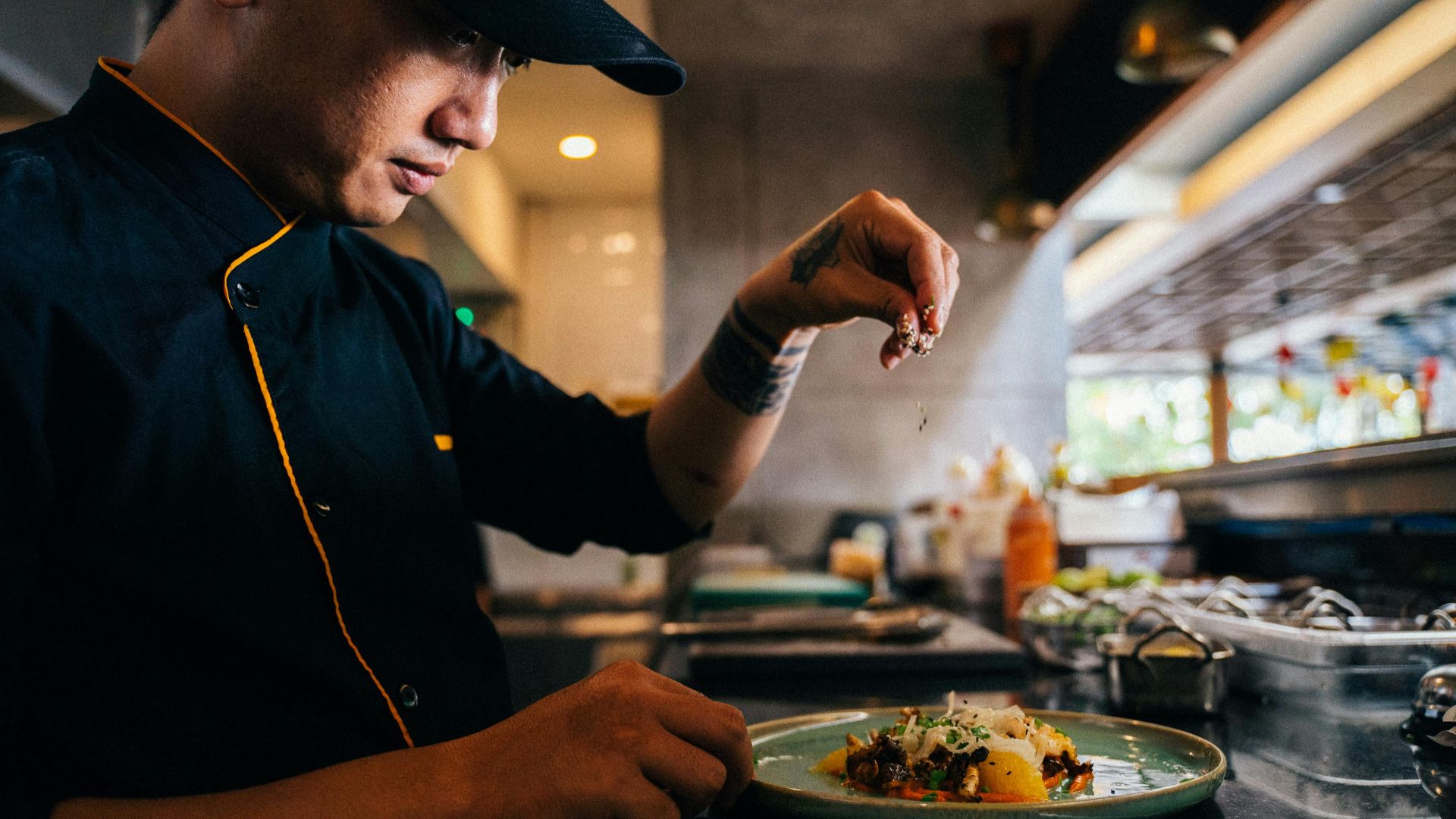
Finishing touches are just as important as the initial steps. A final sprinkle of salt, a drizzle of oil, or a squeeze of citrus can elevate a dish right before serving. These small additions enhance aroma and flavor at the last moment. It’s often the detail that makes a meal feel complete. Paying attention to these final steps can turn a good dish into a great one.
Seasoning well is less about following rigid rules and more about developing awareness as you cook. The more you taste, adjust, and experiment, the more confident you’ll become. Small changes can have a big impact when you understand how flavors interact. Over time, these habits turn into instinct, making every dish you prepare more enjoyable and satisfying. This kind of confidence allows you to rely less on recipes and more on your own judgment.
KEEP ON READING