 Pablo Merchán Montes on Unsplash
If you've noticed that restaurant menus seem to be getting longer at the top and shorter in the middle, you're not imagining it. The small plates movement, which gained real momentum in the early 2010s, has quietly reshaped how American restaurants are structured, priced, and staffed. More places are pushing shareable starters, snacks, and small-format dishes as the centerpiece of the meal rather than an opening act. What looks like a food trend is also, underneath it all, a pretty deliberate business strategy.
None of this is a conspiracy. Restaurants operate on notoriously thin margins, and every line on the menu represents a different math problem for the kitchen. Appetizers consistently solve that problem better than entrées do, and once you understand why, you'll read a menu a little differently from now on.
The Food Costs on Appetizers Are Just Easier to Control
Food cost percentage is one of the most closely watched numbers in any restaurant. The target is typically 28 to 35 percent of the menu price, meaning that if a dish sells for $20, the raw ingredients should ideally cost between $5.60 and $7. Entrées routinely blow past that target. A properly portioned piece of salmon or a dry-aged steak carries protein costs that compress margins even at premium price points. The National Restaurant Association has consistently reported that food and beverage costs represent around 30 percent of restaurant sales on average, and that number is harder to hold on protein-heavy mains.
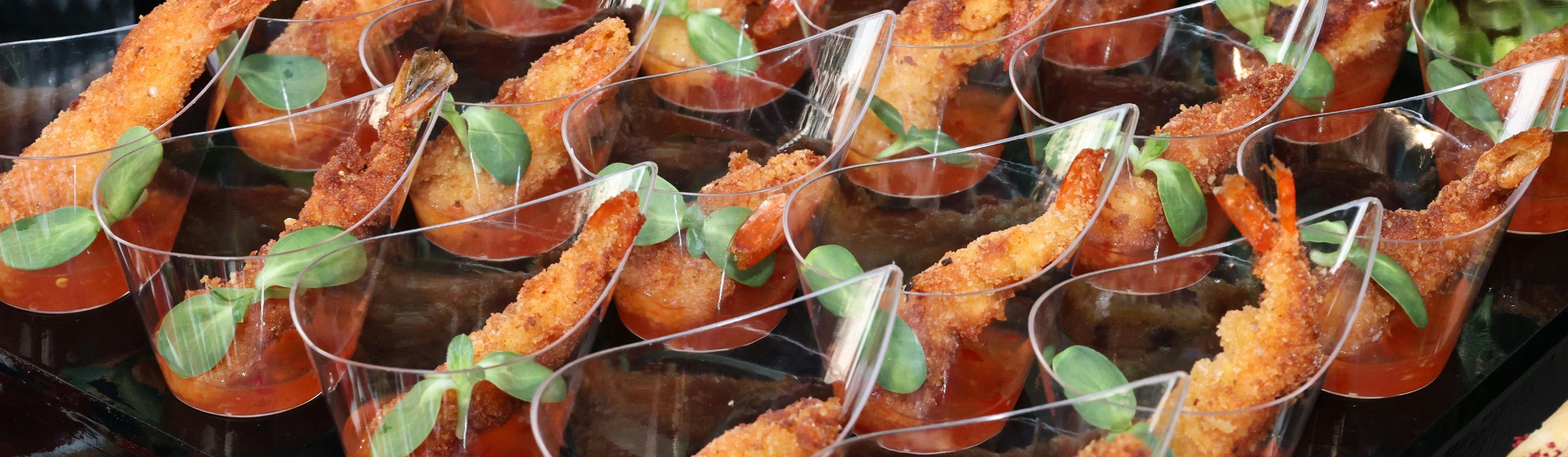
Appetizers don't have the same problem. A bruschetta, a cheese board, or a plate of fried calamari is built largely around low-cost carbohydrates, dairy, and fry oil. The portion sizes are smaller, the proteins are cheaper or absent entirely, and the perceived value to the customer is high because the presentation is easy to make exciting. A restaurant charging $16 for a charcuterie plate is working with ingredients that might cost $4 to $5. The same restaurant charging $34 for a ribeye might be working with a food cost that's nearly half the ticket price once you account for trim loss and waste.
Labor compounds this. Entrées typically require more skilled execution, longer cook times, and more precise timing to land at the right temperature on the right plate. Appetizers are generally faster, simpler, and more forgiving, which means a kitchen can move more of them per hour without putting as much pressure on the line.
More Ordering Means More Drinking
There's a well-documented connection between extended dining and alcohol sales, and appetizers are one of the main tools restaurants use to stretch a meal out. When a table orders several rounds of small plates instead of moving directly from a single starter to a single entrée, the meal takes longer, the conversation flows more naturally between courses, and the window for another round of drinks stays open.
Alcohol is where restaurants make a disproportionate share of their money. Wine, cocktails, and beer typically carry food cost percentages in the range of 20 to 25 percent or lower, compared to the already-stretched margins on food. A table that adds two or three cocktail rounds to a small-plates dinner is a significantly more profitable table than one that orders sparkling water and a single entrée each.
This is why you'll notice that many appetizer-forward menus are also built to pair naturally with drinking. The flavors tend to be salty, acidic, or rich in a way that makes you reach for a glass. That's partly culinary logic, and it's partly the fact that a well-designed menu is trying to do several things at once.
The Menu Itself Is Engineered to Guide You
Menu engineering is a formal field. Researchers Michael Kasavana and Donald Smith introduced a systematic framework at Michigan State University in 1982 that categorized menu items by profitability and popularity, and the hospitality industry has been refining those principles ever since. The goal is to make high-margin items feel like the natural choice without the customer noticing the nudge, and appetizers have become central to that project.
The visual hierarchy of most modern menus places starters near the top and in prominent positions, with descriptive language that's warmer and more evocative than what gets applied to entrées. Words like shareable, seasonal, and house-made are doing real work there. They signal informality and abundance, which makes ordering three small plates feel more celebratory than ordering one large one.
Pricing architecture plays a role too. When appetizers are clustered in the $14 to $18 range and entrées jump to $32 to $45, the mental math starts to favor building a meal from the smaller column. We tend to anchor on the first prices we see, and a menu that opens with accessible price points is quietly setting the frame for everything that follows. The restaurant isn't forcing your hand. It's just making one path feel considerably more obvious than the others.
KEEP ON READING
The Most Popular Signature Dishes Around the World