Why The World’s Most Expensive Spice Is More Valuable Than Gold
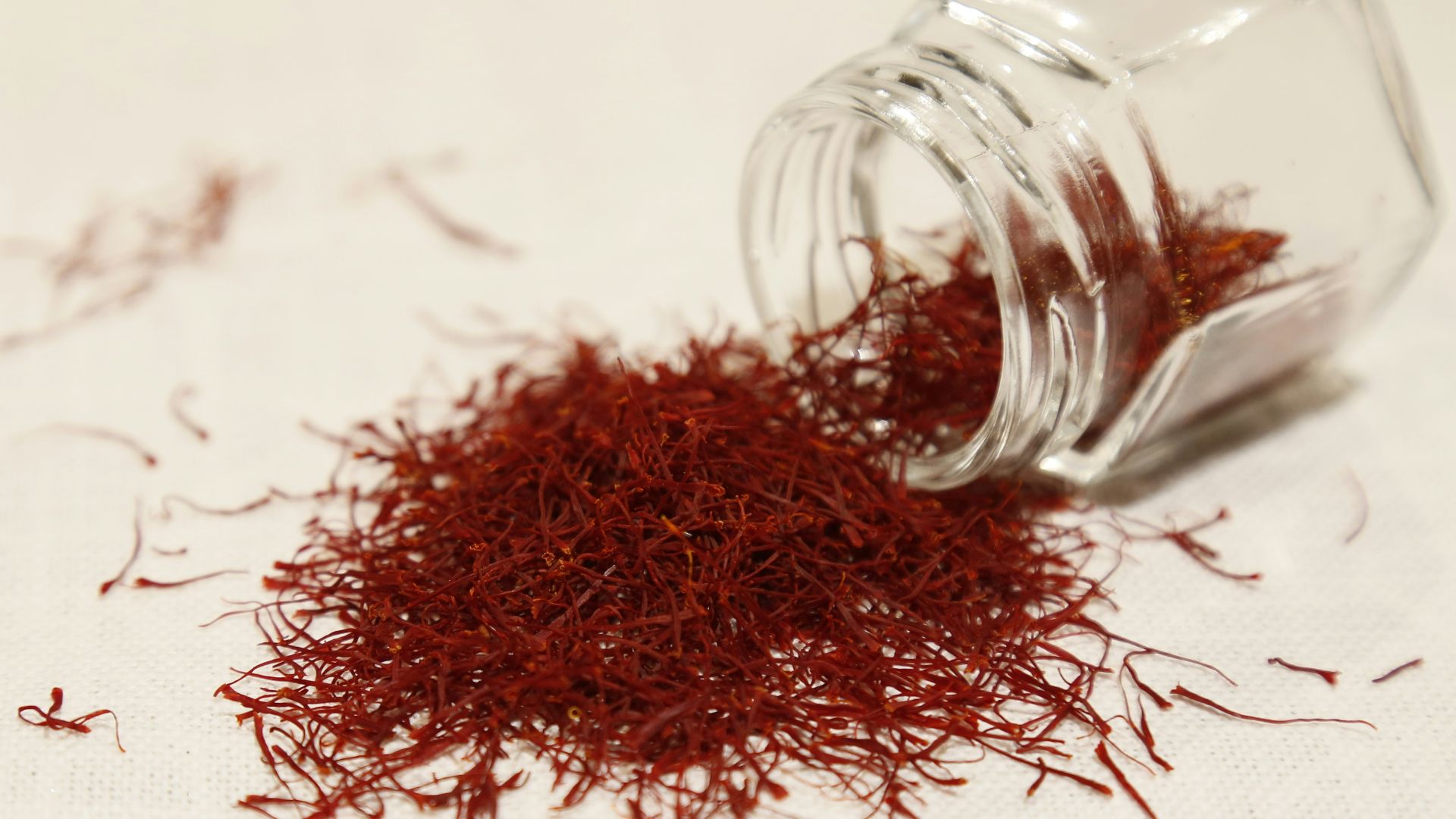
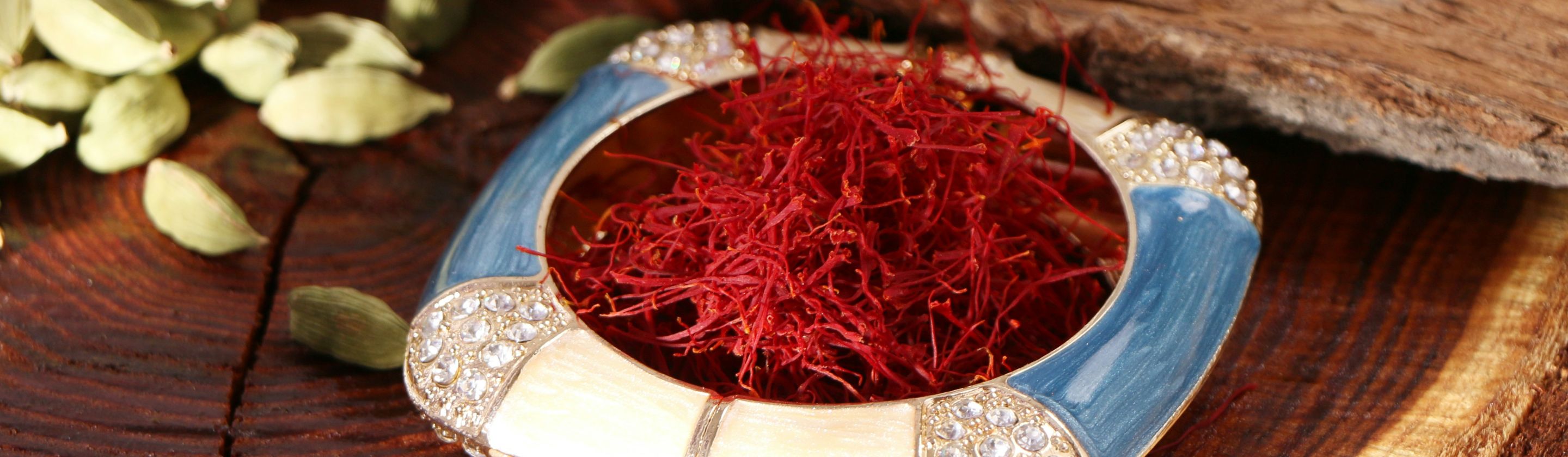
When you think of the most precious substances on Earth, your mind probably jumps straight to glittering bars of gold or rare, sparkling diamonds hidden deep in a vault. However, there’s a humble-looking agricultural product that often commands a higher price per ounce than many of the world's most coveted precious metals. Saffron, a vivid crimson spice derived from a specific type of crocus flower, has held the title of the world’s most expensive spice for centuries, and for very good reason.
It’s not just the unique, earthy flavor or the stunning golden hue it imparts to a dish that makes it so legendary in the culinary world. The true secret behind its staggering price tag lies in the incredibly delicate and labor-intensive process required to bring just a tiny pinch of it to your kitchen cabinet. To understand why people are willing to pay thousands of dollars for a single pound of these dried threads, you have to look at the remarkable journey it takes from a sun-drenched field to your dinner plate.
The Herculean Effort of the Harvest
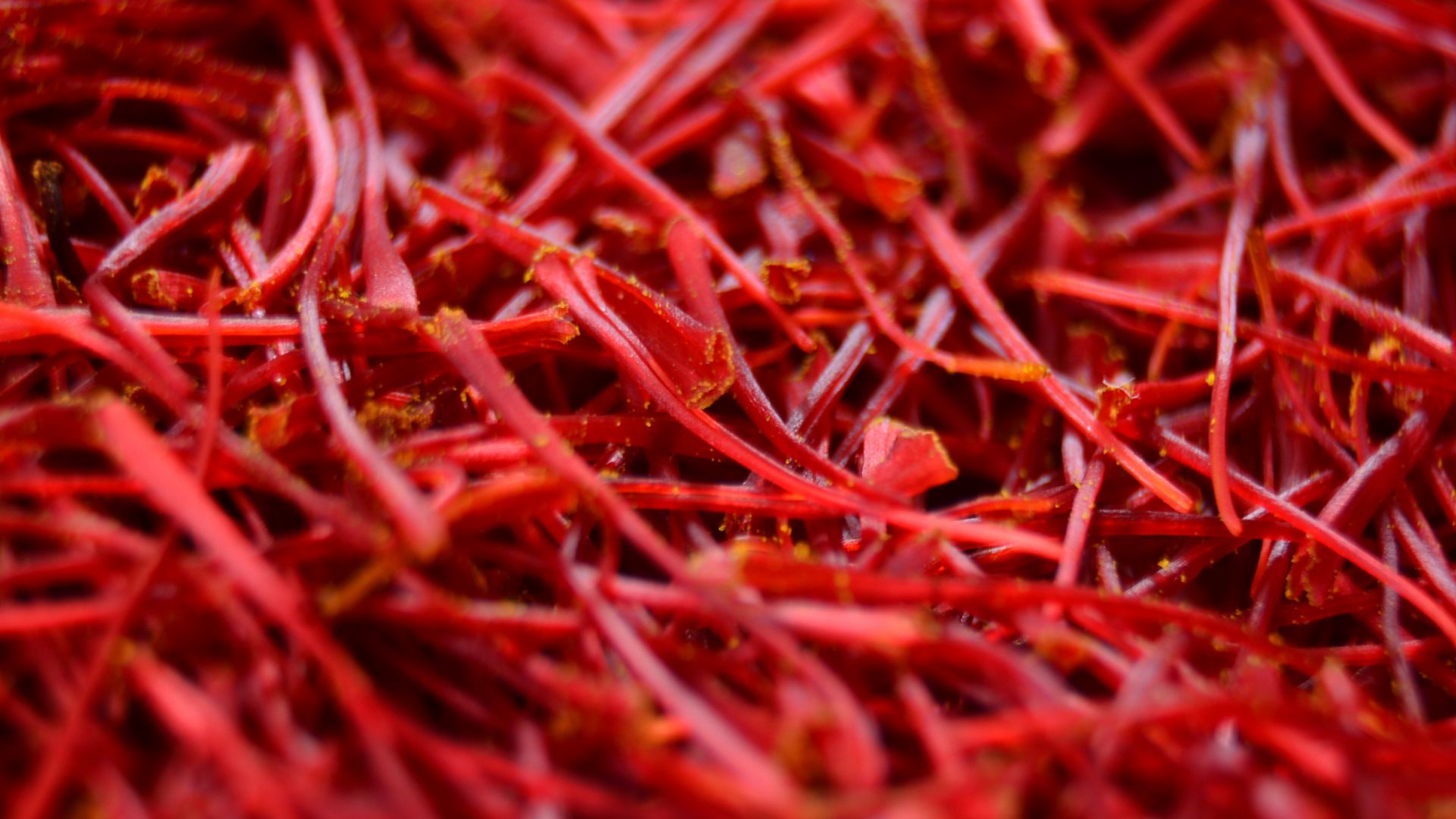
The labor-intensive growing process is the biggest reason why saffron costs so much money. Automated machines and robots can’t be used to harvest it. Every strand of saffron used in cooking and seasoning is handpicked by workers from the center of the Crocus sativus flower. Farmers only have about two weeks each year to harvest the plant. It blooms for just a few weeks starting around early fall.
When you discover that each flower only produces three minuscule red stigmas, you’ll be amazed that anyone can harvest enough saffron to meet global demand. Because each flower only produces three strands, it takes approximately 75,000 blossoms to create one pound of dried saffron spice. Harvesting saffron is a long, drawn-out process that consists of thousands of man-hours of workers picking the stigmas off each flower while they kneel over rows of plants during cool morning hours.
After farmers harvest the crocus flowers, skilled workers have to remove the stigmas from the rest of the plant in temperature-controlled rooms. These tasks need to be completed quickly after picking has occurred so that the crops don’t lose their potency. Saffron isn’t grown in industrial fields all over the world because there are only a few climate regions with enough manpower to harvest the plant.
A Complex Chemistry of Flavor and Fragrance
Beyond the physical labor involved in the harvest, the chemical profile of saffron is what truly sets it apart from every other seasoning in your pantry. It contains over 150 volatile and aroma-yielding compounds, with three specific chemicals, crocin, picrocrocin, and safranal, responsible for its color, taste, and smell. You’re essentially paying for a concentrated cocktail of natural compounds that are incredibly difficult to replicate in a laboratory setting.
When you add a few threads of high-quality saffron to a pot of rice or a seafood stew, you’re releasing a complex aroma that most people describe as floral, honey-like, and slightly metallic. This unique fragrance is primarily due to safranal, which only develops during the drying process after the harvest is complete. Achieving the perfect balance of these chemicals requires a mastery of traditional drying techniques that have been passed down through generations of specialist producers.
The vibrant yellow-orange color that saffron is famous for comes from crocin, a powerful antioxidant that has also been studied for its potential health benefits. Because these compounds are so potent, a tiny amount of the real stuff goes a very long way in a recipe, making it a surprisingly efficient ingredient despite the high upfront cost. You’ll quickly find that cheaper "imitation" saffron, often made from dyed corn husks or safflower, lacks the depth and chemical complexity that makes the genuine article so prized by chefs.
Because saffron is worth so much money, the global market is unfortunately filled with fraudulent products designed to trick unsuspecting buyers. You have to be quite savvy when shopping for it, as real saffron threads should be a deep, uniform red with slightly flared tips that look like tiny trumpets. If the threads are completely yellow or look frayed and dull, you’re likely looking at a low-grade product or a total fake that won't give you the results you're after.
The highest quality saffron typically comes from regions like Iran, Spain, and Greece, where the soil conditions and traditional knowledge create the most potent harvests. These countries have strict grading systems, such as the ISO 3632 standard, which measures the concentration of the active compounds to determine the value of a specific batch. When you purchase "Sargol" or "Negin" grade saffron, you’re buying the very best parts of the stigma with absolutely no yellow style attached, which explains the premium price point.
KEEP ON READING
The Most Popular Signature Dishes Around the World