The Surprising Ways Fast Food Chains Are Already Using AI
Artificial intelligence might sound like something you'd expect to find in a Silicon Valley office, but it's already making its way into fast food restaurants across the country. Major chains are testing AI systems that can take orders, track inventory, and even predict when kitchen equipment might stop working. You might not have realized it, but there's a good chance your favorite fast-food spot has already started implementing some of these technologies.
That's because much of this tech operates behind the scenes rather than directly interacting with customers. From figuring out how many employees should be scheduled to recommending what you might enjoy for lunch, AI is changing the way restaurants do business. Here's a closer look at how some of America's biggest fast food chains are already using it.
AI Is Taking Orders & Interacting With Customers
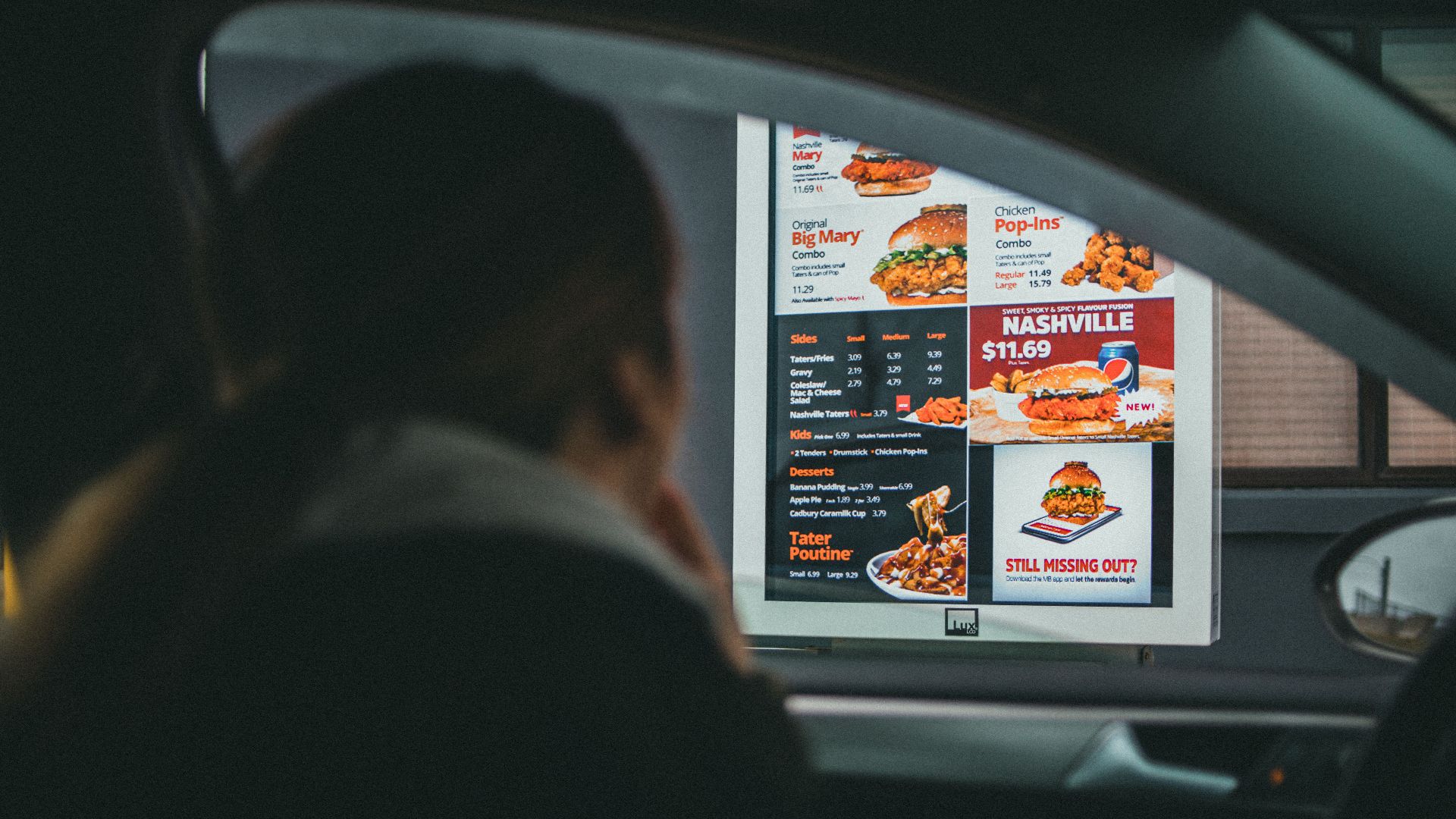
Wendy's has been rolling out an AI-powered drive-thru assistant called FreshAI, developed alongside Google Cloud. At participating locations, customers can place their orders through a conversational AI system instead of speaking directly with an employee. The technology understands different ways of ordering menu items, handles modifications, and answers questions without forcing customers to use specific phrases.
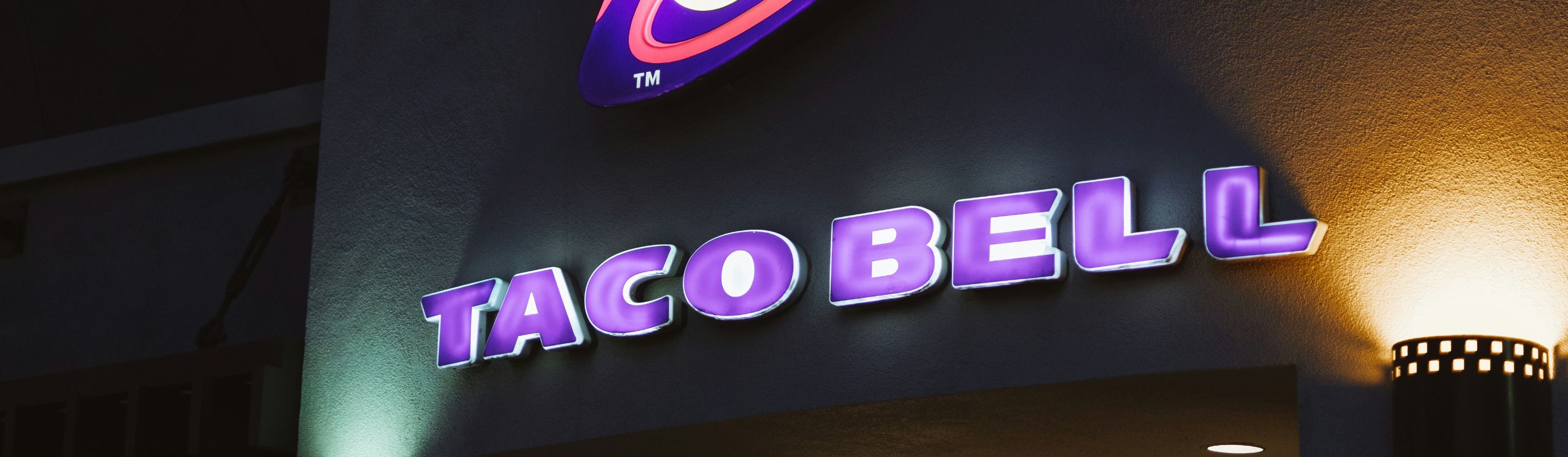
Taco Bell is getting involved in automated ordering as well, expanding its partnership with AI company Omilia in 2026. By July, the technology was being used in more than 890 American restaurants across 38 states, helping take orders while navigating background noise and different regional accents. It can even account for unavailable ingredients and limited-time menu items, allowing for more natural conversations with customers.
However, these systems don't always work quite as smoothly as companies hope. Taco Bell ran into some funny problems when customers intentionally tried to confuse its automated ordering technology, including a widely reported incident involving someone requesting 18,000 cups of water. Situations like these have prompted restaurants to think more carefully about how quickly they should introduce AI and when it's better to have a human take over.
AI-powered customer service isn't limited to the drive-thru, either. Starbucks has used its Deep Brew technology to offer personalized recommendations through its mobile app, making it easier for customers to discover drinks and food they might enjoy. By looking at previous purchases and ordering habits, these systems can suggest relevant products and potentially influence what someone buys before they've even arrived at the restaurant.
Restaurants Are Using AI to Predict What Happens Next
One of the most useful ways restaurants are putting AI to work is by predicting how much food they'll need during a typical day. Chipotle has experimented with technology that tracks ingredient levels and examines customer traffic to anticipate demand. These systems can also consider factors like weather and nearby events, helping employees prepare the right amount of food without having to rely entirely on educated guesses.
Dunkin' has found an interesting way to use AI to keep track of its doughnuts. A Tennessee-based franchise group introduced a camera system that recognizes different doughnut varieties and monitors purchasing trends across its locations. By early 2026, the system was running in all 99 of the group's stores, giving managers a clearer picture of what's selling and helping them avoid making more doughnuts than customers actually want.
Artificial intelligence is also changing how fast food restaurants schedule their employees. Taco Bell has introduced AI-enabled scheduling tools at thousands of locations across the United States, using demand forecasts to help managers decide how many people should be working. Instead of relying entirely on past experience, restaurants can better prepare for the lunchtime rush, unexpectedly busy evenings, or slower periods when fewer employees are needed.
Keeping kitchen equipment running properly is another area where AI could make a difference. McDonald's has been working on technology designed to spot operational issues before they cause major disruptions. Through its partnership with Google Cloud, the company is exploring ways to monitor equipment performance and improve reliability, which could eventually mean fewer unexpected breakdowns during busy shifts.
AI Is Changing Decisions Behind the Scenes
AI isn't just helping restaurants prepare food and take orders, as companies are also exploring ways to use it for marketing. Yum! Brands, which owns Taco Bell, KFC, and Pizza Hut, has discussed using artificial intelligence to create more personalized promotions and special offers. Rather than sending the same advertisements to everyone, the goal is to figure out which deals individual customers are most likely to find appealing.
As restaurant loyalty programs become more popular, these personalized offers could play an even bigger role in attracting repeat customers. AI can examine previous orders and individual preferences to recommend menu items or identify discounts that might catch someone's attention. You might appreciate getting a deal on your usual lunch order, although restaurants also see it as an opportunity to encourage customers to spend a little more.
Behind the counter, artificial intelligence is making everyday management tasks easier to handle. At some chains, managers can use forecasting software to examine sales trends, plan inventory purchases, and make better decisions about staffing. While these tools aren't replacing human judgment, they can certainly cut down on the amount of time employees spend going through reports and working out how much they'll need for the day.
Even with all this excitement, AI isn't necessarily delivering incredible results for every restaurant just yet. A 2026 industry survey found that plenty of limited-service chains were investing in the technology, but relatively few had seen substantial financial benefits. Whether AI becomes a permanent part of the fast food experience will ultimately depend on how well it improves service, cuts unnecessary costs, and makes life easier for both customers and employees.
KEEP ON READING
The Most Popular Chocolate Bars in the USA
The Most Popular Candies in the USA