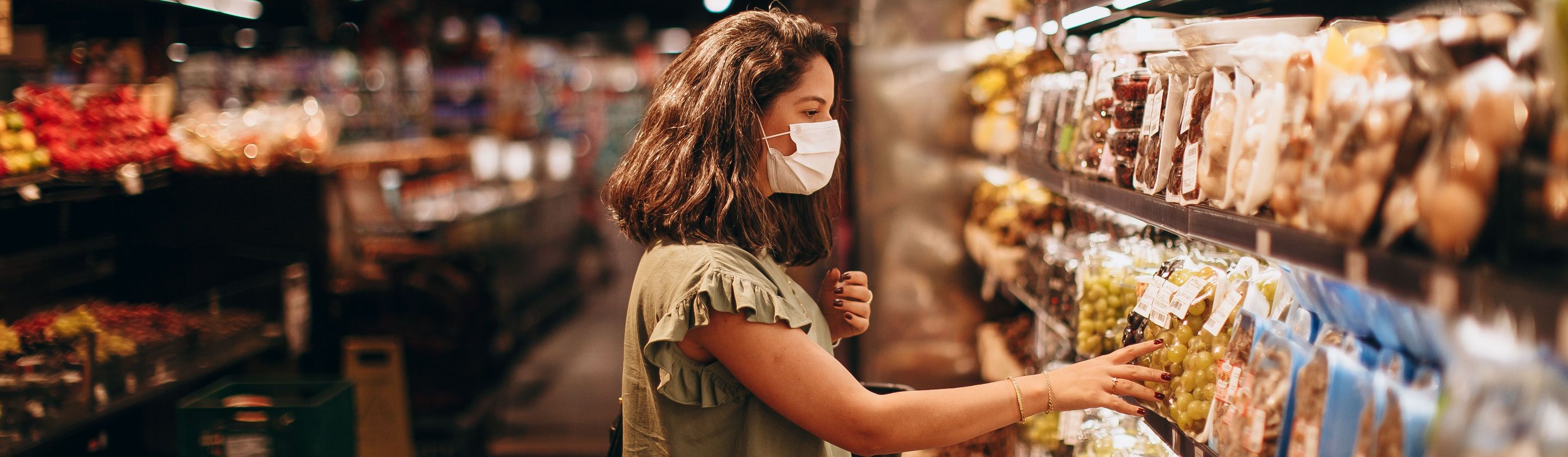
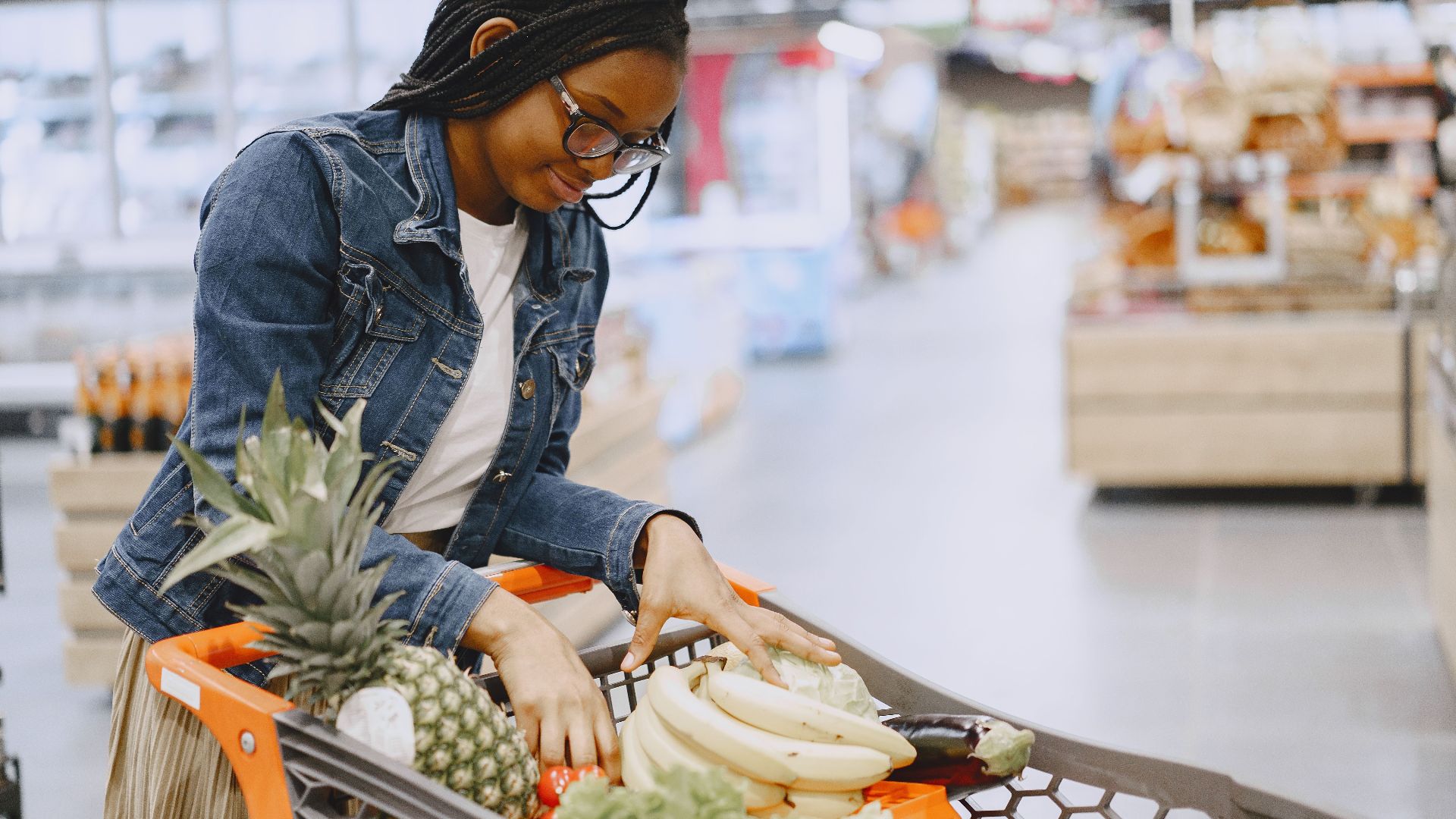
Walk into a Whole Foods and you are meant to feel something. The lighting is warm, the signage is handwritten in chalk, and the produce is arranged like it belongs in a still-life painting. Walk into a Costco and you are handed a flatbed cart and pointed toward a warehouse the size of an airplane hangar. Both stores are selling groceries to affluent Americans. Neither one will let you forget exactly which kind of affluent American they think you are.
The interesting thing is that the income overlap between these two customer bases is larger than the cultural gap suggests. The median household income of a Costco member reached approximately $128,000 by early 2025, roughly 60 percent above the U.S. median. Whole Foods skews similarly upmarket, drawing primarily from college-educated, upper-middle-class households in urban and suburban areas. On paper, these stores share a customer. In practice, they represent two entirely different relationships with money, status, and how people prefer to be seen spending both.
The Costco Shopper Has Made Peace With Being Practical
Costco built its identity around a very specific fantasy: that being smart with money is its own form of status. The membership fee, currently $65 a year for a basic household account, functions as a kind of cover charge for people who want access to bulk pricing on things ranging from olive oil to cashmere sweaters to gold bars, a product category Costco entered in earnest in 2023 and which reportedly sold out within hours. The implicit promise is that you are too savvy to pay retail. The warehouse aesthetic, the industrial shelving, the absence of any attempt at visual warmth, all of it reinforces the message that you are here for value, not atmosphere.
This is not the same as saying Costco shoppers are uninterested in quality. The Kirkland Signature private label, which covers everything from bourbon to diapers to hearing aids, has developed a genuine reputation for competing with premium brands at lower prices. Costco's members are not slumming it. They are performing a different kind of sophisticated consumerism, one that signals frugality as a virtue and treats excess markup as something only less savvy people pay.
The social signaling at Costco runs in a specific direction. Telling someone you bought a case of wine at Costco for $8 a bottle that tastes like a $30 bottle reads as a small triumph. The bulk purchase, the giant cart, the receipt that takes two hands to hold, none of that registers as embarrassing. If anything, it carries a kind of pride. The Costco shopper has decided that playing the game of premium retail is optional, and they want you to know it.
The Whole Foods Shopper Is Buying a Version of Themselves
Whole Foods has operated for decades on the premise that where you shop is an expression of your values, and it has charged accordingly. Before its acquisition by Amazon in 2017 for $13.7 billion, the chain had been nicknamed Whole Paycheck so widely that mainstream publications used the phrase without explanation. According to a Business Insider analysis, Whole Foods is about 15% more expensive than conventional supermarkets like Kroger, Wegmans, and Safeway, and about 19% more expensive than specialty grocers including Trader Joe's and Sprouts Farmers Market.
Shopping at Whole Foods signals a particular set of commitments: to organic produce, to sustainably sourced protein, to an ambient sense of environmental and ethical consciousness. Whether or not those commitments are delivered in practice is a separate question, and critics have raised valid ones about greenwashing and inflated claims over the years. What matters to the sociology of the thing is that the commitment exists as a performance. The store's design, its language, its emphasis on origin stories for products, all of it is built to make the act of grocery shopping feel morally coherent in a way that a trip to Costco simply does not try to be.
What Whole Foods is actually selling, beyond the arugula and the $6 water kefir, is an identity. The sociologist Pierre Bourdieu would have recognized this immediately: the store converts economic capital into cultural capital by framing spending as discernment. The Whole Foods shopper is not just buying food. They are announcing something about the kind of person they are, or aspire to be, every time they tap their card at the register.
The Class Tension Neither Store Will Name Out Loud
The divide between these two stores is not really about money. It is about how money is performed. Costco shoppers tend to read as aspirationally middle-class even when their household incomes sit well above average, because the Costco experience is deliberately stripped of any aesthetic pretension. The experience is engineered to feel accessible, communal, and vaguely antiestablishment, a sentiment that plays particularly well in an era of vocal skepticism about premium pricing.
Whole Foods shoppers, by contrast, tend to perform a version of upper-middle-class taste that is heavily coded by education, urban geography, and a specific kind of progressive self-presentation. The store's customer base has always skewed toward people with graduate degrees in coastal cities, a demographic that is statistically wealthy but often resistant to identifying as such. Organic groceries allow for conspicuous consumption with a conscience attached, which is a more comfortable posture than simply buying the most expensive version of a thing.
What neither store acknowledges, and what makes the comparison genuinely uncomfortable, is that both models are class acts in the theatrical sense. Costco performs the rejection of luxury while catering almost exclusively to households with the financial cushion to buy in massive quantities and store it all somewhere. Whole Foods sells the language of accessibility and community while pricing out the majority of American households from ever shopping there regularly. The fluorescent lights and the warm chalk signs are costumes. What is underneath them is largely the same.
KEEP ON READING
The 5 Most Consumed Foods in the Entire World