Rare, Expensive, and Upper Class
Luxury food has never been just about how something tastes. A lot of the world’s most expensive foods come with a story: they’re hard to grow, slow to make, carefully graded, or tied to traditions that have existed for generations. While some of these foods offer nutritional benefits, they’re more often prized for taste than anything else. A spoonful of caviar or a little shaving of truffle feels special because it’s limited, intense, and not the kind of thing most people have access to. These 20 foods have earned their reputation through rarity, price, and a long connection to wealth.
1. Caviar
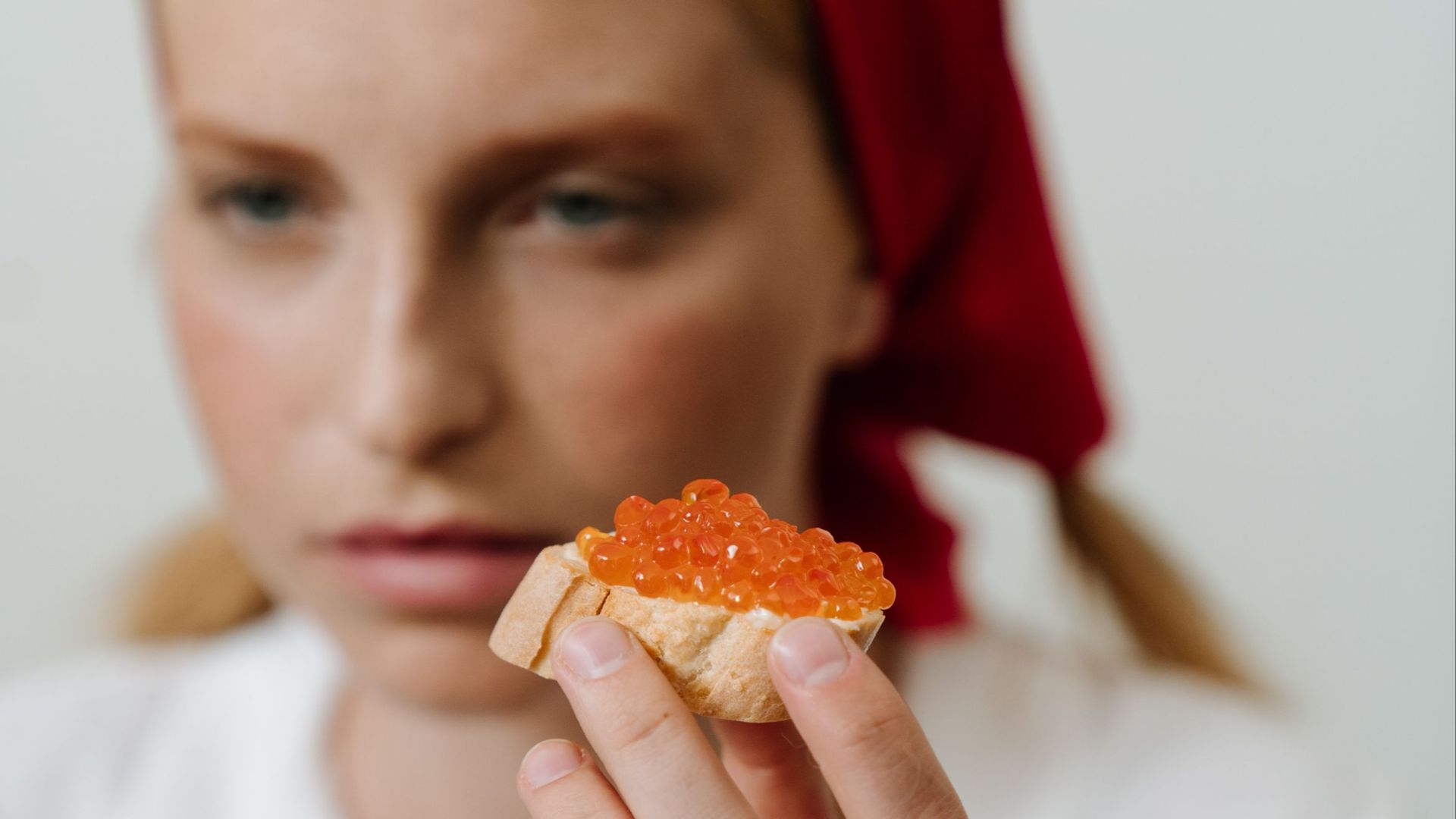
Caviar has been linked with luxury for generations. True caviar is salted sturgeon roe, and its price is shaped by rarity, careful handling, and the long life cycle of the fish. It can provide omega-3 fats and vitamin B12, though it’s also salty and rich enough to make a small serving feel filling.
2. White Alba Truffles
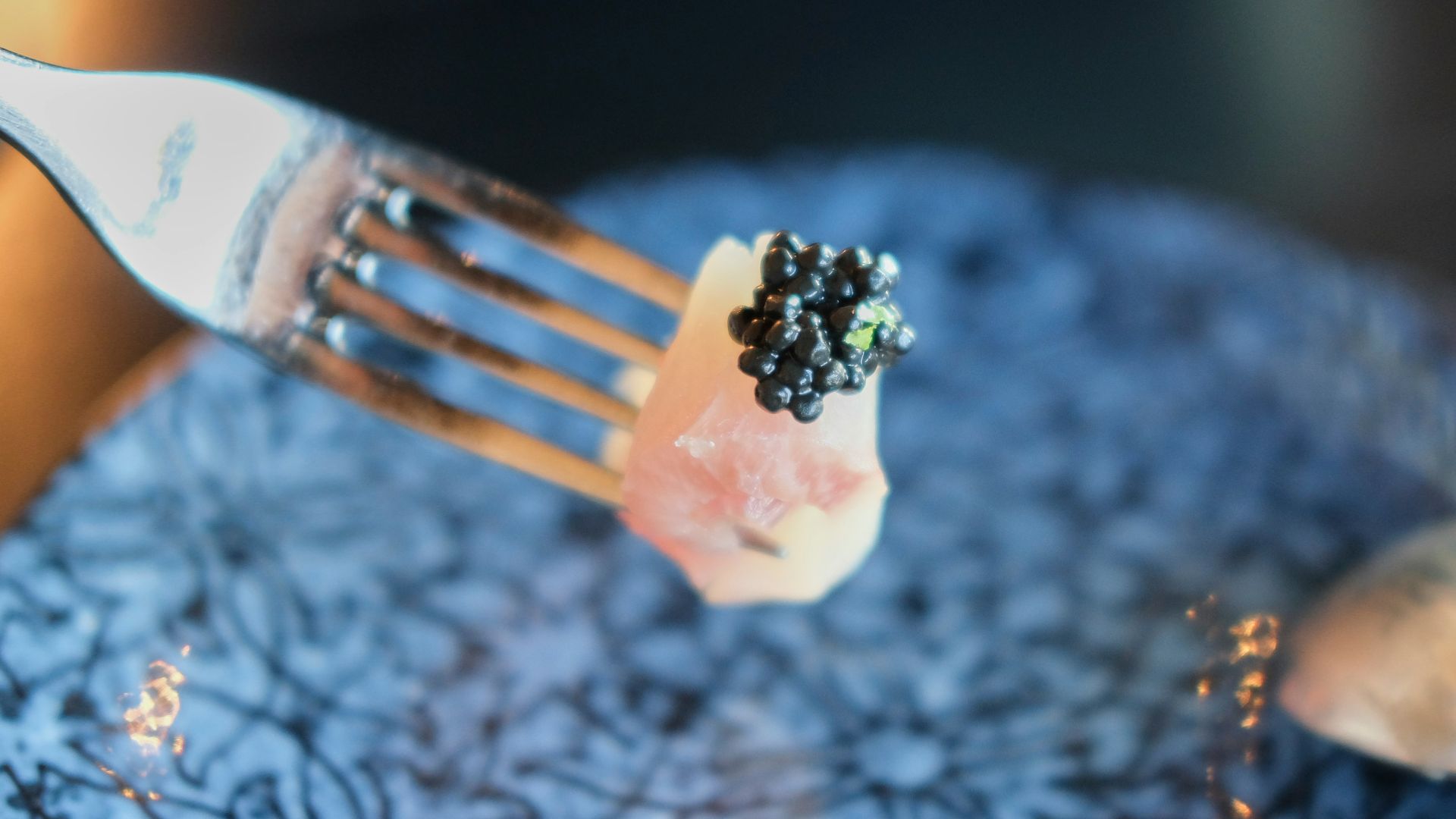
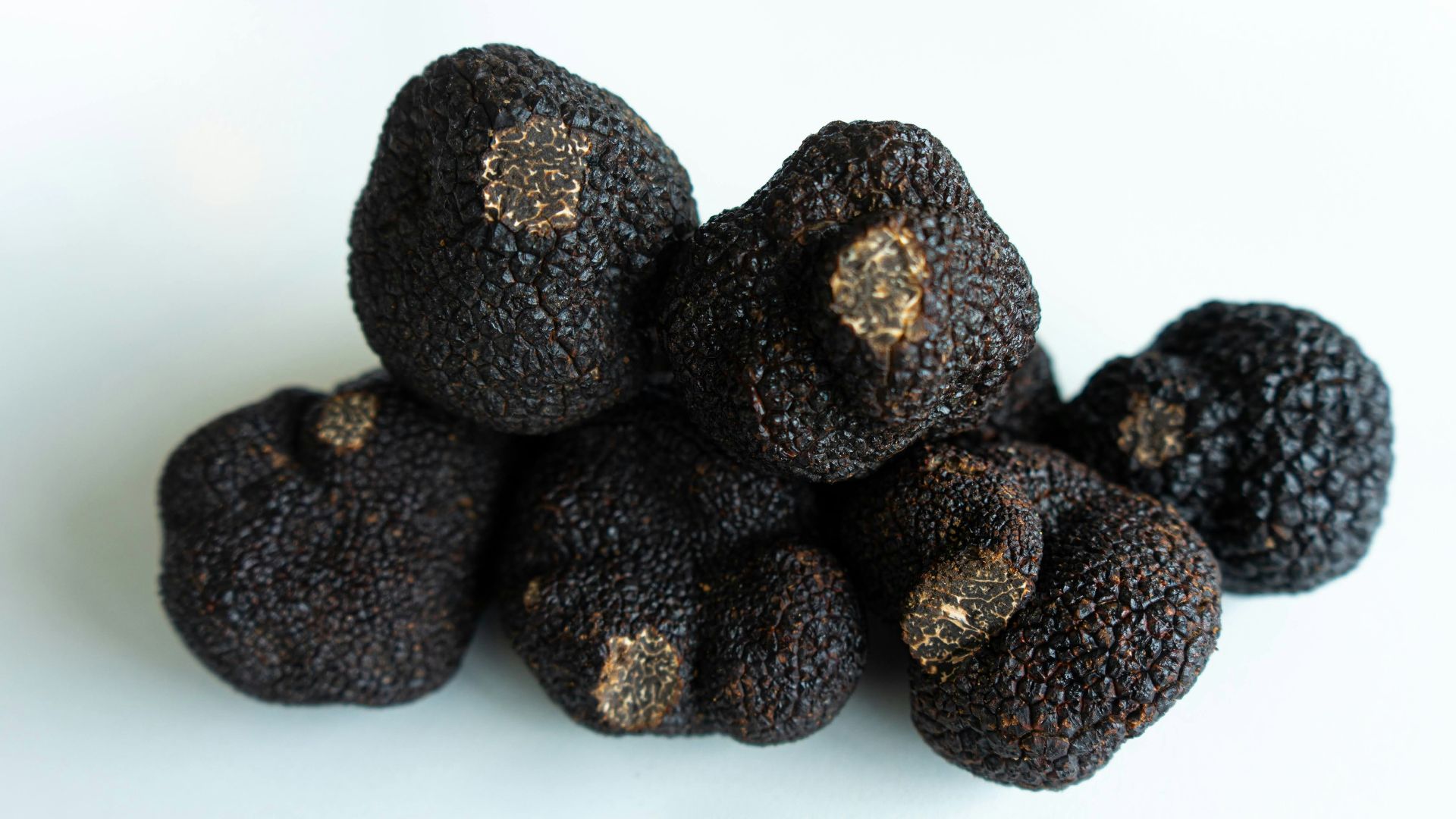
White Alba truffles are prized for their strong aroma, short season, and wild, hard-to-control growing habits. Since they’re still difficult to cultivate reliably, trained hunters look for them during a narrow seasonal window, and the best pieces can sell for very high prices. They’re usually shaved over simple dishes like eggs, pasta, or risotto.
3. Kobe Beef
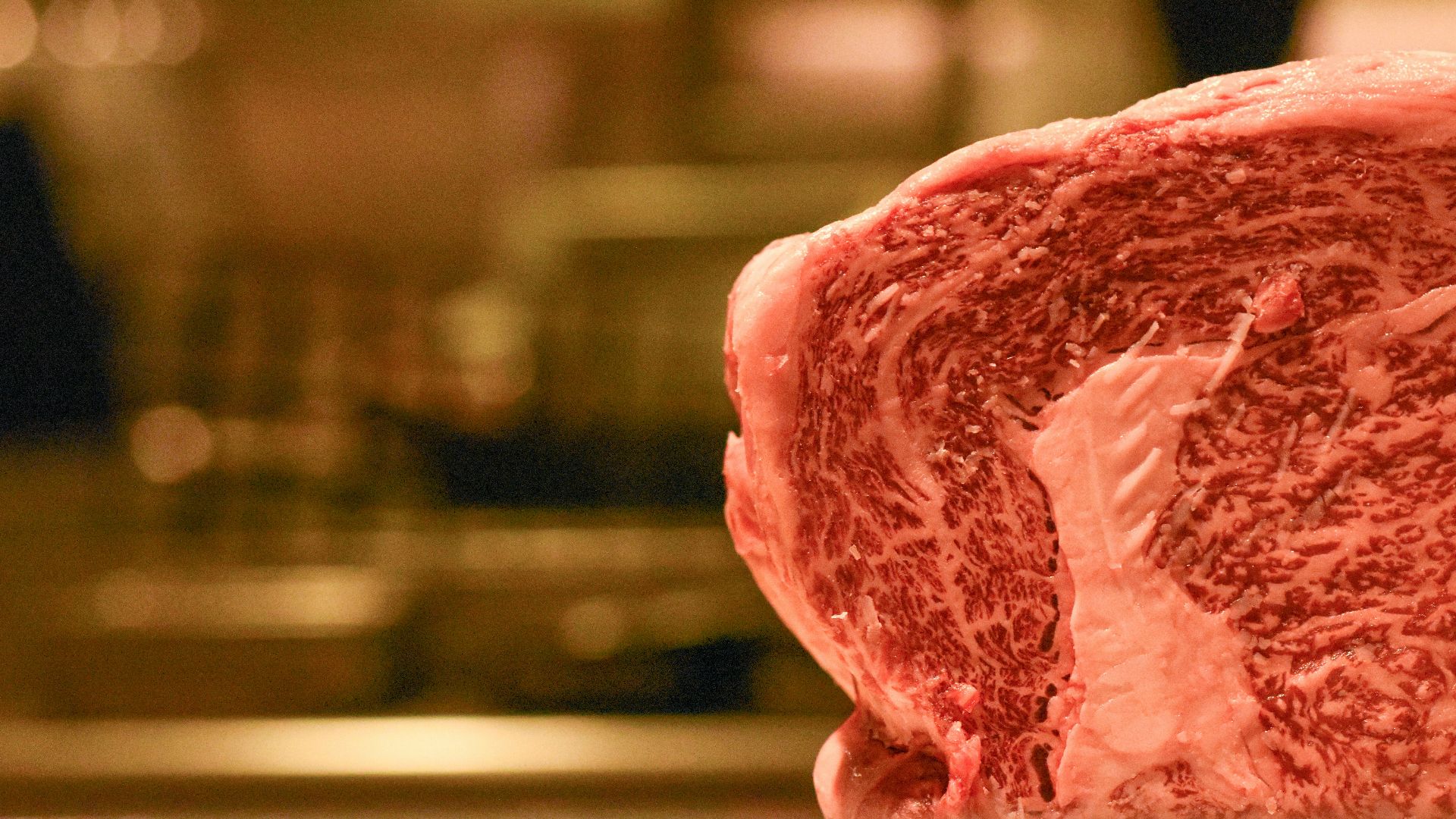
Kobe beef gets misused as a label for a fancier type of steak, but in reality, it’s so much more than that. Authentic Kobe comes from certain Japanese cattle, known as Tajima-gyu, and has to meet strict quality standards. It’s known for its rich marbling and buttery texture.
4. Saffron
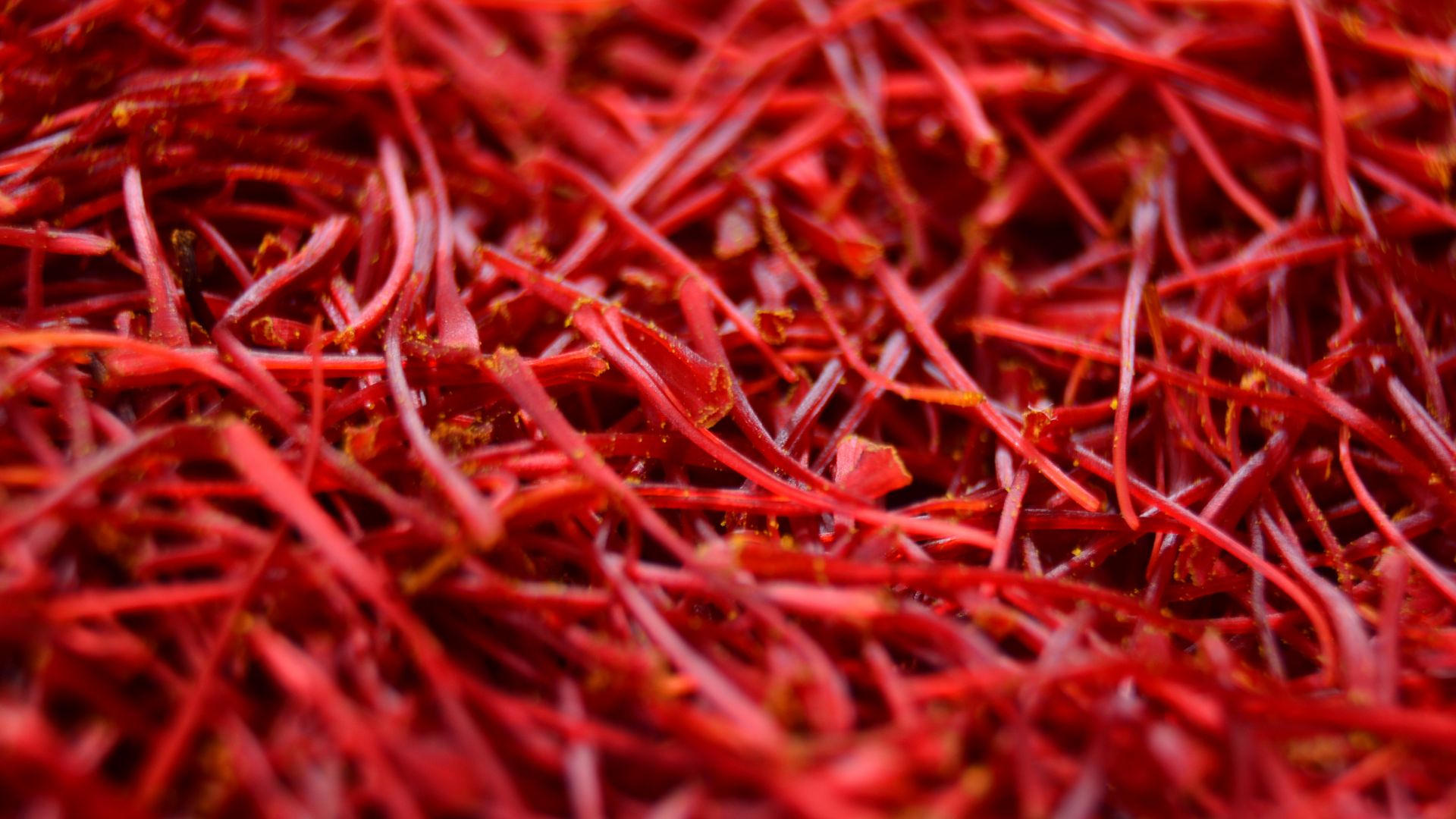
Saffron may not seem like an expensive food item, but the labor alone is enough to hike the cost of this high-class spice. Saffron comes from the delicate stigmas of crocus flowers, and each thread has to be harvested with care. Its golden color and floral, earthy flavor elevate rice dishes, stews, and sauces.
5. Jamón Ibérico de Bellota
Jamón Ibérico de Bellota is cured ham that comes from free-roaming pigs. The most prized versions come from Iberian pigs that forage on acorns, which helps give the meat its nutty flavor and silky texture. It’s deeply savory and made to be sliced quite thin.
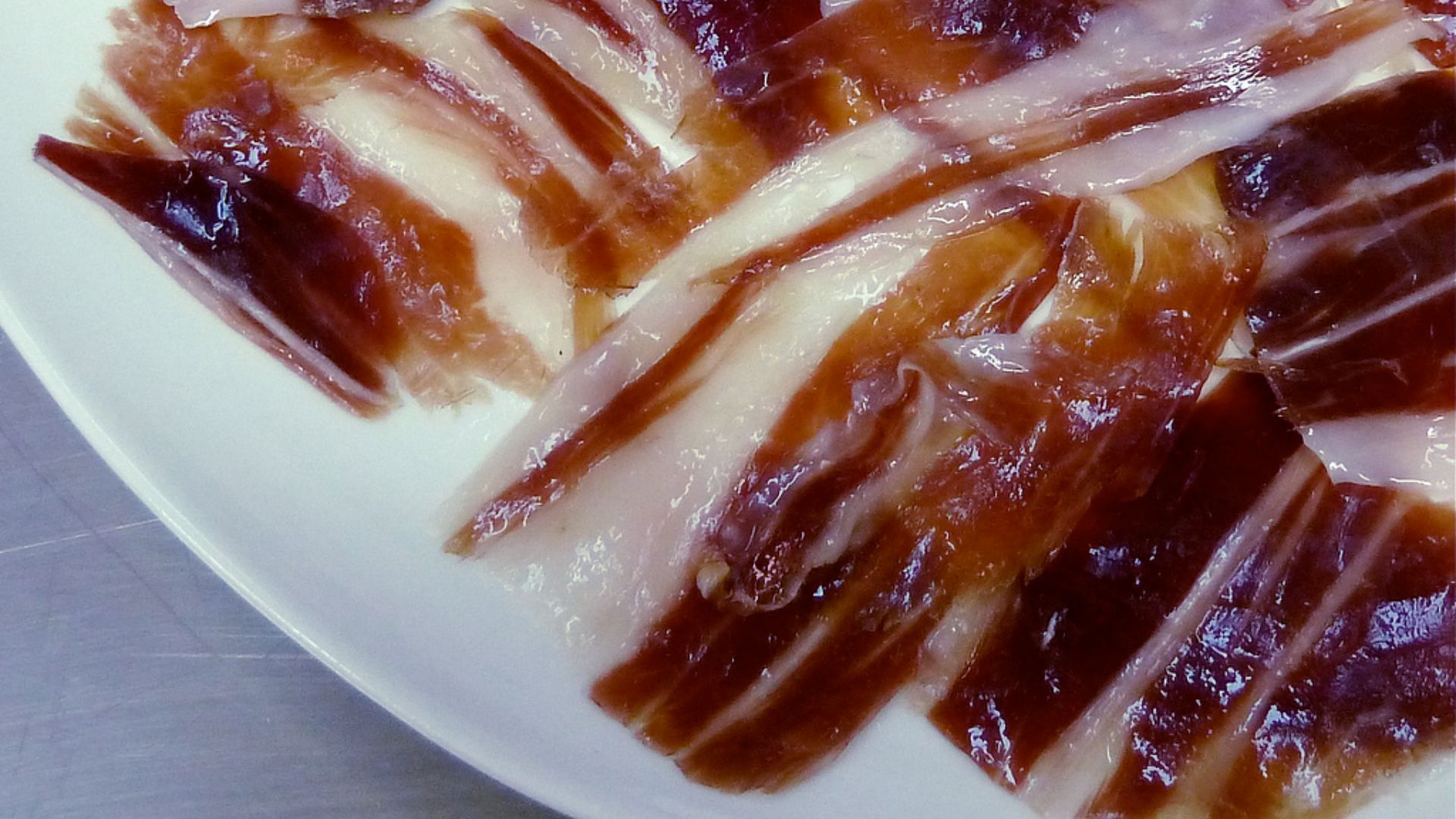 La Cesta Bar Restaurante from Madrid, ES on Wikimedia
6. Bluefin Tuna Belly
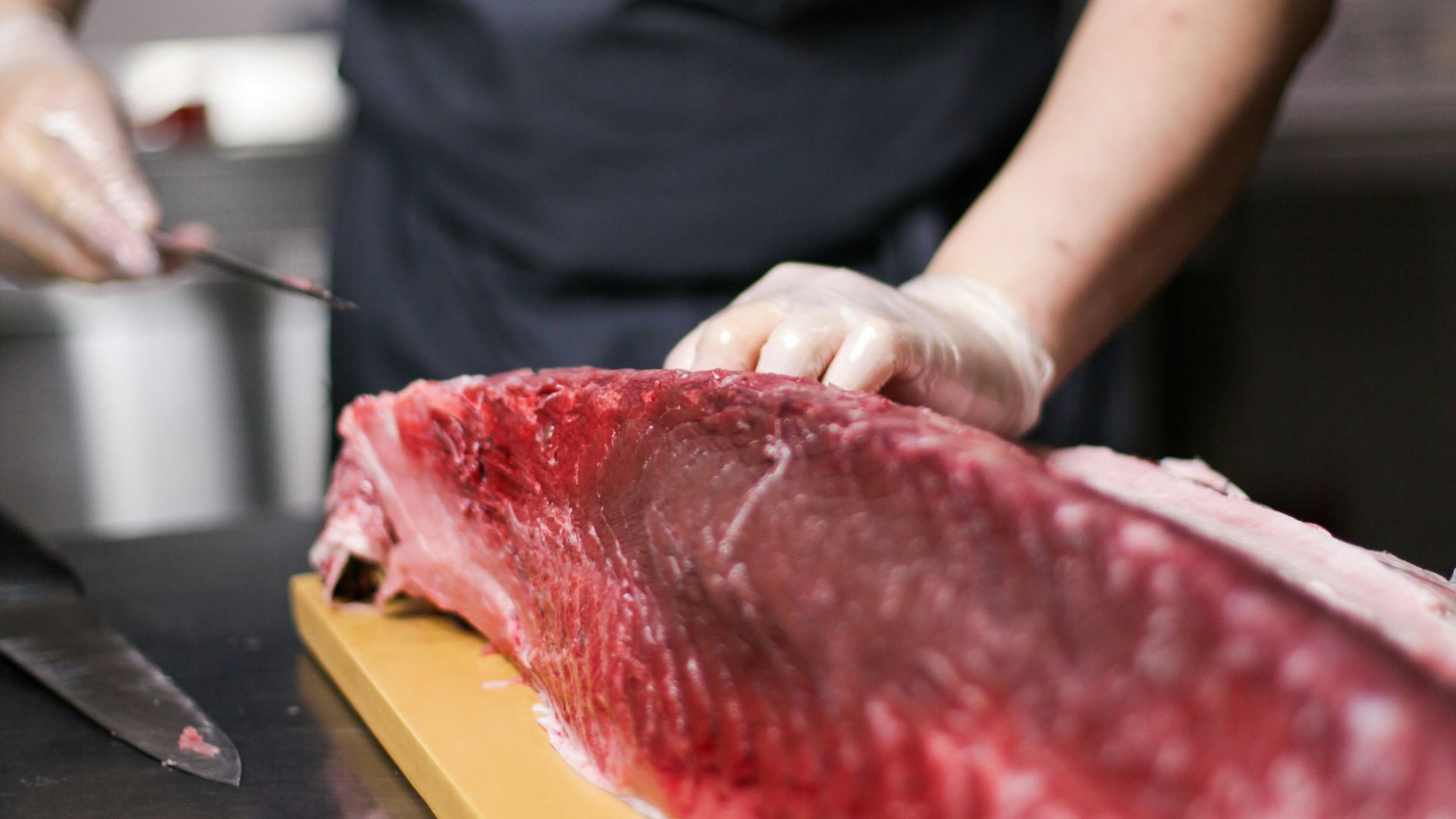
Bluefin tuna belly, especially the fattier cuts used in sushi, is prized for its soft texture and clean richness. The best pieces can feel almost buttery, which is why they’re handled so carefully at high-end sushi counters.
7. Bird’s Nest Soup
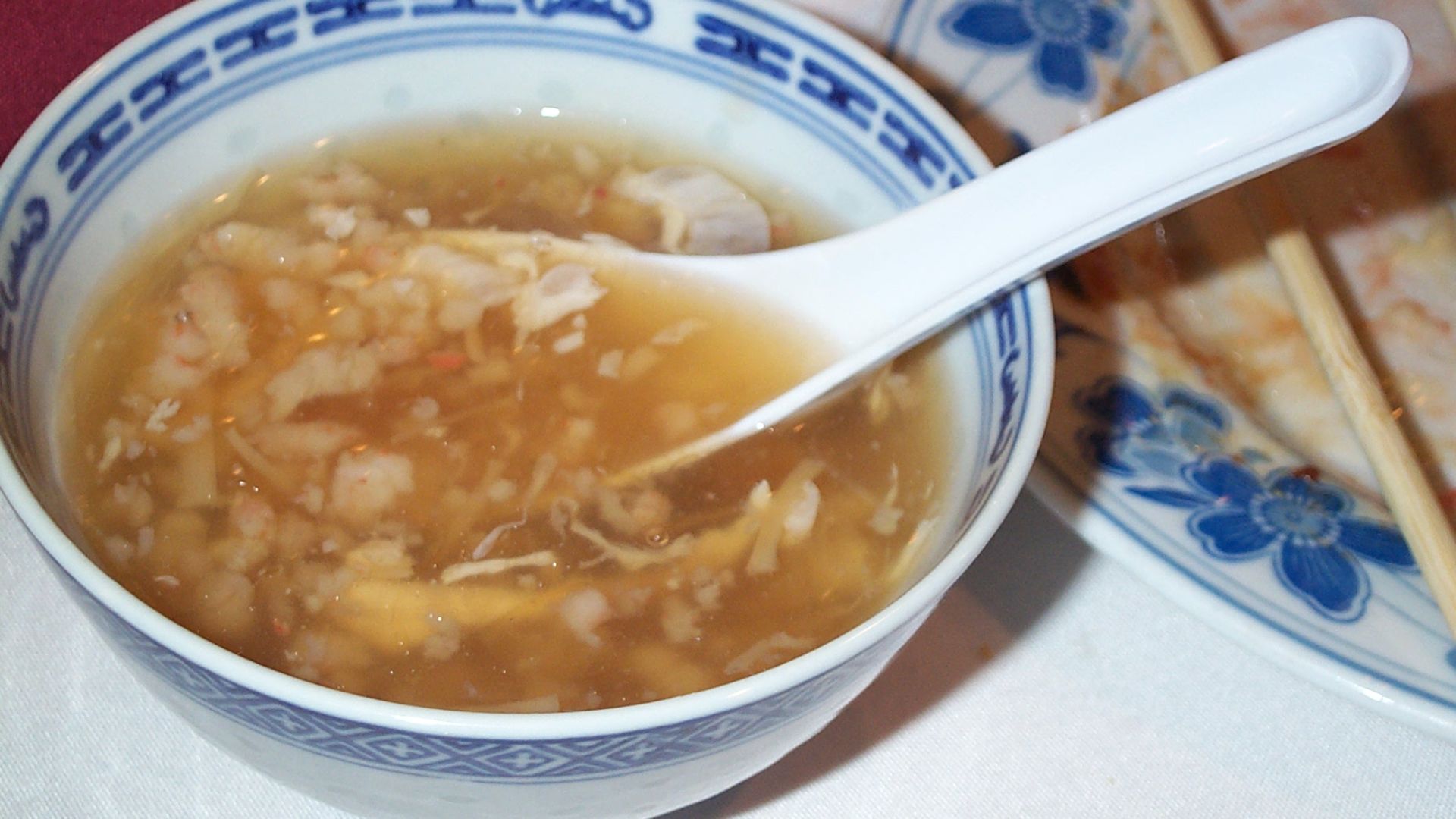
Bird’s nest soup is made from edible swiftlet nests, which are formed largely from hardened saliva. The idea may sound unusual at first, but the ingredient has been valued for centuries for its delicate texture and luxury status.
8. Foie Gras
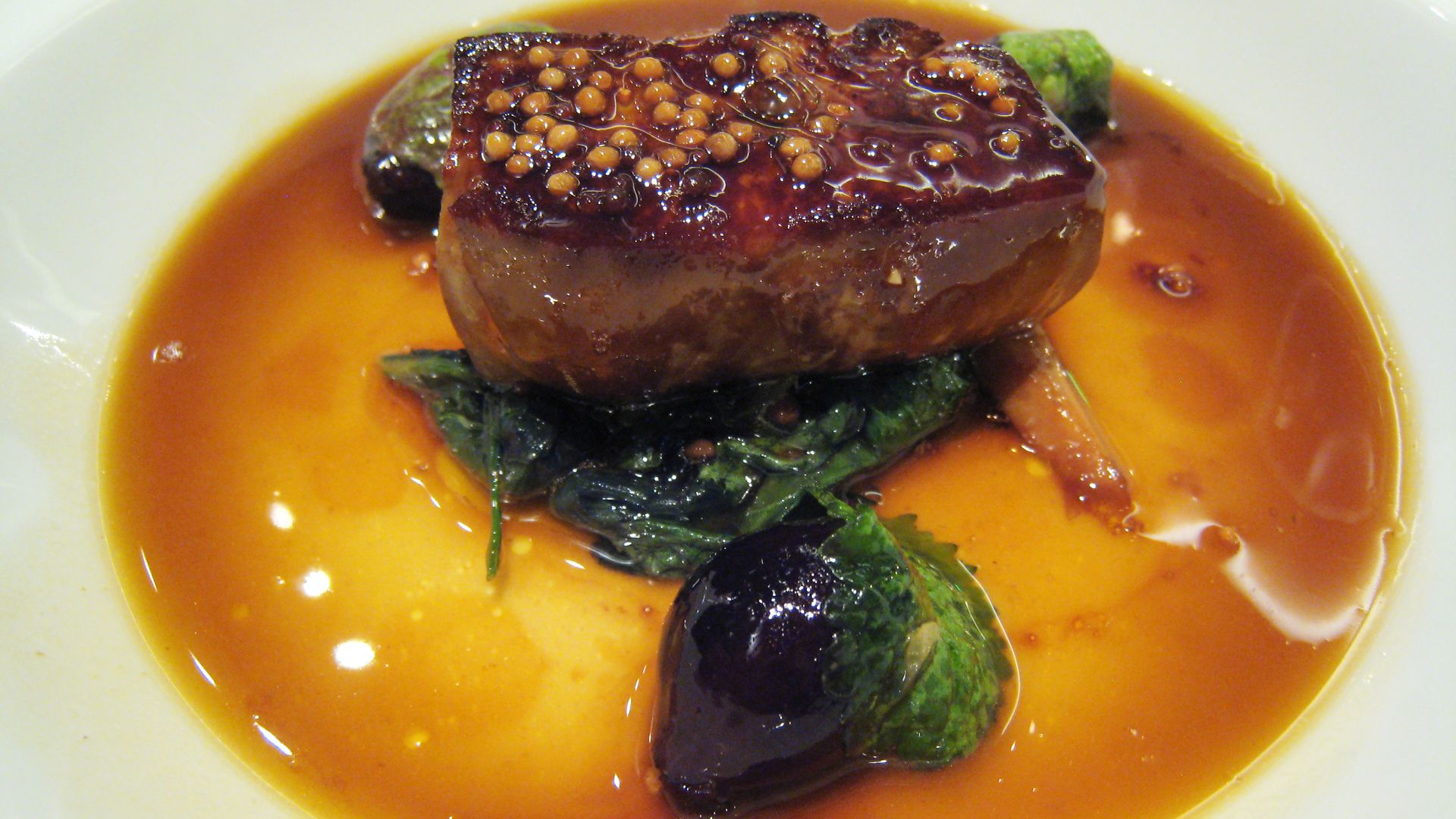
Foie gras has long been tied to fine dining, especially in French cooking. It’s made from the fattened liver of a duck or goose and is known for its smooth texture and deep richness.
 Charles Haynes from Bangalore, India on Wikimedia
9. Matsutake Mushrooms
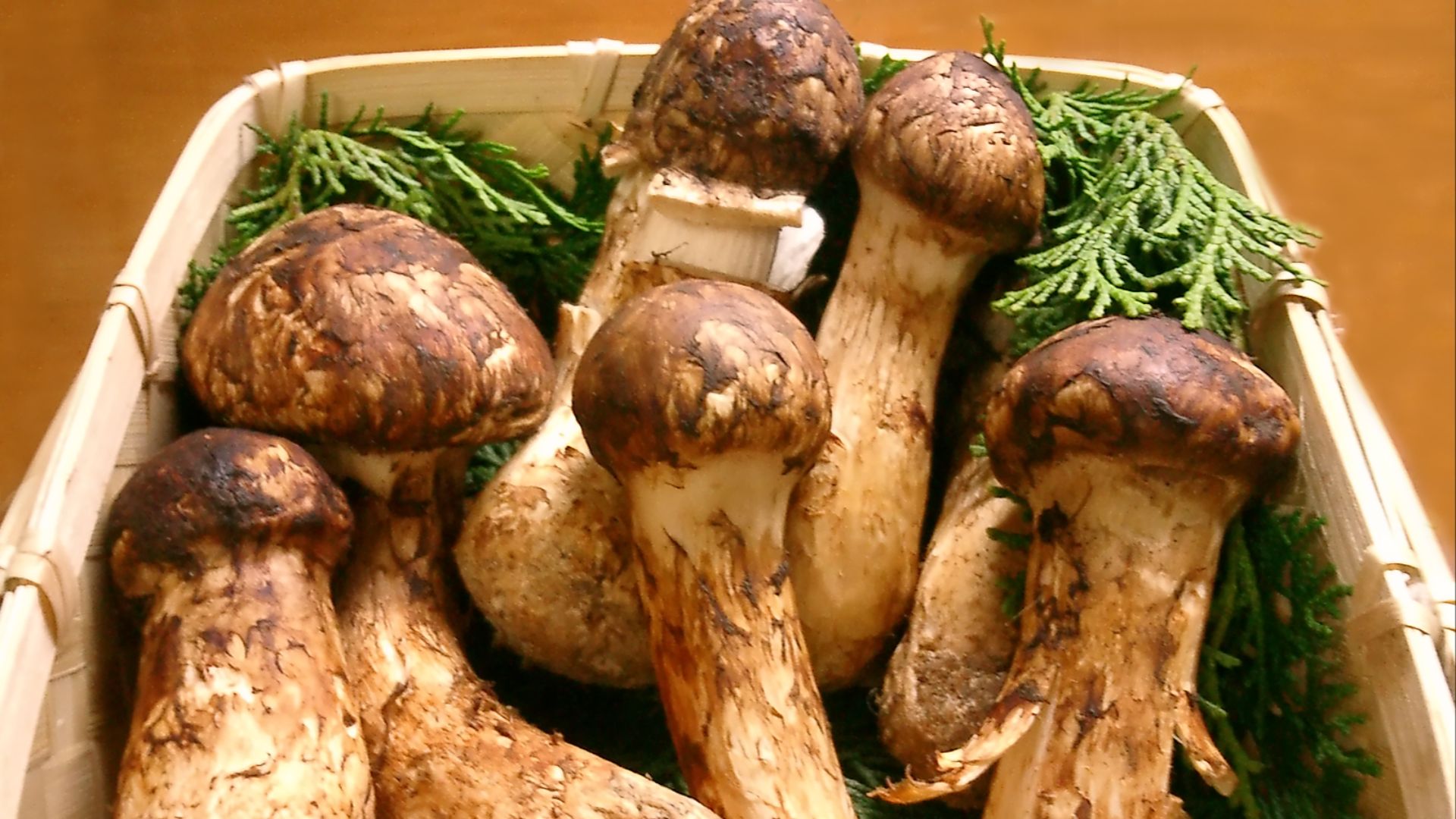
Matsutake mushrooms aren’t flashy, but their spicy, woodsy aroma makes them highly prized. They’re difficult to cultivate, and strongly associated with Japanese autumnal cooking.
10. Yubari King Melon
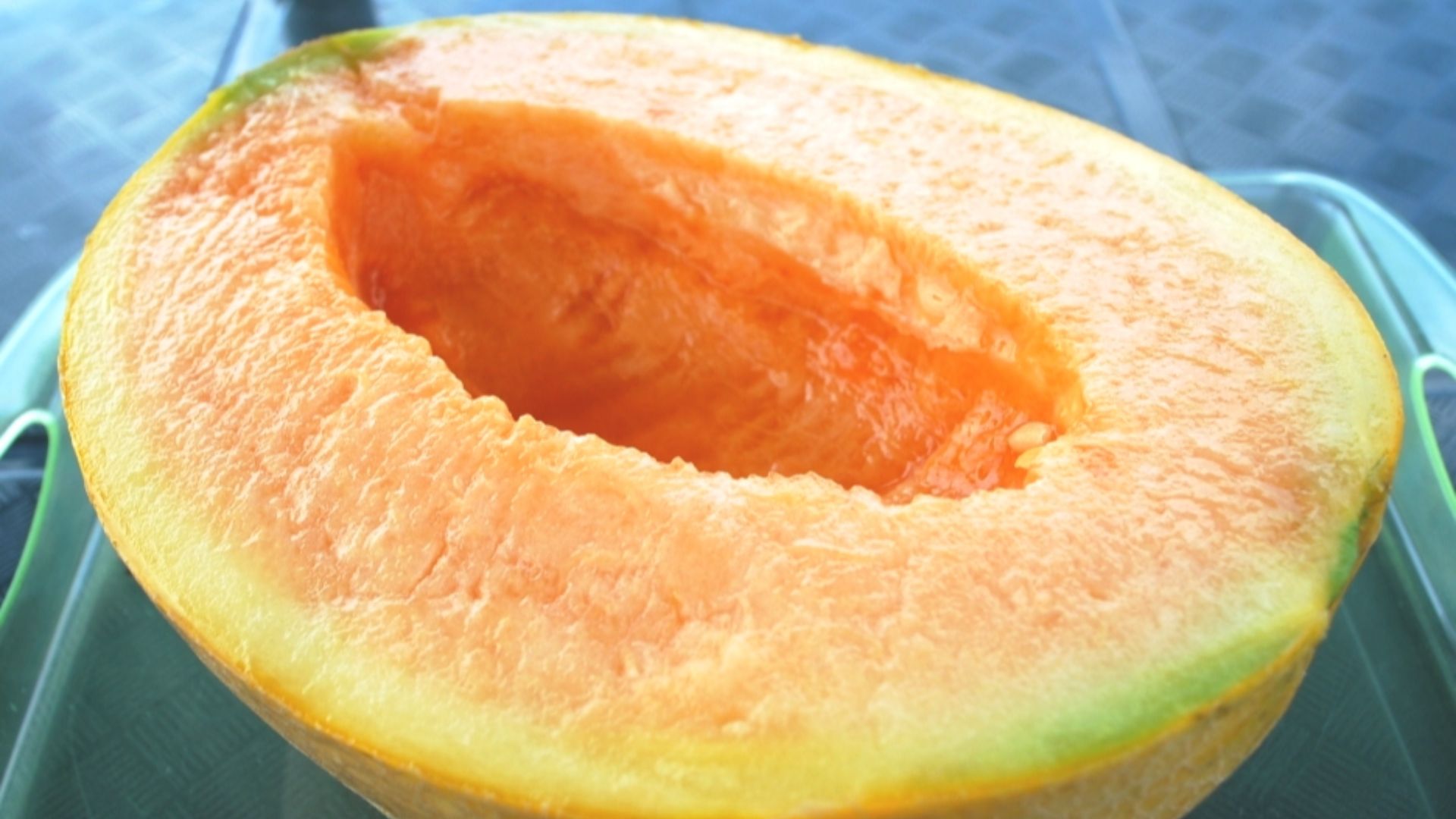
Yubari King melons are the prime example of how even fruit can become a luxury item. These Japanese melons are known for their sweetness, fragrance, orange flesh, and carefully judged appearance. They’re often given as gifts, and known as the highest-quality gift you can give someone in Japan.
11. Ruby Roman Grapes
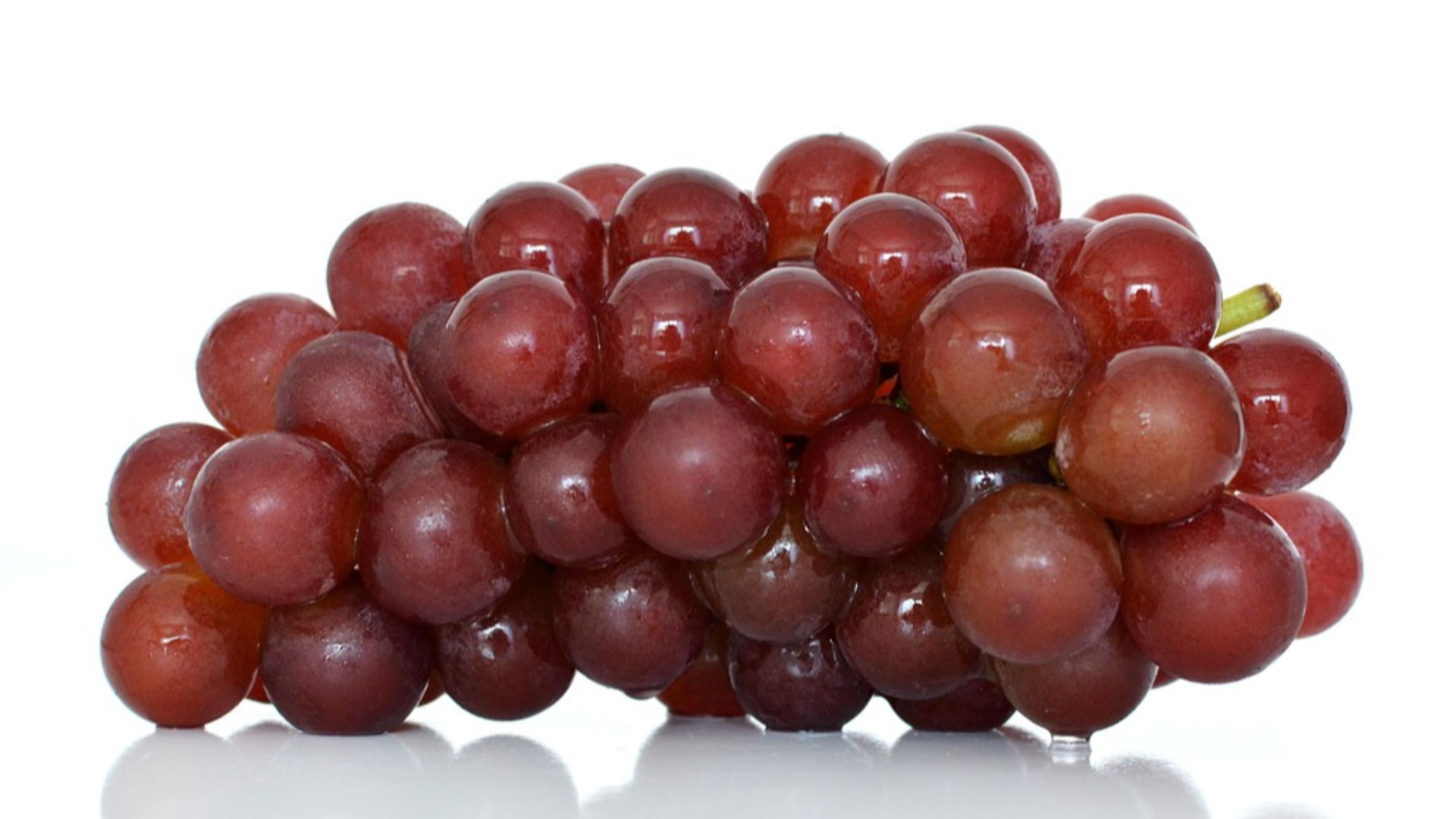
Ruby Roman grapes are large, glossy, and almost too perfect-looking. They’re grown to meet strict standards for size, color, and sweetness, which helps explain their high-end reputation. They’re still grapes, of course, but the best bunches are treated as premium gifts.
12. Densuke Watermelon
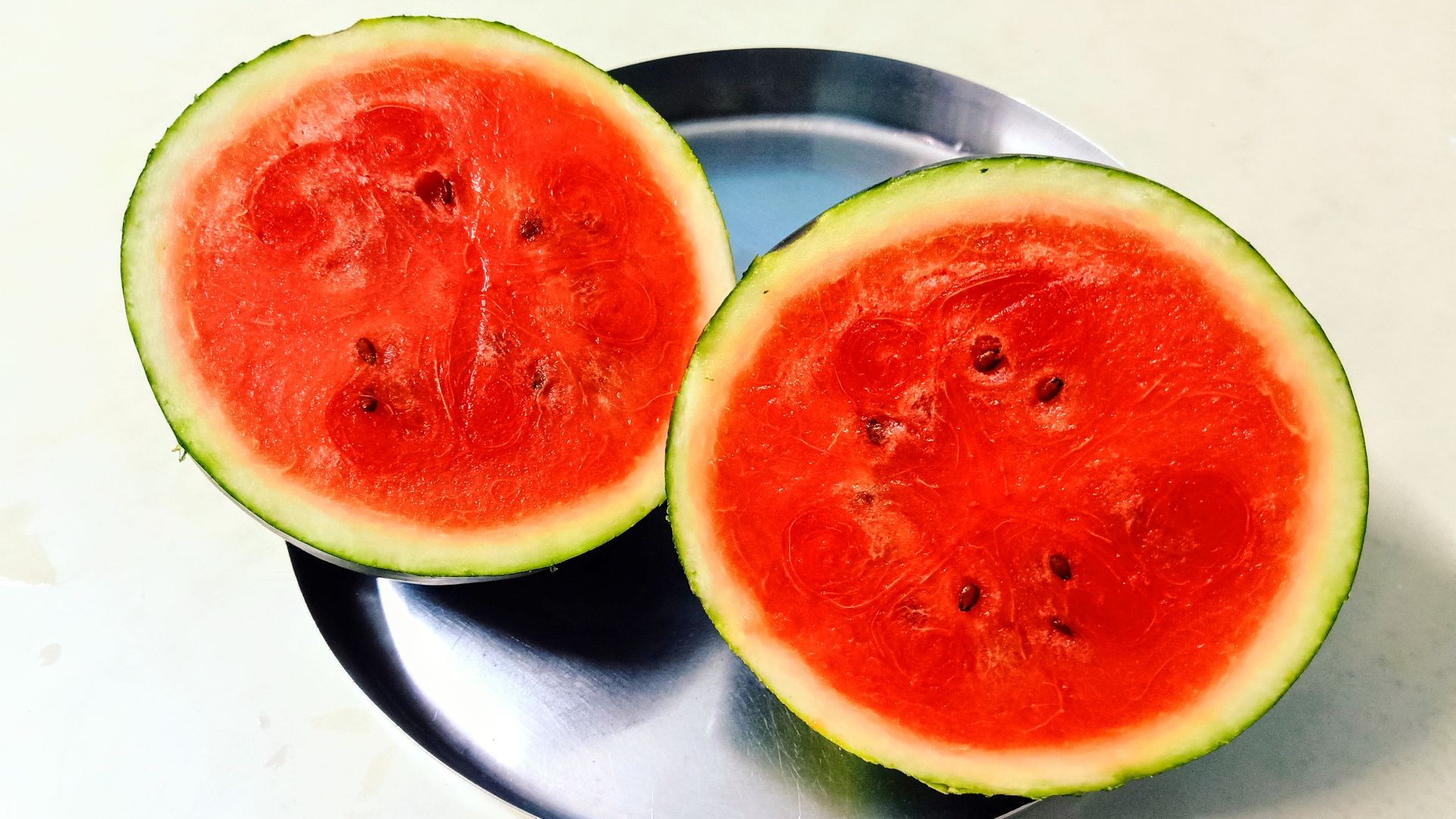
Densuke watermelon stands out right away because of its smooth, dark rind. Grown in limited quantities on Japan’s northern island of Hokkaido, it’s known for crisp red flesh and sweet taste. Less than 1,000 of these melons are grown each year.
13. Pule Cheese
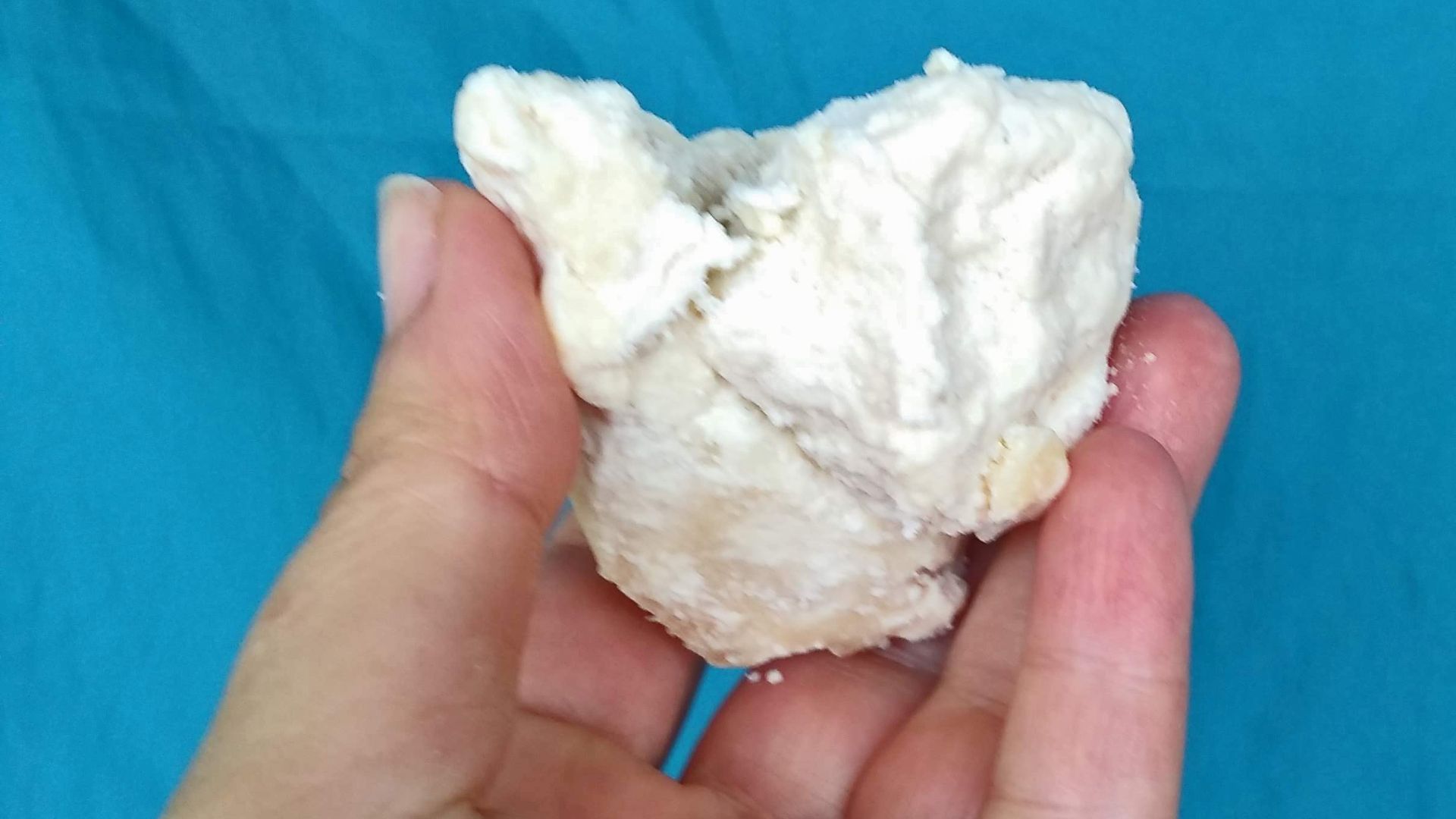
Pule cheese is a rare Serbian cheese that’s made with donkey and goat's milk. Donkeys produce far less milk than cows, and the process is small-scale, slow, and labor-heavy. That limited supply gives pule its reputation as one of the world’s most unusual luxury cheeses.
14. Abalone
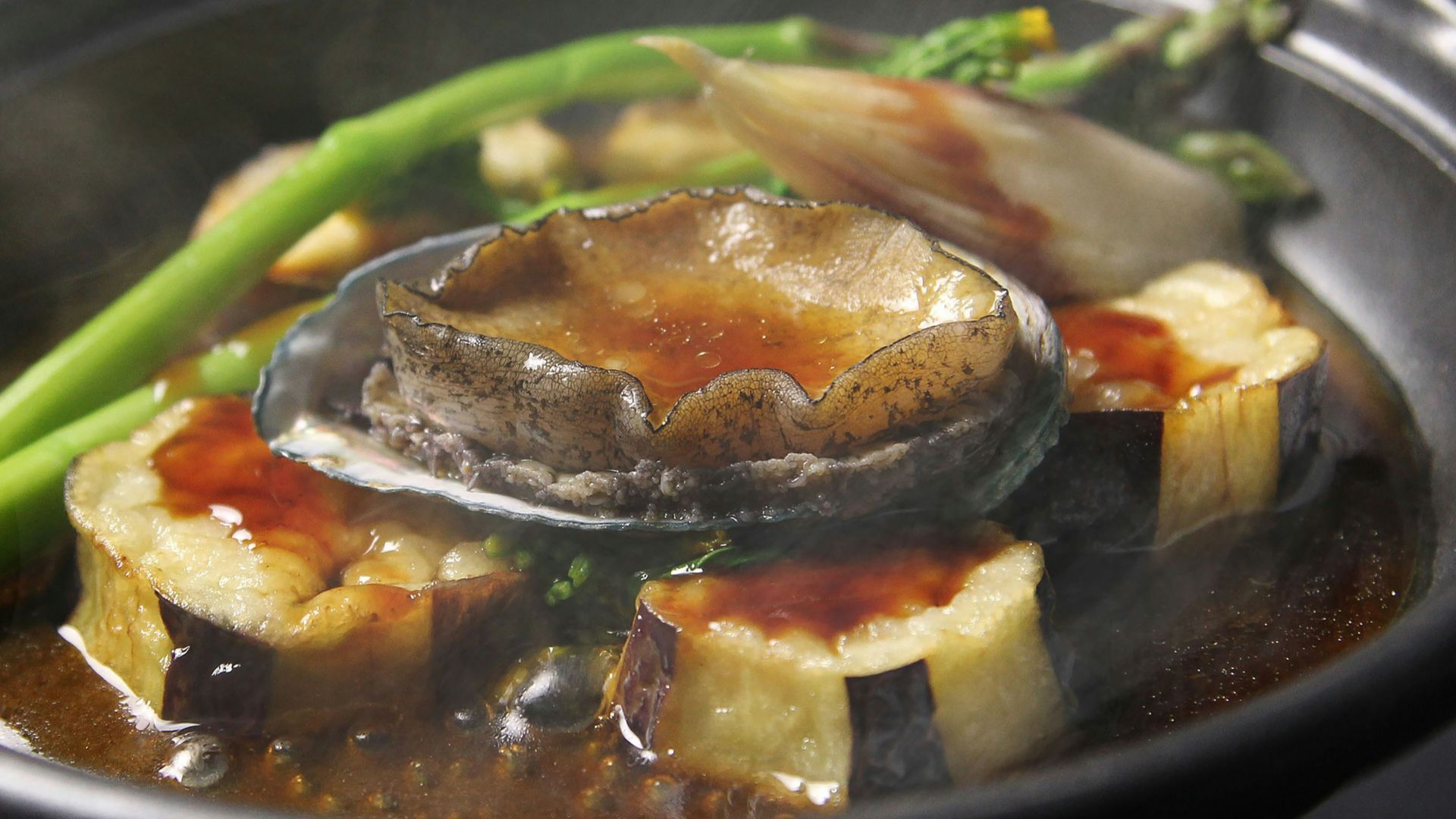
Abalone is a premium seafood with a firm, slightly chewy texture and a long history in luxury cooking. It can be served fresh, dried, canned, or slowly braised, depending on the dish and tradition.
15. Sea Cucumber
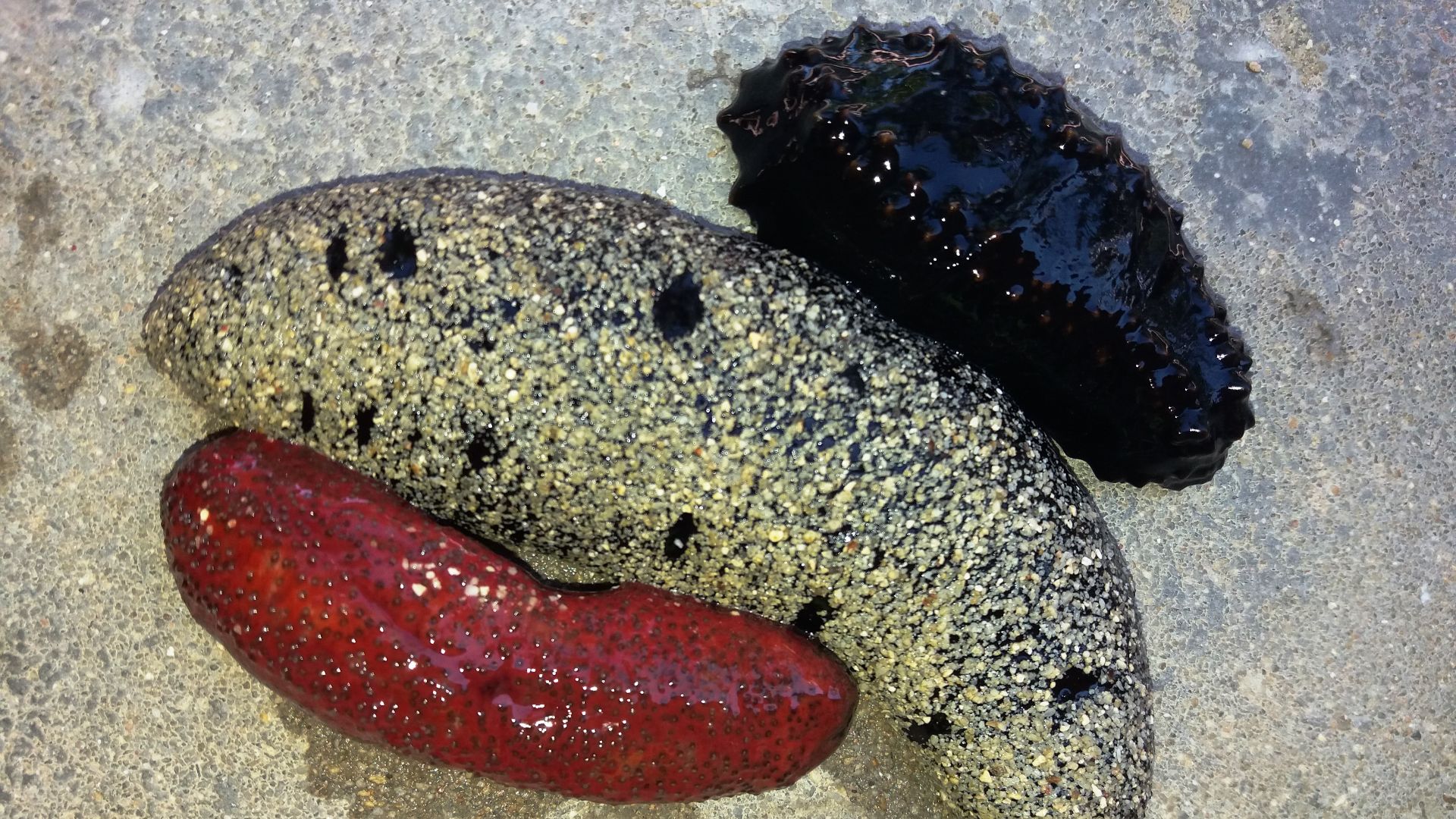
Sea cucumber may not look glamorous, but dried sea cucumber is a prized banquet ingredient. Its appeal is mostly about texture, since it becomes silky and gelatinous, and its porous skin soaks up whatever sauces accompany it.
 Chamberlain of Nilai on Wikimedia
16. Uni
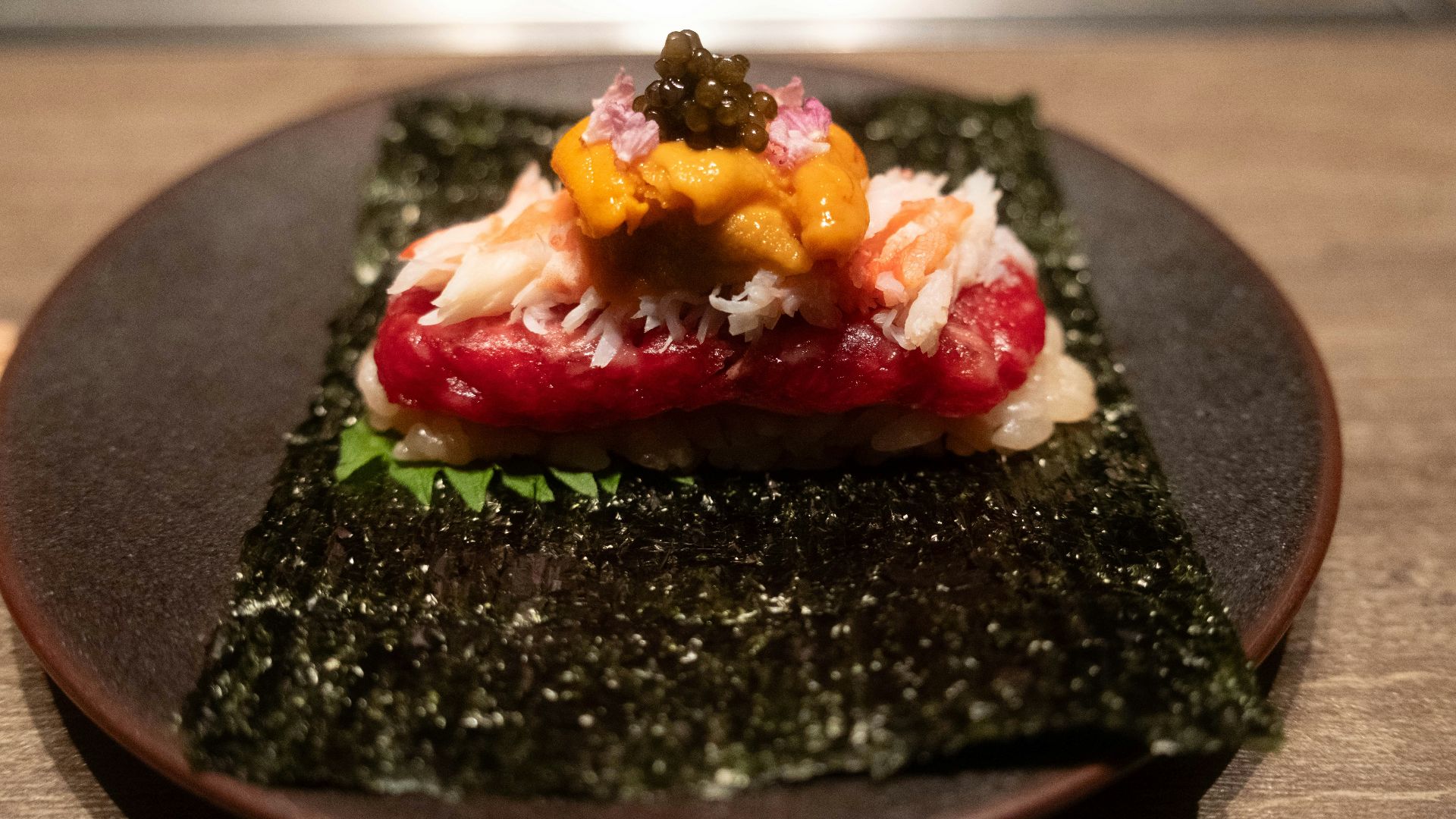
Uni is often called sea urchin roe, though it’s more accurately known as the edible reproductive organ of the sea urchin. At its best, it tastes briny, sweet, creamy, and delicate, which is why it shows up at high-end sushi bars.
17. Angulas
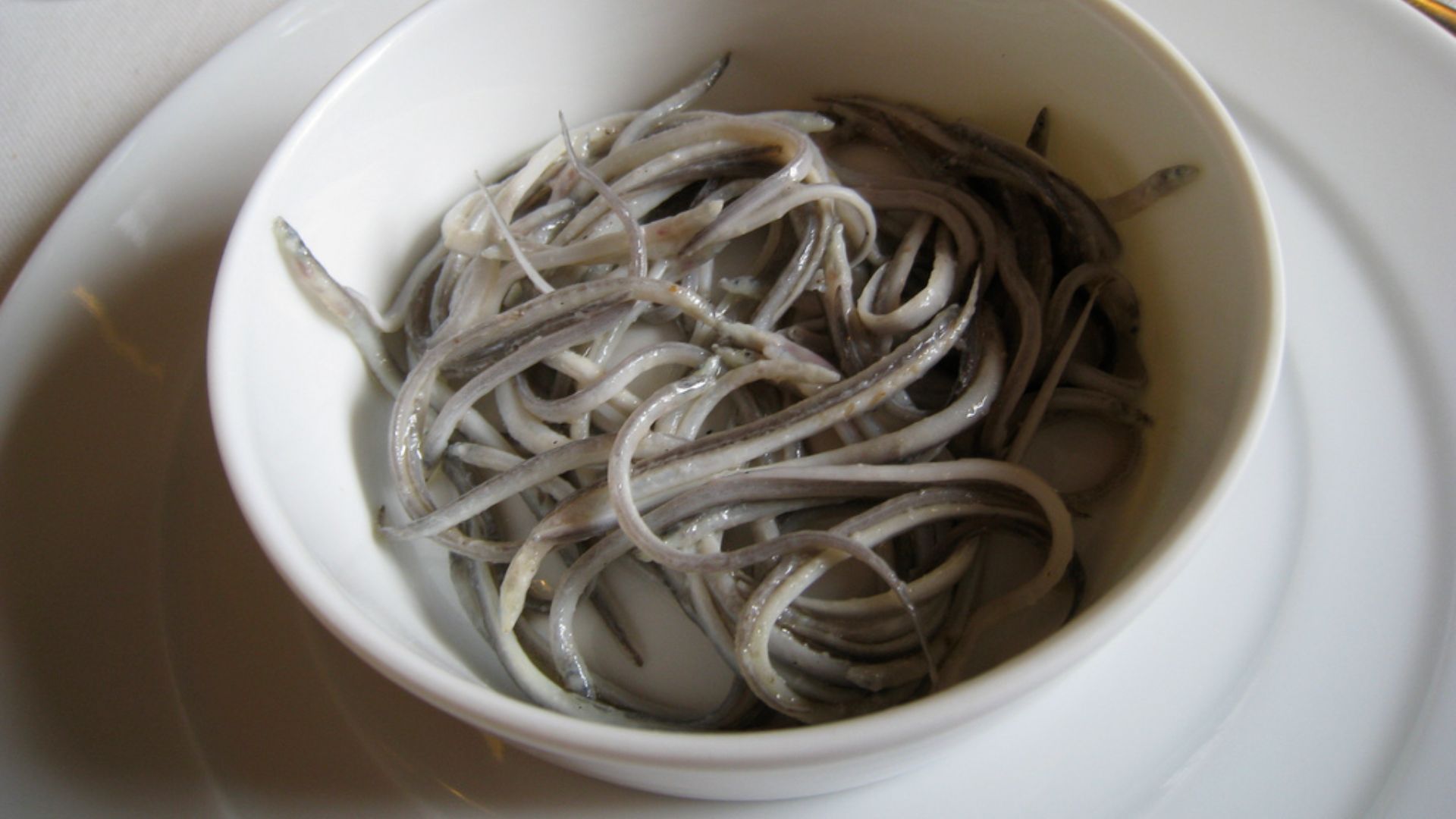
Angulas are baby eels traditionally cooked with olive oil, garlic, and chili. They were once considered an everyday food, but limited supply and high demand pushed them into luxury territory. Since eel populations are constantly at risk of extinction, many diners now choose imitation versions that resemble them.
18. Traditional Balsamic Vinegar
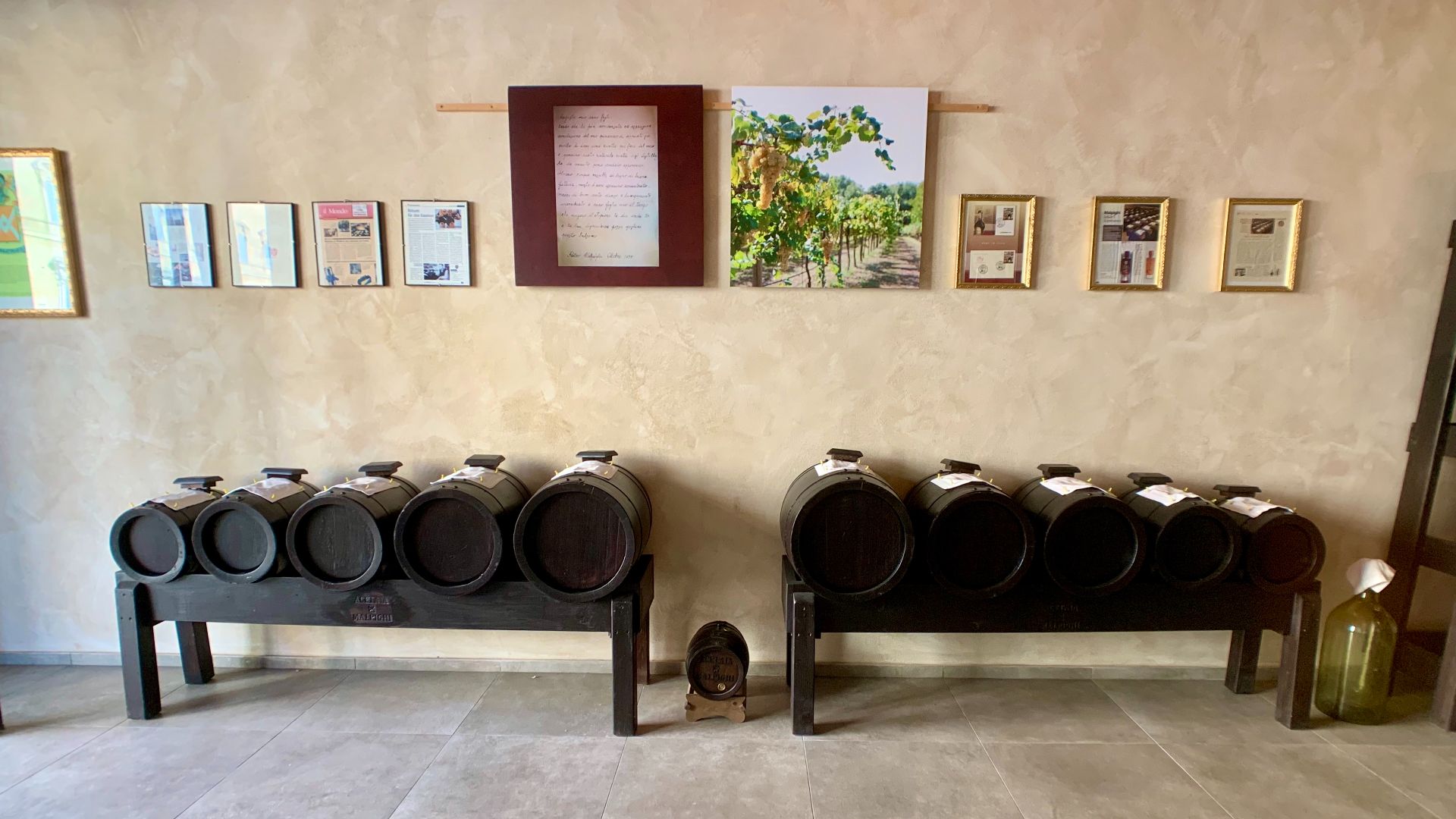
Traditional balsamic vinegar is a slow-made ingredient that can spend many years aging in wooden barrels. Over time, it becomes thick, glossy, sweet, tangy, and strong enough to use by the drop. A little can make cheese, strawberries, roasted meat, or even vanilla gelato feel much more expensive.
19. Kopi Luwak Coffee
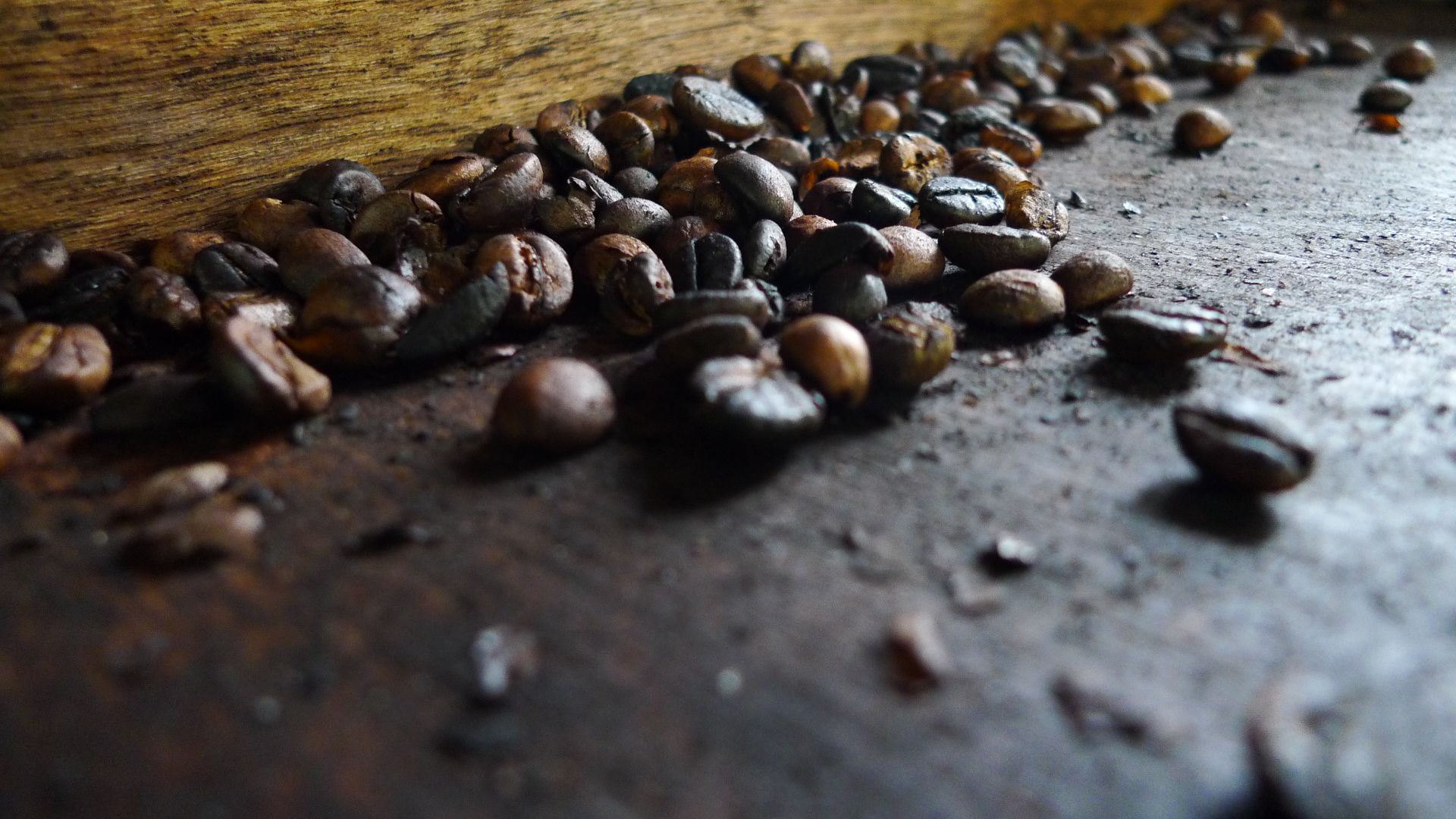
Kopi luwak coffee became famous because of its unusual production process. It involves collecting digested coffee cherries left behind by the Asian palm civet. The beans are collected, cleaned, processed, and roasted, which gives the coffee its novelty and high-end reputation.
20. Edible Gold Leaf
Edible gold leaf is luxury in its most literal form. It doesn’t add meaningful flavor, protein, fiber, or vitamins, but it can make desserts, cocktails, chocolates, and tasting-menu dishes sparkle.