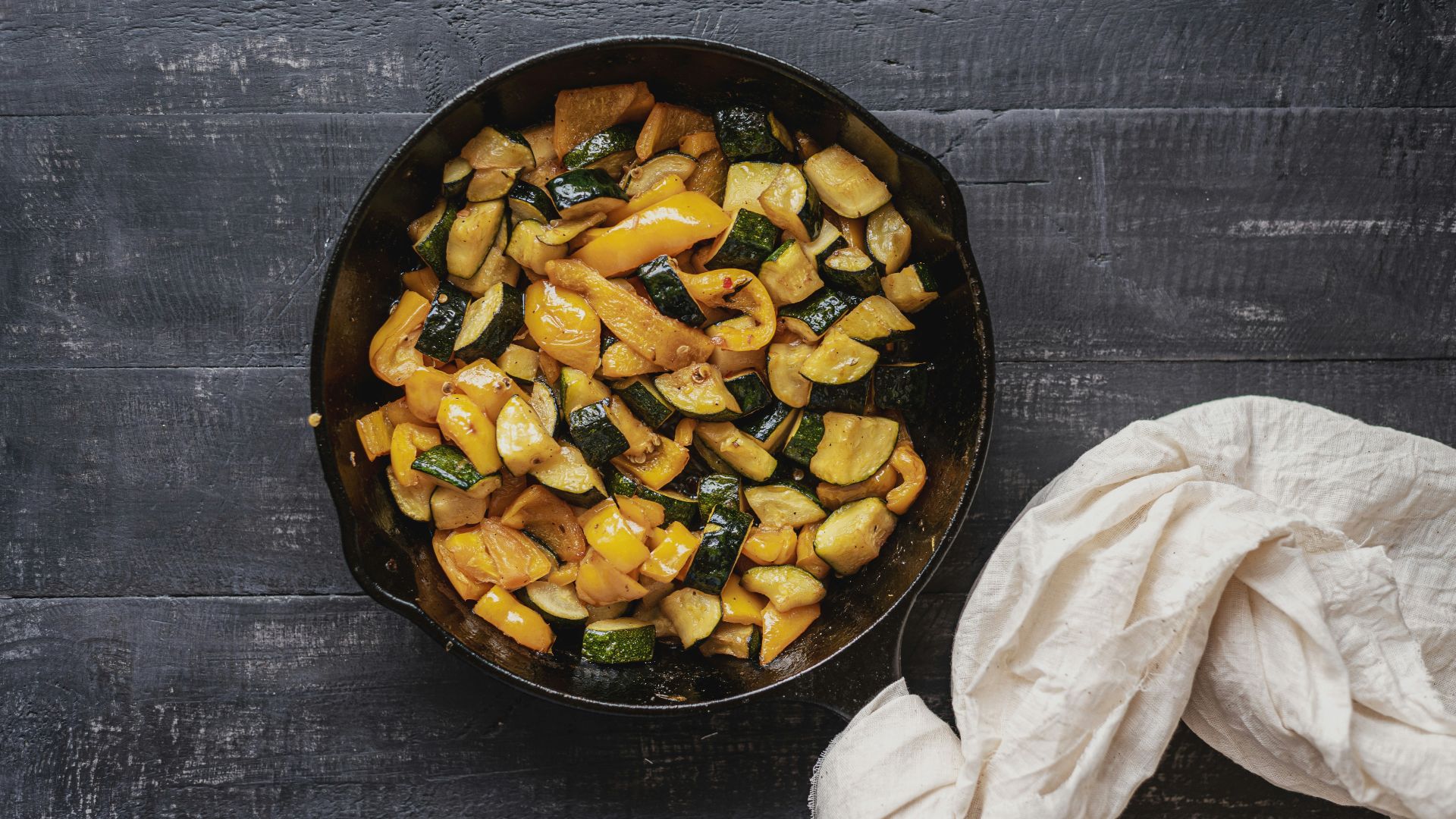
Owning a cast iron skillet may make your cooking just a little more satisfying. It holds heat well, moves easily from stovetop to oven, and gives foods like cornbread, potatoes, vegetables, and seared meats the kind of texture people tend to remember. It also asks for a little care, which is where seasoning comes in.
Seasoning sounds more complicated than it is. Seasoning is oil baked onto cast iron through polymerization, which creates a protective surface. While you don’t have to necessarily season your wok, it does make the cooking process all the more enjoyable. If you’ve never done it before, here’s how to do so.
Starting Off
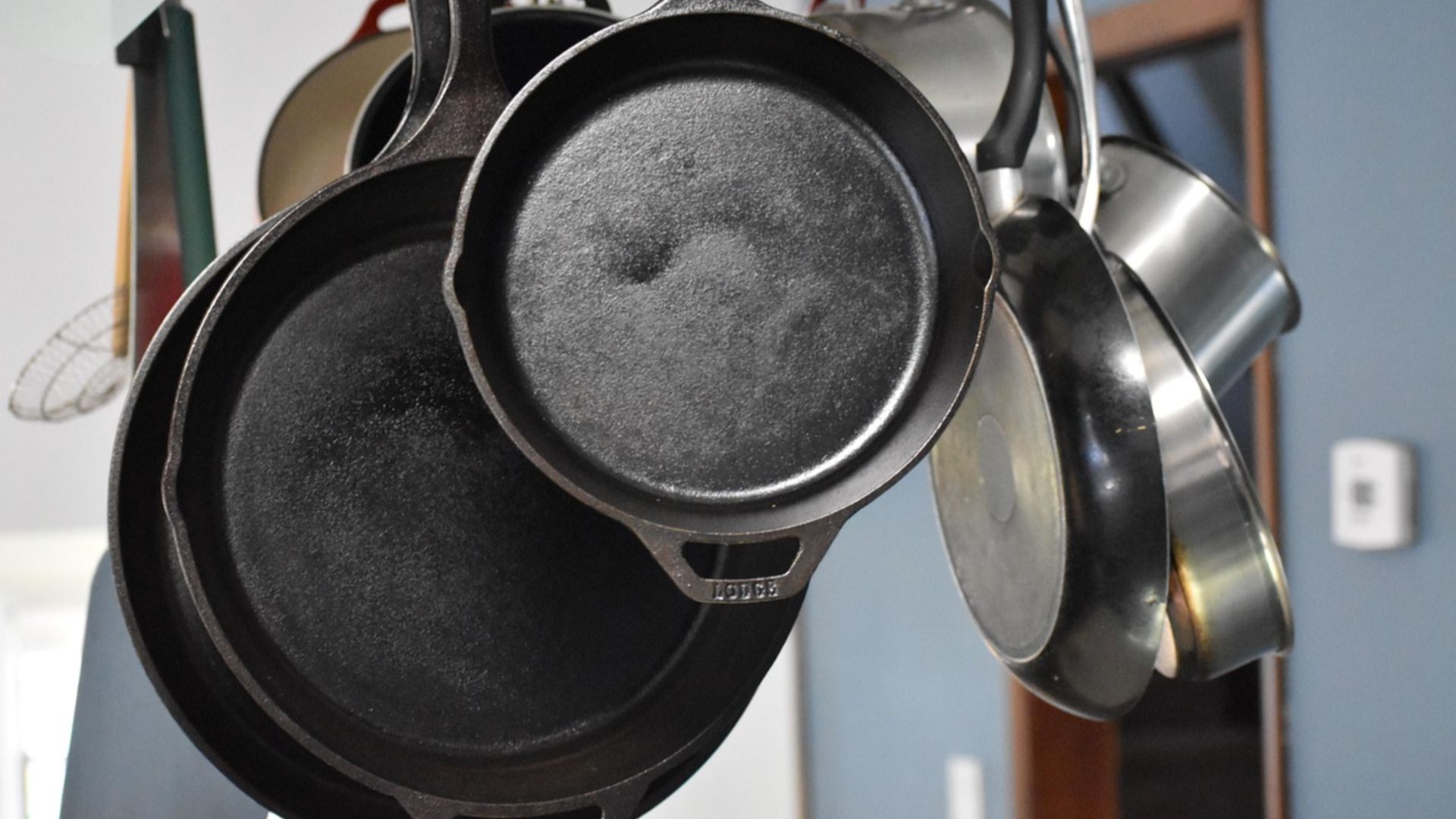
A good seasoning layer starts with a clean skillet. Lodge’s reasoning instructions say to wash cast iron with warm, soapy water, then dry it completely with a paper towel or lint-free cloth. That should take some of the stress out of cast iron care, since a little soap is not the disaster some old kitchen advice makes it out to be.
The real issue is moisture. Cast iron can rust when water sits on it, so the pan needs to be dry before oil goes anywhere near it. After towel-drying, Serious Eats recommends putting the skillet over a stovetop flame for a minute or two to remove any leftover water.
Pay attention to the little spots that like to hold moisture. The handle, rim, pour spouts, and outside edge can stay damp even after the cooking surface looks dry. Taking a minute to heat the pan gently gives you a cleaner starting point and helps avoid any surprises down the road.
The Oil
The easiest way to mess up seasoning is to use too much oil. It’s best to apply a very thin layer of cooking oil inside and outside the cookware, not enough to drip or run when the pan is tilted. Your skillet should look dry, with a dull, matte finish after the extra oil is wiped away.
Too much oil can turn sticky or patchy when it bakes. A glossy, wet-looking pan may seem like it has more protection, but it usually creates more cleanup later. If the skillet still looks shiny after oiling, keep wiping it down with a clean towel.
You have several good oil options. Lodge lists vegetable oil, canola oil, and melted shortening as options for seasoning cast iron. Serious Eats says vegetable, canola, and corn oil work well too. Regardless, you don’t need to buy special oils just for seasoning.
Rub the oil over the whole skillet, not just the cooking surface. Cover the sides, outside, bottom, and handle too. Then wipe the pan again as if you are trying to remove the oil completely. All you need is a thin film.
Baking Your Skillet
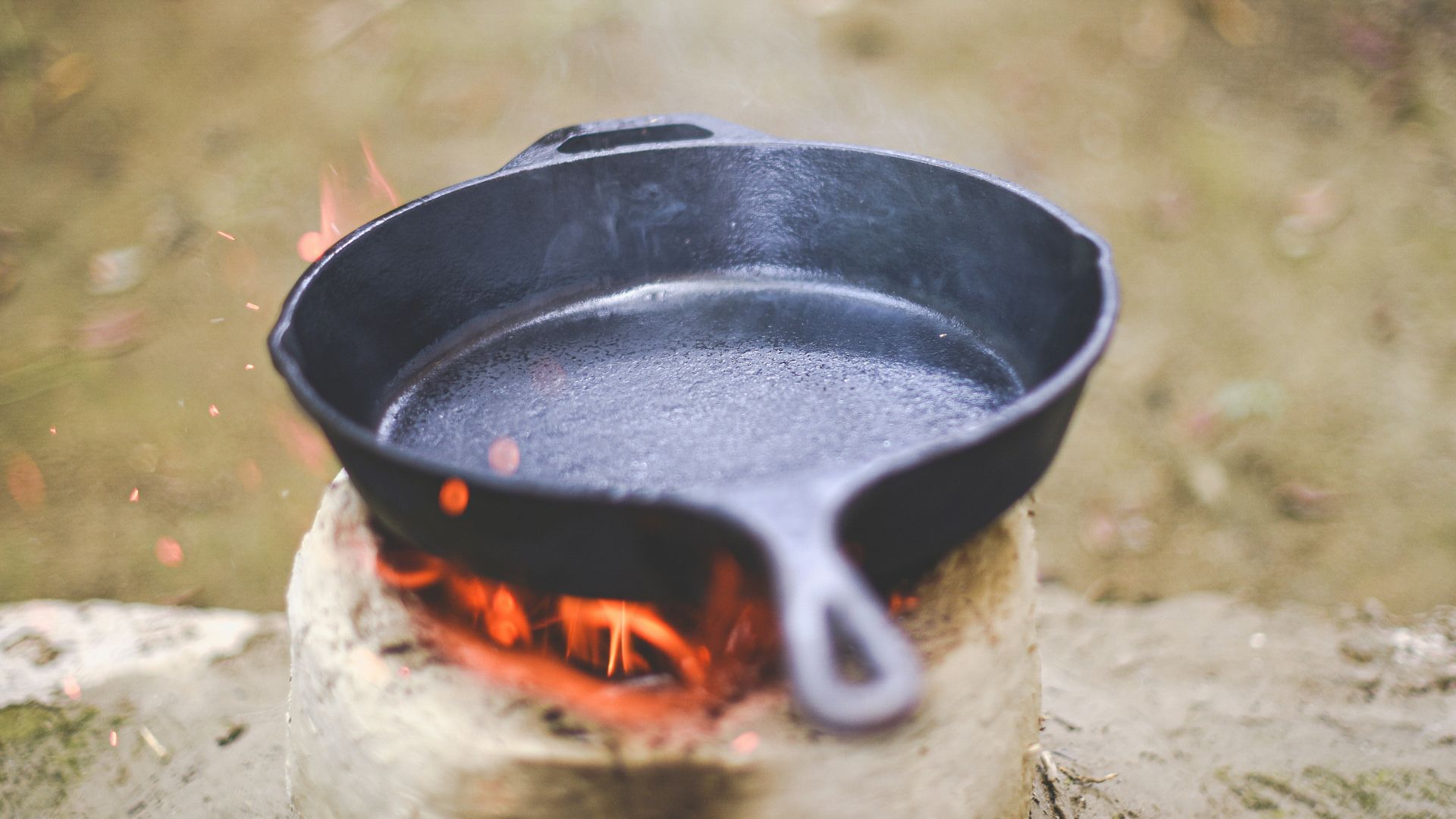
Once the skillet is clean, dry, and barely coated with oil, it is ready for the oven. Lodge recommends placing foil on the bottom rack to catch excess oil, setting the cookware upside down on the center rack, and baking it for one hour at 450 to 500°F. The upside-down position helps keep oil from pooling on the cooking surface.
After the hour is finished, Lodge says to turn off the heat and let the skillet cool in the oven. That slower cooling period helps the seasoning continue to adhere. The process may smoke a bit, so it helps to turn on the range hood or open a window before the oven gets too hot.
One round may be enough for regular maintenance. A stripped, neglected, or uneven-looking skillet may need more than one round of seasoning. This process can be repeated two or three times as needed.
Afterwards

After you season, regular cooking does a lot of the work. The easiest way to build seasoning is to cook with the skillet often, since heating oil or fat in cast iron can add thin, durable patches of seasoning over time.
A newer skillet may need a little patience. Don’t expect it to act exactly like a modern nonstick skillet right away. Just be careful with acidic ingredients, such as tomato sauce or lemon juice, in new cast iron because they can break down seasoning.
Once the seasoning has built up, Lodge says acidic ingredients can be introduced with cook times under 45 minutes. Long tomato sauces or acidic braises are still easier in another pan. For cast iron, steady use and simple care are what make the skillet more dependable over time.
After cooking, clean the skillet while it is warm, dry it fully, and add only a tiny bit of oil if the surface looks dry. A sticky or gummy surface comes from excess oil buildup. If you’re struggling with this, the fix is to wash the pan, dry it completely, and apply a very thin, even layer of oil. When done properly, this routine is very forgiving, and you’ll have a sturdy piece of cookware that will last you a very long time.
KEEP ON READING



20 Restaurant Orders That Instantly Reveal Your Age