Tootsie Rolls and Ring Pops: 20 Most Nostalgic Snacks From Each American Decade
A Sweet Journey Through Time
There is a unique kind of magic in the treats we grew up with, as a single bite can instantly transport you back to the days of recess, after-school television, and neighborhood bike rides. Candy and snacks have always mirrored the culture of their times, evolving from the simple, comforting staples of the early twentieth century to the wild, neon-colored creations of the dot-com era. Looking back at these iconic treats offers a delicious timeline of changing tastes, pop culture trends, and pure childhood joy.
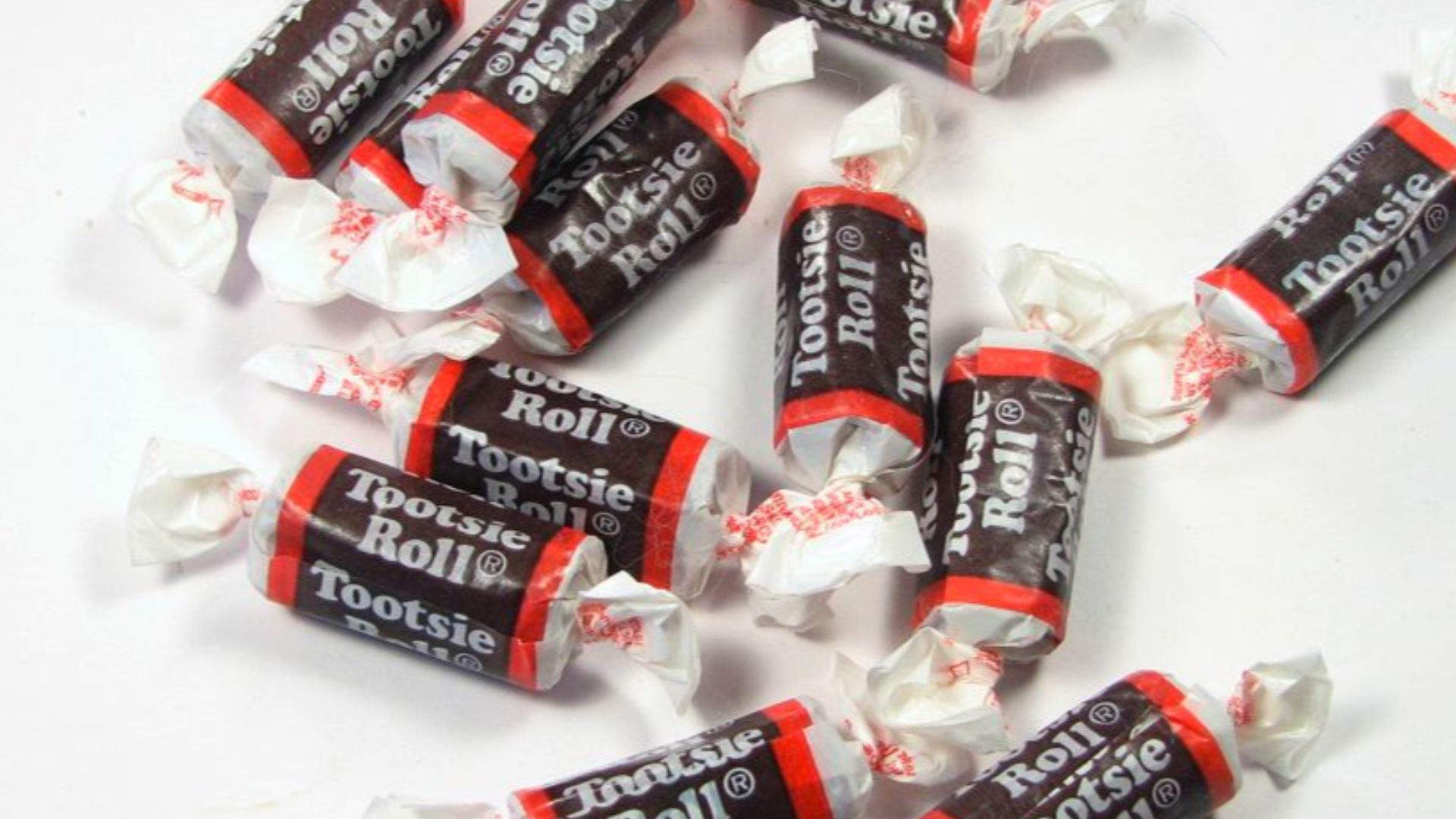
1. Tootsie Rolls (1900s)
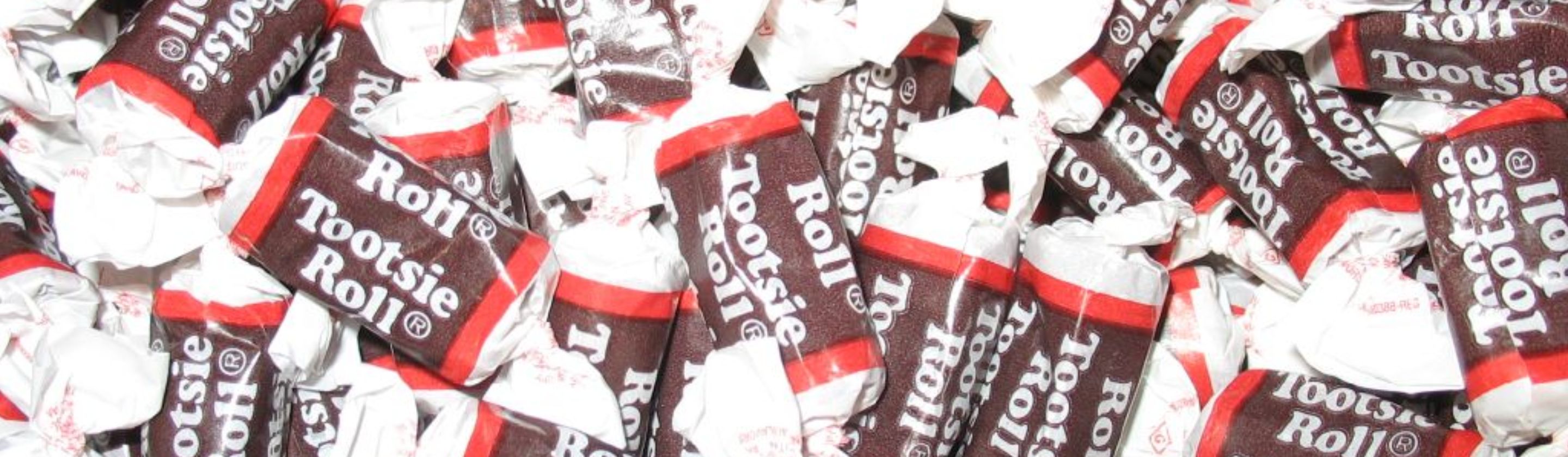
Introduced at the turn of the century, these chewy, chocolate-flavored treats quickly became a staple of American candy counters. They were revolutionary because they did not melt easily in the summer heat, making them one of the first individually wrapped candies you could enjoy year-round. You probably remember stretching them out or letting them soften in your mouth to get the perfect chew.
 Windell Oskay from Sunnyvale, CA, USA on Wikimedia
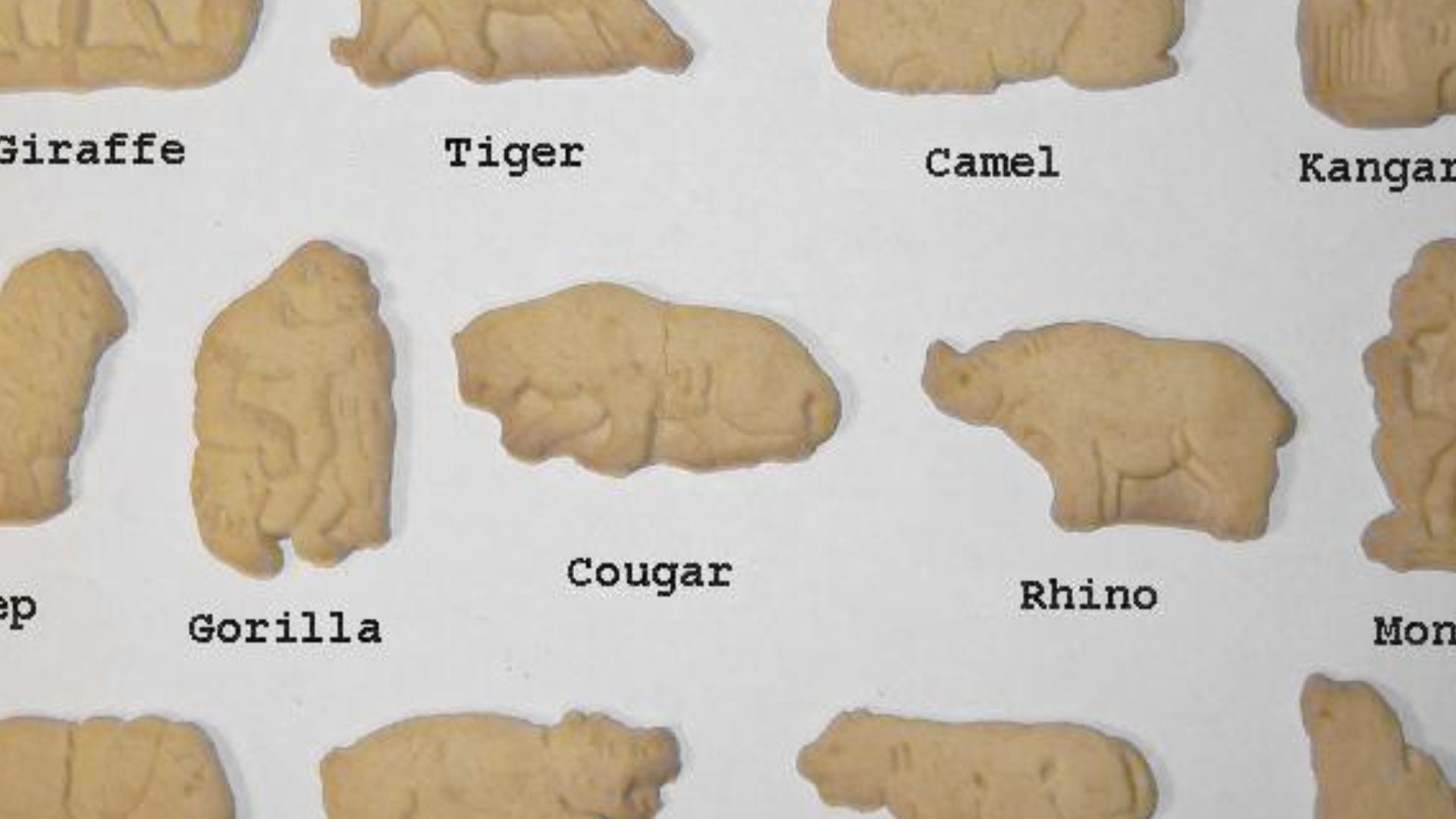
2. Animal Crackers (1910s)
Although animal crackers were around before, the narrow box with a string handle containing little circus animals was popularized during this decade. This made you feel like you were really winning at life when you got to haul around your very own box of crackers before devouring all the animals' heads. Fun, vaguely vanilla cookie-crackers.
 Baseball Bugs Uploaded by Baseball Bugs at en.wikipedia on Wikimedia
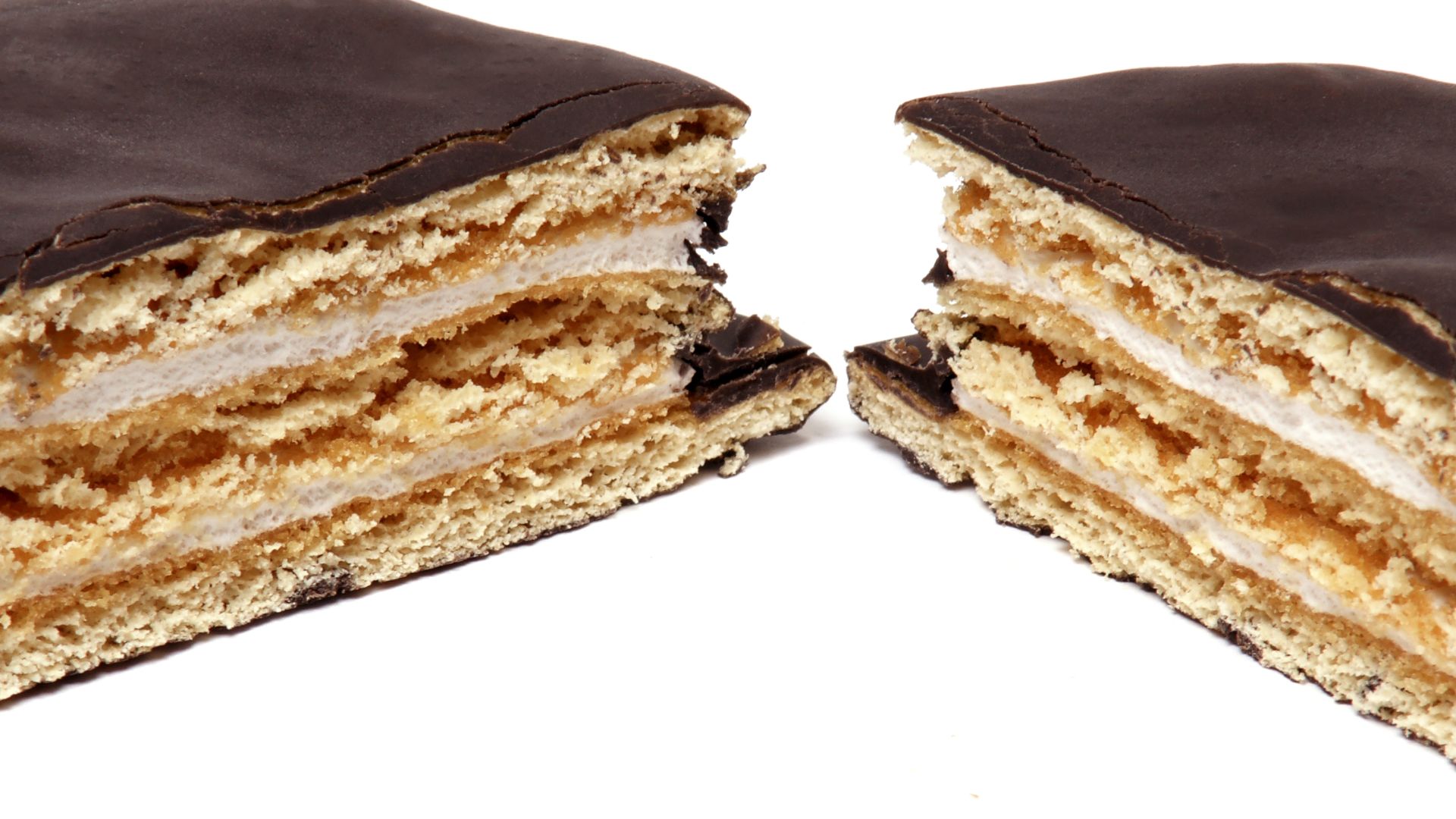
3. MoonPies (1920s)
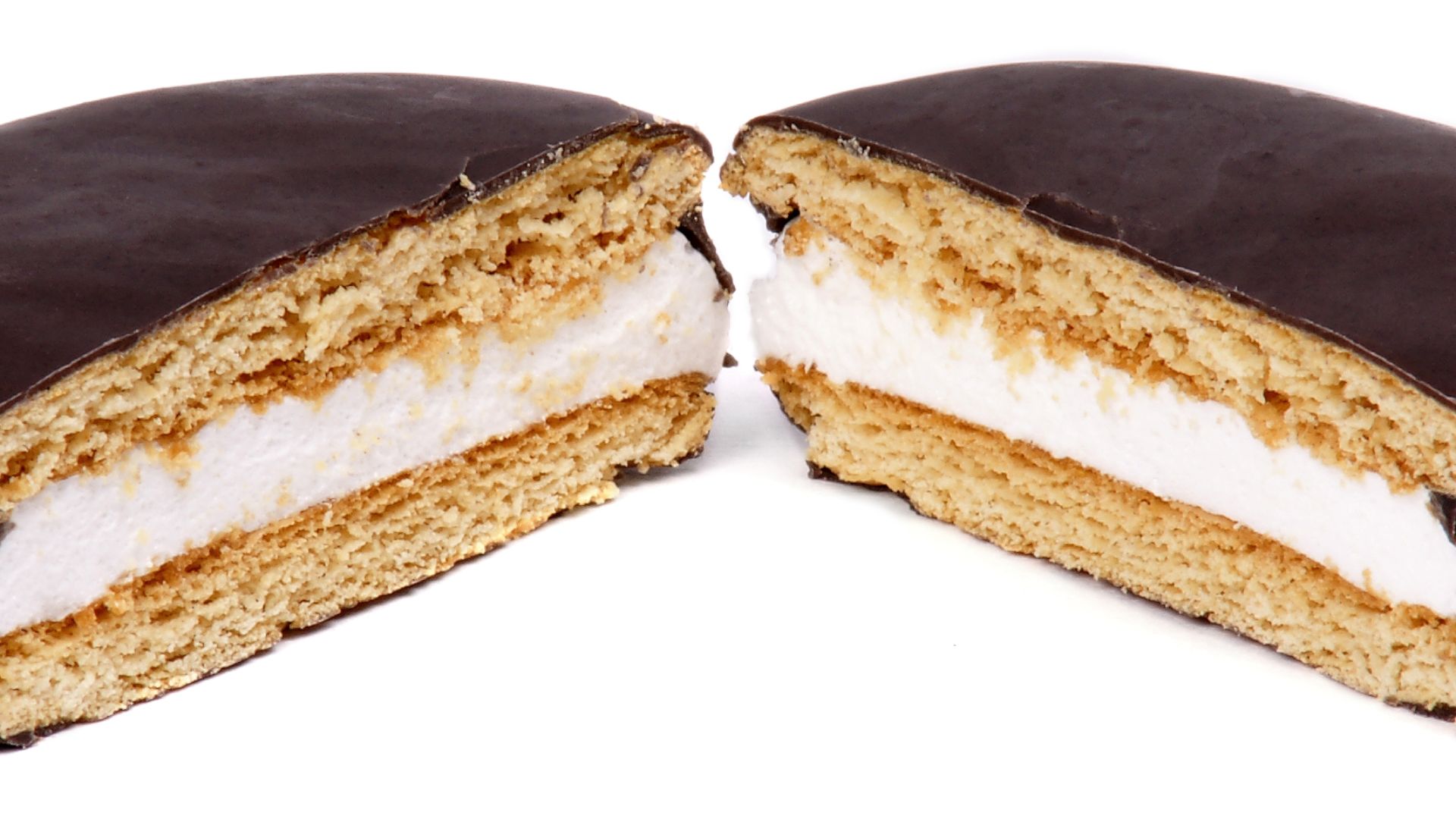
Born in Tennessee, this legendary combination of marshmallow, graham cracker, and chocolate coating was originally created as a filling snack for coal miners. Working-class families soon adopted it as a budget-friendly luxury, especially when paired with a cold RC Cola. It gave you a massive sugar rush for just a nickel, cementing its place in Southern folklore and eventual nationwide fame.
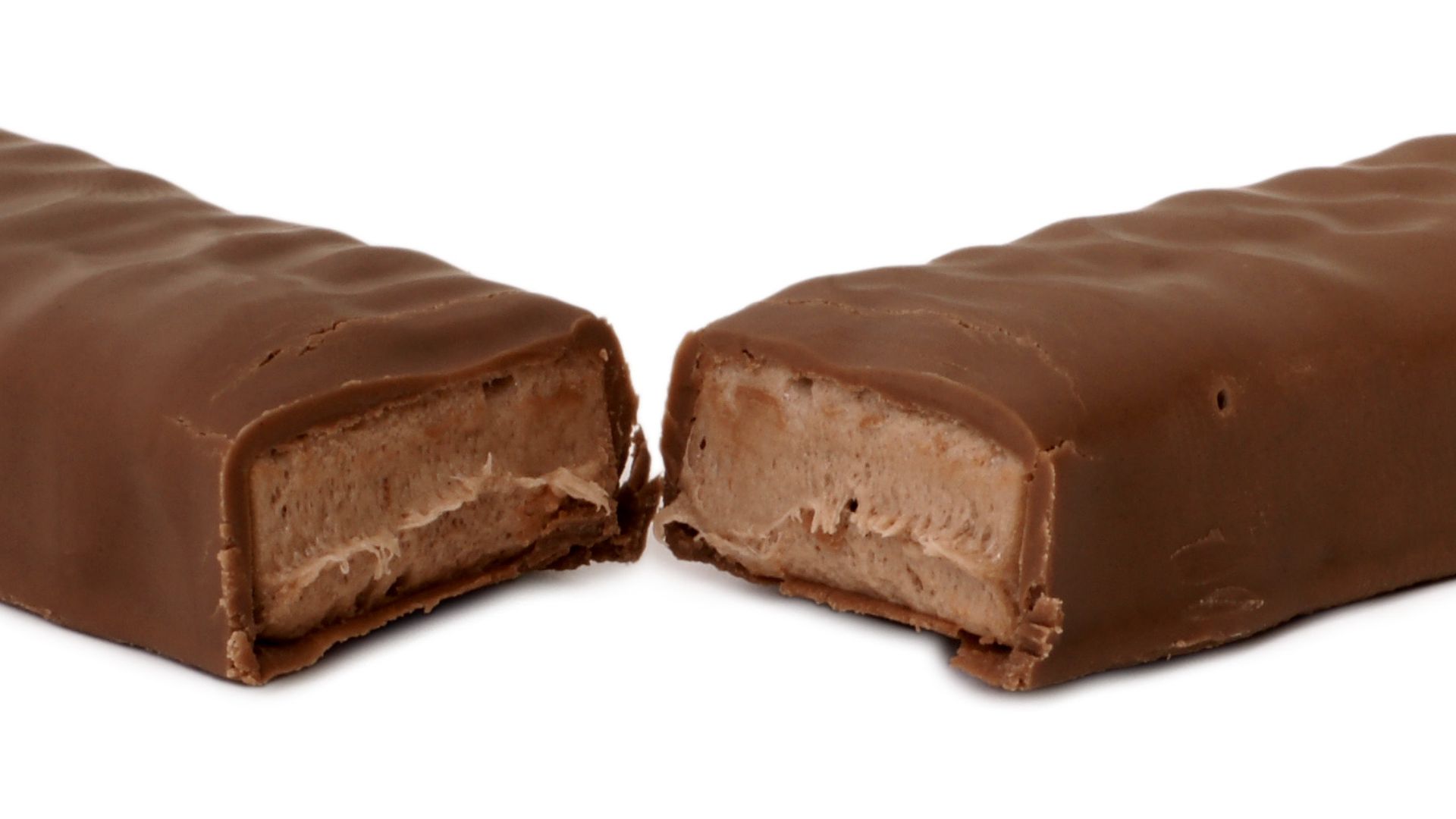
4. Charleston Chew (1920s)
A sugar bar made of nougat covered in milk chocolate. Kids would stick them in the freezer to harden up, and then slam them on the counter until they broke up into little, crunchy, bite-sized pieces. Named after a dance that was popular during the Roaring '20s.
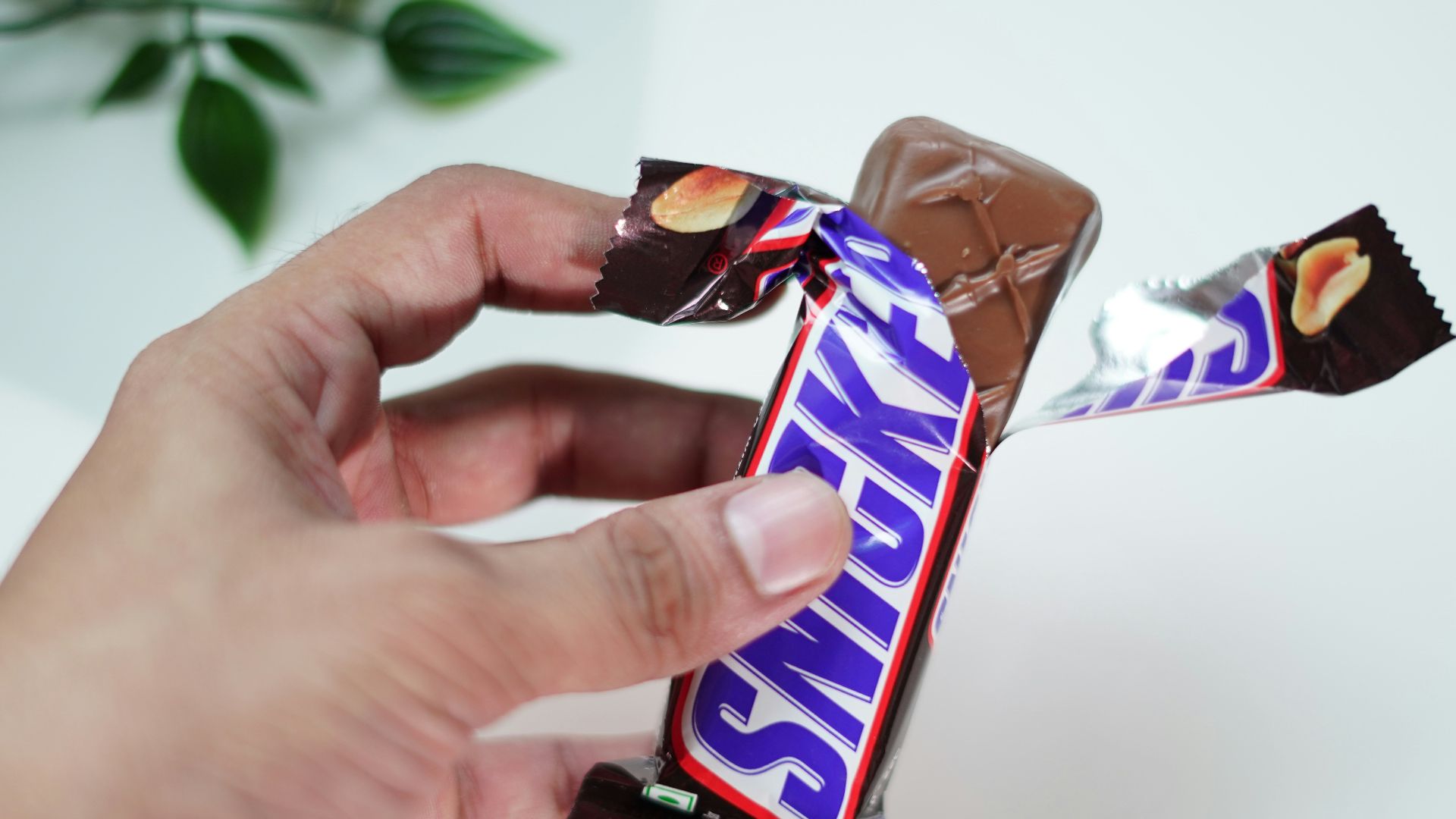
5. Snickers (1930s)
Even during the hardships of the Great Depression, people found a way to scrape together a few cents for this hearty candy bar. Packed with nougat, caramel, peanuts, and milk chocolate, it provided a substantial, satisfying treat that felt like a real value for the price. It quickly became a dominant force in the candy aisle, proving that peanut and caramel were a match made in heaven.
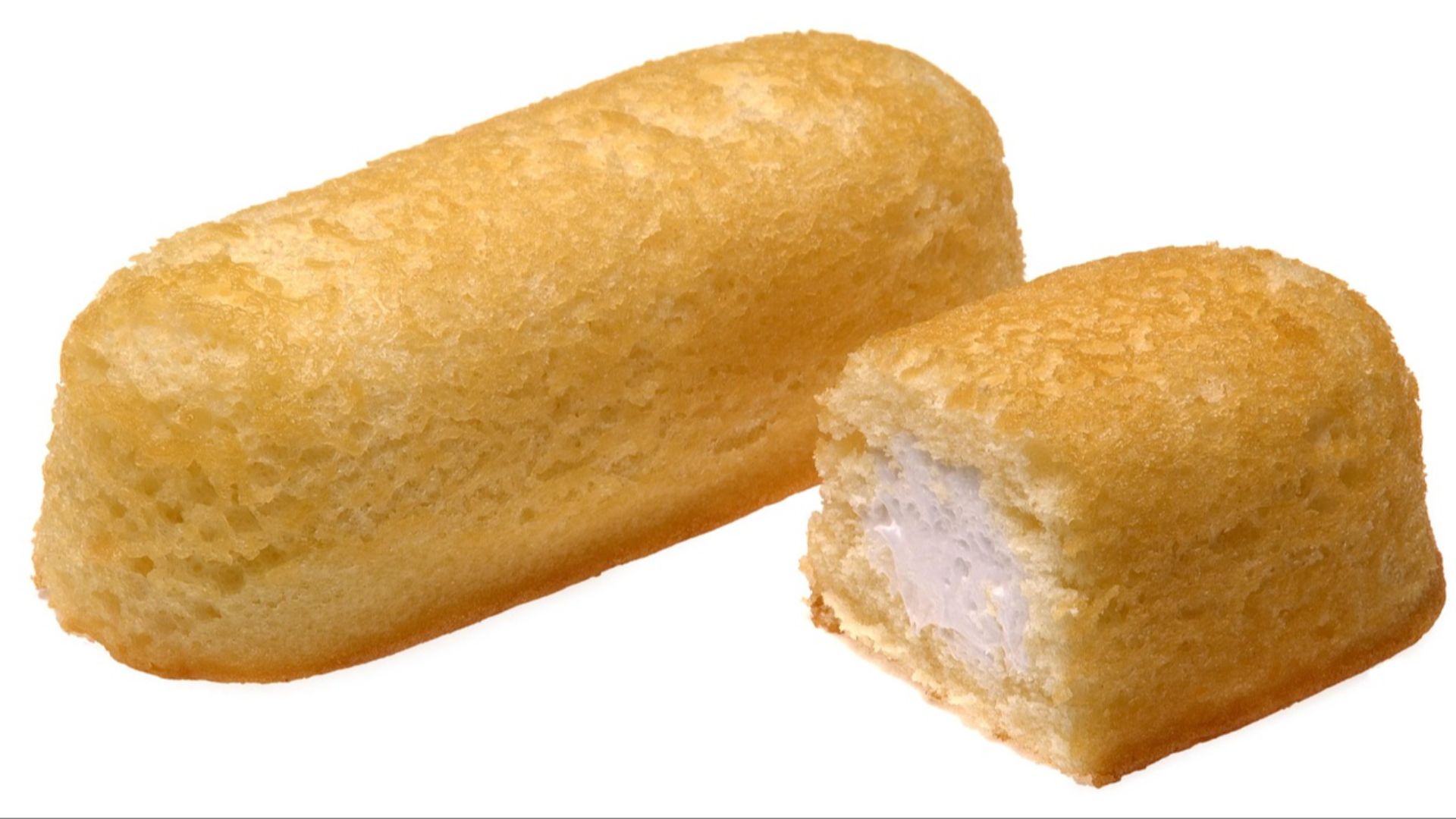
6. Twinkies (1930s)
Made when a baker invented a way to use his shortcake pans during the off-season. Instead of banana cream (during WW2 there was a shortage of bananas, so vanilla was used), we got our now-beloved classic snack cake.
Found in nearly every lunchbox throughout multiple generations.
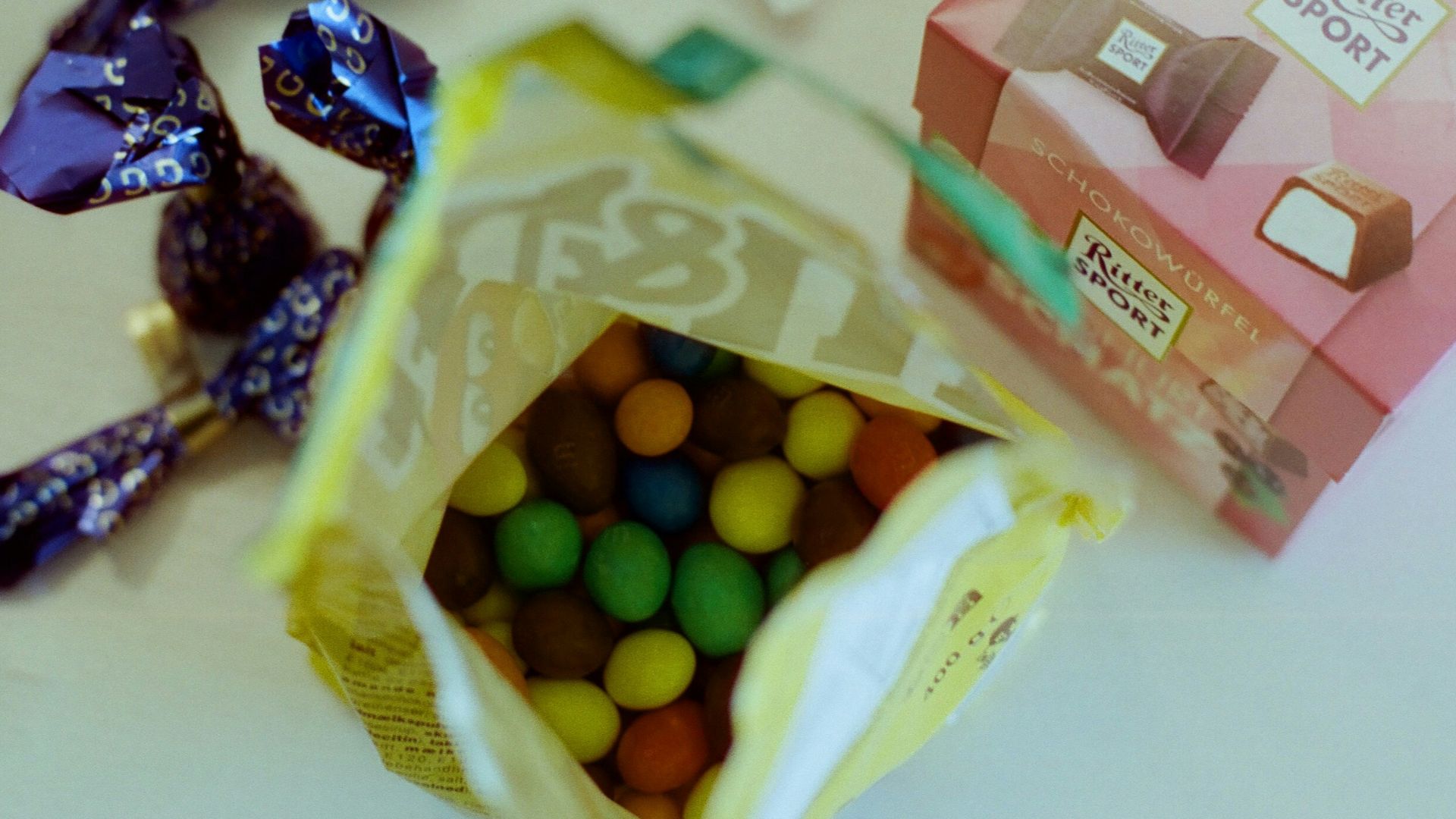
7. M&M's (1940s)
Designed for troops during World War II because the candy coating prevented the chocolate inside from melting during transport. But after the soldiers returned home, kids everywhere fell in love. Chocolate pieces covered in hard-shell candy that didn’t melt in your hands or make them dirty.
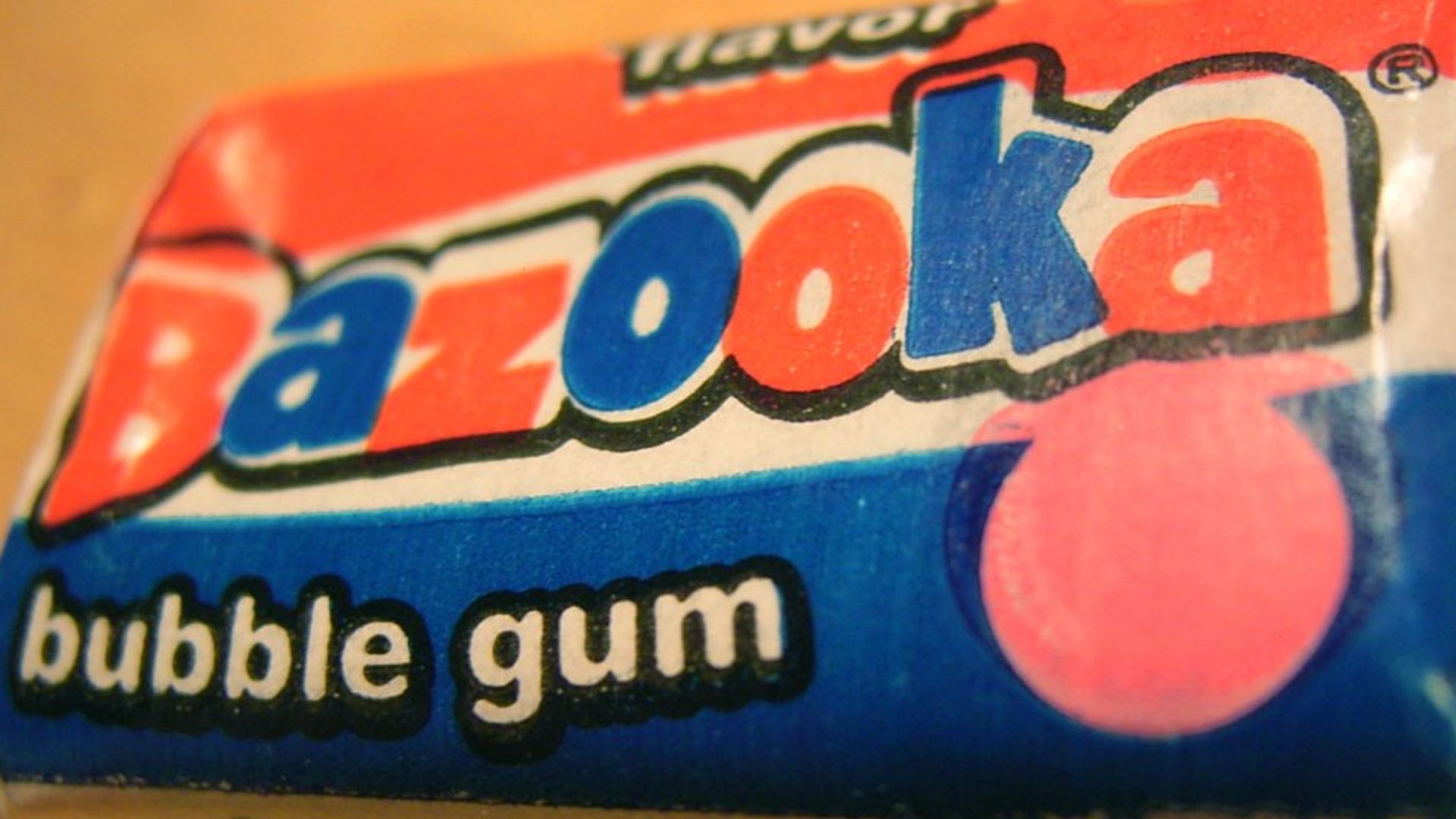
8. Bazooka Bubble Gum (1940s)
Wrapping a thick chunk of pink bubble gum alongside a small comic strip featuring Bazooka Joe was a stroke of marketing genius. Kids would save their pennies just to read the corny jokes and fortunes while blowing the biggest bubbles possible. The classic, distinct scent of this gum is something you can probably still recall if you close your eyes.
 Parka Lewis at English Wikipedia on Wikimedia
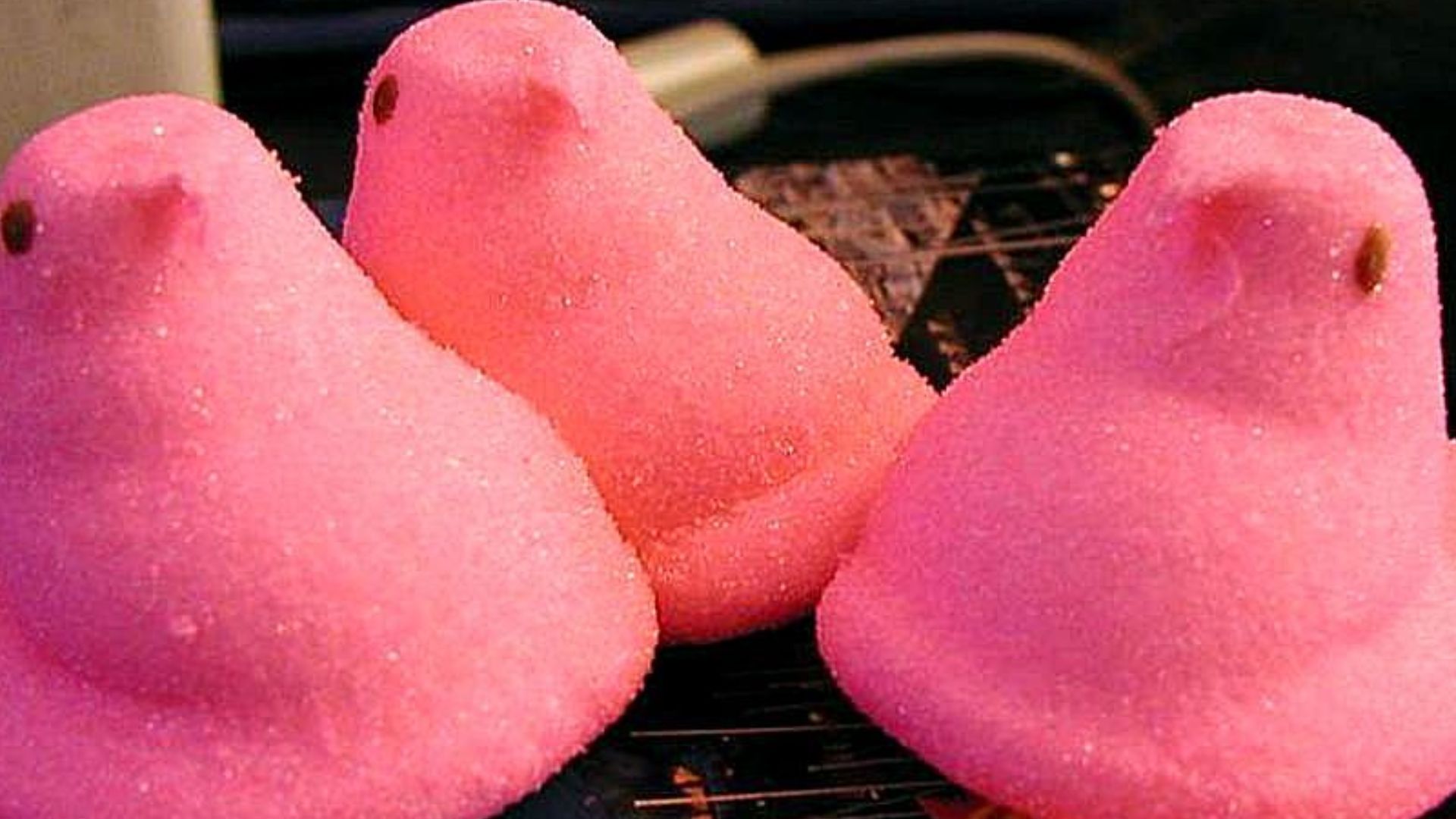
9. Peeps (1950s)
Producing marshmallow chicks by hand was labor-intensive and only done seasonally. Until one company mechanized the process and made them available every spring. While originally intended to be Easter-related, everyone loves Peeps!
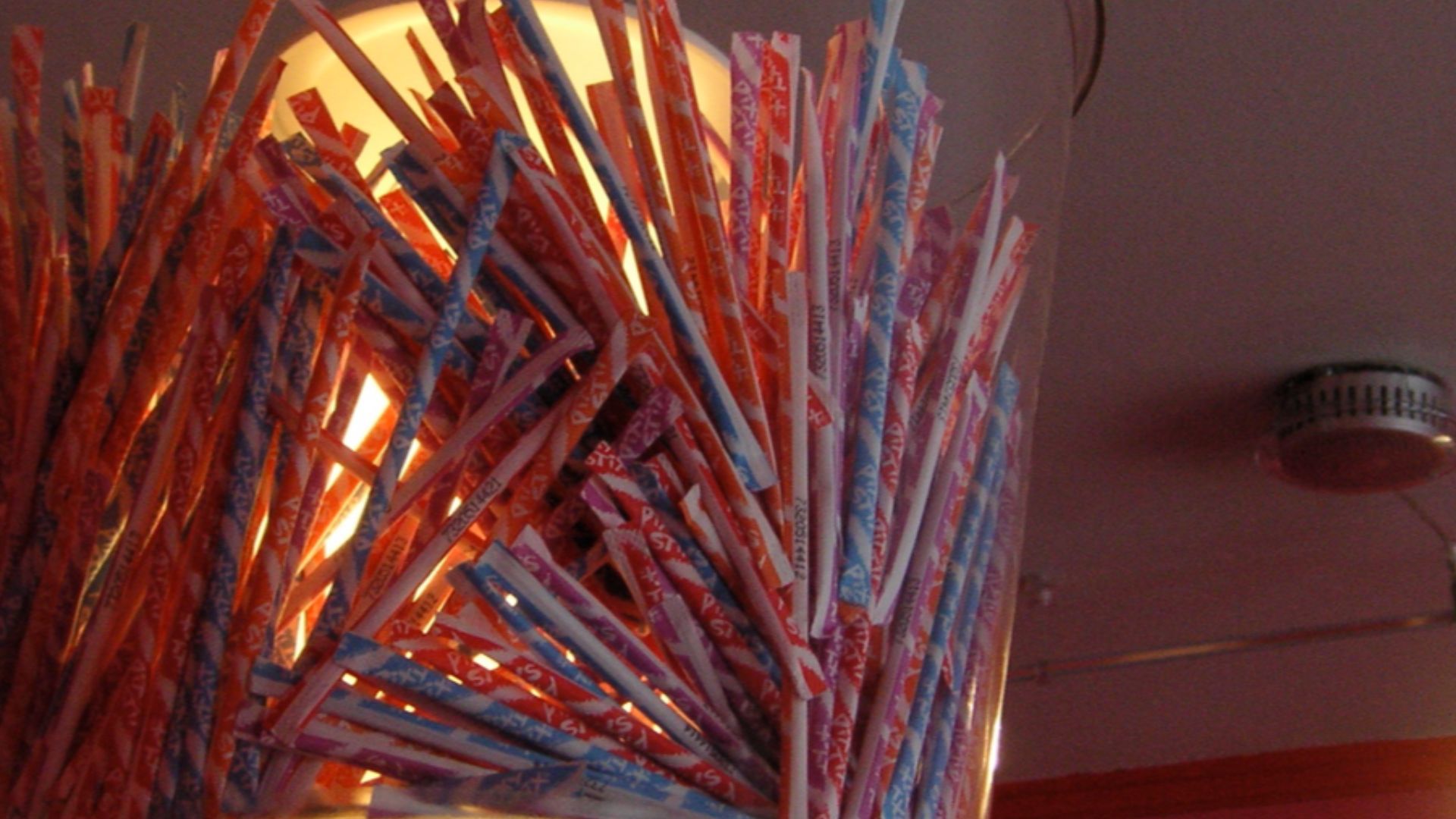
10. Pixy Stix (1950s)
Parents surely shuddered when these paper straws filled with pure, tart, colored sugar hit the market in the middle of the century. Originally sold as a drink mix, the manufacturers noticed kids were just eating the powder straight from the pack and decided to cut out the middleman. Pouring the sweet, tangy dust directly onto your tongue was a rite of passage for every mid-century kid.
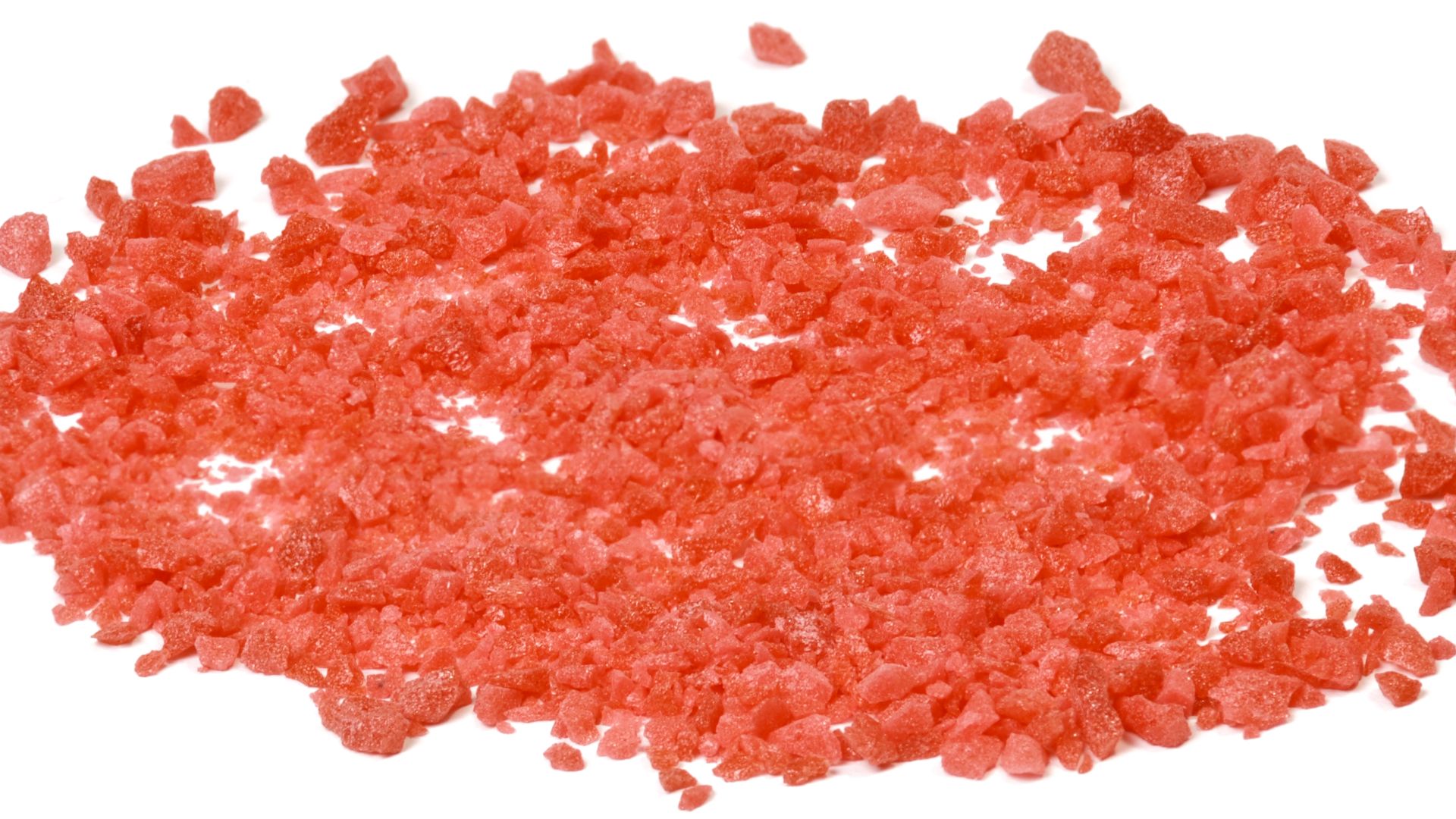
11. Pop Rocks (1970s)
Putting a handful of these tablets into your mouth was the most magical experience. Listening to them POP in your mouth felt like some kind of futuristic technology that was too good to be true. And that pretty much was the inspiration for the urban legend that circulated about what would happen if you combined them with Coke.
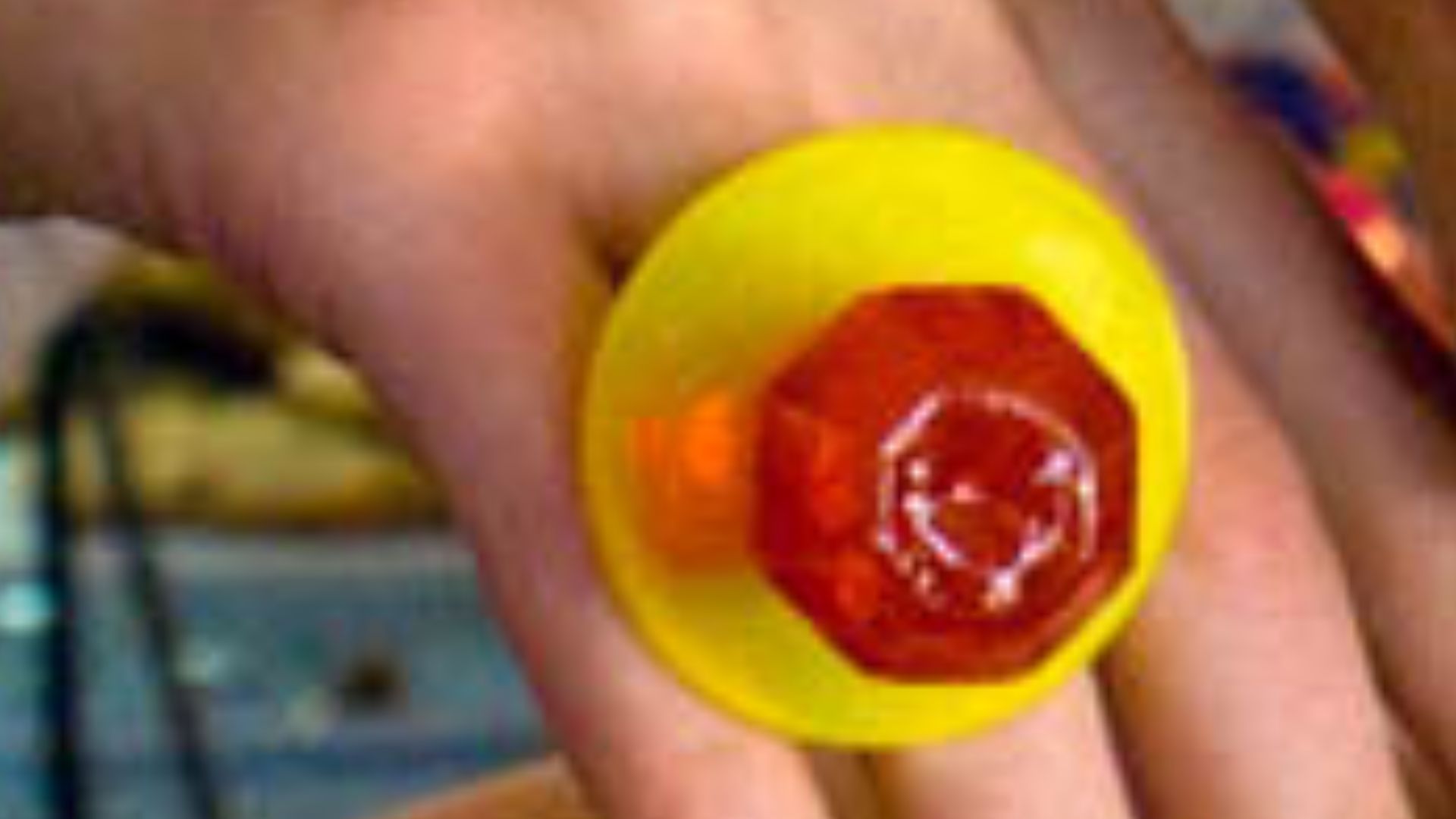
12. Ring Pops (1970s)
A product designer invented this wearable candy to help curb his own daughter's thumb-sucking habit, inadvertently creating the ultimate playground status symbol. Flaunting a giant, shiny plastic ring with a massive hard-candy gem made you feel like absolute royalty at recess. The only real downside was the sticky, brightly colored stain it inevitably left all over your fingers.
13. Hubba Bubba (1970s)
Forever doomed to have sticky bubble gum residue on their faces, kids everywhere celebrated when bubble gum finally came in handy, non-sticky packages. Bite-sized blobs of gum in fruity flavors allowed you to blow bubbles as big as your head.
 Unknown authorUnknown author on Wikimedia
14. Fruit Roll-Ups (1980s)
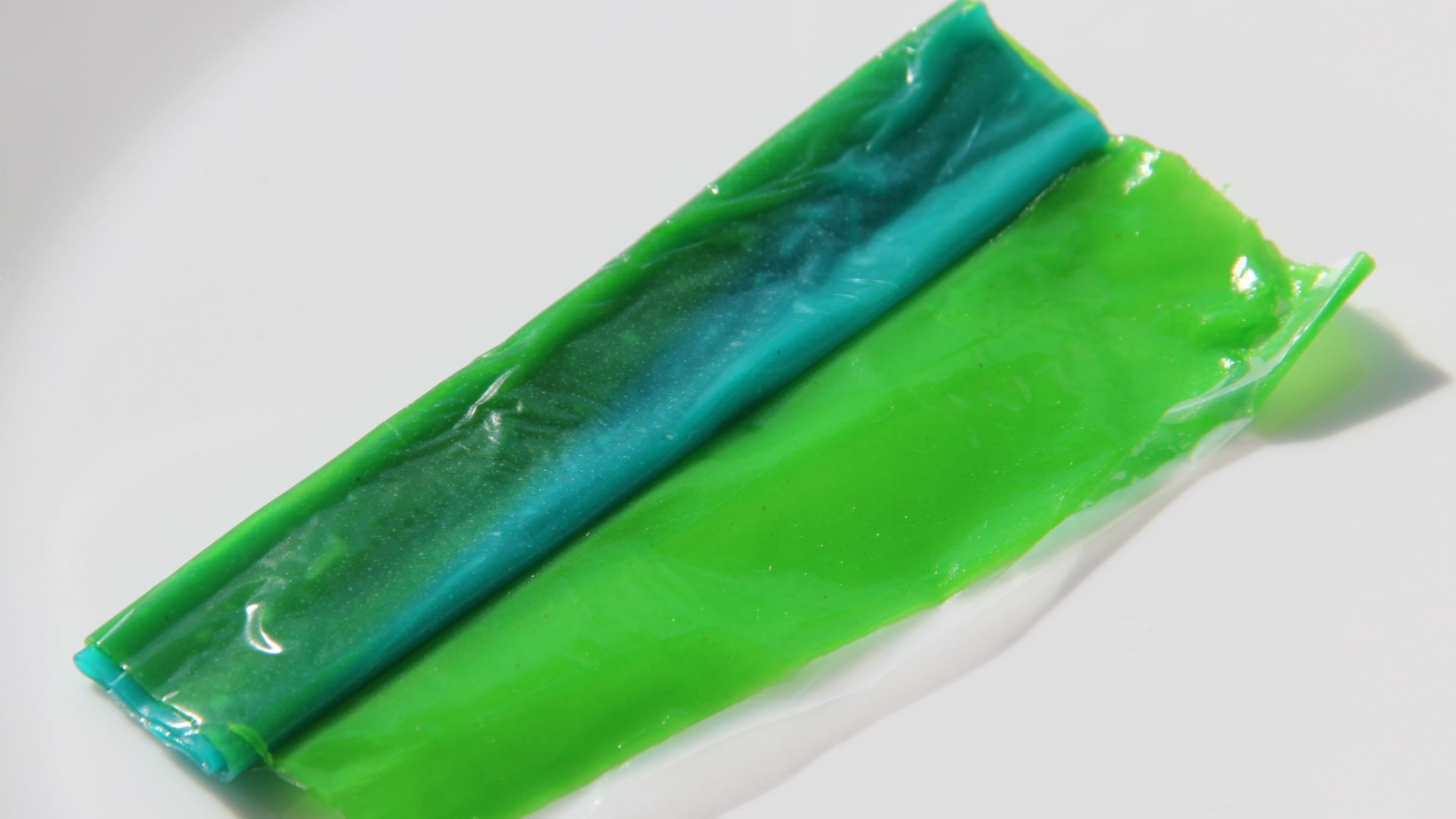
Peeling a sheet of translucent, fruity plastic off its cellophane backing was the highlight of any 1980s school lunch. The gummy texture allowed you to wrap it around your finger, stretch it into weird shapes, or just cram the whole thing into your mouth at once.
Later versions even included punch-out shapes and temporary tongue tattoos, maximizing the fun factor.
15. Nerds (1980s)
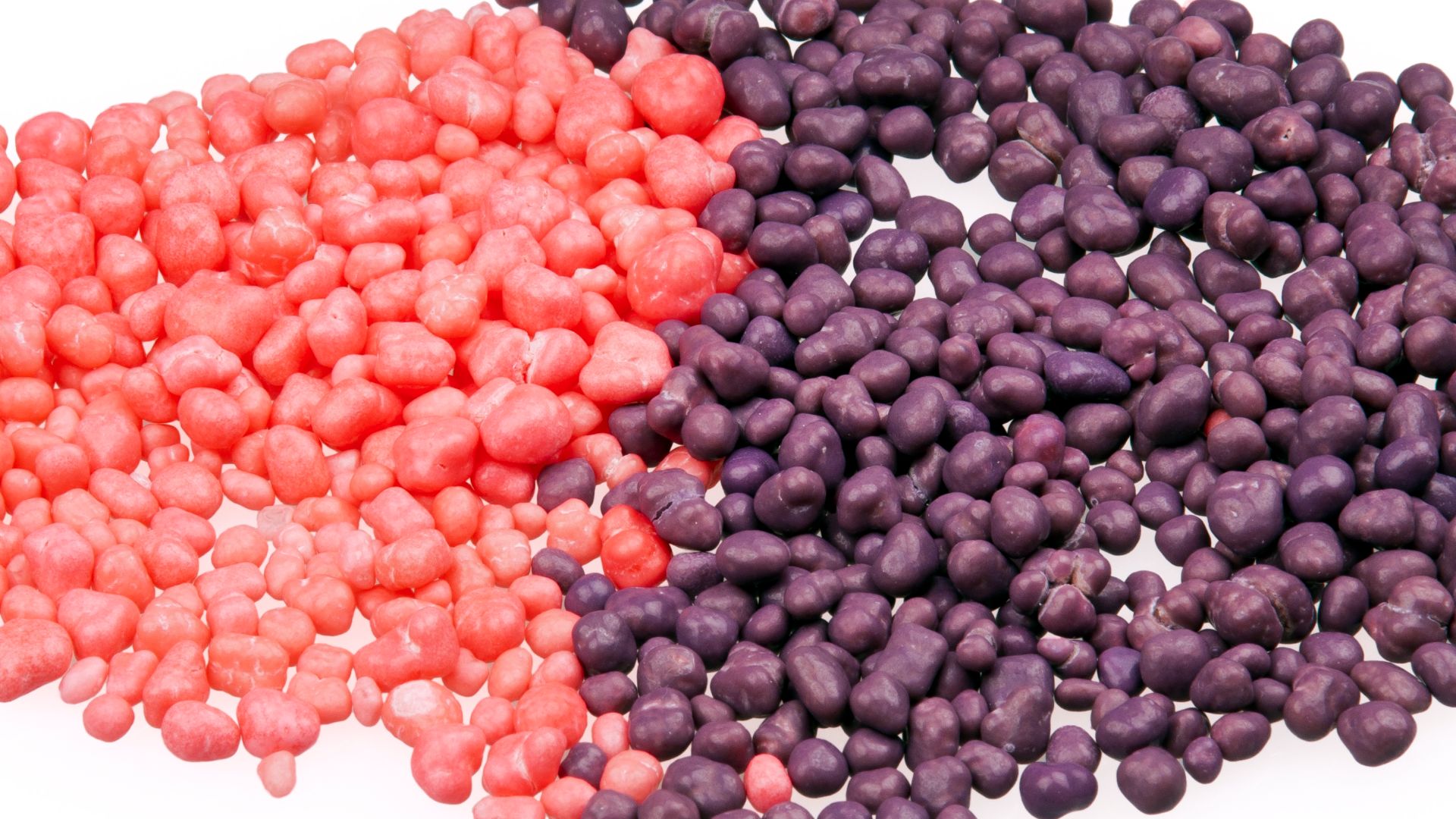
Little jagged pieces of rock candy that came in these cool two-sided containers that let you choose your flavor: either fruit or citrus. Or mix 'em both! Bonus points if you shook your Nerds box like a maraca before dumping them into your palm.
16. Dunkaroos (1990s)
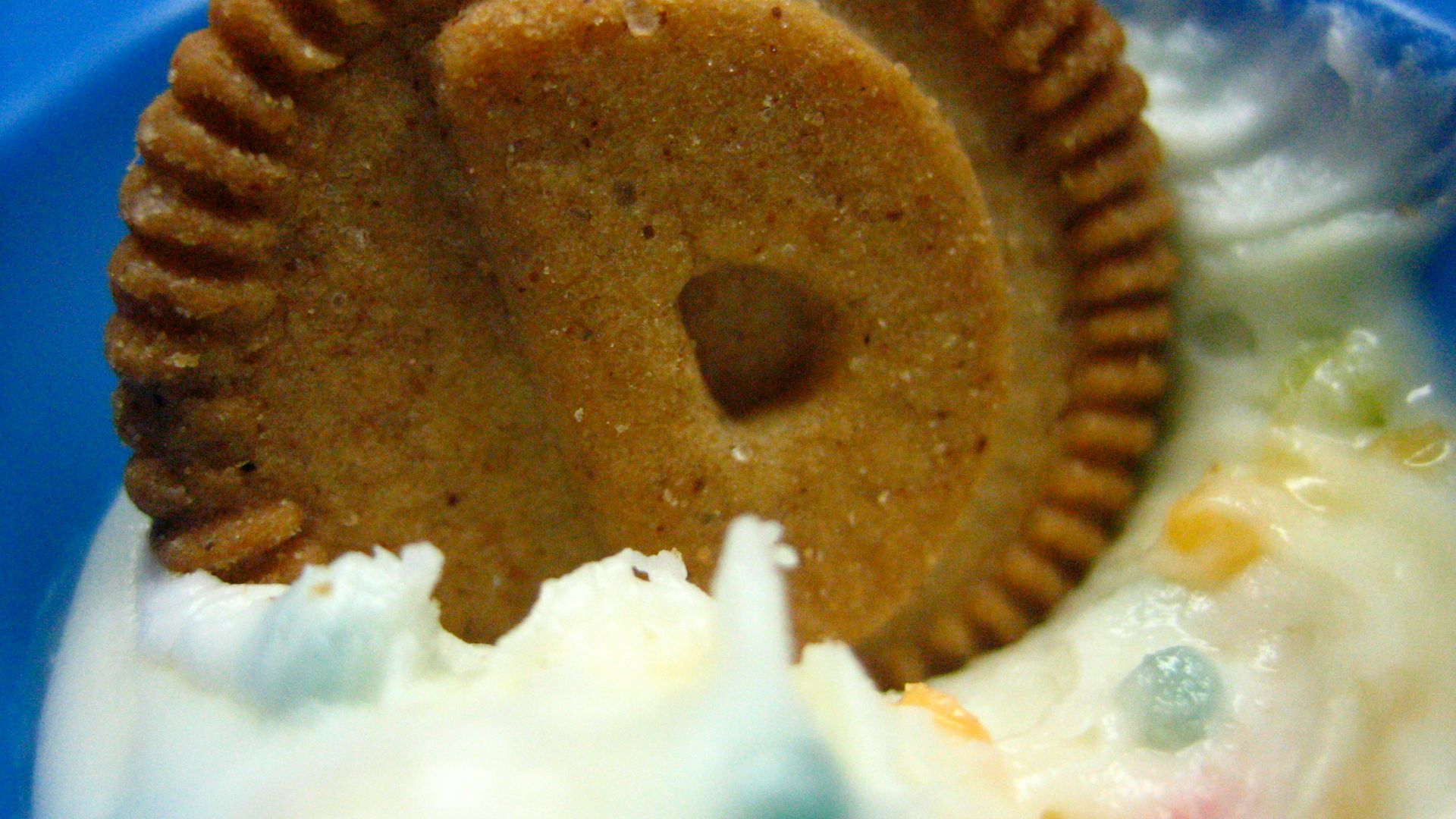
This snack pack defined the 1990s by pairing small kangaroo-shaped cookies with a separate tub of thick, rainbow-sprinkled frosting. The strategic challenge was rationing your frosting perfectly so you did not end up with dry cookies at the very end. It represented the peak of decadent, processed lunchbox luxury that every kid begged their parents to buy.
 :kirsch: from Raleigh, US on Wikimedia
17. Airheads (1990s)
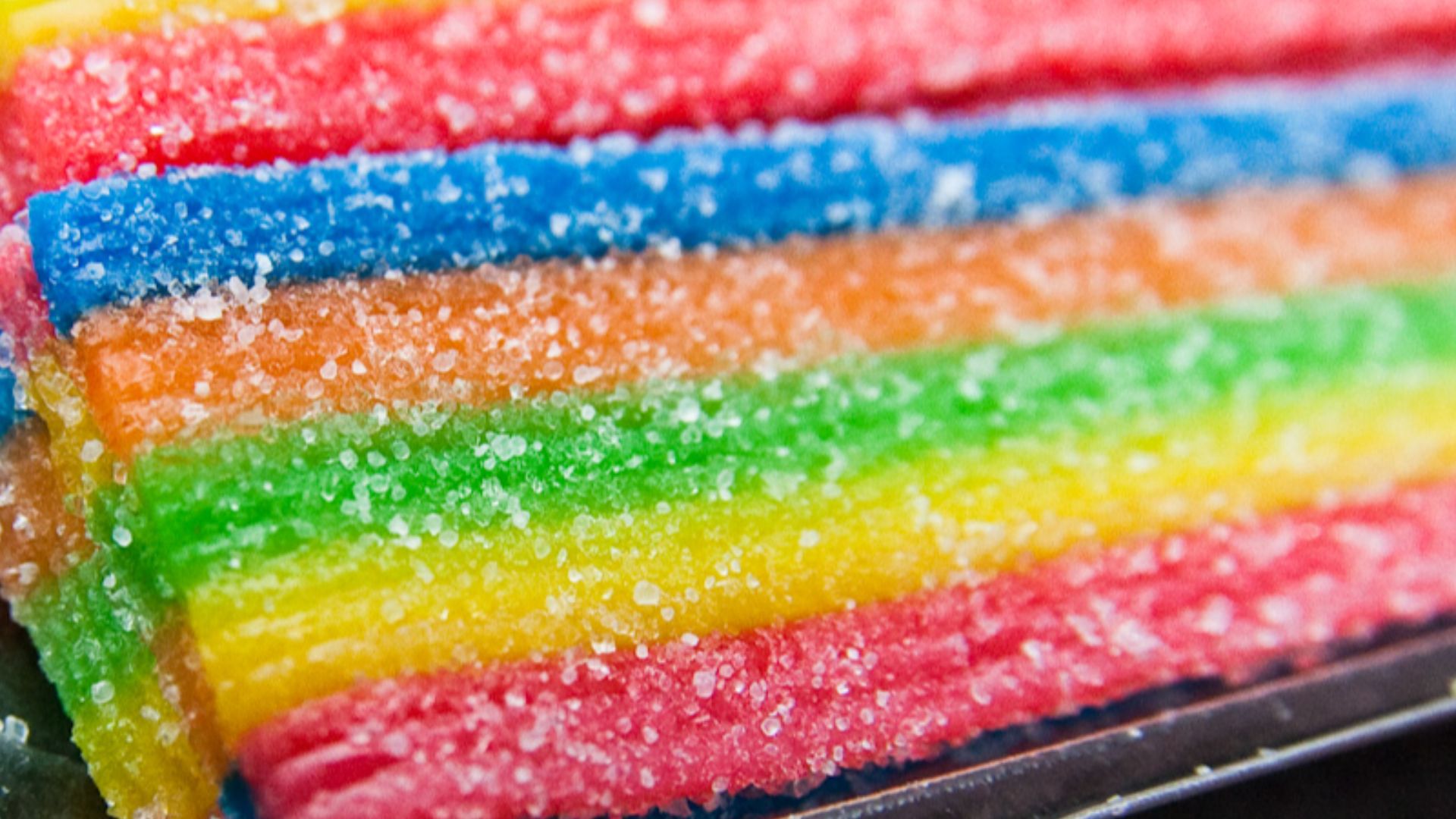
Flavors were randomized by wrapping them with a mystery flavor wrapper. Meaning whatever happened to be leftover in the flavor machine got mixed together to make a mystery flavor. Chewy, taffy-like candy that kids would mold into different shapes, or slam into their backpacks until they formed a solid brick.
18. Gushers (1990s)
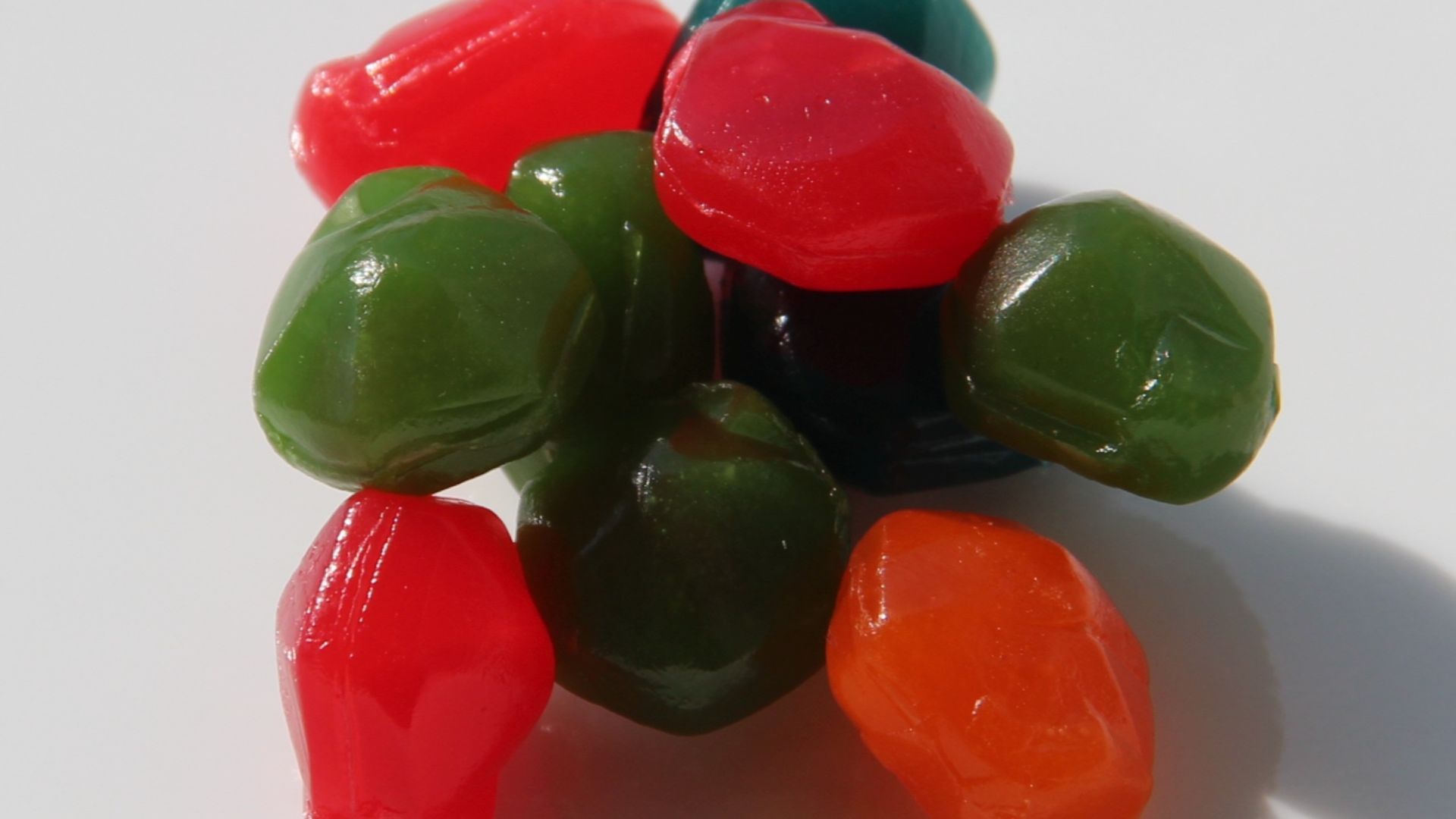
Biting into one of these hexagonal fruit snacks unleashed a sudden burst of liquid juice center that surprised your taste buds in the best way possible. Television commercials from the era suggested your head would literally transform into a giant piece of fruit if you ate them, which only added to their immense playground appeal.
They were sticky, intense, and completely encapsulated the decade's obsession with extreme snacking.
19. Wonder Ball (2000s)
Amazing hollow milk chocolate ball with a prize or crazy sour candy inside. At first, they were full of mini-prizes but soon switched over to sour hard candy. Your mom probably made you shake it in your palm before opening it so you could guess what flavor it was.

20. Baby Bottle Pop (2000s)
Armed with an incredibly catchy jingle that stayed stuck in your head for days, this candy allowed you to lick a lollipop nozzle, dip it into sour powdered sugar, and shake it up. Eating candy out of a baby bottle felt delightfully silly, and the extreme flavor combinations kept you coming back for more. It represents the tail end of an era where snacks were designed to be as loud, interactive, and colorful as humanly possible.
KEEP ON READING
20 Dishes That Define Modern American Cuisine