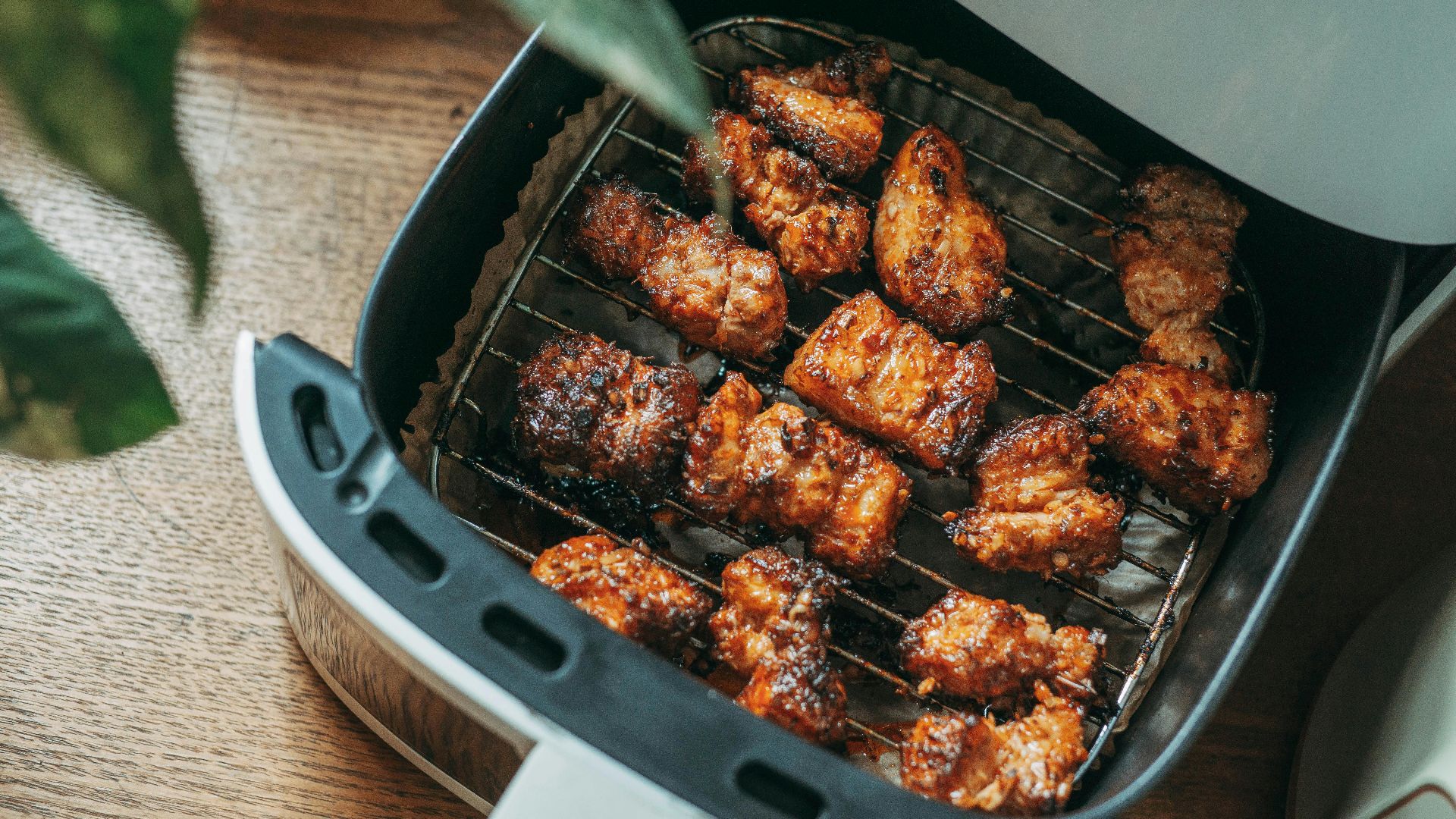
No longer a novelty item, roughly two-thirds of homes in the US have air fryers. Their popularity surged due to convenience, speed, and healthier cooking. They turn potatoes into crispy homefries, transform chicken into golden wings, and perfectly cook bacon without any mess, all while using minimal or no oil.
Despite their popularity, many people are still not quite sure how they work. How is it possible to get deep-fried perfection without all the added trans fat of a deep fryer? Is it frying? Is it baking? Let's dive in deeper to understand what air fryers are actually doing to our food.
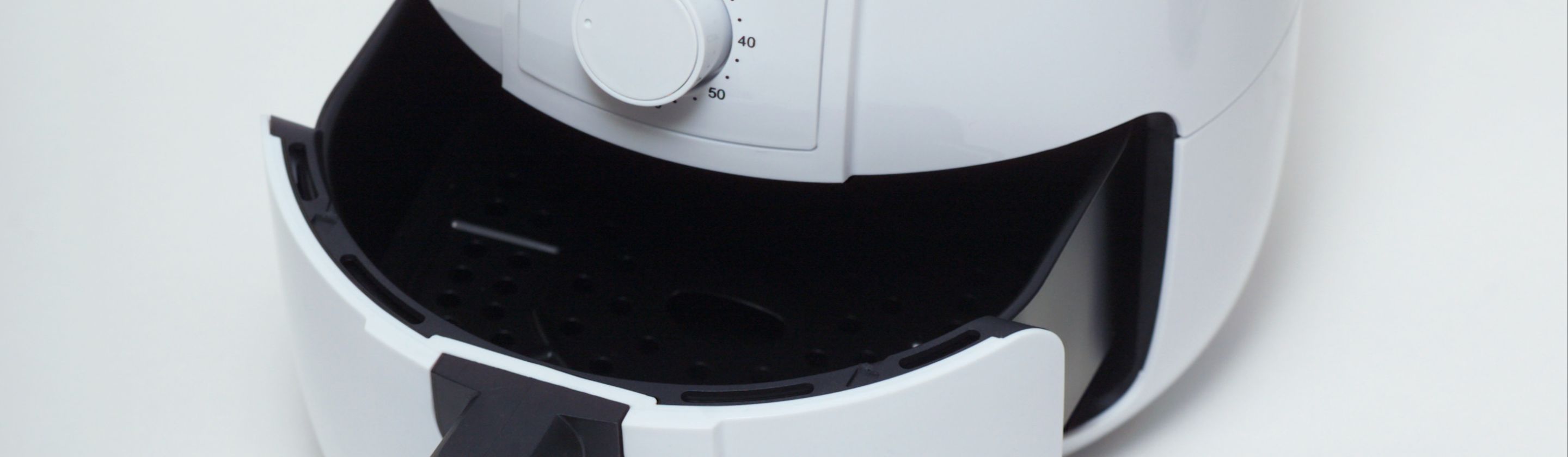
Air fryers don’t really “fry” food at all. They’re essentially compact, high-powered convection ovens. Inside an air fryer is a heating element paired with a strong fan that rapidly circulates hot air around the food. This constant airflow cooks food evenly and quickly while creating a crisp outer layer. Because the appliance is so small and enclosed, it heats up faster and maintains higher, more consistent temperatures than a normal oven.
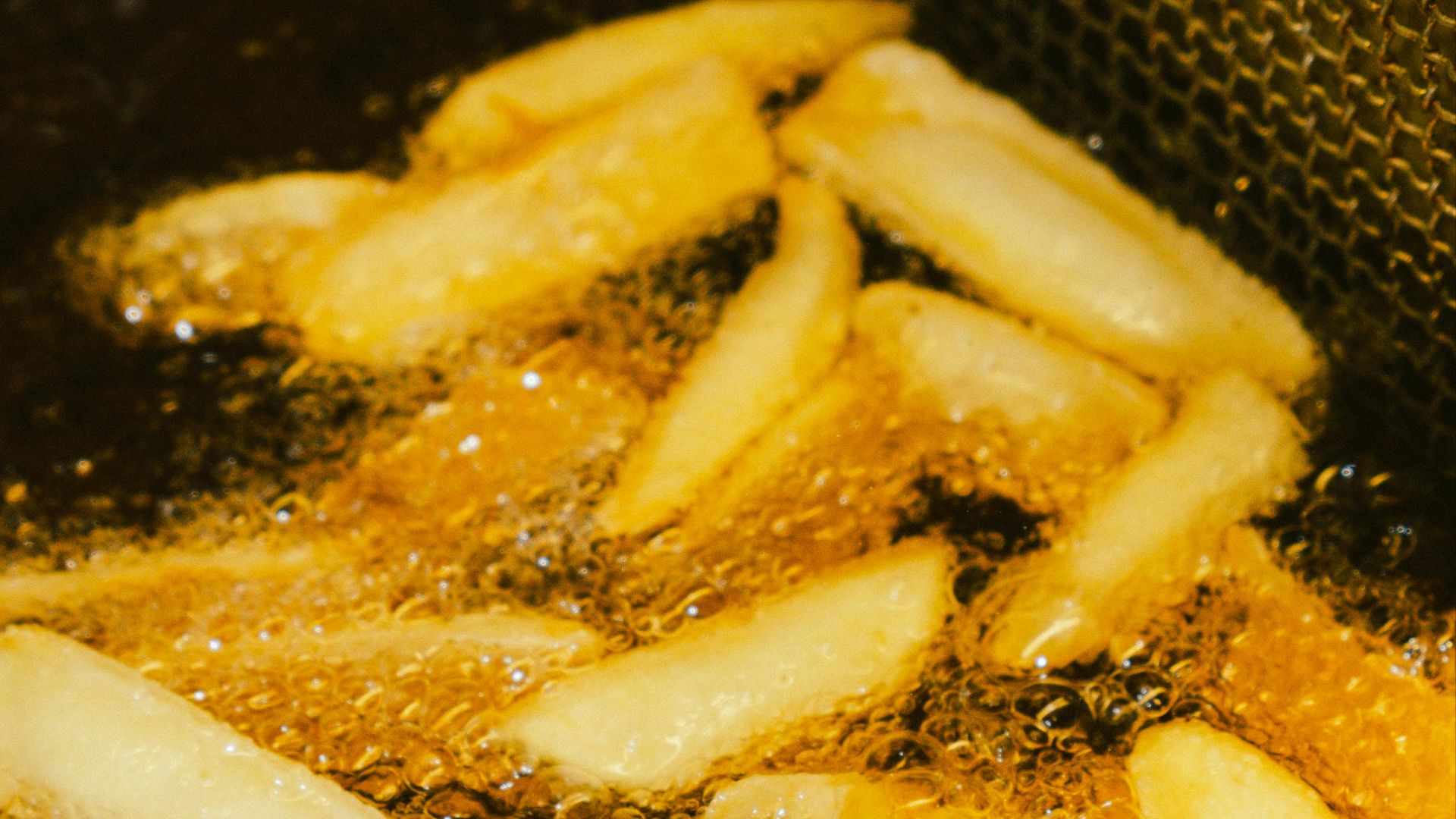
The rapid air circulation is the key to the crispiness people associate with frying. With deep frying, the all-around crispiness comes from the fact that your food is completely encased in hot oil. This causes moisture to evaporate and the exterior to brown through the Maillard reaction: the chemical process that creates complex flavors and golden color.
Air fryers replicate this effect by using hot, fast-moving air instead of oil. The heat coming from all directions dries out the surface, encouraging browning. A little oil can enhance this reaction, but more like a tablespoon, not an entire vat like a deep-fryer uses.
Most air fryers include a basket filled with holes that allow the air to flow underneath the food as well as over it. This prevents sogginess and ensures that heat reaches every side. Shaking or flipping food halfway through cooking improves results even more, helping mimic the even exposure you’d get from submerging food in oil.
Even though air fryers work more similarly to an oven than a fryer, the food that comes out of them resembles deep-fried dishes more closely than oven-baked ones. This comes from the fact that air fryers work at higher temperatures than a normal oven, and they don't lose heat like your oven does when you open the door. This confined, concentrated heat helps foods like frozen fries, breaded chicken, and roasted vegetables develop a crunchier exterior in less time, and is why reheated pizza or leftover fries come out way better in an air fryer than in a microwave or oven.
Air frying may not produce exactly the same results as a deep-fryer for everything, but the fact that it uses so much less oil saves you from a lot of the negative health effects that can come from deep-frying, which adds excessive calories and unhealthy fats, increasing your risk of heart disease, type 2 diabetes, and obesity.
Given their convenience, the quality of the output, and how cleverly simple they are, it's easy to see why, in just a few years, air fryers have become a kitchen staple. By harnessing fast, superheated air in a compact space, they deliver crisp, flavorful food with less oil, less mess, and less waiting. They may not be technically frying anything, but for your long-term health and your waistline, that's a good thing.