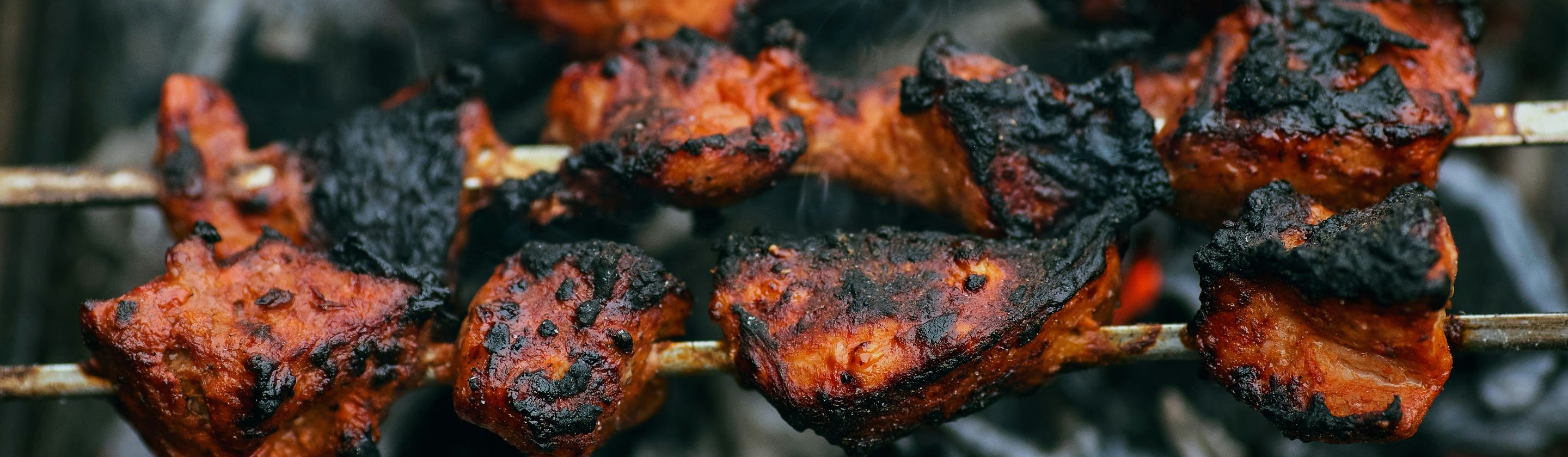
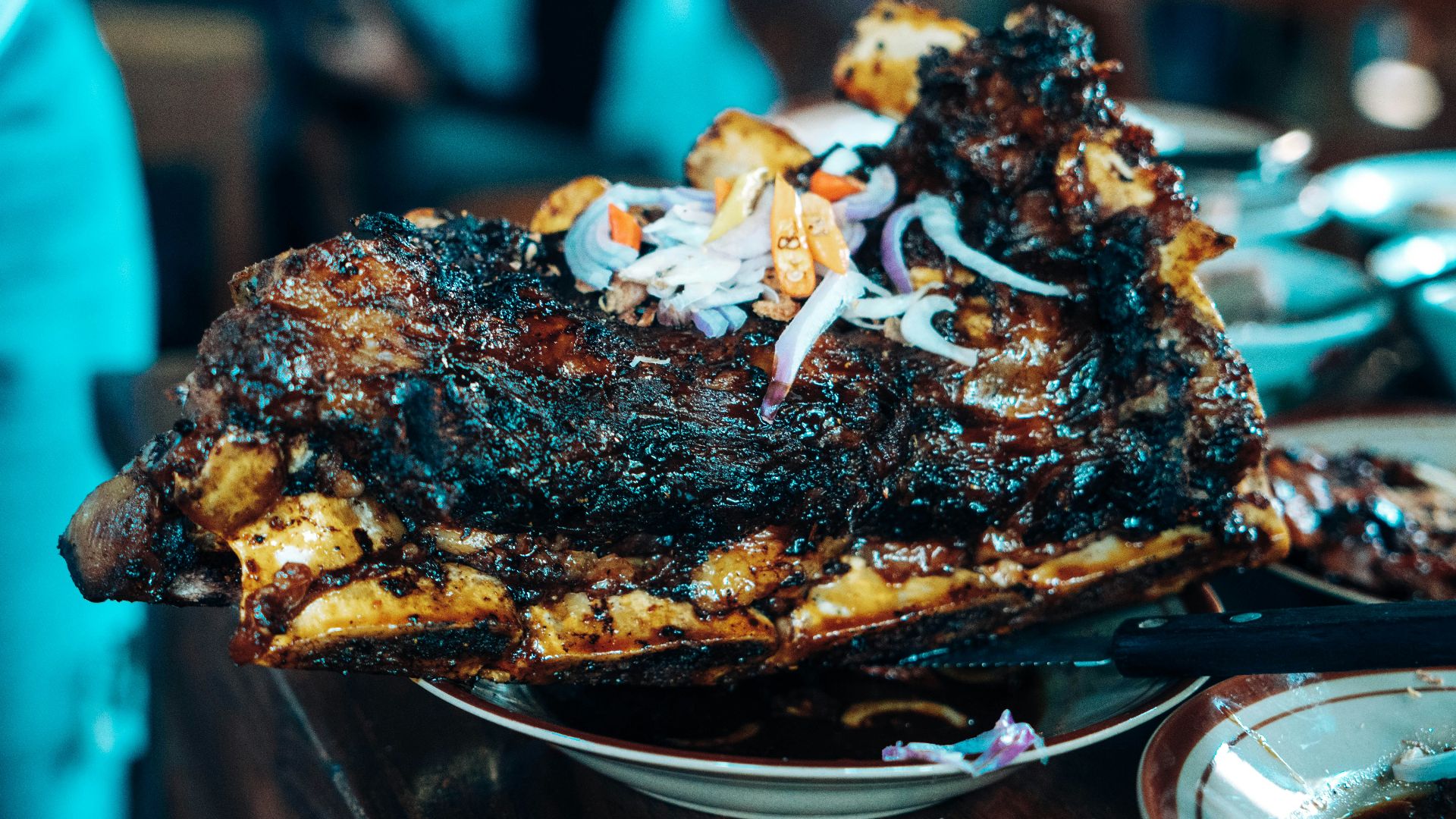
Walk into any home kitchen during dinner hour and you'll probably smell something burning. We've collectively lost the plot on what properly cooked food actually looks and tastes like, and the evidence is everywhere: chicken breasts dry as chalk, vegetables roasted into mush, and steaks that could double as shoe leather. This didn't happen overnight, and the reasons run deeper than simple carelessness.
We're Terrified of Food Poisoning
The fear is real. According to the CDC, roughly 48 million Americans get sick from foodborne illnesses each year, with 128,000 hospitalizations and 3,000 deaths. Those numbers stick in our heads. As a result, we cook chicken until it reaches 165°F, then keep cooking because we don't quite trust the thermometer, then cook it a bit more just to be safe.
The result is chicken that tastes like it was made from compressed sawdust. Health guidelines are meant as minimums, not suggestions to add another ten degrees for good measure. A pork chop is safe at 145°F with a three-minute rest, but we're still treating it like the trichinosis epidemic of 1943.
Recipe Times Are Written for Liability, Not Flavor
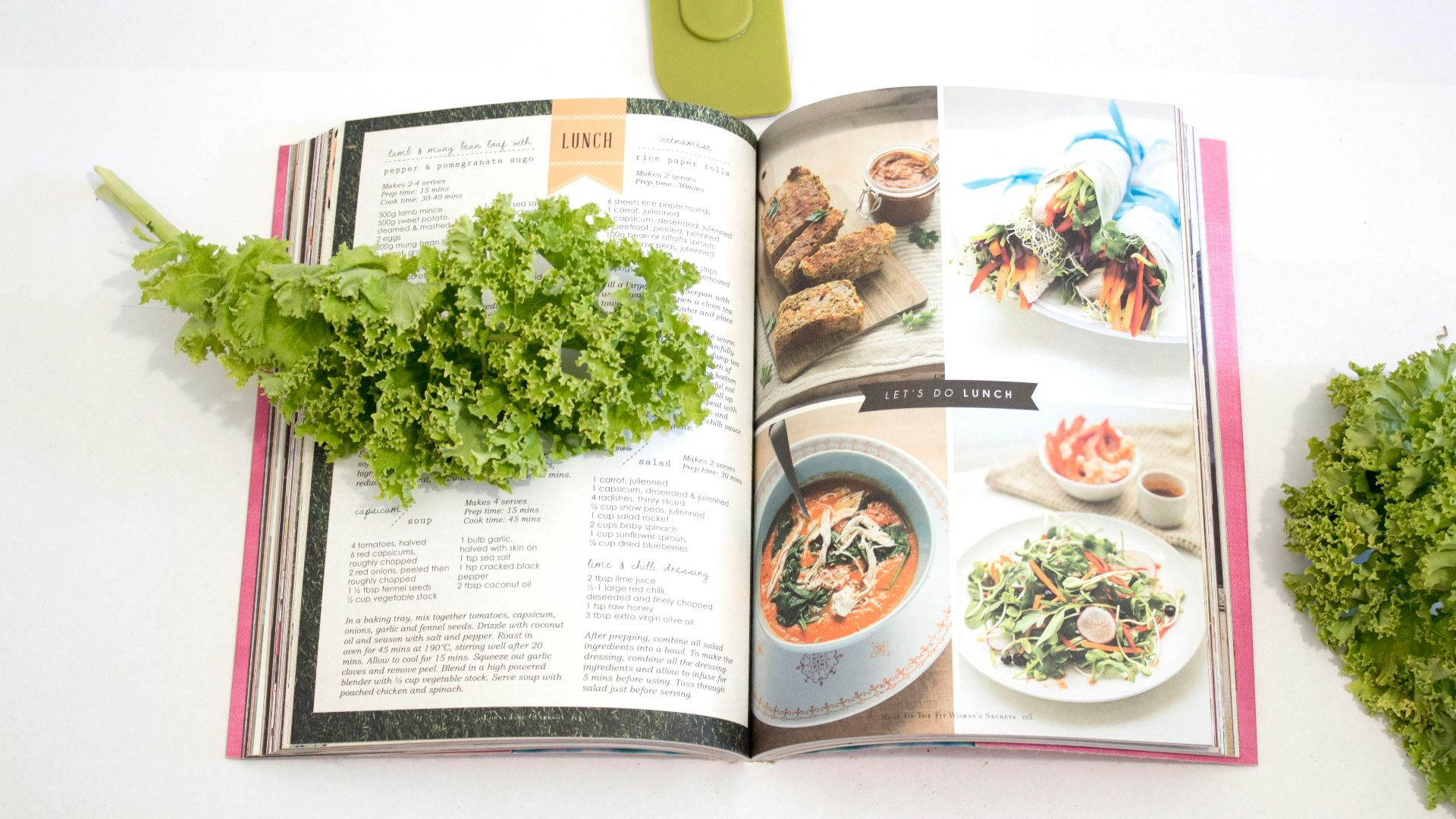 S O C I A L . C U T on Unsplash
Ever notice how every casserole recipe says to bake for 45 to 50 minutes, covered? That extra time isn't there because your green bean casserole needs it. Recipe developers and food publications have legal teams that routinely have nightmares about someone undercooking meat and suing.
To err on the side of caution, they pad the times to make allowance for the possibility that your oven is weak, your baking dish is thick, and you took the ingredients straight from the fridge. Following these times to the letter means you're essentially overcooking by design.
Nobody Taught Us What Done Actually Looks Like
Cooking education has become democratized through YouTube and Instagram, which sounds great until you realize most of those videos are shot under ring lights with color correction. That “perfectly golden” roasted broccoli might actually be thirty seconds from burnt. We've lost the tactile knowledge that comes from experience.
Our grandparents could press a steak and know by feel whether it's medium-rare or well done. They could tell doneness by smell, by sound, by the way steam rose from a pot. We need apps and Bluetooth thermometers and timers for everything. There's nothing wrong with tools, except when they replace instinct entirely.
Modern Kitchens Run Hot
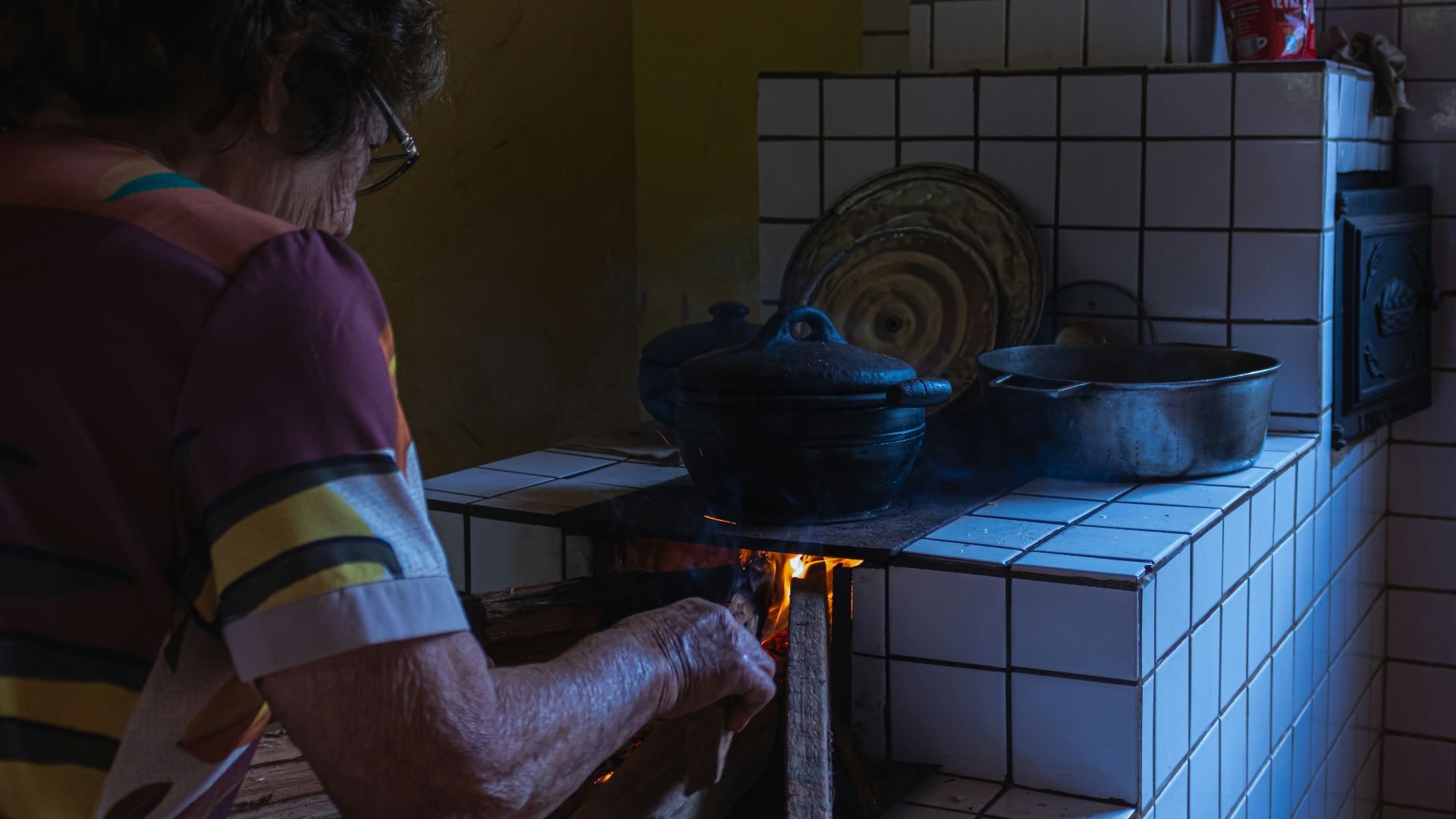
Appliances have changed. Ranges have more powerful burners. Convection has become standard. We're still using recipes written for equipment that didn't exist yet, or using Grandma's timing on an induction cooktop that heats three times faster than her old electric coil.
Then there's carryover cooking, which almost nobody accounts for. Pull a roast at 130°F and it'll coast up to 135°F or 140°F while resting. Pull it at 145°F like the recipe says and you've got well-done meat stripped of the juiciness that makes it worth eating. We treat target temperatures as finish lines instead of warnings to start slowing down.
We've Been Conditioned to Expect Mediocrity
Restaurant kitchens overcook things too, especially in chains where the emphasis is on quantity over quality. That defense mechanism kicks in when you go home to cook. You think properly cooked salmon, which should be slightly translucent in the center, looks raw because you've been served hockey pucks at your favorite dine-in for twenty years. School cafeterias, hospital food, and airplane meals have all contributed to a massive recalibration of expectations.
Tender pasta gets called undercooked. Vegetables with any bite left get sent back to the kitchen. A medium-rare burger seems dangerous rather than delicious. We've trained ourselves to accept and then reproduce overcooked food, creating a feedback loop where each generation cooks a little longer than the last.