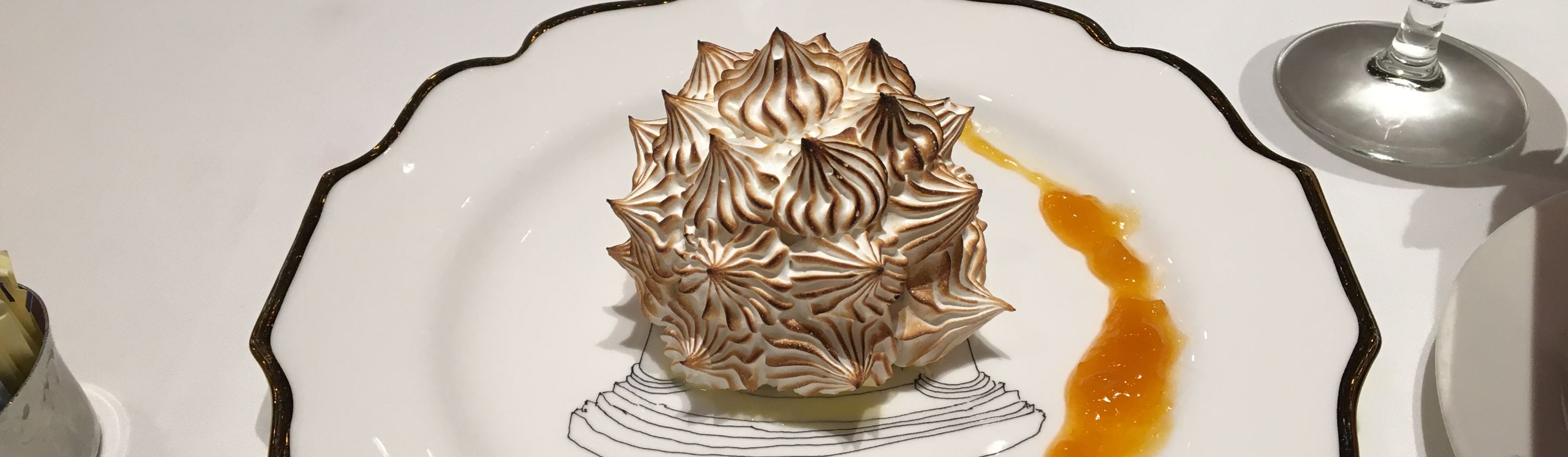
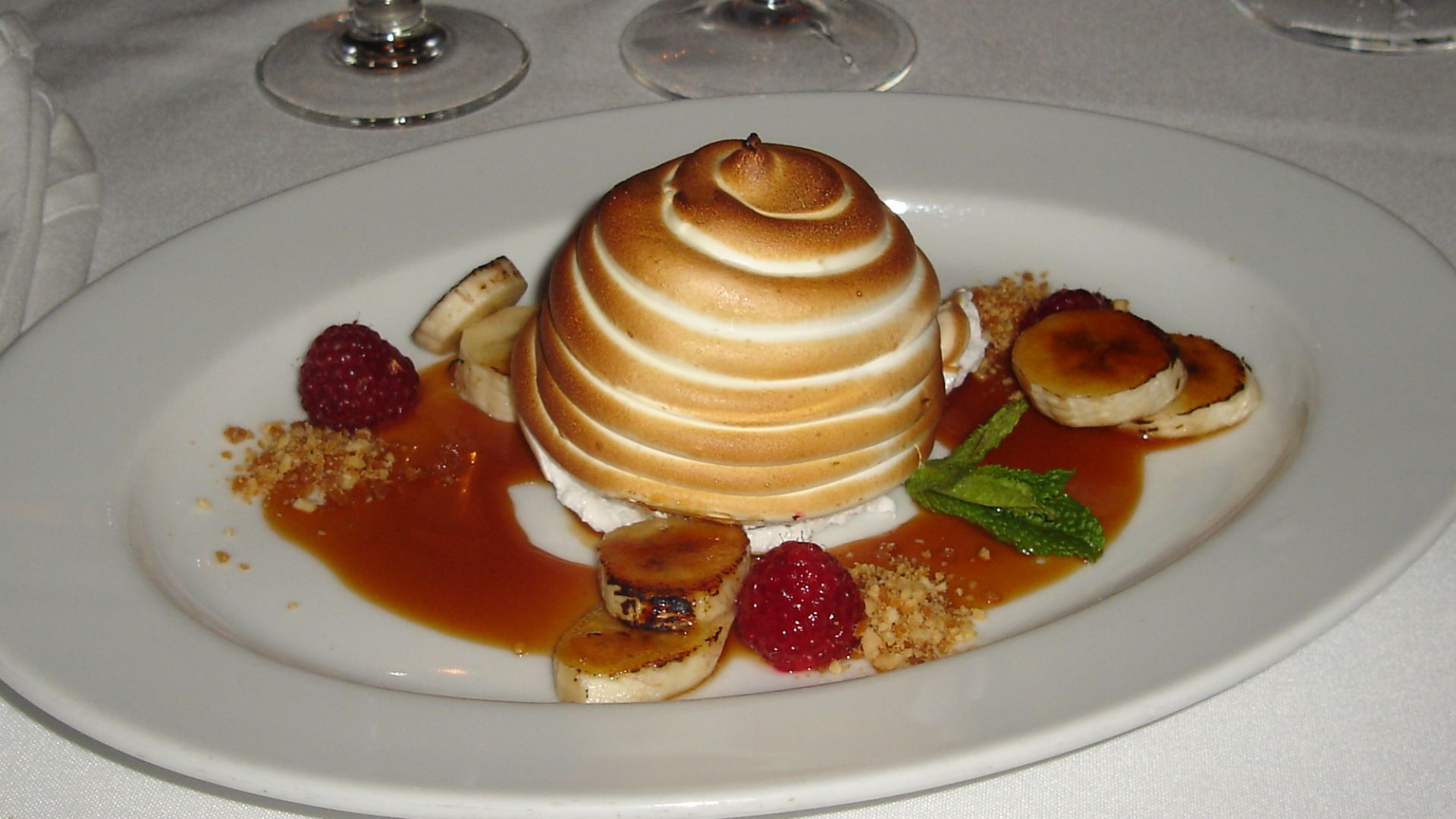
The 1950s were a defining era for cooking. It was all chrome kitchens, cocktail parties, and food that was more show-stopping than anything else. Few desserts captured the vibe of the 1950s like Baked Alaska. It was more than a sweet treat to end a meal. It was performance art.
Baked Alaska was about flames, ice cream, and airy meringue. It defied the laws of physics and dropped jaws as it was placed on the table. During a period when Americans were embracing optimism and spectacle, Baked Alaska was the symbol of dramatic culinary flair.
Let's examine some of the ways Baked Alaska was the ultimate 1950s dessert and easily the wildest.
Science Meets Showmanship
Baked Alaska's roots stretch back further than the 1950s. The concept of insulating ice cream with cake and meringue dates back to the 19th century, when innovative chefs were experimenting with the heat-resistant properties of whipped egg whites. By the 1950s, the dessert found its cultural moment and was widely accepted by chefs and home cooks.
Postwar America was fascinated with science and progress, as evidenced by how home cooks pored over magazine articles explaining why ice cream didn't melt when immersed in the oven's heat. Then, there were restaurant diners who were thrilled by the idea of hot and cold existing in the same dish. The key was the meringue, which was whipped into tiny air bubbles to act as a thermal barrier.
While it all sounds very scientific, it worked like few desserts before or after it.
The Talk of Dinner Party
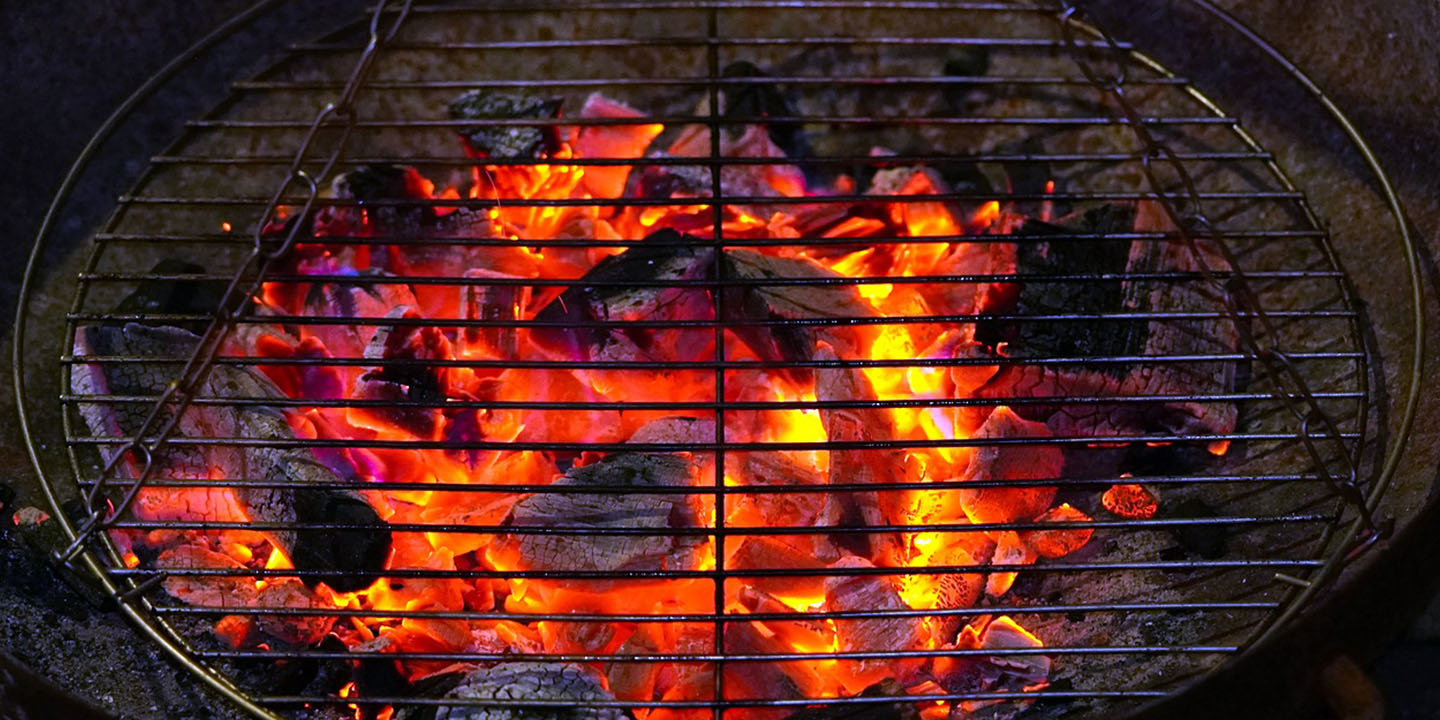
If you hosted a dinner party in the 1950s, you had to make an impression, and Baked Alaska made the biggest one. It wasn't just an ordinary pie or pudding. It was a dessert that demanded a captive audience. Hosts often ignited it tableside with a splash of liqueur, transforming the dessert into a modern piece of theater.
The spectacle mattered. As dinner parties came back into fashion, hosts wanted dishes that proved their sophistication. Baked Alaska was sophisticated but unpretentious. It looked extravagant, but recipes and cookbooks made everyone feel like they could proudly pull it off.
Baked Alaska Defined 1950s Excess
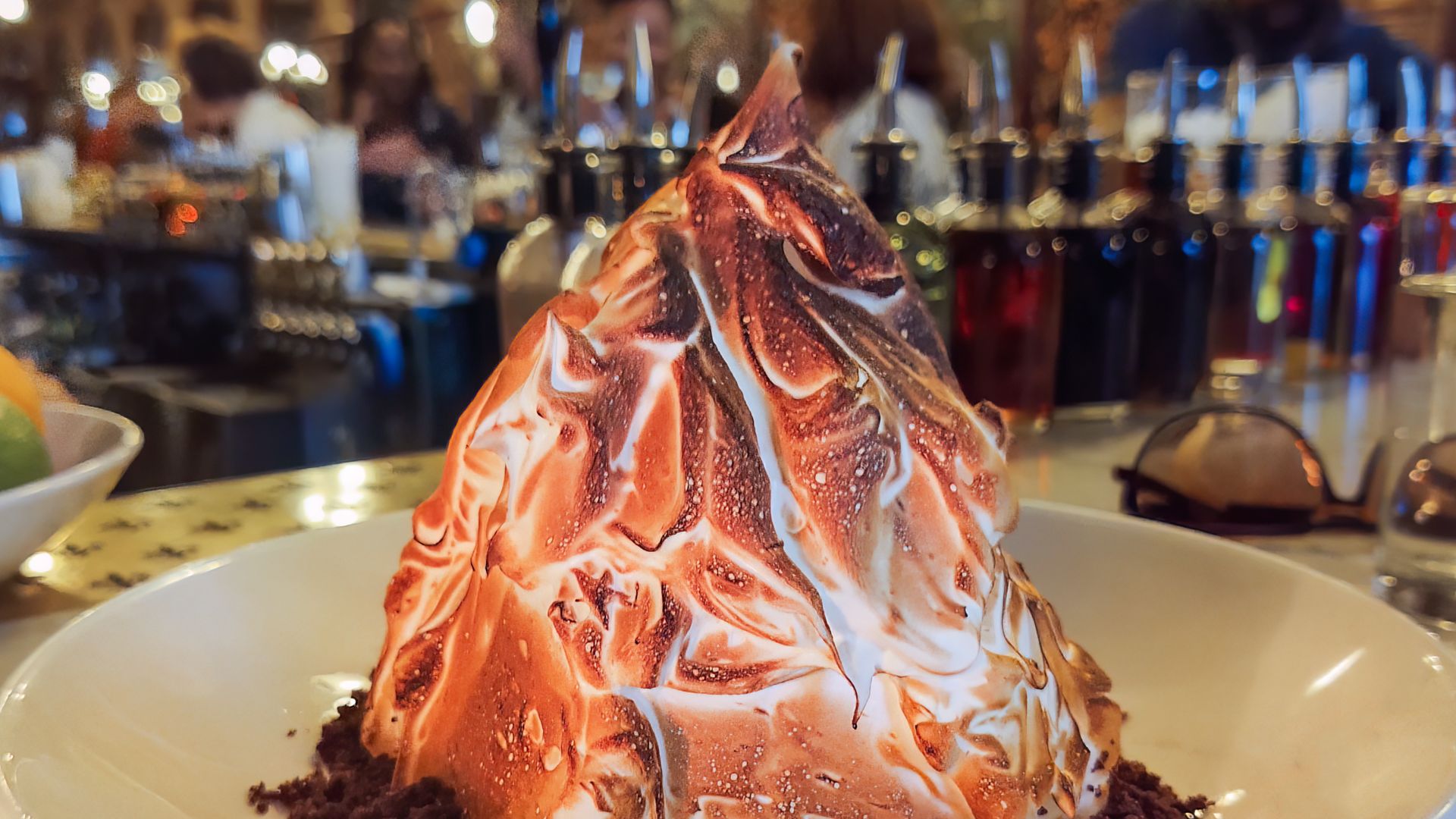
The 1950s were not concerned with minimalism, and Baked Alaska reflected the decade's love of excess. It was big, rich, and indulgent. Layers of sponge cake, scoops of ice cream, and a towering meringue mirrored the culture that brought it into prominence.
It also provides a glimpse into the popularity of flavor combinations during this time. Neapolitan replaced plain vanilla ice cream, and visual contrast was all the rage. This helped propel Baked Alaska into a realm of its own. It was playful, bold, and sweet.
Food trends are in constant flux and have shifted toward simplicity in recent years. Baked Alaska harkens to a time when cooking felt magical and entertaining was an art form. Its combination of fire and ice makes it one of the most memorable dishes of the 1950s because it dared to be over-the-top.
KEEP ON READING