Trying to explain American cuisine often feels like standing in front of an enormous buffet and realizing there’s no single way to describe what’s on your plate. Every dish seems to tell a different story, and somehow the contrast is what makes it all work. People love to argue about what food truly represents the country, yet the answer rarely lands on one specific flavor or dish. Instead, the charm comes from how everything blends and reinvents itself.
If you’ve ever wondered how a nation this varied forms a single food identity, you’re in the perfect place to explore it with an open fork and an open mind.
A Patchwork Built From Global Journeys
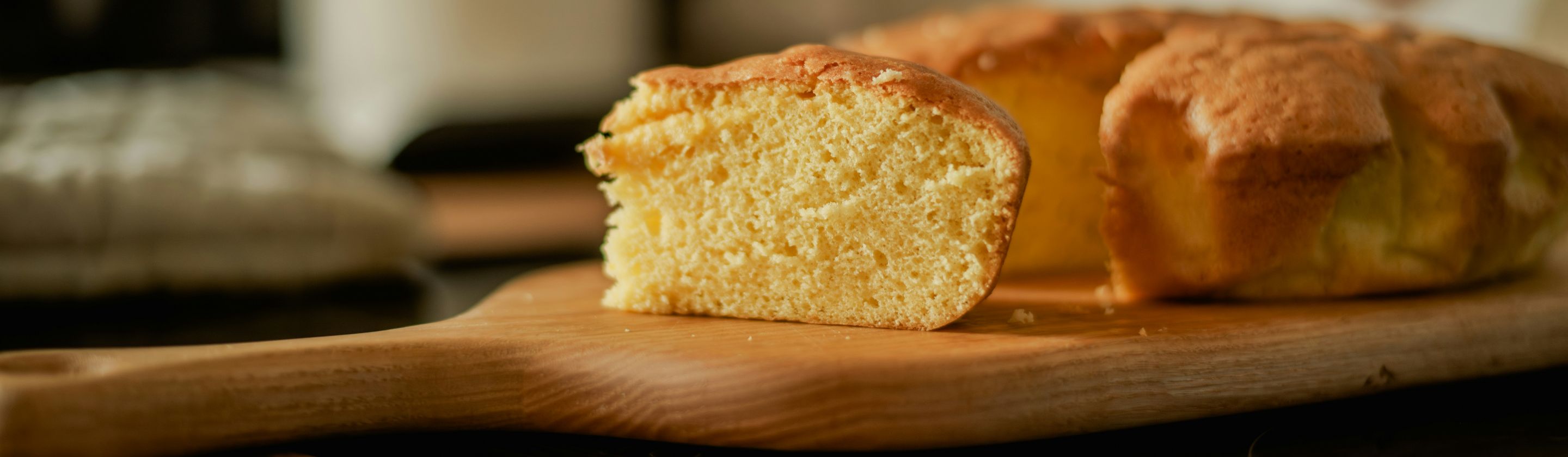
American cuisine didn’t begin in a single kitchen. It grew as different communities arrived and adapted to the ingredients they found across the country. African American cooks shaped Southern food through dishes like gumbo, okra stews, fried catfish, and cornbread. Their culinary legacy reflects resilience and deeply rooted techniques that continue influencing modern menus.
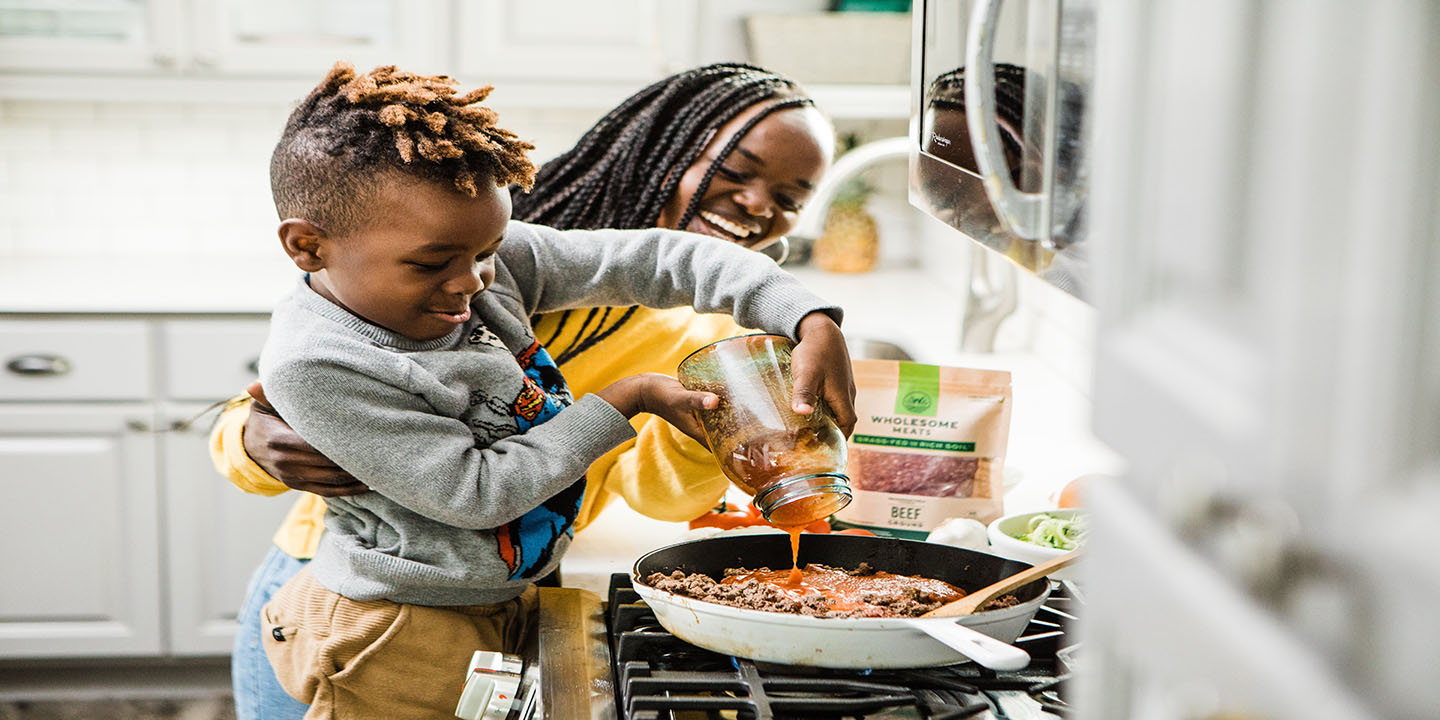
Moving further into the Northeast, Italian immigrants helped define hearty neighborhood classics. Think about sausage-and-pepper sandwiches, stuffed artichokes, or the simple comfort of a red-sauce pasta plate. These dishes became staples not just for Italian families, but for entire cities that embraced those flavors.
Then there’s the powerful imprint of Chinese and Japanese communities. American Chinese favorites such as chop suey or sesame chicken grew from cooks adapting their traditions to local tastes, while Japanese American influence appears in dishes like teriyaki plates and poke-inspired menus on the West Coast. None of these foods arrived untouched; each transformed gently over time, as they met the preferences of new diners.
Through every region, you notice this pattern of blending. And as you explore, you can trace each dish back to communities that carried it across borders and generations.
Regional Pride Shapes What Feels “Authentically American”
Travel across the country, and you’ll watch flavors shift like scenery out a car window. The Southwest carries bold plates rooted in Indigenous, Mexican, and Tex-Mex traditions. Dishes like Navajo tacos, green chile stews, enchiladas, and carne guisada feel completely different from meals along the Mid-Atlantic coast.
The story changes again as you move toward Louisiana. Cajun gumbo, crawfish étouffée, boudin, and jambalaya reflect French, West African, Spanish, and Native influences merging inside one pot. Each bowl carries a sense of place that’s hard to replicate elsewhere.
Innovation Continues To Rewrite The Rules

Part of what defines American cuisine is its willingness to evolve. New chefs keep folding in global inspiration, which leads to dishes that travel through cultures without losing their roots. You’ll also see fusion restaurants everywhere, from Hawaiian plate-lunch shops serving spam musubi and loco moco, to Southern-Asian mashups blending barbecue and fragrant Southeast Asian sauces. The creativity is endless, and that’s part of the charm.
If you’re curious about how your own meals fit into this huge picture, take a second tonight to look at what’s on your plate. You might notice traditions from your family mixing with flavors you picked up from friends or something you tried on a whim.
KEEP ON READING

The Most Popular Signature Dishes Around the World