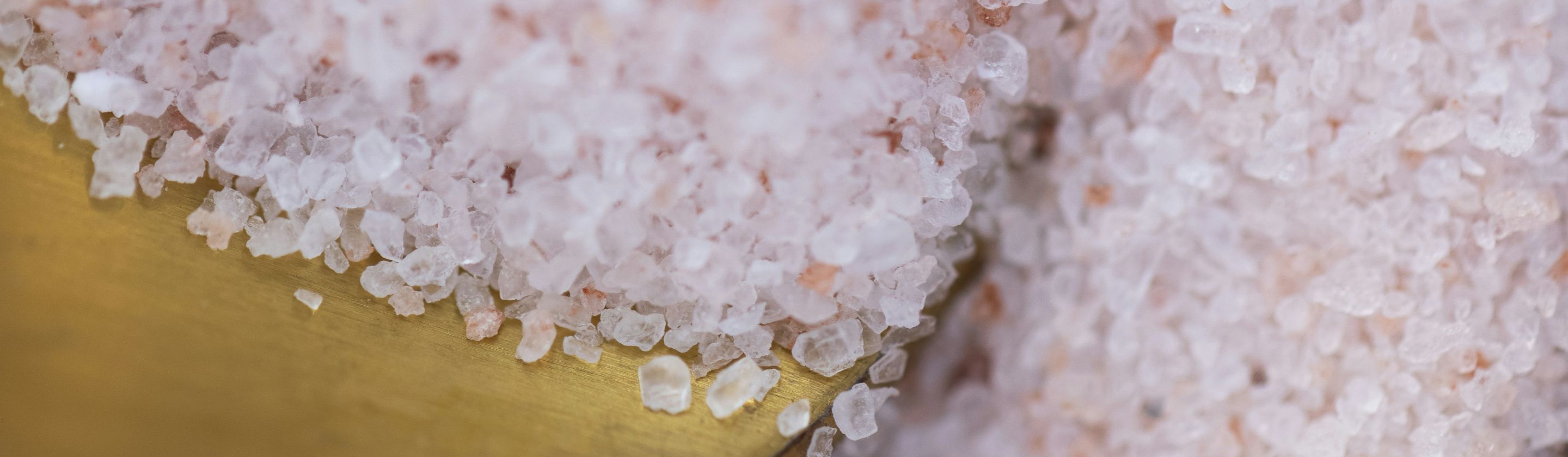

Salt seems almost too ordinary to have once been a source of conflict. It's a super-abundant mineral, found in everything from rocks to the ocean. Today, you can buy it cheaply in any grocery store, which makes it hard to imagine a world where salt was guarded, taxed, traded, smuggled, and sometimes worth risking your neck over.
For most of human history, though, salt wasn’t just seasoning. It was essential for preserving food, feeding livestock, supporting armies, and keeping communities alive through winters, droughts, and long journeys. Whoever controlled salt could control money, movement, and sometimes entire populations. That’s why this tiny crystal once carried enough power to shape trade routes, spark rebellions, and make governments act very possessively.
Salt Kept Food Alive Before Refrigerators Did
Before refrigeration, salt was one of the most reliable ways to keep food from spoiling. Meat and fish could be salted, dried, and stored far longer than fresh food, which mattered enormously in a world without freezers or overnight shipping. If you lived far from a coast, needed to survive winter, or had to feed people on long trips, salt was not optional. It was the difference between having food later and watching it spoil, potentially starving to death.
This made salt especially important for armies and sailors. Soldiers couldn’t march successfully if their food rotted before they reached the battlefield, and ships couldn’t cross oceans on fresh ingredients alone. Salted meat and fish became practical staples because they could survive travel, heat, and time. It may not have made every meal thrilling, but it kept people moving.
Salt also helped preserve dairy and vegetables, giving communities more control over their food supply. Cheese, pickles, cured meats, and fermented foods all depended on salt in different ways. That kind of preservation gave people a buffer against bad harvests and seasonal shortages. In short, salt gave societies a little more control over nature, which translates to more food security.
Control of Salt Meant Control of Wealth
Because salt was necessary, governments quickly realized it could be profitable. If people needed something every day, taxing it was a wonderfully reliable way to raise money, at least from the ruler’s point of view. Salt taxes appeared in many places, from ancient China to France, India, and parts of Africa. Ordinary people, unsurprisingly, were less enchanted by the idea of paying extra for something they couldn’t simply stop using.
Salt routes became major pathways of trade and power. Caravans carried salt across deserts, merchants exchanged it for grain, gold, cloth, and livestock, and cities grew around salt production and distribution. Places with salt mines, salt flats, or access to seawater had a natural advantage. You didn’t need a palace to be powerful if you controlled the thing everyone had to buy.
The word “salary” is often linked in popular retellings to Roman soldiers and salt, signifying that ancient Rome valued it highly. The famous Via Salaria, or Salt Road, connected Rome with salt-producing areas. Even if the paycheck story gets oversimplified, the larger point stands: salt had serious economic weight.
Salt Taxes Helped Spark Resistance

One of the most famous examples of salt-related anger comes from France before the Revolution. The gabelle, a deeply unpopular salt tax, forced many people to buy government salt at high prices. It varied by region, which made the system feel unfair as well as expensive.
Smuggling became a natural response to heavy salt taxes. People who couldn’t afford official salt, or simply hated the system, turned to illegal trade. Authorities punished salt smugglers harshly, making the issue even more bitter and heated.
Salt also played a major role in India’s independence movement. In 1930, Mahatma Gandhi led the Salt March to protest British control and taxation of salt. The act of walking to the sea and making salt was simple, symbolic, and politically brilliant. It showed that even the most ordinary substance could become a weapon against the empire when people were tired enough of being controlled.
Why Salt Lost Its Throne
Salt eventually became less politically explosive because technology changed its place in daily life. Refrigeration reduced the need to preserve everything with salt, while industrial production made salt cheaper and more widely available. Transportation improved, too, which meant communities no longer depended as heavily on local salt sources or guarded trade routes. The same substance that once built fortunes slowly became something you forgot to add to your shopping list.
That doesn’t mean salt stopped mattering. It remains essential in food production, medicine, chemistry, manufacturing, and agriculture. Modern life still uses enormous amounts of salt; the difference is that access is no longer rare enough to make the average person panic over it.
Its old importance can feel strange now because abundance changes how we think about value. Salt went from strategic resource to tabletop habit. So yes, salt was once worth fighting over because it touched nearly every part of survival. It preserved food, funded governments, supported armies, shaped trade, and gave ordinary people a reason to resent rulers who tried to squeeze too much from it. Today, it may look harmless sitting beside the pepper, but history knows better. That little shaker has seen things.
KEEP ON READING


The Most Popular Chocolate Bars in the USA

The Most Popular Candies in the USA