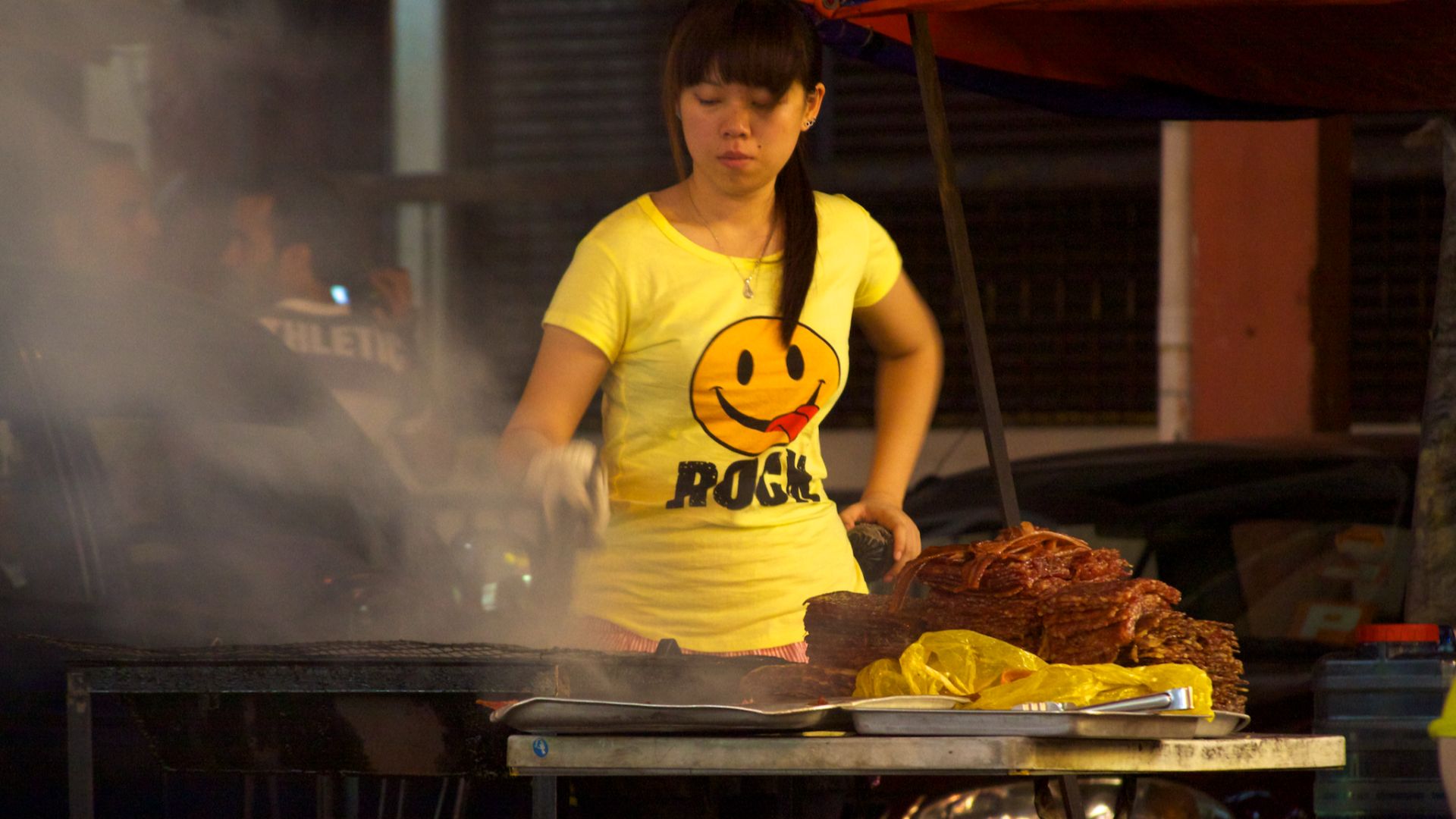
 McKay Savage from London, UK on Wikimedia
Street food stalls and upscale restaurants may seem like they're operating in completely different worlds, but both compete for the same thing: loyal customers. While fine dining establishments often attract attention with elegant interiors, extensive menus, and carefully crafted experiences, many eventually close their doors despite strong reviews and impressive reputations. Meanwhile, humble food stalls frequently remain successful for decades, serving generations of customers from the same location.
The contrast isn't necessarily about food quality. Plenty of high-end restaurants serve exceptional meals, while many street vendors offer surprisingly sophisticated flavors. The difference often comes down to business models, customer expectations, and the ability to adapt to changing circumstances. These factors help explain why small food stalls often prove more resilient than their more expensive counterparts.
Lower Costs Create Greater Stability
One of the biggest advantages street food vendors have is significantly lower operating costs. A small stall typically requires less rent, fewer employees, and less equipment than a full-service restaurant. Because expenses remain relatively manageable, owners can survive periods when customer traffic temporarily slows.
Fancy restaurants face a much different financial reality. Large dining spaces, specialized kitchen equipment, extensive staff, and premium décor create substantial overhead expenses. Even a brief decline in business can place enormous pressure on profitability because the costs continue regardless of how many customers walk through the door.
This financial flexibility allows street vendors to weather economic downturns more effectively. During difficult times, customers often look for affordable dining options rather than expensive meals. As a result, food stalls may continue attracting steady business while higher-end establishments struggle to maintain revenue levels that support their larger expenses.
Simplicity Helps Build Loyal Customers
Many successful street food stalls focus on a limited number of dishes rather than offering lengthy menus. By preparing the same items repeatedly, vendors often develop remarkable consistency. Customers know exactly what to expect, which encourages repeat visits and long-term loyalty.
Upscale restaurants frequently face pressure to innovate and reinvent themselves. Diners may expect seasonal menus, new culinary trends, and constantly evolving offerings. While creativity can attract attention, it also increases complexity and introduces risks that don't affect businesses built around a few proven recipes.
Street vendors also benefit from convenience and familiarity. Customers can quickly grab a favorite meal without making reservations or committing to a lengthy dining experience. Over time, these habits become part of people's routines, creating dependable customer bases that support the business year after year.
Strong Community Connections Matter
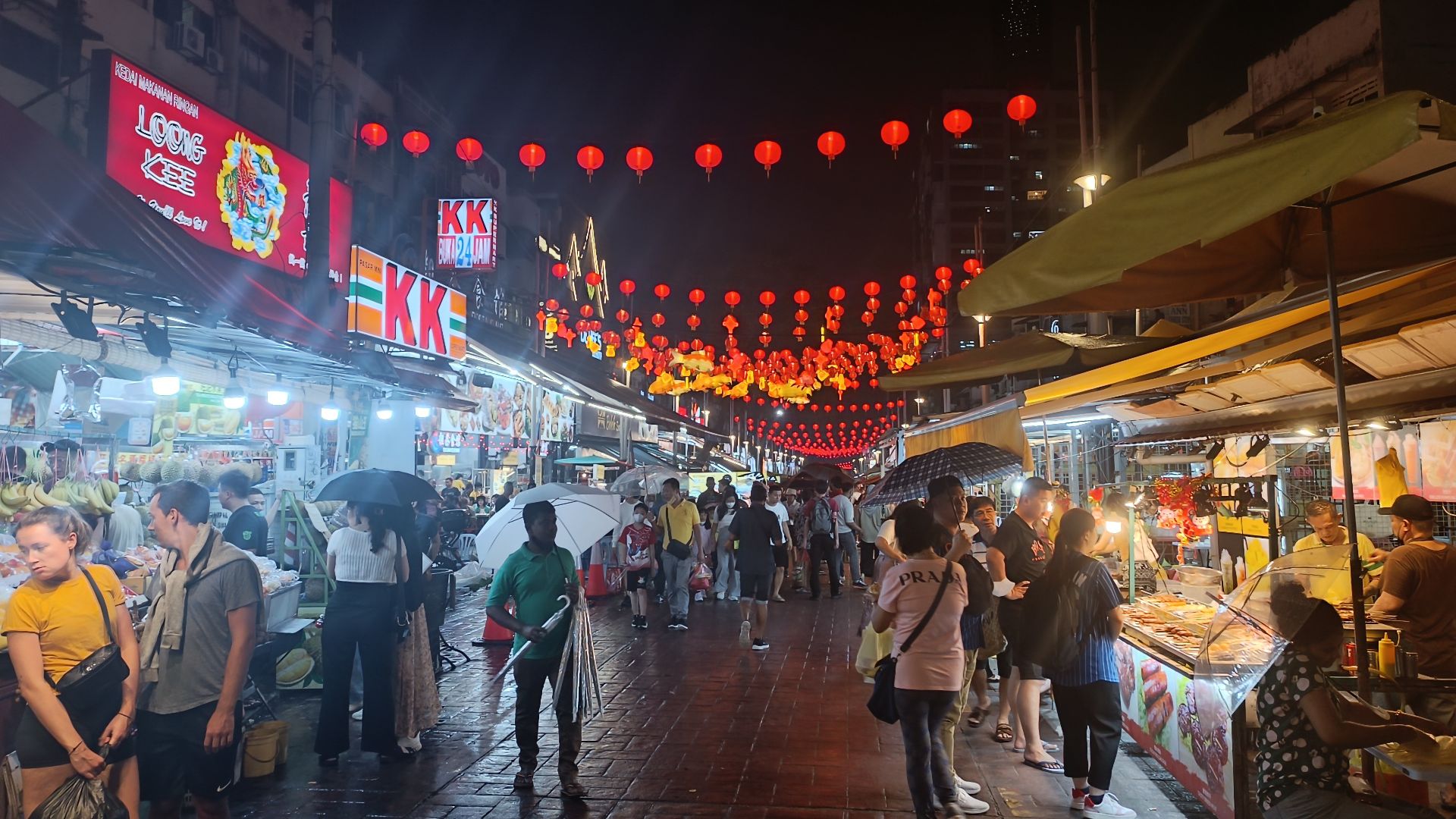
Street food stalls often become deeply connected to the neighborhoods they serve. Owners frequently interact directly with customers, learning names, preferences, and personal stories over many years. These relationships create a sense of loyalty that extends beyond the food itself.
Many fancy restaurants provide excellent service, but maintaining personal connections becomes more difficult as businesses grow larger and more formal. Guests may visit only on special occasions, limiting opportunities to develop the kind of regular relationships that encourage long-term support. The dining experience can feel memorable without necessarily becoming part of someone's everyday life.
Community presence can also help food stalls adapt to changing tastes and preferences. Regular customers often provide immediate feedback, allowing vendors to make adjustments quickly when needed. That close relationship with the local market helps many street food businesses remain relevant for decades, even as trends in the broader restaurant industry come and go.
Although upscale restaurants and street food stalls each have their place in the culinary world, their paths to success are often very different. Fancy establishments frequently depend on high spending, constant innovation, and substantial operating budgets, while food stalls thrive through simplicity, affordability, and strong local relationships. Those advantages don't guarantee success, but they help explain why many modest vendors continue serving customers long after more elaborate restaurants have disappeared.
KEEP ON READING

The Most Popular Signature Dishes Around the World