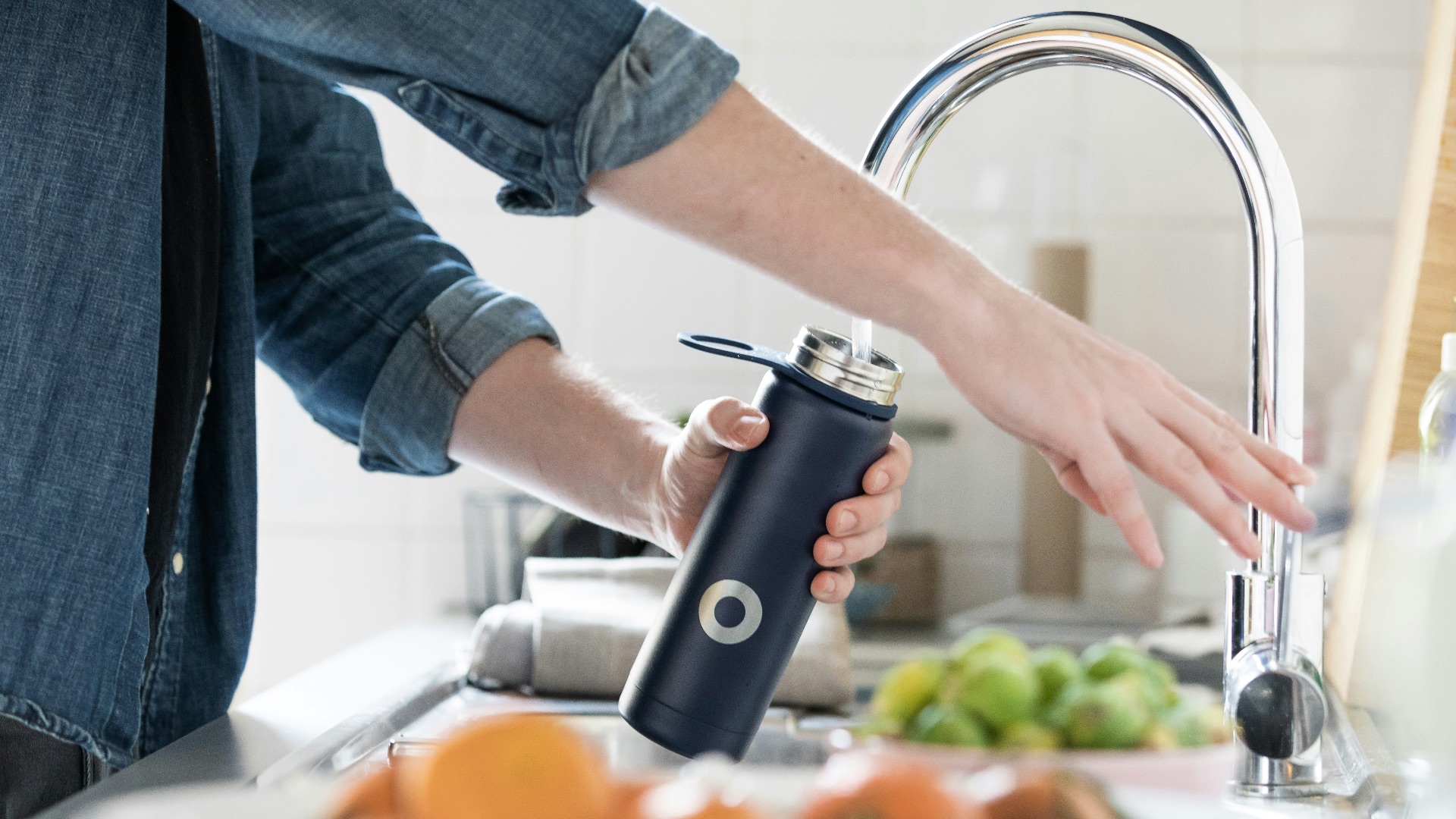
When was the last time you washed your water bottle or even rinsed it out? A week ago? A month ago? Can't remember? If you're like most people, chances are you're not washing your daily hydration jug as often as you should. Many like to assume that since it only holds water, it can't get all that dirty, but that's far from the truth. In fact, according to one survey, reusable water bottles can carry five times more bacteria than a computer mouse, and a whopping 14 times more than your pet's slobbery food bowl, which probably isn't something you want to think about the next time you take a sip.
Thankfully, keeping your bottle clean doesn't require much effort; all you really need to do is start washing it more, and thoroughly. Once you build a dedicated routine, you won't have to worry about bacteria buildup turning your hydration habit into a health risk. That is, unless you fall back into those bad habits...
Daily Cleaning Matters More Than You Think
Bacteria don't need much to multiply, and unfortunately, a water bottle gives them almost everything they're looking for. Bacteria such as E. coli, Salmonella, and Staphylococcus aureus can grow inside a bottle that isn't washed regularly, and these germs are linked to issues like gastrointestinal infections, food poisoning, and skin infections. Mold is a concern too, since it thrives in the same damp, dark conditions your bottle provides every time you close the lid; the presence of it can trigger allergic reactions and even respiratory issues. Grossed out yet?
The speed at which bacteria spread is pretty alarming, too. Experts note that bacteria can double in number almost every 20 minutes, and factors like touching the lid with dirty hands or leaving the bottle somewhere warm can speed that growth up even further. That means a bottle that seemed fine in the morning could be hosting a much larger bacterial population by the time you finish your day.
This is exactly why most health professionals recommend washing your bottle every single day rather than waiting until it looks or smells off. And don't just throw it in the dishwasher; you should be cleaning your bottle and all of its parts daily by hand, using warm water and soap. If you put anything other than water in your jug, such as coffee or sugary beverages, you should be rinsing it out even more diligently and thoroughly.
The Right Way to Clean Different Bottle Materials
Contrary to what you might think, not every water bottle should be cleaned the same way, and the material plays a big role in determining your approach. Stainless steel bottles can often go in the dishwasher, but only if the manufacturer specifically labels them as dishwasher safe (though it's still best to wash by hand), so it's worth checking the bottom of your bottle or its care instructions before tossing it in. When in doubt, hand washing is always the safer bet, especially for bottles with double-wall insulation.
Insulated bottles in particular benefit from being hand-washed rather than machine-washed. The high heat and harsh detergents used in dishwashers can damage the vacuum seal over time, which reduces how well the bottle keeps drinks hot or cold. A simple daily rinse with warm, soapy water is usually enough to maintain a bottle like this without risking its performance.
For a deeper clean, plenty of experts point to a simple combination: white vinegar and warm water. First, pour in a quarter cup of white vinegar into your bottle, then fill the bottle to the top with warm water and let it soak overnight; this helps remove built-up odors, bacteria, and stains that regular washing might miss. It's also a method that works particularly well after you've had something like coffee or a sugary drink sitting in the bottle for an extended period.
The Parts of Your Bottle You're Probably Forgetting
The main body of the bottle usually gets the most attention, but don't forget its other components. Straws, nozzles, and sipping points also need attention during cleaning, and again, experts recommend washing these by hand to make sure nothing gets missed in a dishwasher cycle. These narrow spaces are exactly the kind of damp, hard-to-reach spots where bacteria and mold like to settle in.
The lid and cap area deserve just as much focus, even though they're easy to overlook during a quick rinse. The underside of the lid and the spout are common places for mold to hide, so giving these areas a thorough scrub with a bottle brush is just as important as cleaning the main chamber. If you've ever noticed a lingering smell in your bottle, this is often where it's actually coming from.
Drying matters here too, and it's a step a lot of people skip without realizing how much it matters. Closing the cap on a bottle that's still damp inside creates the exact environment mold needs to grow, so letting every component air dry completely before you put it back together makes a real difference. This is especially true for bottles with multiple parts, like straws and gaskets, since moisture can get trapped between them long after the rest of the bottle feels dry.
If you ever notice mold has already formed, it's best to stop using the bottle right away rather than trying to clean around it. Once mold appears, the advice is to immediately stop using the bottle until it's properly addressed. Catching the early signs of moisture buildup before they turn into mold will save you the hassle of dealing with this down the line.
At the end of the day, your water bottle is something you're putting to your mouth multiple times a day, so it deserves the same hygiene standards you'd apply to a dish or a cup. Building a simple routine around daily washing, proper drying, and occasional deep cleaning means you can enjoy the convenience of a reusable bottle without the hidden downside of bacterial buildup. It's a small habit that pays off in a big way for your health.
KEEP ON READING

10 Most Hated Foods in the Entire World