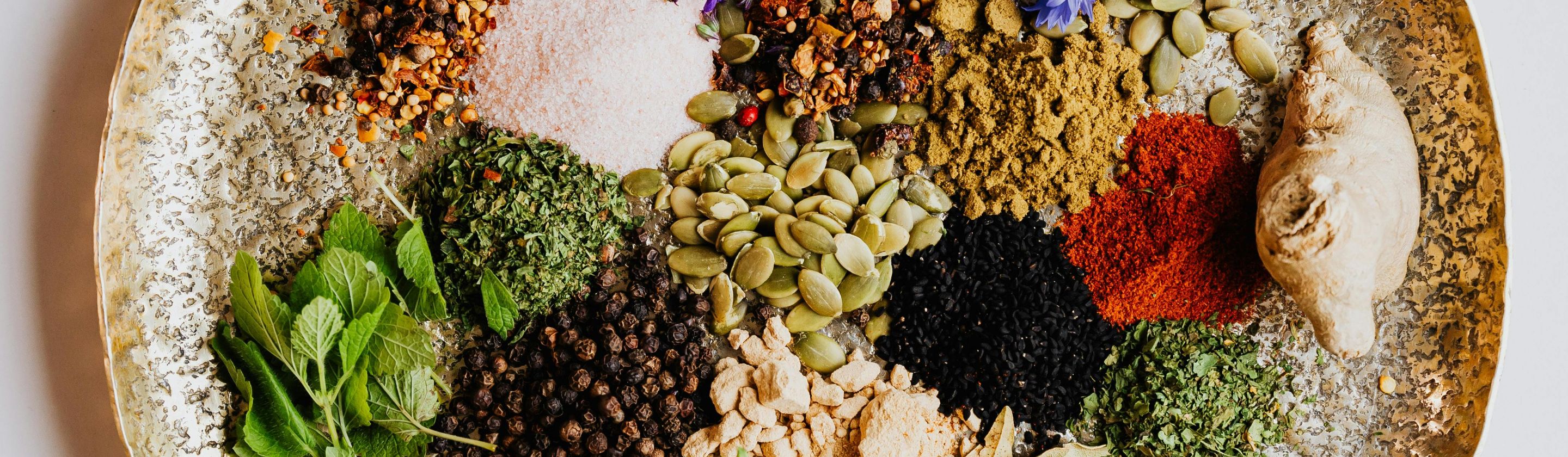
Too Much of a Good Thing
Healthy foods earn their reputation for good reasons, whether they're packed with antioxidants or fiber or heart-healthy fats, but too much of a good thing can still be a bad thing. From avocados to brown rice and even lemon water, many people's morning drink of choice, can have adverse effects if they're consumed in excess. Next time you put any of these 20 foods on your plate (or in your cup), make sure you still know the limits. Sometimes, more isn't always better.
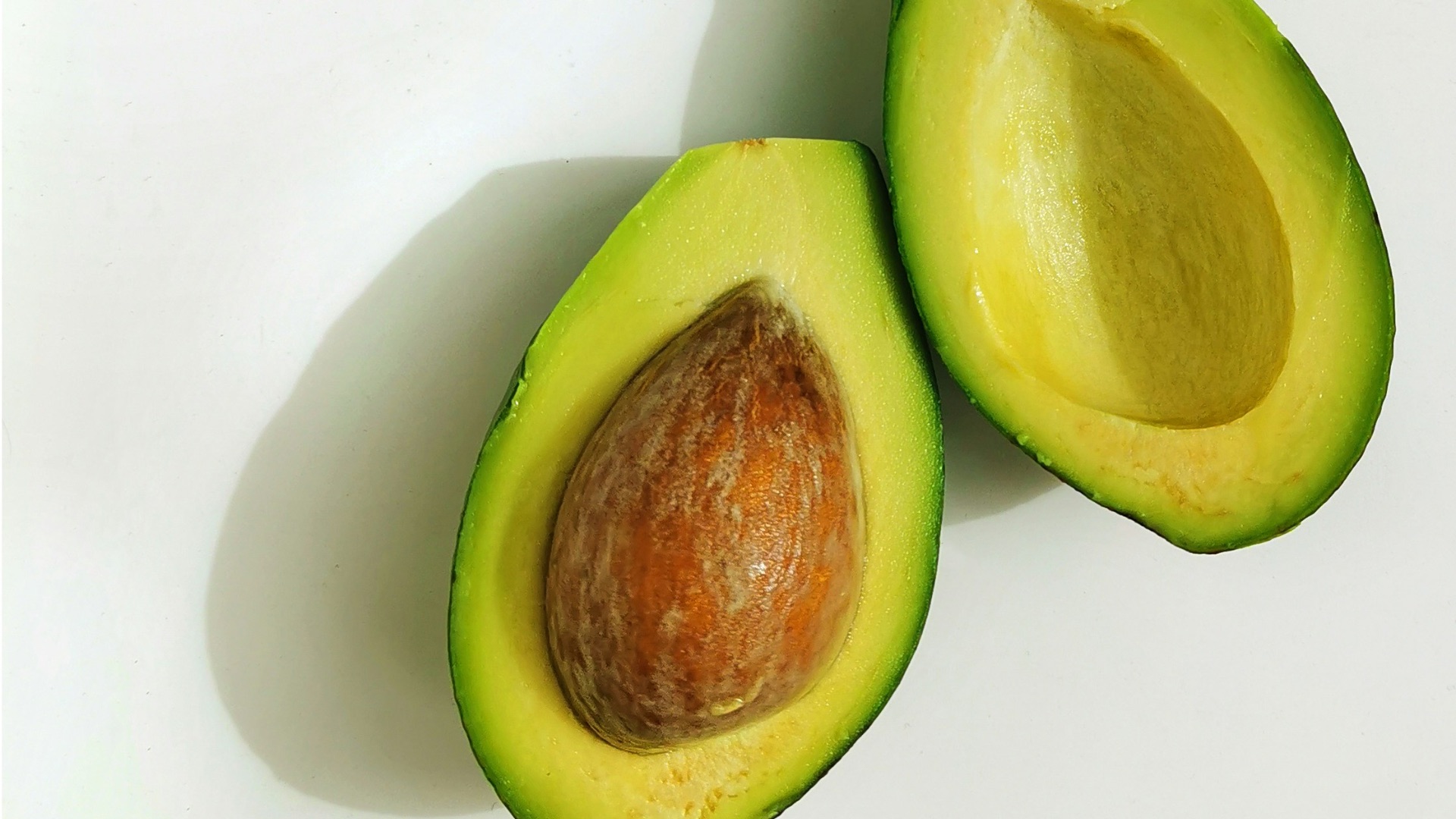
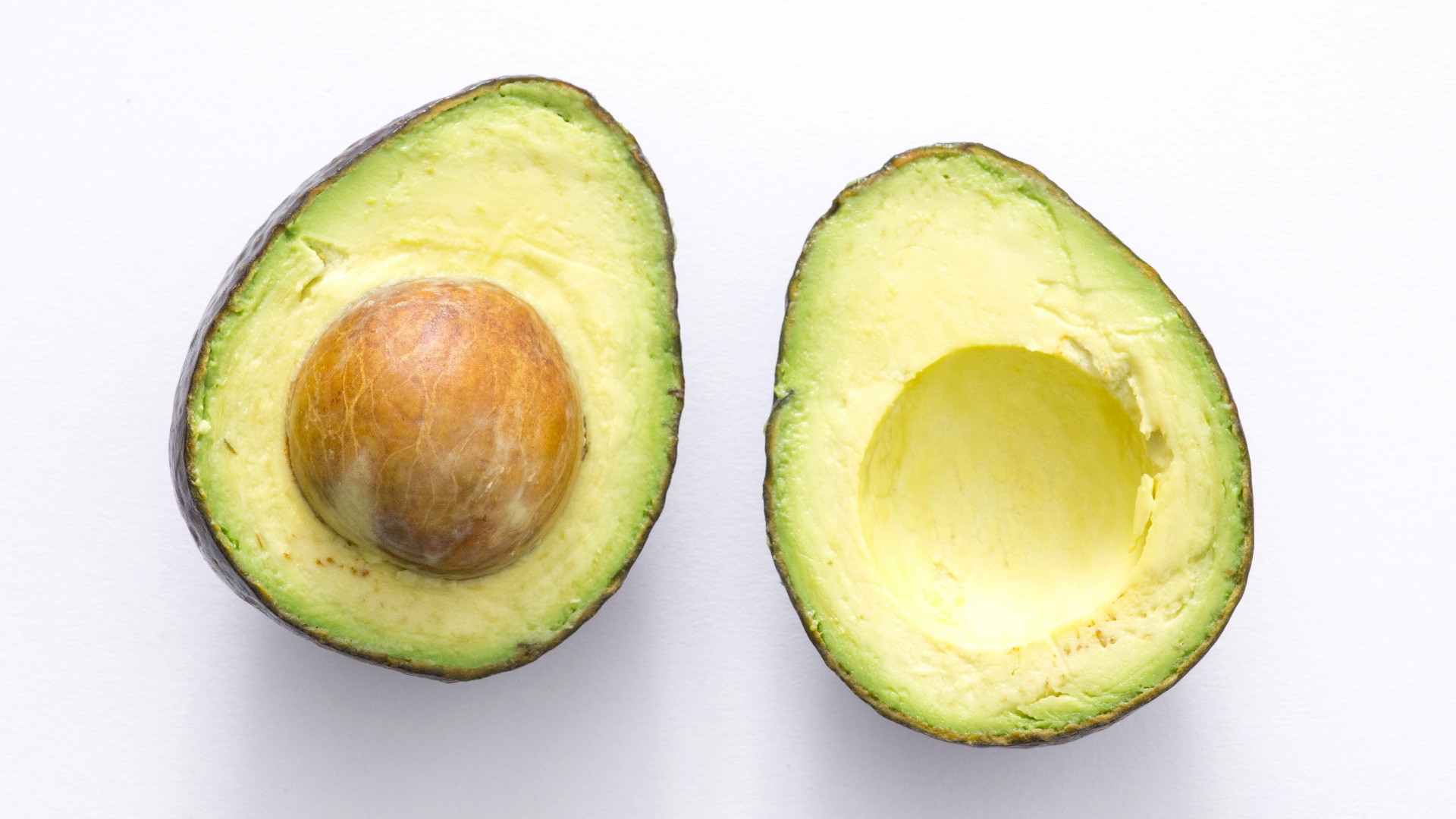
1. Avocados
Avocados are packed with heart-healthy fats, fiber, and potassium, which makes them a smart addition to many meals. The catch is that they’re also calorie-dense, so eating several in a day can push your calorie intake higher than you realize. Too much avocado may also leave some people feeling overly full or uncomfortable because of the fat and fiber content. A reasonable portion lets you enjoy the creamy texture and nutrients without overdoing it.
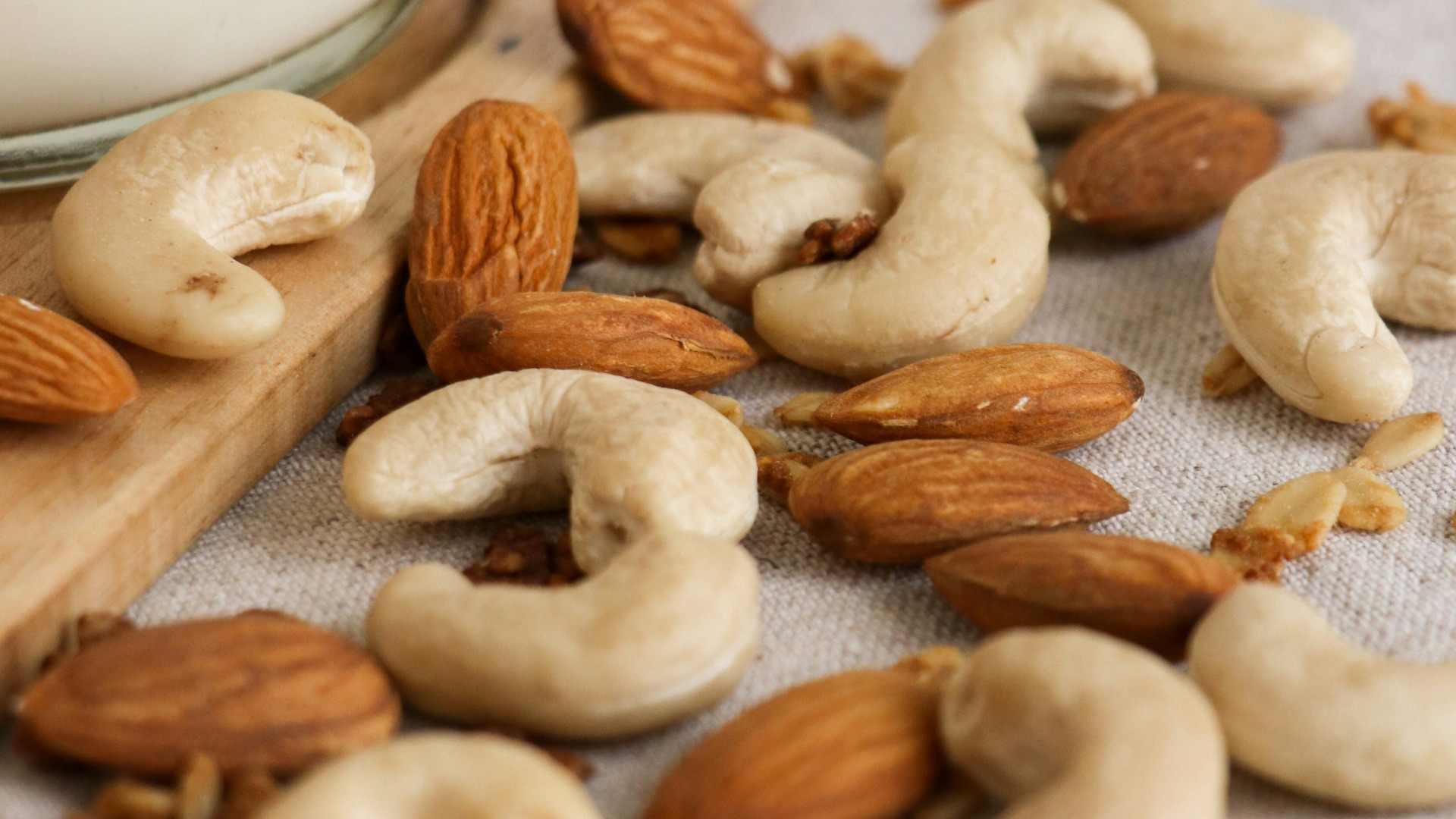
2. Nuts
Nuts are rich in healthy fats, protein, minerals, and antioxidants, which is why they’re often recommended as a satisfying snack. Still, a handful can turn into several servings quickly, and the calories add up fast when you eat them straight from the bag. Salted varieties can also raise sodium intake if you snack on them often. Measuring a small portion can help you keep the benefits without accidentally turning a snack into a full meal.
3. Greek Yogurt
Greek yogurt can be an excellent source of protein, calcium, and probiotics, especially when you choose plain varieties. Problems can start when you eat large amounts of flavored versions that contain a lot of added sugar. Even plain Greek yogurt may feel heavy if you’re sensitive to dairy or lactose. Pairing a moderate serving with fruit or oats usually gives you a better balance.
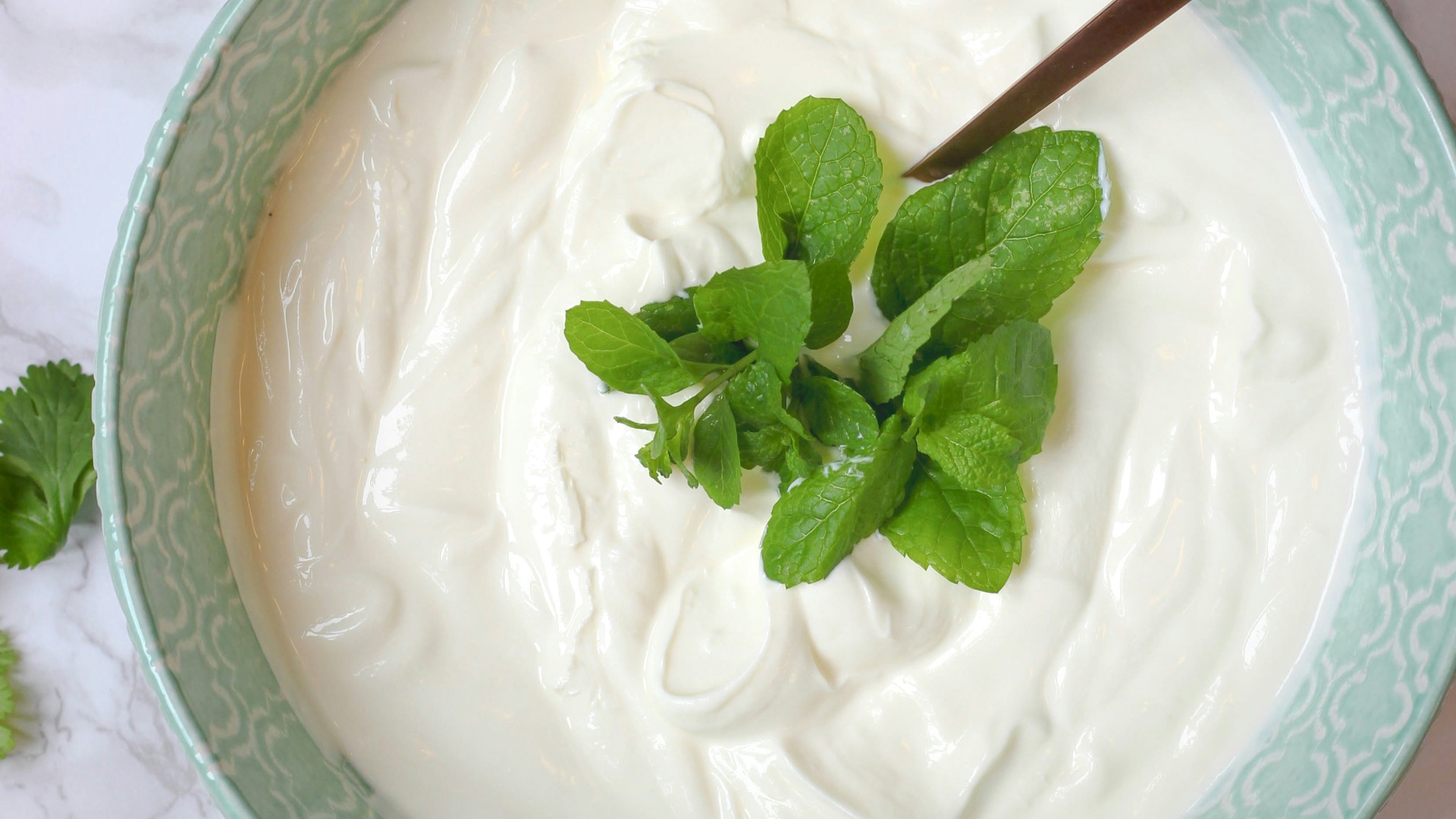 micheile henderson on Unsplash
4. Tuna
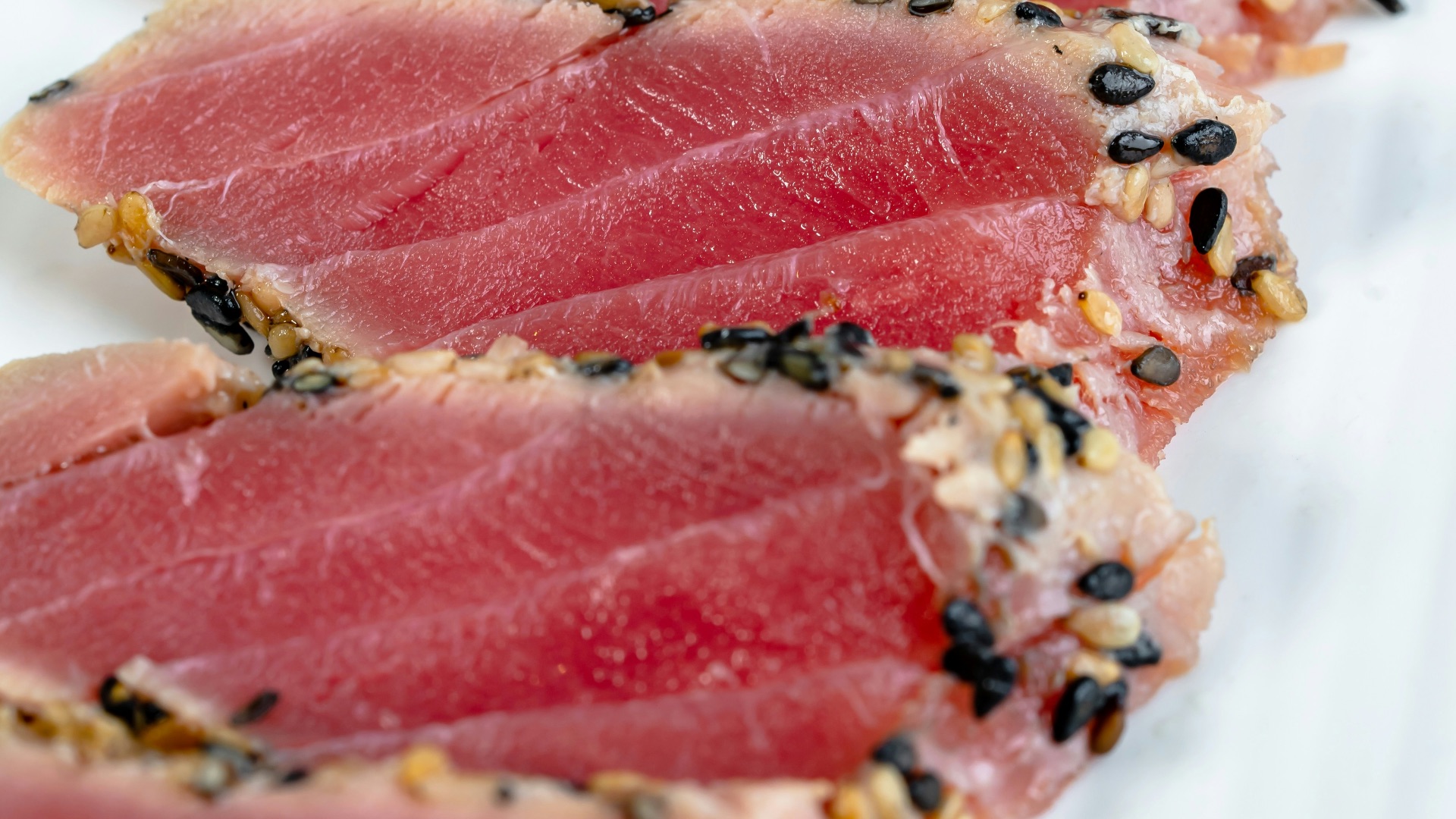
Tuna is convenient, protein-rich, and a useful source of omega-3 fatty acids, but it can contain mercury. Eating it too often, especially albacore or larger tuna varieties, may increase mercury exposure over time. This matters even more for pregnant people, children, and anyone following fish-safety guidance closely. Rotating tuna with lower-mercury seafood like salmon, sardines, or trout is a safer long-term habit.
5. Brown Rice
Brown rice is often seen as a healthier choice than white rice because it contains more fiber and nutrients. However, rice can absorb arsenic from soil and water, and brown rice may contain more than white rice because the outer layers remain intact. Eating it every day as your main grain can limit variety and increase exposure over time. Mixing in quinoa, oats, barley, or whole-wheat options gives your meals more nutritional range.
6. Spinach
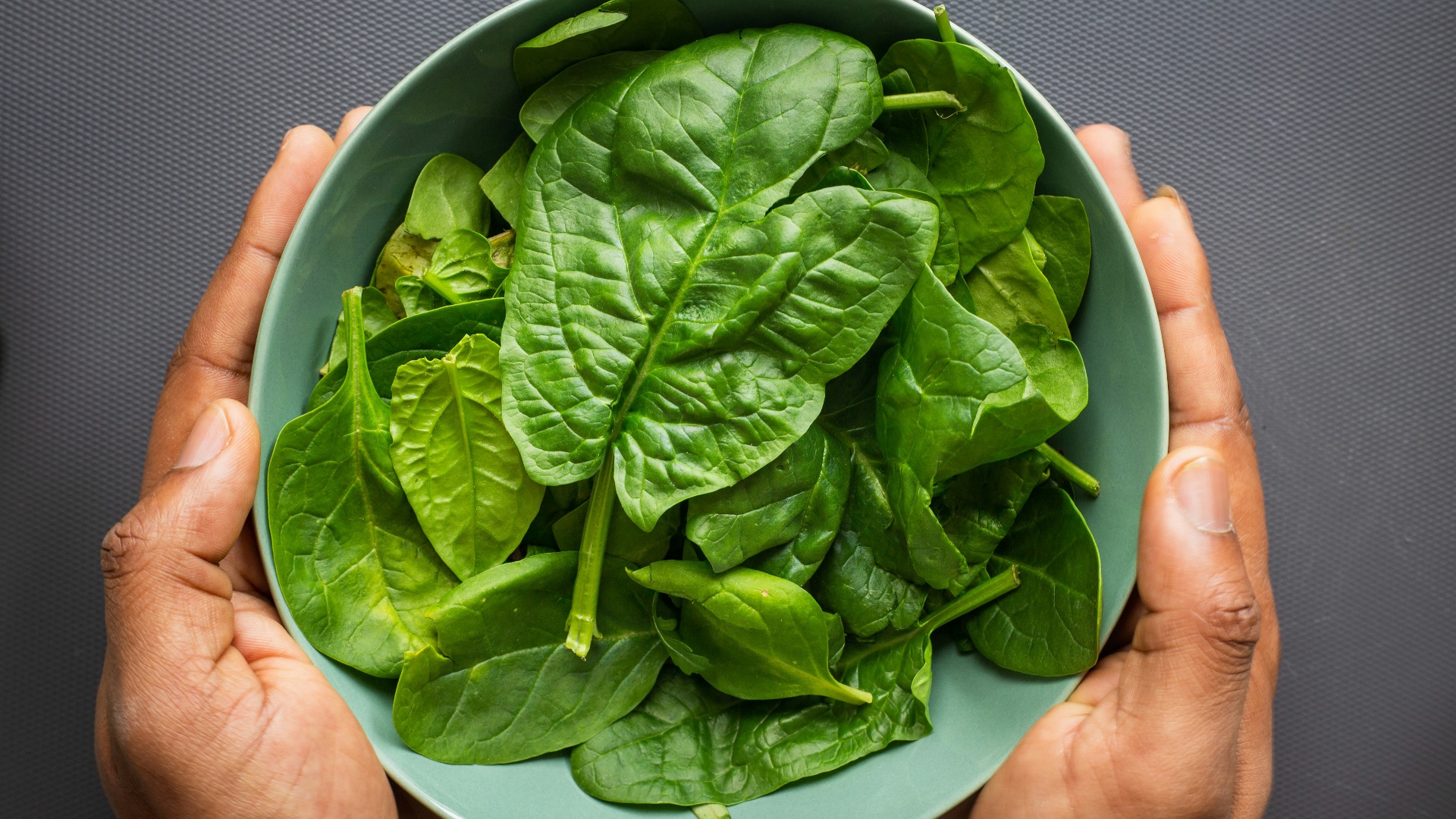
Spinach is full of vitamins, minerals, and plant compounds that support a nutritious diet. It’s also high in oxalates, which may be a concern for people prone to certain types of kidney stones. Eating large amounts of raw spinach every day can also crowd out other leafy greens that offer different nutrients. Switching between spinach, kale, romaine, arugula, and collards is a better approach.
7. Sweet Potatoes
Sweet potatoes provide fiber, potassium, vitamin C, and beta carotene, making them a strong choice for a filling carbohydrate. If you eat them in very large quantities, the extra carbohydrates and calories can add up, especially when they’re topped with butter, sugar, or syrups. Heavy intake of beta carotene-rich foods can also give the skin a yellow-orange tint, which is usually harmless but noticeable. Enjoying them alongside protein and vegetables keeps the meal more balanced.

8. Eggs
Eggs are nutrient-dense, affordable, and high in quality protein, which makes them a staple for many people. Eating several every day may not be the best fit for everyone, particularly those who’ve been told to watch cholesterol intake. The way you prepare them matters too, since frying eggs with lots of butter or pairing them with processed meats changes the overall meal. For most people, moderation and variety are more useful than treating eggs as an unlimited food.

9. Olive Oil
Olive oil is a key part of many heart-friendly eating patterns because it contains mostly unsaturated fat. That doesn’t mean it’s calorie-free, and pouring it generously over every dish can raise total calories or fat faster than expected. It’s also easy to forget how much you’ve used when cooking, dressing salads, and dipping bread. Measuring it occasionally can help you keep portions realistic.

10. Dark Chocolate
Dark chocolate contains antioxidants and usually has less sugar than milk chocolate, depending on the brand. Even so, it’s still a concentrated source of calories, fat, and sometimes added sugar. Some dark chocolate may also contain traces of heavy metals, like cadmium and lead, which is another reason not to treat it as an everyday unlimited health food. A small square or two is enough to enjoy the flavor without turning it into a large dessert.
 Kier in Sight Archives on Unsplash
11. Dried Fruit
Dried fruit keeps many of the nutrients found in fresh fruit, including fiber and minerals. Because the water has been removed, it’s much easier to eat a lot more fruit than you would in its fresh form. This can mean a large dose of natural sugar in a small serving, and some packaged varieties also contain added sugar. Combining dried fruit with nuts or yogurt can make the portion feel more satisfying.
12. Chia Seeds
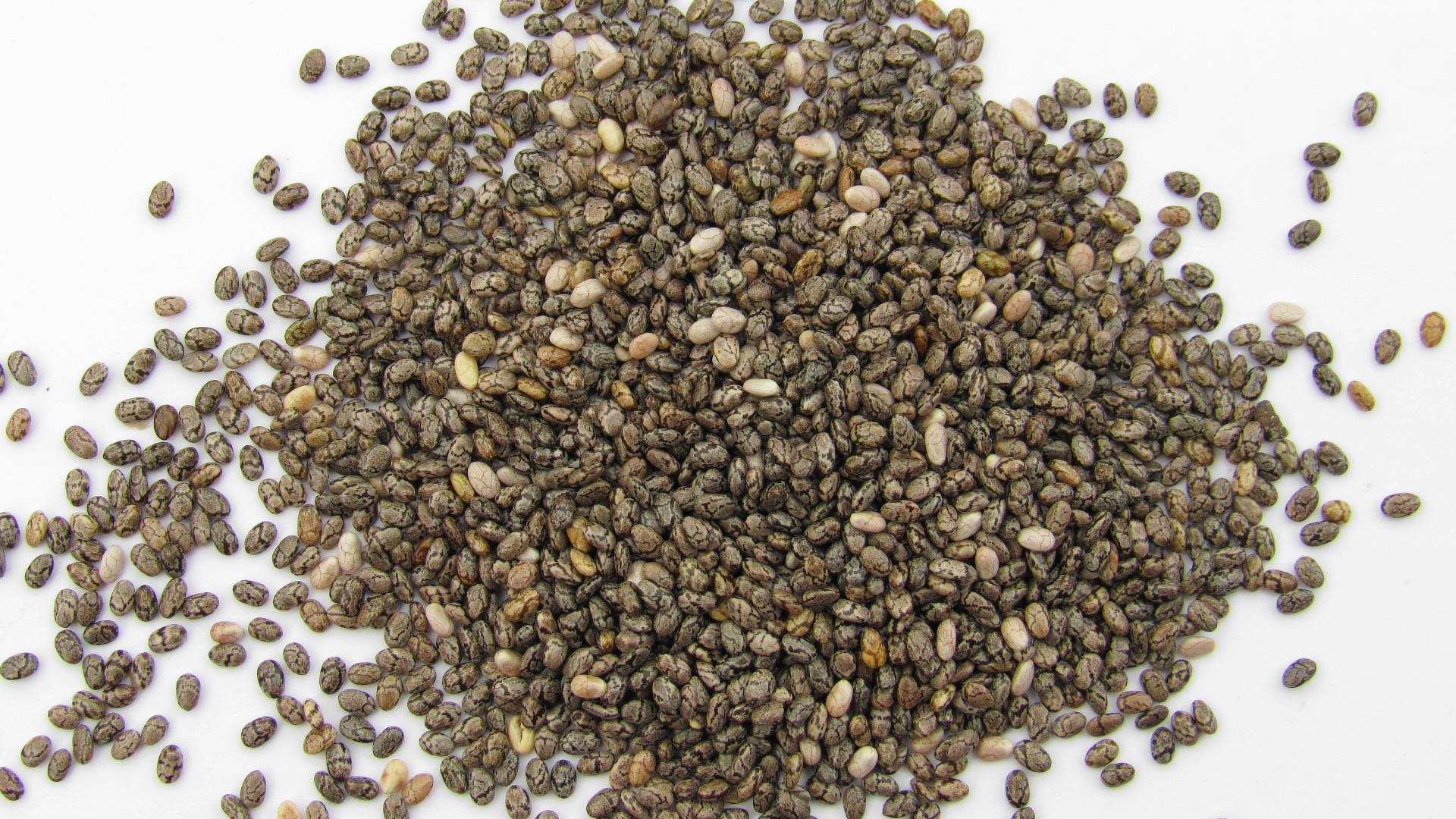
Chia seeds offer fiber, omega-3 fats, and minerals, which make them a popular addition to smoothies, oatmeal, and pudding. Their high fiber content can cause bloating, gas, or digestive discomfort if you add too much too quickly. They also absorb liquid, so eating large amounts without enough fluids may feel unpleasant. Starting with a small serving and letting them soak first is usually easier on the body.
13. Protein Bars or Granola Bars
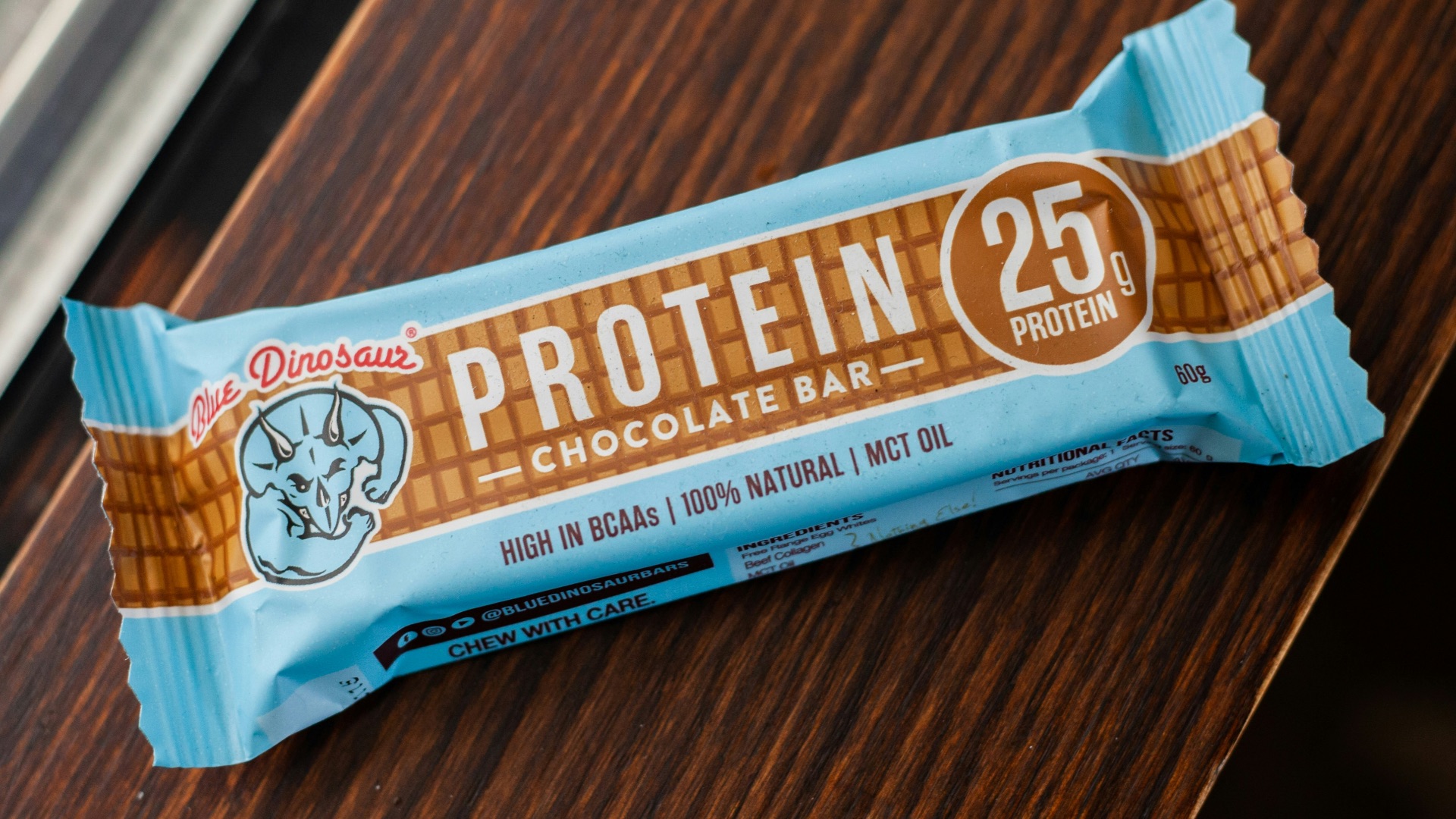
Protein bars can be useful when you need something portable and filling, but they aren’t all as wholesome as they seem. Many contain sugar alcohols, added sugars, or highly processed ingredients that can upset digestion or make them closer to candy than a balanced snack. Eating them too often may also replace whole foods that provide more fiber, vitamins, and minerals. They work best as a backup option, not the foundation of your diet.
14. Lemon Water
Lemon water is often praised as a refreshing, low-calorie way to stay hydrated and add a bit of flavor to plain water. While it’s generally a healthy choice, drinking it excessively can expose your teeth to more acid, which may wear down enamel over time. Some people may also notice increased sensitivity or mild stomach discomfort if they consume large amounts regularly. Enjoying it in moderation and rinsing your mouth with plain water afterward can help reduce potential downsides.

15. Green Tea
Green tea is often praised for its antioxidants and potential health benefits, making it a popular daily drink. However, drinking large amounts can lead to excessive caffeine intake, which may cause jitteriness, sleep issues, or an upset stomach. The tannins in it can also interfere with iron absorption if consumed in high quantities, especially around meals. Enjoying a few cups a day is usually a better approach than relying on it constantly.

16. Oatmeal
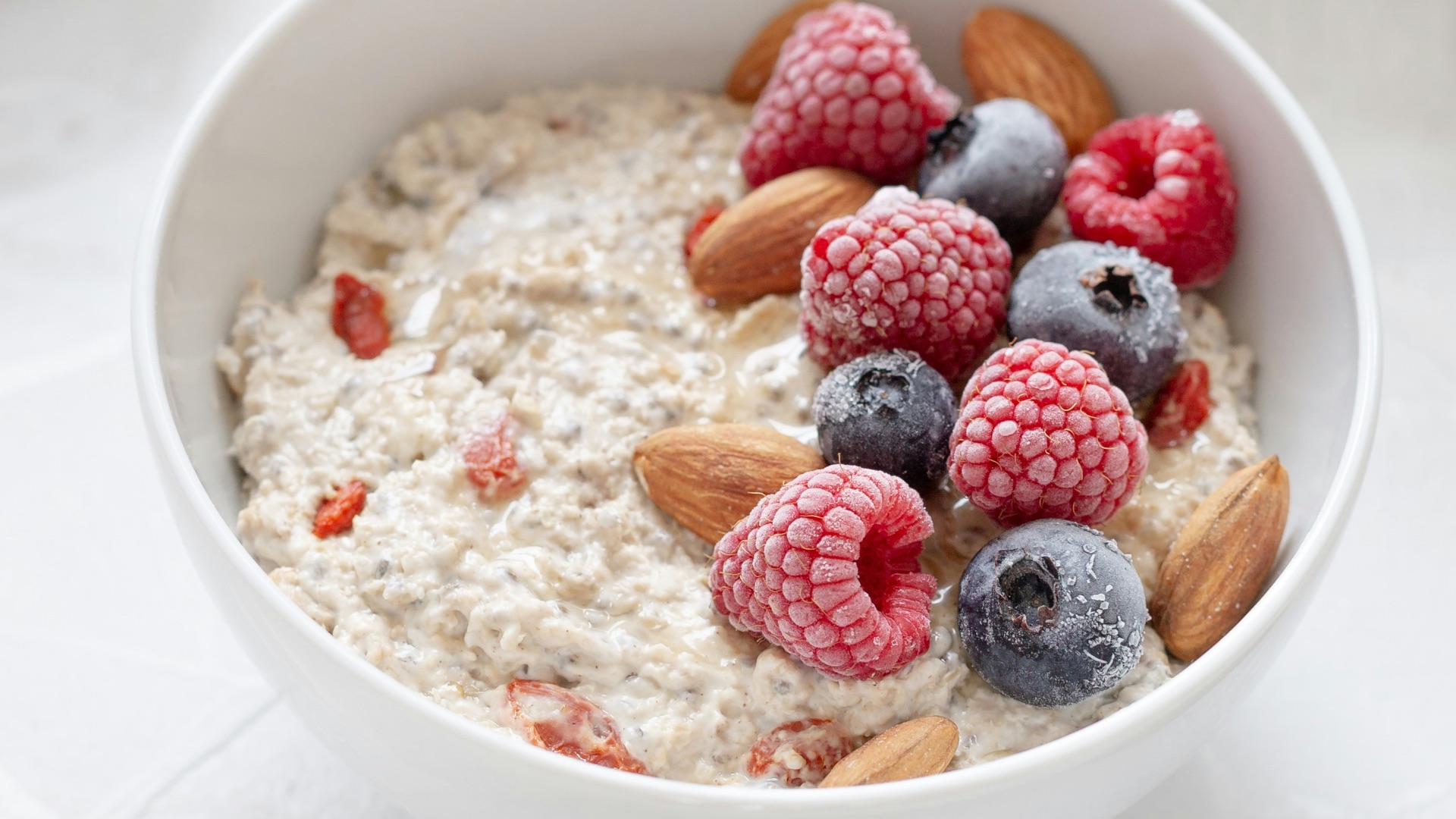
Oatmeal is a filling whole grain that provides fiber and can support heart-healthy eating patterns. Trouble usually starts with oversized bowls loaded with brown sugar, flavored syrups, sweetened dried fruit, or large spoonfuls of nut butter. Even healthy toppings can make the meal much heavier when portions keep growing. A balanced bowl with protein, fruit, and a measured topping works better for everyday eating.
17. Carrots
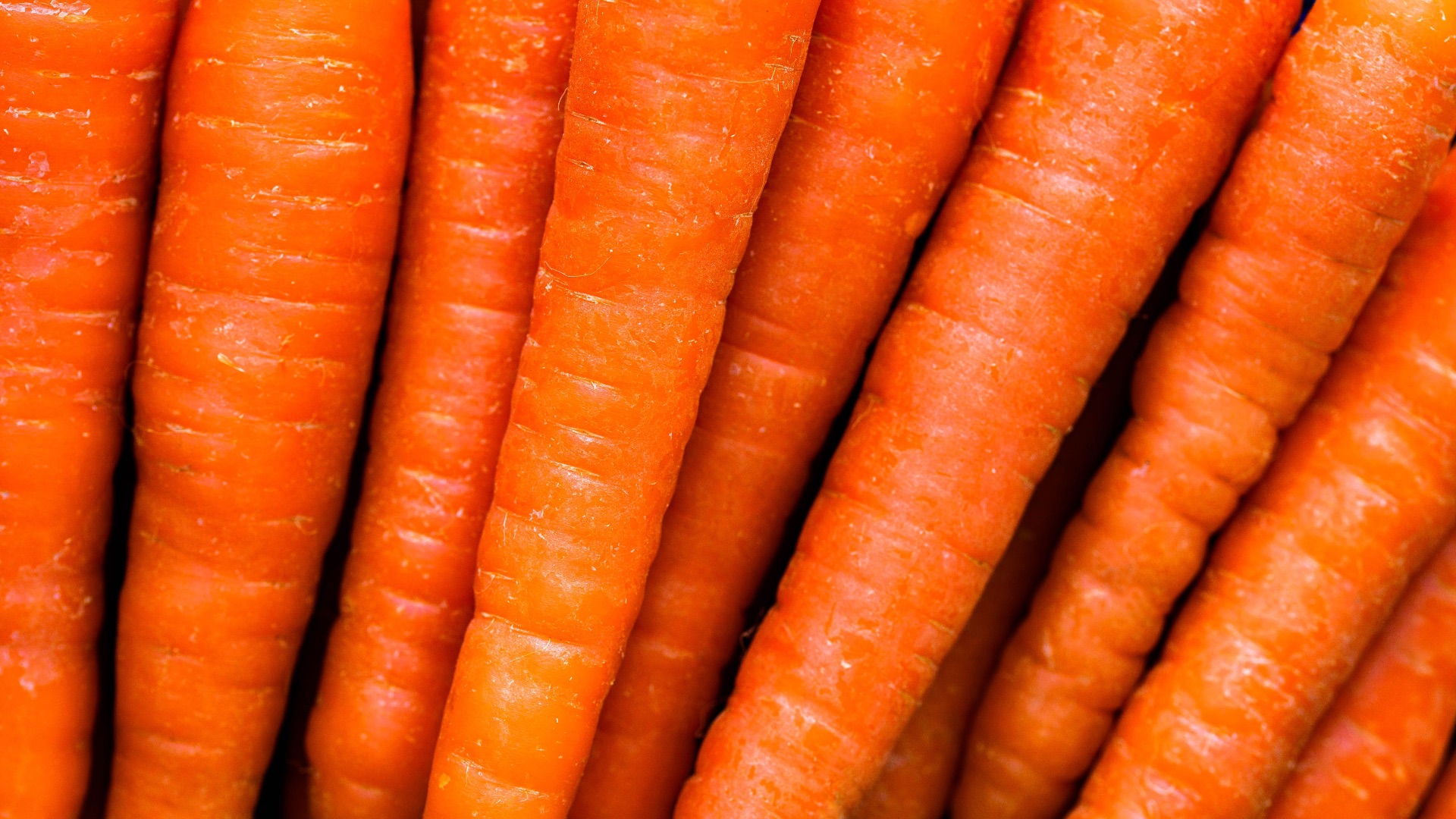
Carrots are crunchy, affordable, and rich in beta carotene, which your body can convert into vitamin A. Eating very large amounts regularly can cause carotenemia, a harmless but visible yellow-orange tint to the skin. They’re still a nutritious food, but relying on them too heavily can reduce the variety of vegetables in your meals. Mixing in peppers, broccoli, cucumbers, greens, and squash gives you a broader nutrient profile.
18. Brazil Nuts
Brazil nuts are famous for their selenium content, and that’s exactly why portion size matters. Selenium is essential, but too much can lead to toxicity symptoms such as hair loss, brittle nails, digestive issues, and other problems. Since just a few Brazil nuts can provide a large amount, eating handfuls daily isn’t a smart habit. One or two occasionally is usually enough for most people.

19. Protein Powder
Protein powder can be a convenient way to boost your protein intake, especially if you’re busy or trying to support muscle recovery. Still, relying on it too heavily may crowd out whole foods that provide a wider range of nutrients like fiber, vitamins, and minerals. Consistently consuming very high amounts of protein, especially from supplements, may also put extra strain on the kidneys over time. Some powders may even be contaminated with heavy metals, like arsenic or lead.

20. Seaweed
Seaweed can provide iodine, minerals, and a savory flavor that works well in soups, salads, and snacks. The concern is that some types are very high in iodine, and excessive iodine intake may affect thyroid function in certain people. Seaweed snacks can also be salty, so eating multiple packs can raise sodium intake. Using seaweed as a flavorful accent instead of a main food keeps it in a safer range.