Satisfying Your Energy, Without Sacrificing Flavor
When it comes to trail snacks, they need to do more than just taste good at home. A good hiking snack should withstand being packed next to a water bottle, endure a few miles in a backpack, and still sound appetizing when you’re hot, dusty, and increasingly aware of every uphill stretch. The best trail snacks typically provide a mix of carbohydrates, protein, fat, fiber, salt, and hydration support, depending on the route, weather, and your level of exertion. They should also be convenient, as no one wants messy packaging or delicate foods when the terrain gets rocky. Here are 20 sturdy and practical snacking essentials for hikers who want to stay energized and ready for the journey back.
1. Trail Mix
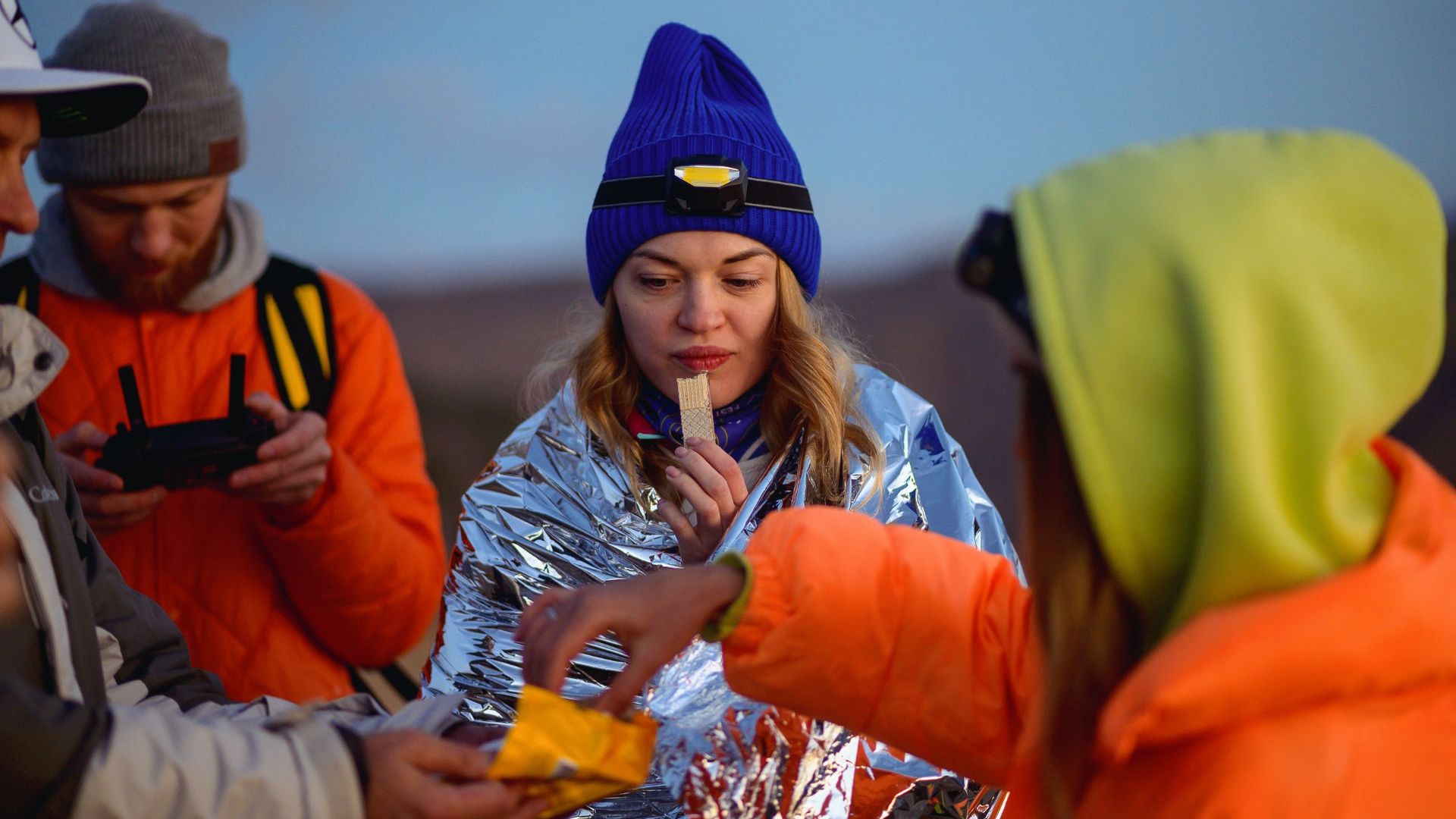
Trail mix is a classic for a reason: it gets the job done without fuss. A combination of nuts, seeds, and dried fruit provides quick-acting carbohydrates, along with protein, fiber, and healthy fats, making the snack more satisfying. A hint of salt can also be especially refreshing during warm, sweaty hikes.
2. Nuts
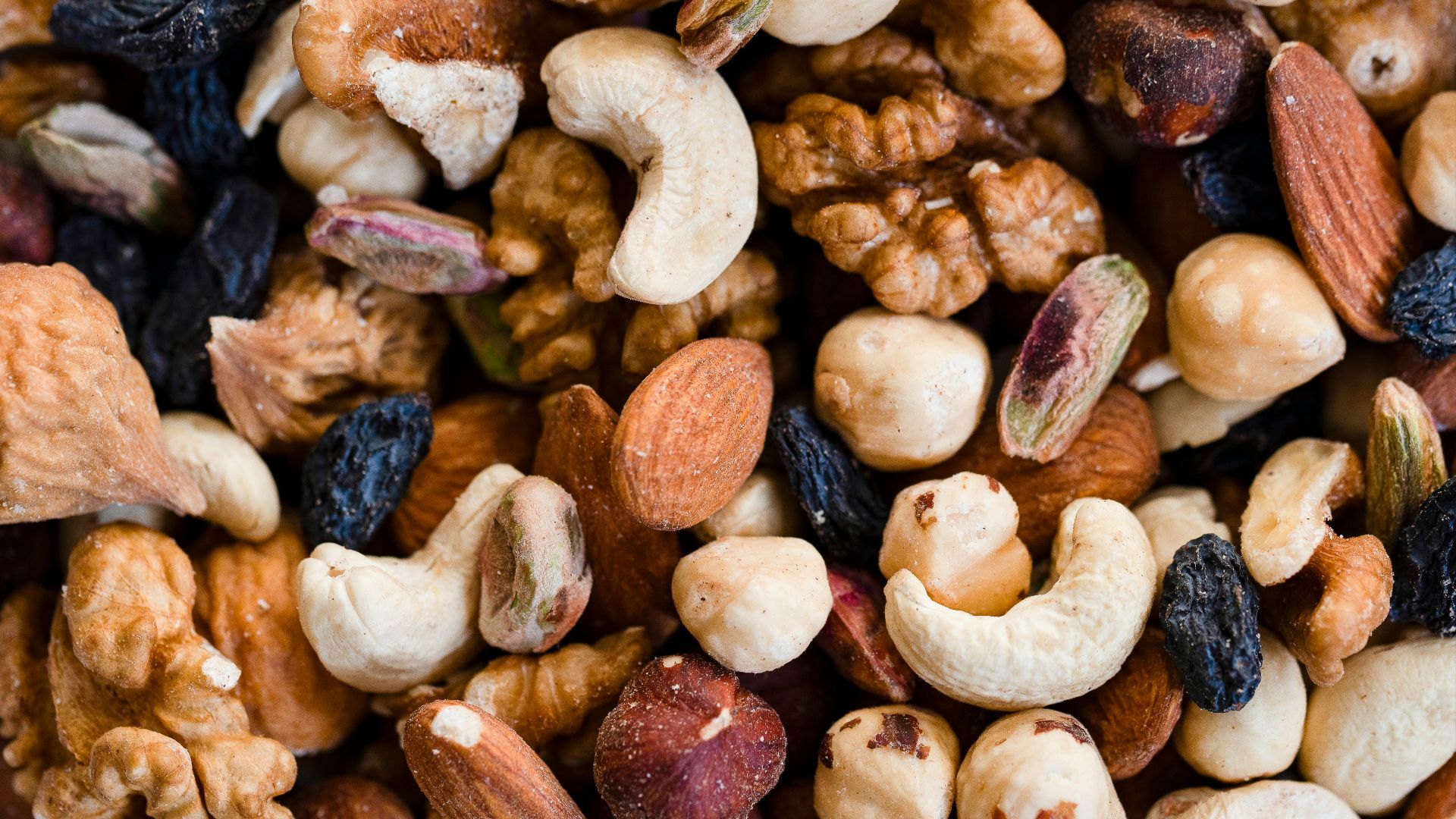
Nuts are compact, filling, and easy to pack, making them one of the simplest trail snacks. Almonds, walnuts, pistachios, cashews, and peanuts provide healthy fats, protein, and a satisfying crunch without the need for refrigeration.
3. Nut Butter Packets
Single-serve nut butter packets are small, tidy, and practical for when your energy begins to dip. Options like peanut butter, almond butter, cashew butter, and sunflower seed butter can be spread on fruit, crackers, or tortillas. Alternatively, you can eat them straight from the packet—although it’s not glamorous, it’s very effective.
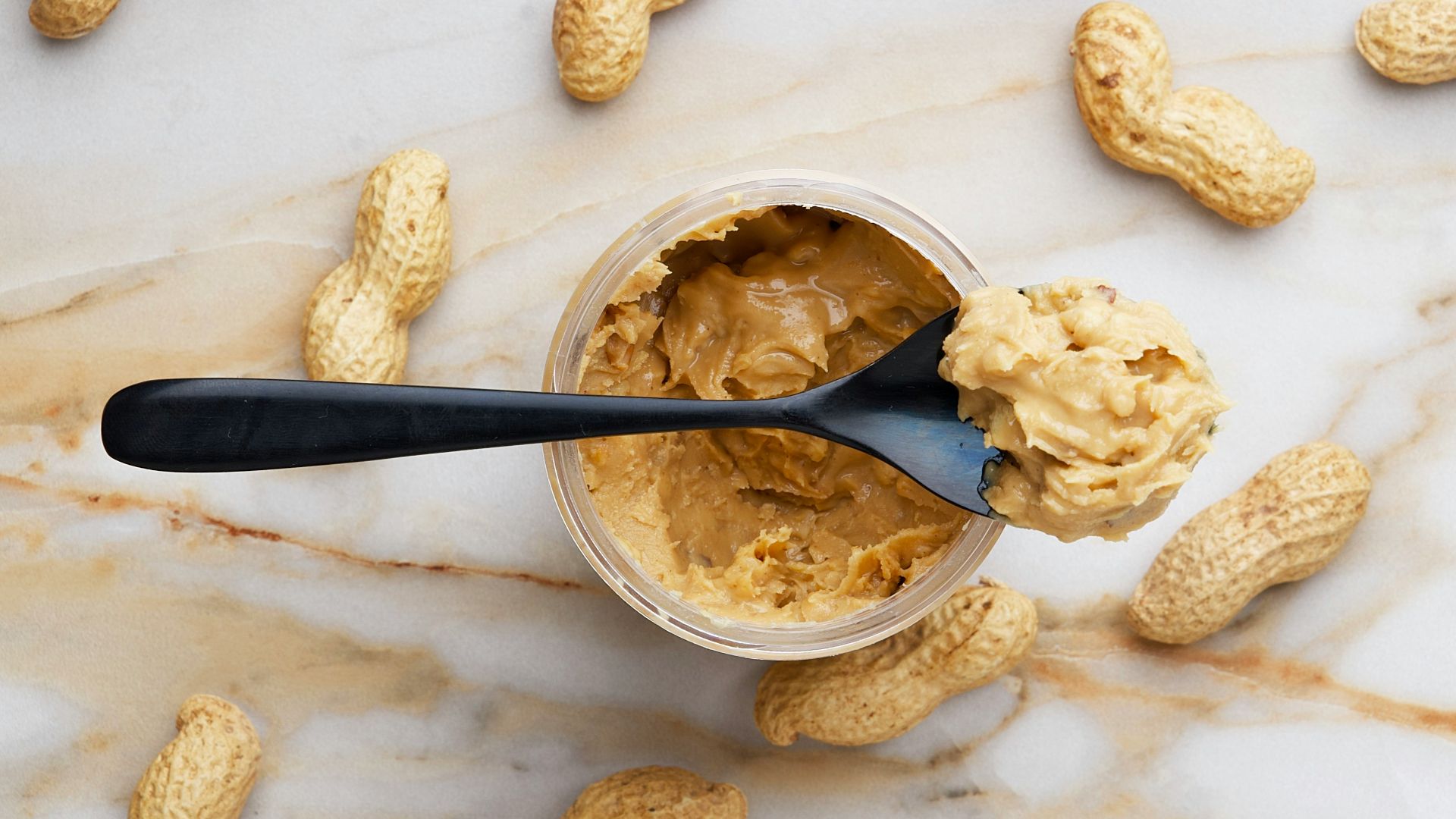 Corleto Peanut butter on Unsplash
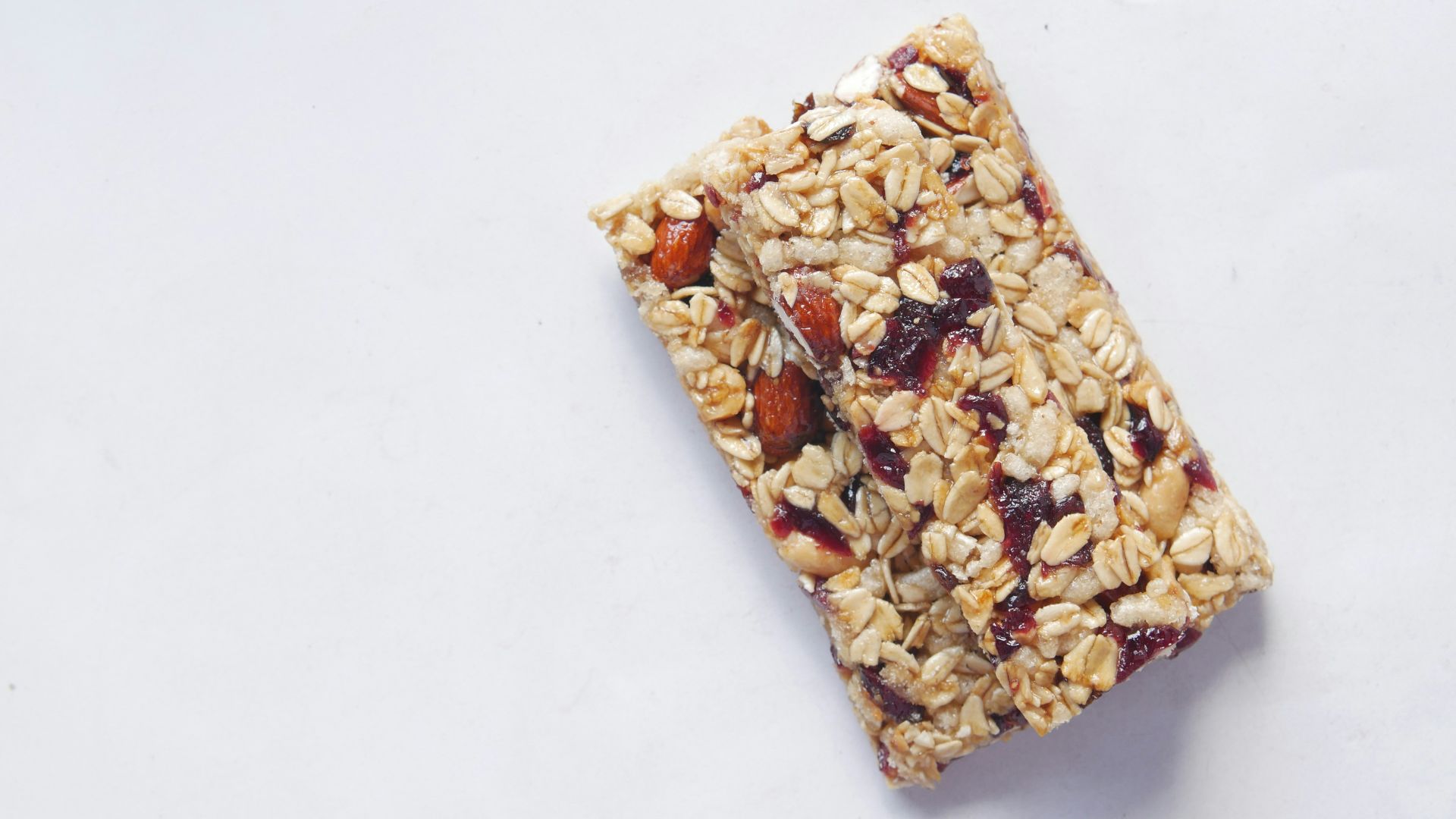
4. Granola Bars
Granola bars are familiar, easy to pack, and simple to eat on the go. Bars made with whole grains, nuts, seeds, and fiber tend to be more satisfying than those primarily composed of sweeteners and airy cereal. They’re great for shorter breaks when you want to avoid unpacking a lot of gear.
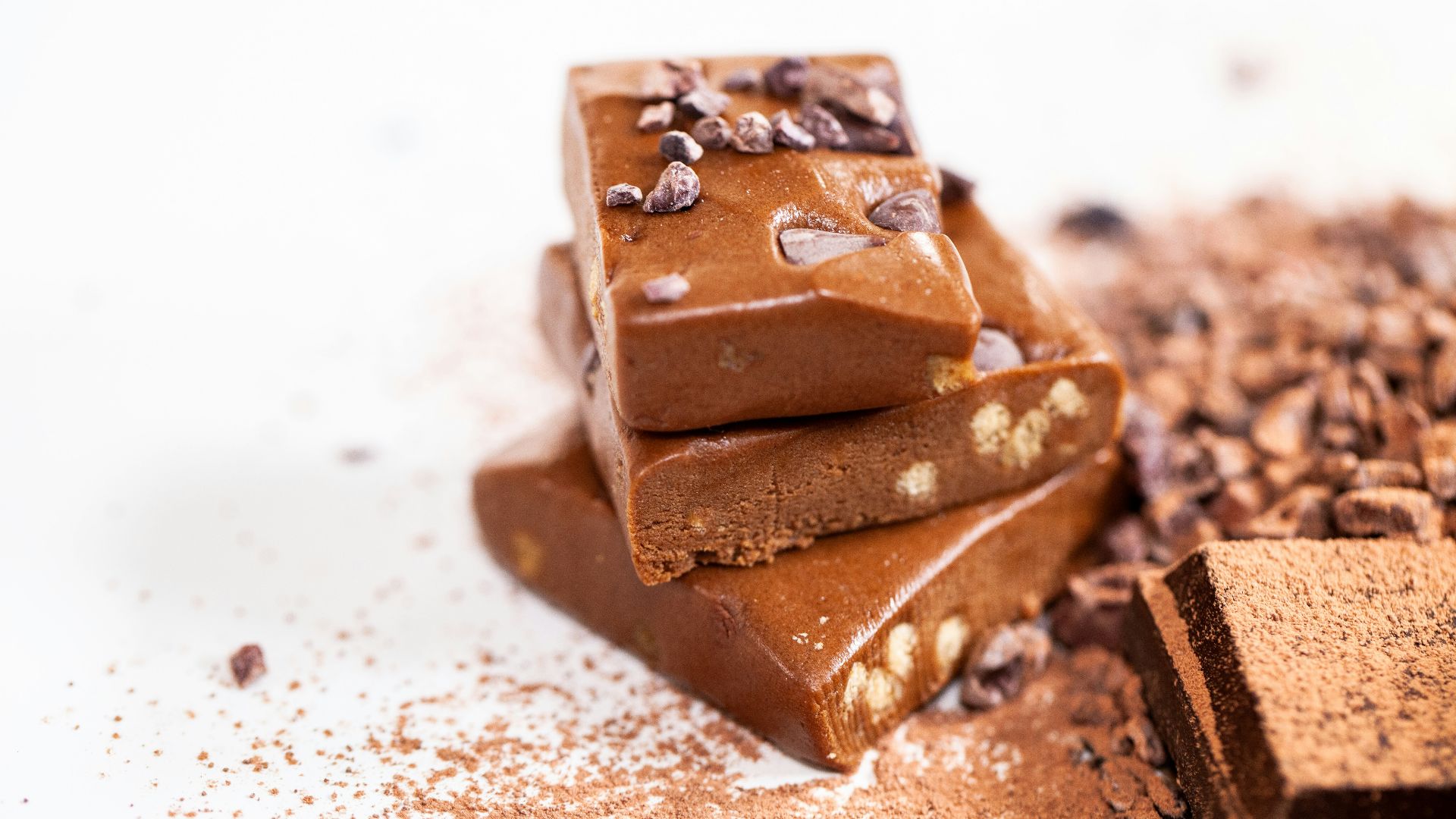
5. Energy Bars
Energy bars are helpful for longer hikes, early starts, or trails where a sit-down lunch isn’t an option. A bar high in carbohydrates is ideal for quick energy, while one with more protein and fat may be better during slower breaks when you need something more substantial.
6. Dried Fruit
Dried fruit provides a sweet taste and quick carbohydrates without taking up much space. Raisins, dates, figs, apricots, mangoes, and dried cherries travel well and pair nicely with salty snacks, making them great additions to homemade trail mix.
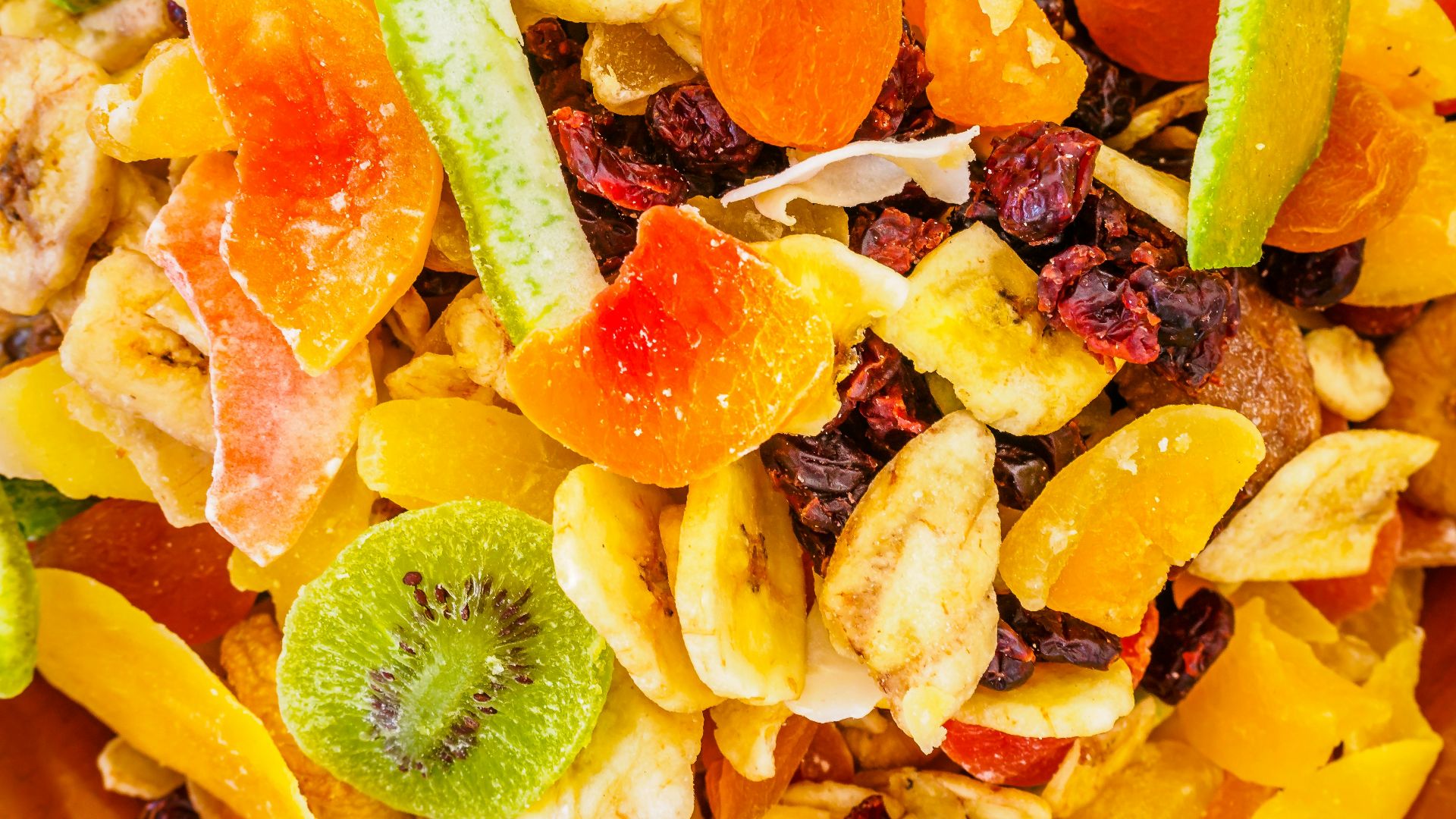 Alexander Schimmeck on Unsplash
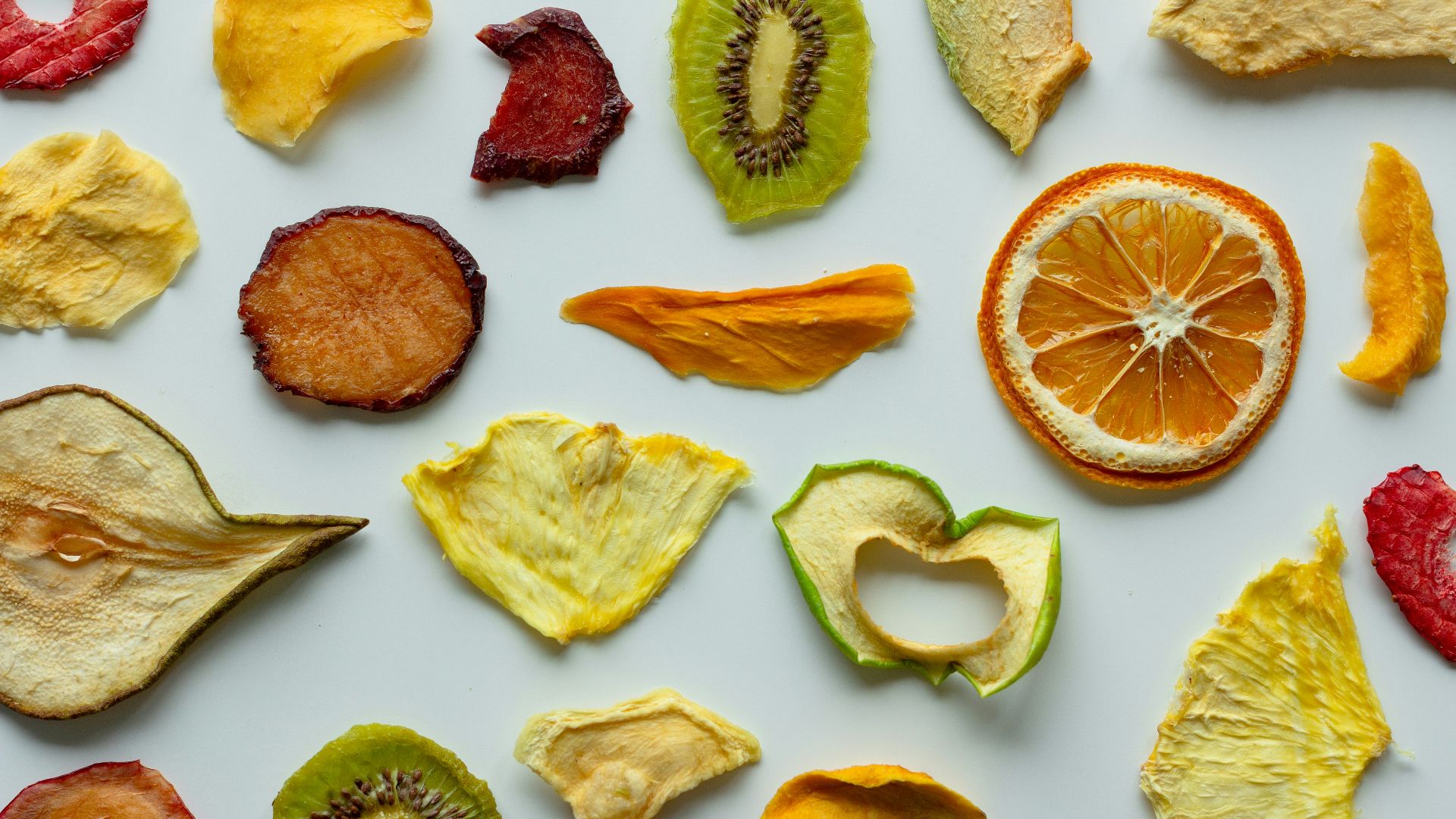
7. Freeze-Dried Fruit
Freeze-dried fruit is light, crunchy, and less fragile than fresh fruit. Options like strawberries, apples, bananas, and berries offer a crisp, refreshing bite to your snack collection. They’re also less sticky than regular dried fruit, which is a plus when your hands are covered in dirt and sweat.
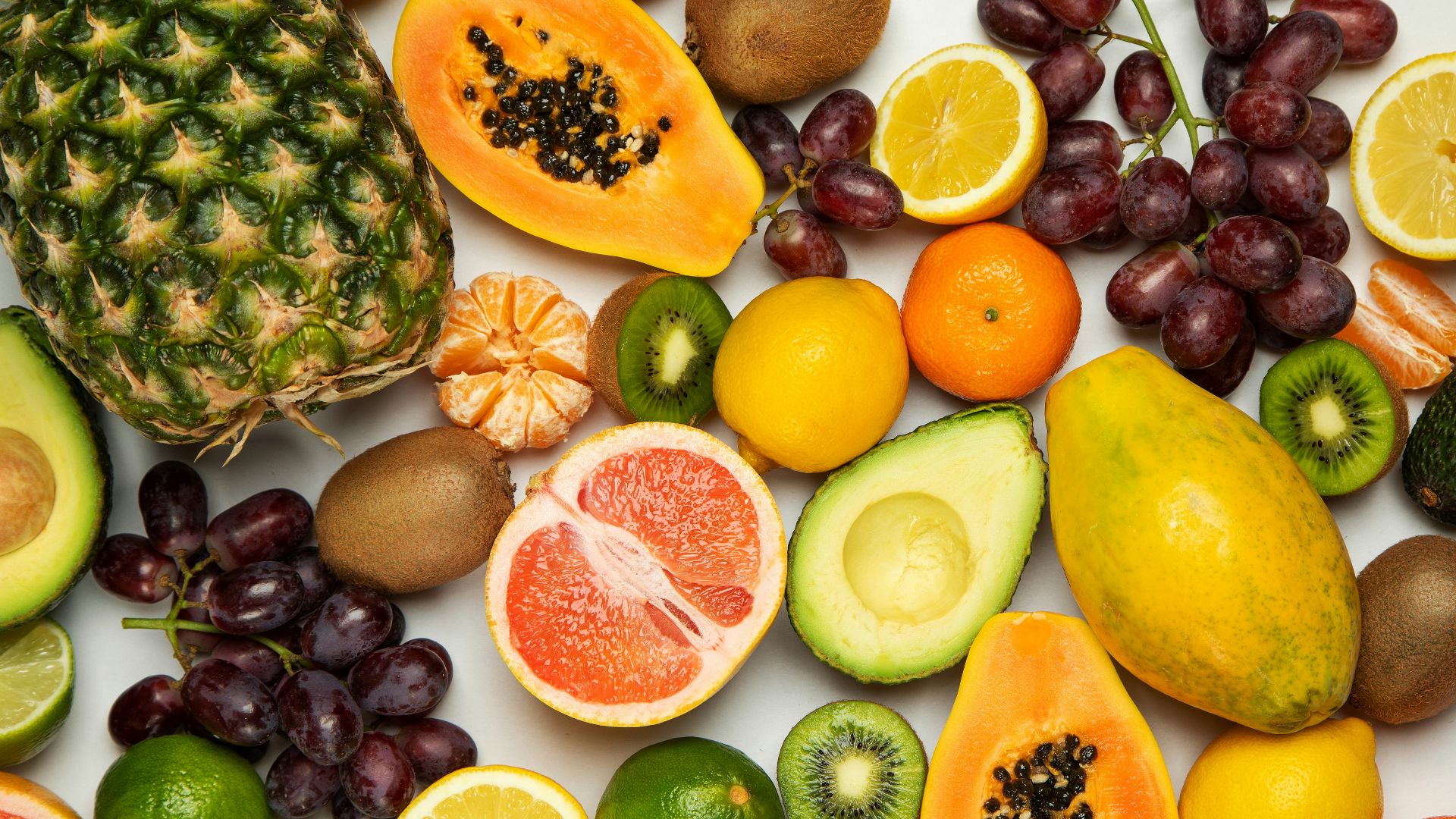
8. Fresh Whole Fruit
Fresh fruit is incredibly refreshing on a warm trail. Apples, oranges, bananas, and firm pears provide carbohydrates, fiber, and some hydration, serving as a nice break from dry packaged snacks. Just be sure to pack out any peels, cores, or scraps.
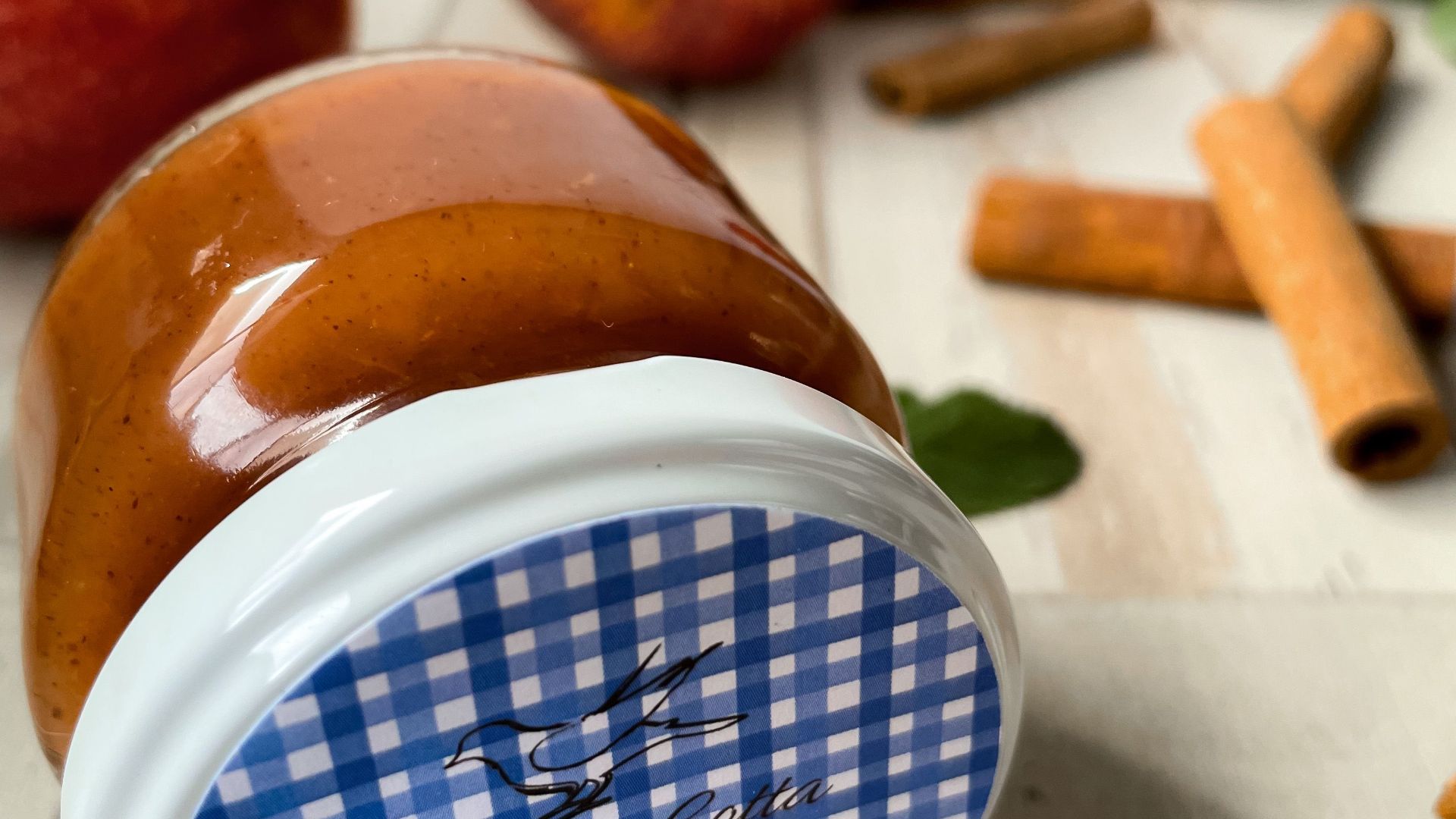
9. Applesauce or Fruit Pouches
Fruit pouches are lightweight, portable, and easy to consume without utensils. They are especially handy for family hikes or anyone who wants something sweet and quick without having to chew through a dense bar. Remember, empty pouches are still trash, so make sure to bring them back with you.
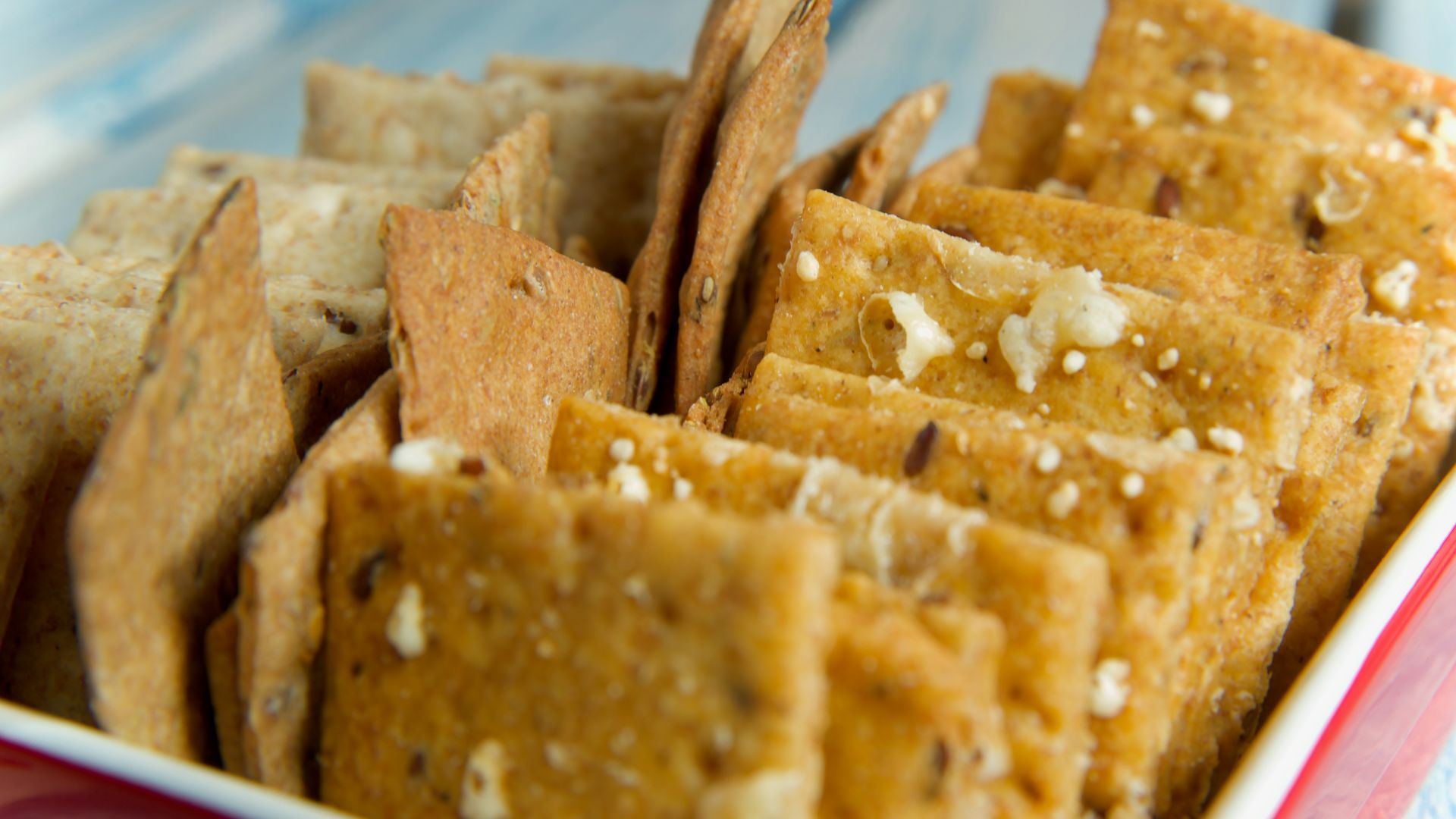
10. Whole-Grain Crackers
Whole-grain crackers provide a crunchy texture and carbohydrates, making them a great base for more substantial snacks. Pair them with nut butter, tuna, salmon, shelf-stable hummus, or cheese that has been safely packed in a cooler.
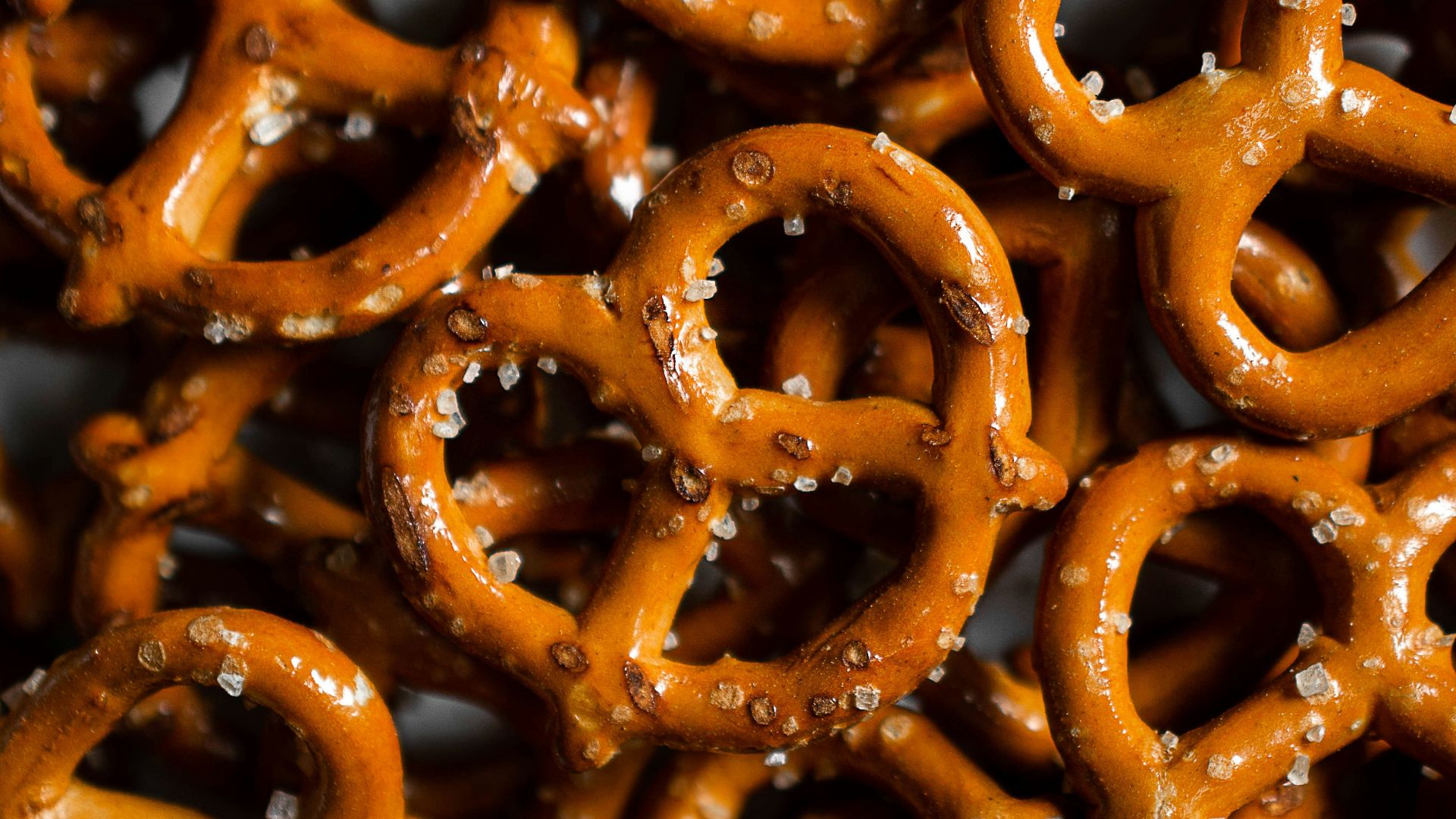
11. Pretzels
Pretzels are light, salty, and easy to eat on the go or during a quick break. As they are primarily carbohydrate-based snacks, they work best when paired with something more filling, such as nuts, jerky, or a nut butter packet.
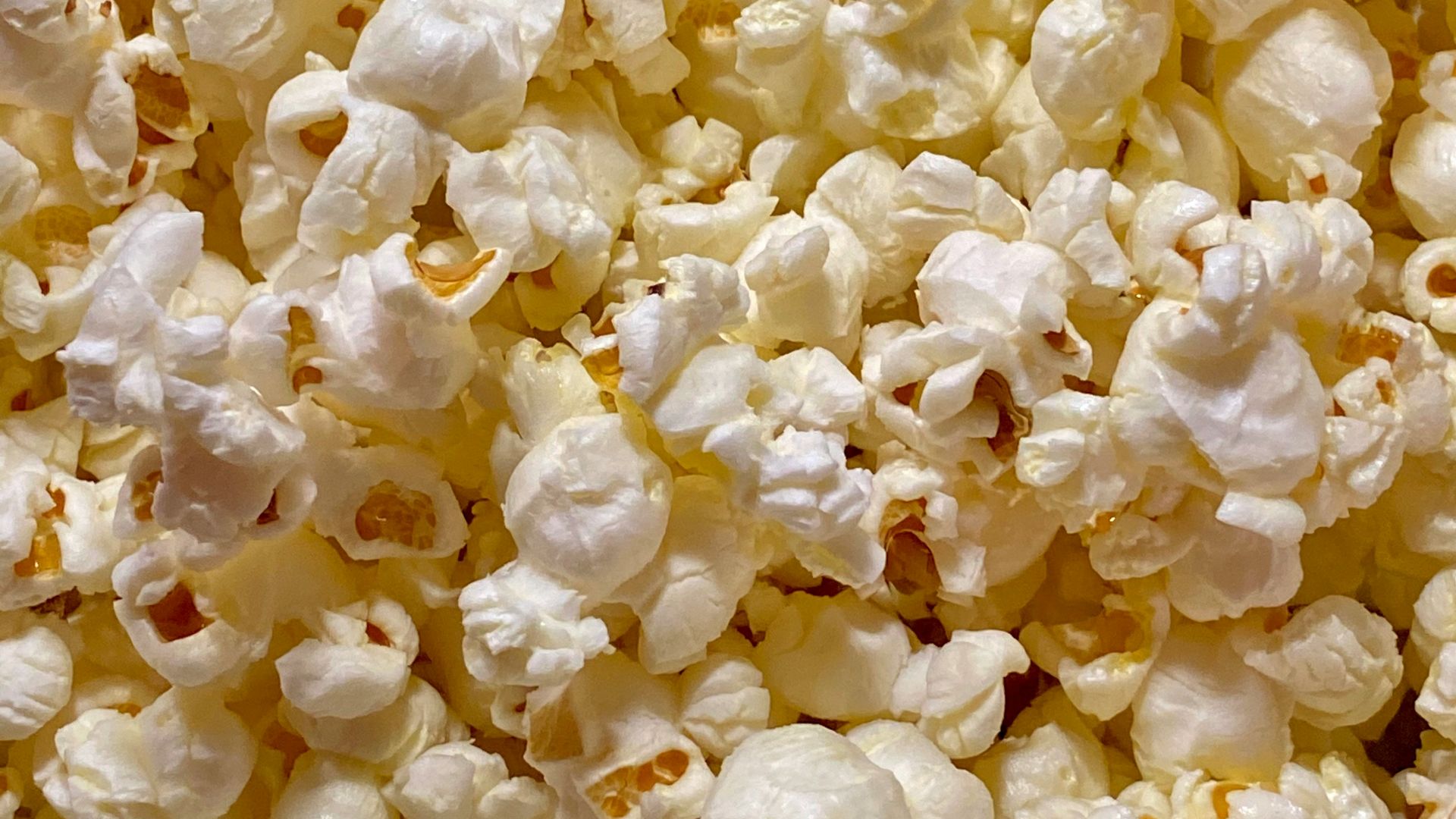
12. Popcorn
Popcorn is ideal for shorter day hikes when you want a crunchy snack that isn’t heavy. Lightly salted popcorn satisfies your craving for savory snacks without taking up much space. Pack it near the top of your bag unless you prefer to eat crumbs.
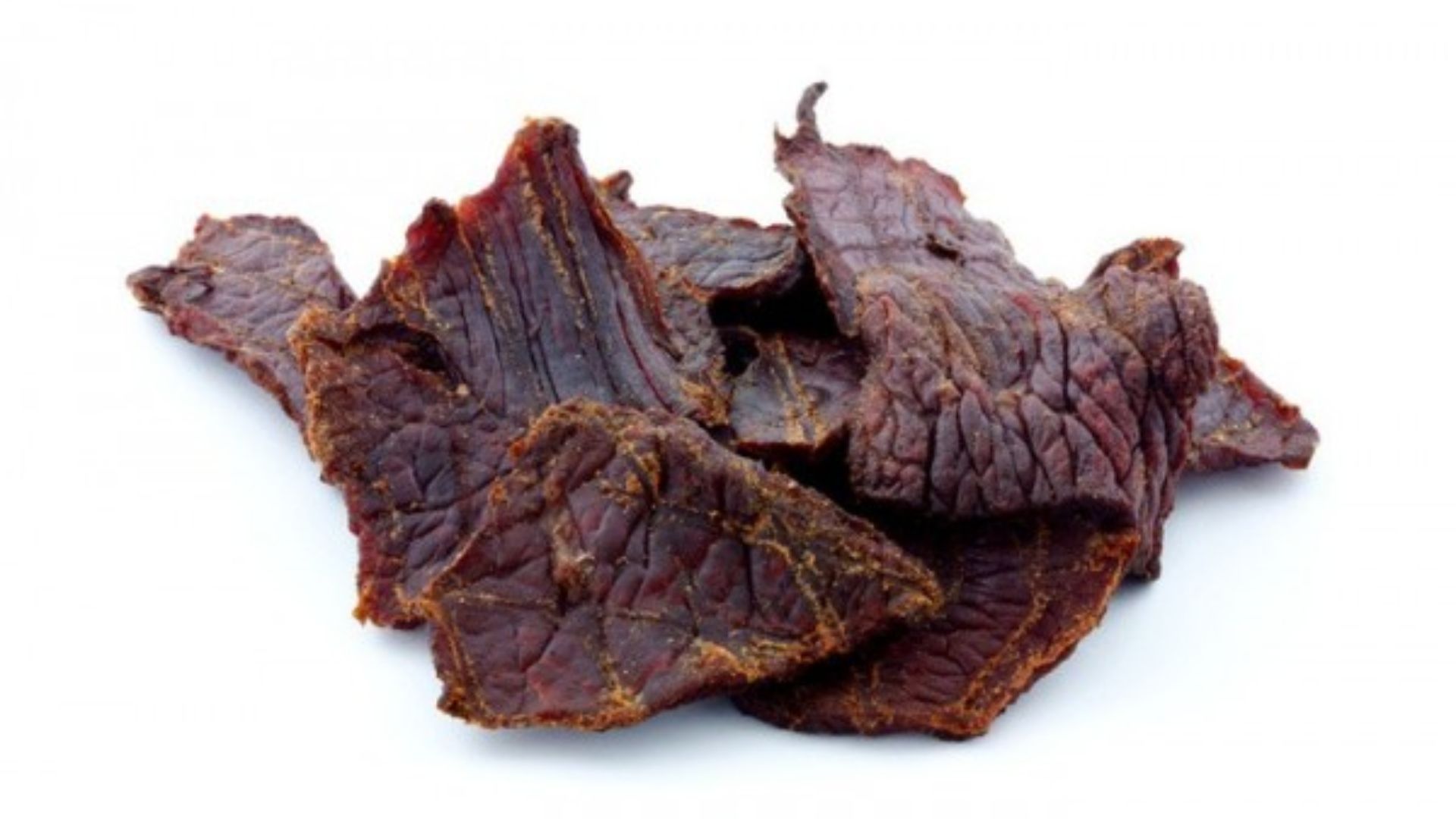
13. Jerky
Jerky is one of the easiest ways to pack protein for the trail without needing a cooler. Options like beef, turkey, salmon, mushrooms, soy, and seitan-based jerky can suit various tastes.
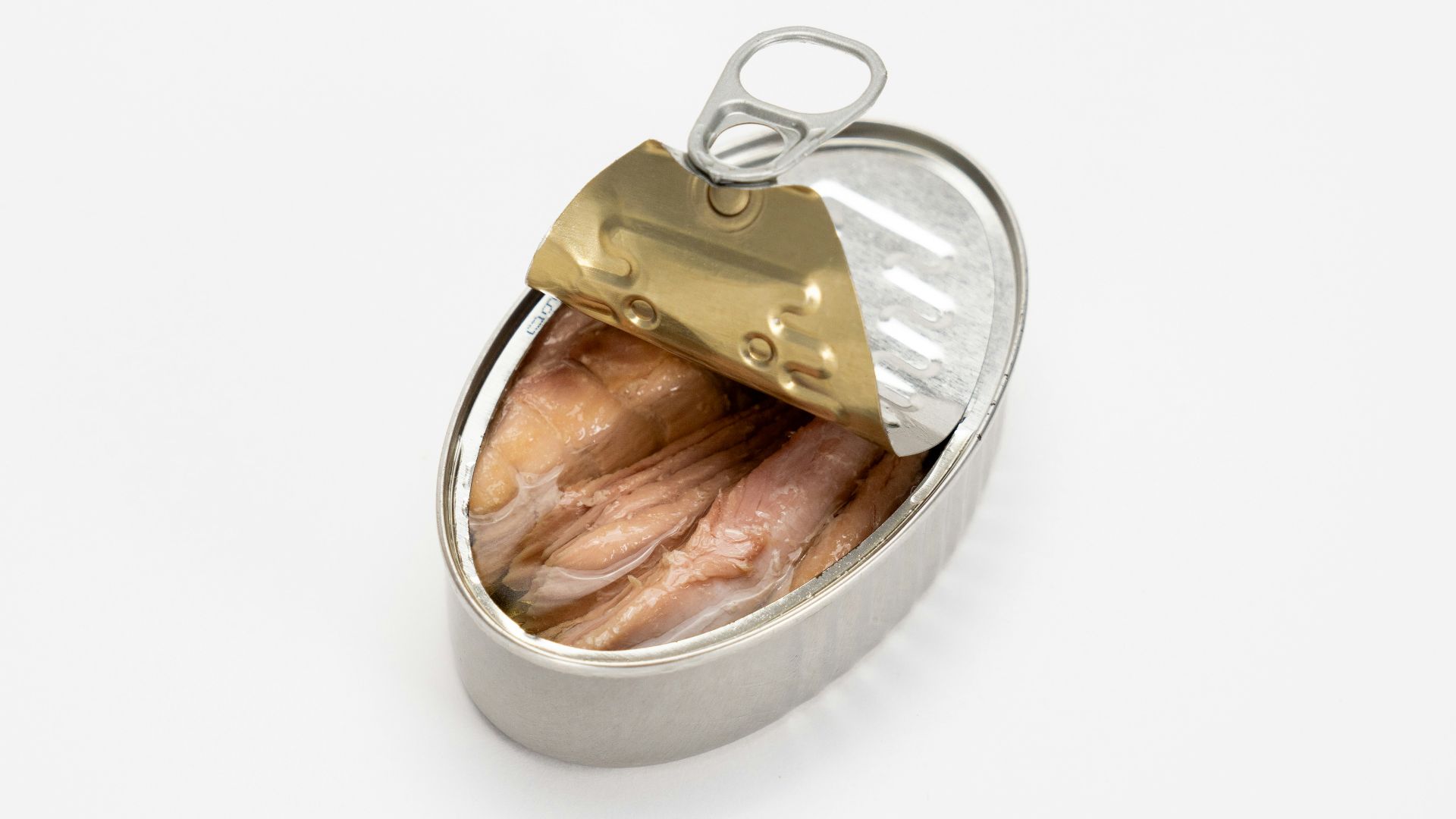
14. Tuna or Salmon Pouches
Tuna and salmon pouches are compact, shelf-stable, and great for when you want a snack that feels more like a meal. Pair one with crackers, a tortilla, or a small bagel for a more filling option. Don’t forget to bring a small utensil.
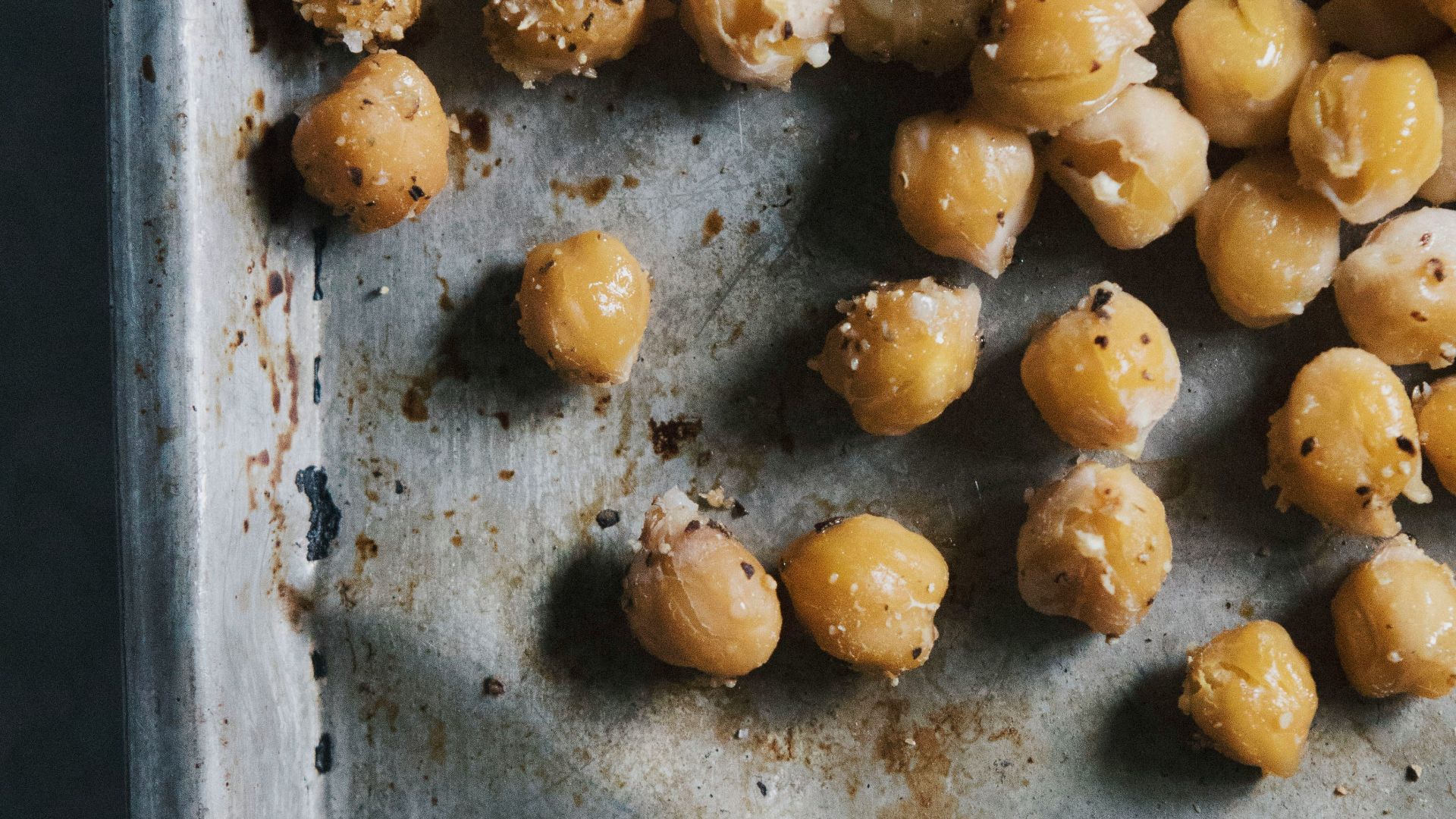
15. Roasted Chickpeas
Roasted chickpeas offer a crunchy, plant-based snack that is a nice alternative to bars and nuts. They provide protein and fiber in a shelf-stable package, making them easy to toss into a daypack. You can find sweet, savory, and spicy varieties so that they won’t feel boring.
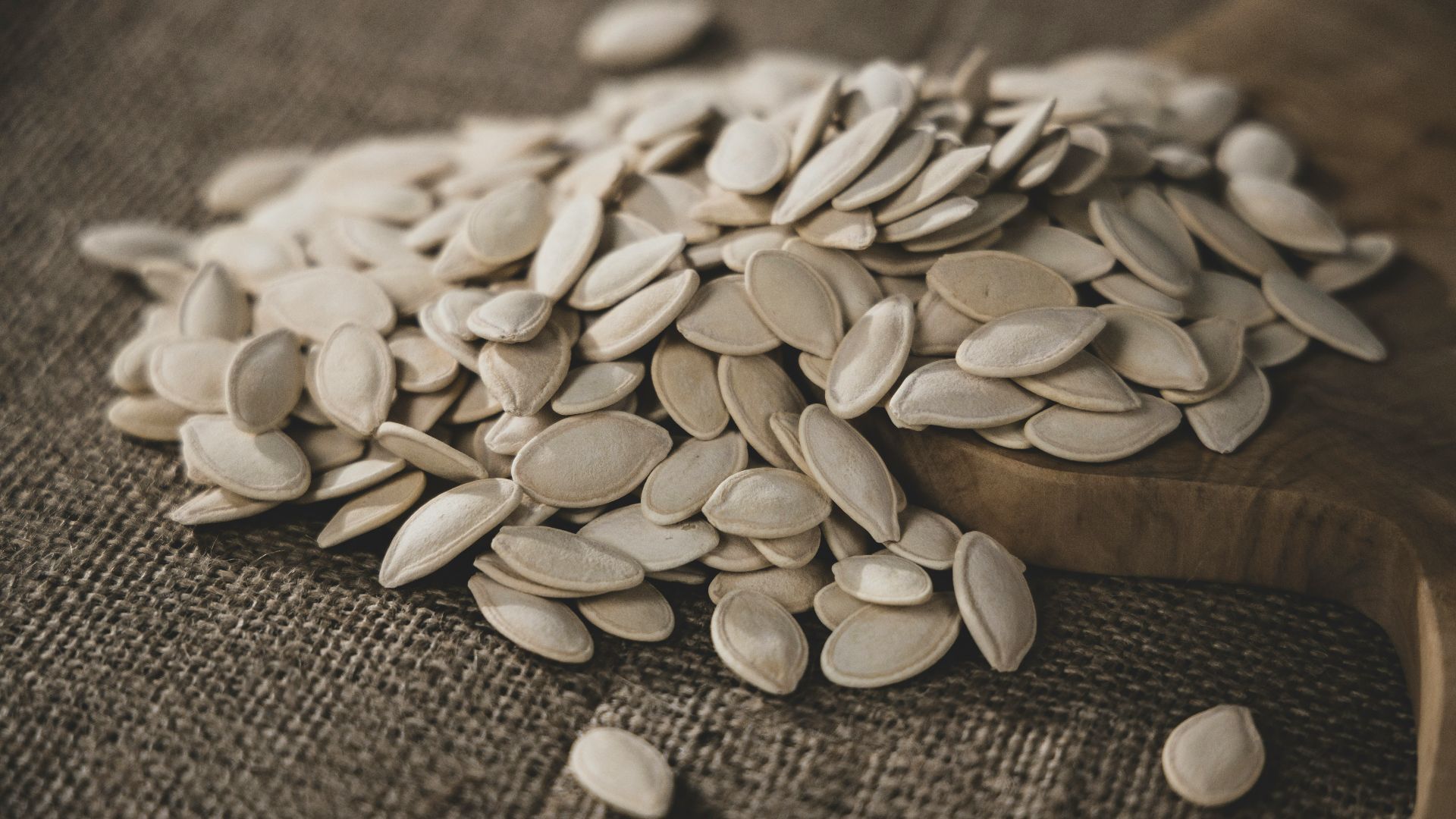
16. Seed Mixes
Seed mixes are a practical choice for hikers looking for a crunchy snack without relying on nuts. Blends of pumpkin seeds, sunflower seeds, hemp seeds, and sesame can add healthy fats, minerals, and texture.
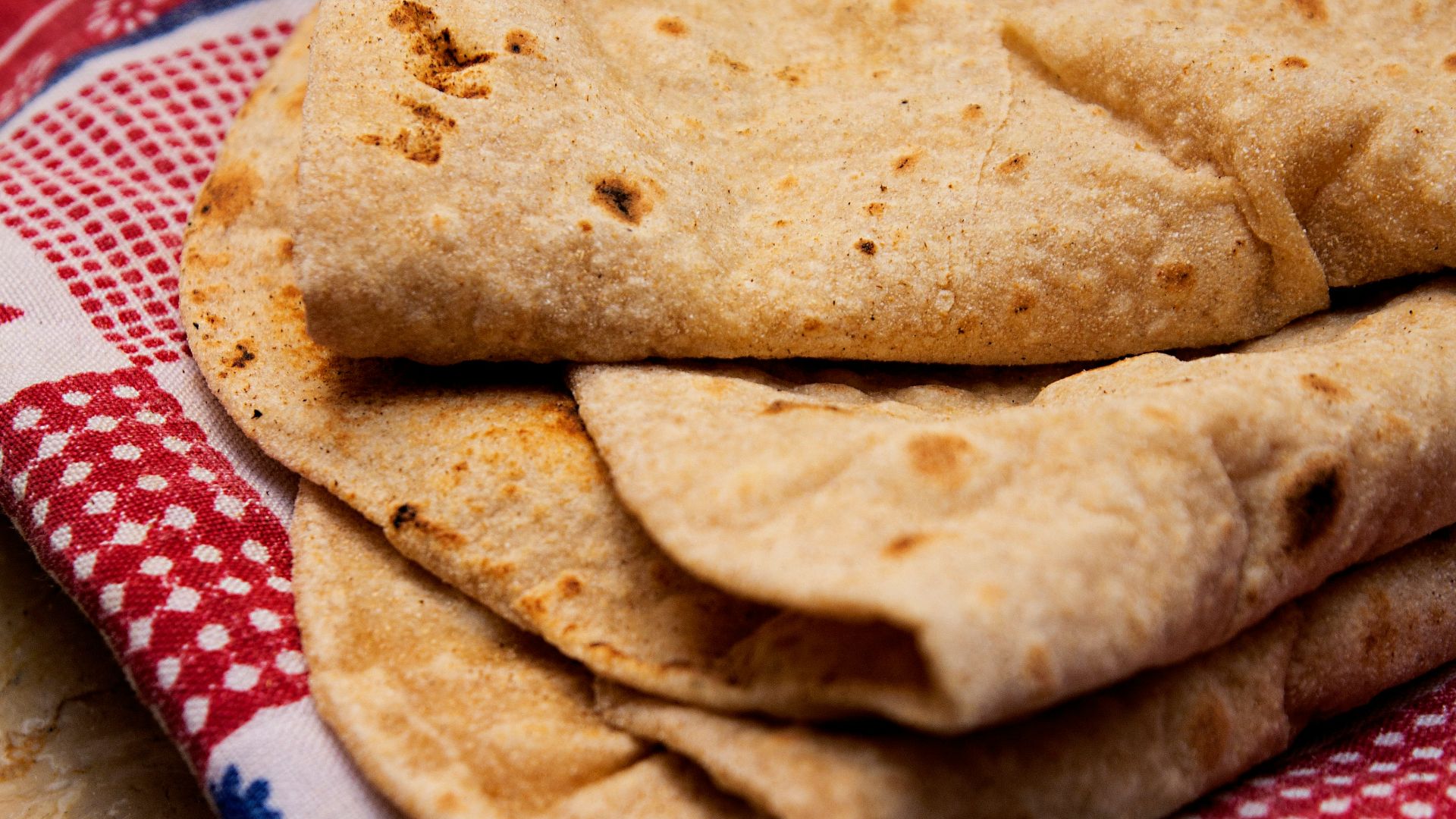
17. Whole-Grain Tortillas
Whole-grain tortillas make for great trail food because they pack flat and resist getting squished like soft sandwich bread. Spread one with nut butter and banana, fill it with tuna, or add shelf-stable hummus for a compact snack that feels more like real food. They’re also easy to roll, wrap, and eat with minimal cleanup.
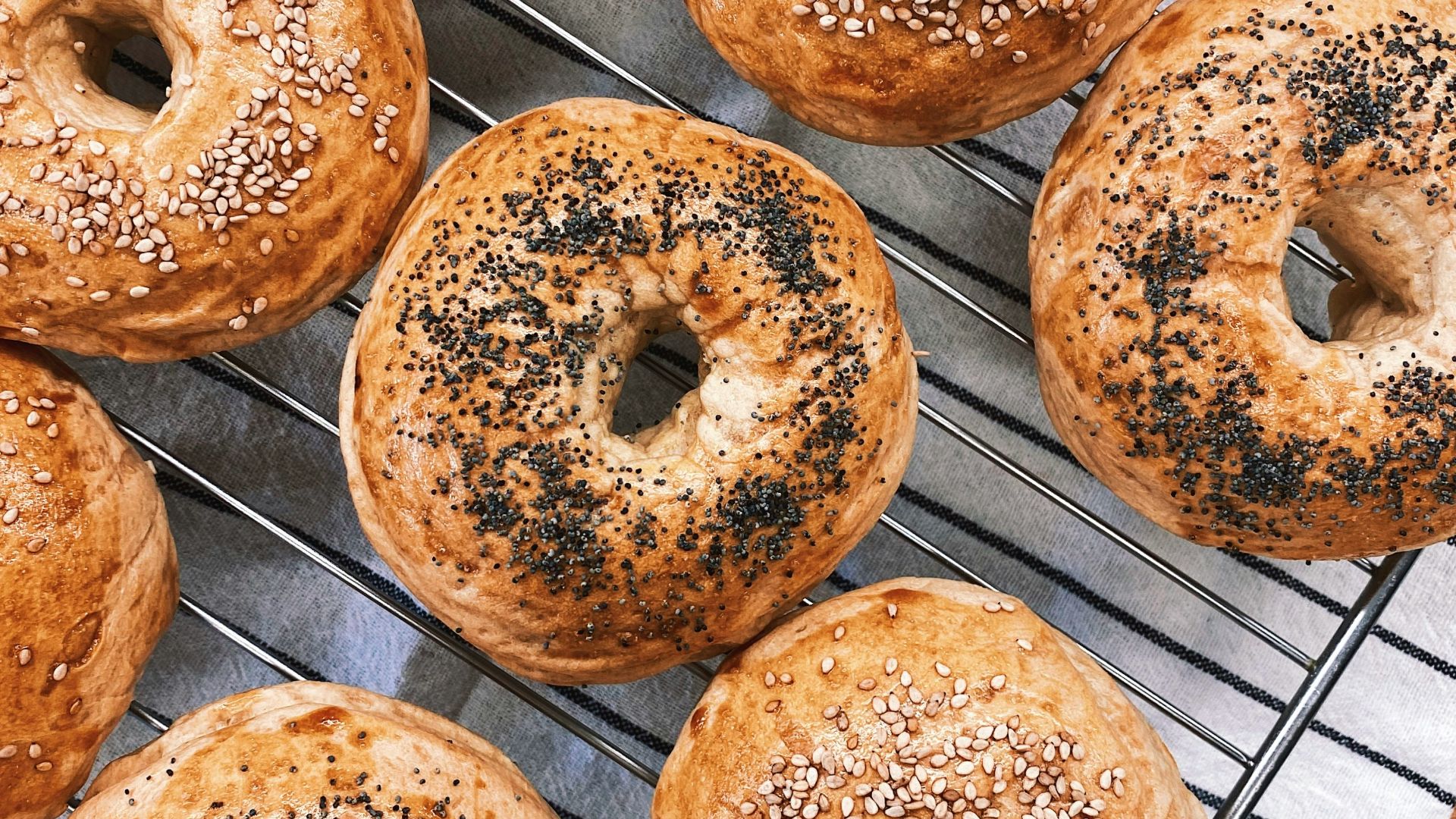
18. Bagels
Bagels are sturdy, filling, and much less messy than soft bread. Mini bagels are especially convenient because they are easy to portion and won’t dominate your pack. They pair well with nut butter, tuna, salmon, or other portable toppings.
 Alejandra Cifre González on Unsplash
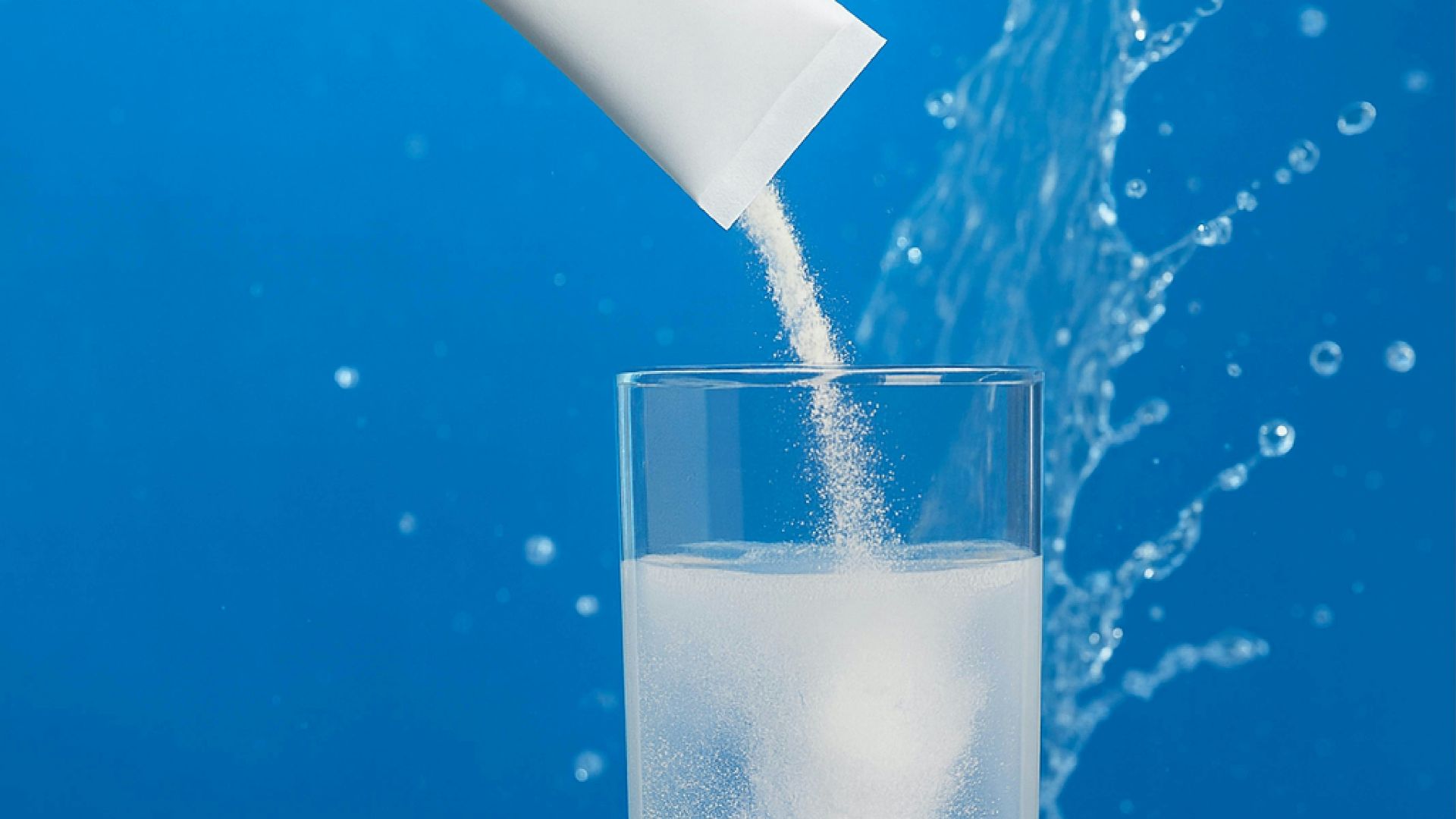
19. Electrolyte Mixes
Electrolyte powders, tablets, or drink mixes can be beneficial during long, strenuous hikes in hot, sweaty conditions. While not necessary for shorter walks, they can help you stay hydrated when plain water starts to feel unappealing. Choose one that meets your needs, especially if you’re monitoring sugar or sodium intake.
 NutraSeller Manufacturing on Unsplash
20. Water
Water is essential for any hiking snack plan, even though it isn’t technically a snack. Bring enough clean drinking water for your route, considering the weather and the difficulty of the hike. If you’ll need to refill along the way, plan and bring a reliable method for treating water.

KEEP ON READING
The Most Popular Chocolate Bars in the USA
The Most Popular Candies in the USA
20 Annoying Foods That Get Stuck In Your Teeth