10 Kitchen Habits That Are Secretly Unsanitary & 10 That Actually Make You Safer
10 Kitchen Habits That Are Secretly Unsanitary & 10 That Actually Make You Safer
When The Risky Stuff Feels Routine
Nobody wakes up planning to run a bacteria lab next to the cutting board. The trouble is that the grossest kitchen habits are usually the most ordinary ones, the ones that feel like common sense because everyone does them and nobody gets instantly sick. Cross-contamination, dirty hands, and temperature control are the big three, and the scary part is how easily they hide inside normal routines. A dish towel used one too many times can do more damage than a dramatic-looking spill. A cutting board can look clean and still be a problem. Here are ten common kitchen habits that are actually unsanitary, followed by ten that actually make you safer.
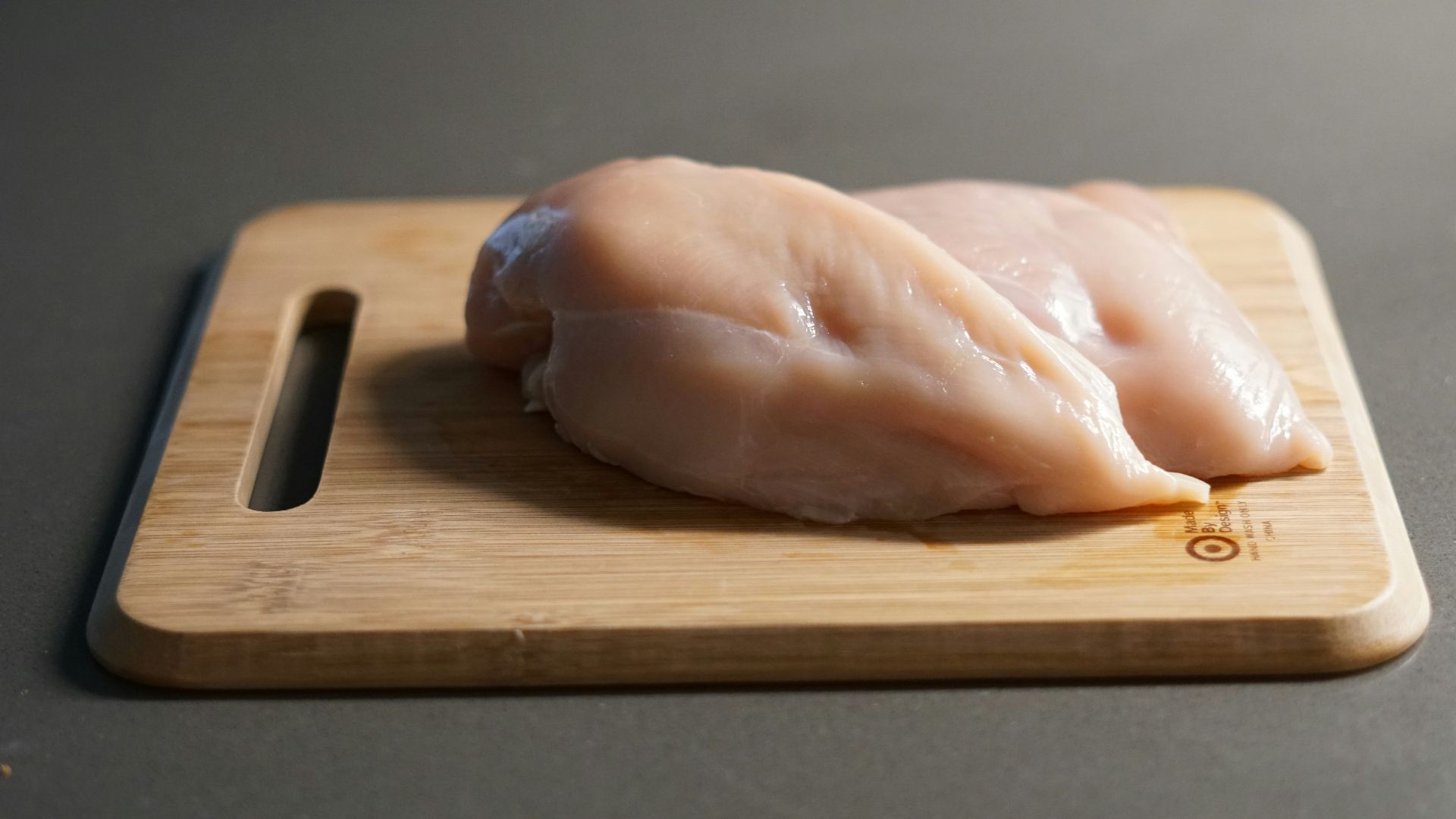
1. Rinsing Raw Chicken In The Sink
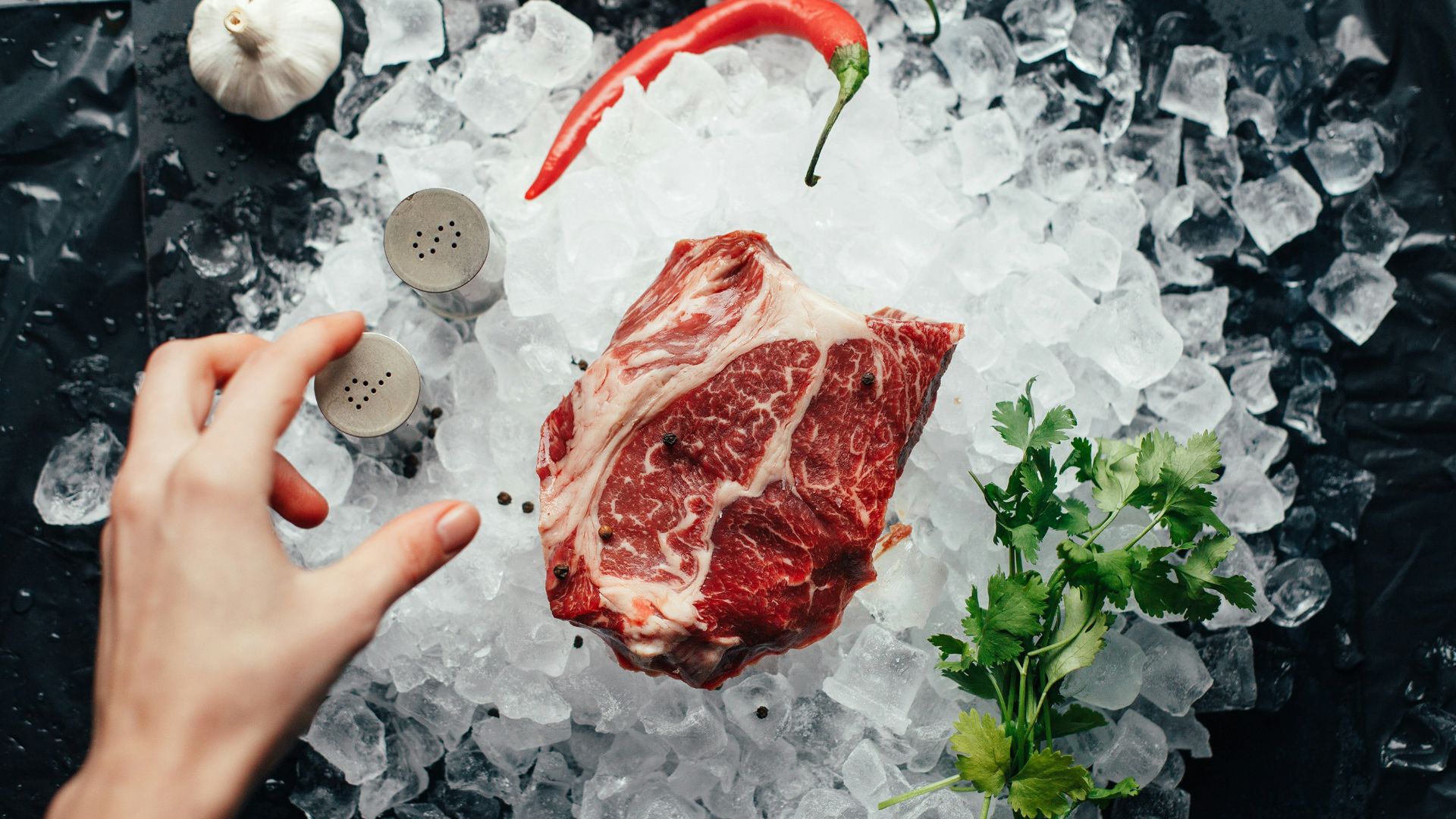
It feels like you’re washing germs away, yet you’re really splashing them around. The USDA has been clear that washing raw poultry spreads bacteria through droplets onto counters, faucets, and whatever is nearby. You end up cleaning the kitchen because you tried to clean the chicken.
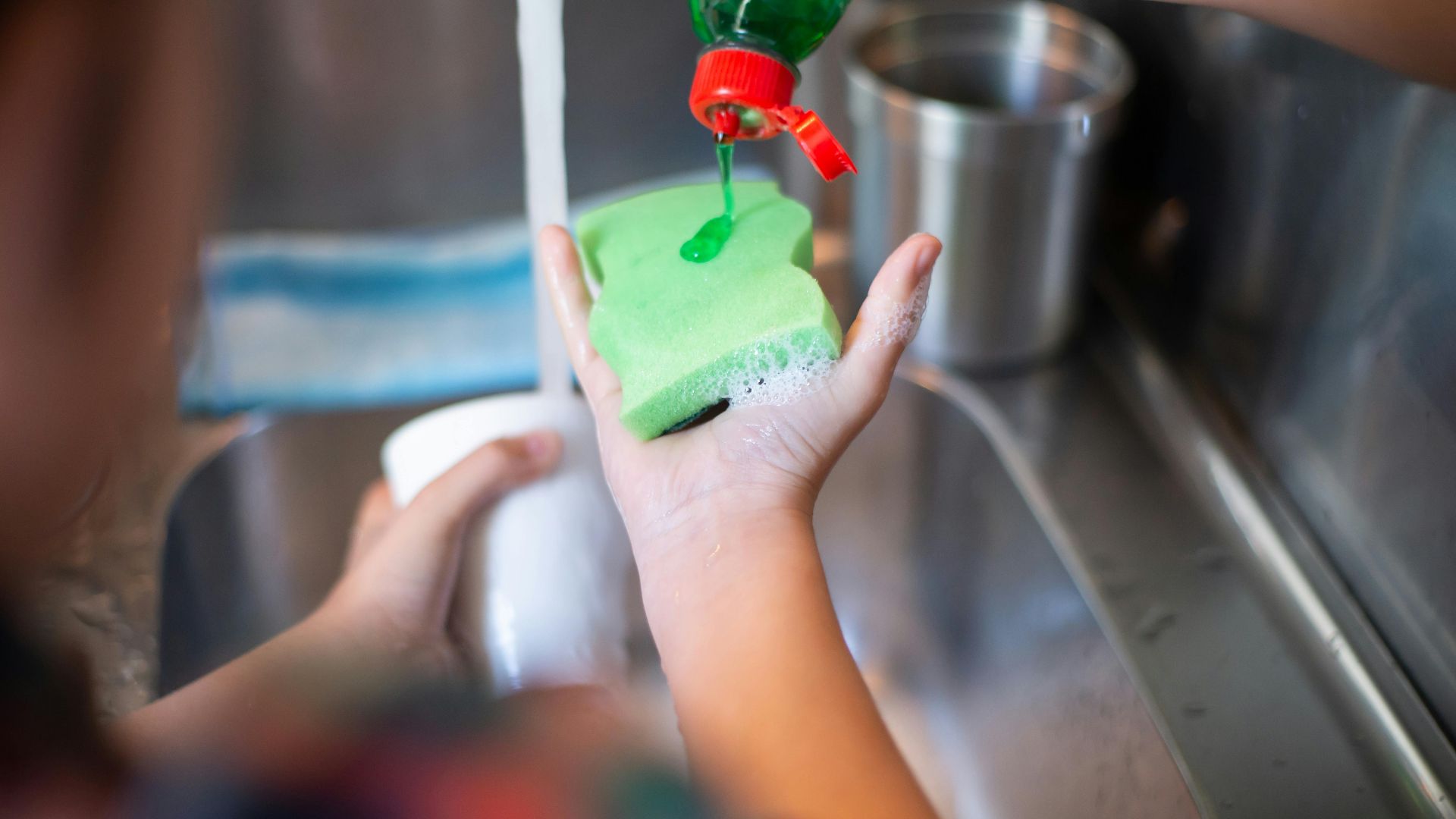
2. Using The Same Sponge All Week
A wet sponge sitting by the sink is basically a cozy apartment for bacteria. Even when it smells fine, it can spread microbes back onto plates and counters because it stays damp and full of food residue. Studies and food safety guidance regularly point out that sponges and dishcloths are among the dirtiest items in many kitchens.
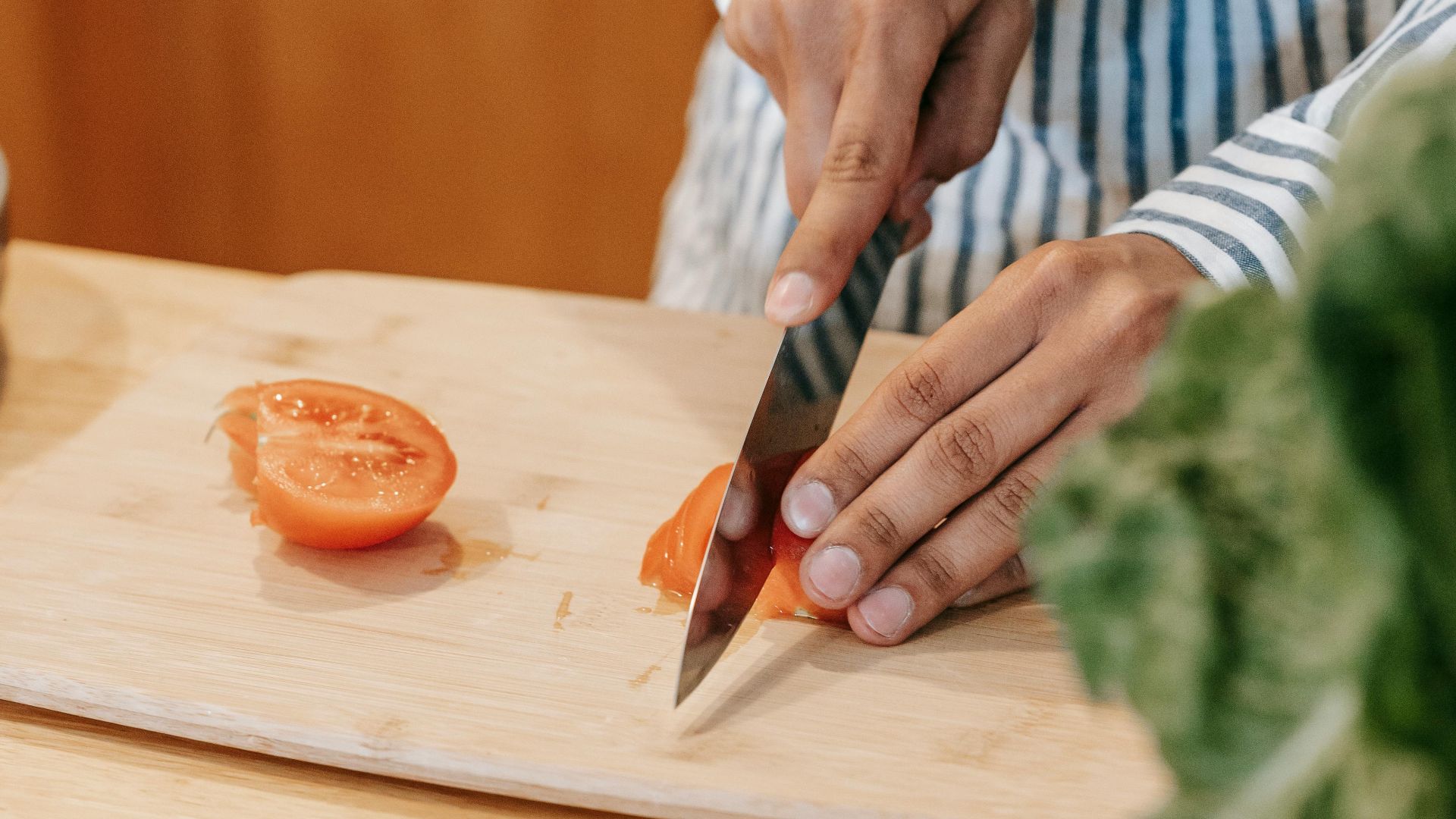
3. Wiping A Cutting Board With A Towel And Calling It Clean
A quick wipe feels satisfying, yet it doesn’t remove what’s living in the grooves. Cutting boards, especially plastic boards with knife marks, can hold on to bacteria after raw meat prep. If you wipe and keep going, you’re basically smearing the problem into the next ingredient.
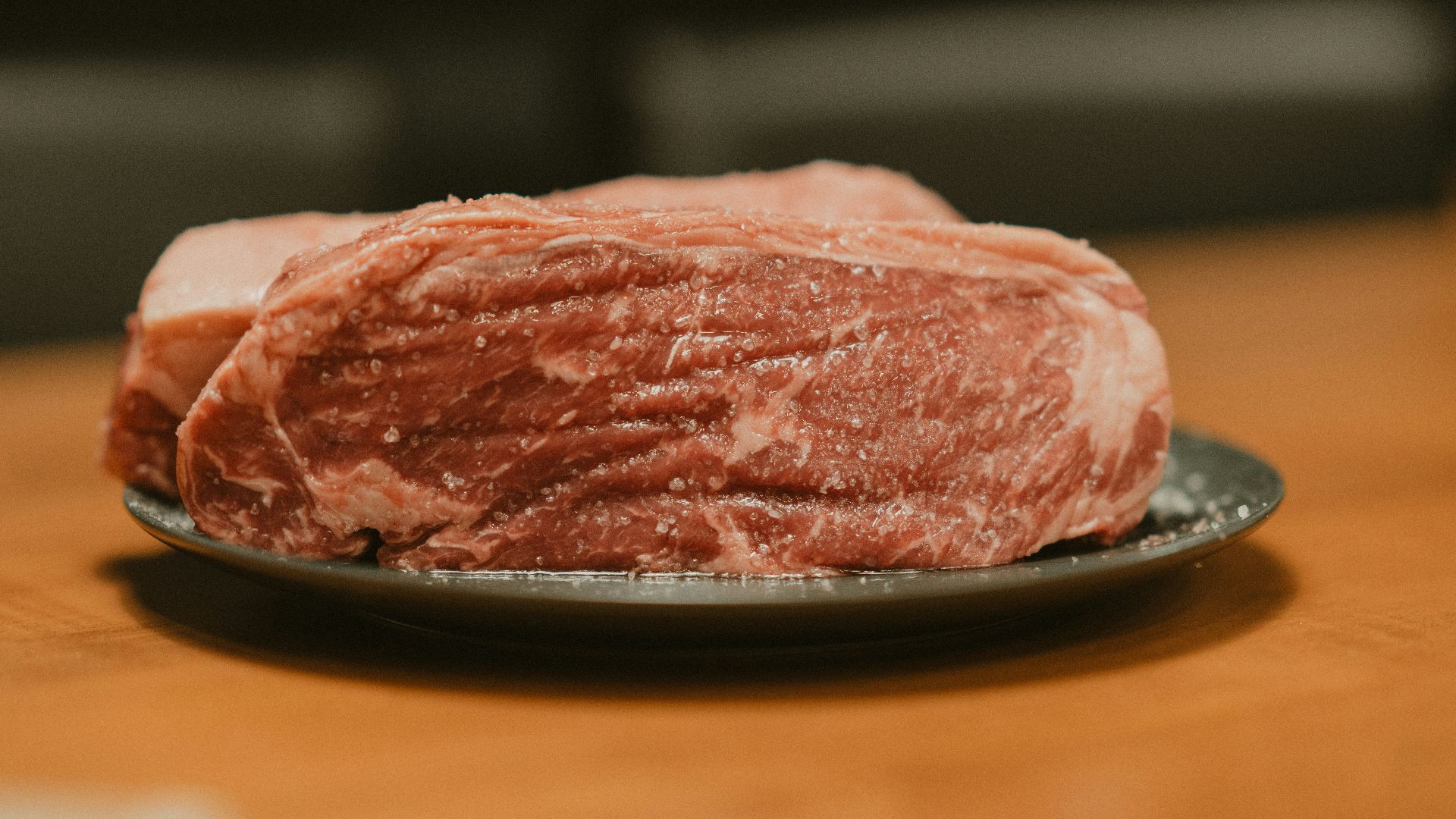
4. Thawing Meat On The Counter
The outside warms up into the danger zone while the center is still frozen, and bacteria love that window. The USDA recommends safer thawing methods like the refrigerator, cold water with frequent changes, or the microwave when you’re cooking right away. Counter thawing is one of those habits that works until it doesn’t.
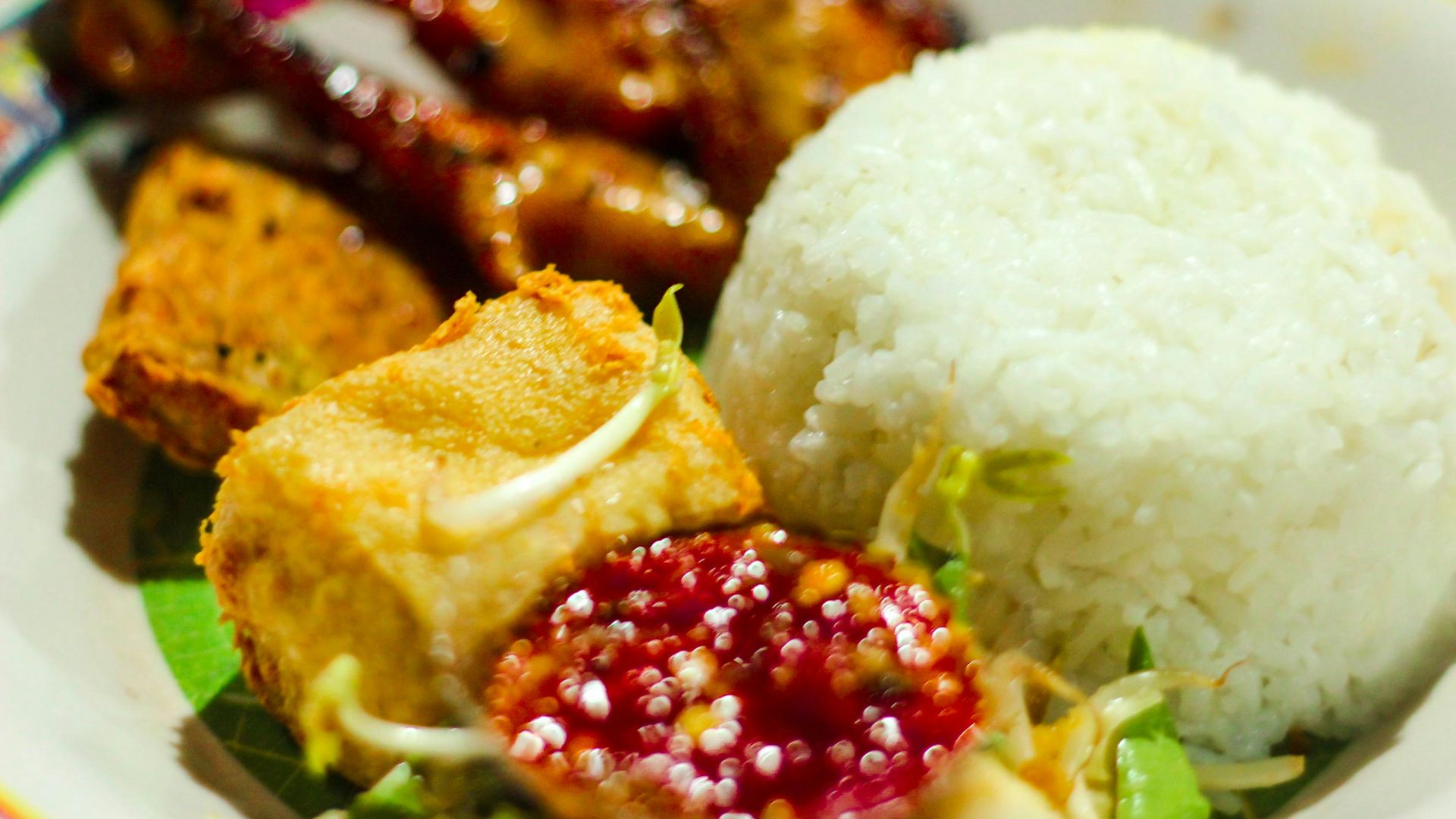
5. Letting Cooked Food Cool For Hours Before Refrigerating
People wait because they don’t want to heat up the fridge or they’re busy, and the food just sits there. That room-temperature stretch gives bacteria time to multiply, especially in big pots of soup or chili that stay warm in the center. Food safety guidance typically emphasizes getting leftovers chilled promptly, not when you remember later.
 Fairuz Naufal Zaki on Unsplash
6. Using A Dish Towel As A Hand Towel All Day
A towel that dries hands, wipes counters, and grabs hot pans becomes a traveling germ bus. If it touches raw meat juice on a counter and then dries your hands, you just moved the problem back onto your skin. Paper towels or a dedicated hand towel swapped often is less charming and far safer.
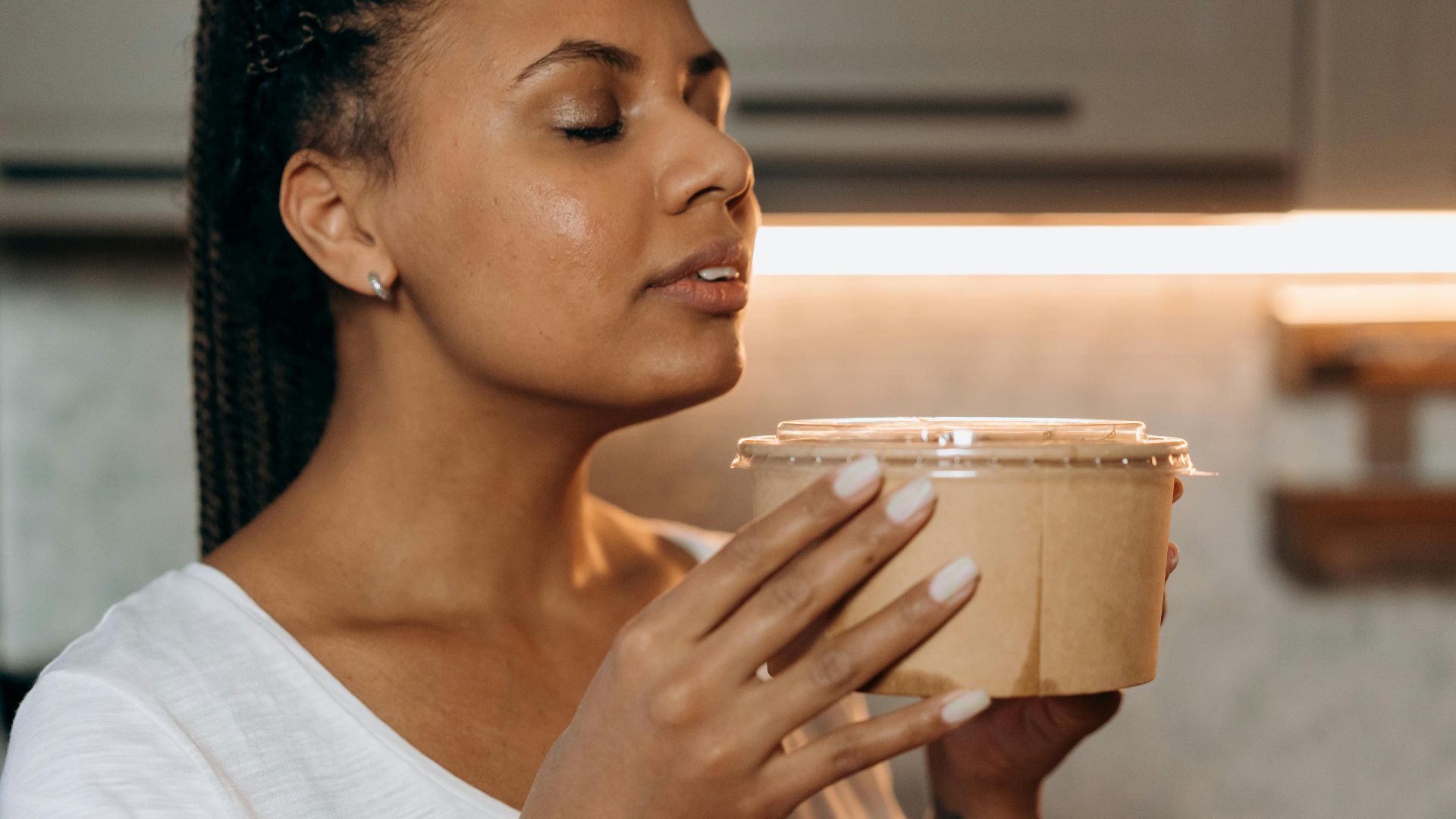
7. Trusting The Sniff Test On Leftovers
A lot of foodborne pathogens don’t announce themselves with smell, taste, or visible changes. Leftovers can seem fine and still be risky if they’ve been stored too long or cooled improperly. The CDC has long emphasized that you can’t rely on sensory cues to judge safety.
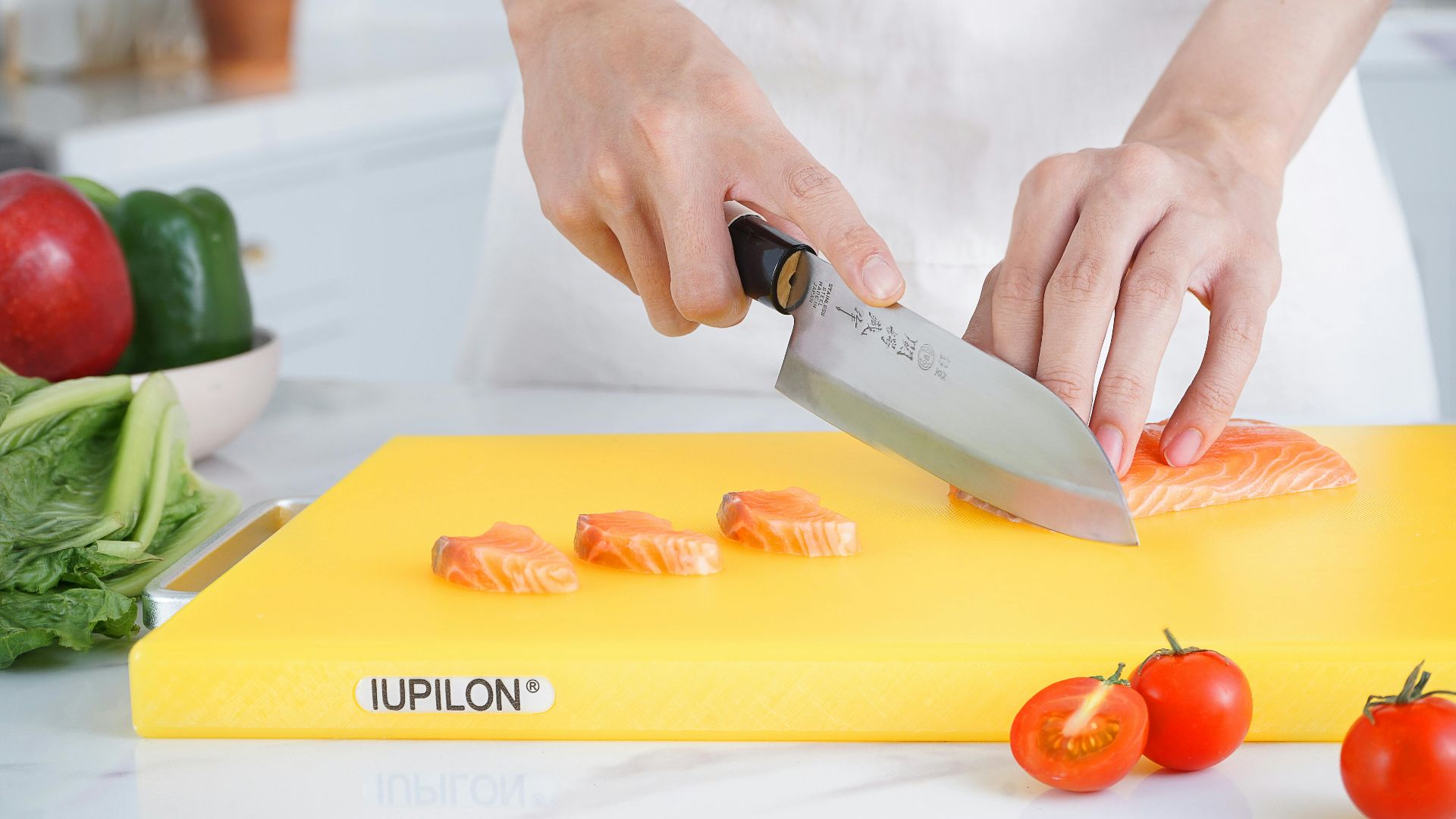
8. Keeping A Cutting Board “For Everything”
Even if you swear you wash it, using the same board for raw meat and ready-to-eat foods creates constant risk. The moment your attention slips, you’re slicing tomatoes on a board that just held chicken. Separate boards, or at least a strict raw-then-wash routine, removes a whole category of mistakes.
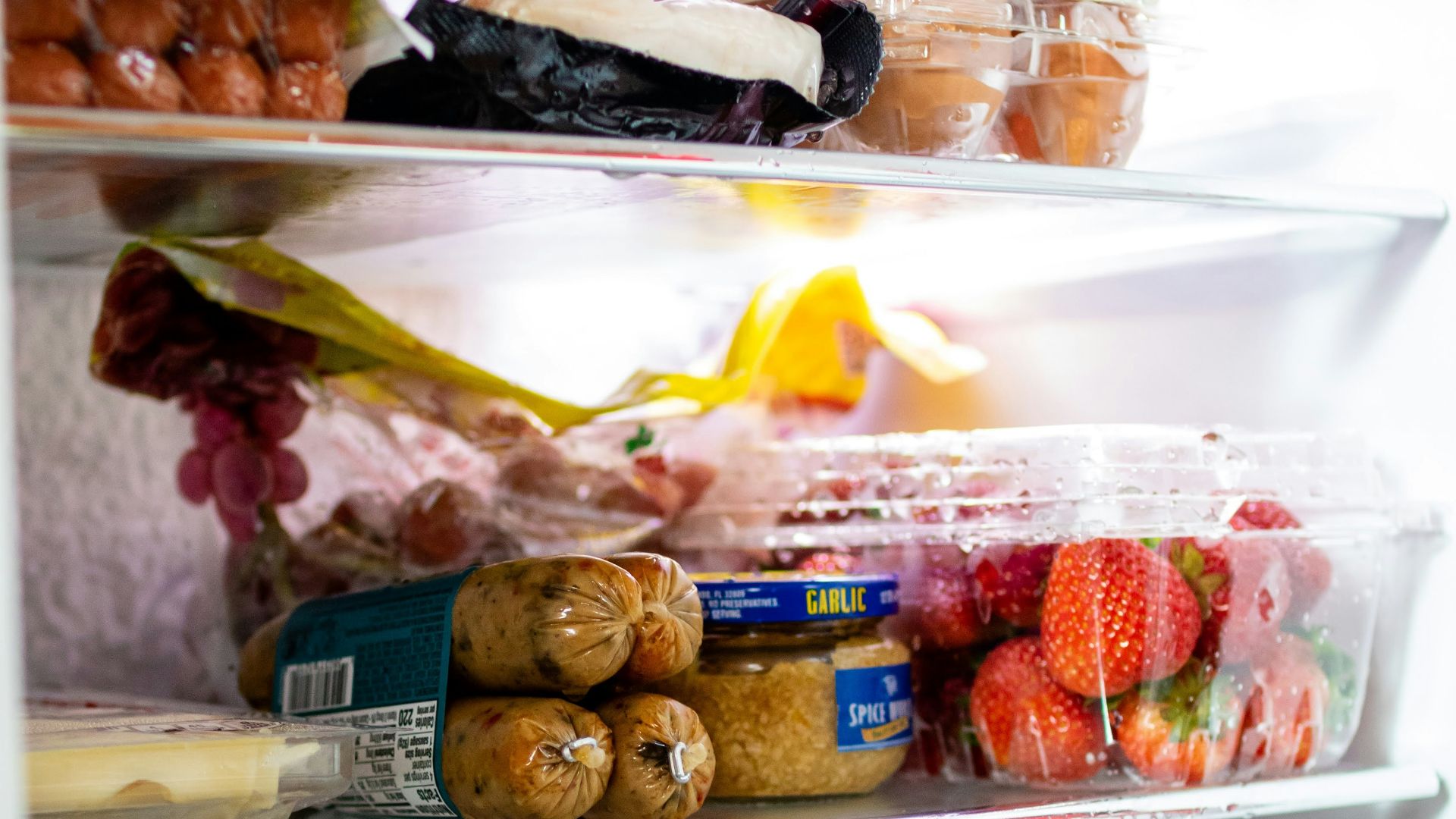
9. Storing Raw Meat Above Food In The Fridge
Gravity is undefeated, and a slow drip can ruin everything below it. Food safety guidance commonly recommends keeping raw meat on the lowest shelf, ideally in a container that can catch leaks. It’s a small tweak that prevents a big, quiet cross-contamination problem.
10. Using The Same Marinade For Raw And Cooked Food
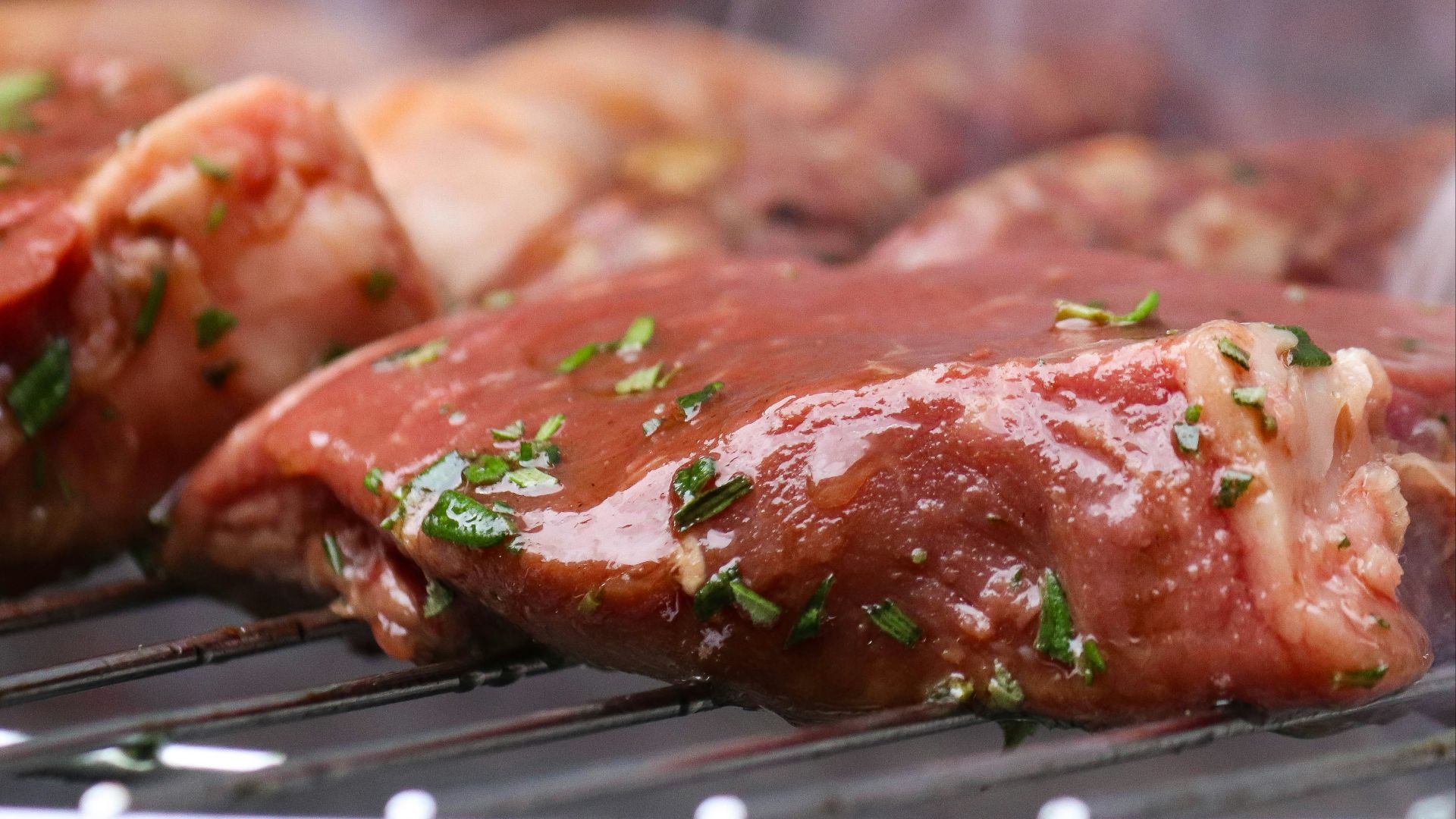
Marinade that held raw meat is not a sauce yet, it’s raw meat juice with seasoning. Pouring it over cooked food or using it as a finishing drizzle can reintroduce bacteria after you did all the work of cooking safely. If you want it as a sauce, it needs to be boiled or kept separate from the start.
A safer kitchen is rarely about fancy gear or obsessive cleaning. It’s mostly about simple habits that break the chain of contamination without turning dinner into a science project. Here are ten strategies that help.
1. Washing Hands The Boring, Thorough Way
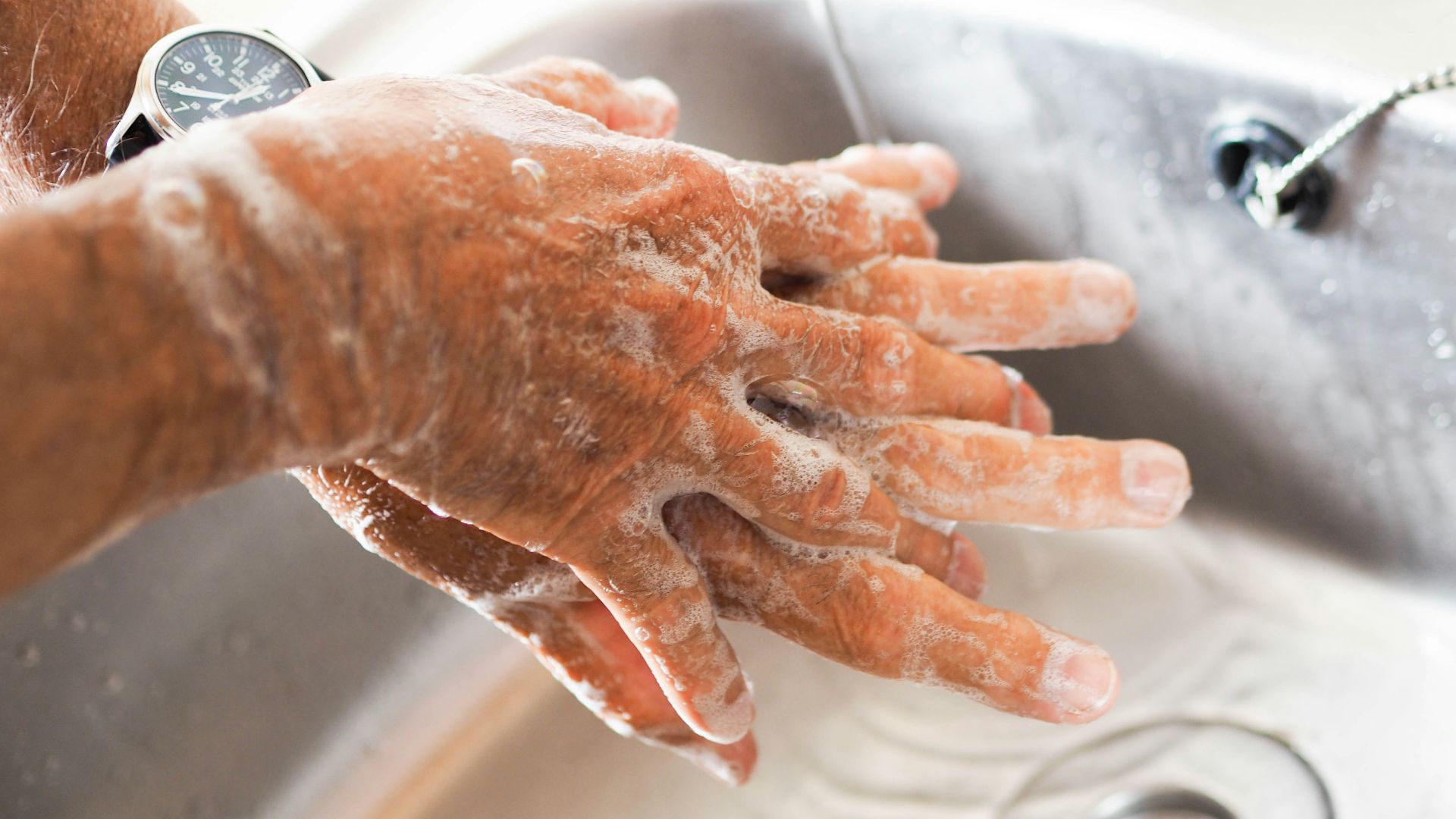
Quick rinses don’t cut it when you’ve handled raw meat, eggs, or even just the trash. The CDC’s handwashing guidance emphasizes using soap and scrubbing, including fingertips and under nails, because that’s where stuff hangs on. It’s the one habit that fixes a lot of other mistakes before they spread.
2. Using A Thermometer For Meat And Leftovers
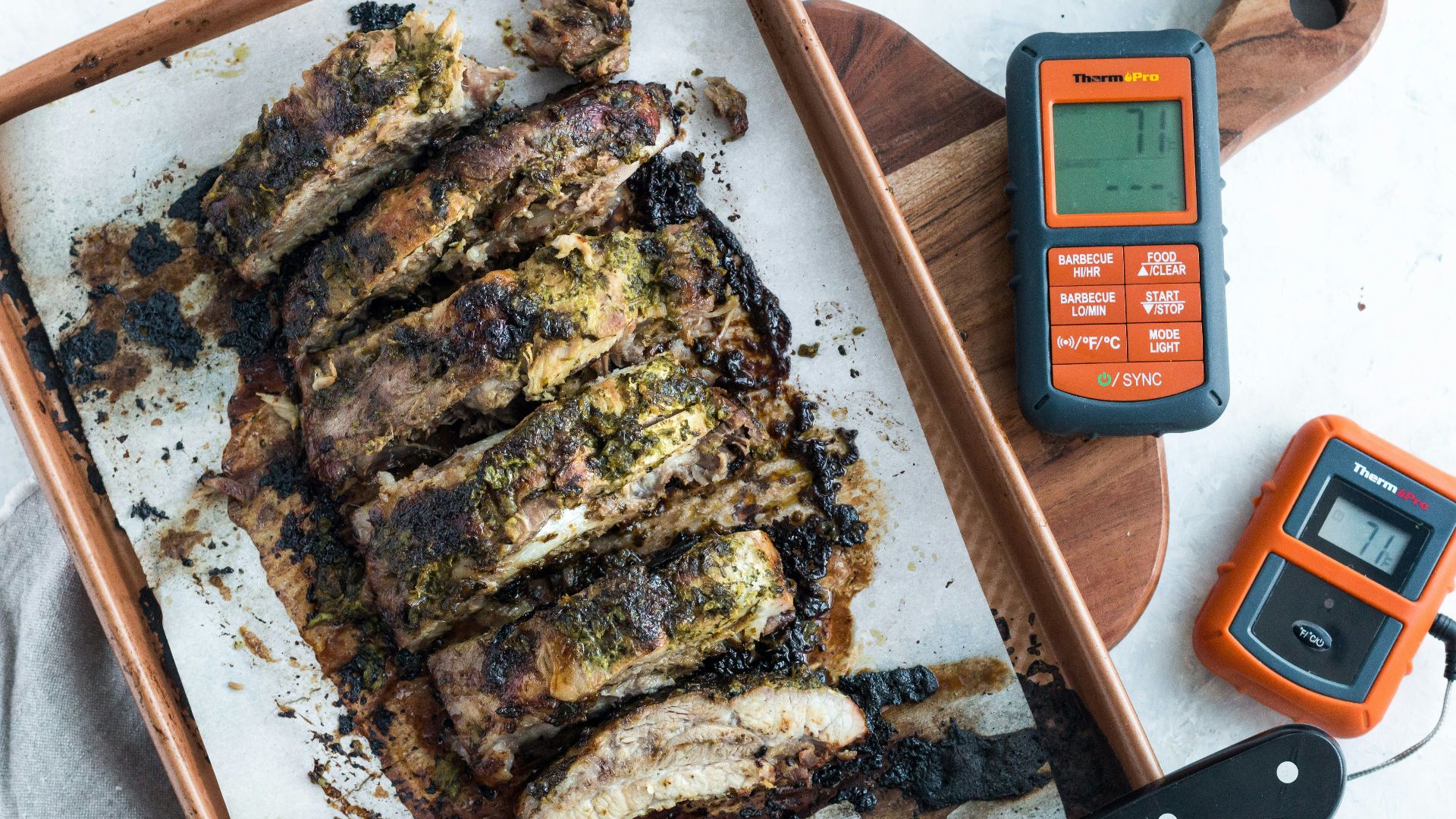
Color is not a reliable indicator of safety, especially with ground meat and poultry. A thermometer turns guesswork into a number, and food safety agencies like the USDA consistently recommend it as the surest way to know food reached a safe internal temperature. It also prevents overcooking, which is a nice bonus.
3. Separating Raw And Ready-To-Eat Tools
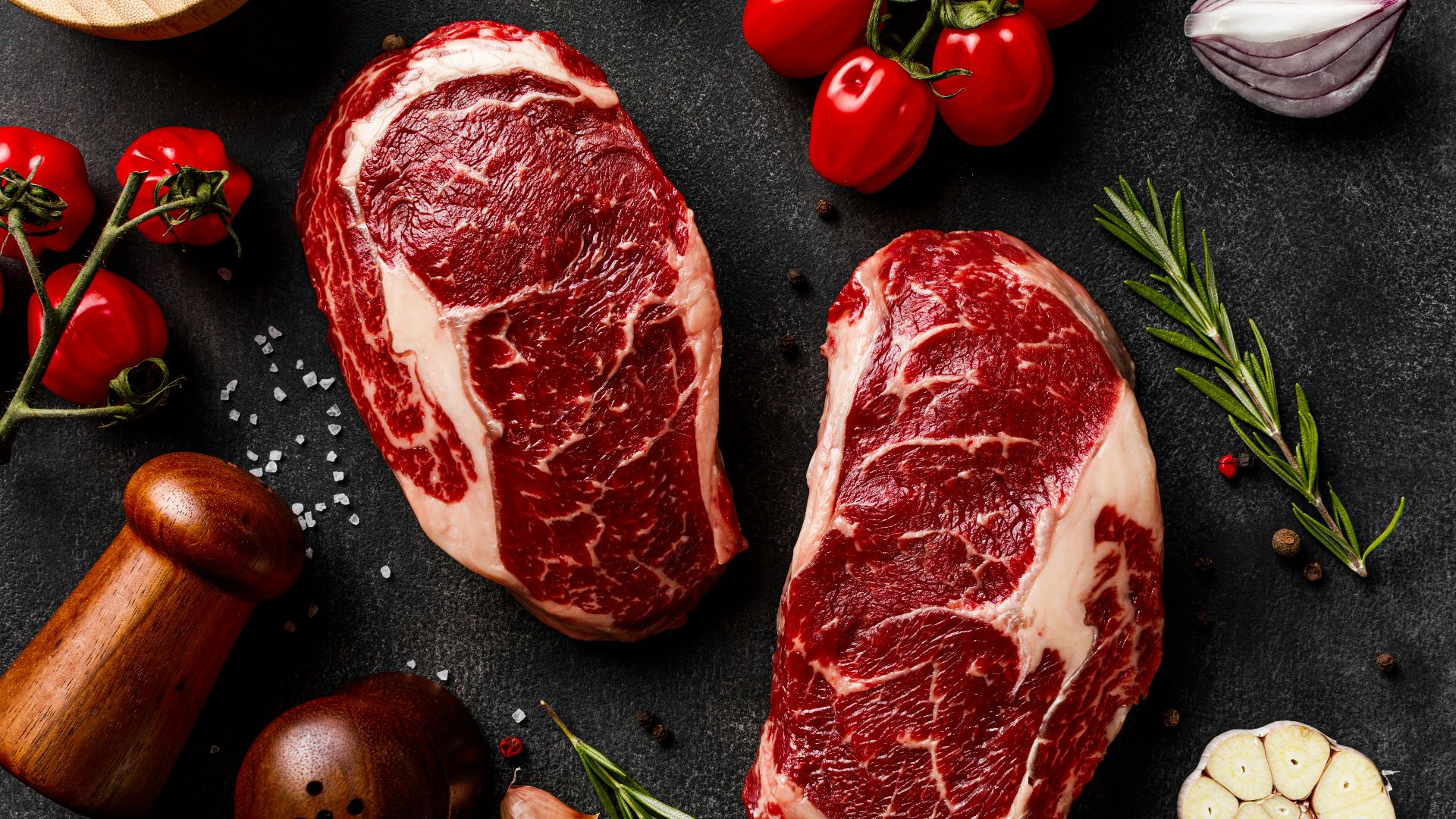
This is the quiet power move of a safer kitchen. A dedicated raw-meat board, separate tongs for cooked food, and a clean plate for finished meat prevent that one lazy moment that ruins everything. Once you build the habit, it stops feeling fussy and starts feeling obvious.
4. Cleaning And Sanitizing The Sink And Faucet
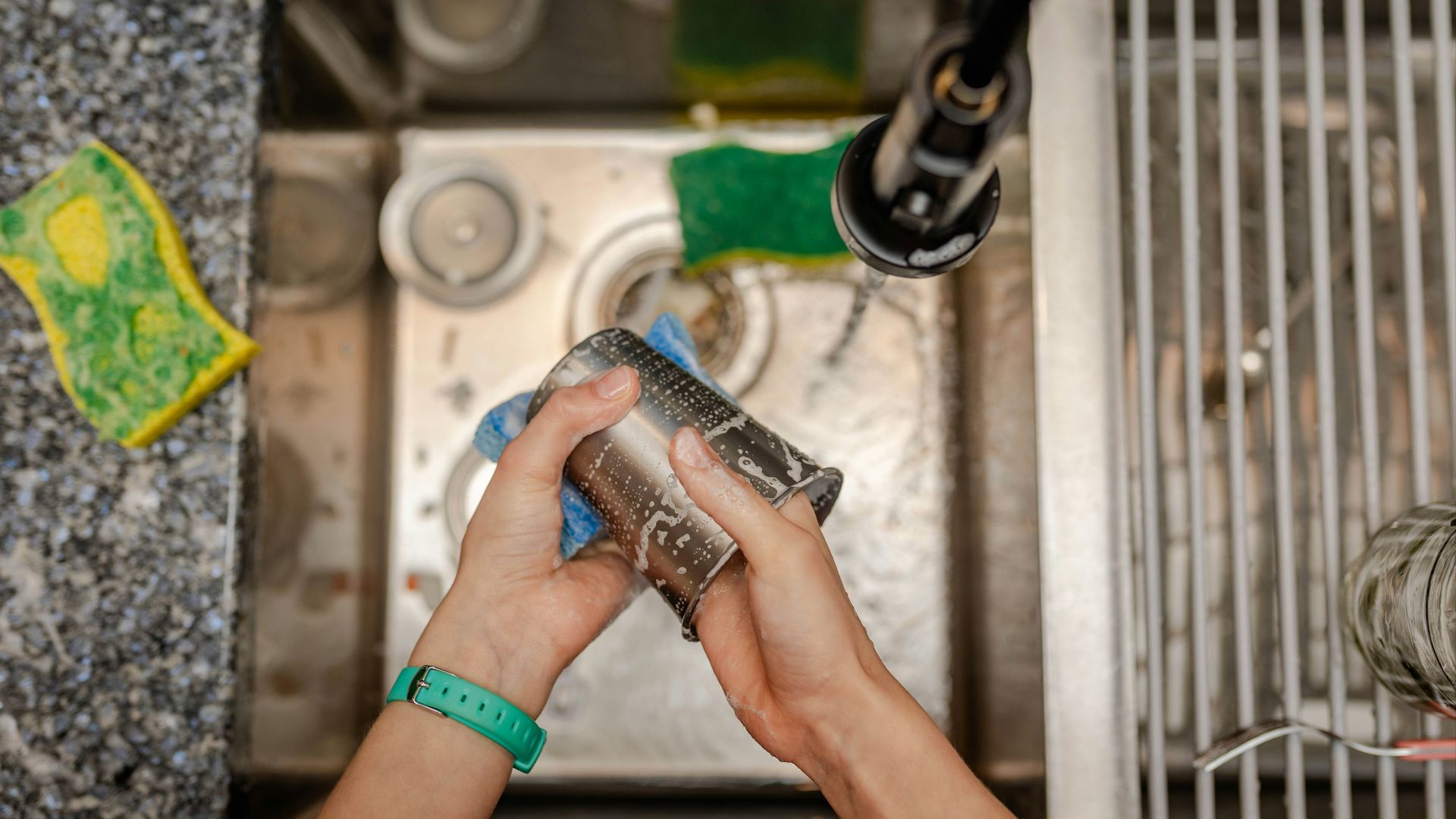
The sink is where raw meat packaging gets set down, where hands get rinsed, and where dirty dishes pile up. Cleaning the bowl is not enough if the faucet handle is covered in whatever your hands had on them. A quick scrub and periodic sanitizing keeps the most chaotic part of the kitchen from becoming the germ headquarters.
5. Chilling Leftovers Fast In Shallow Containers
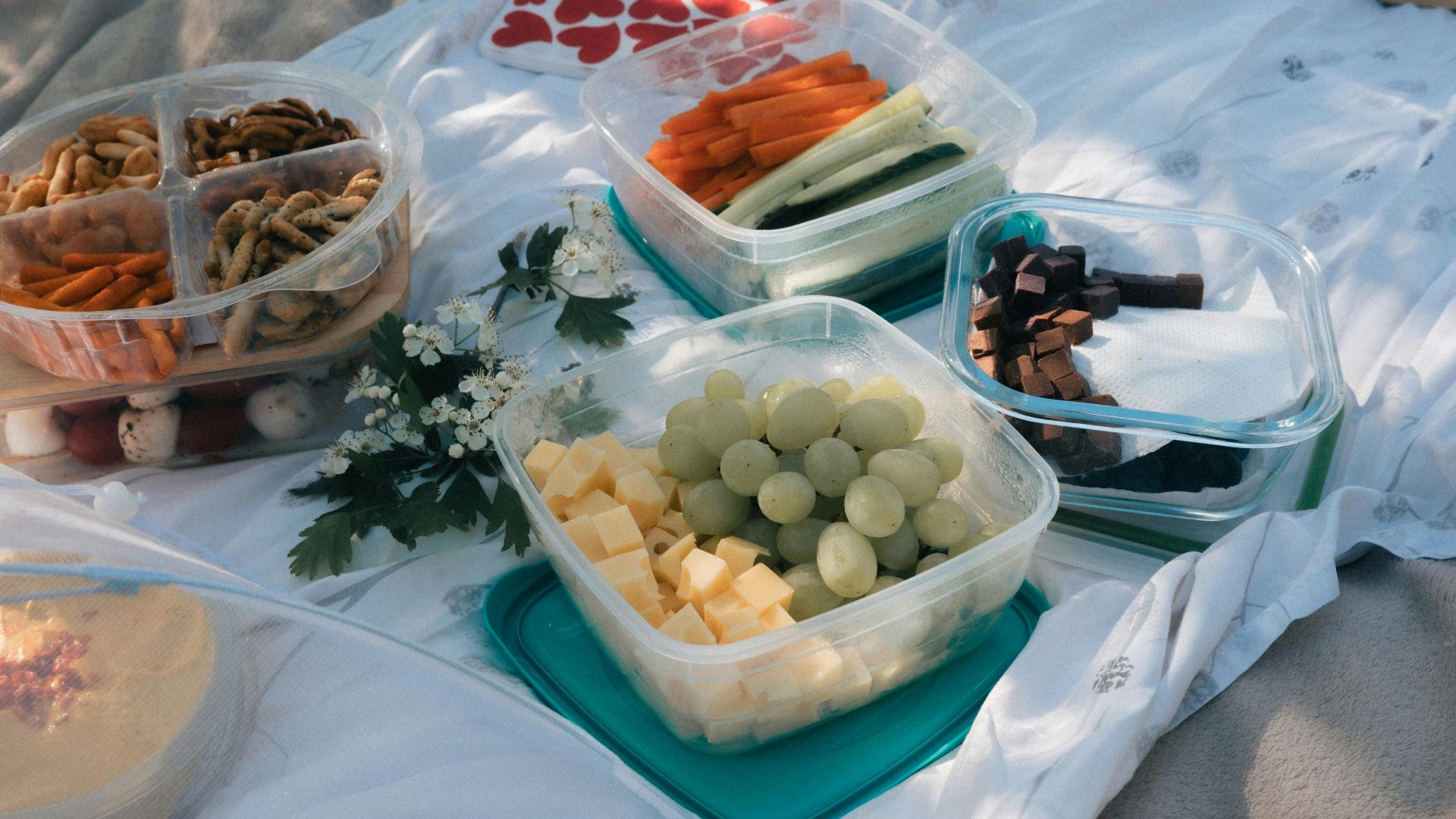
Big pots cool slowly, and slow cooling creates that long stretch where bacteria can multiply. Shallow containers let food drop in temperature faster, and they also make reheating more even later. It’s a habit that feels like organization and functions like safety.
6. Keeping The Fridge Cold Enough
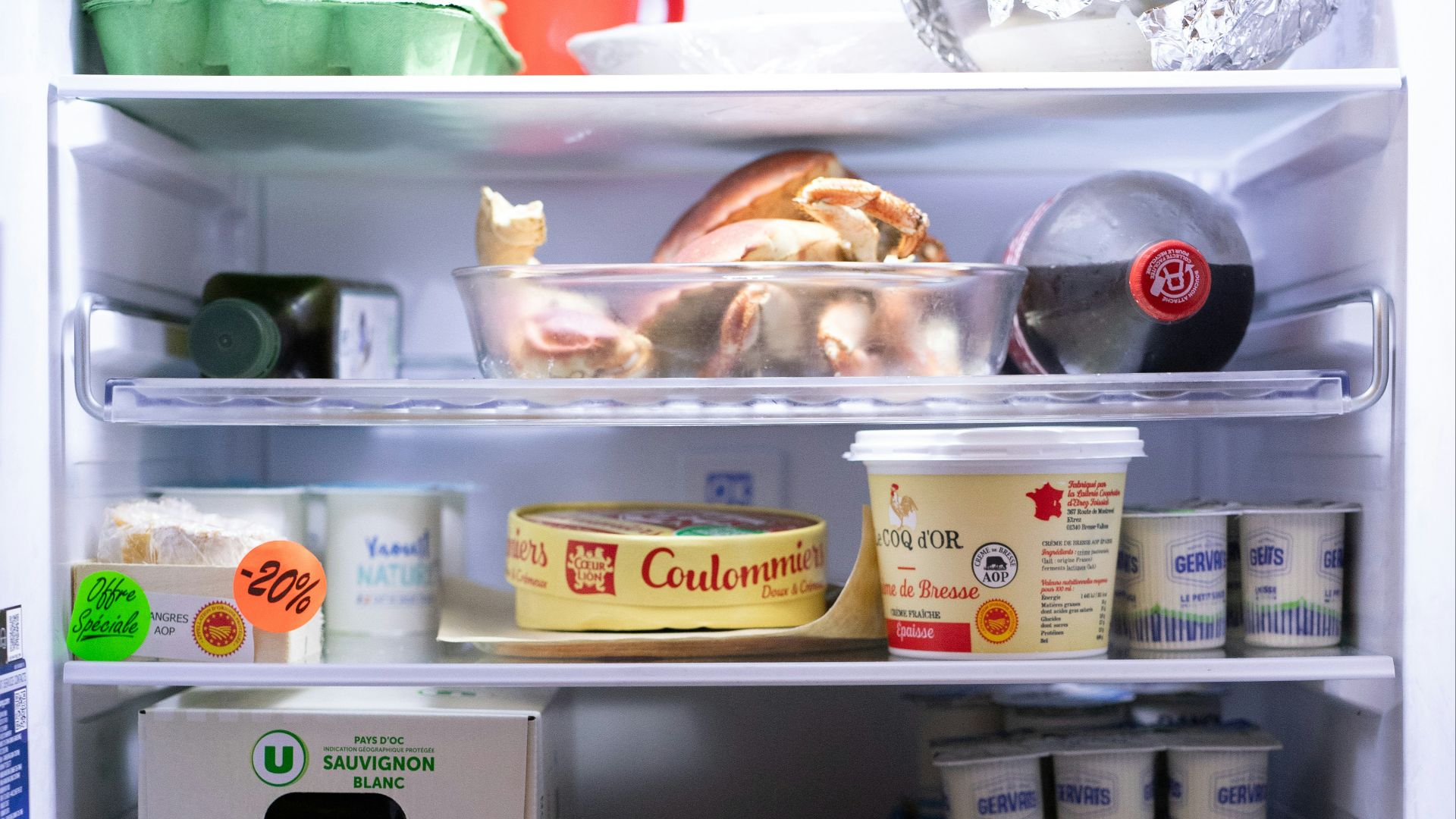
A fridge that runs warm turns safe storage into a gamble. The USDA recommends keeping refrigerators at 40°F or below, and freezers at 0°F, because temperature control is what keeps bacteria growth slow. A cheap fridge thermometer is one of the most practical kitchen tools you can own.
 Nicolas J. Barbier on Unsplash
7. Reheating Leftovers Until They’re Actually Hot
Warm is not the goal, hot is the goal, especially for soups and sauces that can heat unevenly. Stirring and letting food reach a real steaming temperature reduces risk and also improves texture. People get sick from leftovers more often than they expect, mostly because the reheat was half-hearted.
8. Swapping Dishcloths And Sponges
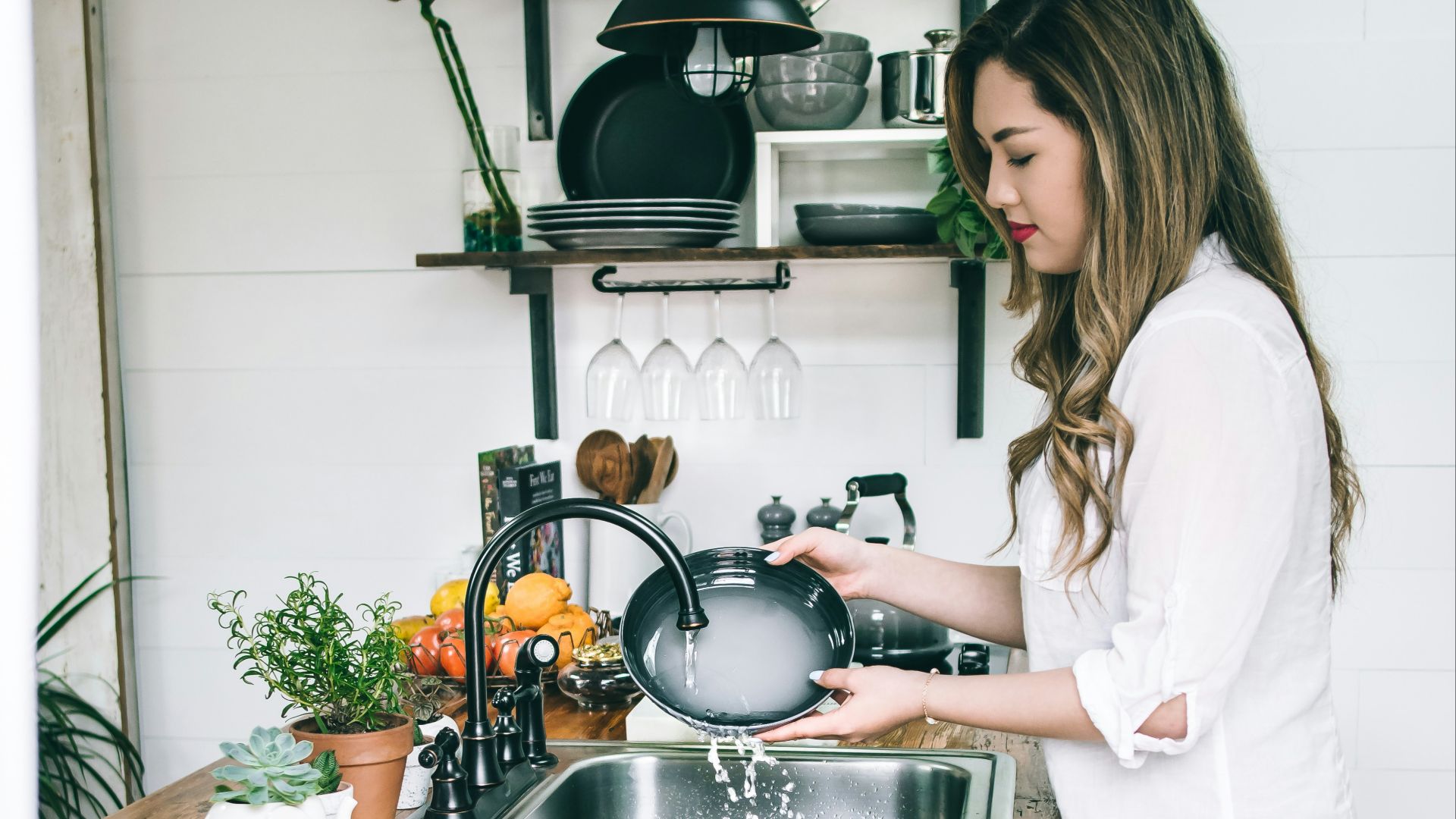
You don’t have to be precious about it. Cloths get tossed in the wash regularly, sponges get replaced often, and anything that smells off gets retired immediately. Keeping these items fresh cuts down on the constant recontamination cycle that makes a clean kitchen feel mysteriously dirty.
9. Storing Raw Meat Sealed And Contained
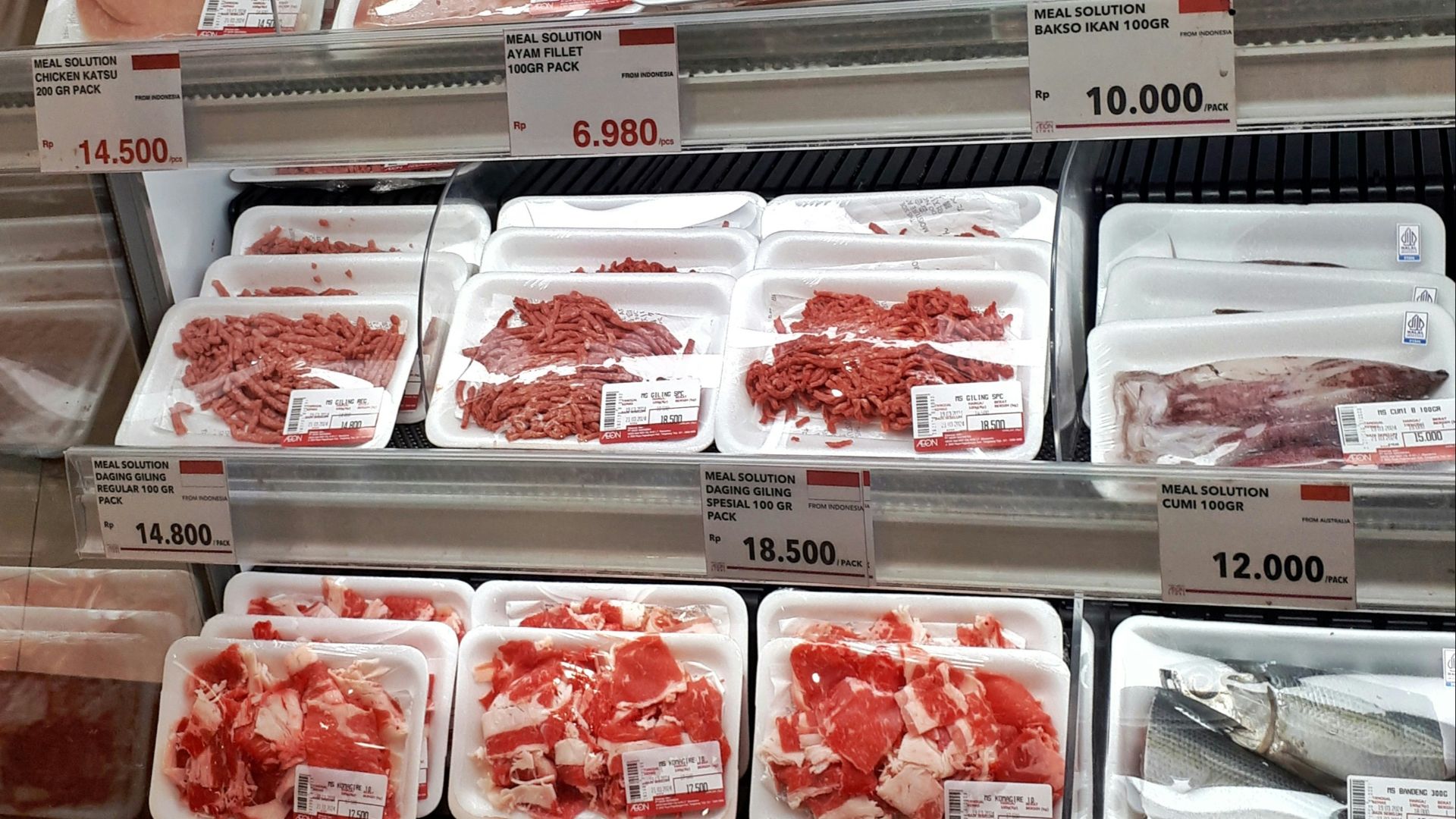
A leaky package is how raw juices end up on shelves, in drawers, and on other food. Putting meat in a container or a sealed bag before it goes in the fridge is a simple barrier that prevents a lot of later cleaning and a lot of risk. It also makes the fridge smell better, which is not nothing.
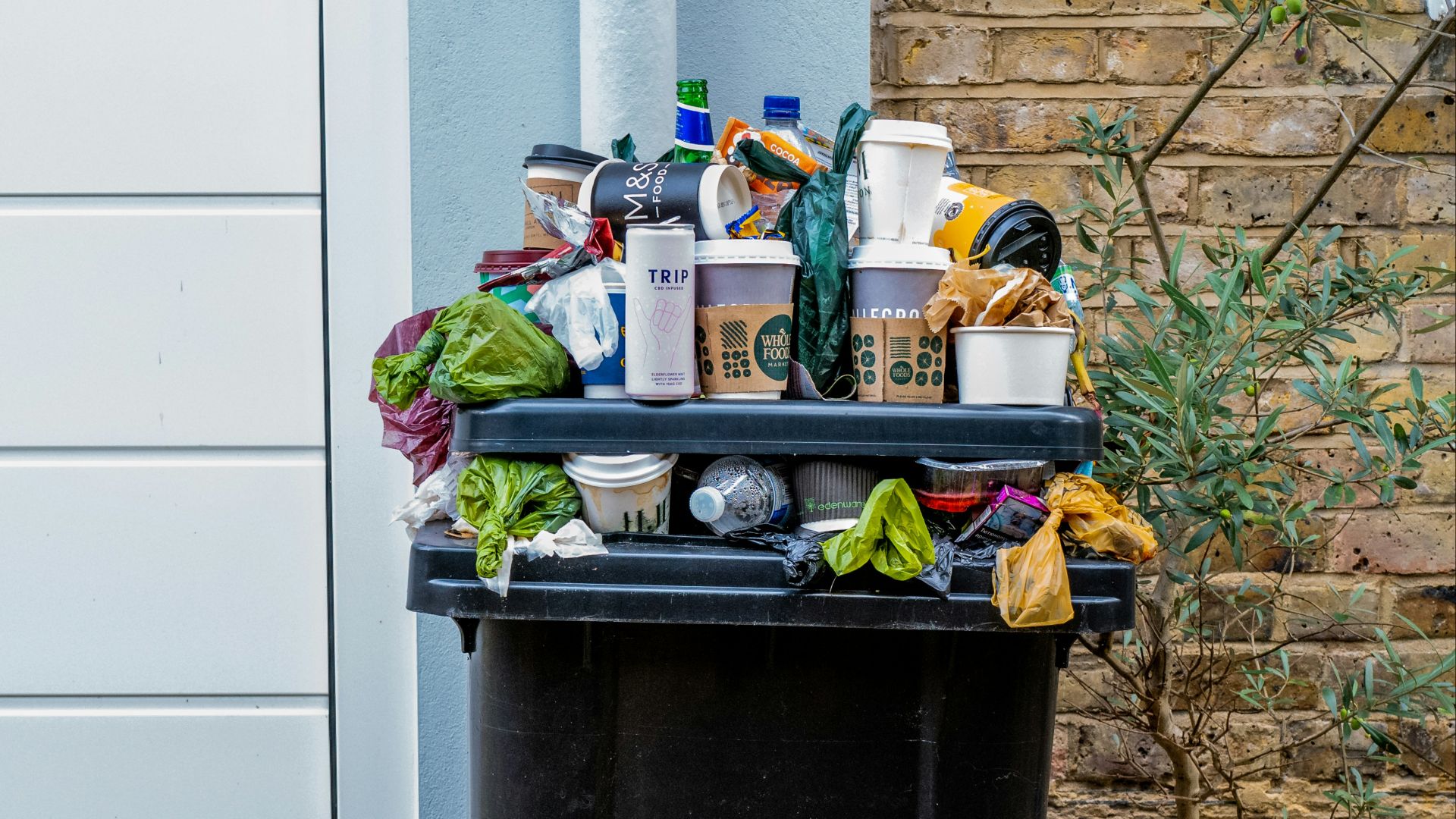
10. Keeping A Neat Garbage Can Setup
Trash is where raw packaging, paper towels from meat prep, and spoiled food end up, and the lid and rim get touched constantly without anyone thinking about it. Using a lined bin, taking the bag out before it overflows, and wiping the lid and surrounding floor keeps you from tracking bacteria back to handles, towels, and fridge shelves. It’s not glamorous, yet it stops a lot of kitchen grime from becoming the background condition.