Would You Eat This?
Did you know that scientists are playing with the DNA of your favorite snacks? From increasing shelf life to changing color and consistency, these foods tend to get strange. You might find yourself a bit surprised by how many of these laboratory concoctions are actually sitting on store shelves or waiting for their big debut in a kitchen near you.
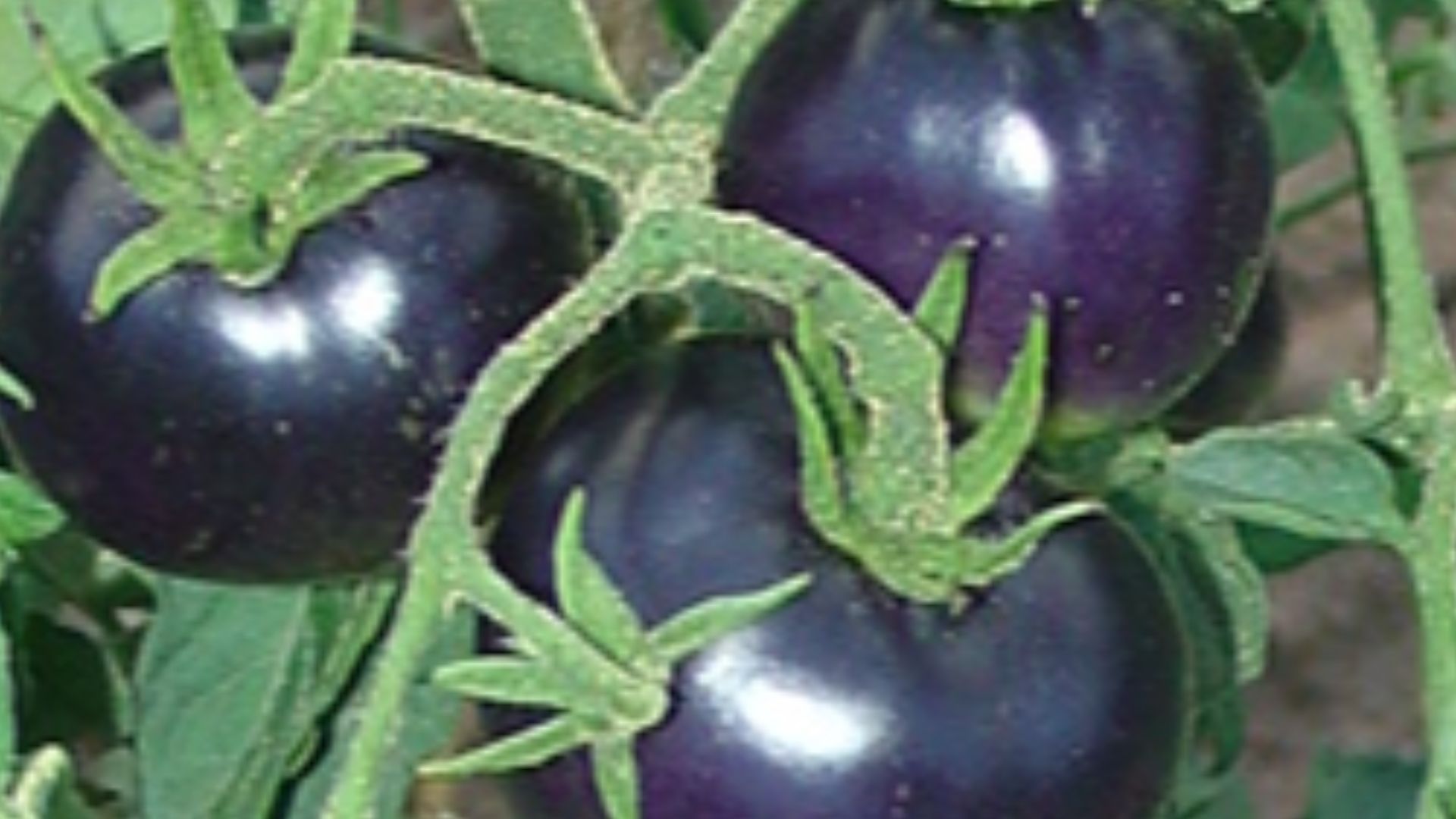
1. The Purple Tomato
British researchers injected snapdragon DNA into tomatoes, giving them their purple hue from the inside out. These beauties boast extremely high levels of anthocyanins, healthy antioxidants commonly found in blueberries and blackberries. Now you can get your heart-healthy antioxidant fix while chopping up veggies for breakfast.
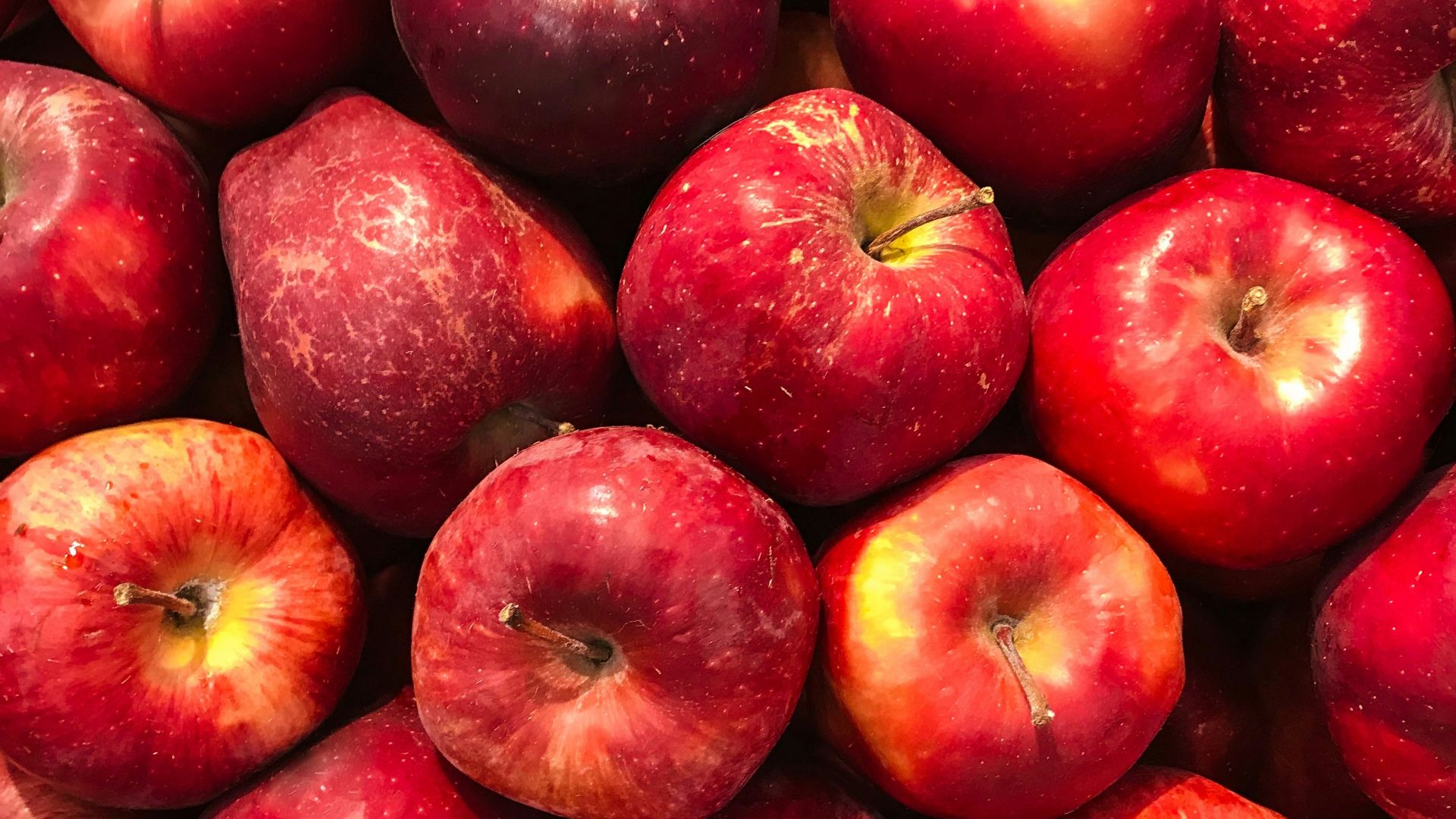
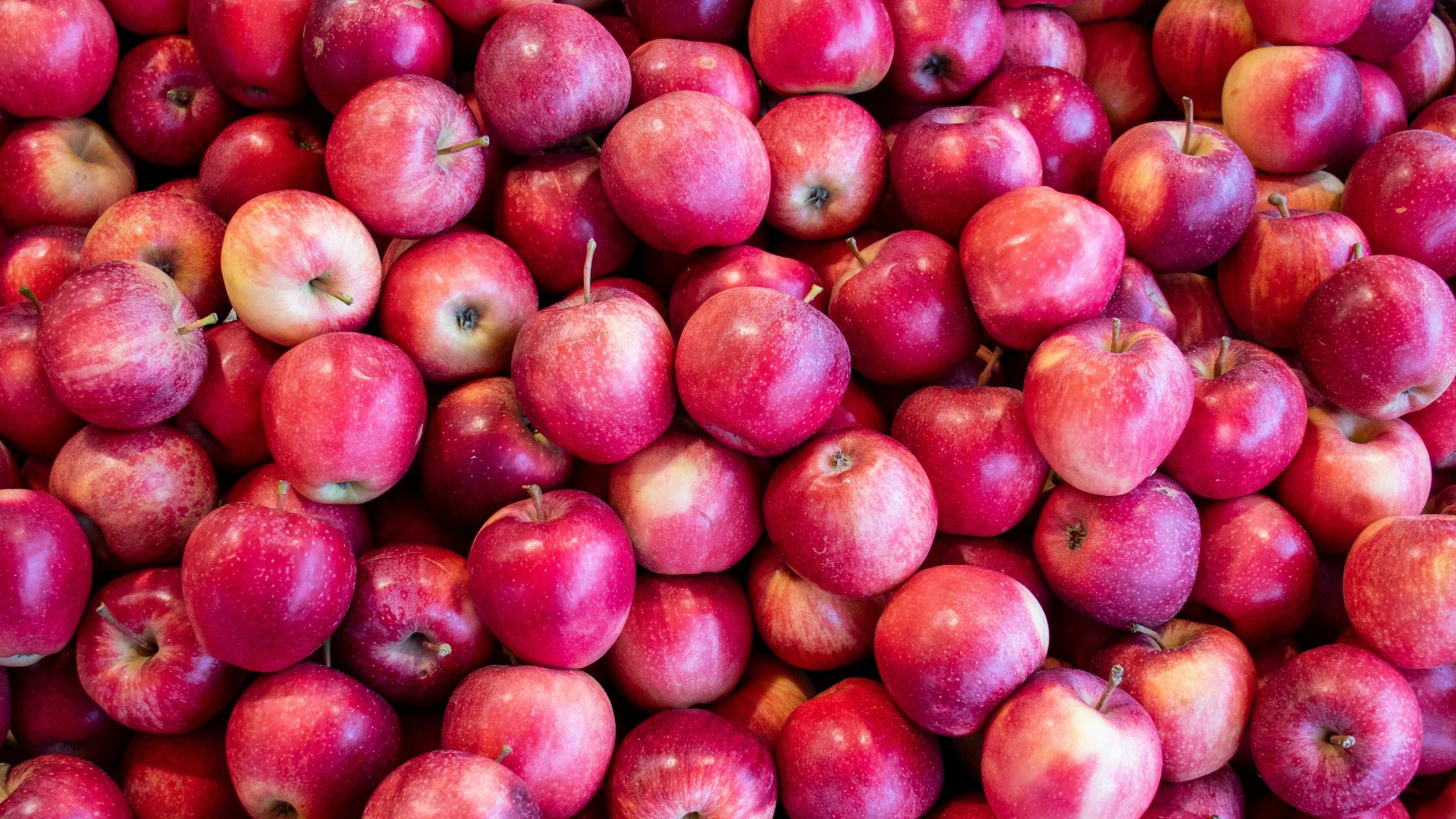
2. Arctic Apples
These genetically modified fruits won’t brown after they are cut or accidentally dropped on the floor. By deactivating the enzymes that cause discoloration, these apples allow sliced fruit to stay fresh for longer periods of time. It’s a parent’s dream come true.
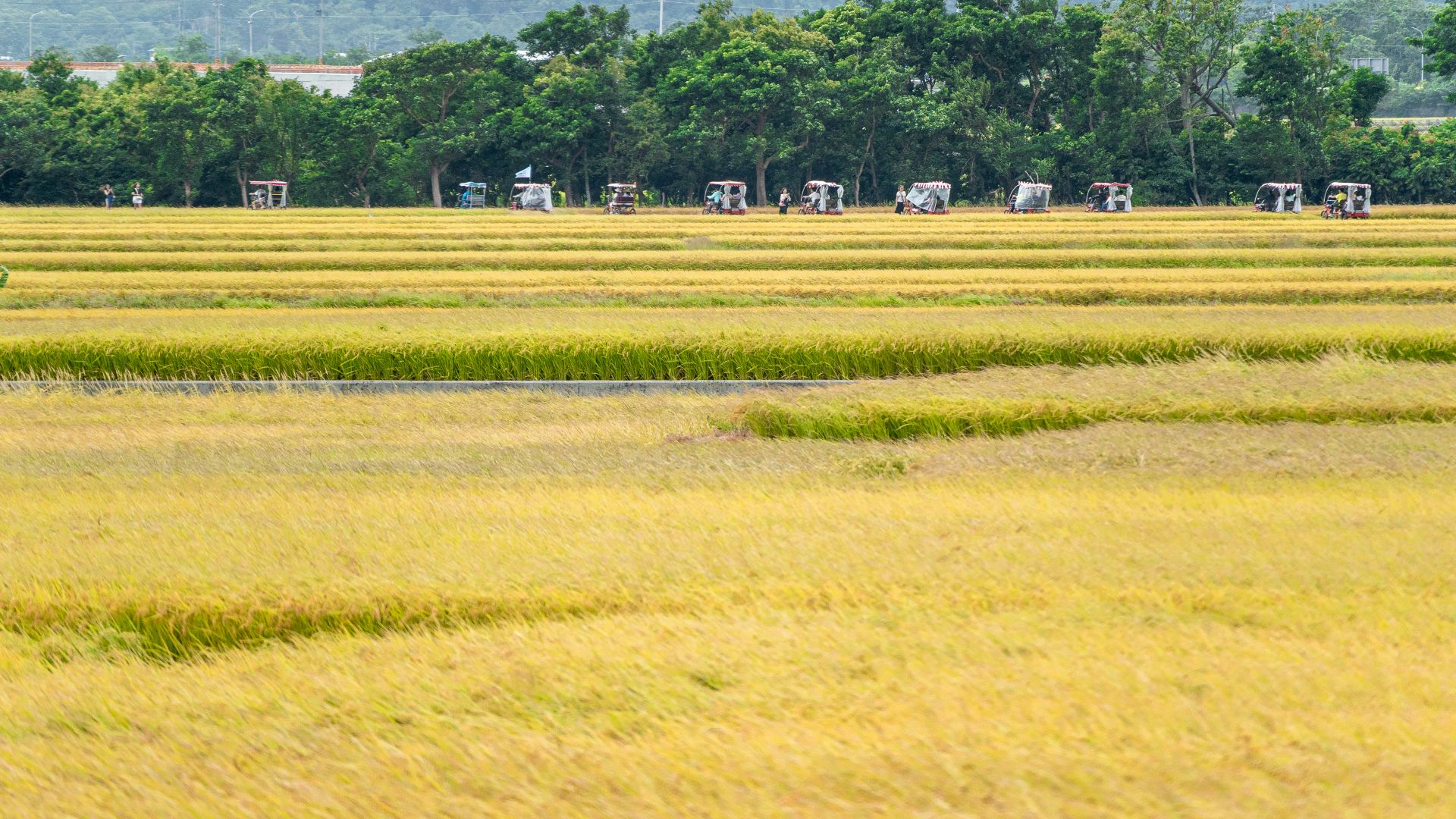
3. Golden Rice
Golden rice was specifically engineered to combat vitamin A deficiencies in developing countries where rice is a dietary staple. Researchers from multiple countries spliced daffodil and bacterial genes into rice DNA to produce beta-carotene, which gives the kernels their golden color.
4. Pinkglow Pineapples
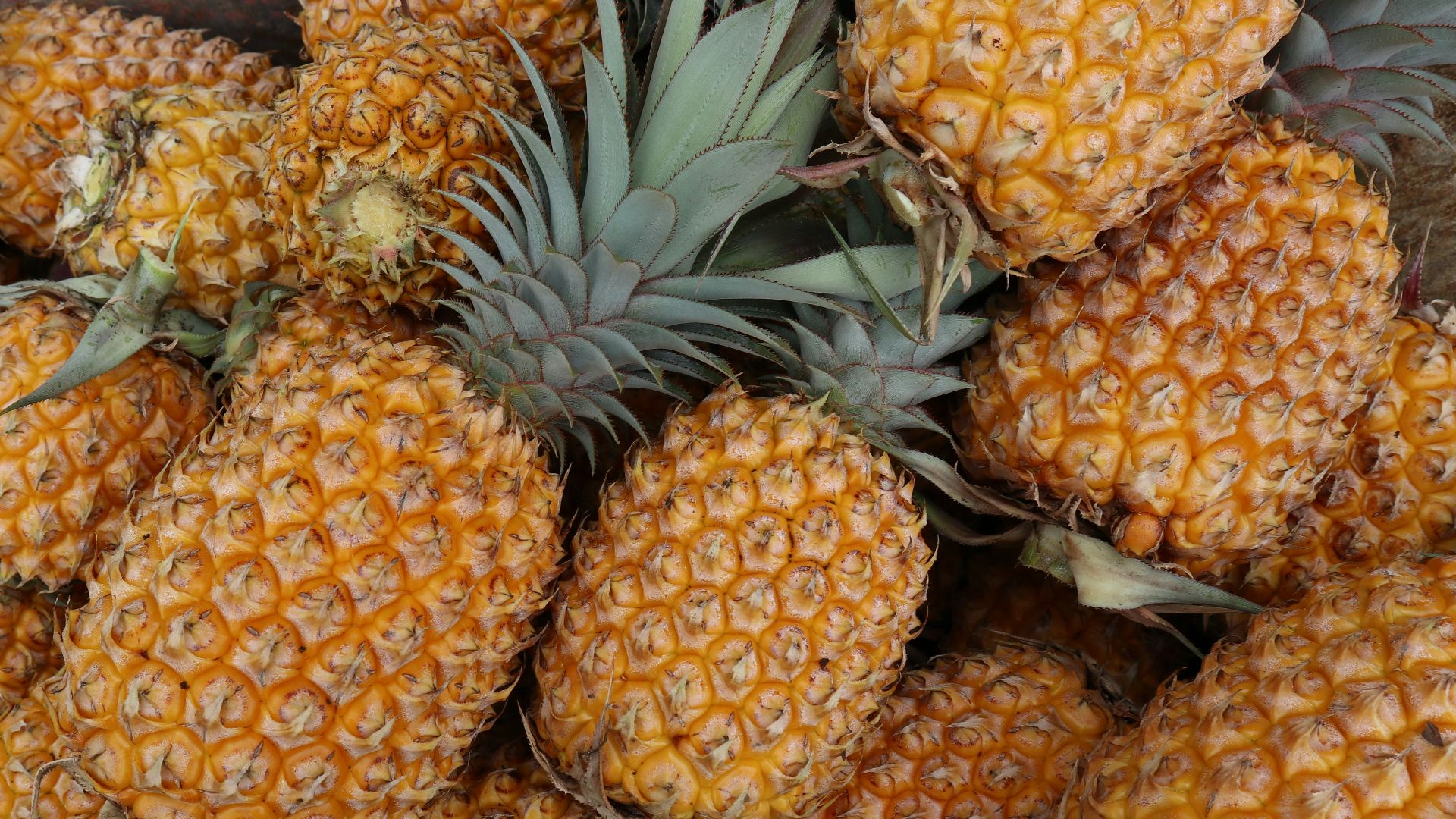
Del Monte spent over a decade developing a pineapple that features beautiful rose-colored flesh instead of the traditional bright yellow. This was achieved by decreasing the levels of an enzyme that normally converts the pink pigment lycopene into yellow carotene. You'll definitely turn some heads at your next brunch if these are served.
5. Blue Roses
Although they’re not edible, these beautiful blue flowers were modified with genes from delphiniums by a Japanese company. Roses naturally lack the enzymes necessary to produce a blue pigment, so researchers were tasked with doing the job for Mother Nature.

6. Innate Potatoes
Simplot’s new invention is a variety of potato that is both bruise-resistant and contains less acrylamide. Acrylamide is a chemical compound that forms when starchy foods are cooked at high temperatures. The only difference between these and garden-variety potatoes is the chemistry.
7. Scallop-Flavored Tobacco
In a bizarre twist of agricultural science, researchers once experimented with tobacco plants that were modified to produce a protein found in scallops. The goal wasn't to create a seafood-flavored vice, but rather to use the fast-growing plants as a "factory" for producing edible proteins. It sounds like a strange dinner-party disaster.

8. Tearless Onions
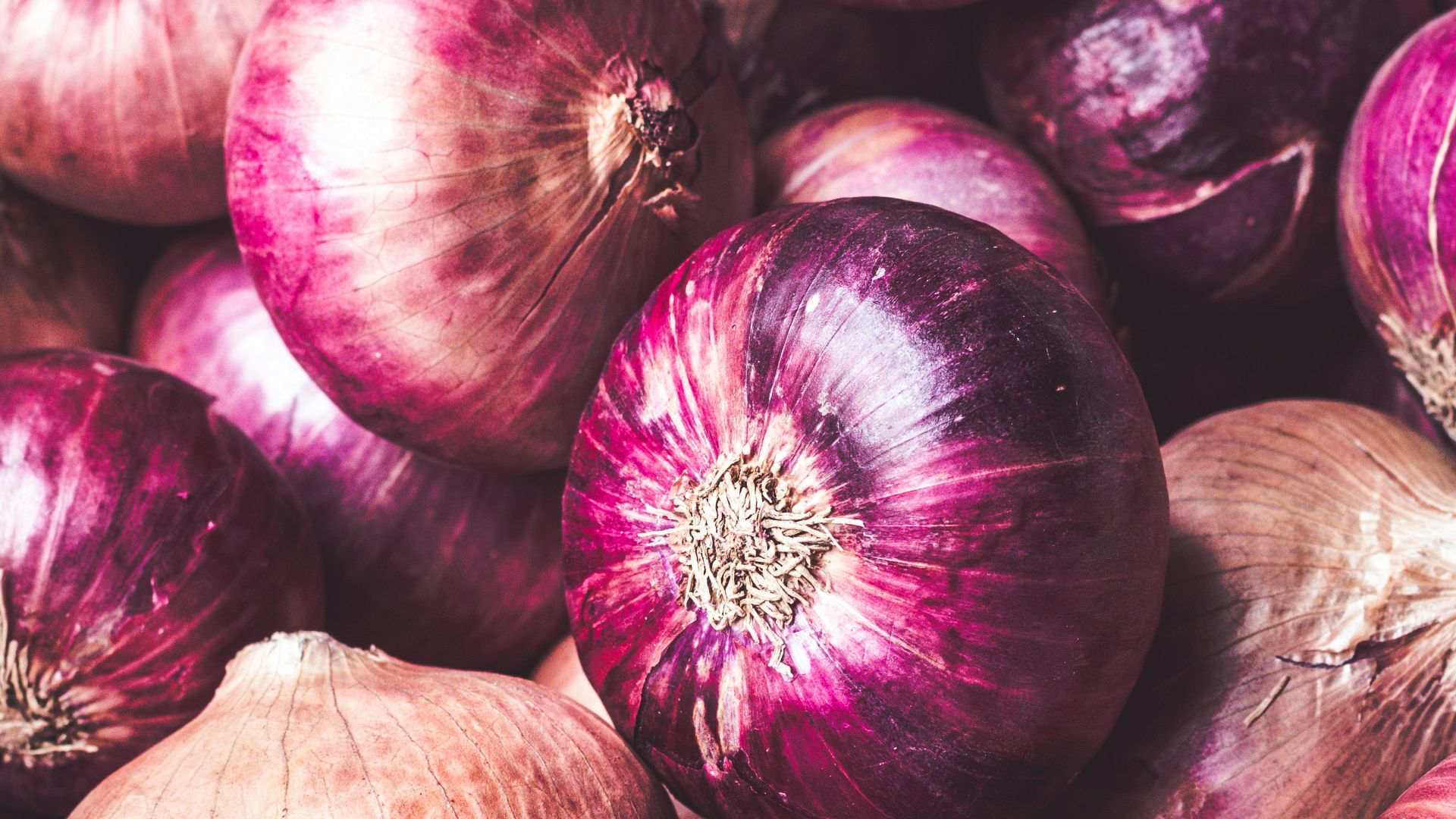
Ever notice how onions get stronger the longer they’re stored? Not these. The Sunions brand spent years breeding onions to withstand cool temperatures without producing tears.
9. Caffeine-Free Coffee Beans
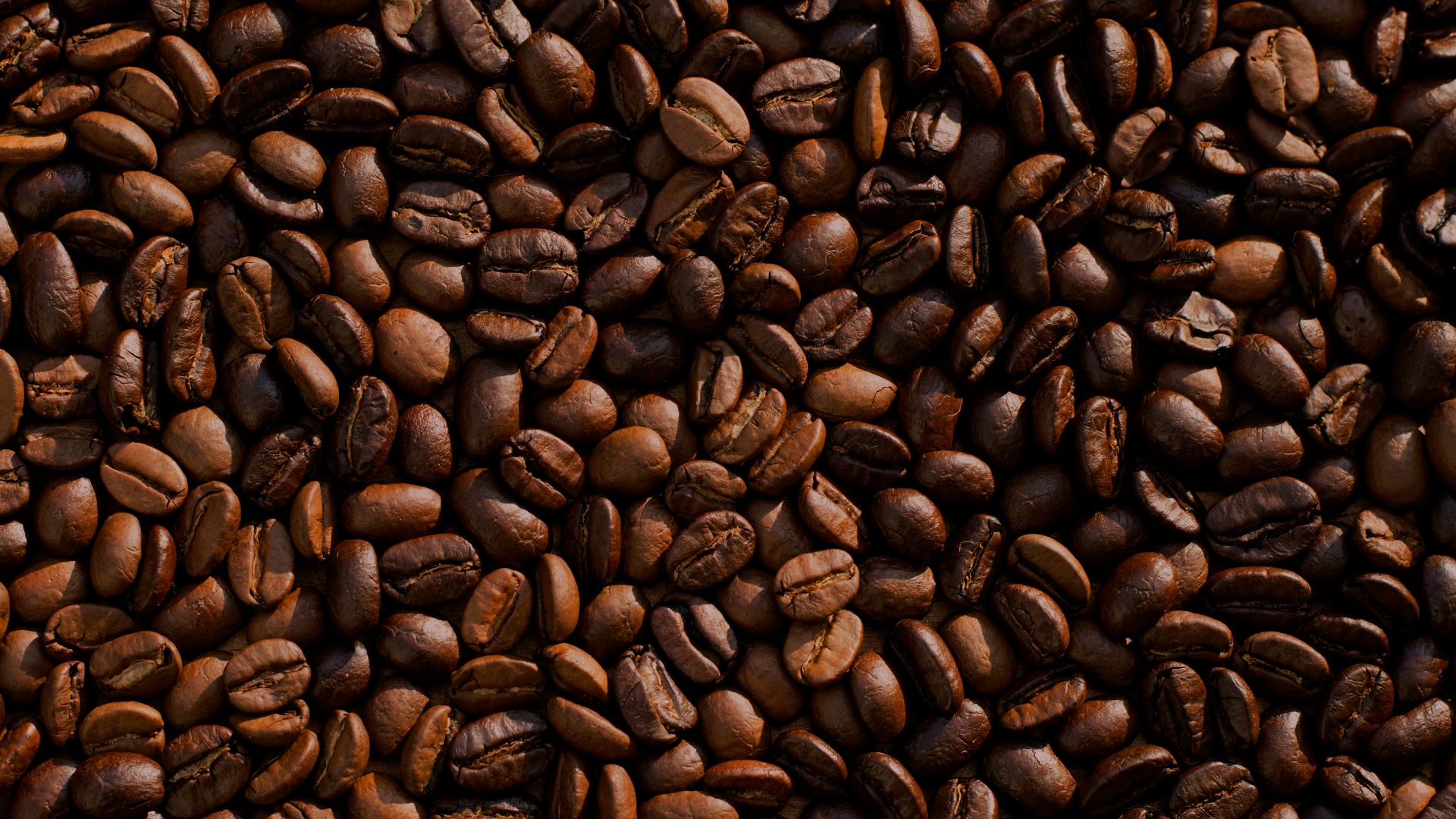
It’s not caffeine-free coffee, but researchers have been working on a bean that naturally grows with zero caffeine. Instead of using chemicals to strip coffee beans of their natural caffeine, think of all the coffee that could be consumed before bed. Bean-tea free!
10. The Grapple
While many people think this is a genetic hybrid, it’s actually a Fuji apple that’s been infused with a concentrated grape flavor. Although it isn't strictly "genetically modified" in a lab sense, it represents high-tech food processing that blurs the lines of natural produce. It smells exactly like grape soda the moment it is removed from the packaging.
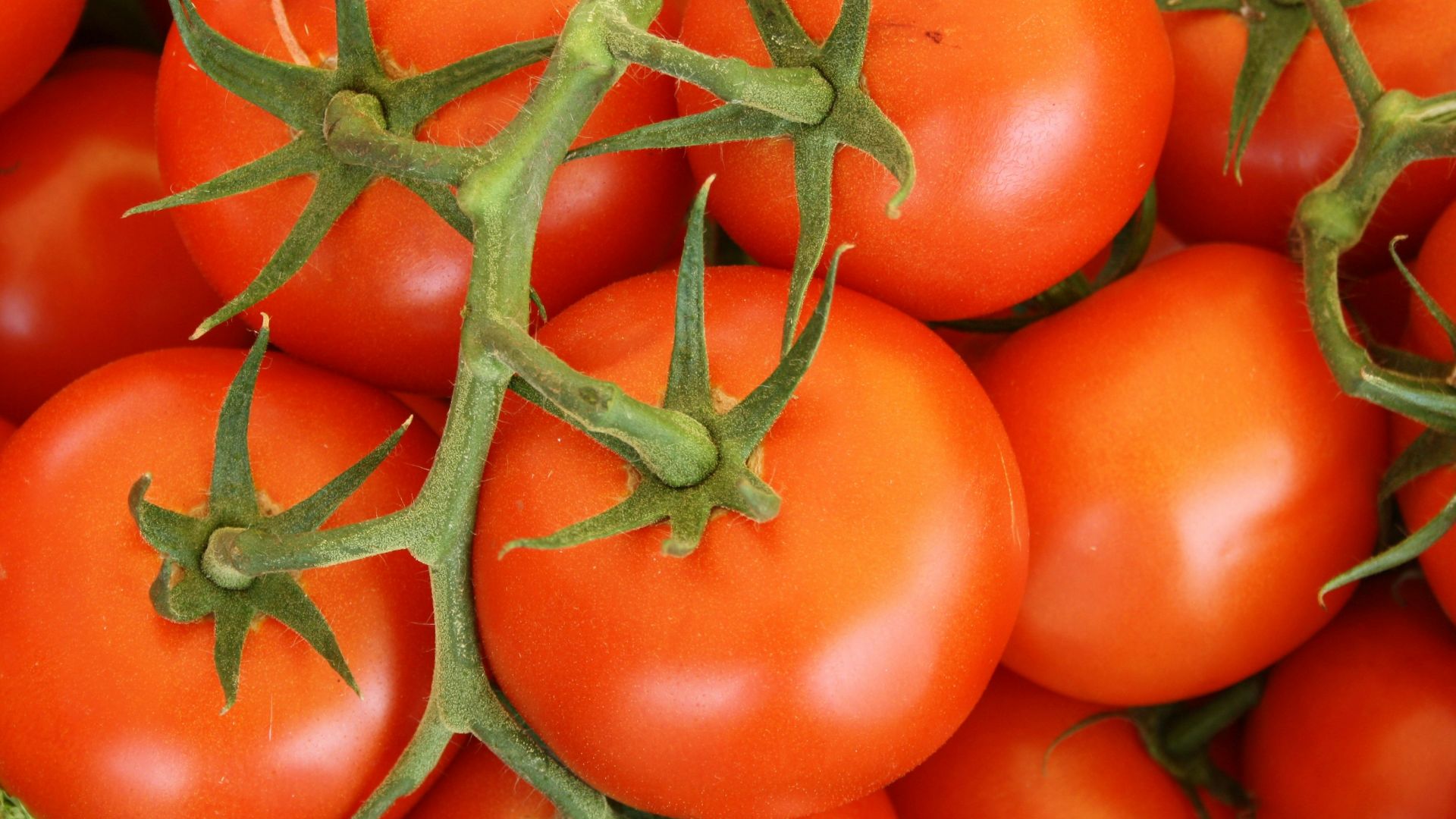
11. Spicy Tomatoes
Brazilian scientists have suggested using CRISPR to activate the genes responsible for capsaicin production already found in tomatoes. Capsaicin is what makes chili peppers hot, but tomatoes and peppers came from the same spicy ancestor millions of years ago. Who knows, someday pizza may not need fiery pepper flakes.
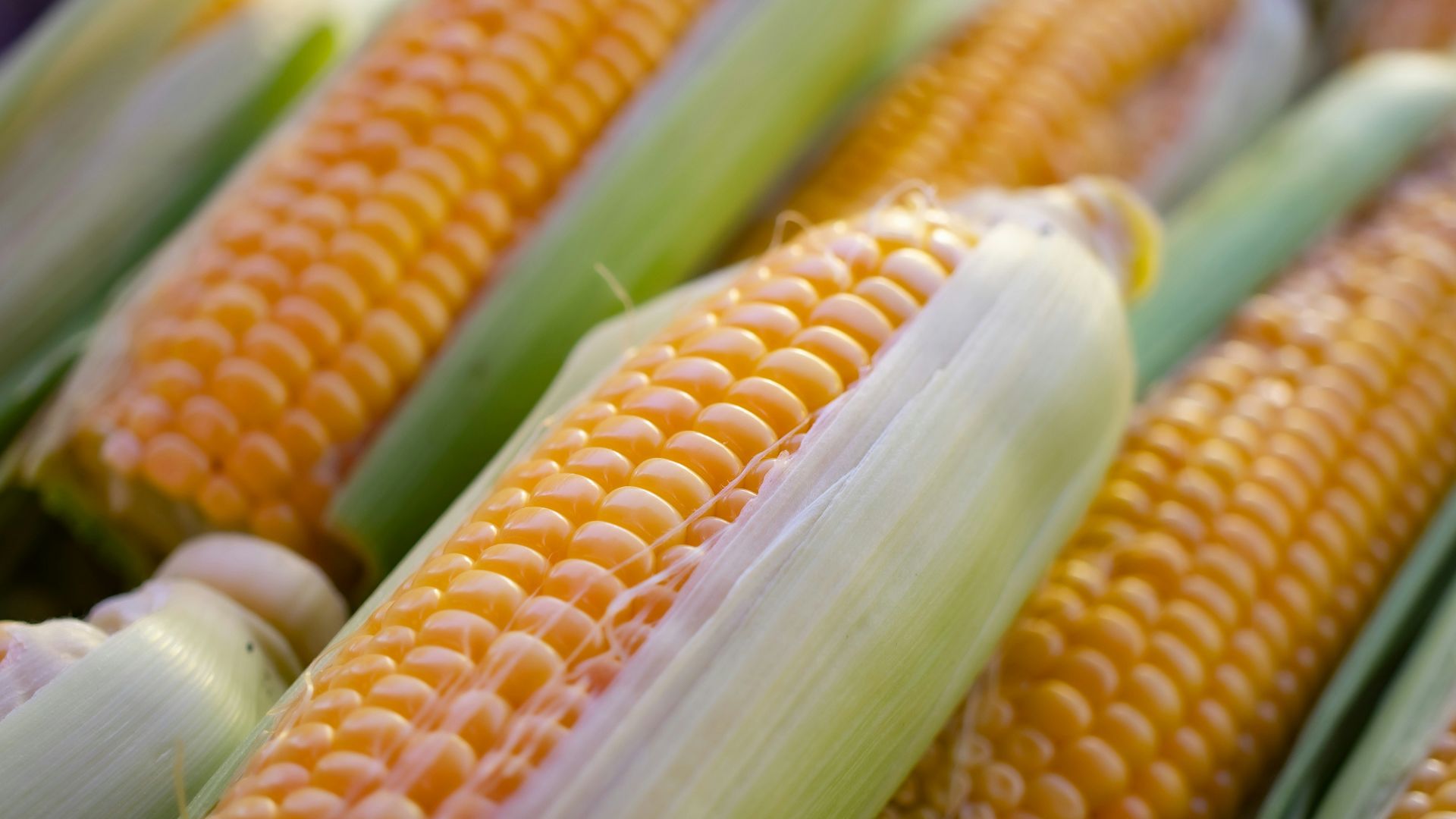
12. Super-Sweet Corn
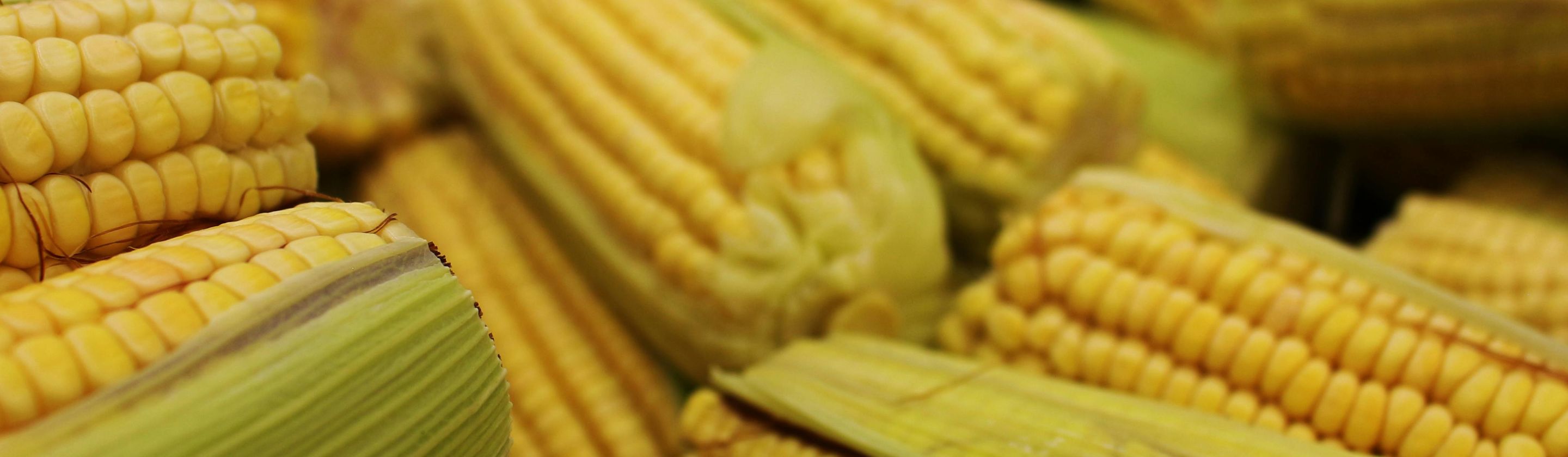
Thanks to years of scientific tinkering, the corn eaten today doesn’t convert sugar to starch as quickly as its ancestral counterparts. This allows corn kernels to stay sweeter for longer after being picked. No wonder kids love it so much.
 Wouter Supardi Salari on Unsplash
13. Edible Cottonseed
Most people don't realize that cottonseeds are actually packed with protein, but they’re normally toxic to humans because of a chemical called gossypol. Scientists have successfully silenced the gene that produces this toxin in the seeds while leaving it active in the rest of the plant to ward off pests. This breakthrough could potentially turn cotton into a dual-purpose crop that provides both clothing and nutrition.

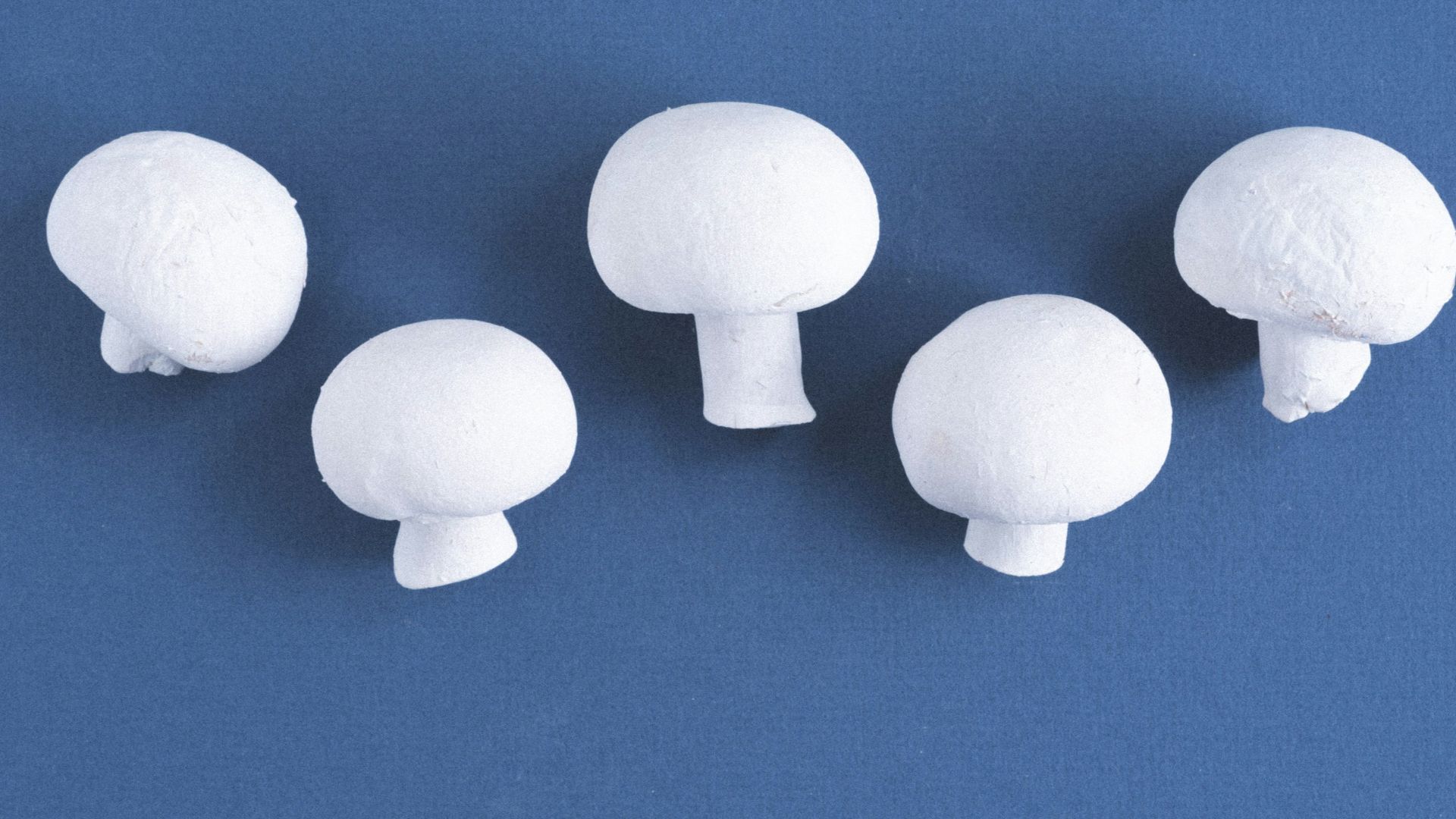
14. Non-Browning Mushrooms
Thanks to CRISPR, those white buttons in produce drawers will stop turning brown. While the modification makes them look almost magically white, the purpose was to reduce spoilage and keep stores adequately stocked. Plus, who wants brown mushrooms on pizza?
 Kier in Sight Archives on Unsplash
15. Flavr Savr Tomatoes
This was the very first genetically engineered food to be granted a license for human consumption back in the mid-nineties. It was designed to have a longer shelf life by delaying the softening process, allowing the fruit to ripen on the vine for better flavor. While it eventually disappeared from the market due to high costs, it paved the way for every other item on this list.
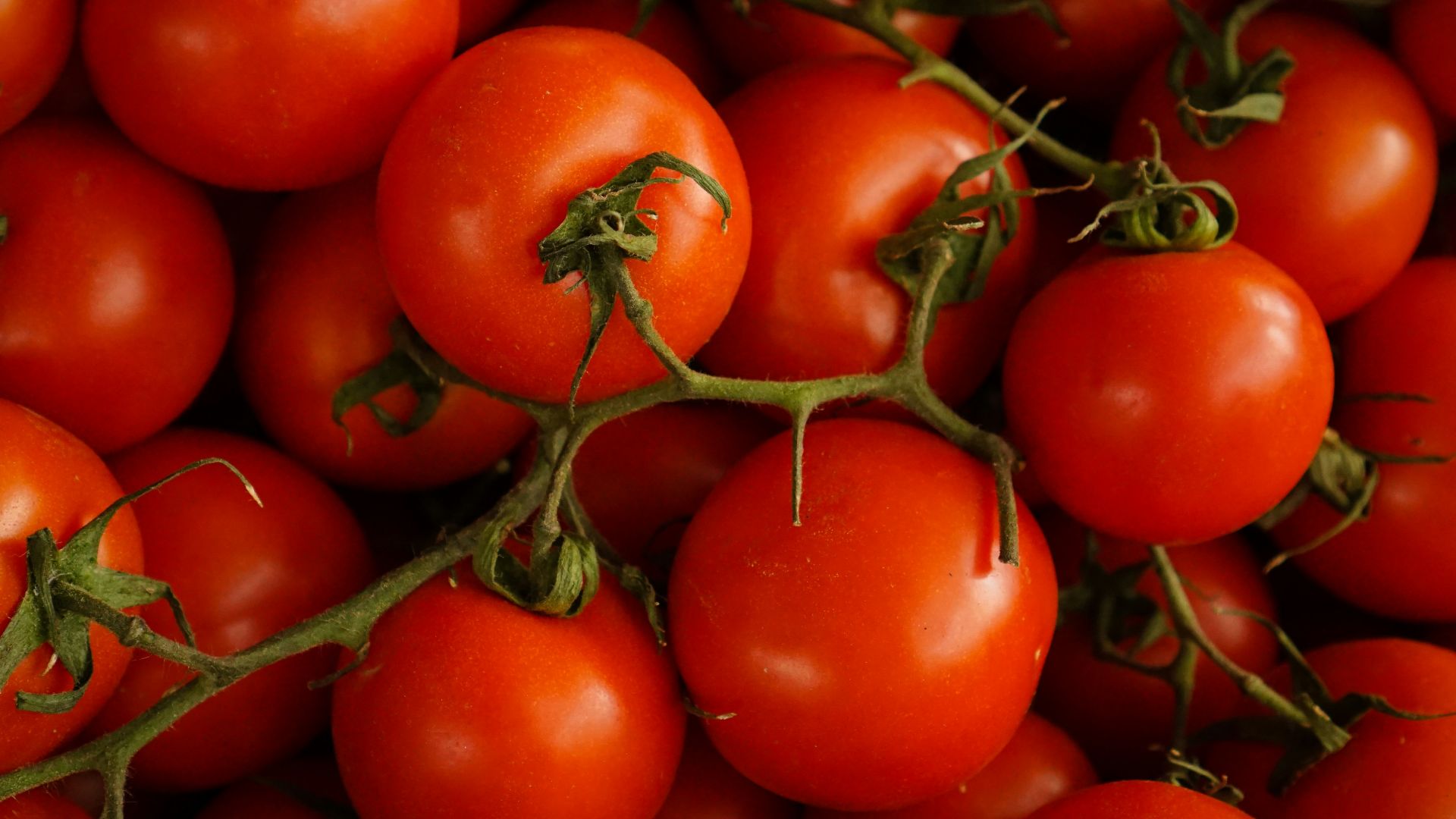
16. Fast-Growing Salmon
AquaAdvantage salmon have a growth hormone gene from another fish species that allows them to grow twice as large in half the time. Because they can reach market size so much faster, fewer fish need to be harvested in the future to satisfy consumer demand. This GMO animal is one of the only GMOs that can be found served on dinner plates in America.
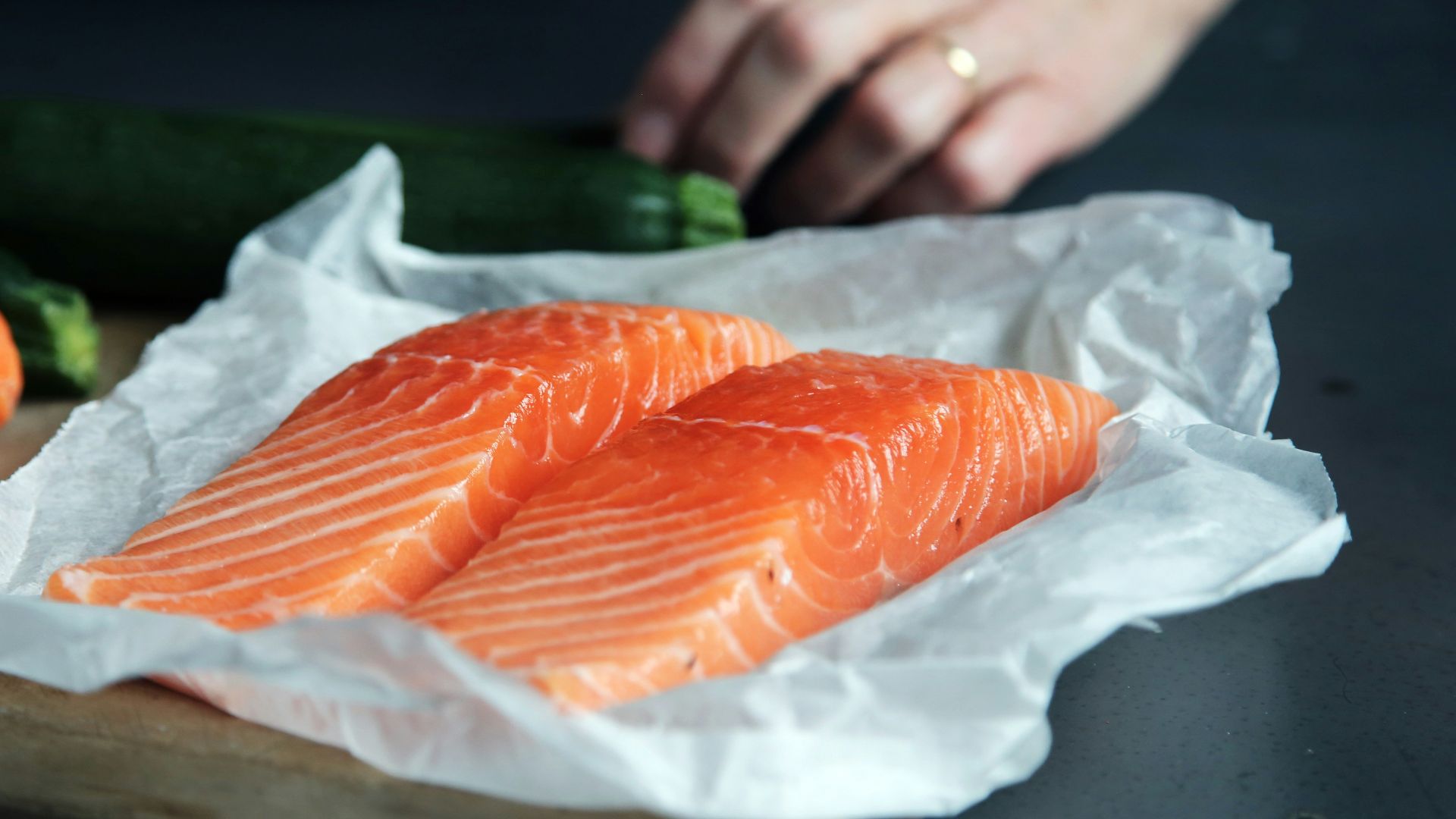
17. High-Oleic Soybeans
These beans have been tweaked to produce an oil that is much lower in saturated fat and contains zero trans fats. The resulting oil is much more stable at high temperatures, making it a healthier option for deep frying in restaurants. This oil is likely already being consumed without awareness.
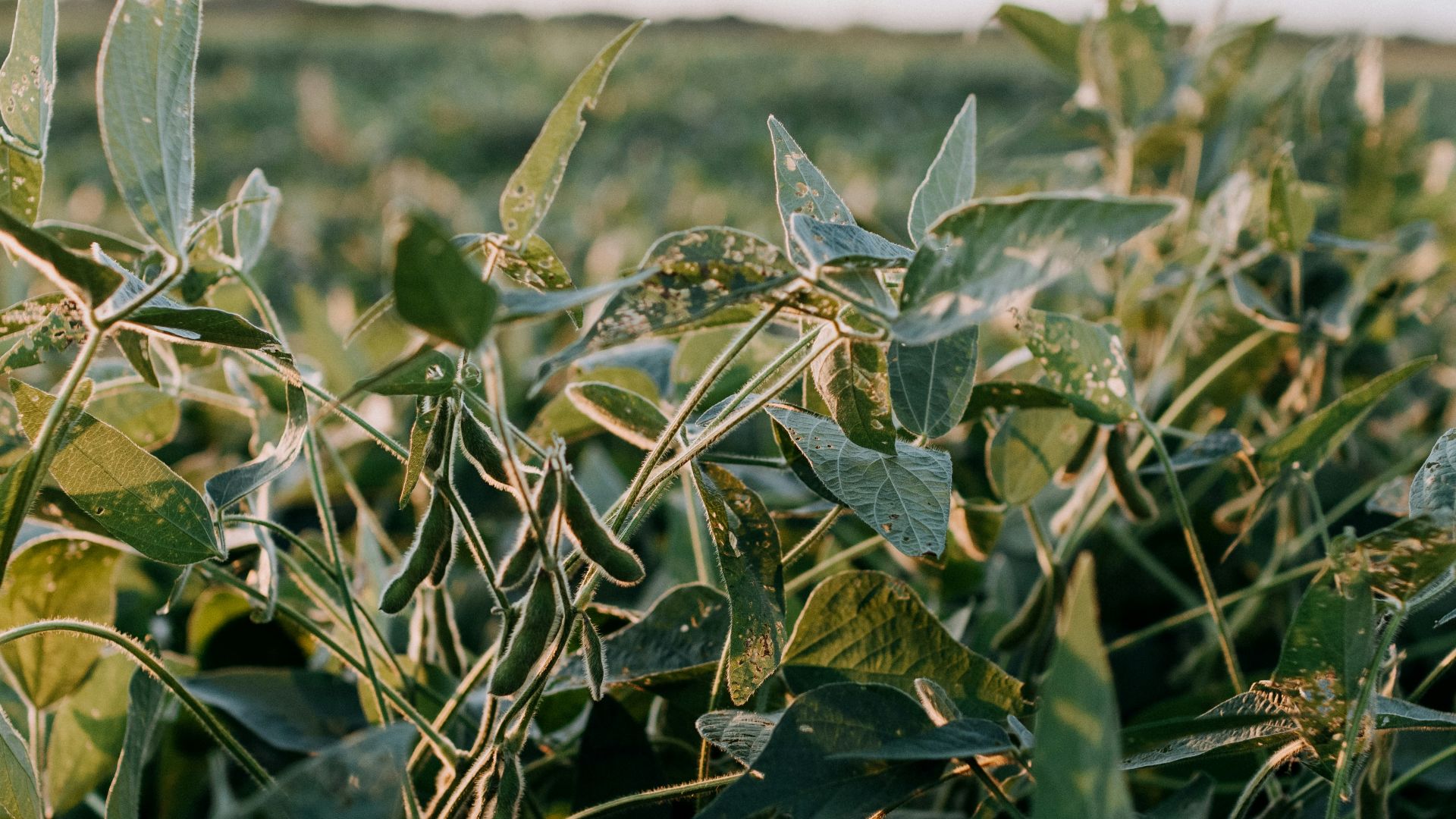
18. Virus-Resistant Papaya
Papaya producers have been fighting the ringspot virus for years with marginal success. In Hawaii, papaya farmers were hit especially hard until genetic modification came to the rescue. By introducing a piece of the virus’s DNA into the papaya’s DNA, the plant learned to “think” it was immune to the virus (similar to a vaccination).
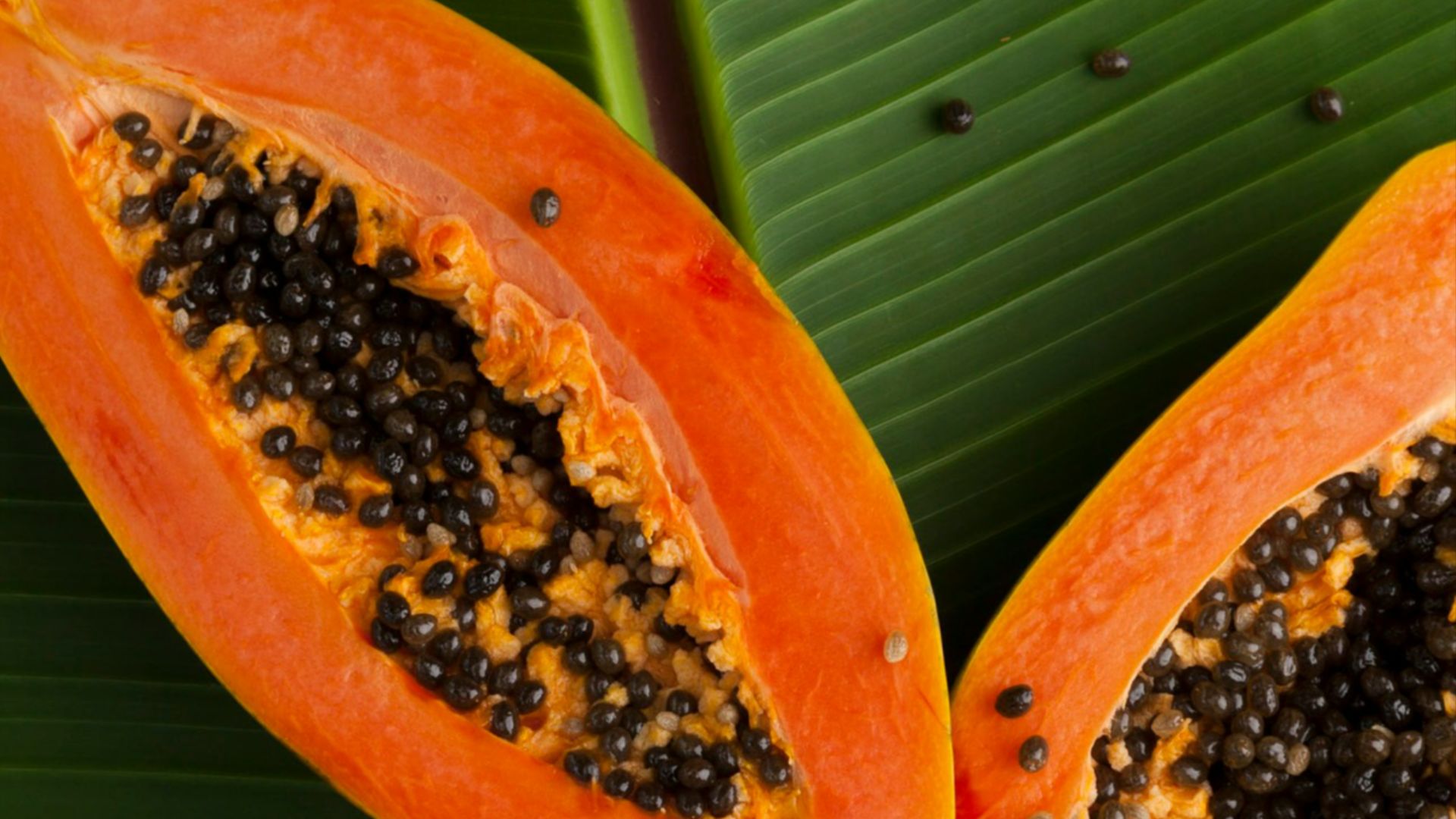
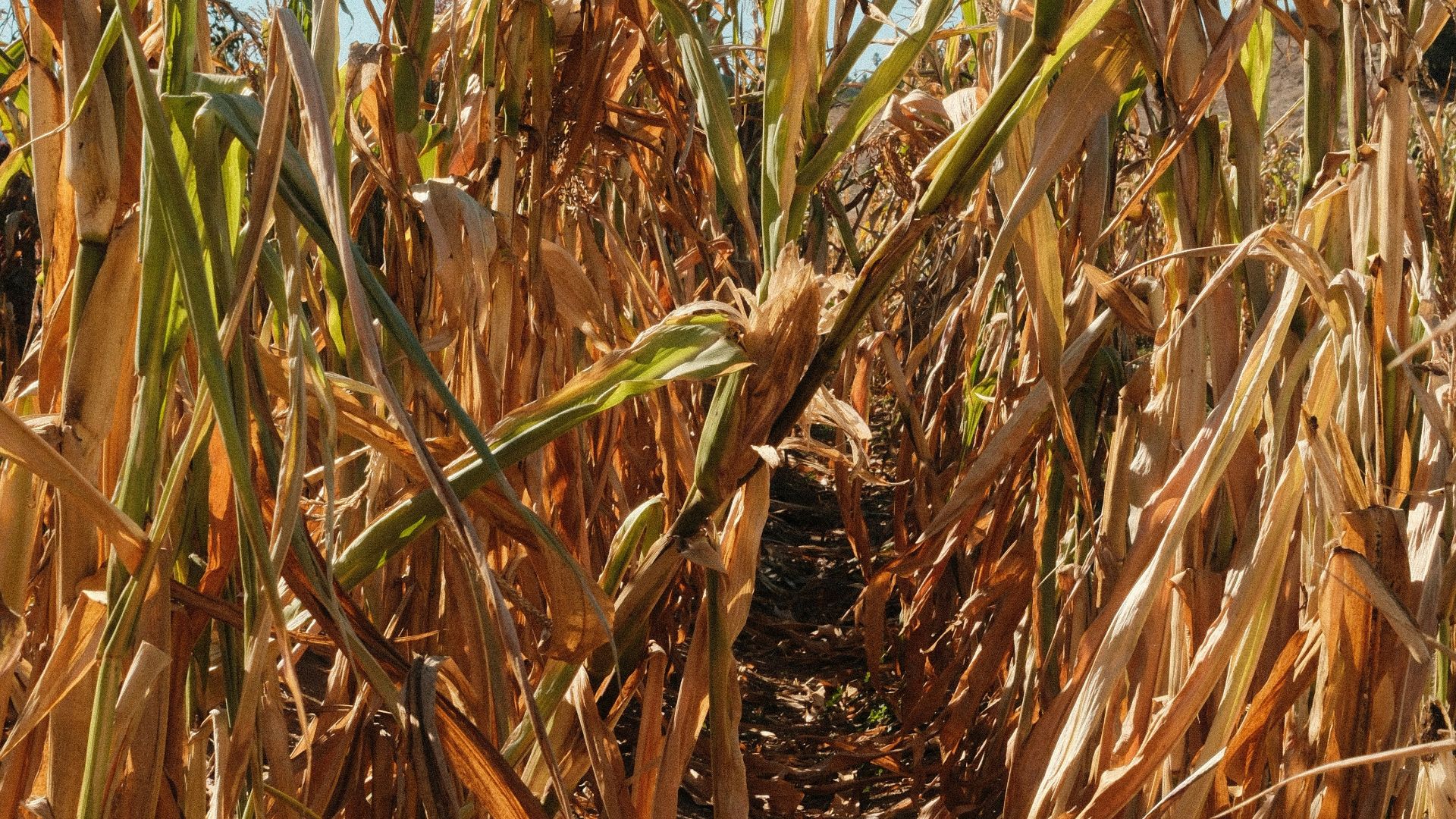
19. Drought-Tolerant Corn
With climate change producing hotter summers each year, scientists have developed corn that can withstand longer droughts. When the crop is not spoiled by a dry season, more food can be put on plates around the globe. By preparing for rising temperatures now, this type of corn will help keep up with the changing environment.
20. Omega-3 Canola
This version of the canola plant has been modified with microalgae genes to produce heart-healthy omega-3 fatty acids usually found in fish oil. By getting these nutrients from a plant instead of the ocean, reliance on overfished marine sources for supplements can be reduced. "Fish" nutrients may soon come from a simple drizzle of salad dressing.