Your Future Body Will Appreciate These Small Swaps
By the time 40 starts getting closer, food starts feeling a little more important than it used to be. The quick breakfast, salty takeout lunch, and late-night snack plate are still a part of your life. However, they start adding up in ways your energy, digestion, heart health, and sleep may begin to notice. Eating better before 40 doesn't mean becoming a completely different person or giving up every food that makes dinner worth showing up for. It's more about changing your defaults so that everyday choices do more of the heavy lifting.
1. Eat More Vegetables
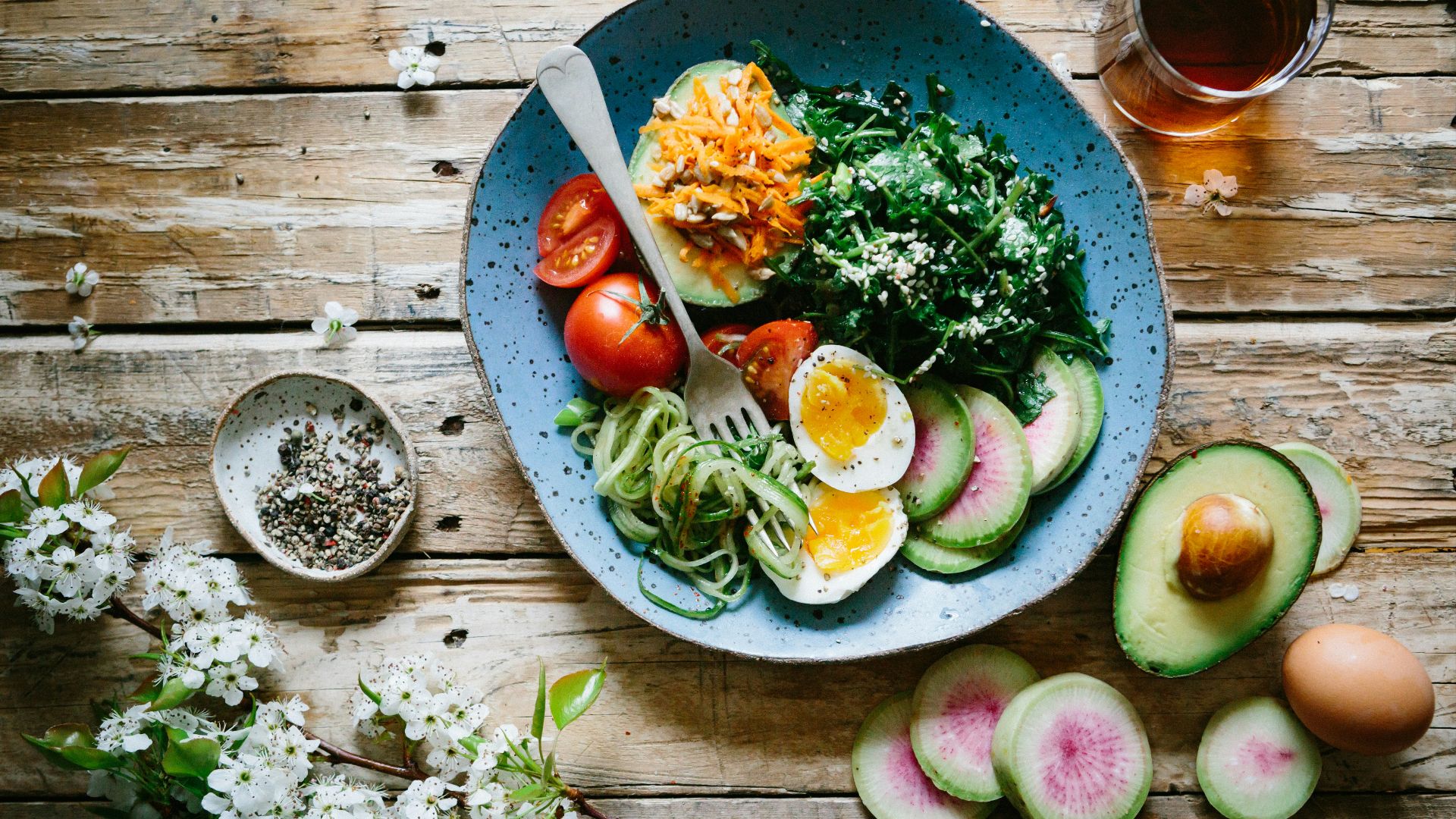
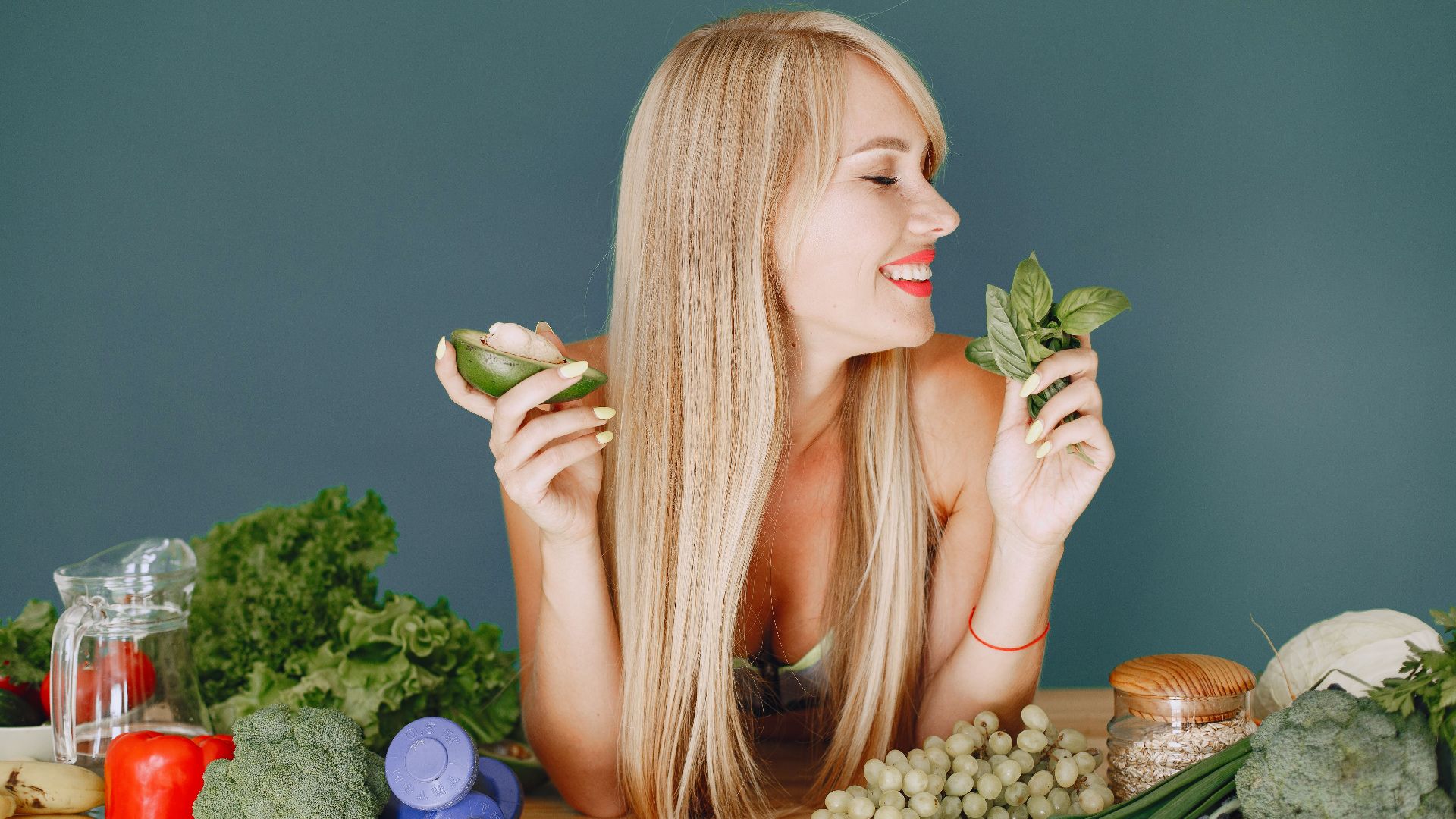
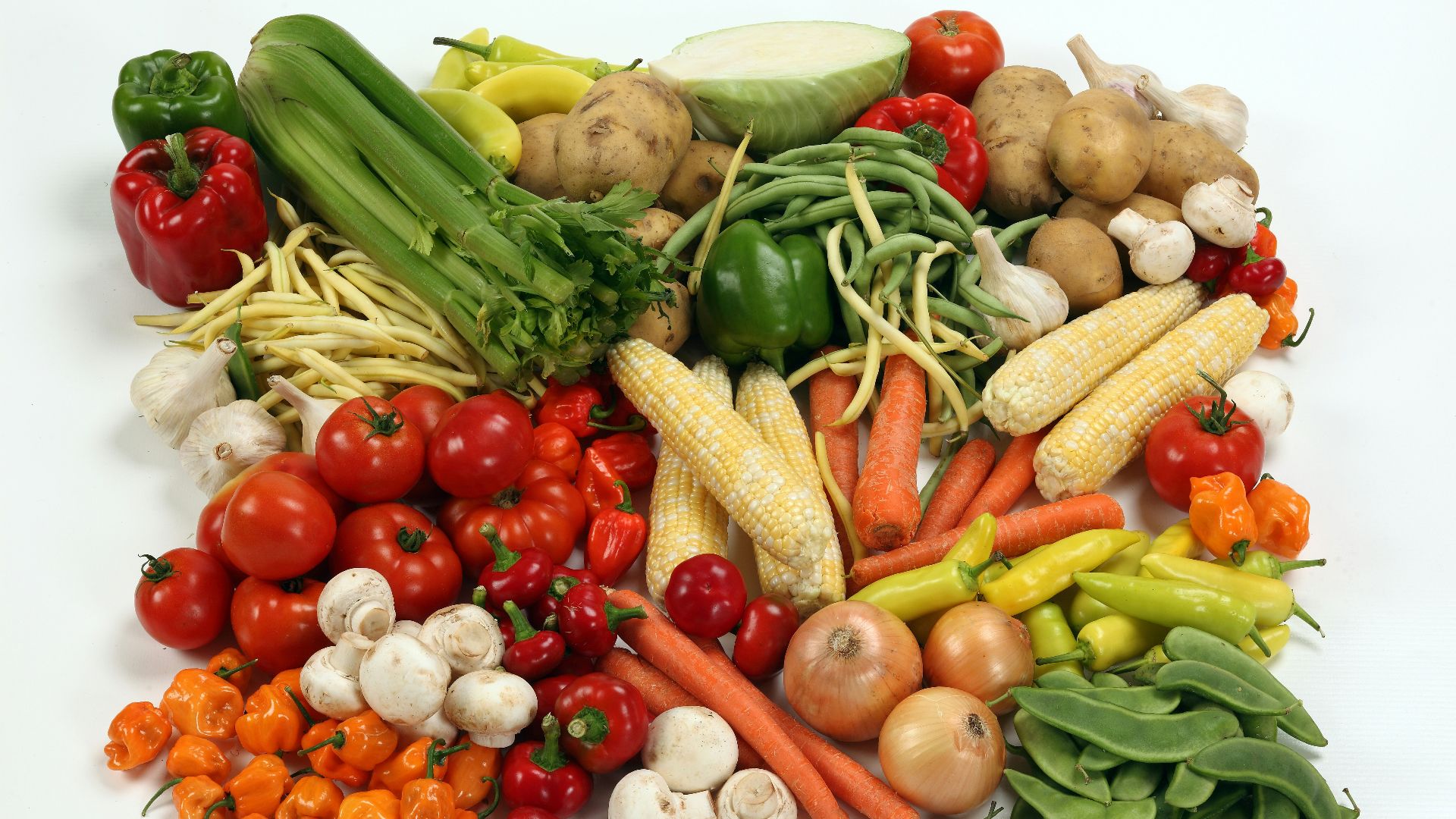
Vegetables shouldn't be the thing you add only when the plate looks too beige. Work them into meals, like spinach in eggs, roasted broccoli with dinner, or a handful of greens under leftovers. The more ordinary they feel, the easier they are to keep eating.
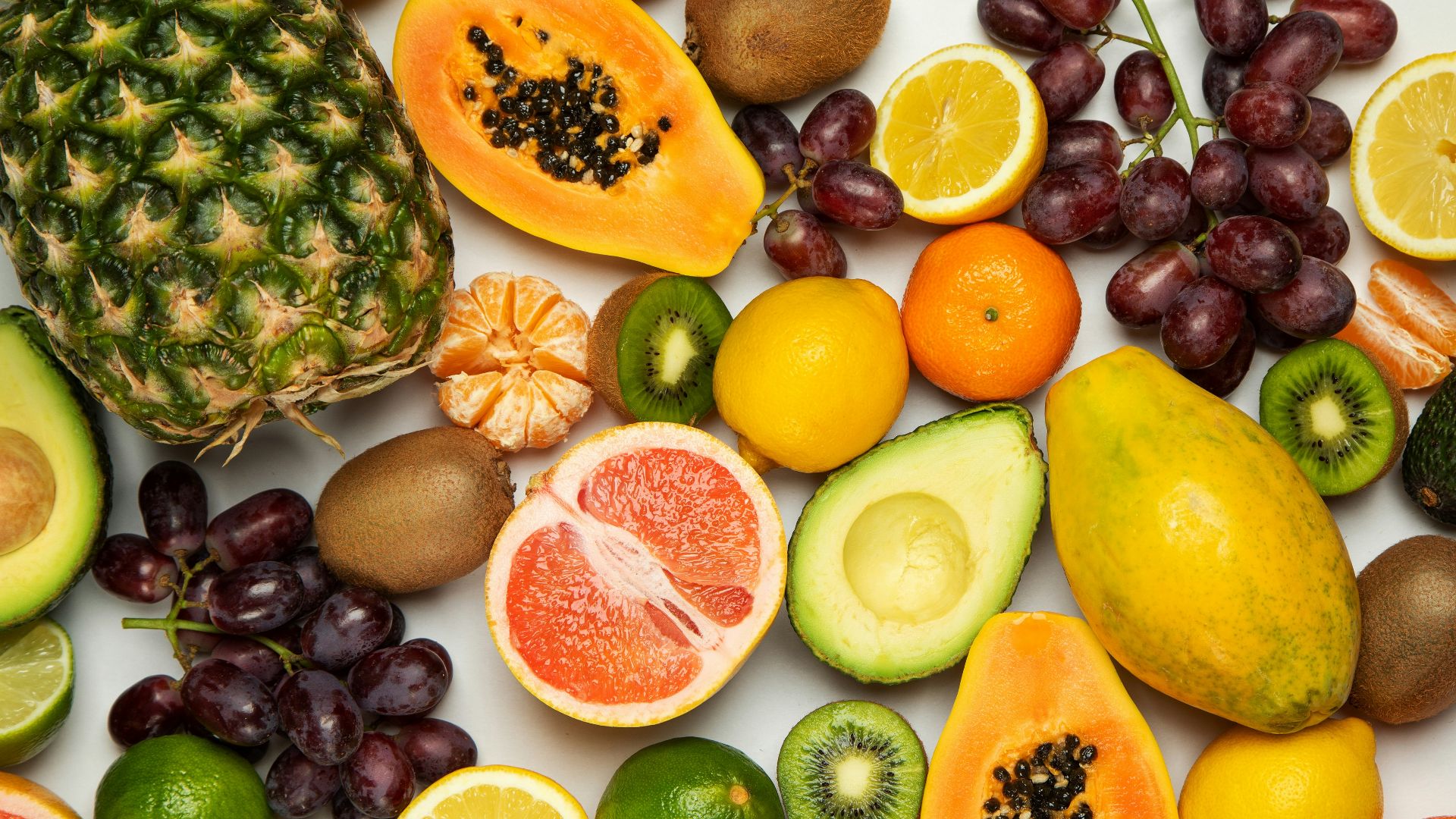
2. Make Fruit Your Sweet Staple
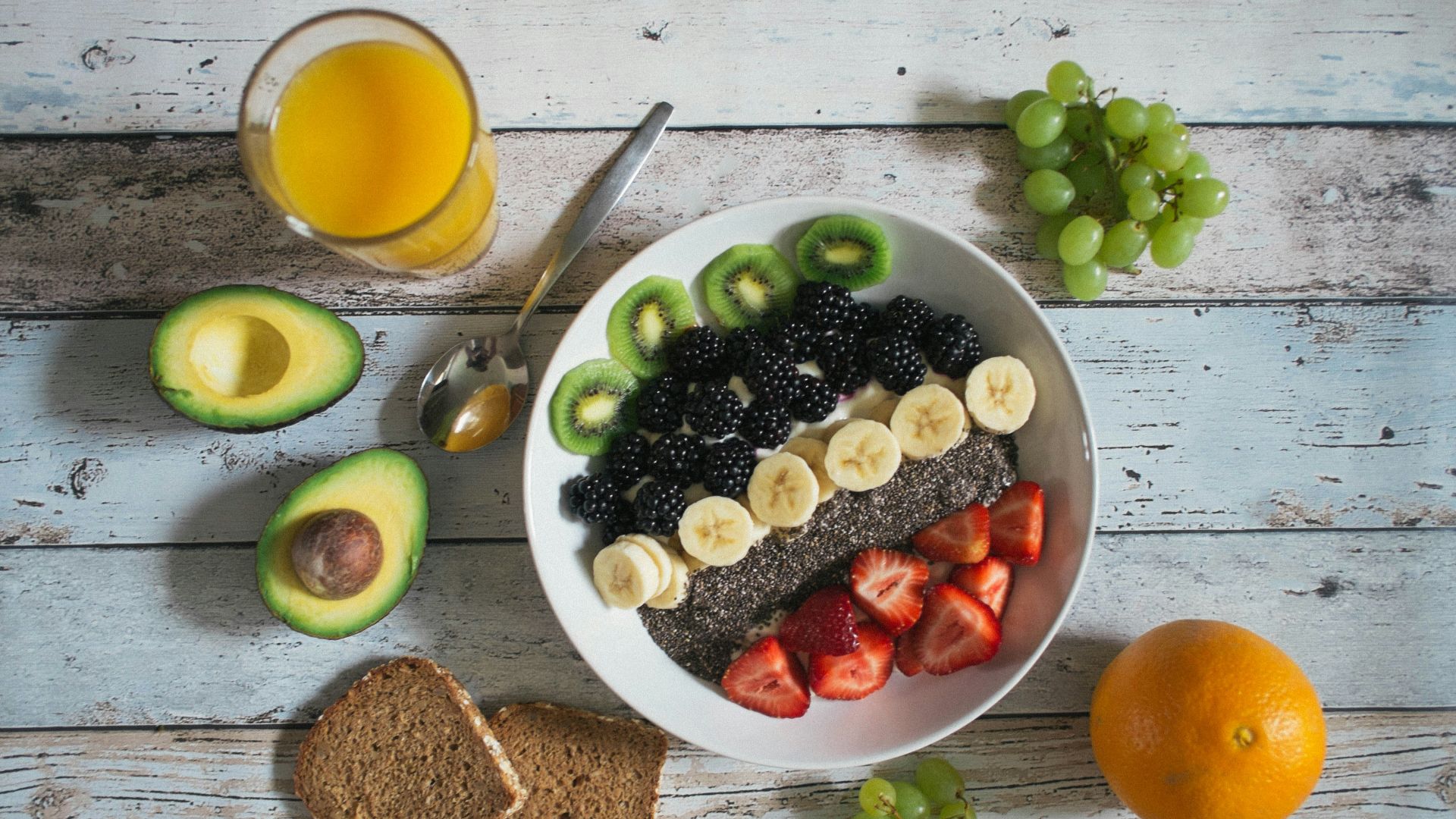
Fruit gives you sweetness along with fiber, water, and other nutrients, making it a smarter everyday choice than most packaged snacks. Keep easy options visible, like apples, berries, oranges, or bananas. When fruit is ready to grab, you're much more likely to reach for it first.
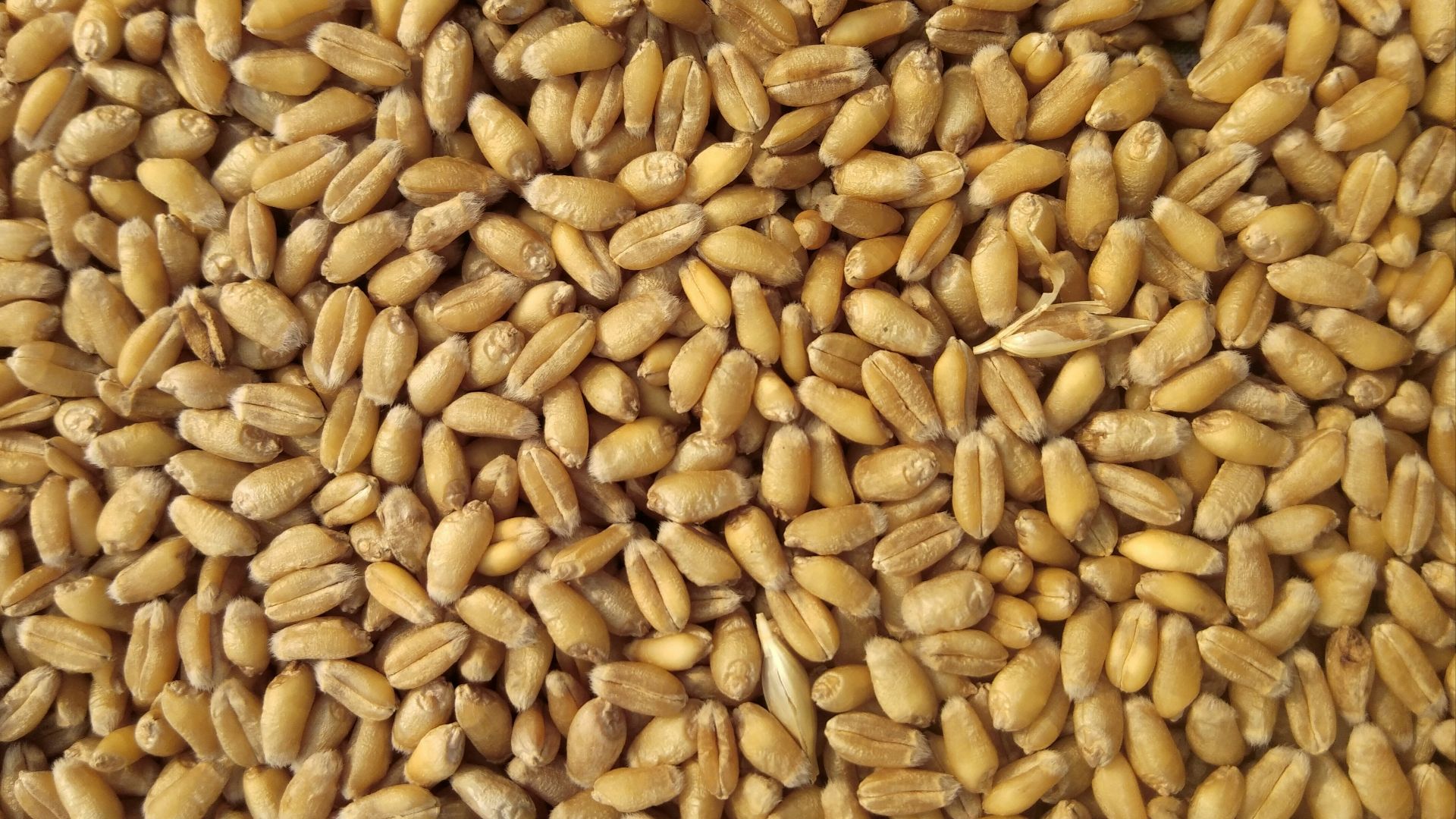
3. Choose Whole Grains More Often
Carbs aren't the villain of the pantry. To keep them working for you, reach for whole-grain options more often. This includes oats, brown rice, quinoa, barley, whole-grain bread, and whole-wheat pasta. These options tend to bring more fiber and keep you fuller longer.
4. Take Fiber Seriously
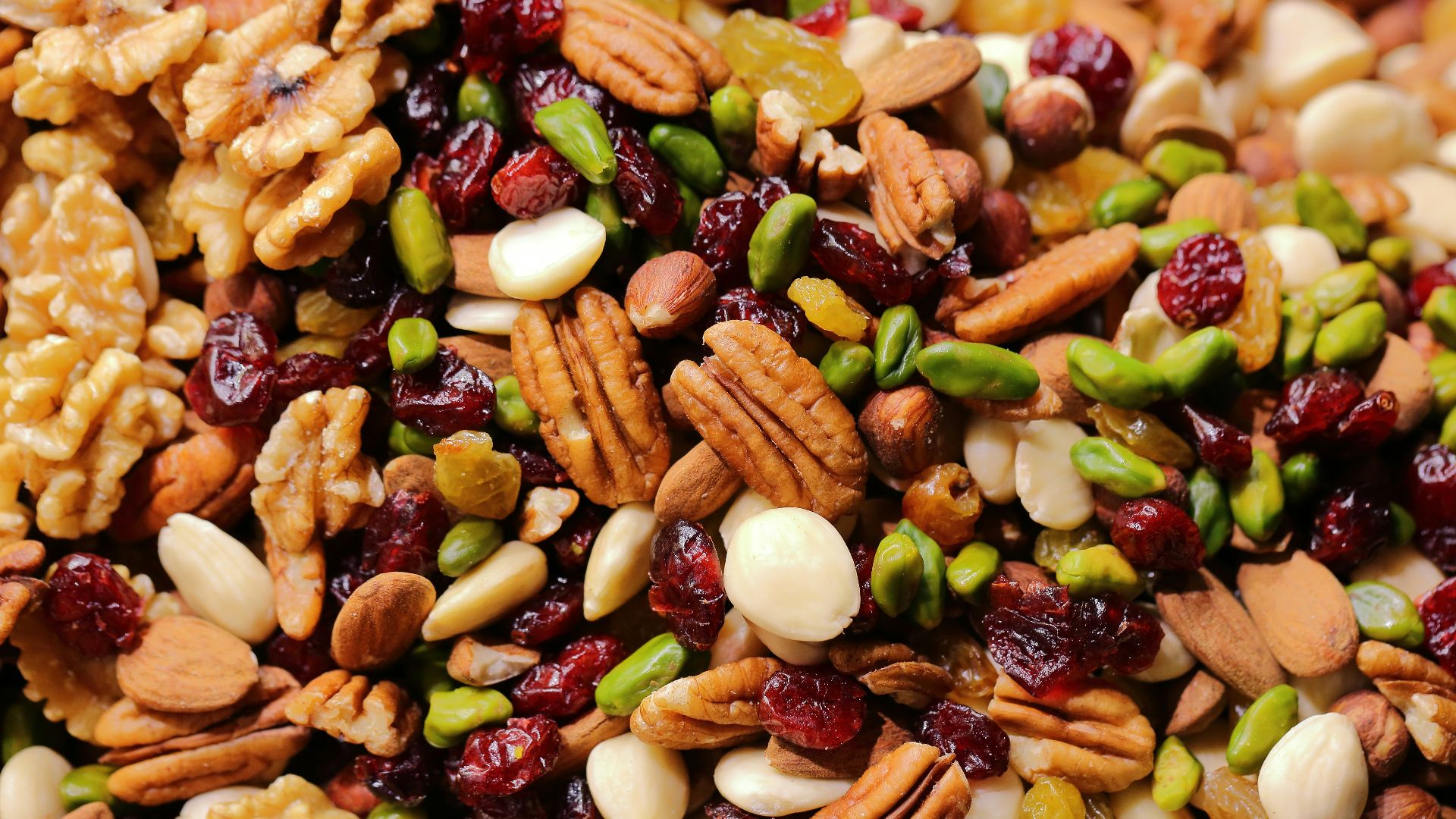
Fiber doesn't get much attention, but it should. This special carb supports digestion, fullness, and steadier energy throughout the day. Beans, lentils, vegetables, fruit, nuts, seeds, and whole grains are all easy ways to get more of it without making meals feel bland. If your current intake is low, start slowly, because your stomach may need a little time to adjust.
5. Add Protein To Breakfast
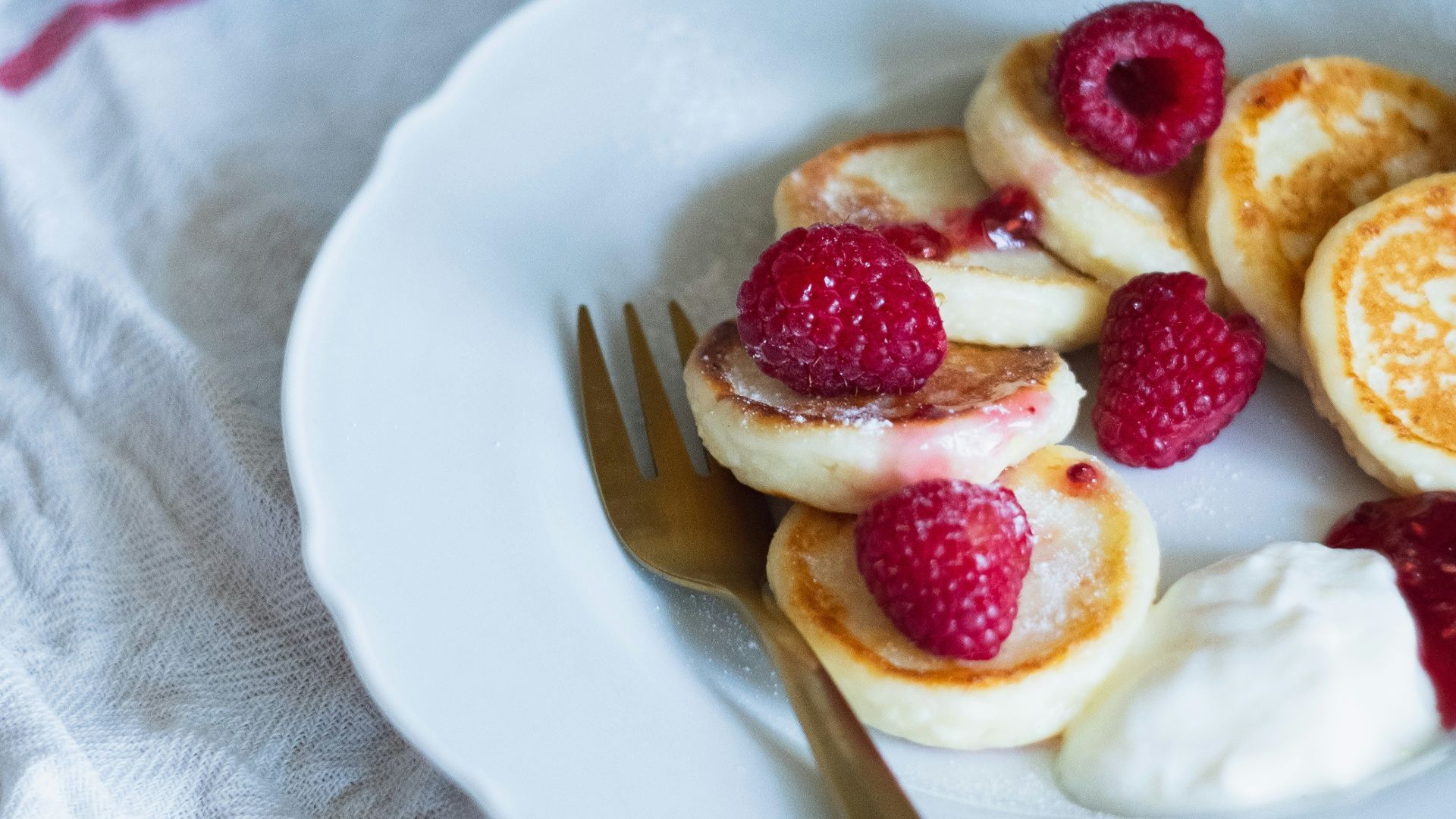
A breakfast built mostly on coffee and toast may get you moving, but it often doesn't hold up for long. Add eggs, Greek yogurt, cottage cheese, nut butter, or a protein-rich smoothie so the meal actually gets you through the morning. A little more protein in the morning makes you less snacky later on.
 Diliara Garifullina on Unsplash
6. Spread Protein Throughout The Day
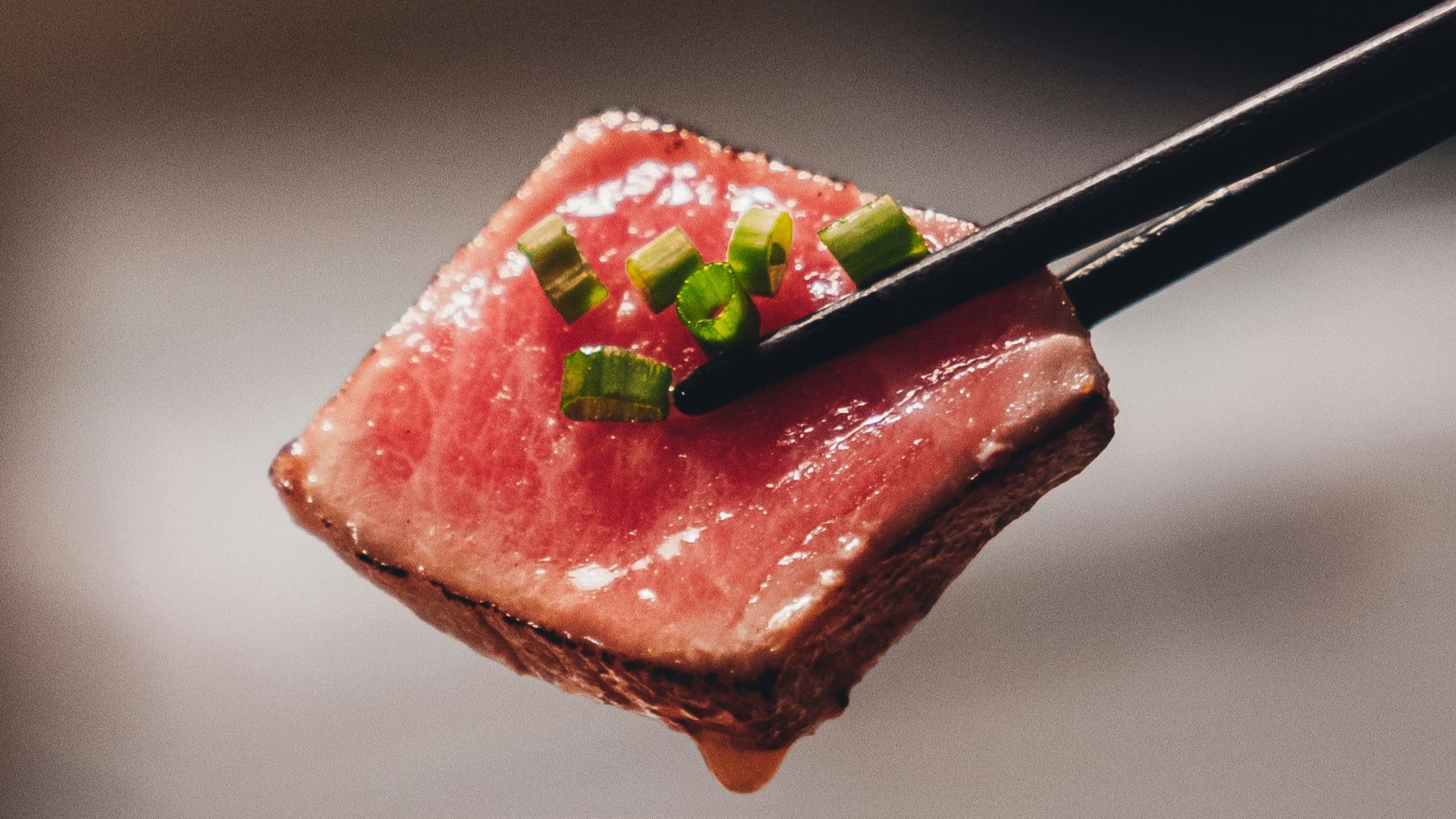
Protein works better when it shows up more than once. Instead of saving it all for dinner, add tuna to lunch, beans to a grain bowl, or yogurt to a mid-afternoon snack.
 jirayu koontholjinda on Unsplash
7. Eat More Beans And Lentils
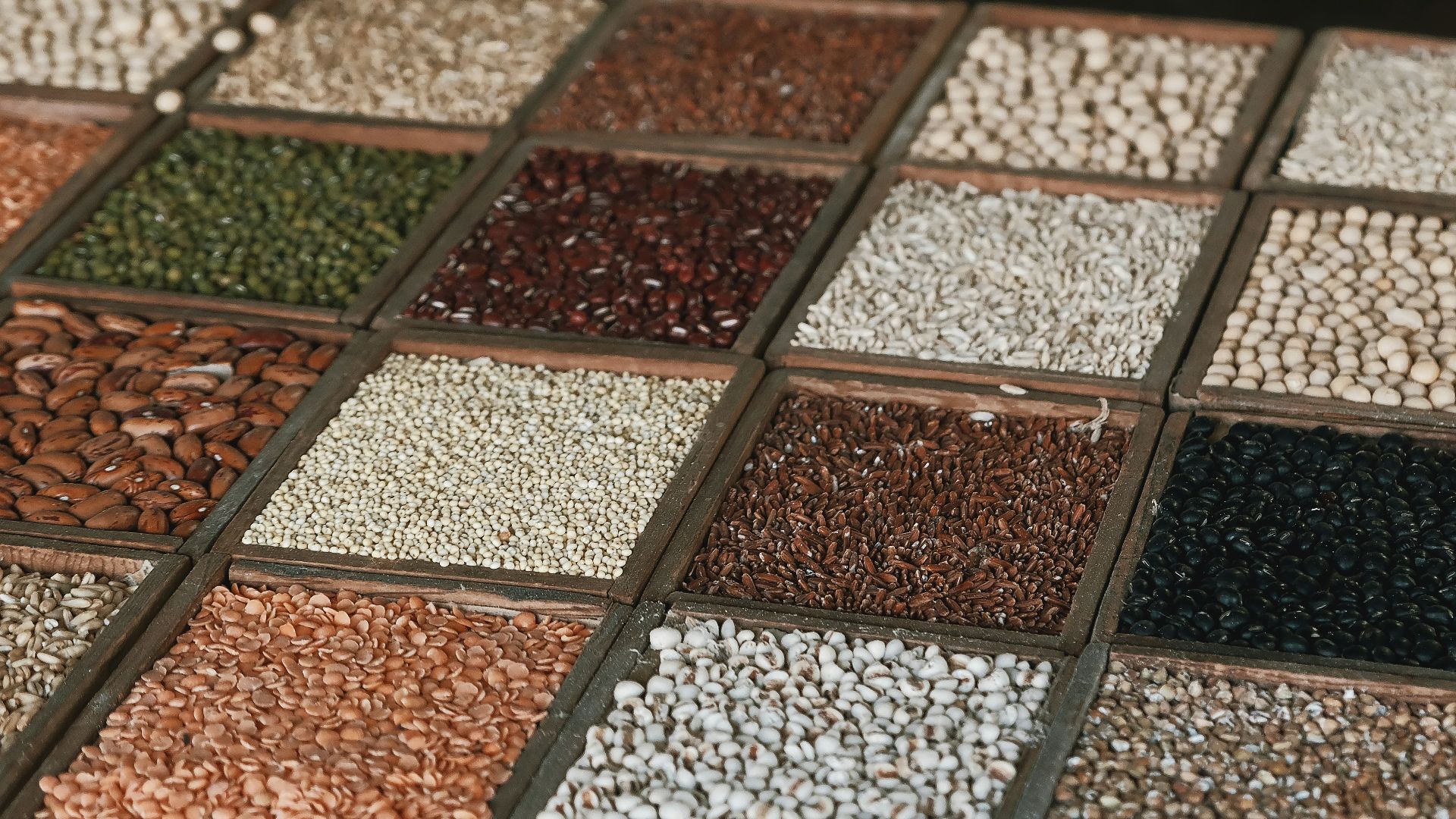
Beans and lentils are cheap, filling, and incredibly useful in everyday cooking. They bring protein and fiber together, which makes them a natural fit for soups, tacos, salads, and quick weeknight dinners. They're also a straightforward way to eat less meat without the meal feeling thin.
8. Add Fatty Fish When It Fits
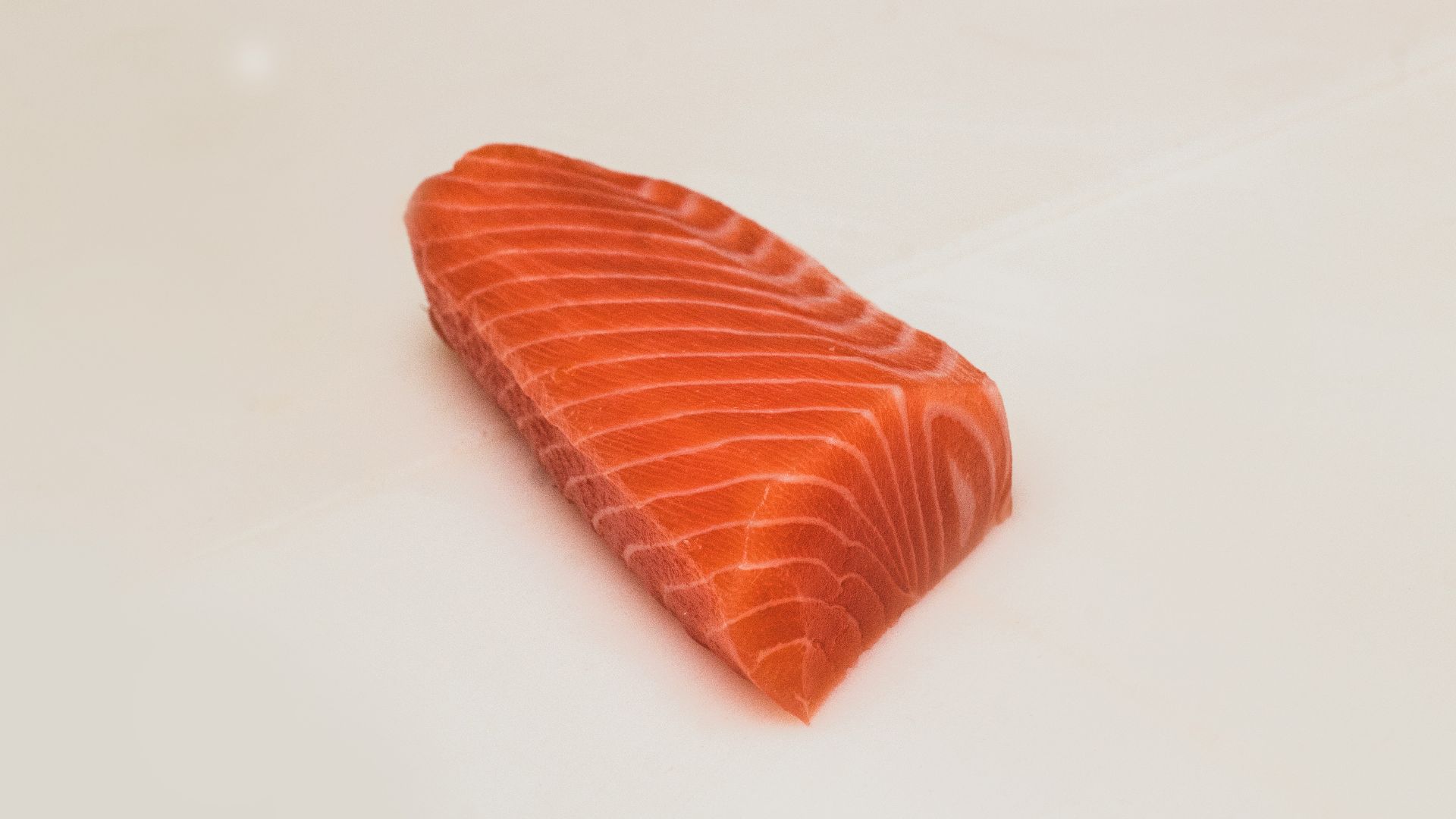
If you eat seafood, fatty fish is a strong habit to build before 40. Salmon, sardines, trout, herring, and mackerel offer heart-friendly fats and work well in simple meals without much effort. Salmon bowls, sardines on toast, or canned fish tossed into pasta are all great options.
9. Switch To More Unsaturated Fats
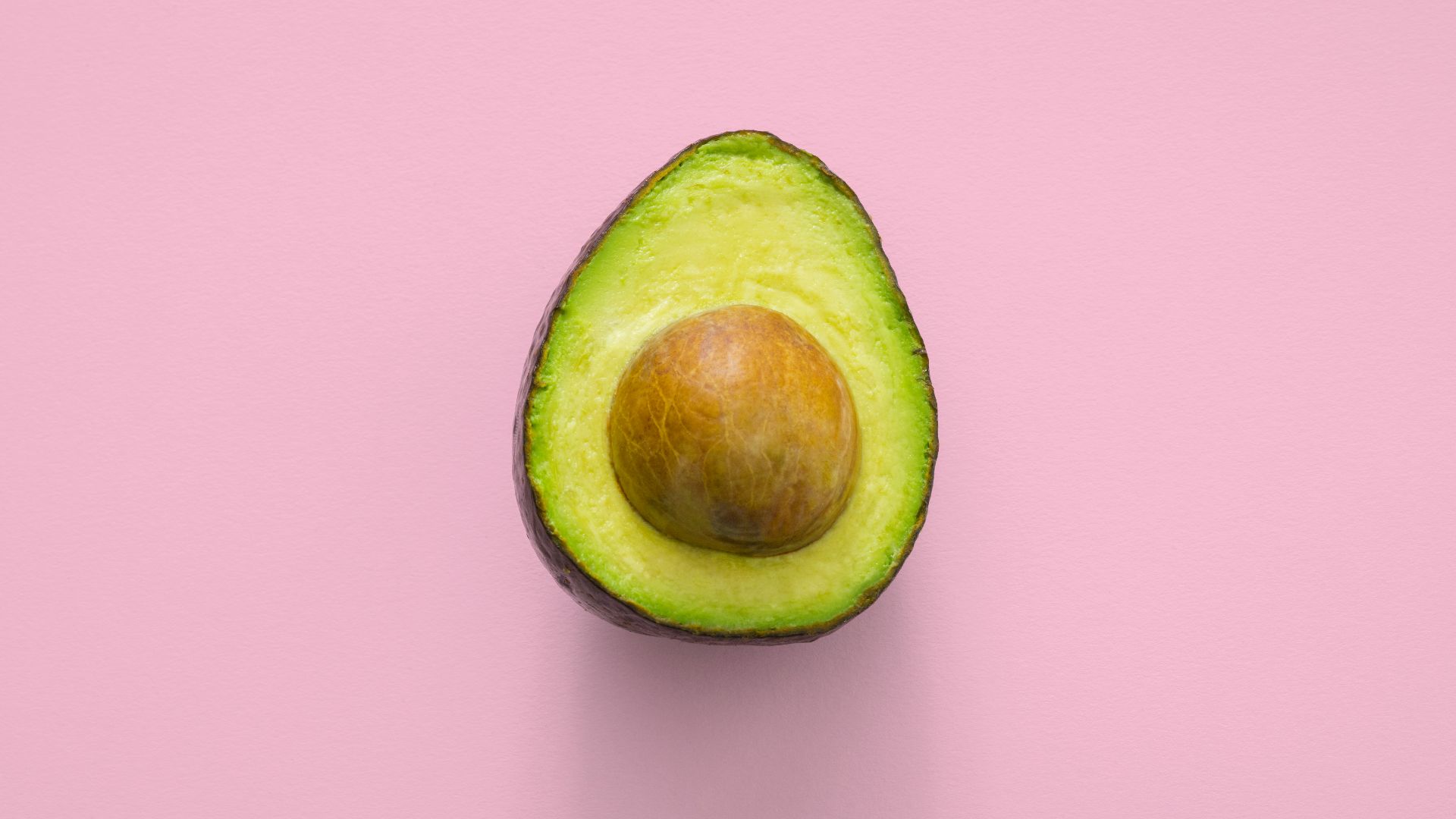
Butter and fatty meats don't need to disappear entirely, but they probably shouldn't carry every meal. Olive oil, avocado, nuts, seeds, and fish give you more unsaturated fats, which fit better into a heart-conscious eating pattern. A drizzle of olive oil or a handful of walnuts is an excellent small swap.
10. Cut Back On Sugary Drinks
Sugary drinks can become a daily habit before you even register them as food. Soda, sweet tea, energy drinks, and syrupy coffee orders can add a lot of sugar without making you feel full. Start by replacing just one usual drink with water, sparkling water, or unsweetened tea, and go from there.
11. Make Water The Default
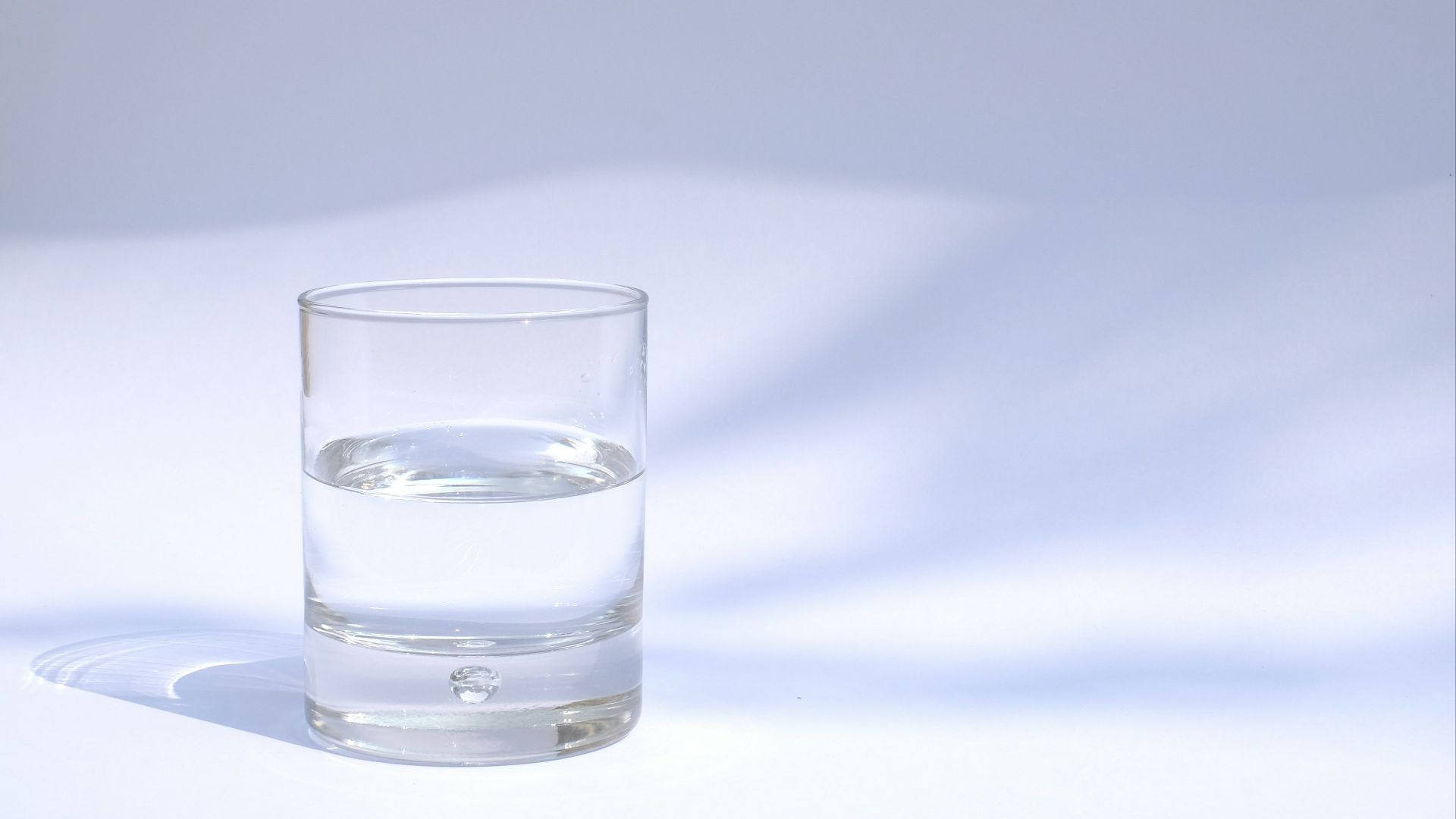
Water doesn't need to be exciting to do its job. Keep it at your desk, bring it in the car, and order it with meals when you're out. If plain water feels too dull, sparkling water, a slice of citrus, or unsweetened iced tea all work as well.
12. Watch For Sodium In Packaged Foods
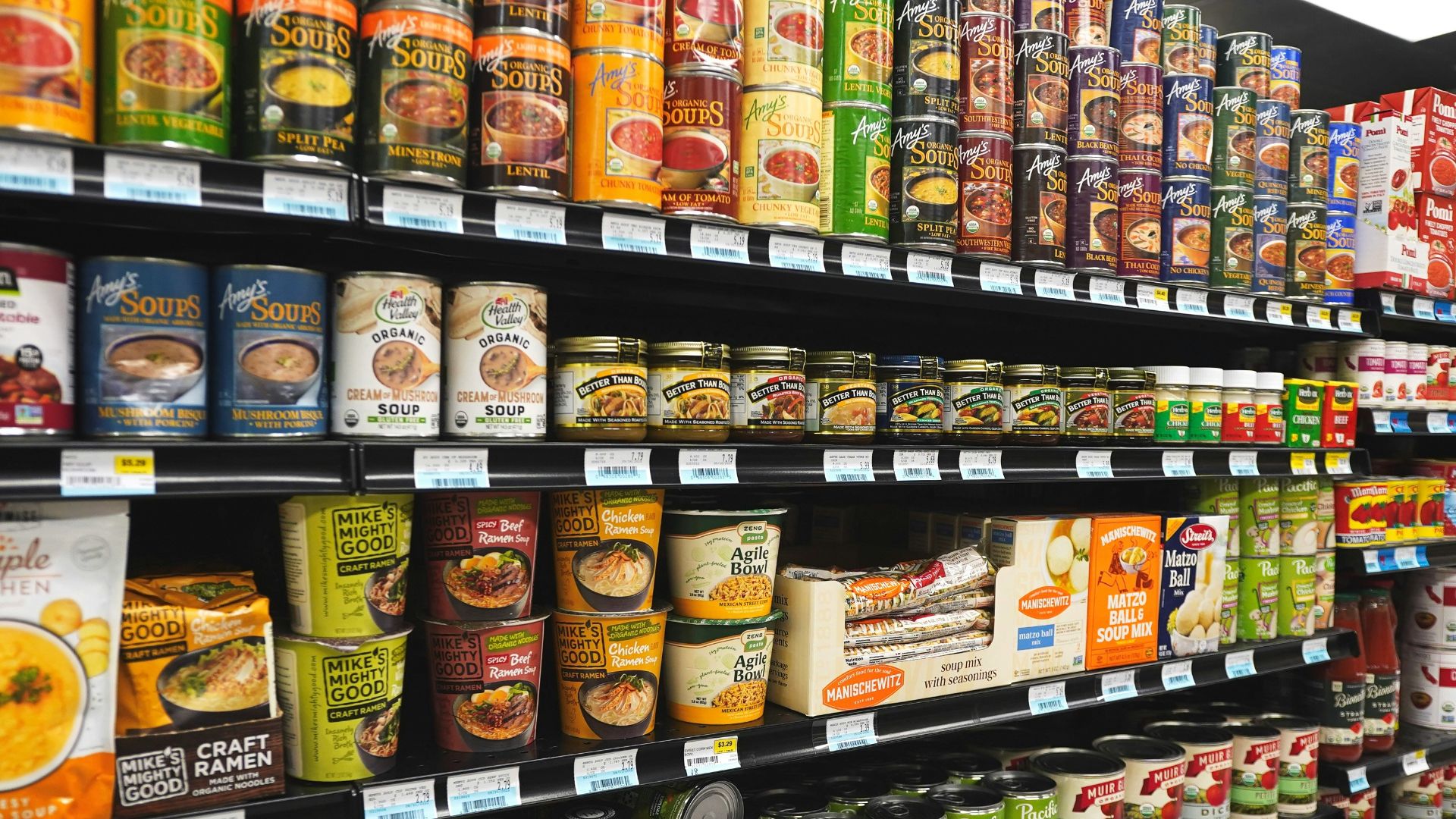
A lot of sodium comes from foods that don't even taste particularly salty. Soups, frozen meals, deli meats, sauces, and snack foods can add up fast. Reading labels gives you a clearer picture of what's actually in the foods you buy all the time.
13. Make Processed Meat Occasional
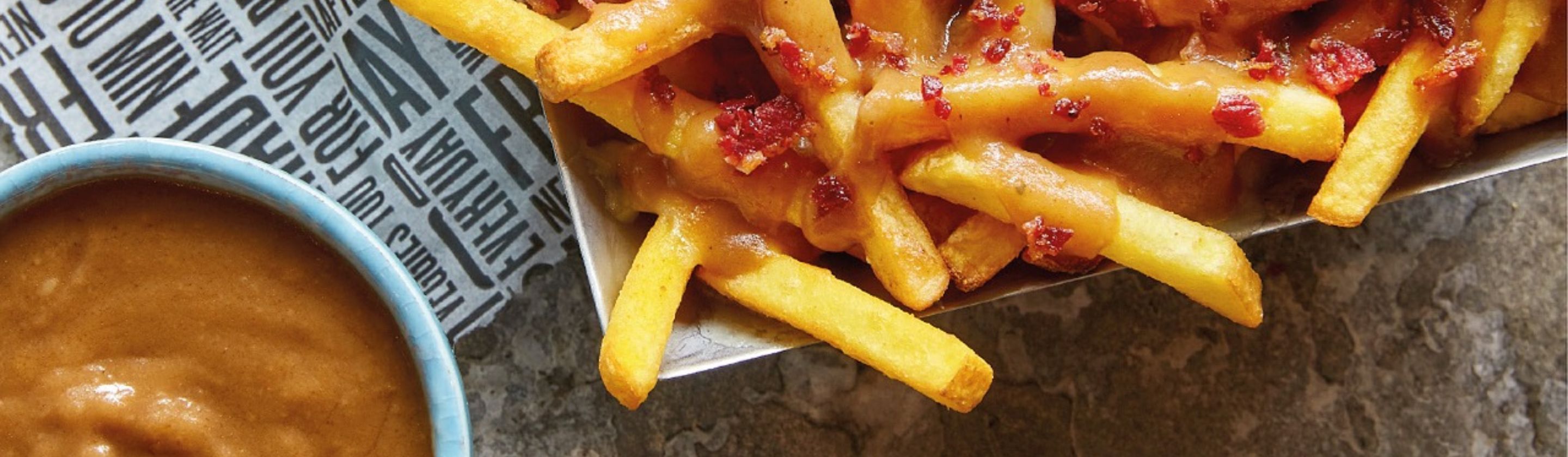
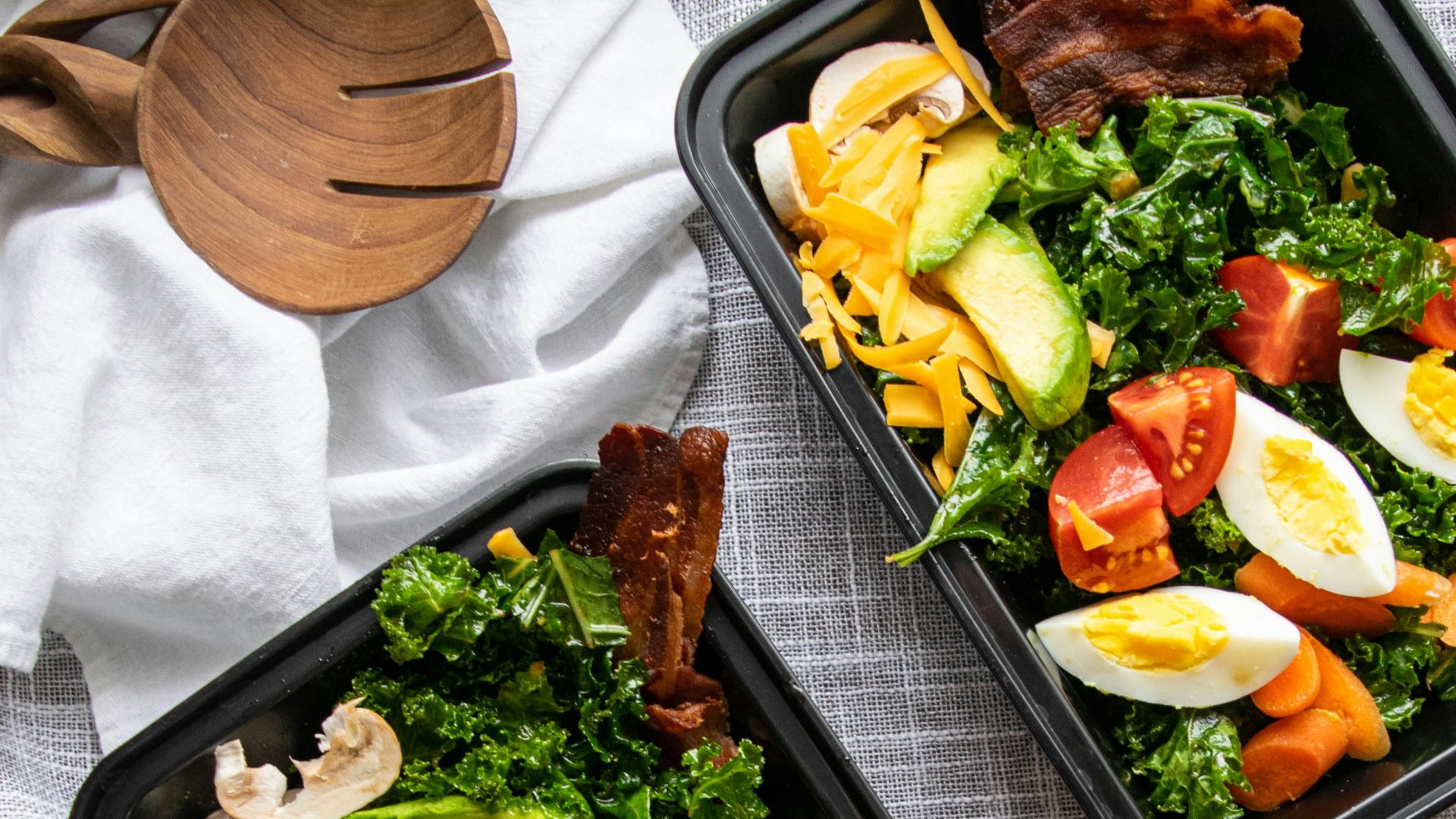
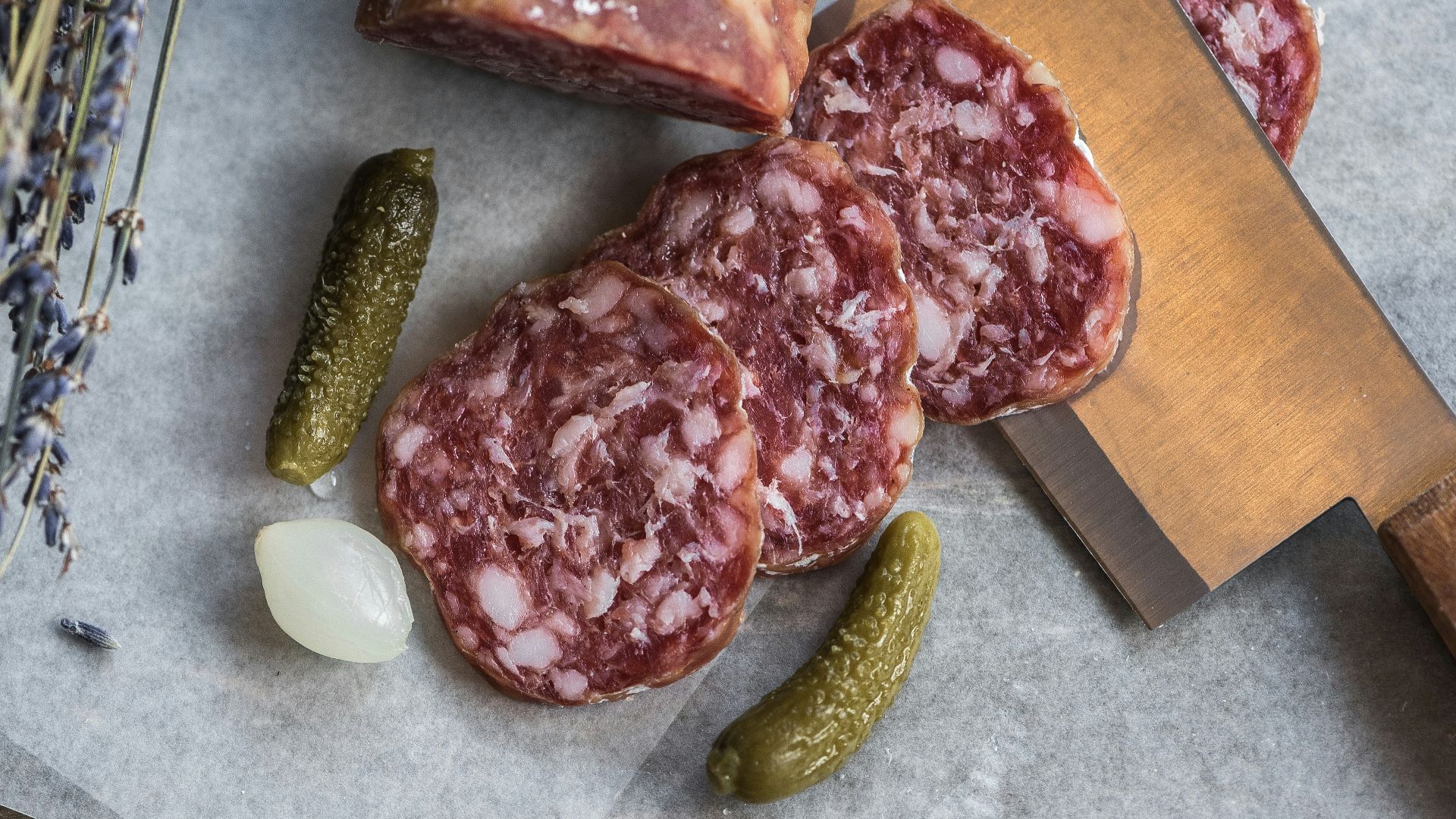
Bacon, sausage, pepperoni, and deli meats are convenient, which is exactly why they can become too regular. Keep them as occasional extras rather than everyday protein staples. Eggs, tuna, hummus, rotisserie chicken, and beans are all easy alternatives when you need something quick.
14. Keep Red Meat In Rotation, Not In Charge
Red meat can be part of a healthy diet, but it doesn't need to anchor every dinner. Mix in fish, poultry, eggs, beans, and tofu so your meals have more variety. This keeps the plate flexible and helps you avoid defaulting to burgers and steaks.
15. Protect Your Bones With Calcium-Rich Foods
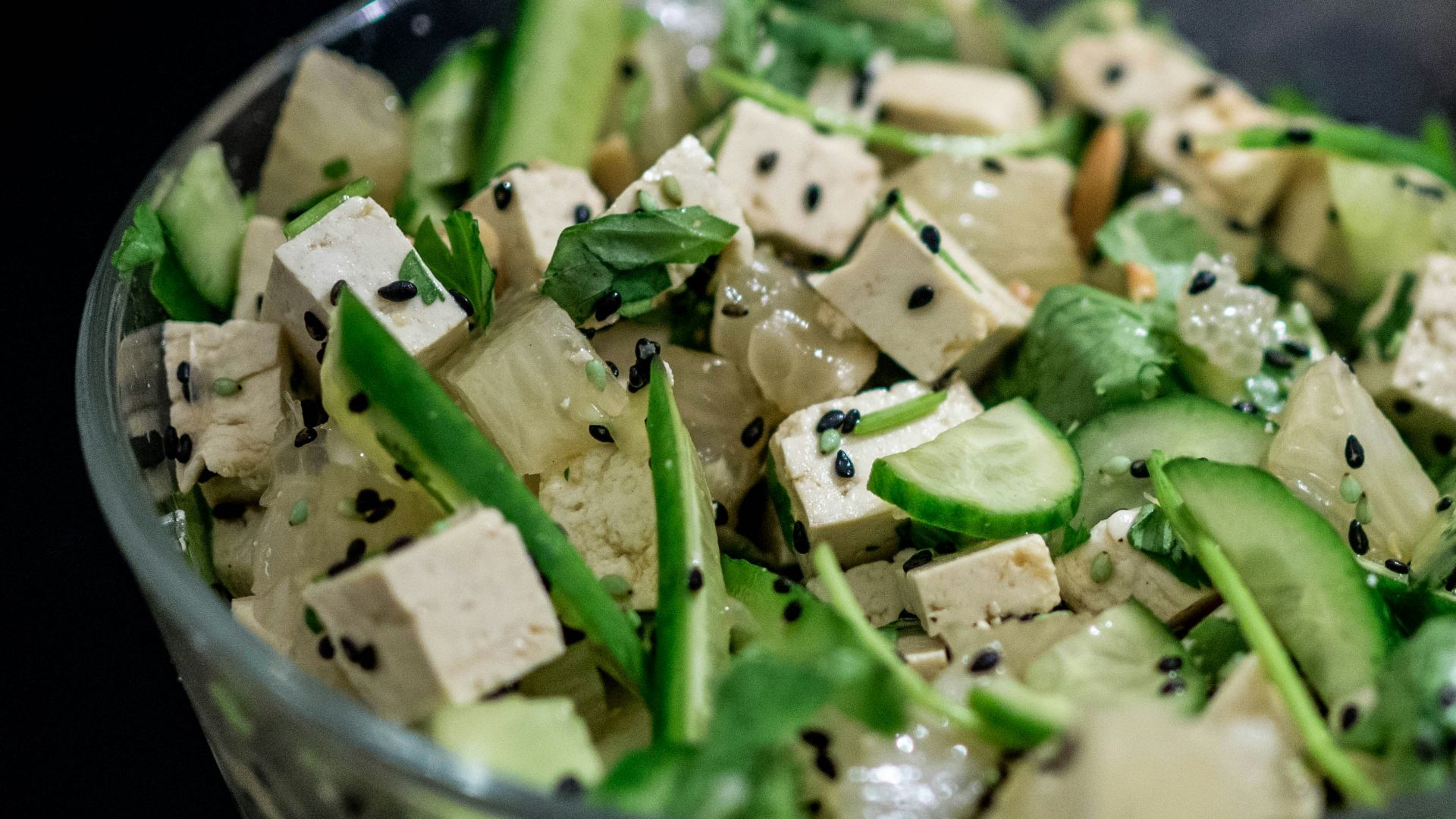
Bone health is worth caring about well before it becomes an obvious concern. Dairy, fortified plant milks, calcium-set tofu, leafy greens, and canned fish with edible bones can all support your intake. Building a steady pattern now is a lot easier than trying to course-correct later.
16. Don't Forget Vitamin D
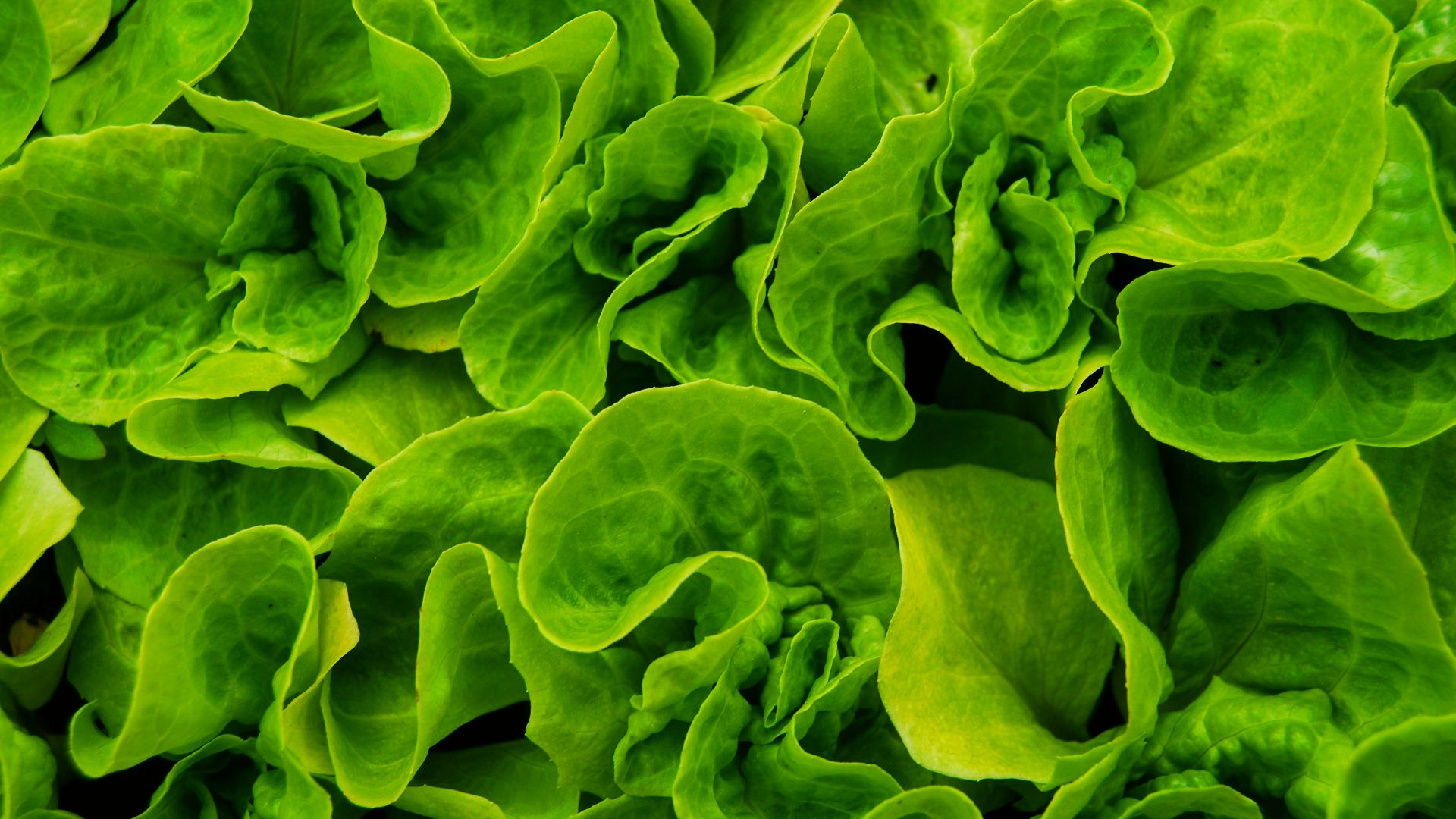
Vitamin D helps your body use calcium, so it belongs in the same conversation. Fatty fish, eggs, and fortified foods can help, though some people still need guidance from a health professional to know where they actually stand.
17. Eat More Potassium-Rich Foods
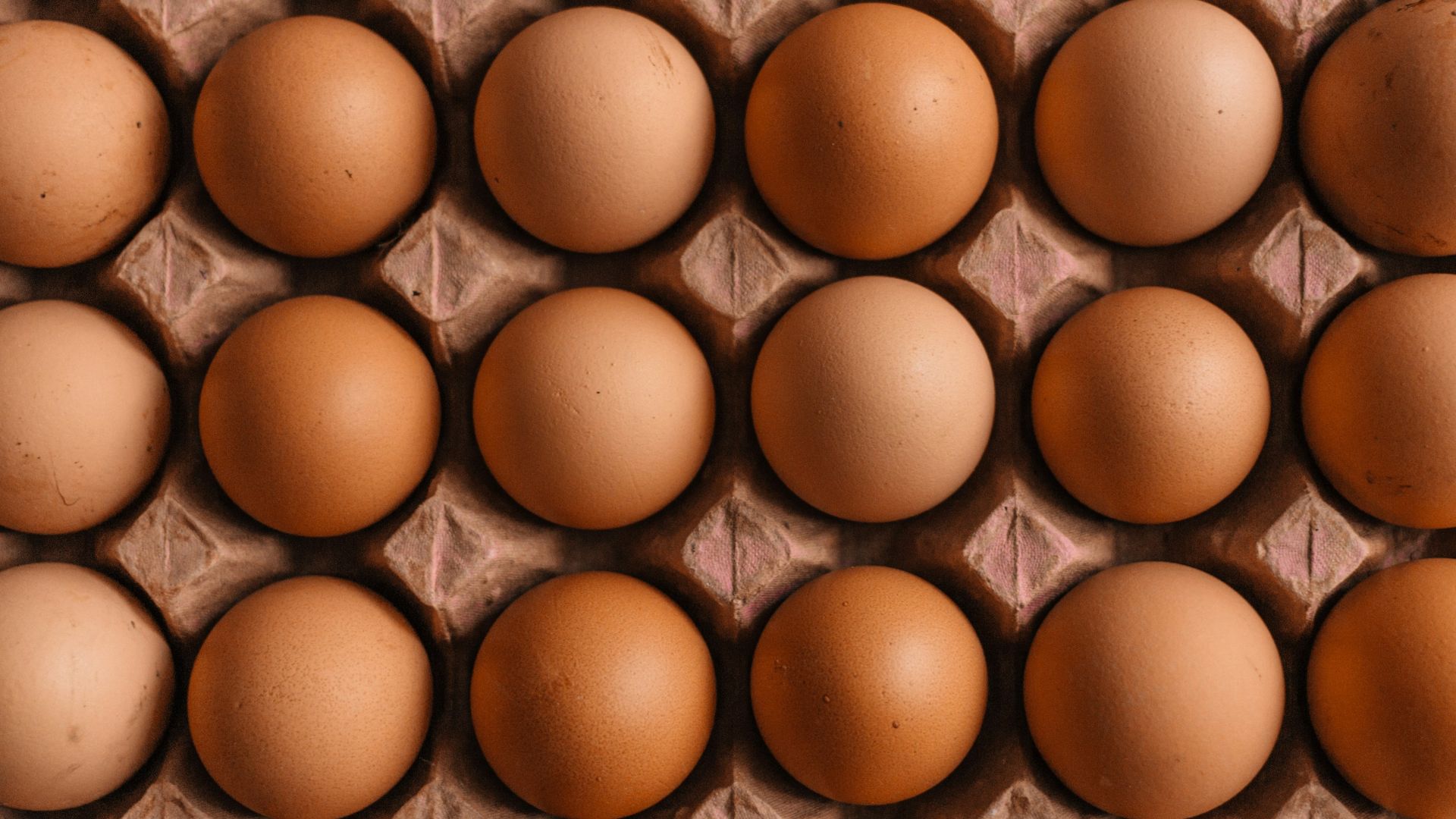
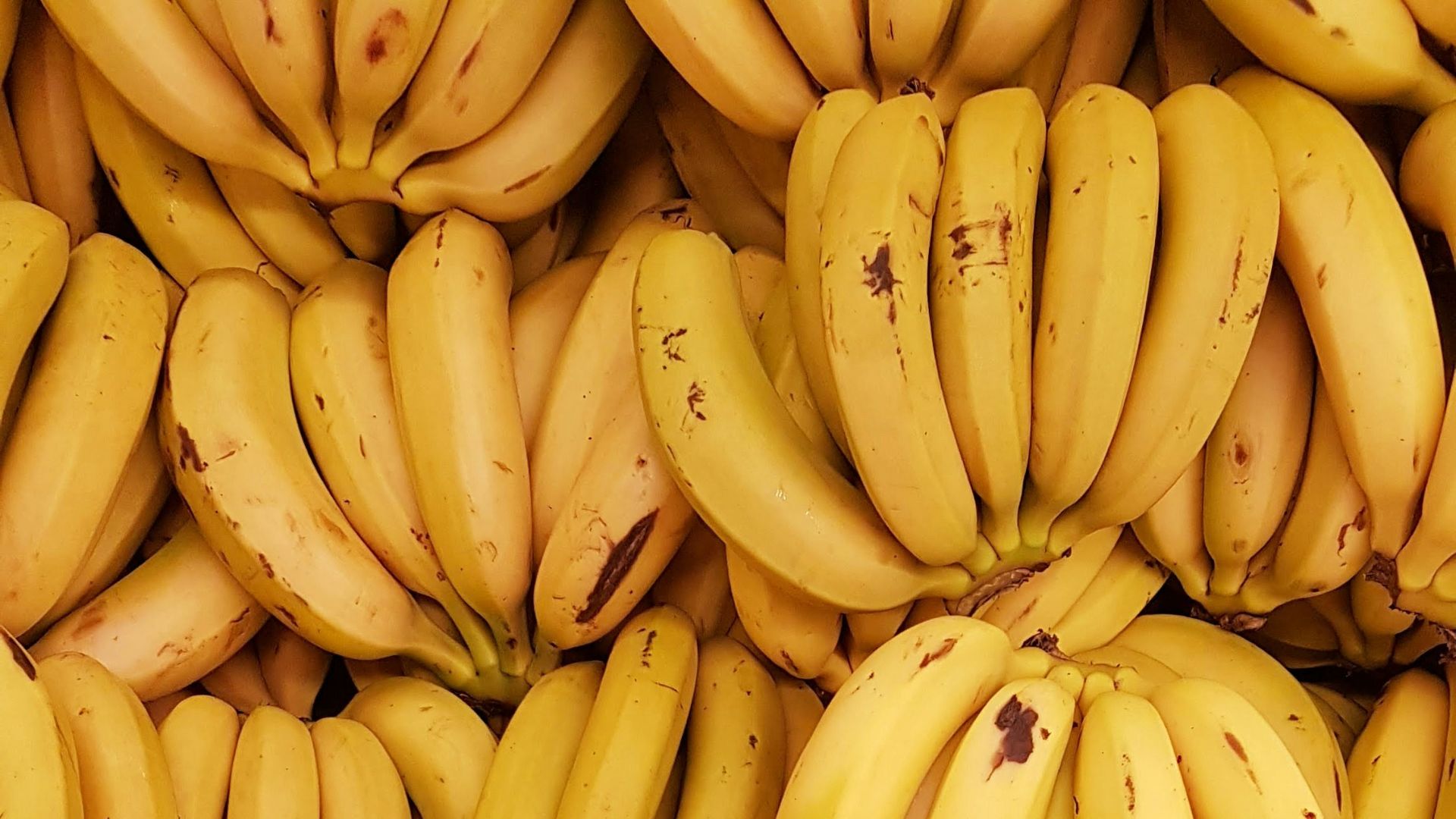
Potassium-rich foods can support healthier blood pressure patterns, especially alongside reducing excess sodium. Bananas are the obvious one, though potatoes, beans, lentils, yogurt, oranges, leafy greens, and avocado all count too. If you have kidney disease or certain medication needs, get medical guidance before pushing your potassium higher.
18. Build Snacks That Actually Hold You
A snack should steady you for a few hours, not send you back to the kitchen 20 minutes later. Pair fiber with protein or healthy fat, like apple slices with peanut butter, yogurt with berries, or hummus with vegetables.
19. Use Food Labels Without Overthinking Them
You don't need to treat every grocery trip like a nutrition exam. Start with serving size, added sugar, sodium, and fiber, then compare similar products when it makes sense. That one habit can make navigating packaged food a lot less overwhelming over time.
20. Pick A Diet You Can Actually Keep
The best eating pattern before 40 is one you can follow on a day-to-day basis. Build most meals around vegetables, fruit, whole grains, beans, lean proteins, healthy fats, and foods you actually like. Consistency tends to do more good than a total overhaul you abandon three days later.